/Events /AgentCon Istanbul
AgentCon Istanbul
This event is part of AgentCon, organized by Global AI Istanbul.
Schedule
About
Join us for the AI Agents World Tour, a global series of one-day conferences designed exclusively for developers building the future with AI agents.
From San Francisco to Singapore, we’re bringing together leading engineers, researchers, and creators to explore the cutting edge of AI agent design, deployment, and integration. Whether you’re building intelligent assistants, autonomous systems, or next-gen developer tools, this event is your fast track to practical knowledge, hands-on demos, and real-world insights.
What to Expect:
- Deep-Dive Talks from AI pioneers and industry leaders
- Technical Workshops on building, deploying, and scaling agents
- Live Demos of powerful open-source frameworks and tools
- Networking with a global community of builders and innovators
This isn't just another AI event — it’s where developers meet to talk about real code.
Ready to build the future?
Who's on stage
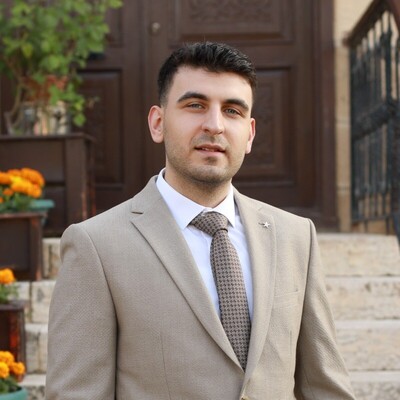
Uzun süredir açık kaynak projeleri destekliyor, düzenli olarak toplulukla deneyimlerimi paylaşıyorum. LinkedIn’de aktifim; AI agent mimarileri, araç entegrasyonları ve cloud tabanlı çözümler üzerine hem teknik hem de pratik içerikler üretiyorum. Bu sunumun amacı, AI agent geliştirmenin karmaşık olmadığını, aksine herkesin erişebileceği kadar basit ve anlaşılır olduğunu göstermek. Konuyu teknik detaylara boğmadan, ama temelsiz bırakmadan, doğrudan örnekler ve gerçek kodlarla aktaracağım.
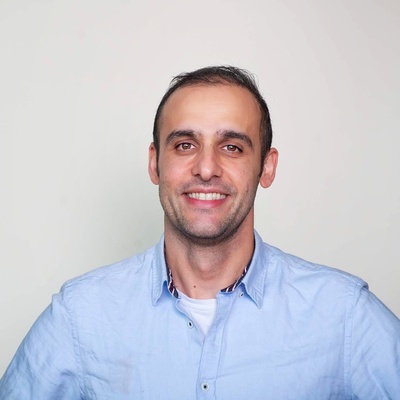
I’m a Software Engineer and a Developer Advocate at Google in London. I build tools, demos, tutorials, and give talks to educate and help developers to be successful on Google Cloud.
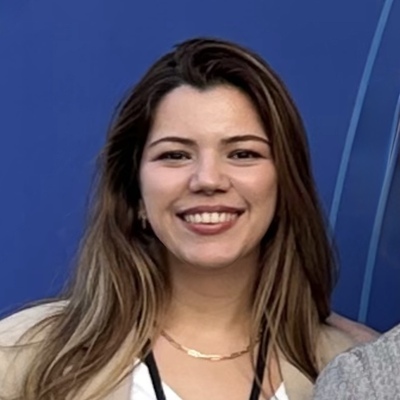
Dilara Çankaya is a data scientist at DataSpecta, where she works on building and deploying production-grade AI systems across information retrieval, financial modeling, and applied analytics. She brings a background in strategy and innovation consulting, combining technical depth with a strong understanding of business and system-level constraints. Dilara holds a master’s degree in Economics and International Relations and has a strong affinity for mathematics and statistics. She is particularly interested in data governance, explainable AI, and agent decision-making under uncertainty. She approaches AI through a systems-thinking lens, focusing on how data, architecture, and decisions interact at scale.
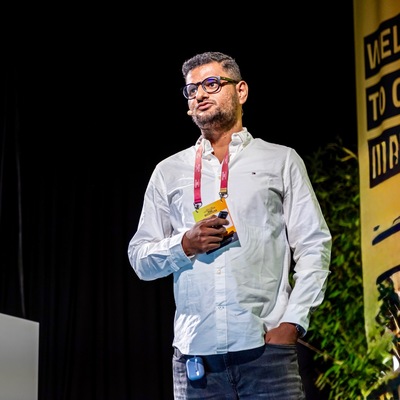
Shibi Ramachandran is a Software Engineer specializing in cloud-native platforms, distributed systems, and software architecture. He enjoys sharing practical engineering insights through talks and workshops at international tech events. His sessions focus on real-world problem-solving, clear architectural thinking, and hands-on learning.
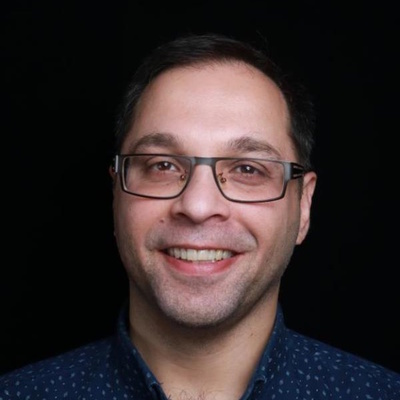
Taswar Bhatti works for Microsoft as AI Security Cloud Solutions Architect. Prior to his current position he also worked as a Solutions Architect for AWS, his focus areas are security and machine learning. He holds a BSc in Mathematics and Computing Science from University of Alberta, and is well versed in architectural design, security and building large scale security web applications; not to mention he was a Microsoft MVP for 8 years. Taswar is also fluent in many spoken languages: Cantonese, English, Turkish, and Urdu/Hindi.
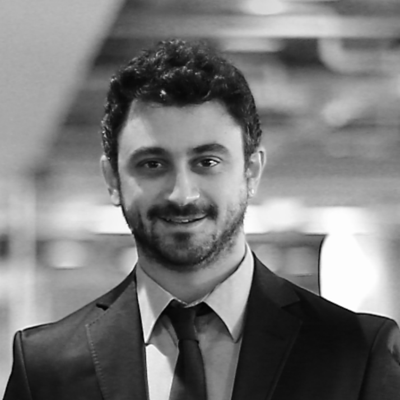
https://mvp.microsoft.com/en-us/PublicProfile/4025351
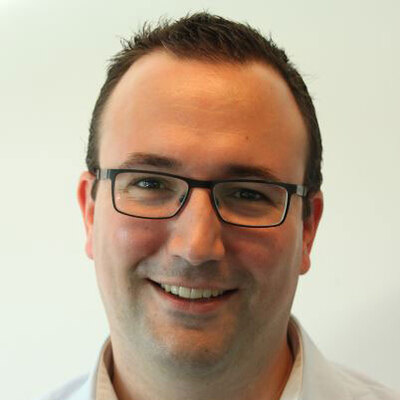
With over 20 years of experience developing software on the Microsoft stack, Roelant Dieben has a lot to share about stuff that has been obsolete for years. At Sopra Steria he is helping companies with their Azure cloud and AI challenges, he is a Microsoft Azure & AI MVP, and has a passion for machine learning & AI and application lifecycle management.

Mihail Mateev is an owner, Solution Architect, Senior Technical Evangelist at SoftProject, responsible for .Net, IoT and cloud solutions. Mihail currently works as a Senior Solution Architect at EPAM Systems. He also worked many years like a Technical evangelist in the Infragistics. Last years Mihail was focused on various areas related to technology Microsoft: Visual Studio , ASP.Net, Windows client apps, MS SQL Server and Microsoft Azure.
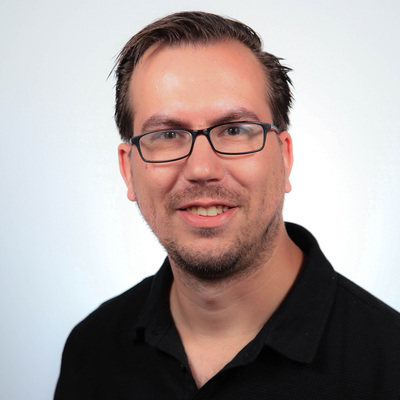
Henk is a Cloud Advocate specializing in Artificial intelligence and Azure with a background in application development. He is currently part of the AI cloud advocate team and based in the Netherlands. Before joining Microsoft, he was a Microsoft AI MVP and worked as a software developer and architect building lots of AI powered platforms on Azure.
Gizem Keskin, Co-founder and AI Engineer at Elanus Robotics, specializes in transforming traditional manufacturing processes into autonomous and intelligent systems. A double-major graduate in Computer and Mechatronics Engineering from Nişantaşı University, she approaches hardware-software integration with a multidisciplinary perspective. She develops unique solutions for complex production challenges using deep learning and computer vision technologies in industrial settings; by bridging academic discipline with field experience, she transforms theoretical models into real-time, scalable systems.

Ayca is a Senior Developer Advocate at Microsoft, she focuses on extending Microsoft 365 Copilot and building agents using Azure AI Foundry.
Mert has been working in the IT/software industry for over 9 years and currently serves as a Senior Software Engineer at Sompo. He focuses on full stack development, primarily with Microsoft / .NET technologies, specializing in software architecture, system design, clean code, and secure software development. He is passionate about contributing to communities by sharing knowledge, inspiring others, and learning together. With this motivation, he writes technical articles and speaks at events.

Software Engineer. Multi-published author (turns out fiction writing is really useful in software!). Owner of the fashion brand Prima Dona studios. Aspiring sommelier at Side Hustle Wines. Dyslexic but Dealing. Believer that tech upskilling is the ultimate equalizer. Always ready to get on a plane.

Sammy is a seasoned consultant with an extensive background in diverse industries and over a decade of experience. With a specialization in the Microsoft Stack, he has successfully undertaken and delivered numerous projects across sectors such as finance, healthcare, and beyond. In 2015, Sammy made a significant shift in his career by redirecting his focus towards Machine Learning and Artificial Intelligence (AI). Recognizing the transformative potential of these emerging technologies, he dedicated himself to mastering their applications and staying at the forefront of the field. His deep understanding of AI and its practical implications has allowed him to contribute significantly to the advancement of organizations he has been involved with. In 2017, Sammy played a pivotal role in the launch of a new company that specializes in leveraging Artificial Intelligence and Microsoft tools to maximize organizations' potential. His expertise and leadership were instrumental in establishing the company as a prominent player in the AI landscape. Through his strategic insights and hands-on involvement, Sammy has helped numerous businesses harness the power of AI to drive innovation, improve operational efficiency, and achieve sustainable growth. Beyond his professional endeavors, Sammy is a passionate advocate for AI education and community building. He serves as a board member of the global AI community, where he actively contributes to fostering collaboration, knowledge sharing, and networking opportunities among professionals in the field. As an esteemed international speaker, Sammy frequently shares his expertise and insights at industry conferences, seminars, and workshops, inspiring and educating audiences about the transformative potential of AI. Sammy's commitment to excellence and his contributions to the AI community have been recognized with the prestigious MVP (Most Valuable Professional) award in AI since 2021. This accolade further underscores his dedication, expertise, and impact in the field, cementing his position as a trusted advisor and thought leader in the intersection of AI and business. With his vast experience, deep knowledge, and unwavering passion for AI, Sammy continues to shape the future of organizations by unlocking their potential through cutting-edge technologies, and inspiring others to embark on their own AI journeys.
Mert Yeter is experienced in .NET and Microsoft technologies. He completed his Bachelor of Engineering in 2005 and has a master’s degree focused on Linux. Mert is very passionate about new technologies, especially AI and software development.
https://www.linkedin.com/in/uğur-özker-msc-mba-pmp®-50b27260/

Stephen SIMON, is a cloud and AI expert with hands-on experience in building and scaling developer communities. He has organized large-scale in-person events and as a speaker at global conferences such as Experts Live Europe and WOW Summit Hong Kong he brings clarity and depth to topics like cloud engineering and AI integrations.
Sessions & tracks
Registration
Main hall - Keynote (350) ·Opening
Main hall - Keynote (350) ·Agents of Tomorrow: Building the Next Generation of Intelligence
We stand at the edge of a profound shift in artificial intelligence. Over the last five years, generative AI has moved from novelty to necessity—transforming how we create, code, and collaborate. Now, a new frontier is emerging: AI agents. Unlike traditional tools that wait for instructions, agents can perceive, decide, and act toward goals—expanding the boundaries of what humans and machines can achieve together.
In this keynote, we’ll explore the evolution from copilots to fully agentic systems, highlight breakthroughs that are reshaping industries, and imagine the future horizons where autonomous agents redefine productivity, creativity, and discovery. Most importantly, we’ll discuss the role of humans in this new era—not as bystanders, but as leaders guiding how agents operate, align with our values, and amplify our potential.
The Agents of Tomorrow are here—and the future will be built by those bold enough to partner with them.
Henk is a Cloud Advocate specializing in Artificial intelligence and Azure with a background in application development. He is currently part of the AI cloud advocate team and based in the Netherlands. Before joining Microsoft, he was a Microsoft AI MVP and worked as a software developer and architect building lots of AI powered platforms on Azure.
Software Engineer. Multi-published author (turns out fiction writing is really useful in software!). Owner of the fashion brand Prima Dona studios. Aspiring sommelier at Side Hustle Wines. Dyslexic but Dealing. Believer that tech upskilling is the ultimate equalizer. Always ready to get on a plane.
Ayca is a Senior Developer Advocate at Microsoft, she focuses on extending Microsoft 365 Copilot and building agents using Azure AI Foundry.
Coffee
Main hall - Keynote (350) ·Building AI Agents: Real-Time APIs, Multimodal Architectures & Beyond
multi-modality with both VLM and LLM models, multi-agents with both sequential and paralel processing capabilities at different domains and open sources critical role for that.
https://www.linkedin.com/in/uğur-özker-msc-mba-pmp®-50b27260/
Agent Architects: Building Smarter Brains, One Demo at a Time
Ever wonder how AI agents think? Let's build a few and find out! In this talk, we'll explore different agent designs, test them live, and see who solves problems best (spoiler: it’s not always that difficult). We'll keep things fun, hands-on, and full of “aha” moments — because learning AI should feel like an adventure, not a lecture.
Sammy is a seasoned consultant with an extensive background in diverse industries and over a decade of experience. With a specialization in the Microsoft Stack, he has successfully undertaken and delivered numerous projects across sectors such as finance, healthcare, and beyond. In 2015, Sammy made a significant shift in his career by redirecting his focus towards Machine Learning and Artificial Intelligence (AI). Recognizing the transformative potential of these emerging technologies, he dedicated himself to mastering their applications and staying at the forefront of the field. His deep understanding of AI and its practical implications has allowed him to contribute significantly to the advancement of organizations he has been involved with. In 2017, Sammy played a pivotal role in the launch of a new company that specializes in leveraging Artificial Intelligence and Microsoft tools to maximize organizations' potential. His expertise and leadership were instrumental in establishing the company as a prominent player in the AI landscape. Through his strategic insights and hands-on involvement, Sammy has helped numerous businesses harness the power of AI to drive innovation, improve operational efficiency, and achieve sustainable growth. Beyond his professional endeavors, Sammy is a passionate advocate for AI education and community building. He serves as a board member of the global AI community, where he actively contributes to fostering collaboration, knowledge sharing, and networking opportunities among professionals in the field. As an esteemed international speaker, Sammy frequently shares his expertise and insights at industry conferences, seminars, and workshops, inspiring and educating audiences about the transformative potential of AI. Sammy's commitment to excellence and his contributions to the AI community have been recognized with the prestigious MVP (Most Valuable Professional) award in AI since 2021. This accolade further underscores his dedication, expertise, and impact in the field, cementing his position as a trusted advisor and thought leader in the intersection of AI and business. With his vast experience, deep knowledge, and unwavering passion for AI, Sammy continues to shape the future of organizations by unlocking their potential through cutting-edge technologies, and inspiring others to embark on their own AI journeys.
Lunch
Main hall - Keynote (350) ·Agent Protocols: MCP, A2A, and ADK in Action
Model Context Protocol (MCP) standardizes how models and agents access external tools and resources. Agent2Agent (A2A) Protocol defines how agents running on diverse frameworks and platforms communicate. Together, MCP and A2A enable collaborative agent ecosystems with seamless interoperability.
In this session, we’ll unpack both protocols, show how they complement each other. We’ll then see demos on how to implement these protocols in agent frameworks such as Agent Development Kit (ADK) and deploy them to the cloud to give you practical knowledge to start building your own interoperable agents.
I’m a Software Engineer and a Developer Advocate at Google in London. I build tools, demos, tutorials, and give talks to educate and help developers to be successful on Google Cloud.
Build agents with knowledge, agentic RAG and Azure AI Search
Start building your next agent with the latest knowledge features from Azure AI Search. In this session, we will demo how to connect your agentic retrieval engine to new knowledge sources like Sharepoint, web and blob. We will also walk through new controls available to improve your RAG performance, across query planning, retrieval and answer generation. Join this code-focused breakout for samples and step-by-step guidance on connecting knowledge to your next agent.
Ayca is a Senior Developer Advocate at Microsoft, she focuses on extending Microsoft 365 Copilot and building agents using Azure AI Foundry.
Mert Yeter is experienced in .NET and Microsoft technologies. He completed his Bachelor of Engineering in 2005 and has a master’s degree focused on Linux. Mert is very passionate about new technologies, especially AI and software development.
Break
Main hall - Keynote (350) ·Model Context Protocol in Practice: Building and Using MCP Servers
Tool integration is the bottleneck of modern AI agents. The Model Context Protocol (MCP) proposes a new foundation for how models interact with tools, data, and services.
This hands-on session introduces MCP through real code and real examples. We will explore the protocol, build a minimal MCP server, and demonstrate how an AI model can dynamically discover and use tools at runtime. Attendees will leave with a practical understanding of MCP and how it fits into the future of agentic systems.
Stephen SIMON, is a cloud and AI expert with hands-on experience in building and scaling developer communities. He has organized large-scale in-person events and as a speaker at global conferences such as Experts Live Europe and WOW Summit Hong Kong he brings clarity and depth to topics like cloud engineering and AI integrations.
Orchestrating Vision Agents: Real-Time Tracking of Industrial Safety and Operational Performance
In large-scale manufacturing, maintaining a bird's-eye view of both human safety and production efficiency is nearly impossible with traditional tools. In this session, I will demonstrate how I built an autonomous oversight system using a network of IP cameras functioning as coordinated "Observer Agents". I will detail a multi-agent architecture where these vision-based agents work together to eliminate blind spots and provide real-time insights across the production floor. I will explain how I implemented a dual-track analysis: on the production side, the system automates product counting, calculates cycle times, and identifies bottlenecks; on the human side, it monitors personnel safety by detecting falls and dangerous zone violations, while also evaluating ergonomic risks through posture analysis. This talk showcases how multi-camera agent networks can transform a factory into a self-reporting, safe, and highly efficient environment.
Gizem Keskin, Co-founder and AI Engineer at Elanus Robotics, specializes in transforming traditional manufacturing processes into autonomous and intelligent systems. A double-major graduate in Computer and Mechatronics Engineering from Nişantaşı University, she approaches hardware-software integration with a multidisciplinary perspective. She develops unique solutions for complex production challenges using deep learning and computer vision technologies in industrial settings; by bridging academic discipline with field experience, she transforms theoretical models into real-time, scalable systems.
Closing - Raffle - Prices
Registration
Amphi 08 - Breakout (200) ·Opening
Amphi 08 - Breakout (200) ·Agents of Tomorrow: Building the Next Generation of Intelligence
We stand at the edge of a profound shift in artificial intelligence. Over the last five years, generative AI has moved from novelty to necessity—transforming how we create, code, and collaborate. Now, a new frontier is emerging: AI agents. Unlike traditional tools that wait for instructions, agents can perceive, decide, and act toward goals—expanding the boundaries of what humans and machines can achieve together.
In this keynote, we’ll explore the evolution from copilots to fully agentic systems, highlight breakthroughs that are reshaping industries, and imagine the future horizons where autonomous agents redefine productivity, creativity, and discovery. Most importantly, we’ll discuss the role of humans in this new era—not as bystanders, but as leaders guiding how agents operate, align with our values, and amplify our potential.
The Agents of Tomorrow are here—and the future will be built by those bold enough to partner with them.
Henk is a Cloud Advocate specializing in Artificial intelligence and Azure with a background in application development. He is currently part of the AI cloud advocate team and based in the Netherlands. Before joining Microsoft, he was a Microsoft AI MVP and worked as a software developer and architect building lots of AI powered platforms on Azure.
Software Engineer. Multi-published author (turns out fiction writing is really useful in software!). Owner of the fashion brand Prima Dona studios. Aspiring sommelier at Side Hustle Wines. Dyslexic but Dealing. Believer that tech upskilling is the ultimate equalizer. Always ready to get on a plane.
Ayca is a Senior Developer Advocate at Microsoft, she focuses on extending Microsoft 365 Copilot and building agents using Azure AI Foundry.
Coffee
Amphi 08 - Breakout (200) ·AI Development in .NET: Microsoft.Extensions.AI
Yapay zeka destekli uygulamalar geliştirirken en büyük zorluklardan biri, farklı AI servislerini sürdürülebilir ve esnek bir mimariyle uygulamaya entegre edebilmektir. .NET ekosisteminde bu ihtiyaca yanıt veren Microsoft.Extensions.AI, geliştiricilere AI yeteneklerini standart ve provider-agnostic bir yapı üzerinden kullanma imkânı sunar.
Bu oturumda, Microsoft.Extensions.AI kütüphanesinin temel yaklaşımını ve .NET uygulamalarında AI tabanlı özelliklerin nasıl konumlandırılabileceğini ele alacağız. IChatClient ve embedding abstractions gibi bileşenler üzerinden, LLM tabanlı akıllı davranışların ve agent benzeri yapıların nasıl geliştirilebileceğini pratik örneklerle inceleyeceğiz.
Ayrıca dependency injection, logging, caching ve telemetry gibi .NET’in yerleşik altyapılarıyla AI entegrasyonunun nasıl uyumlu şekilde çalıştığını göreceğiz. Oturum boyunca gerçek dünya senaryolarına yakın örnekler üzerinden, AI agent geliştirmeye sağlam bir temel oluşturacak mimari yaklaşımlar paylaşılacaktır.
Bu sunum, .NET projelerinde modern AI ve agent tabanlı çözümler geliştirmek isteyen geliştiriciler ve teknik liderler için rehber niteliğindedir.
Mert has been working in the IT/software industry for over 9 years and currently serves as a Senior Software Engineer at Sompo. He focuses on full stack development, primarily with Microsoft / .NET technologies, specializing in software architecture, system design, clean code, and secure software development. He is passionate about contributing to communities by sharing knowledge, inspiring others, and learning together. With this motivation, he writes technical articles and speaks at events.
Herkes AI AGENT yazmalı
Herkes karmaşık AI agent mimarilerinden bahsediyor. Peki, neden bunun aslında sandığınızdan çok daha kolay bir şey olduğu konuşulmuyor?
Sadece birkaç satır kodla çalışan bir AI agent’ın nasıl geliştirilebileceğini adım adım göstereceğim. “Agent” dediğimiz şeyin, çoğu zaman sadece basit bir loop ve birkaç tool çağrısından ibaret olduğunu birlikte göreceğiz.
Canlı demolar, gerçek kod örnekleri ve bolca “Yok artık, bu kadar mıymış?” tepkisi sizi bekliyor.
Birkaç satır kodla nelerin mümkün olduğunu birlikte göreceğiz.
Uzun süredir açık kaynak projeleri destekliyor, düzenli olarak toplulukla deneyimlerimi paylaşıyorum. LinkedIn’de aktifim; AI agent mimarileri, araç entegrasyonları ve cloud tabanlı çözümler üzerine hem teknik hem de pratik içerikler üretiyorum. Bu sunumun amacı, AI agent geliştirmenin karmaşık olmadığını, aksine herkesin erişebileceği kadar basit ve anlaşılır olduğunu göstermek. Konuyu teknik detaylara boğmadan, ama temelsiz bırakmadan, doğrudan örnekler ve gerçek kodlarla aktaracağım.
Lunch
Amphi 08 - Breakout (200) ·AI Agents for Real-Time Digital Twins: Autonomous Monitoring, Prediction & Maintenanc
This session is about how to combine Azure Digital Twins, IoT telemetry, Microsoft Fabric, and AI agents to create fully autonomous monitoring systems. Presentation Key points:
Agentic workflows that inspect telemetry streams (vibrations, temperature, humidity, motion, etc.).
Real-time anomaly detection → agent reasoning → automated actions (e.g., ticket creation, shutting down equipment).
Integrating Digital Twin graphs with LLMs (agents querying twin relationships to understand semantic context).
Using Azure AI Agent Service + Eventstreams/Eventhouse for “sense → think → act
Mihail Mateev is an owner, Solution Architect, Senior Technical Evangelist at SoftProject, responsible for .Net, IoT and cloud solutions. Mihail currently works as a Senior Solution Architect at EPAM Systems. He also worked many years like a Technical evangelist in the Infragistics. Last years Mihail was focused on various areas related to technology Microsoft: Visual Studio , ASP.Net, Windows client apps, MS SQL Server and Microsoft Azure.
The Critical Four: Securing Agentic AI with the OWASP Top Risks
Agentic AI systems don’t just generate responses — they take actions, call tools, move data, and influence other agents. With this new autonomy comes a new attack surface. OWASP’s 2026 Top 10 for Agentic Applications is the first global framework for securing autonomous AI agents. In this session, we’ll focus on the Critical Four — the four risks that account for most real‑world incidents today: Agent Goal Hijack, Tool Misuse, Identity & Privilege Abuse, and Memory Poisoning. You’ll learn how attackers exploit them, why traditional guardrails fail, and practical mitigations you can apply immediately. If you’re building, deploying, or securing AI agents, this session will show you where the real dangers are — and how to defend against them.”
Taswar Bhatti works for Microsoft as AI Security Cloud Solutions Architect. Prior to his current position he also worked as a Solutions Architect for AWS, his focus areas are security and machine learning. He holds a BSc in Mathematics and Computing Science from University of Alberta, and is well versed in architectural design, security and building large scale security web applications; not to mention he was a Microsoft MVP for 8 years. Taswar is also fluent in many spoken languages: Cantonese, English, Turkish, and Urdu/Hindi.
Break
Amphi 08 - Breakout (200) ·Building External MCP Servers with Azure Functions
The Model Context Protocol (MCP) is redefining how large language models interact with the outside world, enabling them to securely call external tools and APIs. In this session, we’ll explore how Azure Functions — enhanced with the new mcpTool trigger — can act as scalable, cloud-hosted MCP servers.
You’ll learn how to: • Deploy a Python-based Azure Functions MCP server in minutes using Microsoft’s public sample. • Define custom MCP tools that allow AI clients (like VS Code Agent Mode) to take real-world actions. • Implement a practical scenario where MCP tools interact with Azure DevOps to fetch data, automate workflows, and respond to natural language prompts. • Extend the pattern to integrate with any API or service, from cloud management to enterprise systems.
We’ll cover both the technical setup and real-world use cases, showing how this approach unlocks a new generation of AI-driven automation. By the end, you’ll see how to turn Azure Functions into a powerful bridge between LLMs and the tools your business runs on.
https://mvp.microsoft.com/en-us/PublicProfile/4025351
The Router Has Opinions: Agentic decision patterns for institutional knowledge and finance systems
AI agents become truly useful when they can decide what to do next, not just generate answers.
In this talk, I share lessons from agentic systems built at DataSpecta drawn from real-world use cases where choices matter: querying official disclosures to assess company history and risk, running financial scenario simulations, and working with capital markets data for stocks and funds. Across these projects, we repeatedly applied the same idea: making routing and tool selection a first-class, observable decision made by an agent.
Rather than focusing on a single framework or model, the session highlights adaptable decision structures: how routers reason over intent, context, and constraints, how they recover from uncertainty, and how their behavior can be evaluated and governed in production.
Attendees will leave with concrete patterns and mental models for building AI systems that can choose, adapt, and operate reliably in real-world environments.
Dilara Çankaya is a data scientist at DataSpecta, where she works on building and deploying production-grade AI systems across information retrieval, financial modeling, and applied analytics. She brings a background in strategy and innovation consulting, combining technical depth with a strong understanding of business and system-level constraints. Dilara holds a master’s degree in Economics and International Relations and has a strong affinity for mathematics and statistics. She is particularly interested in data governance, explainable AI, and agent decision-making under uncertainty. She approaches AI through a systems-thinking lens, focusing on how data, architecture, and decisions interact at scale.
Closing - Raffle - Prices
Registration
Amphi 01 - Workshop (50) ·Opening
Amphi 01 - Workshop (50) ·Agents of Tomorrow: Building the Next Generation of Intelligence
We stand at the edge of a profound shift in artificial intelligence. Over the last five years, generative AI has moved from novelty to necessity—transforming how we create, code, and collaborate. Now, a new frontier is emerging: AI agents. Unlike traditional tools that wait for instructions, agents can perceive, decide, and act toward goals—expanding the boundaries of what humans and machines can achieve together.
In this keynote, we’ll explore the evolution from copilots to fully agentic systems, highlight breakthroughs that are reshaping industries, and imagine the future horizons where autonomous agents redefine productivity, creativity, and discovery. Most importantly, we’ll discuss the role of humans in this new era—not as bystanders, but as leaders guiding how agents operate, align with our values, and amplify our potential.
The Agents of Tomorrow are here—and the future will be built by those bold enough to partner with them.
Henk is a Cloud Advocate specializing in Artificial intelligence and Azure with a background in application development. He is currently part of the AI cloud advocate team and based in the Netherlands. Before joining Microsoft, he was a Microsoft AI MVP and worked as a software developer and architect building lots of AI powered platforms on Azure.
Software Engineer. Multi-published author (turns out fiction writing is really useful in software!). Owner of the fashion brand Prima Dona studios. Aspiring sommelier at Side Hustle Wines. Dyslexic but Dealing. Believer that tech upskilling is the ultimate equalizer. Always ready to get on a plane.
Ayca is a Senior Developer Advocate at Microsoft, she focuses on extending Microsoft 365 Copilot and building agents using Azure AI Foundry.
Coffee
Amphi 01 - Workshop (50) ·Build a Pizza Ordering Agent with Microsoft Foundry and MCP
In this hands-on workshop, you’ll learn to build domain-specific AI agents with Foundry Agent Service. Starting from a simple agent, you’ll add system prompts, custom instructions, and knowledge with RAG. You’ll extend it with tool calling (like a pizza calculator) and connect external services via MCP for live menu and order handling. By the end, you’ll have a working Contoso PizzaBot that can answer questions, recommend pizzas, and manage orders.
With over 20 years of experience developing software on the Microsoft stack, Roelant Dieben has a lot to share about stuff that has been obsolete for years. At Sopra Steria he is helping companies with their Azure cloud and AI challenges, he is a Microsoft Azure & AI MVP, and has a passion for machine learning & AI and application lifecycle management.
Lunch
Amphi 01 - Workshop (50) ·The Spec-Anchored Mandate: Stop "Vibe Coding" and Start Engineering
It’s a bit of a trap, isn’t it? We start "vibe coding" because seeing Copilot generate 50 lines of code in seconds feels like a superpower. But it’s often a sugar rush.
The hidden cost is that we stop architecting and start reacting. We skip the deep thinking, and suddenly, crucial design decisions are trapped in a chat history or "locked in someone's head" rather than the codebase. The AI guesses at our style, leading to "architectural drift" where the system becomes a patchwork of inconsistent logic that is hard to maintain. We end up saving minutes on typing but spending hours debugging code we didn't really design.
Here is how we take the wheel back with Spec-Driven Development (SDD):
Instead of fighting the AI, we govern it. We use SDD to turn that "vibe" into a verifiable contract:
We Architect a "Constitution": We write a permanent set of "semantic guardrails" that tells the AI exactly what is forbidden and what is required, ensuring it acts like a senior engineer, not a random contributor.
We Anchor the Spec: We stop treating prompts as disposable. We move to a "Spec-Anchored" model where the specification is the durable source of truth that outlives the generated code.
We Shift Validation Left: We don't just hope the code works; we auto-validate it against those contracts in the CI pipeline before we even review it, catching "drift" instantly.
Key Takeaways :
- Constraint Engineering: How to write a "Constitution" that maps architectural standards to strict LLM boundaries to prevent hallucinations.
- The Spec-Anchored Model: Moving from disposable prompts to durable, evolvable specifications that govern the entire lifecycle.
- Executable Contracts: Techniques to compel Copilot to generate code directly from technical plans.
- Shift-Left Validation: Strategies for using generated contracts to automate compliance testing before code is ever merged.
Target Audience :
Software Engineers, Architects, Lead Developers, and Engineering Managers seeking to institutionalize Generative AI with rigorous governance standards.
Detailed workshop reference document : https://docs.google.com/document/d/1Z7WjXYhlcIPBvz1CBeHPS89nBBwesWoPP34w0W-9M28/edit?usp=sharing
Shibi Ramachandran is a Software Engineer specializing in cloud-native platforms, distributed systems, and software architecture. He enjoys sharing practical engineering insights through talks and workshops at international tech events. His sessions focus on real-world problem-solving, clear architectural thinking, and hands-on learning.
Break
Amphi 01 - Workshop (50) ·Closing - Raffle - Prices
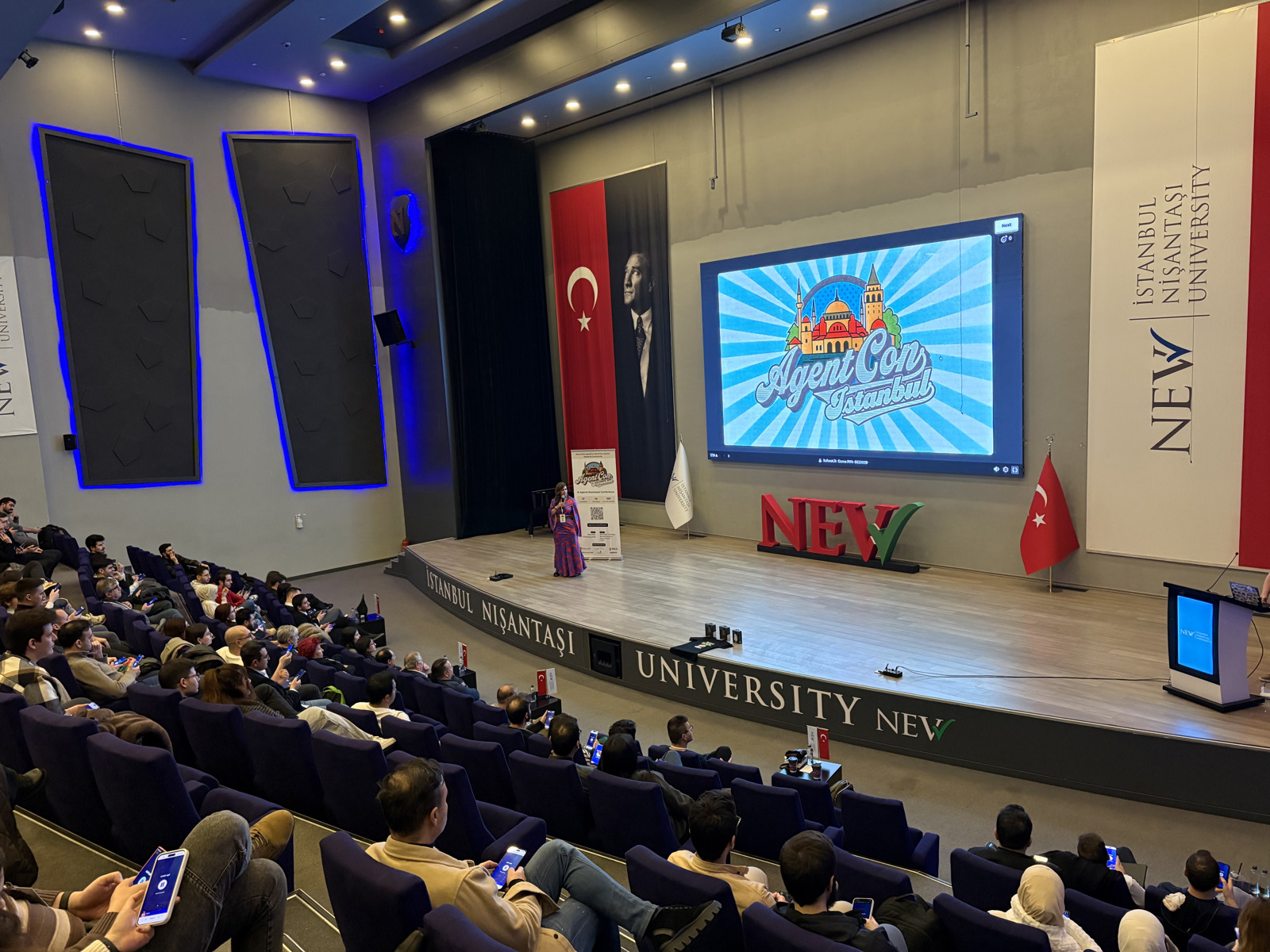
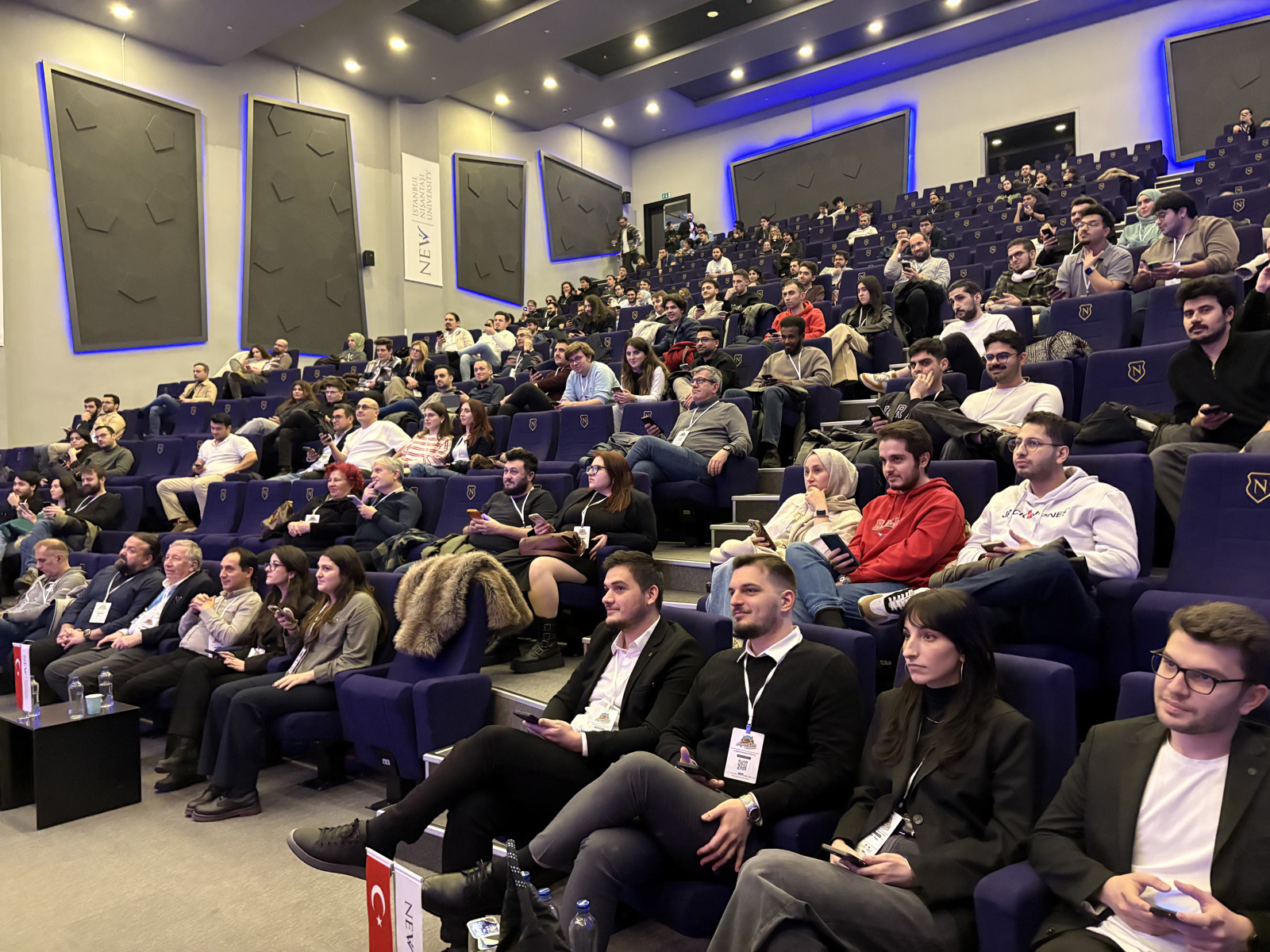
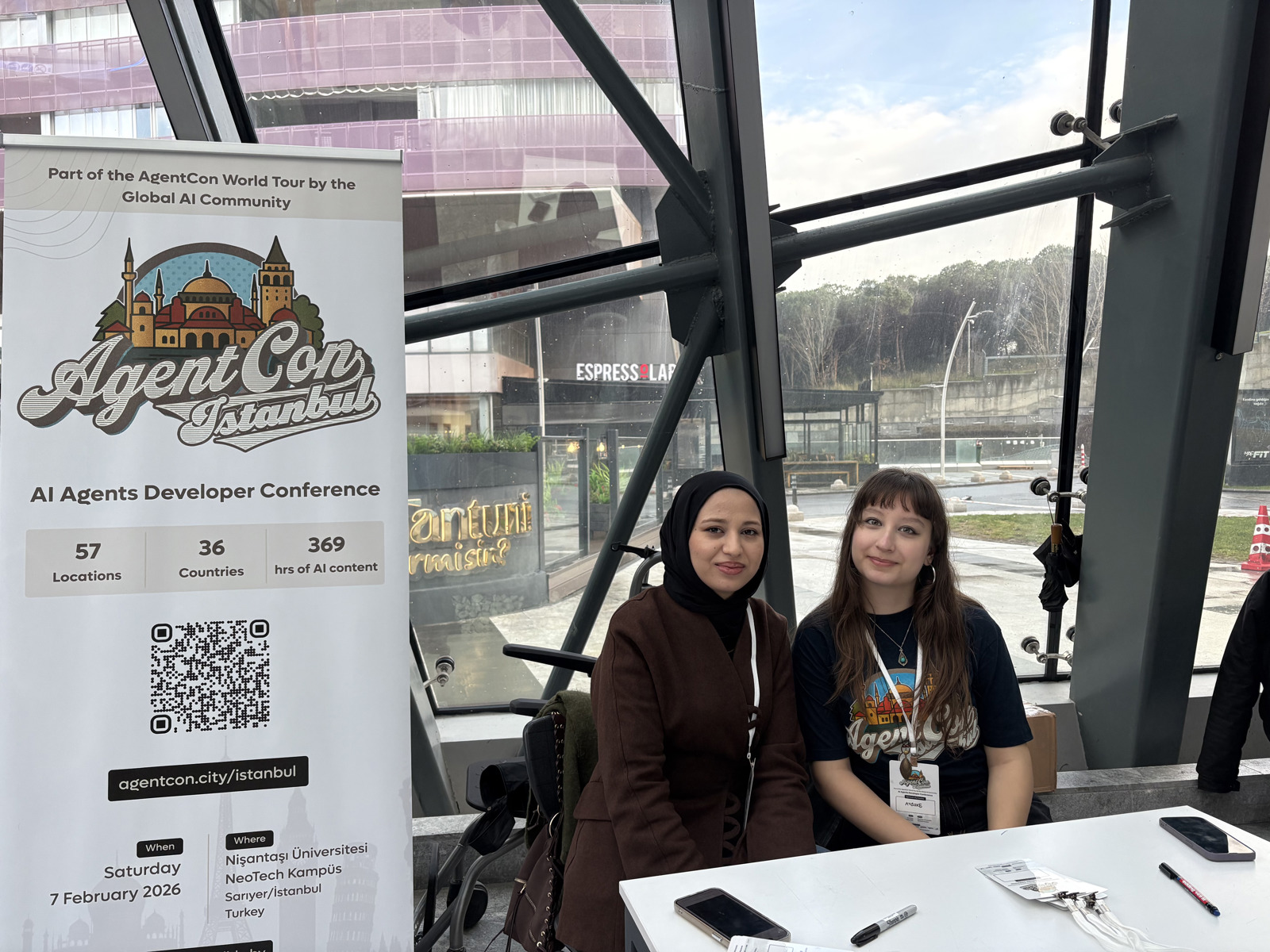
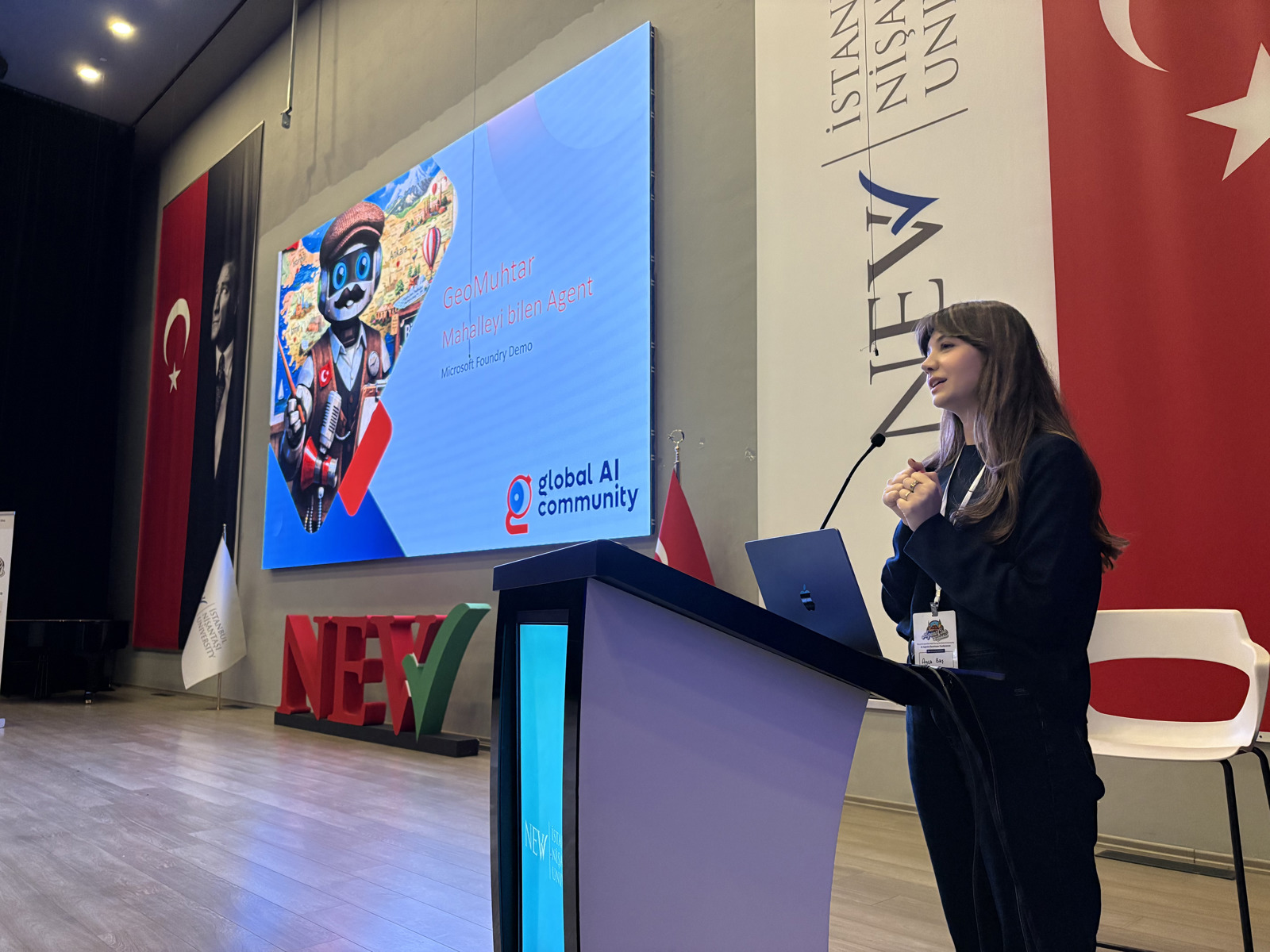
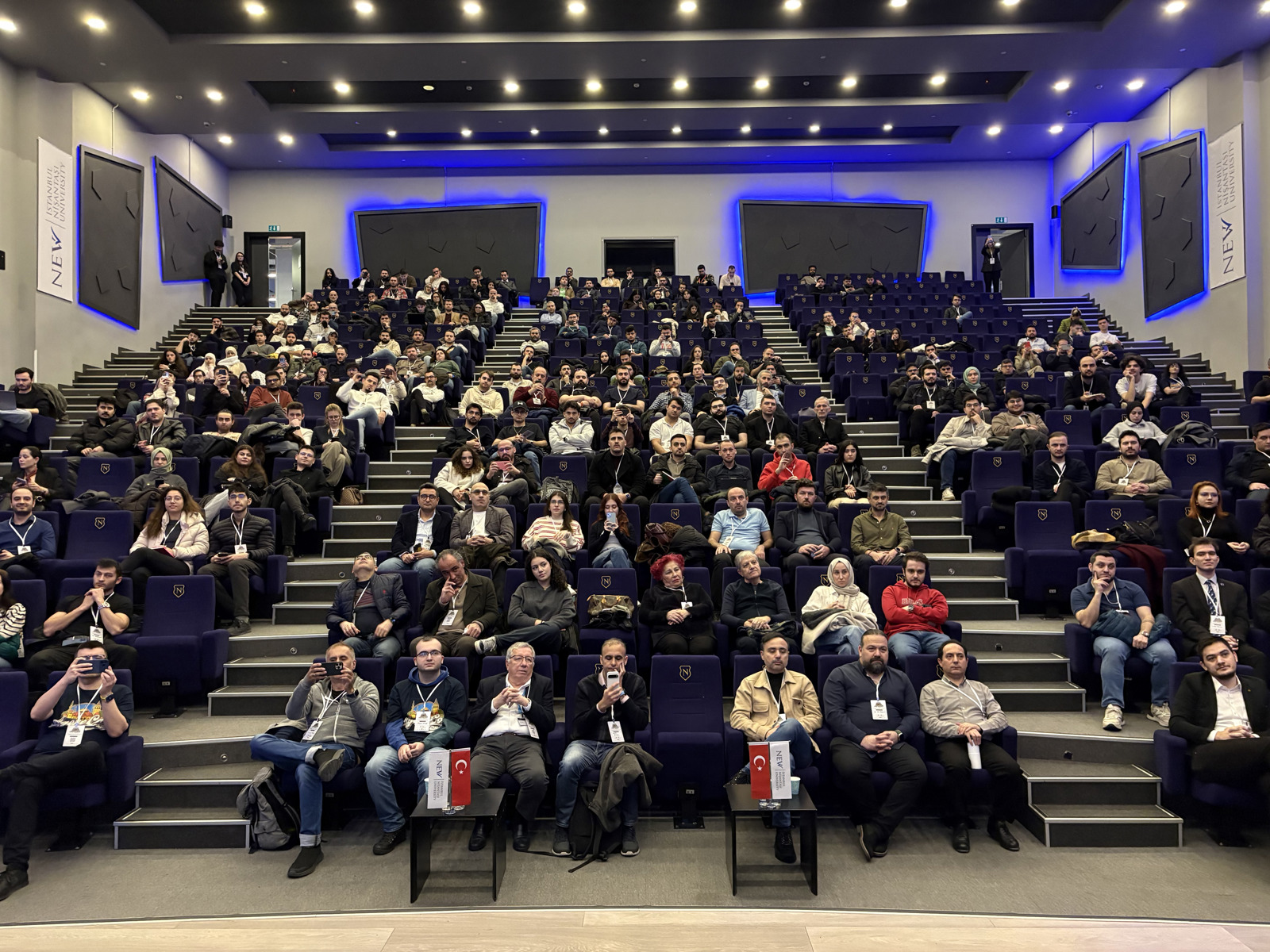
This is how it looked
Explore AgentCon
AI Agents Developer Conference
AgentCon made possible by: