/Events /AgentCon - Vancouver
AgentCon - Vancouver
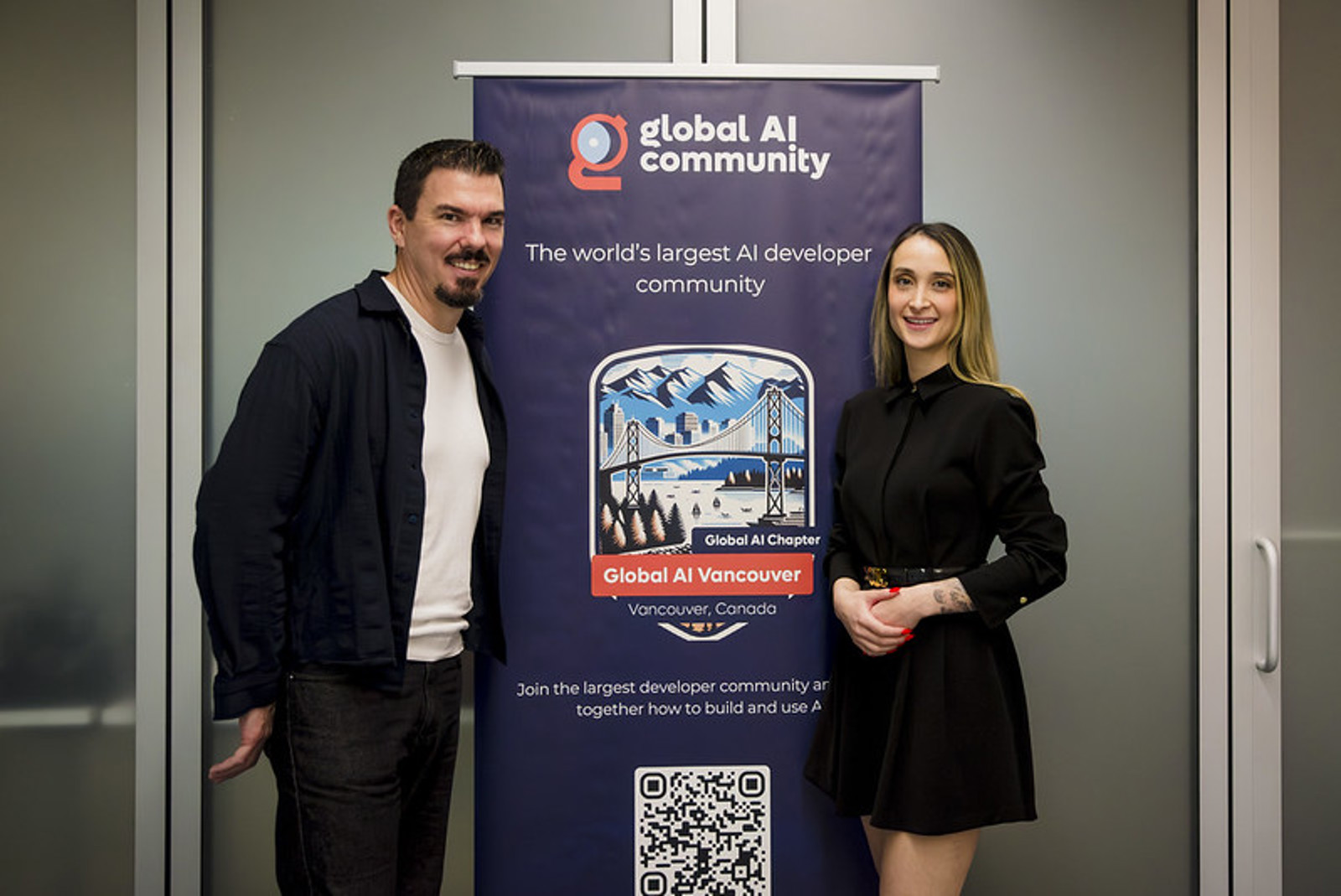
This event is part of AgentCon, organized by Global AI Vancouver.
Schedule
About
Join us for the AI Agents World Tour, a global series of one-day conferences designed exclusively for developers building the future with AI agents.
From San Francisco to Singapore, we’re bringing together leading engineers, researchers, and creators to explore the cutting edge of AI agent design, deployment, and integration. Whether you’re building intelligent assistants, autonomous systems, or next-gen developer tools, this event is your fast track to practical knowledge, hands-on demos, and real-world insights.
What to Expect:
- Deep-Dive Talks from AI pioneers and industry leaders
- Technical Workshops on building, deploying, and scaling agents
- Live Demos of powerful open-source frameworks and tools
- Networking with a global community of builders and innovators
This isn't just another AI event — it’s where developers meet to talk about real code.
Ready to build the future?
Parking Details
EasyPark – Flex-Pass (Lot 9 – Pacific Centre)
- Provides building access directly to 725 Granville.
- Height restriction: 6 ft 6 in.
- Lot Details
Please note that parking fees are not included as part of the conference.
Who's on stage
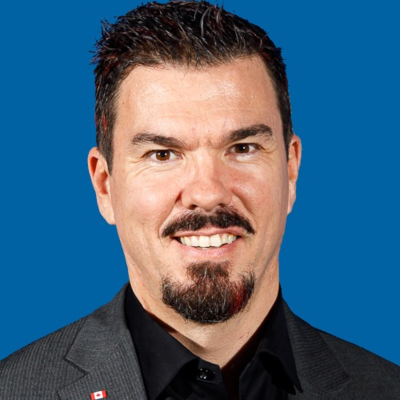
Matt Carolan is a Cloud Leader and security expert with over 5,000 days designing, breaking, and rebuilding cloud systems — and 2,500 days experimenting with AI. He organizes the Cloud Summit series in Vancouver and Toronto www.CloudSummit.ca and founded HackerRivals.com, a fast paced competitive AI and Cloud engineering challenge platform. Matt’s work sits at the intersection of innovation and caution: guiding teams to build intelligent systems that are powerful, secure, and worthy of human trust.
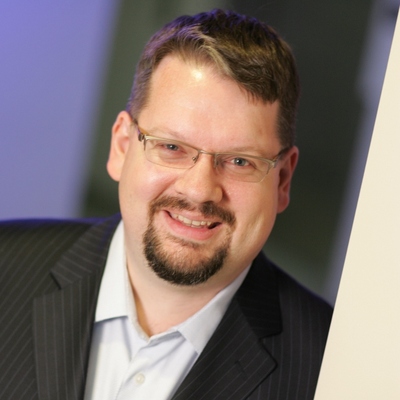
Richard Campbell wrote his first line of code in 1977. His career has spanned the computing industry both on the hardware and software sides, development, and operations. He was a co-founder of Strangeloop Networks, acquired by Radware in 2013, and was on the board of directors of Telerik, which was acquired by Progress Software in 2014. Today, he is a consultant and advisor to a number of successful technology firms and is the founder and chairman of Humanitarian Toolbox (www.htbox.org), a public charity that builds open-source software for disaster relief. Richard also hosts three podcasts: .NET Rocks! (www.dotnetrocks.com) for .NET developers, RunAs Radio (www.runasradio.com) for IT Professionals, and Windows Weekly (https://twit.tv/shows/windows-weekly).
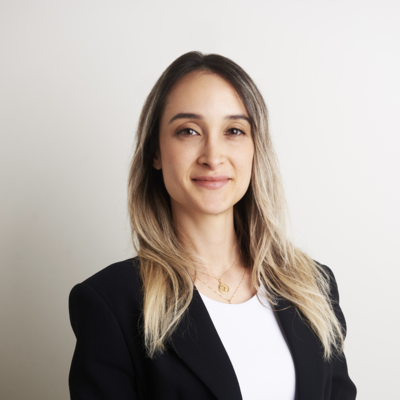
Bibi is a software engineer, community builder, and entrepreneur. A community lover at heart, she splits her time between work and supporting the local tech community in Vancouver.

David Molina is a Global Technical Program Manager at Microsoft, where he helps Independent Software Vendors (ISVs) build, publish, and scale AI-powered solutions on Azure Marketplace. With a strong background in technology innovation and program leadership, David has advanced initiatives such as AI Agents for marketing operations, solutions that reduce cognitive load for tech sales roles by automating manual tasks, and the development of propensity models to predict startup success, among others. These projects reflect his focus on blending innovation with practical impact for partners and customers. He holds a master’s degree in technology Innovation and is pursuing a second master’s in computer science at Georgia Tech, reflecting his deep commitment to continuous learning. Beyond his work at Microsoft, David is a passionate advocate for Responsible AI, empowering organizations to design solutions that are not only innovative but also trustworthy, ethical, and inclusive.

Dr. Laradji is a Research Scientist at ServiceNow and Adjunct Professor at the University of British Columbia (UBC), focusing on machine learning, computer vision, and natural language processing. Specializing in large-scale optimization, few-shot learning, and self-supervised learning approaches with 50+ publications in top-tier conferences including NeurIPS, ICML, ICLR, and CVPR. He completed his PhD at the University of British Columbia and postdoctoral fellowship at McGill University. Currently leading AI research initiatives for enterprise applications while supervising graduate students and teaching advanced ML courses.
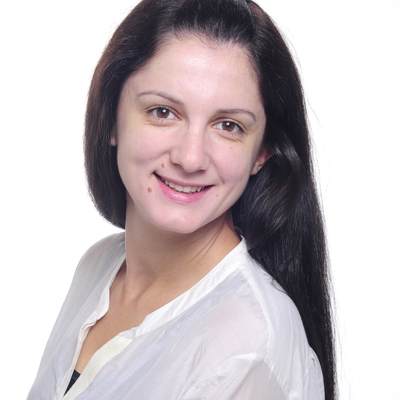
Egina Malaj, PhD, is an AI Architect who designs enterprise-grade AI and agentic systems built for real operational impact. Her work turns complex strategy into clear architectures and solutions that genuinely move organizations into production.
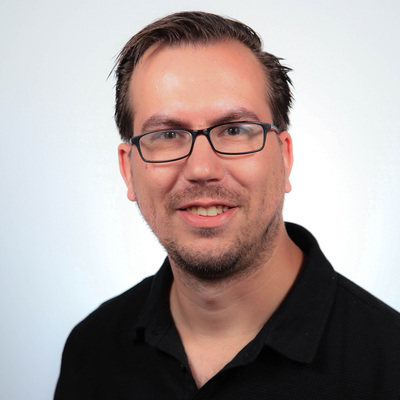
Henk is a Cloud Advocate specializing in Artificial intelligence and Azure with a background in application development. He is currently part of the AI cloud advocate team and based in the Netherlands. Before joining Microsoft, he was a Microsoft AI MVP and worked as a software developer and architect building lots of AI powered platforms on Azure.
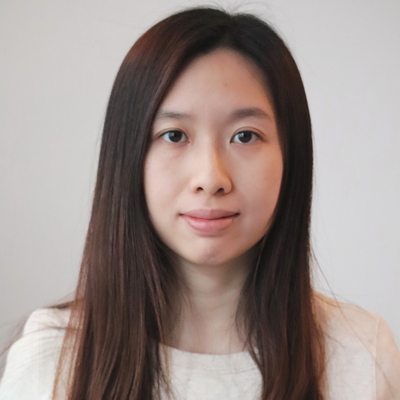
Esther designs and implements on-premises and cloud-based data solutions, with a specialization in data engineering, business intelligence reporting and data science.
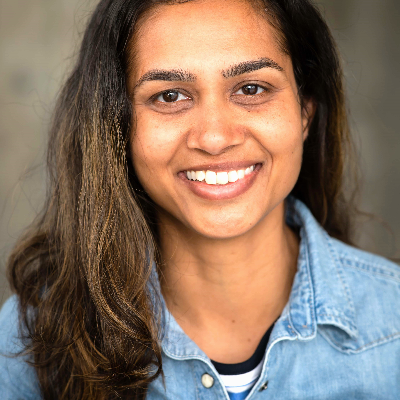
Bhuvi Vatsey is a Senior Product Manager at Microsoft, with sharp focus on scaling AI-driven platforms and unlocking growth through cloud-native innovation. At this event, Bhuvi will unpack how to build performant Azure Agents with the Azure AI Toolkit—blending product thinking with hands-on technical execution.
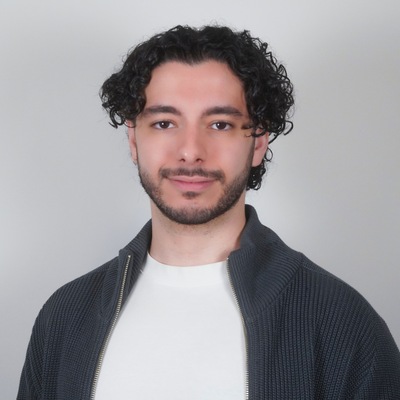
Keyann Al Kheder is an AI engineer specializing in agent applications, orchestration, and tooling for production environments. His work focuses on building domain-specific agents using MCP, structured prompting, and tool-driven workflows.
Software Engineer, Industrial, UX/UI Designer & Graphic Designer, CG Artist with 12 years professional experience. Always experimenting and building various projects to incorporating emerging technologies to deliver innovative user experiences.
Leader at the Vancouver Technology User Group and Workplace Ninjas Canada. Director, Services and Alliances at Steeves and Associates ex-Microsoft Partner Manager (FastTrack Europe)
Sessions & tracks
Registration
MPR 706 ·Welcome to AgentCon
Welcome to AgentCon
Agents of Tomorrow: Building the Next Generation of Intelligence
We stand at the edge of a profound shift in artificial intelligence. Over the last five years, generative AI has moved from novelty to necessity—transforming how we create, code, and collaborate. Now, a new frontier is emerging: AI agents. Unlike traditional tools that wait for instructions, agents can perceive, decide, and act toward goals—expanding the boundaries of what humans and machines can achieve together.
In this keynote, we’ll explore the evolution from copilots to fully agentic systems, highlight breakthroughs that are reshaping industries, and imagine the future horizons where autonomous agents redefine productivity, creativity, and discovery. Most importantly, we’ll discuss the role of humans in this new era—not as bystanders, but as leaders guiding how agents operate, align with our values, and amplify our potential.
The Agents of Tomorrow are here—and the future will be built by those bold enough to partner with them.
Henk is a Cloud Advocate specializing in Artificial intelligence and Azure with a background in application development. He is currently part of the AI cloud advocate team and based in the Netherlands. Before joining Microsoft, he was a Microsoft AI MVP and worked as a software developer and architect building lots of AI powered platforms on Azure.
Why AI Will Fail — and How Developers Can Stop It
This talk begins with the big question everyone secretly asks: Will AI destroy us, replace us, or save us? From there, we zoom in — from the philosophical to the practical, unpacking why AI’s greatest risk isn’t malevolent intent, but careless design.
We’ll trace the recurring anxiety that’s followed every intelligence revolution, from the Industrial Age to the Internet, and show why this one is no different. Roles change, but humanity adapts. What’s new is the scale and speed of AI’s reach, and the moral load it places on developers.
We’ll explore the ethical terrain every builder must now navigate: privacy, bias, discrimination, copyright, accountability, misinformation, data mining, fairness, inclusiveness, and transparency. Then we’ll move into the developer’s domain, how to build guardrails, apply security patterns, and keep agents aligned with human intent.
Finally, we’ll zoom out again to glimpse what’s next: quantum-accelerated AI, the next frontier that could multiply both our capabilities and our headaches.
This isn’t a talk about fearing AI’s failure; it’s about understanding it, anticipating it, and engineering for a world where intelligent systems succeed without losing sight of the humans they serve.
Matt Carolan is a Cloud Leader and security expert with over 5,000 days designing, breaking, and rebuilding cloud systems — and 2,500 days experimenting with AI. He organizes the Cloud Summit series in Vancouver and Toronto www.CloudSummit.ca and founded HackerRivals.com, a fast paced competitive AI and Cloud engineering challenge platform. Matt’s work sits at the intersection of innovation and caution: guiding teams to build intelligent systems that are powerful, secure, and worthy of human trust.
Bibi is a software engineer, community builder, and entrepreneur. A community lover at heart, she splits her time between work and supporting the local tech community in Vancouver.
Security Copilot Agents: Empowering Defenders at Scale
Discover the power of Security Copilot Agents! In this session, we’ll explore pre-built agents that accelerate common security workflows and then walk through building your own custom agent to fit unique organizational needs. Learn how agents simplify tasks, empower defenders, and scale security operations—all with practical demos and actionable guidance.
Bhuvi Vatsey is a Senior Product Manager at Microsoft, with sharp focus on scaling AI-driven platforms and unlocking growth through cloud-native innovation. At this event, Bhuvi will unpack how to build performant Azure Agents with the Azure AI Toolkit—blending product thinking with hands-on technical execution.
Leader at the Vancouver Technology User Group and Workplace Ninjas Canada. Director, Services and Alliances at Steeves and Associates ex-Microsoft Partner Manager (FastTrack Europe)
Embeddings: Explained via Real-Time Interactive Visualizations
This session will introduce embeddings through a set of interactive visualizations. We’ll also briefly dive deeper into the central role embeddings play in transformers, including the differences between encoder-only, decoder-only and encoder-decoder models.
Software Engineer, Industrial, UX/UI Designer & Graphic Designer, CG Artist with 12 years professional experience. Always experimenting and building various projects to incorporating emerging technologies to deliver innovative user experiences.
Lunch & Networking
MPR 706 ·The Search Layer That Makes Agentic AI Possible
Embeddings and vector search are now central to how AI systems find and use information. This talk provides a practical introduction to embedding models and their role in semantic search. We’ll build intuition for how text and images are represented as vectors, how similarity is computed, and how approximate nearest-neighbor indexing makes retrieval fast and scalable. We’ll also cover hybrid search, lightweight evaluation metrics, and common production pitfalls. We will bring all to life through a short, recorded demo of the main steps to produce an index using Azure AI Search systems. Finally, we’ll introduce agentic retrieval which is a planner-driven, iterative search that refines queries and validates coverage to improve accuracy in real systems.
Egina Malaj, PhD, is an AI Architect who designs enterprise-grade AI and agentic systems built for real operational impact. Her work turns complex strategy into clear architectures and solutions that genuinely move organizations into production.
Esther designs and implements on-premises and cloud-based data solutions, with a specialization in data engineering, business intelligence reporting and data science.
MCP in the Trenches of Production: Beyond the Hello World Hype
MCP is all the hype, but when it comes down to it, when should you actually implement it, and how? This talk puts you in the seat of an engineer making design decisions, examining the real costs and tradeoffs of using MCP servers versus custom tools in production. We'll build the same feature twice, a tool call that uses MCP servers and one with custom tools, so you can see the actual differences in development velocity, token consumption, and security surface. Then we'll fast-forward to explore considerations at scale, like context window bloat, connection failures, and security, as well as patterns for mitigating these issues. You'll leave with concrete examples and considerations for how to evaluate and implement MCPs in production apps.
Keyann Al Kheder is an AI engineer specializing in agent applications, orchestration, and tooling for production environments. His work focuses on building domain-specific agents using MCP, structured prompting, and tool-driven workflows.
Agents With Principles: Ethics Built Into AI
As AI systems become more autonomous, the risks and responsibilities grow. This 25-minute session breaks down the foundations of ethical agent design and how Responsible AI frameworks can be applied to ensure AI agents act in alignment with human values.
David Molina is a Global Technical Program Manager at Microsoft, where he helps Independent Software Vendors (ISVs) build, publish, and scale AI-powered solutions on Azure Marketplace. With a strong background in technology innovation and program leadership, David has advanced initiatives such as AI Agents for marketing operations, solutions that reduce cognitive load for tech sales roles by automating manual tasks, and the development of propensity models to predict startup success, among others. These projects reflect his focus on blending innovation with practical impact for partners and customers. He holds a master’s degree in technology Innovation and is pursuing a second master’s in computer science at Georgia Tech, reflecting his deep commitment to continuous learning. Beyond his work at Microsoft, David is a passionate advocate for Responsible AI, empowering organizations to design solutions that are not only innovative but also trustworthy, ethical, and inclusive.
After the AI Hype – What’s Real, and What’s Next
Artificial Intelligence dominates the headlines, driving unprecedented attention and expectations—but much of the conversation is fueled by hype. At the same time, real breakthroughs are transforming industries and reshaping how businesses and developers work. This session explores the current AI surge: what’s real, what’s exaggerated, and where organizations are achieving meaningful results today. It also examines the mechanics of a hype cycle, its inevitable decline, and what the aftermath will mean for the future of AI technologies.
Richard Campbell wrote his first line of code in 1977. His career has spanned the computing industry both on the hardware and software sides, development, and operations. He was a co-founder of Strangeloop Networks, acquired by Radware in 2013, and was on the board of directors of Telerik, which was acquired by Progress Software in 2014. Today, he is a consultant and advisor to a number of successful technology firms and is the founder and chairman of Humanitarian Toolbox (www.htbox.org), a public charity that builds open-source software for disaster relief. Richard also hosts three podcasts: .NET Rocks! (www.dotnetrocks.com) for .NET developers, RunAs Radio (www.runasradio.com) for IT Professionals, and Windows Weekly (https://twit.tv/shows/windows-weekly).
Registration
MPR2 707 ·Welcome to AgentCon
Welcome to AgentCon
Agents of Tomorrow: Building the Next Generation of Intelligence
We stand at the edge of a profound shift in artificial intelligence. Over the last five years, generative AI has moved from novelty to necessity—transforming how we create, code, and collaborate. Now, a new frontier is emerging: AI agents. Unlike traditional tools that wait for instructions, agents can perceive, decide, and act toward goals—expanding the boundaries of what humans and machines can achieve together.
In this keynote, we’ll explore the evolution from copilots to fully agentic systems, highlight breakthroughs that are reshaping industries, and imagine the future horizons where autonomous agents redefine productivity, creativity, and discovery. Most importantly, we’ll discuss the role of humans in this new era—not as bystanders, but as leaders guiding how agents operate, align with our values, and amplify our potential.
The Agents of Tomorrow are here—and the future will be built by those bold enough to partner with them.
Henk is a Cloud Advocate specializing in Artificial intelligence and Azure with a background in application development. He is currently part of the AI cloud advocate team and based in the Netherlands. Before joining Microsoft, he was a Microsoft AI MVP and worked as a software developer and architect building lots of AI powered platforms on Azure.
Build a Pizza Ordering Agent with Microsoft Foundry and MCP
In this hands-on workshop, you’ll learn to build domain-specific AI agents with Foundry Agent Service. Starting from a simple agent, you’ll add system prompts, custom instructions, and knowledge with RAG. You’ll extend it with tool calling (like a pizza calculator) and connect external services via MCP for live menu and order handling. By the end, you’ll have a working Contoso PizzaBot that can answer questions, recommend pizzas, and manage orders.
Henk is a Cloud Advocate specializing in Artificial intelligence and Azure with a background in application development. He is currently part of the AI cloud advocate team and based in the Netherlands. Before joining Microsoft, he was a Microsoft AI MVP and worked as a software developer and architect building lots of AI powered platforms on Azure.
Egina Malaj, PhD, is an AI Architect who designs enterprise-grade AI and agentic systems built for real operational impact. Her work turns complex strategy into clear architectures and solutions that genuinely move organizations into production.
Keyann Al Kheder is an AI engineer specializing in agent applications, orchestration, and tooling for production environments. His work focuses on building domain-specific agents using MCP, structured prompting, and tool-driven workflows.
Lunch & Networking
MPR2 707 ·Extracting Needles in the Haystack with Deep Research Agents
I will walk you through how to implement a deep research agent that can find "needles in the haystack" by breaking big user questions into smaller ones, searching across different datasets, and using iterative loops to check what is missing and refine the search.
We will cover the full workflow, including how questions are broken down, how semantic search works across many file formats, how the agent expands or adjusts its queries through reflection, and how everything is combined into a clear final answer.
A key goal of deep research is to answer a high-level question by first generating an intermediate report that gathers the most dominant insights needed to resolve that question.
Participants will work hands-on with a benchmark that hides important facts across public and private sources.
By the end, you will have built a working deep research agent capable of uncovering hidden insights across large and messy corpora.
An example of a deep research question is: "What are the main technical and regulatory barriers slowing down the deployment of next-generation energy storage systems, and what evidence supports each barrier?"
Please come prepared with Python and Cursor or VSCode Copilot installed.
Dr. Laradji is a Research Scientist at ServiceNow and Adjunct Professor at the University of British Columbia (UBC), focusing on machine learning, computer vision, and natural language processing. Specializing in large-scale optimization, few-shot learning, and self-supervised learning approaches with 50+ publications in top-tier conferences including NeurIPS, ICML, ICLR, and CVPR. He completed his PhD at the University of British Columbia and postdoctoral fellowship at McGill University. Currently leading AI research initiatives for enterprise applications while supervising graduate students and teaching advanced ML courses.
After the AI Hype – What’s Real, and What’s Next
Artificial Intelligence dominates the headlines, driving unprecedented attention and expectations—but much of the conversation is fueled by hype. At the same time, real breakthroughs are transforming industries and reshaping how businesses and developers work. This session explores the current AI surge: what’s real, what’s exaggerated, and where organizations are achieving meaningful results today. It also examines the mechanics of a hype cycle, its inevitable decline, and what the aftermath will mean for the future of AI technologies.
Richard Campbell wrote his first line of code in 1977. His career has spanned the computing industry both on the hardware and software sides, development, and operations. He was a co-founder of Strangeloop Networks, acquired by Radware in 2013, and was on the board of directors of Telerik, which was acquired by Progress Software in 2014. Today, he is a consultant and advisor to a number of successful technology firms and is the founder and chairman of Humanitarian Toolbox (www.htbox.org), a public charity that builds open-source software for disaster relief. Richard also hosts three podcasts: .NET Rocks! (www.dotnetrocks.com) for .NET developers, RunAs Radio (www.runasradio.com) for IT Professionals, and Windows Weekly (https://twit.tv/shows/windows-weekly).
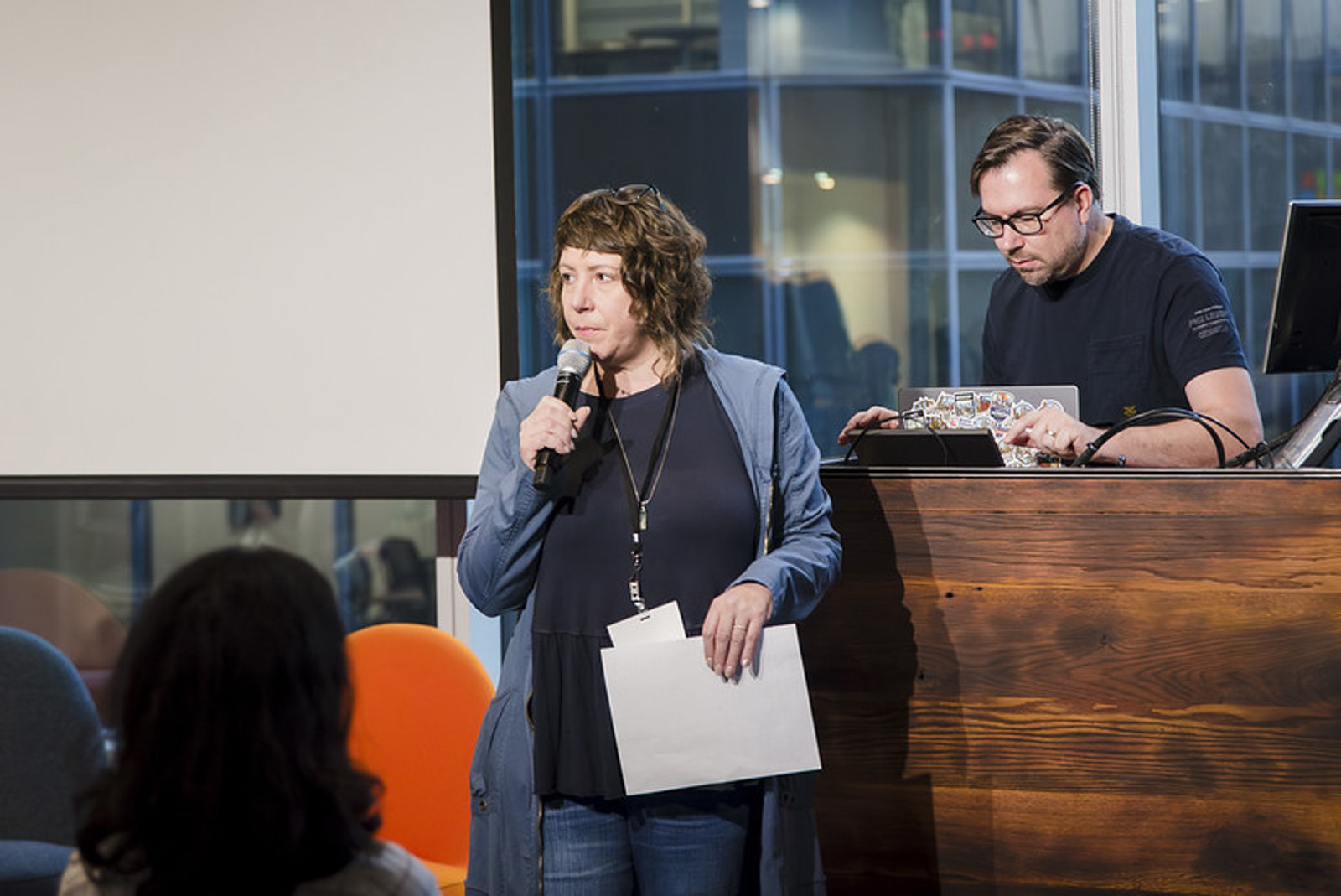
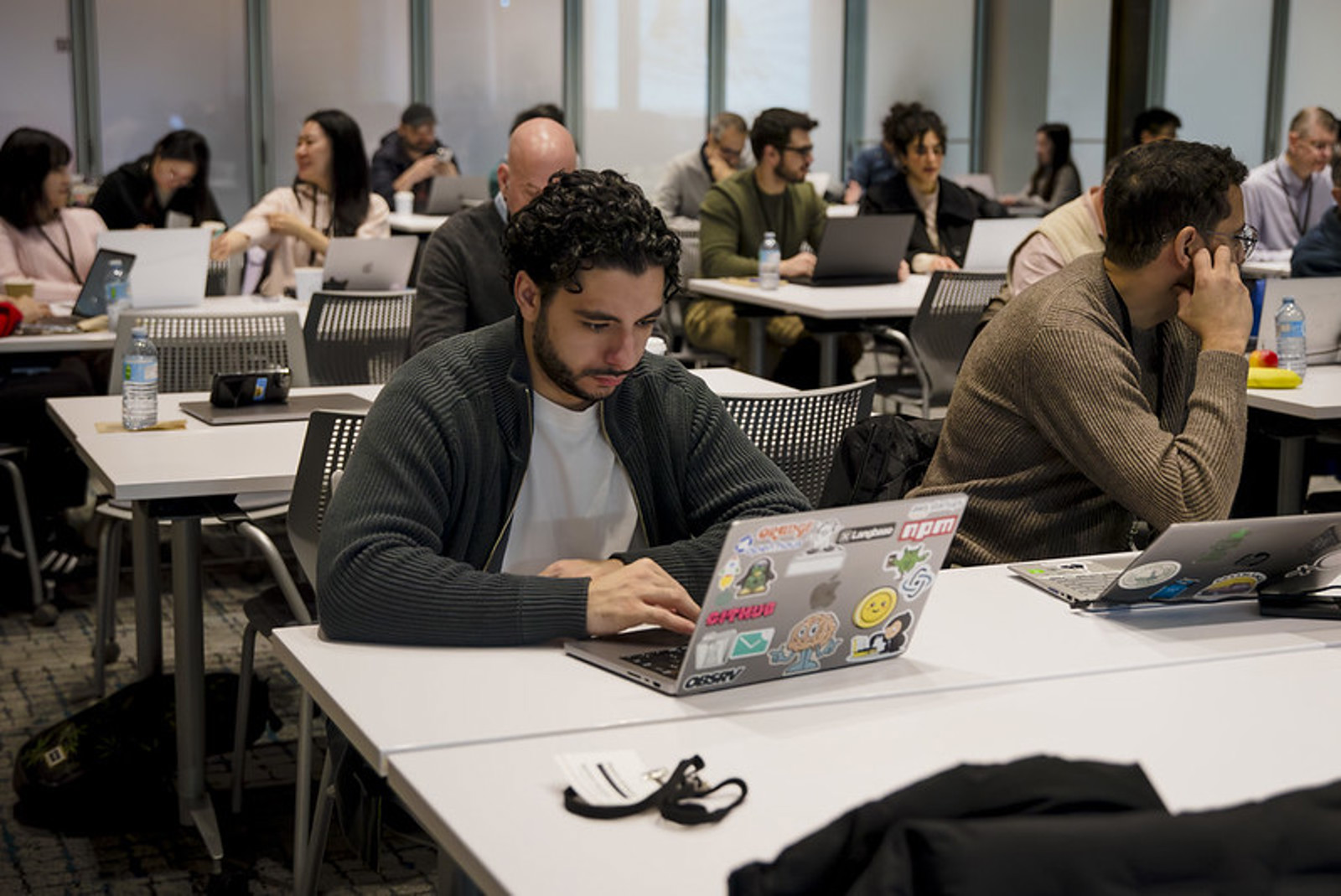
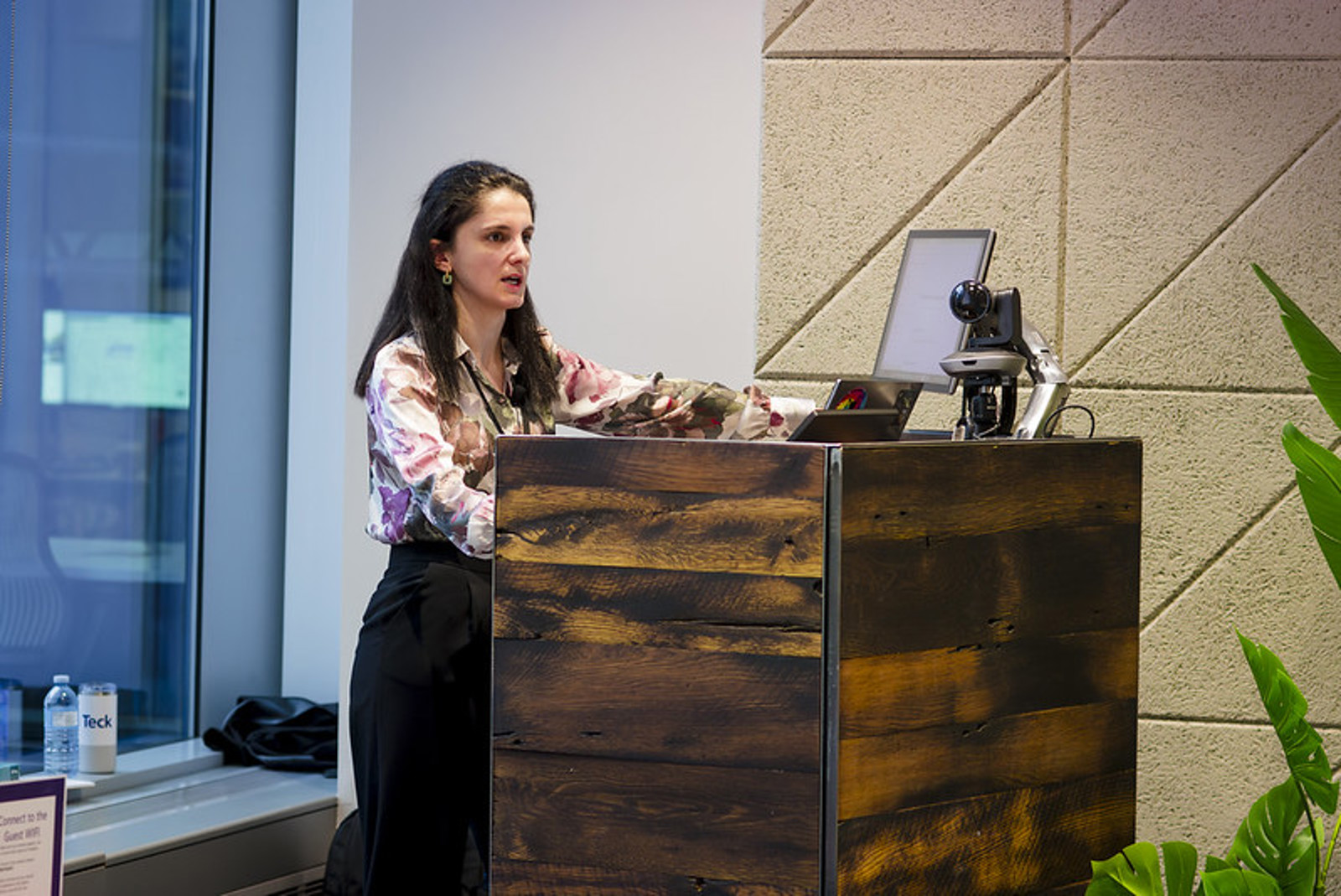
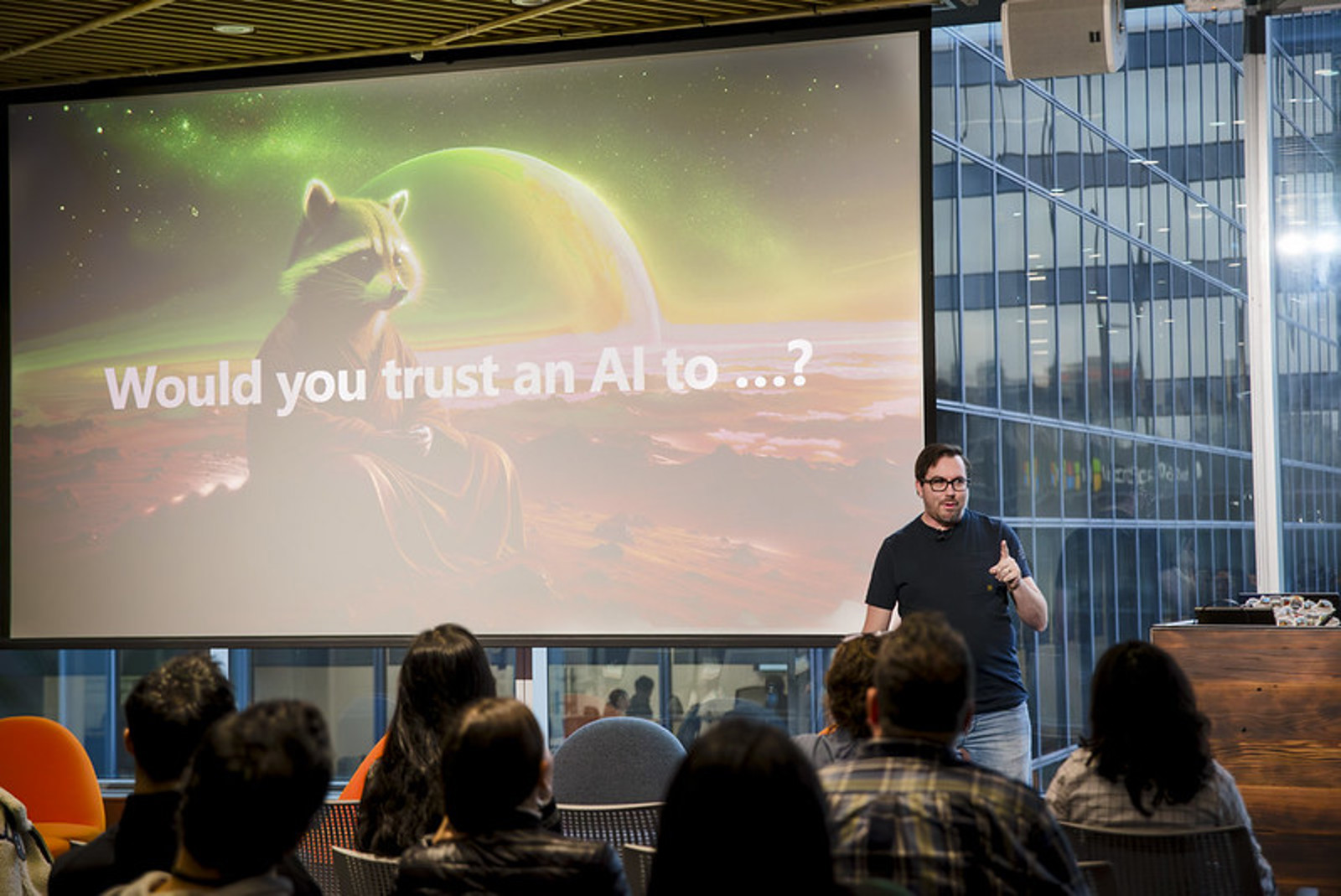
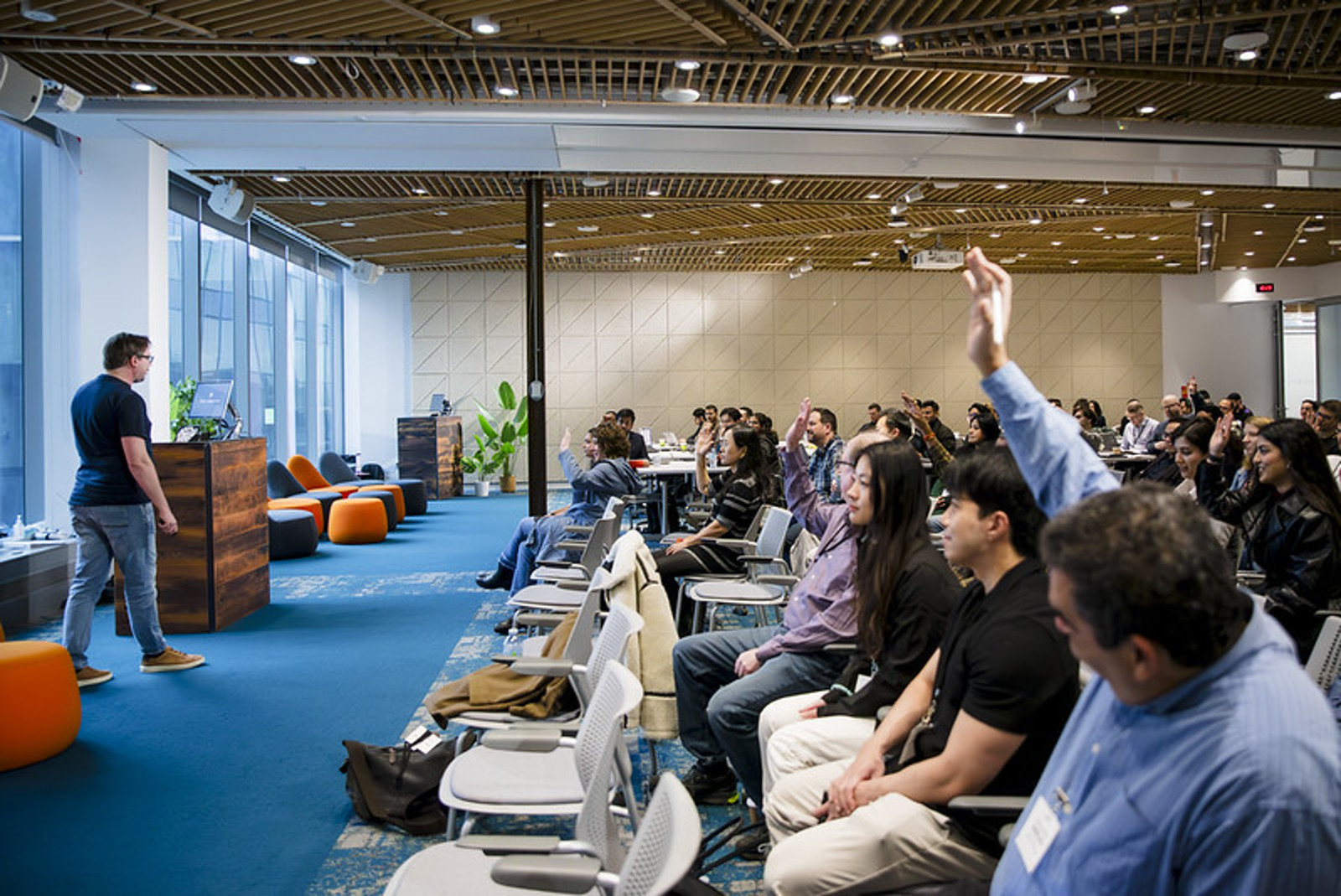
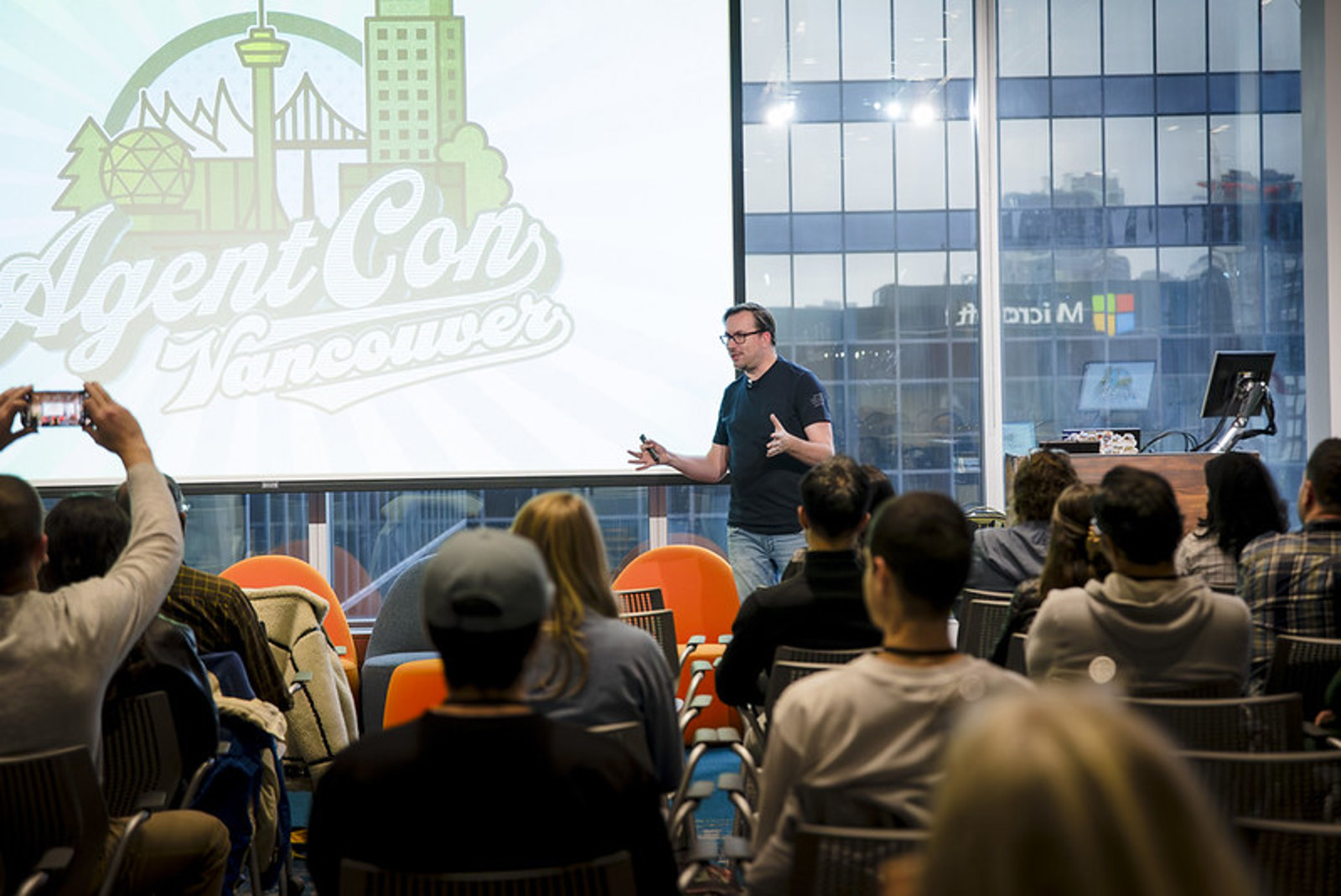
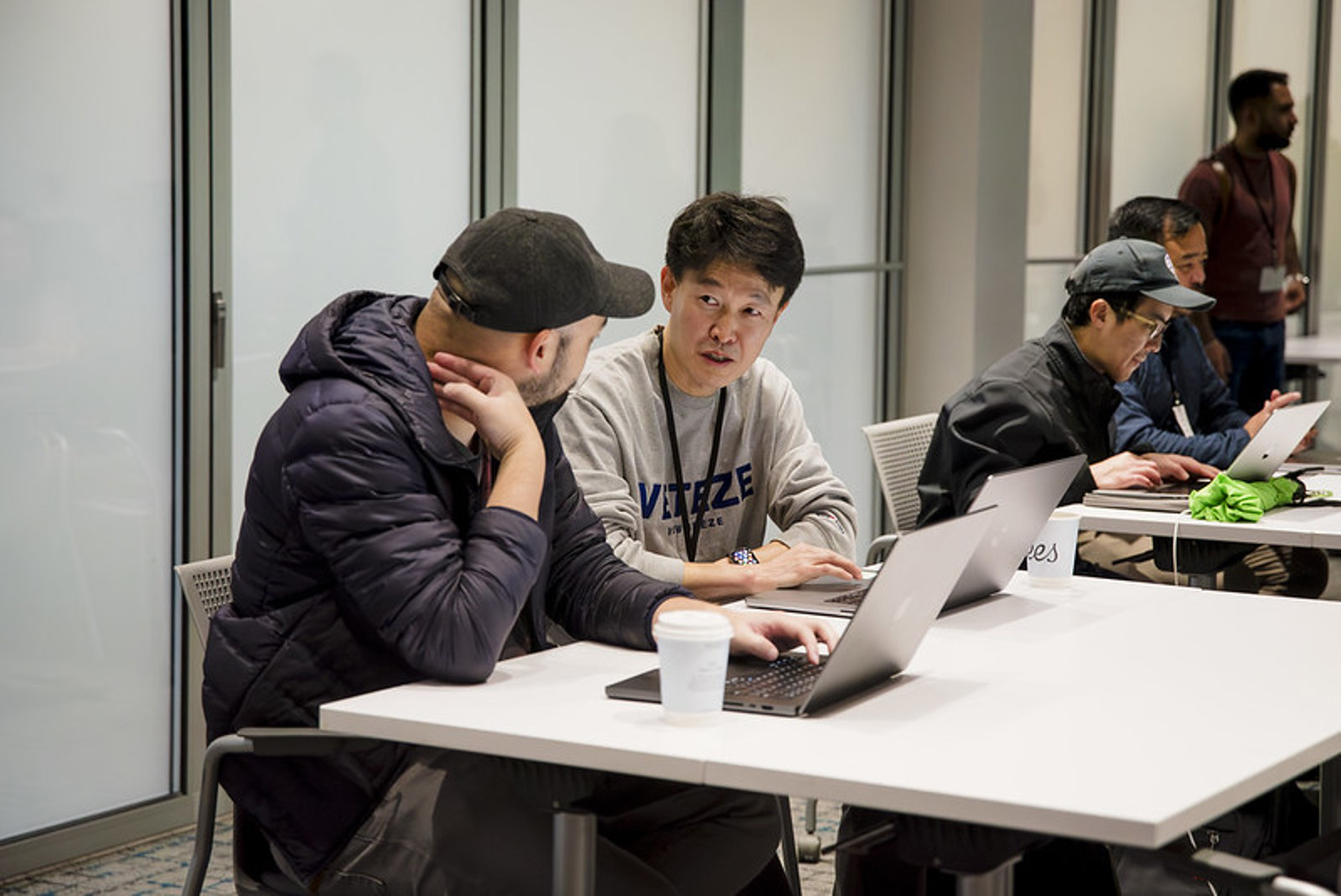
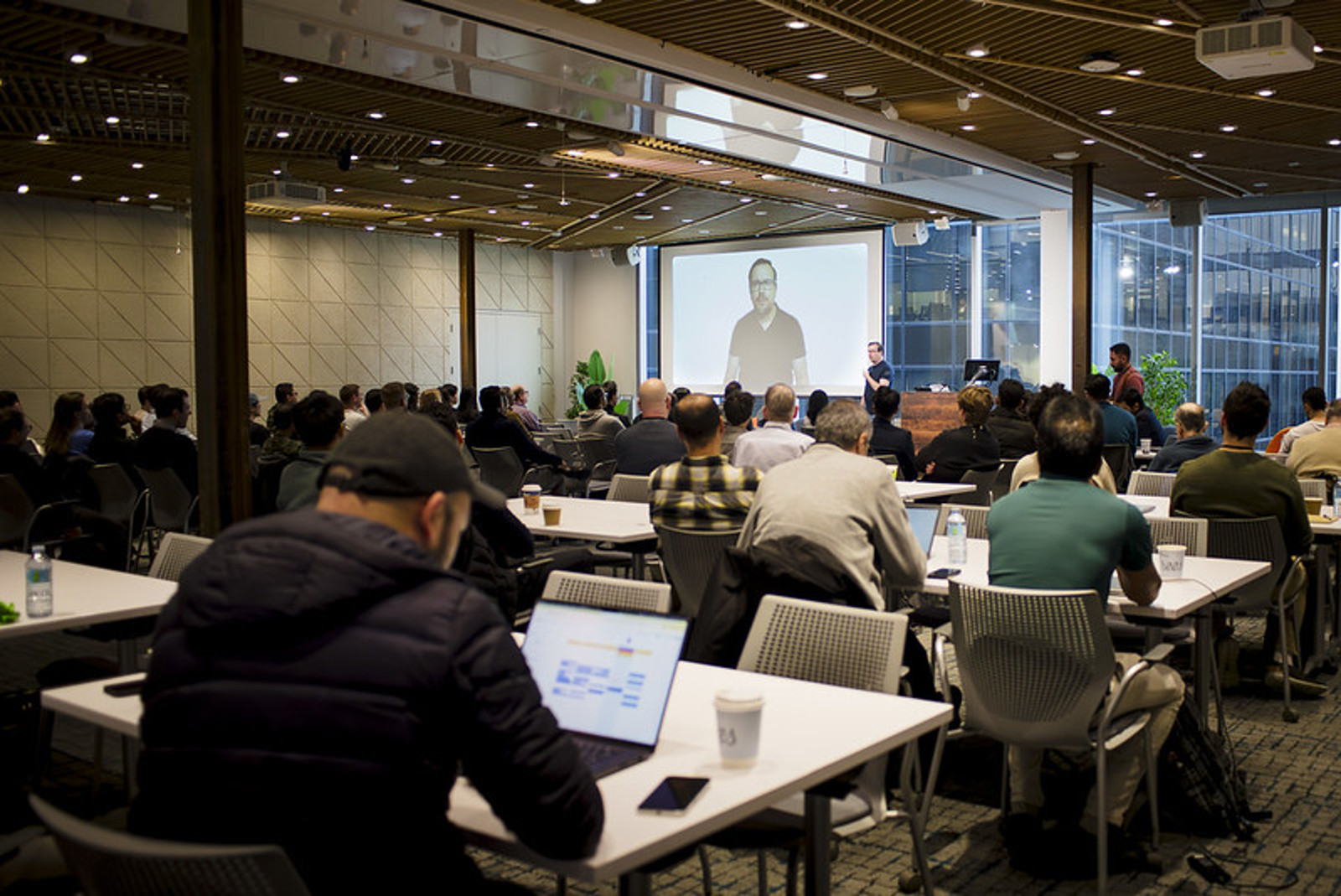
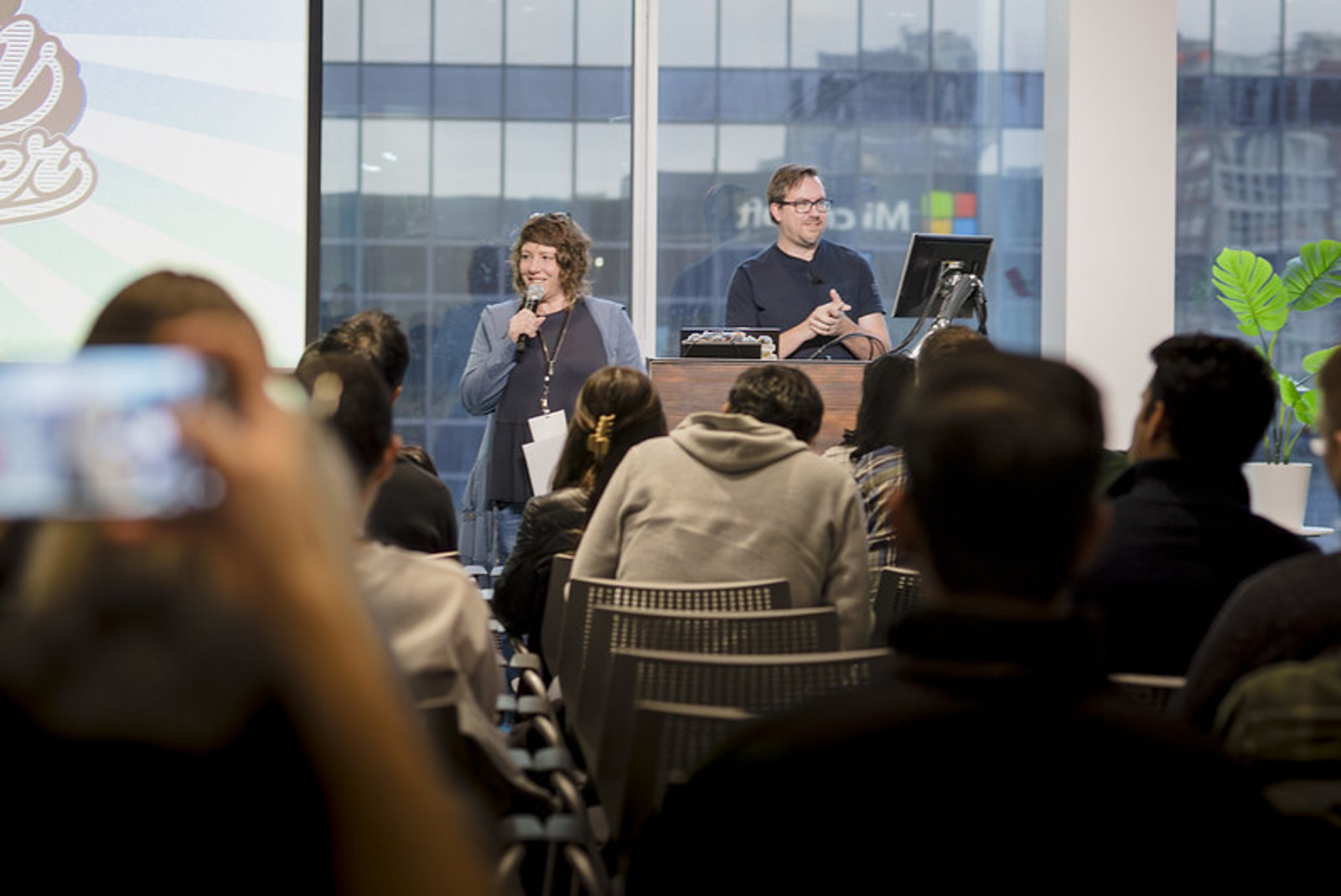
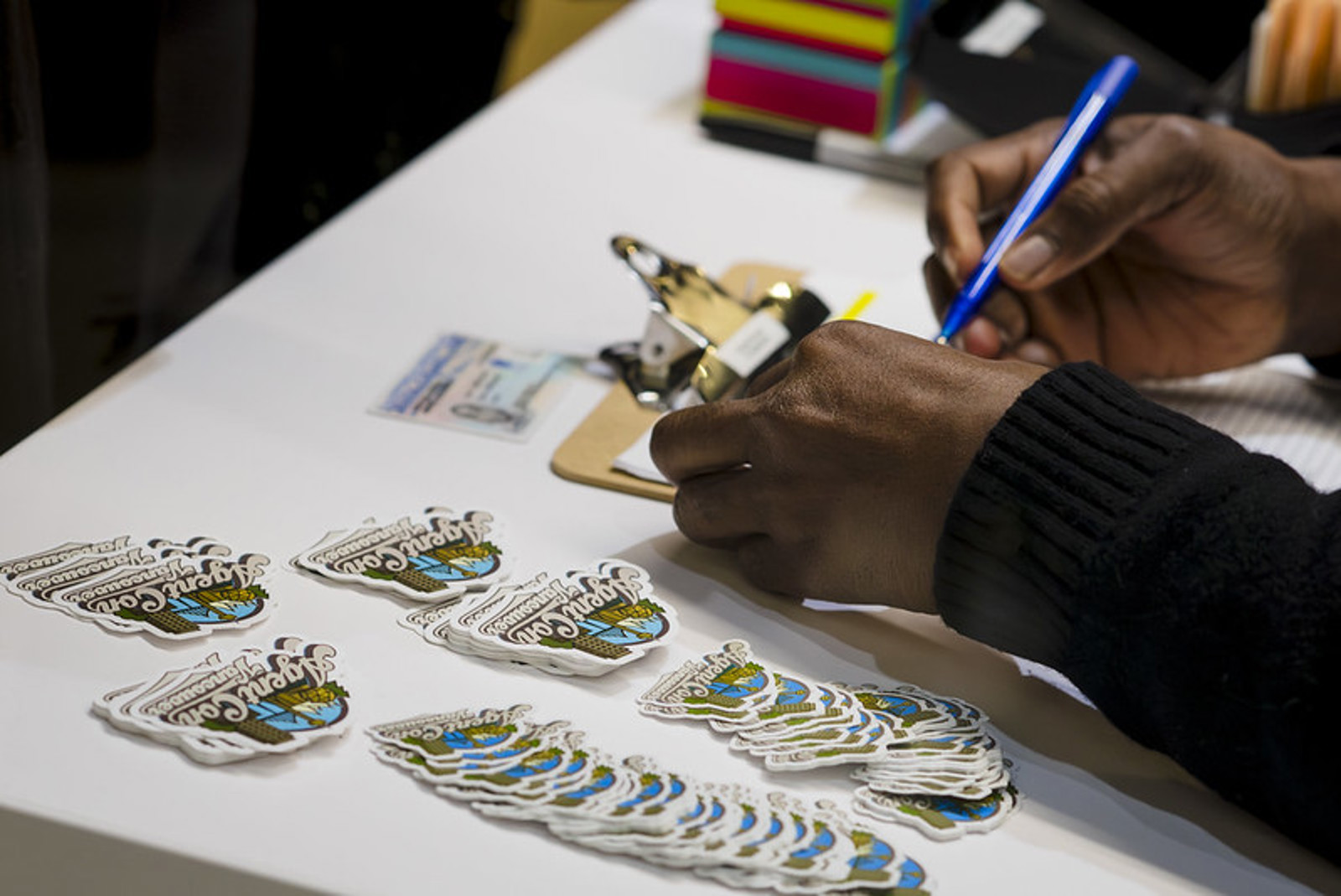
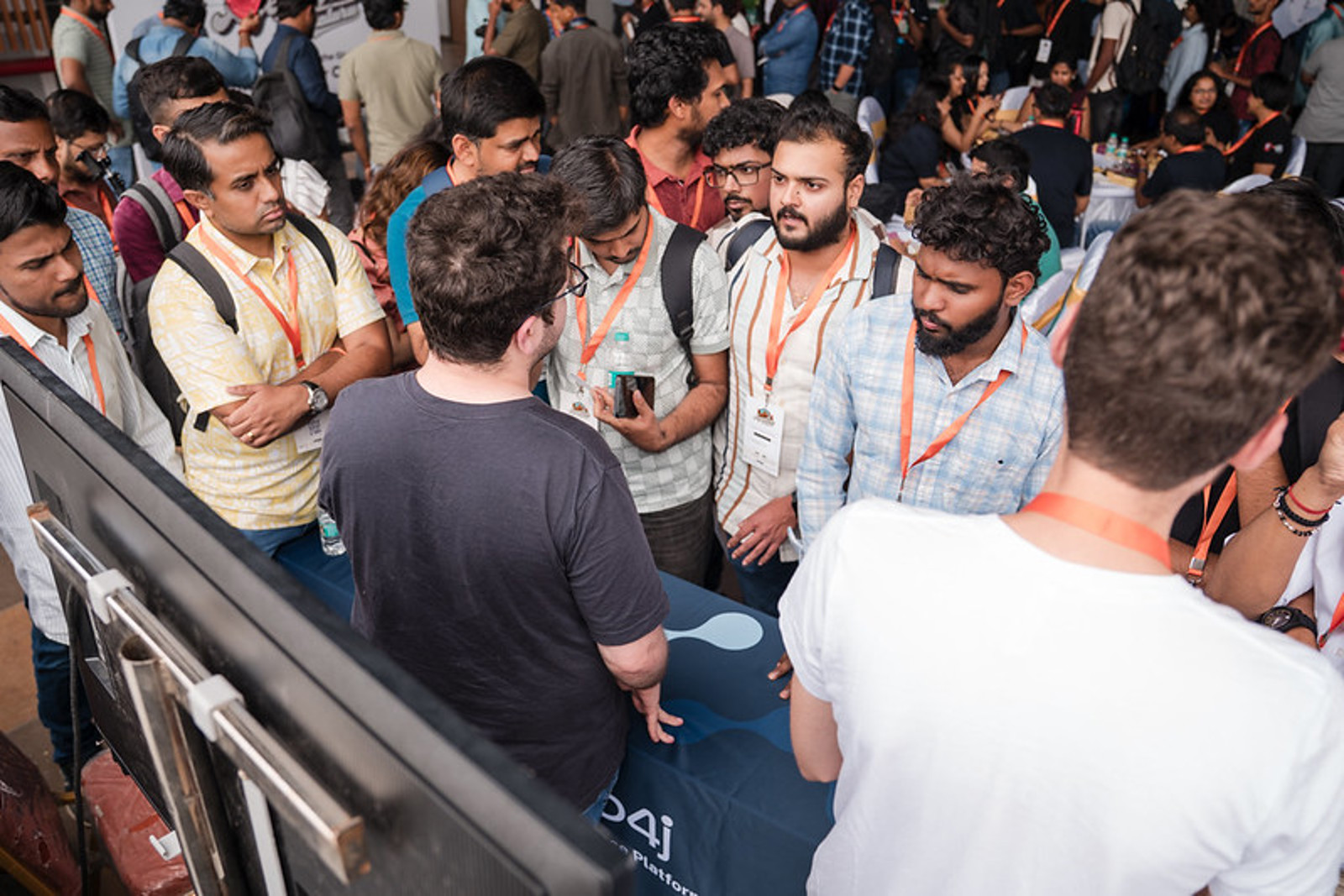
This is how it looked
Explore AgentCon
AI Agents Developer Conference
AgentCon made possible by: