/Events /AgentCon - Raleigh
AgentCon - Raleigh
This event is part of AgentCon, organized by Global AI Raleigh.
Schedule
About
Join us for the AI Agents World Tour, a global series of one-day conferences designed exclusively for developers building the future with AI agents.
From San Francisco to Singapore, we’re bringing together leading engineers, researchers, and creators to explore the cutting edge of AI agent design, deployment, and integration. Whether you’re building intelligent assistants, autonomous systems, or next-gen developer tools, this event is your fast track to practical knowledge, hands-on demos, and real-world insights.
What to Expect:
- Deep-Dive Talks from AI pioneers and industry leaders
- Technical Workshops on building, deploying, and scaling agents
- Live Demos of powerful open-source frameworks and tools
- Networking with a global community of builders and innovators
This isn't just another AI event — it’s where developers meet to talk about real code.
Ready to build the future?
Who's on stage
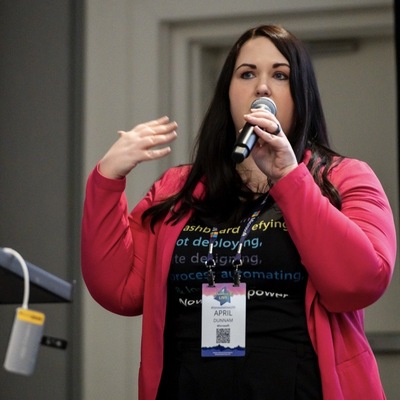
April Dunnam is a Principal Cloud Advocate at Microsoft, Microsoft Certified Trainer, and MVP alumni. Known for her ability to demystify the Power Platform and AI for both developers and makers, she blends deep technical knowledge with a knack for making complex topics approachable and fun. With a passion for community and sharing knowledge, April runs a popular YouTube channel dedicated to Power Platform, AI, and low-code development. She actively contributes to the Microsoft 365 and Power Platform community through sample contributions, community calls, and mentorship. April’s expertise has been recognized with the Microsoft Technology Excellence Award for her innovative Power Platform solutions. She is a frequent speaker at international conferences, helping businesses and developers harness the full potential of AI and the Power Platform. When she’s not advocating for the Power Platform, you can find her performing with her rock band or fueling her caffeine and LEGO building habits.

Mark Hinkle is a veteran of the enterprise software industry, founder of Peripety Labs, and co-founder of All Things AI. His expertise spans the internet, open source software, cloud computing, application development, systems management, and artificial intelligence. He advises organizations on AI strategy, helping them align emerging technologies with core business objectives. Mark publishes The Artificially Intelligent Enterprise—a leading AI strategy newsletter with over 250,000 subscribers—and created AIOS, the Artificially Intelligent Operating System, to train business professionals, DevOps teams, and executives on effective AI adoption. He also co-leads All Things AI, an annual conference and meetup group network with over 8,000 members in the Raleigh-Durham area, focused on the technologies, processes, and people driving enterprise AI transformation. Mark has held executive roles at Cloud.com, Citrix, and the Linux Foundation, and specializes in bridging the gap between innovation and execution at scale.

Jonathan is a Developer Advocate at AWS. Jonathan’s been doing all things automation and developer productivity at AWS since 2020. Prior to AWS, he practiced professional software development for over a decade. Jonathan enjoys music, birding and climbing rocks. https://jvogel.me
Microsoft MVP in Microsoft 365 Development since year 2020. He is a Microsoft Certified Azure Architect, Blogger, Speaker, PMP Certified Professional with 20+ years of experience. He loves exploring and sharing knowledge in MS Azure, Office 365 development, and the modern digital workplace. Specialized to utilize modern technologies in building customized business solutions and have been instrumental in multiple Enterprise solutions. A Technology evangelist who is keen to learn new technologies and believes in the power of sharing the knowledge achieved by contributing through multiple mediums. He has also validated his knowledge by following certifications: AZ-300 ,AZ-301, MCP in C#, PMP, 70-346, 70-332, 70-667, 70-573, 70-542, 70-630, 70-631 An active member of Global Power Rangers Community (2652 Members) to empower Citizen developers An active contributor of C# corner community Has participated in a large number of globally distributed projects, accompanying top Pharma companies in their digital transformation process, performing and leading Modern Workplace implementations and integration projects. His transparency and clarity on topics have helped him resolve complex business problems with a simple approach. His creativity, automation, and perspectives have helped clients to be more agile, responsive, and competitive.

With over 20 years of experience developing software on the Microsoft stack, Roelant Dieben has a lot to share about stuff that has been obsolete for years. At Sopra Steria he is helping companies with their Azure cloud and AI challenges, he is a Microsoft Azure & AI MVP, and has a passion for machine learning & AI and application lifecycle management.
Dynamic and results-oriented Lead Software Architect with over 20 years of experience in designing and implementing scalable software solutions including the following disciplines: • Architecture in cloud-native applications that leverage AI, machine learning (ML), and large language models (LLM) to address business challenges. • Implementing design thinking principles in application architecture. • Serving as a proven and highly motivated technical leader with a results-driven approach
Ishan Shah is a Staff Software Engineer with 10+ years of experience designing and delivering large-scale, event-driven, and cloud-native systems across PayPal, Nordstrom, and Securonix. He has built real-time data platforms, CDC pipelines, inventory and decisioning systems, and high-throughput search and analytics infrastructure. His work increasingly sits at the intersection of AI and engineering operations, including AI-assisted development workflows, context engineering, agent guardrails, and AI-native reliability patterns. Ishan is especially interested in practical approaches to autonomous software development, AI SRE, incident-response agents, and “AI gardening” — managing context, memory, and entropy in long-running agentic systems. He mentors teams on reliability, observability, schema governance, and scalable platform design, with deep expertise in Java, Kafka, Debezium, AWS, Redis, Postgres, DynamoDB, and distributed systems.
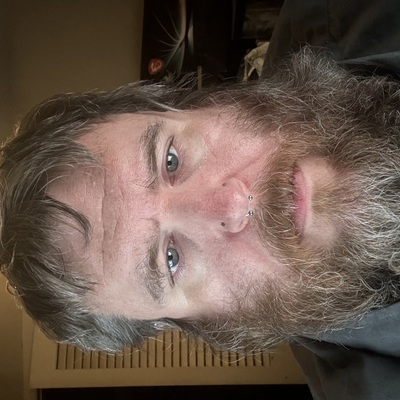
Chris Perrin is a tech geek, chaos wrangler, and all-around software leader with a knack for building high-performance teams and systems. With over 20 years of experience in software engineering, he’s helped teams—from the noblest of startups to giantest of enterprises—navigate the wild world of software development, Agile lifecycles, and getting more done. Chris loves demystifying complex tech, creating buzzwords and then turning buzzwords into real-world solutions. Whether he's talking about microservices, team performance, or trying to get AI to do his job, he brings energy, humor, and plenty of practical takeaways to every talk. When he’s not writing code or breaking things in the name of innovation, you’ll find him mentoring up-and-coming devs, writing decent-to-okay fiction, and geeking out over the latest in geek. Catch him at the conference, on LinkedIn, or wherever there’s strong coffee and great conversations!

James is a software engineer from Bath, England. Currently a Technology Fellow at General Motors, he has worked across the industry in senior engineering roles on AI platforms at Apple, to startups like HashiCorp and Boundary, and was a co-founder of Event Store. He is a connoisseur of West Country cider and old guitars.
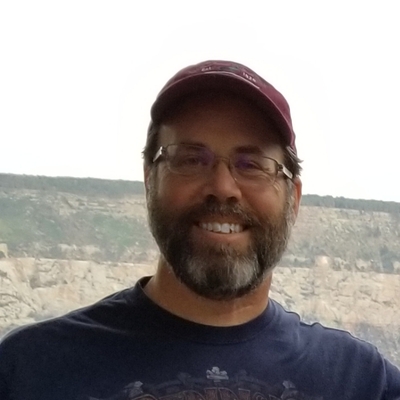
Chris is a software engineer and architect who's been building small and large distributed message driven and event sourced systems for 25+ years. He has worked in the telecom, finance, and biomedical industries delivering, supporting, and transforming mission critical systems in environments ranging from the fortune 50 to startups.
Sessions & tracks
Registration
Auditorium ·So You're An Agent Boss Now
A few years ago, generative AI felt like a party trick. Now it's in every workflow, every IDE, every meeting. But that was just the warmup. Agents are different. They don't wait for your prompt. They perceive, plan, and act toward a goal, sometimes through dozens of steps, across multiple systems, without you touching a thing. That's not an incremental improvement. It's a fundamentally different relationship between humans and software. In this keynote, we'll look at the full picture: where the agentic stack actually lives today (Azure AI Foundry, Semantic Kernel, AutoGen, MCP, low code tools and beyond), what's already reshaping real industries, and what your role looks like inside all of it. Agents need direction. They need judgment. They need someone who understands what good looks like and can tell when it's going sideways. That's you. The AgentBoss era isn't coming. It's here. The question is whether you're ready to lead it.
April Dunnam is a Principal Cloud Advocate at Microsoft, Microsoft Certified Trainer, and MVP alumni. Known for her ability to demystify the Power Platform and AI for both developers and makers, she blends deep technical knowledge with a knack for making complex topics approachable and fun. With a passion for community and sharing knowledge, April runs a popular YouTube channel dedicated to Power Platform, AI, and low-code development. She actively contributes to the Microsoft 365 and Power Platform community through sample contributions, community calls, and mentorship. April’s expertise has been recognized with the Microsoft Technology Excellence Award for her innovative Power Platform solutions. She is a frequent speaker at international conferences, helping businesses and developers harness the full potential of AI and the Power Platform. When she’s not advocating for the Power Platform, you can find her performing with her rock band or fueling her caffeine and LEGO building habits.
Agentic Coding Harnesses from Nothing
Tools like Claude Code, Codex and Copilot have emerged over the last couple of years as a game changer for software engineering - fundamentally changing the unit economics of software development. They sometimes feel like magic, and out of reach of being understood by normal software developers, but nothing could be further from the truth!.
In this session, we'll pay attention to the man behind the curtain, and build our own agentic coding harness from scratch in Go, using a model running locally on a laptop - giving insights that will improve your daily use of the big name tools or set you up to a custom harness tailored to the requirements of your workflows..
James is a software engineer from Bath, England. Currently a Technology Fellow at General Motors, he has worked across the industry in senior engineering roles on AI platforms at Apple, to startups like HashiCorp and Boundary, and was a co-founder of Event Store. He is a connoisseur of West Country cider and old guitars.
Stop fighting your framework: Ship agents with Open Source
Most AI agent demos work once. Then requirements change, you need to swap a model, add a custom tool, or debug why the agent chose path A instead of path B, suddenly you're fighting the framework instead of building your product. Strands Agents is the open source SDK that Amazon teams used internally to go from months to weeks shipping production agents. In this session, you'll see how a model-driven agentic loop, reason, act, reflect, lets you build a working agent in a few lines of code, then extend it without rewriting everything. We'll live-code an agent from scratch, add tools, and show you exactly what's happening at every step. You'll leave with a mental model for building agents that survive real traffic, real edge cases, and real users.
Jonathan is a Developer Advocate at AWS. Jonathan’s been doing all things automation and developer productivity at AWS since 2020. Prior to AWS, he practiced professional software development for over a decade. Jonathan enjoys music, birding and climbing rocks. https://jvogel.me
Lunch
Auditorium ·Brownfield vs. Greenfield AI: Same Tools, Different Playbooks
AI-assisted development works. But it works differently depending on whether you're building something new or evolving something that already has users, integrations, and history. Most teams don't realize they need different playbooks until the wrong one costs them a sprint.
In this hands-on session, we'll work through both sides using real prompts, real codebases, and real workflows. I build solo greenfield products at night and lead enterprise brownfield engineering teams by day, so we'll pull examples from both. The goal is not to crown a winner, but to show why each requires its own discipline.
We'll work through: Side-by-side prompting: the same feature request prompted two ways, one greenfield and one brownfield, and why the brownfield version starts with analysis instead of generation. Context debt: how to surface the implicit decisions in a legacy codebase before the AI overwrites them, using architecture documentation prompts you can take back to your team Monday. Local correctness, global incompatibility: the brownfield failure mode where the code is clean but the system breaks, and the review checklist that catches it. Greenfield verification: the discipline greenfield builders need when there's no existing system to catch their mistakes for them.
Both approaches have real strengths and real blind spots. You'll leave with practical workflows for each and the judgment to know which one you're in.
Chris Perrin is a tech geek, chaos wrangler, and all-around software leader with a knack for building high-performance teams and systems. With over 20 years of experience in software engineering, he’s helped teams—from the noblest of startups to giantest of enterprises—navigate the wild world of software development, Agile lifecycles, and getting more done. Chris loves demystifying complex tech, creating buzzwords and then turning buzzwords into real-world solutions. Whether he's talking about microservices, team performance, or trying to get AI to do his job, he brings energy, humor, and plenty of practical takeaways to every talk. When he’s not writing code or breaking things in the name of innovation, you’ll find him mentoring up-and-coming devs, writing decent-to-okay fiction, and geeking out over the latest in geek. Catch him at the conference, on LinkedIn, or wherever there’s strong coffee and great conversations!
From Monolith to Microservices: Using AI to Accelerate Decomposition and Team Learning
Many organizations continue to depend on large, complex monolithic applications that are difficult to scale, evolve, and understand. While migrating to microservices is often necessary, the process is frequently perceived as high-risk, requiring deep domain expertise, extensive documentation, and significant time from already constrained teams. This session demonstrates how AI-powered tools can simplify and accelerate the transition from monoliths to microservices. Attendees will see how AI can analyze legacy codebases, identify hidden dependencies, highlight natural service boundaries, and surface architectural insights that traditionally demand substantial manual effort. The session also emphasizes a key additional benefit of AI: enabling teams to better understand and explore the application during the transformation itself. By acting as an interactive guide—explaining code paths, summarizing business logic, and answering architectural questions—AI helps reduce reliance on tribal knowledge and enables teams to make informed modernization decisions more quickly.
Dynamic and results-oriented Lead Software Architect with over 20 years of experience in designing and implementing scalable software solutions including the following disciplines: • Architecture in cloud-native applications that leverage AI, machine learning (ML), and large language models (LLM) to address business challenges. • Implementing design thinking principles in application architecture. • Serving as a proven and highly motivated technical leader with a results-driven approach
Building a Controlled Agentic SDLC
This talk covers our journey at PowerModels adopting AI in our development SDLC to building a fully controlled development process with agents in an application with strict correctness requirements.
This includes how we started and grew the system as well as the challenges and mind-shifts we needed to succeed.
We walk through the Agentic flow we have in the systems today, with the approach, steps, and tools we've built.
Chris is a software engineer and architect who's been building small and large distributed message driven and event sourced systems for 25+ years. He has worked in the telecom, finance, and biomedical industries delivering, supporting, and transforming mission critical systems in environments ranging from the fortune 50 to startups.
Copilot Studio to Azure AI Foundry: A Framework for Knowing When — and How — to Scale
Copilot Studio is a powerful starting point for enterprise agents — but as requirements grow, so does the question of whether to stay or move to Azure AI Foundry. This session cuts through that uncertainty with a practical, demo-driven framework built from real enterprise deployments. You'll walk away with five platform graduation signals, a scoring matrix you can apply to your current project immediately, three architecture transition patterns that protect your existing investment, and a cost crossover analysis between Copilot Credits and Azure consumption. If you're approaching the ceiling or planning ahead, this session gives you the clarity and the playbook to make the right call
Microsoft MVP in Microsoft 365 Development since year 2020. He is a Microsoft Certified Azure Architect, Blogger, Speaker, PMP Certified Professional with 20+ years of experience. He loves exploring and sharing knowledge in MS Azure, Office 365 development, and the modern digital workplace. Specialized to utilize modern technologies in building customized business solutions and have been instrumental in multiple Enterprise solutions. A Technology evangelist who is keen to learn new technologies and believes in the power of sharing the knowledge achieved by contributing through multiple mediums. He has also validated his knowledge by following certifications: AZ-300 ,AZ-301, MCP in C#, PMP, 70-346, 70-332, 70-667, 70-573, 70-542, 70-630, 70-631 An active member of Global Power Rangers Community (2652 Members) to empower Citizen developers An active contributor of C# corner community Has participated in a large number of globally distributed projects, accompanying top Pharma companies in their digital transformation process, performing and leading Modern Workplace implementations and integration projects. His transparency and clarity on topics have helped him resolve complex business problems with a simple approach. His creativity, automation, and perspectives have helped clients to be more agile, responsive, and competitive.
Closing
Registration
Dogwood room ·Get an Agent Running in 90 Minutes
I've sat through enough AI conference sessions where someone demos an agent doing something impressive and then says "and you can do this too!" — and everyone goes back to their hotel room and does nothing. This workshop is designed to fix that.
In 90 minutes, we're going to get you actually running an AI agent. Not planning one. Not white-boarding one. Running one. You'll leave with two tools in your toolkit that take completely different approaches to autonomous AI, and you'll have hands-on time with both.
We'll dig into Manus, one of the most capable multimodal agent platforms available right now. It handles text, images, and complex research tasks in a way that honestly still surprises me. It's not cheap — the usage-based pricing adds up fast if you're not paying attention — but for the right use cases, it earns its keep. We'll run real tasks and talk through where the cost is justified and where it's going to burn a hole in your pocket.
Then we'll flip to Claude Cowork, which takes a different approach entirely. It doesn't have Manus's native image capabilities, but if you're doing anything that involves building or managing software — local file access, coding projects, automating workflows on your own machine — Cowork is genuinely impressive. We'll build something real with it during the session.
The point isn't to declare a winner. These tools solve different problems. The point is that by the end of this workshop, you'll know which one to reach for and you'll have actually used it, not just watched someone else use it.
Mark Hinkle is a veteran of the enterprise software industry, founder of Peripety Labs, and co-founder of All Things AI. His expertise spans the internet, open source software, cloud computing, application development, systems management, and artificial intelligence. He advises organizations on AI strategy, helping them align emerging technologies with core business objectives. Mark publishes The Artificially Intelligent Enterprise—a leading AI strategy newsletter with over 250,000 subscribers—and created AIOS, the Artificially Intelligent Operating System, to train business professionals, DevOps teams, and executives on effective AI adoption. He also co-leads All Things AI, an annual conference and meetup group network with over 8,000 members in the Raleigh-Durham area, focused on the technologies, processes, and people driving enterprise AI transformation. Mark has held executive roles at Cloud.com, Citrix, and the Linux Foundation, and specializes in bridging the gap between innovation and execution at scale.
Lunch
Dogwood room ·Lost in Raleigh
You've been dropped somewhere in Raleigh, NC. Your mission: reach the finish line. You have coins, a time budget, and no idea what the city has in store for you.
In 75 minutes, you'll build a multi-agent system using the Azure Foundry Agent SDK: an orchestrator that delegates, a navigation agent that reasons over live city conditions, and a research agent that runs RAG against a 25-document corpus in Azure Foundry IQ to retrieve a hidden ticket code.
Two MCP servers handle city data and game state. Every transport choice costs coins and time. The facilitator can change conditions mid-session.
The agent with the most coins and time remaining wins.
With over 20 years of experience developing software on the Microsoft stack, Roelant Dieben has a lot to share about stuff that has been obsolete for years. At Sopra Steria he is helping companies with their Azure cloud and AI challenges, he is a Microsoft Azure & AI MVP, and has a passion for machine learning & AI and application lifecycle management.
AI SRE: Building Incident-Response Agents That Start the RCA Before You Do
PagerDuty goes off. Before a human fully opens the laptop, an AI SRE agent can already be pulling telemetry, checking dashboards, correlating logs, and drafting an incident summary. This talk shows how to design an AI incident-response workflow that integrates with tools like PagerDuty, Datadog, and New Relic to accelerate triage without bypassing safety.
What would be covered: • event trigger from alert to investigation • gathering evidence from observability systems • forming a first-pass RCA hypothesis • drafting timelines and incident summaries • keeping humans in the approval loop
Ishan Shah is a Staff Software Engineer with 10+ years of experience designing and delivering large-scale, event-driven, and cloud-native systems across PayPal, Nordstrom, and Securonix. He has built real-time data platforms, CDC pipelines, inventory and decisioning systems, and high-throughput search and analytics infrastructure. His work increasingly sits at the intersection of AI and engineering operations, including AI-assisted development workflows, context engineering, agent guardrails, and AI-native reliability patterns. Ishan is especially interested in practical approaches to autonomous software development, AI SRE, incident-response agents, and “AI gardening” — managing context, memory, and entropy in long-running agentic systems. He mentors teams on reliability, observability, schema governance, and scalable platform design, with deep expertise in Java, Kafka, Debezium, AWS, Redis, Postgres, DynamoDB, and distributed systems.
Can We Make $1 Million in the Next Hour? (Live-Coding a Full-Stack App)
Can we make a $1 million? Probably not, but we can deploy a whole app! In this live-coding session, we will attempt the "impossible": going from a blank editor to a deployed, database-backed application with a functional UI before the session timer runs out.
This isn't a get-rich-quick scheme; This is a crash course on how to vibe code your way to success: we will use Claude and Gemini, NotebookLM to generate ideas, OpenArt for assets, and our favorite agents to generate our documentation on the fly.
While all can benefit from this session, it's designed for those who are skeptical or intimidated by agentic workflows, this session will cover:
The Product Manager Mindset: How to prompt for architecture, not just syntax. We will discuss the "Accept All" trap and how to spot hallucinations before they break production.
The Live Stack: A look at the specific toolchain for 2026 rapid deployment that makes this speed possible.
The Reality Check: We won't just show the happy path. We will do live debugging and discuss the security implications of shipping AI-generated code.
We'll crowdsource the app idea from a curated list at the start of the hour. Will we walk away millionaires? We can hope. Will you walk away knowing exactly how to build your next big idea? Definitely.
Chris Perrin is a tech geek, chaos wrangler, and all-around software leader with a knack for building high-performance teams and systems. With over 20 years of experience in software engineering, he’s helped teams—from the noblest of startups to giantest of enterprises—navigate the wild world of software development, Agile lifecycles, and getting more done. Chris loves demystifying complex tech, creating buzzwords and then turning buzzwords into real-world solutions. Whether he's talking about microservices, team performance, or trying to get AI to do his job, he brings energy, humor, and plenty of practical takeaways to every talk. When he’s not writing code or breaking things in the name of innovation, you’ll find him mentoring up-and-coming devs, writing decent-to-okay fiction, and geeking out over the latest in geek. Catch him at the conference, on LinkedIn, or wherever there’s strong coffee and great conversations!
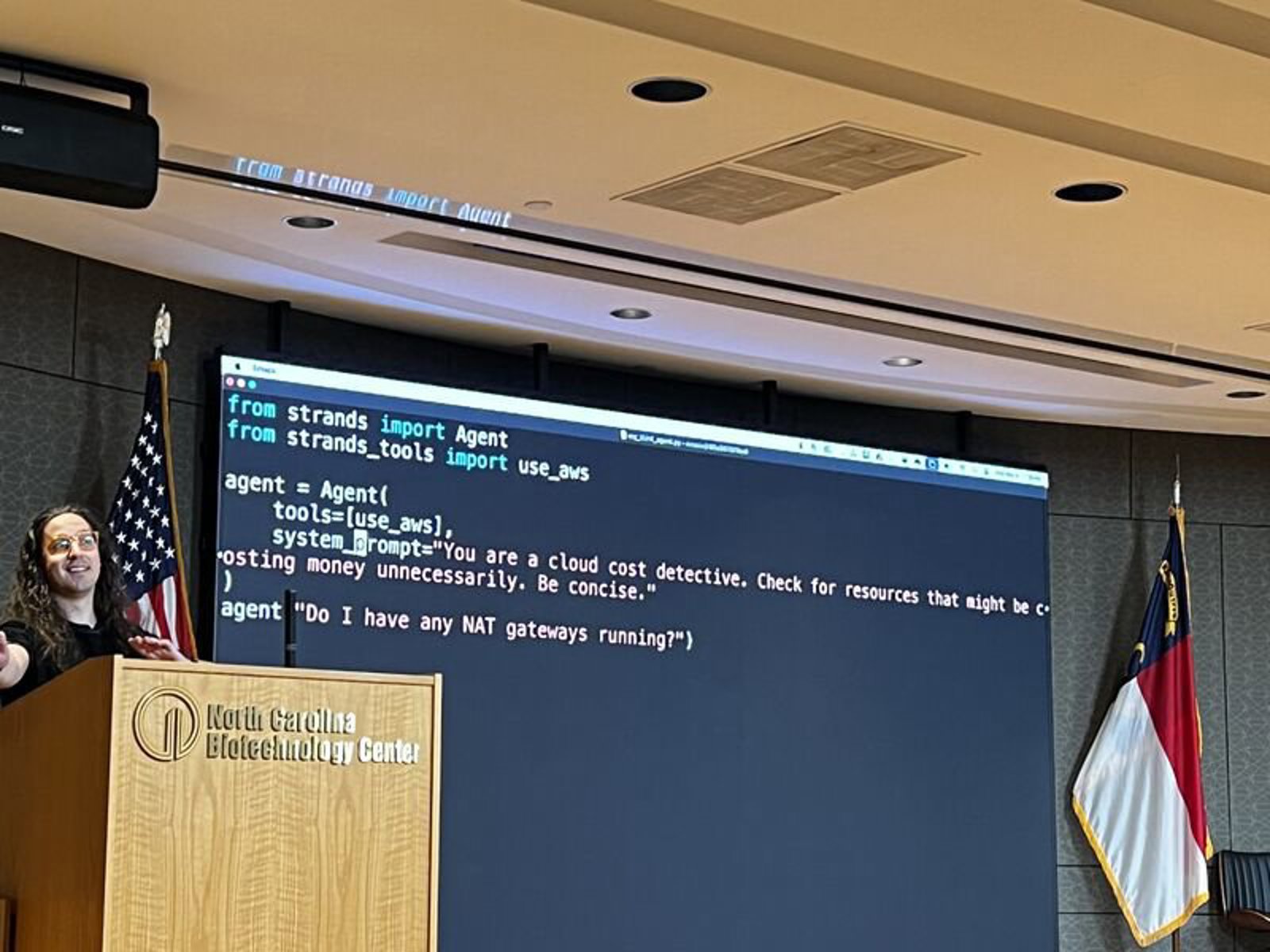
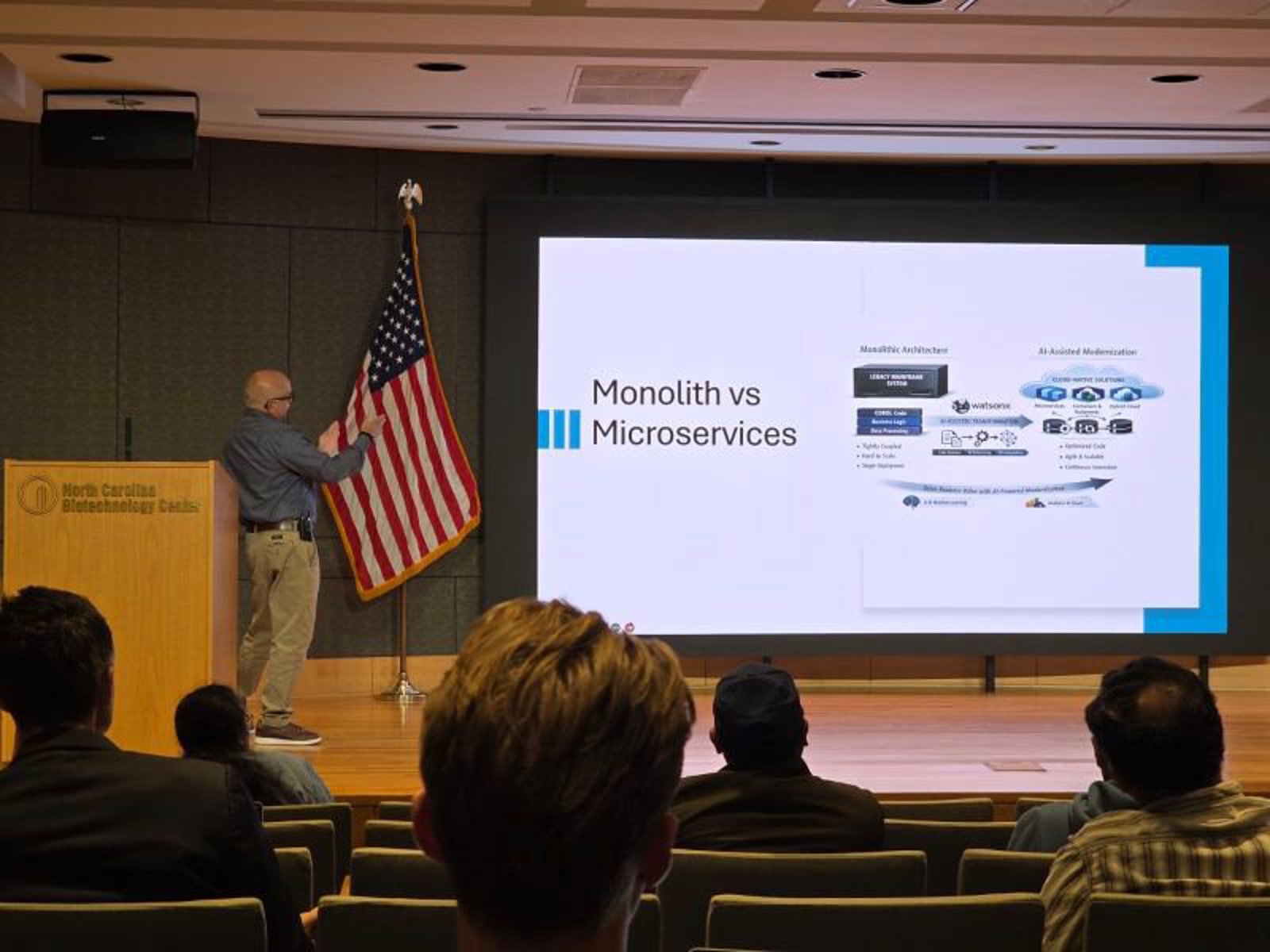
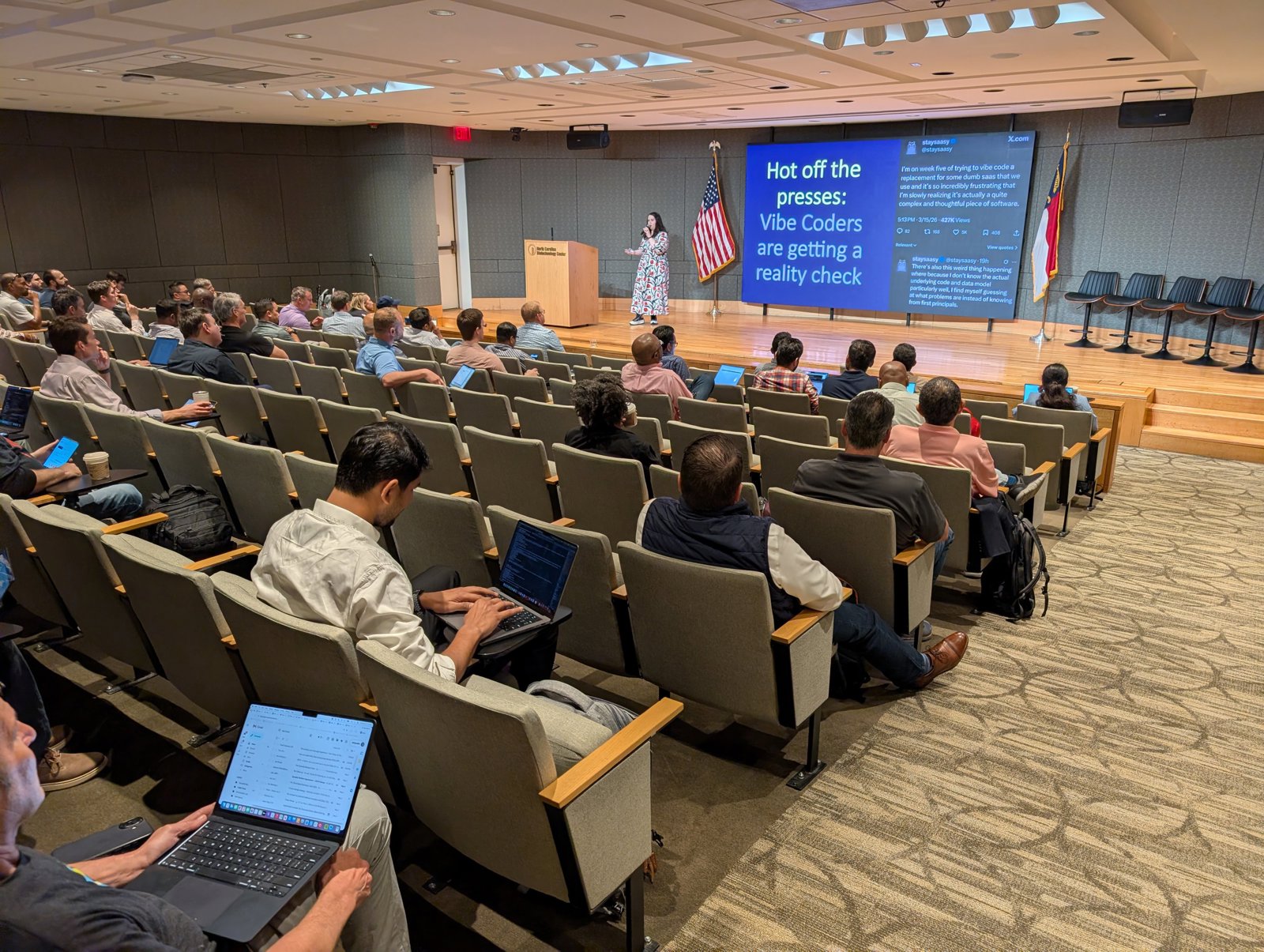
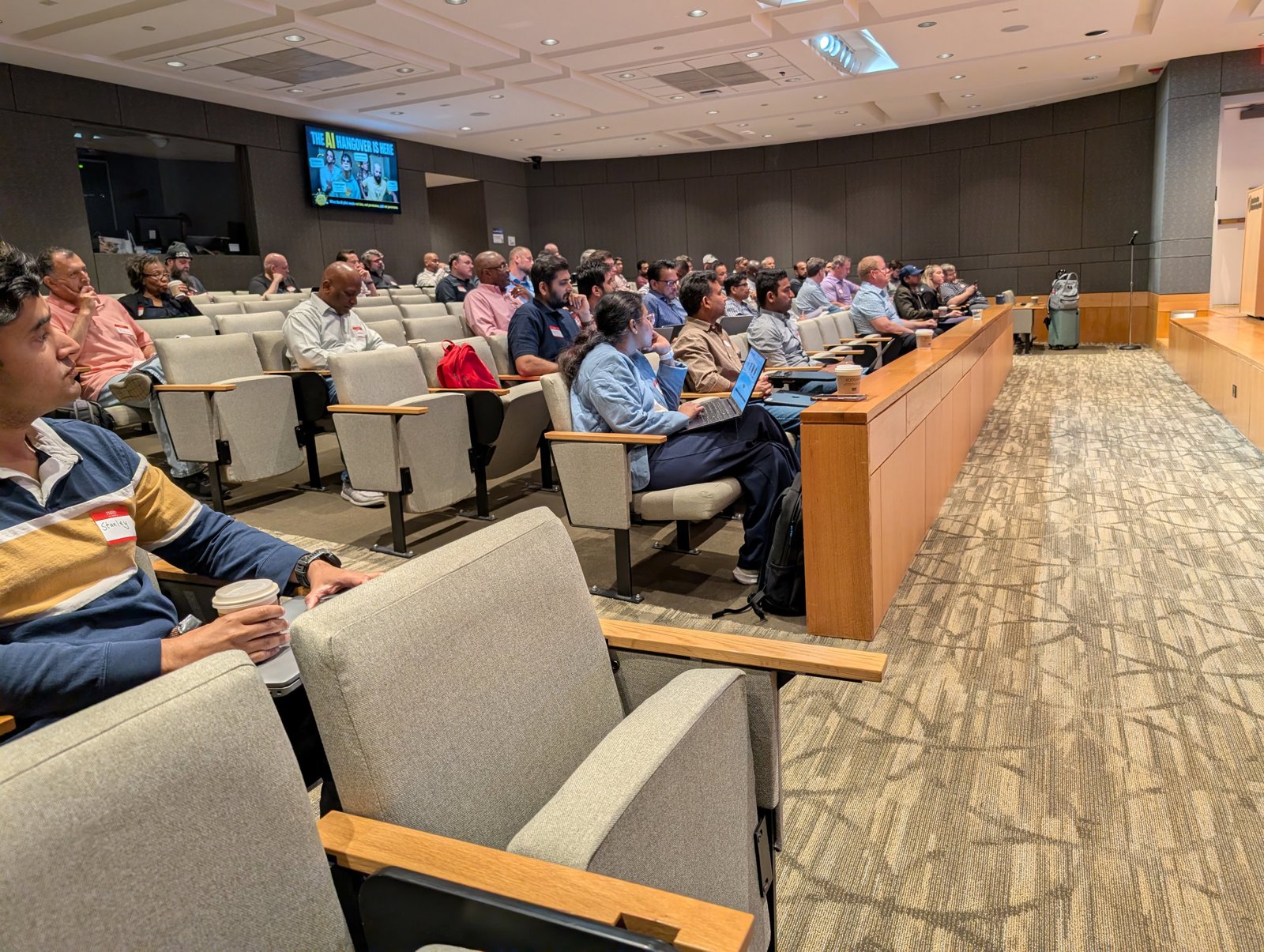
This is how it looked
Made possible by
Made possible by:




Explore AgentCon
AI Agents Developer Conference
AgentCon made possible by: