/Events /AgentCon - Dallas 2026
AgentCon - Dallas 2026
This event is part of AgentCon, organized by Global AI Dallas.
Schedule
About
Join us for the AI Agents World Tour, a global series of one-day conferences designed exclusively for developers building the future with AI agents.
From San Francisco to Singapore, we're bringing together leading engineers, researchers, and creators to explore the cutting edge of AI agent design, deployment, and integration. Whether you're building intelligent assistants, autonomous systems, or next-gen developer tools, this event is your fast track to practical knowledge, hands-on demos, and real-world insights.
What to Expect:
- Deep-Dive Talks from AI pioneers and industry leaders
- Technical Workshops on building, deploying, and scaling agents
- Live Demos of powerful open-source frameworks and tools
- Networking with a global community of builders and innovators
This isn't just another AI event — it’s where developers meet to talk about real code.
Ready to build the future? Join us in Dallas.
Why You Can’t Miss It
Two Focused Tracks
- Technical Deep Dives: From designing multi-agent workflows to deploying autonomous assistants in production.
- High-Impact Panels: Strategy, hiring, education, and student innovation—real conversations with industry leaders.
- Actionable Insights Walk away with code samples, reference architectures, and checklists you can apply immediately.
- Hands-On Demos See live integrations of top open-source frameworks and tools.
- DFW Networking Connect with AI Engineers, potential mentors, and hiring teams looking for your skills.
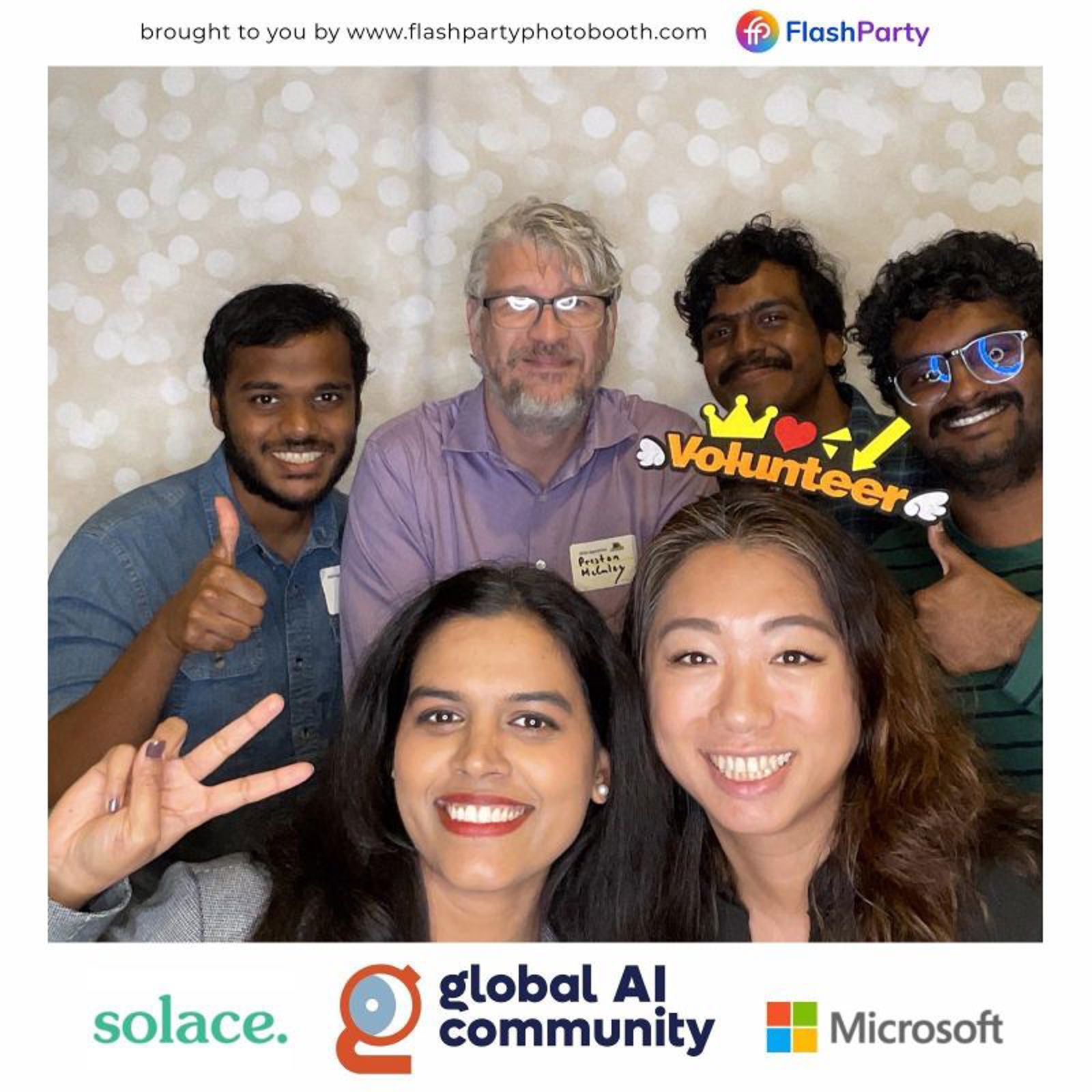
Note on Event Photography: By attending AgentCon - Dallas, you acknowledge that photos and videos may be taken during the event for use in future promotional materials, social media, and our website. Enjoy a Photo Booth here at our event, made possible by Flash Party Photo Booth — they are the leading choice for photo booth rental in Dallas. Check out their AI Photo Booth
Thanks to Global AI, Microsoft, DBU and Solace for sponsoring the event.
Who's on stage
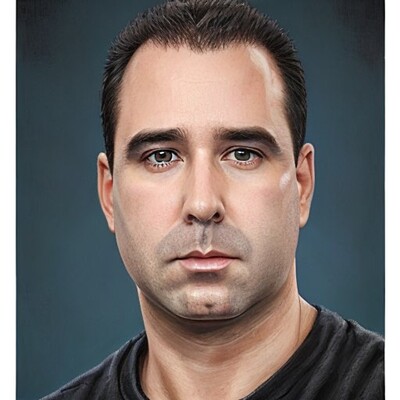
Vinicius has been working with IT for 20+ years. He has a passion for helping ITPros/Ops and whenever possible, you'll see him on conferences engaging with customers and community. Vinicius holds many Microsoft certifications, has 2 books published (Learning Hyper-V, and Windows Containers for ITPros), is an MCT since 2009, has worked as a Program Manager in the Windows Containers team, and blogs about anything he thinks will help customers be successful.

Rey serves as Senior Developer Advocate for Solace. Since 2016 Rey has been advocating for developers, doing what he can to make developers lives easier and more fun, driving awareness and creating code to make developers successful. Being well-versed in a plethora of languages over the last decade has given Rey a vast look at the developer community as a whole. Committed to helping developers of all sorts Rey is also a co-organizer for the ForwardJS Javascript Meetup group, a co-organizer for Random Hacks of Kindness and an organizer for developer focused conferences, including ForwardJS Ottawa.

Geetha Sivasailam is a 7x Microsoft MVP and Associate Director at Protiviti, where she leads AI and intelligent automation engagements for enterprise clients across diverse industries. She specializes in the messy middle ground between AI strategy and execution helping organizations move from pilots to production, from productivity tools to autonomous agents. Her work spans AI roadmap development, enterprise-wide Microsoft Copilot deployments, multi-agent system implementation, and transformation programs that balance innovation velocity with risk management. With deep expertise across Microsoft Azure, Power Platform, Azure AI, and Copilot Studio, Geetha bridges the technical and strategic divide. She translates complex AI capabilities into business language for executives, architects governance frameworks that enable rather than block innovation, and builds the cross-functional alignment needed to make AI initiatives actually stick. Her clients value her ability to challenge vendor claims, cut through hype, and connect AI investments directly to P&L impact. Geetha founded the Dallas-Fort Worth Power Platform User Group and serves as Director of Skilling Events & Networking at Women in Power. Her sessions deliver practical frameworks, real-world implementation patterns, and honest conversations about what works when AI meets enterprise reality.
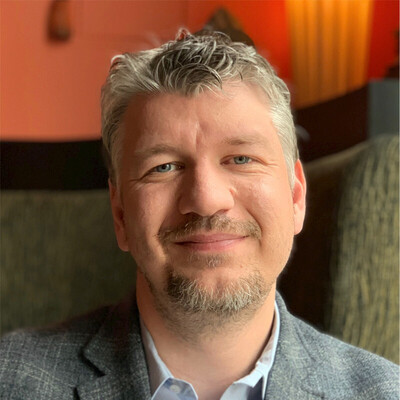
Preston McCauley is a cognitive systems architect and AI Innovation Leader with 25 years of experience shipping real products across generative AI, agentic systems, augmented reality, healthcare diagnostics, and computational biology. He is the founder of Clear Sight Designs, LLC, where he helps teams design and execute AI strategy with a single principle at the center: understand where it fails before you build for success. He developed the CLEAR AI governance framework after observing the same pattern across dozens of production systems — the model wasn't the problem. The process was. His work sits at the intersection of deterministic and probabilistic systems. He is the architect of PHYSIM — a deterministic computational drug-discovery engine that maps disease architecture across 6,675 conditions, achieving 97.8% clinical concordance. No training data. No confidence scores. Same molecule, same answer, every time. The engine validates drug candidates through a 7-gate biological gauntlet, replacing years of pre-clinical screening with weeks of computation. That same architectural philosophy — isolating what must be deterministic from what can be probabilistic — is what drives his governance work in agentic AI. The CLEAR governance layer he will demonstrate live at AgentCon is built on the same principle: reasoning can be agentic, scoring must be computational, and execution must be governed. He is the author of Generative AI for Everyone, a practical guide to applied AI literacy, and is completing his second book, Leading with an AI-First Mindset. In 2025, he was nominated as one of the 75 AI Innovators in Dallas.
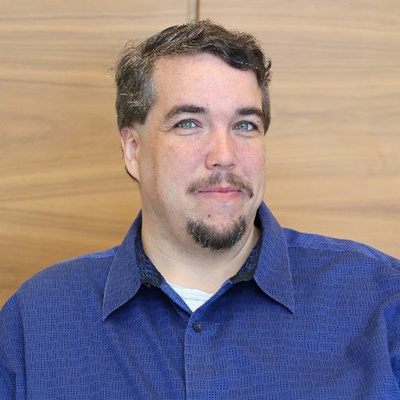
Tim Rayburn is a Vice President of Consulting with Improving Enterprises, a software and project management consulting company in Dallas, TX. He is a passionate advocate of apprenticeship and mentorship in corporate environments. He has been awarded the Microsoft MVP in recognition of his expertise and community leadership 11 times. He is also a conference organizer, an author, and can be found speaking across the nation on agile processes, software design, and career management. He lives in the North Dallas area with his amazing wife Kate and their loyal dogs Dresden and Radagast.

Dr. Shaw Talebi is the founder of AI Builder Academy, where he helps founders and their teams onboard AI into their work. He holds a PhD in Physics, ships real AI apps (y2b, Ghst), and delegates 15+ hours of his own weekly busywork to Claude. His YouTube channel, blog, and AI cohorts have taught over 100,000 founders, engineers, and operators.
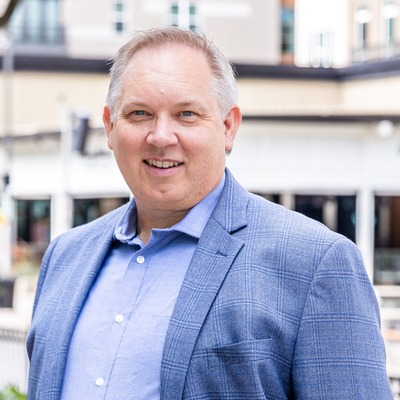
Jason Andrews is a Microsoft Copilot Solution Engineer who advises enterprises on adopting AI Solutions. He partners with CIOs, architects, and product teams to assess readiness, design secure data and governance patterns. With 25+ years in development and architecture, Jason delivers enablement—playbooks, hands‑on labs, and reference implementations. He has led engagements in contact center modernization and enterprise Copilot rollouts, helping teams land reliable, scalable AI.

Christian is an award-winning product marketer and technology evangelist, and both a Microsoft Regional Director (RD) and Most Valuable Professional (MVP). Christian's 30+ year tech career includes Chief Marketing Officer and Chief Evangelist for several leading SharePoint ISVs, and being part of the Microsoft team that launched SharePoint Online. He has worked with some of the world’s largest technology companies to build and deploy social, collaboration, and supply chain solutions, and sold his first software startup to Rational Software in 2001. Co-author of books on both SharePoint and software configuration management (SCM) and one science fiction novel, Christian is one of the most widely published names within the Microsoft ecosystem, and can be found online at www.buckleyplanet.com and @buckleyplanet

Trace works on AI product strategy at Thomson Reuters, where he previously led AI for CoCounsel Drafting. After ten-plus years in engineering leadership he moved back to an IC role because AI is too important — and too fun — to spend the day doing anything else.
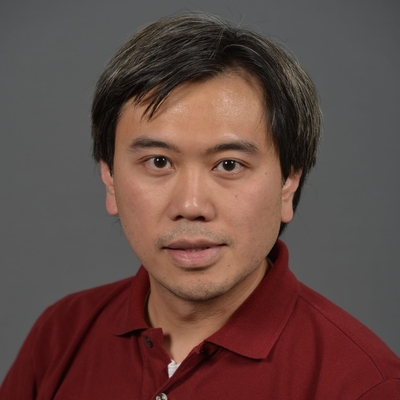
Ron Dagdag brings over 25 years of experience as a software artisan to his role as Research Engineering Manager at Thomson Reuters, where he leads teams to develop transformative AI solutions. In addition to his professional responsibilities, Ron is an active member of the tech community, recognized as a Microsoft MVP in AI, Mixed Reality, and IoT. Ron is an international speaker, sharing his knowledge at industry events, and remains an active maker and tinkerer with a passion for Augmented Intelligence. 🚀 Code > Create > Coach > Repeat.
Sessions & tracks
Registration
Room AB ·Dear Developers: Your AI Agent Needs Adult Supervision
AI agents are quickly moving from conference demos and prototype repos into real business workflows. For developers, architects, IT/Ops professionals, DBAs, and technical leaders, the question is no longer “Will AI change my job?” It already is. The better question is: “What homework do I need to do so I can help shape that change?” In this relaxed and practical keynote, Vinicius Apolinario shares lessons from the operations side of major technology shifts — including the time people said cloud would make ops disappear — and connects them to what is happening now with AI agents. We’ll explore why agents matter, what makes them different from previous automation waves, where the opportunities and risks are, and why understanding your company’s business may become just as important as understanding the technology itself. Attendees will leave with a clearer mental model for thinking about AI agents, a practical path for learning what matters next, and hopefully a little less fear — and a little more excitement — about the work ahead.
Vinicius has been working with IT for 20+ years. He has a passion for helping ITPros/Ops and whenever possible, you'll see him on conferences engaging with customers and community. Vinicius holds many Microsoft certifications, has 2 books published (Learning Hyper-V, and Windows Containers for ITPros), is an MCT since 2009, has worked as a Program Manager in the Windows Containers team, and blogs about anything he thinks will help customers be successful.
Turn On the Lights: The Real Future of Software Development
The Problem: The Vague Menace
Every developer in the room knows the fear. You can't fully articulate it, but you feel it every time you read the AI headlines. Some random Tuesday, you'll wake up and someone will have launched "Insert Idea, Get Software" The Tool™ — and that will be it. You can't explain the technical path from here to there. You don't have a specific timeline. It's an existential dread fueled by two years of relentless hype from an AI Media Machine that has a financial interest in your anxiety.
The problem isn't that the fear is irrational. The problem is that it's vague — and vague fear produces paralysis, not strategy. You can't defend against a monster you've never seen clearly.
The Solution: Turn On the Lights
This session is not here to tell you everything is fine. It's here to turn on the lights and show you the actual shape of the thing under your bed.
Tim Rayburn is a Vice President of Consulting with Improving Enterprises, a software and project management consulting company in Dallas, TX. He is a passionate advocate of apprenticeship and mentorship in corporate environments. He has been awarded the Microsoft MVP in recognition of his expertise and community leadership 11 times. He is also a conference organizer, an author, and can be found speaking across the nation on agile processes, software design, and career management. He lives in the North Dallas area with his amazing wife Kate and their loyal dogs Dresden and Radagast.
Overcoming Digital Debt and Embracing AI in the Workplace
As we stand at the forefront of an AI digital evolution, we face the dual challenge of navigating the complexities of "digital debt" and ethically integrating AI technologies into our organizations. In this session, we'll explore the transformative potential of Artificial Intelligence (AI) in the workplace, emphasizing its capacity to enhance productivity and amplify human creativity, and present a strategy for overcoming "digital debt" including:
- Understanding Digital Debt: Learn strategies to mitigate digital debt, emphasizing strategic, long-term digital adoption plans.
- Harnessing AI's Power: Discover AI's role in automating tasks and providing insights to enhance workplace efficiency.
- Cultivating AI Fluency Among Employees: Explore the importance of AI education, tailored training, and continuous learning for workforce empowerment.
- Navigating Ethical and Practical Dilemmas: Address ethical AI deployment with a focus on data privacy, bias avoidance, and human-centric approaches.
- Future-Proofing the Workplace: Discuss fostering a culture of innovation through partnerships and knowledge-sharing platforms to stay ahead in AI advancements.
Christian is an award-winning product marketer and technology evangelist, and both a Microsoft Regional Director (RD) and Most Valuable Professional (MVP). Christian's 30+ year tech career includes Chief Marketing Officer and Chief Evangelist for several leading SharePoint ISVs, and being part of the Microsoft team that launched SharePoint Online. He has worked with some of the world’s largest technology companies to build and deploy social, collaboration, and supply chain solutions, and sold his first software startup to Rational Software in 2001. Co-author of books on both SharePoint and software configuration management (SCM) and one science fiction novel, Christian is one of the most widely published names within the Microsoft ecosystem, and can be found online at www.buckleyplanet.com and @buckleyplanet
How to Onboard Your AI Team with Agent Skills
Claude has finally gotten good enough to do real work. But most people still spend 15-30 minutes going back and forth with Claude every time they want something done. Agent skills fix this. They give Claude the context to do your work your way, and load automatically when a matching task shows up.
In this session, we'll walk through a 4-step framework for building custom agent skills to teach Claude anything. We'll then run it live on a real workflow.
Dr. Shaw Talebi is the founder of AI Builder Academy, where he helps founders and their teams onboard AI into their work. He holds a PhD in Physics, ships real AI apps (y2b, Ghst), and delegates 15+ hours of his own weekly busywork to Claude. His YouTube channel, blog, and AI cohorts have taught over 100,000 founders, engineers, and operators.
Lunch
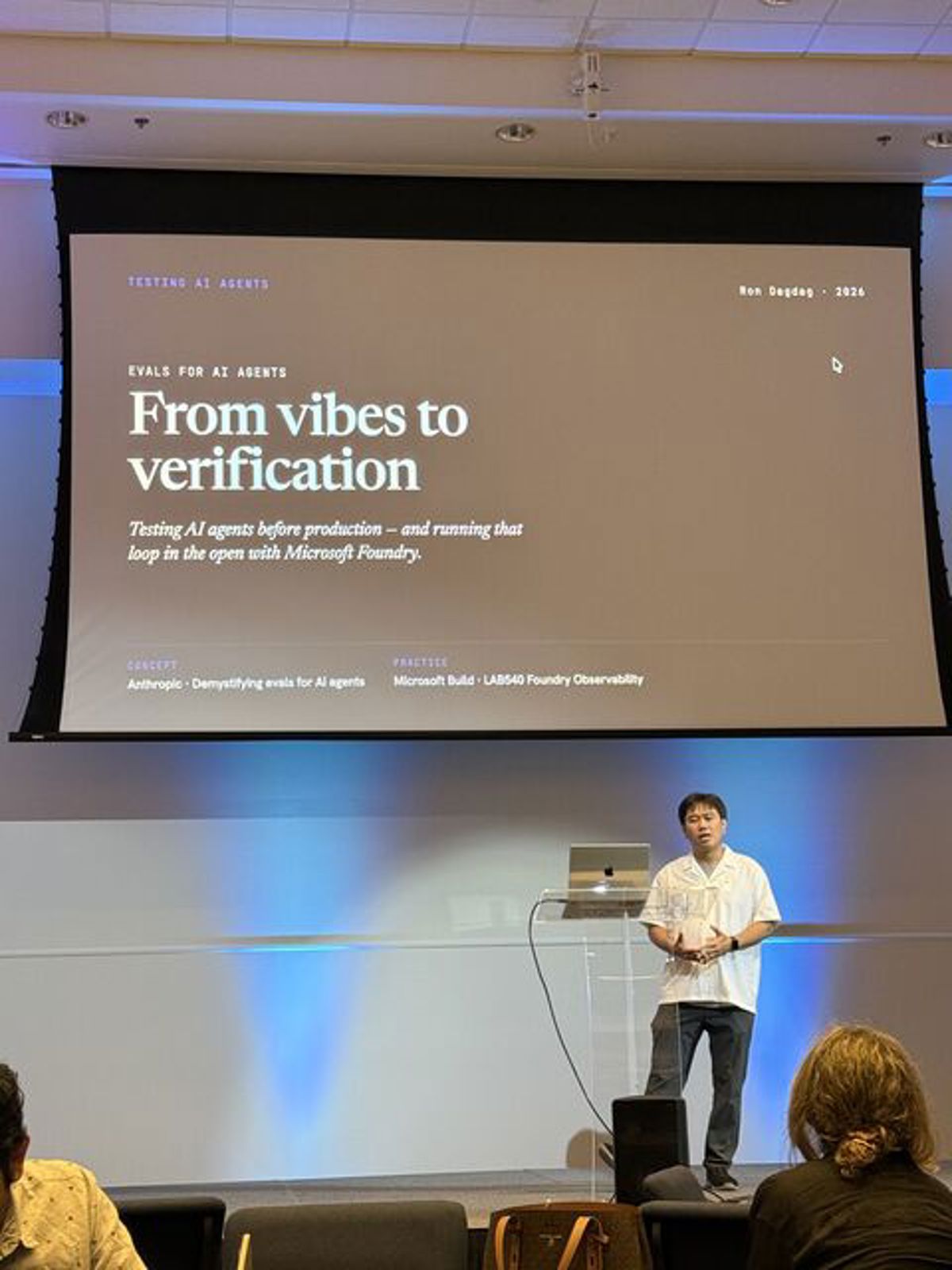
Room AB ·From Vibes to Verification: Testing AI Agents Before Production
AI agent demos are easy to make impressive and hard to make trustworthy. Once an agent can plan steps, call tools, retrieve data, and act on behalf of a user, “the answer looked good” is no longer a sufficient test strategy. This session shows engineers and engineering leaders how to move from vibe checks to repeatable verification before putting agents into production.
We will use a triage agent as the running example. The demo starts with a working agent that classifies tickets, looks up policy, drafts a response, and escalates risky cases. Then we break it with ambiguous instructions, bad tool output, missing context, and prompt-injection attempts. From there, we add task contracts, scenario tests, adversarial cases, trace review, tool-call assertions, and release gates.
Attendees will learn how to explain the difference between LLM evals and agent evals, compare unit, scenario, and red-team tests for agent workflows, implement a small evaluation suite around tool use and decision quality, evaluate logs and traces for production readiness, and troubleshoot common failure modes before customers find them.
The goal is not to promise perfect agents. It is to show a practical path for shipping agentic systems with evidence, boundaries, and confidence.
Ron Dagdag brings over 25 years of experience as a software artisan to his role as Research Engineering Manager at Thomson Reuters, where he leads teams to develop transformative AI solutions. In addition to his professional responsibilities, Ron is an active member of the tech community, recognized as a Microsoft MVP in AI, Mixed Reality, and IoT. Ron is an international speaker, sharing his knowledge at industry events, and remains an active maker and tinkerer with a passion for Augmented Intelligence. 🚀 Code > Create > Coach > Repeat.
Building Your Second AI Brain: From Passive Notes to an Agent-Powered Knowledge System
What if your notes could think back?
Most knowledge management systems are graveyards — documents go in, nothing comes out. In this session, I'll show you how I built a Second AI Brain: a personal knowledge system powered by AI agents that doesn't just store information — it ingests, synthesizes, connects, and challenges what it knows.
This isn't theory. This is a working system I use daily.
The Architecture: A 5-Layer Knowledge Pipeline
We'll break down the operating model that transforms raw inputs into compounding intelligence — from immutable source capture, through AI-generated summaries with citations, to entity tracking, reusable concept frameworks, and automated structural maintenance. Each layer builds on the last, turning isolated notes into a connected knowledge graph.
The Agent Layer: Your AI Knowledge Partner
The real magic is the AI agent that operates it. I'll demonstrate how an agent governed by explicit charters can ingest information through a repeatable pipeline, answer queries by traversing a wiki-style knowledge graph, run automated quality checks that flag contradictions and stale claims, and track structured assertions with confidence scores and verification chains.
Structured Claims: Knowledge You Can Trust
We'll explore how every factual assertion can carry metadata — confidence bands, status tracking (provisional → evergreen → disputed), evidence citations, and automated contradiction detection. Your second brain doesn't just remember — it knows what it's confident about.
What You'll Leave With
Whether you're a beginner organizing your first AI workflow or a seasoned professional building agentic systems:
A blueprint for the 5-layer pipeline you can implement this weekend Practical patterns for AI agent governance and trust escalation A framework for structured claims that compounds knowledge over time An understanding of how AI shifts from "tool I use" to "partner that thinks with me"
Jason Andrews is a Microsoft Copilot Solution Engineer who advises enterprises on adopting AI Solutions. He partners with CIOs, architects, and product teams to assess readiness, design secure data and governance patterns. With 25+ years in development and architecture, Jason delivers enablement—playbooks, hands‑on labs, and reference implementations. He has led engagements in contact center modernization and enterprise Copilot rollouts, helping teams land reliable, scalable AI.
Panel : Beyond the Hype: Student Voices on Agentic AI Governance & Responsible Innovation
Exploring AI GRC challenges and opportunities shaping the future
HR Panel
Hiring in the AI Era
Final Remarks, Raffle
Registration
Room C ·Dear Developers: Your AI Agent Needs Adult Supervision
AI agents are quickly moving from conference demos and prototype repos into real business workflows. For developers, architects, IT/Ops professionals, DBAs, and technical leaders, the question is no longer “Will AI change my job?” It already is. The better question is: “What homework do I need to do so I can help shape that change?” In this relaxed and practical keynote, Vinicius Apolinario shares lessons from the operations side of major technology shifts — including the time people said cloud would make ops disappear — and connects them to what is happening now with AI agents. We’ll explore why agents matter, what makes them different from previous automation waves, where the opportunities and risks are, and why understanding your company’s business may become just as important as understanding the technology itself. Attendees will leave with a clearer mental model for thinking about AI agents, a practical path for learning what matters next, and hopefully a little less fear — and a little more excitement — about the work ahead.
Vinicius has been working with IT for 20+ years. He has a passion for helping ITPros/Ops and whenever possible, you'll see him on conferences engaging with customers and community. Vinicius holds many Microsoft certifications, has 2 books published (Learning Hyper-V, and Windows Containers for ITPros), is an MCT since 2009, has worked as a Program Manager in the Windows Containers team, and blogs about anything he thinks will help customers be successful.
Design Smarter: 5 Proven Patterns for AI + Low-Code apps That Deliver
Building cool AI apps is easy. Building AI-powered low-code solutions that scale, perform and drive adoption? That’s where design patterns matter. This session will unpack 5 proven design patterns that blend Azure OpenAI, Copilot Studio, Power Automate, and Power Apps into real-world, business-ready solutions. Whether you're automating document workflows, building smart copilots, or injecting AI into everyday processes, these patterns will help you balance intelligence, usability and scalability.
From human-in-the-loop flows to context-aware copilots, each pattern is grounded in real-world use cases and architecture best practices. Learn when to use each pattern, what pitfalls to avoid and walk away with a reusable framework to accelerate your next project with a clear path from strategy to solution.
Geetha Sivasailam is a 7x Microsoft MVP and Associate Director at Protiviti, where she leads AI and intelligent automation engagements for enterprise clients across diverse industries. She specializes in the messy middle ground between AI strategy and execution helping organizations move from pilots to production, from productivity tools to autonomous agents. Her work spans AI roadmap development, enterprise-wide Microsoft Copilot deployments, multi-agent system implementation, and transformation programs that balance innovation velocity with risk management. With deep expertise across Microsoft Azure, Power Platform, Azure AI, and Copilot Studio, Geetha bridges the technical and strategic divide. She translates complex AI capabilities into business language for executives, architects governance frameworks that enable rather than block innovation, and builds the cross-functional alignment needed to make AI initiatives actually stick. Her clients value her ability to challenge vendor claims, cut through hype, and connect AI investments directly to P&L impact. Geetha founded the Dallas-Fort Worth Power Platform User Group and serves as Director of Skilling Events & Networking at Women in Power. Her sessions deliver practical frameworks, real-world implementation patterns, and honest conversations about what works when AI meets enterprise reality.
Turn On the Lights: The Real Future of Software Development
The Problem: The Vague Menace
Every developer in the room knows the fear. You can't fully articulate it, but you feel it every time you read the AI headlines. Some random Tuesday, you'll wake up and someone will have launched "Insert Idea, Get Software" The Tool™ — and that will be it. You can't explain the technical path from here to there. You don't have a specific timeline. It's an existential dread fueled by two years of relentless hype from an AI Media Machine that has a financial interest in your anxiety.
The problem isn't that the fear is irrational. The problem is that it's vague — and vague fear produces paralysis, not strategy. You can't defend against a monster you've never seen clearly.
The Solution: Turn On the Lights
This session is not here to tell you everything is fine. It's here to turn on the lights and show you the actual shape of the thing under your bed.
Tim Rayburn is a Vice President of Consulting with Improving Enterprises, a software and project management consulting company in Dallas, TX. He is a passionate advocate of apprenticeship and mentorship in corporate environments. He has been awarded the Microsoft MVP in recognition of his expertise and community leadership 11 times. He is also a conference organizer, an author, and can be found speaking across the nation on agile processes, software design, and career management. He lives in the North Dallas area with his amazing wife Kate and their loyal dogs Dresden and Radagast.
Where Agents Break: Deterministic Governance for Probabilistic AI
Every agent looks brilliant in testing. Most fail in production — not because the model is wrong, but because nobody built the tracks. This session walks through a live, running governance framework built on top of CrewAI that proves one thesis: reasoning can be agentic, scoring must be computational, and execution must be governed. We'll cover the three surfaces where agents actually break — human trust, compliance boundaries, and downstream propagation — and show exactly how a deterministic NumPy scoring layer, a per-agent CLEAR handoff system, and a three-model judge array physically block unsafe execution before it reaches production. This isn't theory. We'll run the demo live: watch the terminal output, see the governance checkpoint fire mid-flow, watch autonomy get denied by math — not by a model's self-assessment. You'll leave with a framework-agnostic governance layer you can drop into any CrewAI, LangGraph, or raw Python flow today.
Preston McCauley is a cognitive systems architect and AI Innovation Leader with 25 years of experience shipping real products across generative AI, agentic systems, augmented reality, healthcare diagnostics, and computational biology. He is the founder of Clear Sight Designs, LLC, where he helps teams design and execute AI strategy with a single principle at the center: understand where it fails before you build for success. He developed the CLEAR AI governance framework after observing the same pattern across dozens of production systems — the model wasn't the problem. The process was. His work sits at the intersection of deterministic and probabilistic systems. He is the architect of PHYSIM — a deterministic computational drug-discovery engine that maps disease architecture across 6,675 conditions, achieving 97.8% clinical concordance. No training data. No confidence scores. Same molecule, same answer, every time. The engine validates drug candidates through a 7-gate biological gauntlet, replacing years of pre-clinical screening with weeks of computation. That same architectural philosophy — isolating what must be deterministic from what can be probabilistic — is what drives his governance work in agentic AI. The CLEAR governance layer he will demonstrate live at AgentCon is built on the same principle: reasoning can be agentic, scoring must be computational, and execution must be governed. He is the author of Generative AI for Everyone, a practical guide to applied AI literacy, and is completing his second book, Leading with an AI-First Mindset. In 2025, he was nominated as one of the 75 AI Innovators in Dallas.
Letting go! A field guide to shipping 100% AI generated code
The hard part of working with AI isn't getting it to write code — it's deciding what to trust. And the further down the agent-orchestration rabbit hole you go, the more you start to feel quietly gaslit: outputs that look right, runs you can't quite reproduce, scaffolding so elaborate you can no longer tell if it's working or just looking busy. This session is about letting go — not as a slogan, but as a discipline. Trust isn't built by adding more controls; it's built by incrementally moving your judgment up a level, from reviewing every line to designing the constraints that make the output trustworthy in the first place. I'll share the mental models that work whether you're using Copilot to autocomplete a function or shipping code you've never opened.
Trace works on AI product strategy at Thomson Reuters, where he previously led AI for CoCounsel Drafting. After ten-plus years in engineering leadership he moved back to an IC role because AI is too important — and too fun — to spend the day doing anything else.
Lunch
Room C ·Small Agents. Big Mesh. Build Production-Grade Agentic AI Systems with Solace Agent Mesh
Most agentic AI demos work because the demo environment is perfect. Data is static. There is no back-pressure, no retries, and no real ownership boundaries.
Production is different.
In the real world, agents rarely fail because LLMs can't reason. They fail because workflows become brittle. Context gets lost. State becomes stale. Services change. New capabilities must be inserted. Load spikes unpredictably.
This workshop teaches participants how to build event-driven, production-level agentic systems using the Solace Agent Mesh. In this model, agents behave like microservices: autonomous, loosely coupled, independently scalable, and resilient to failure.
Participants will learn how the Solace Agent Mesh coordinates agent ecosystems through real-time events, supports dynamic agent discovery, and integrates agents using A2A and MCP protocols. The result is an architecture that evolves without rewiring pipelines and survives real enterprise conditions.
By the end of the workshop, participants will not just have an agent. They will have a working Agent Mesh: a distributed, orchestrated fabric that allows agents to collaborate across live enterprise environments in a safe, observable, and scalable way.
Rey serves as Senior Developer Advocate for Solace. Since 2016 Rey has been advocating for developers, doing what he can to make developers lives easier and more fun, driving awareness and creating code to make developers successful. Being well-versed in a plethora of languages over the last decade has given Rey a vast look at the developer community as a whole. Committed to helping developers of all sorts Rey is also a co-organizer for the ForwardJS Javascript Meetup group, a co-organizer for Random Hacks of Kindness and an organizer for developer focused conferences, including ForwardJS Ottawa.
Final Remarks, Raffle
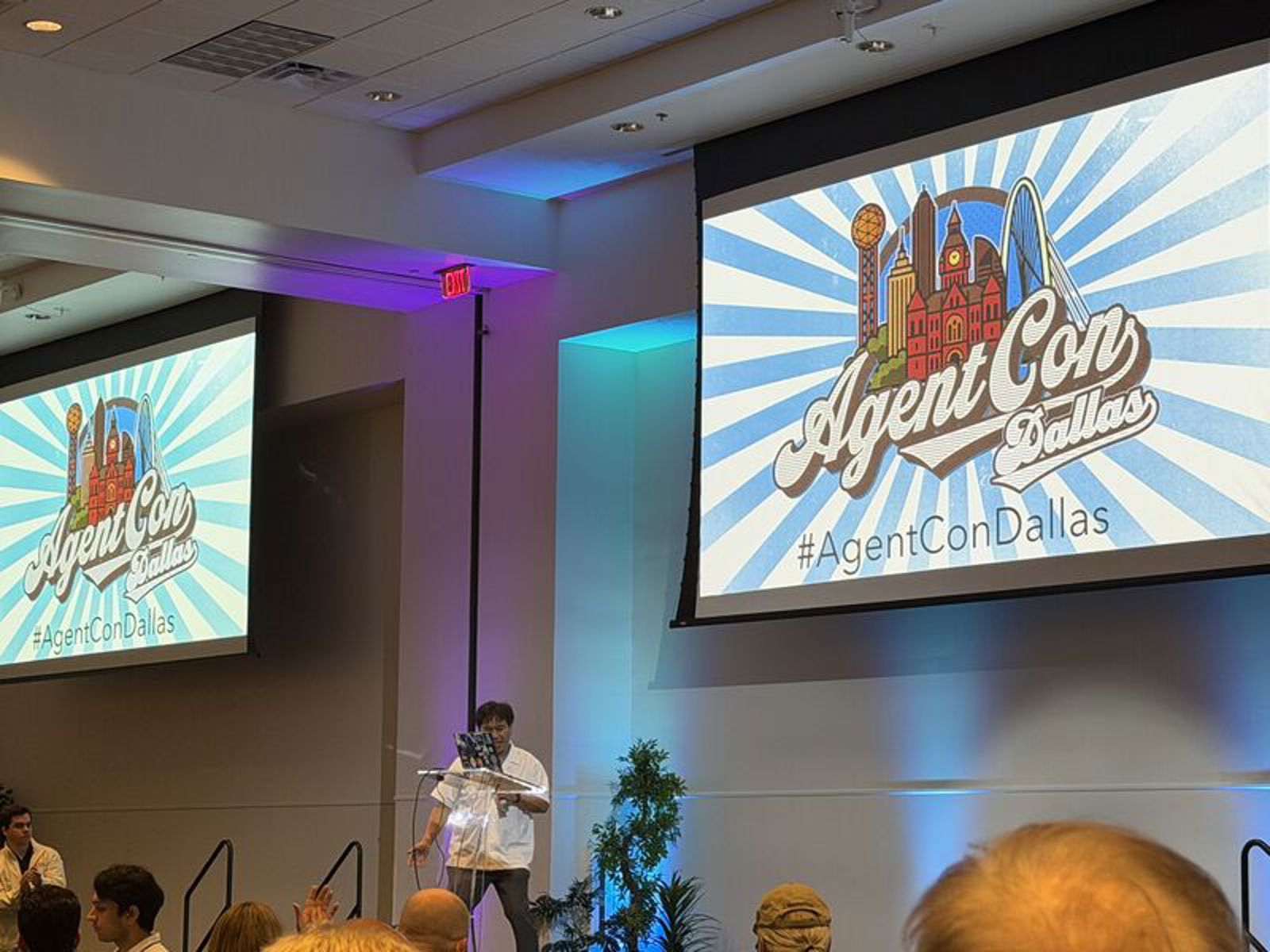
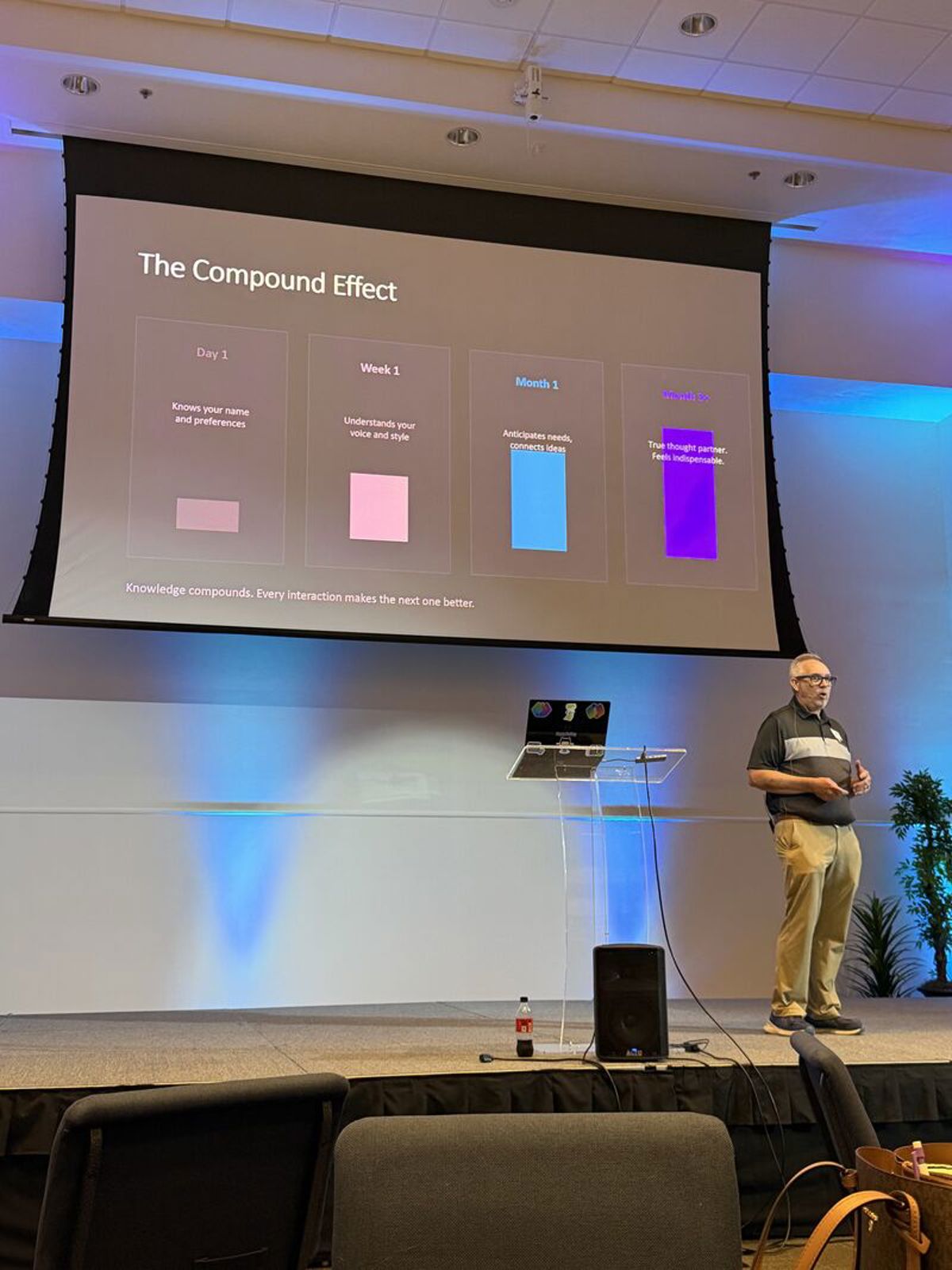
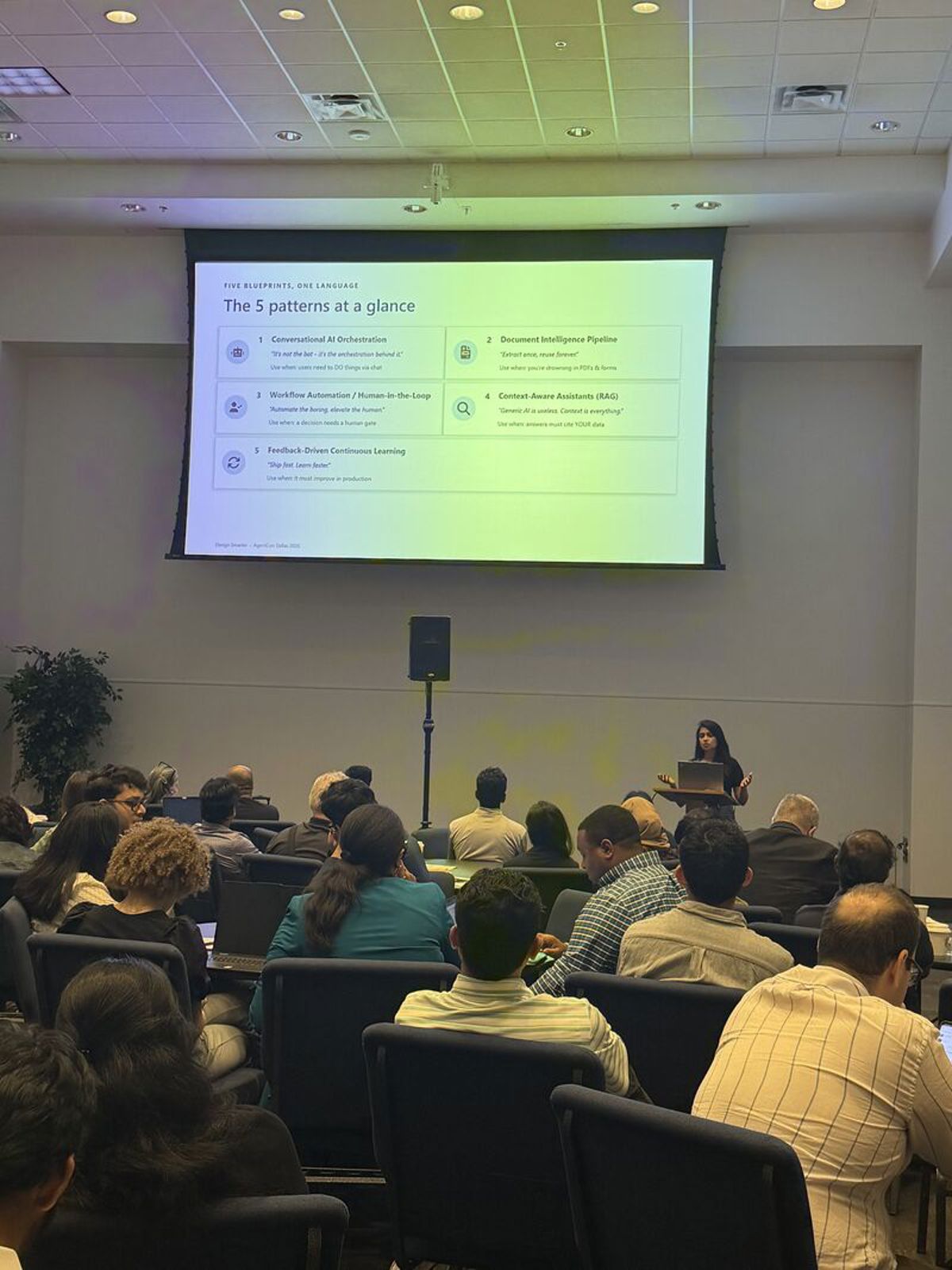
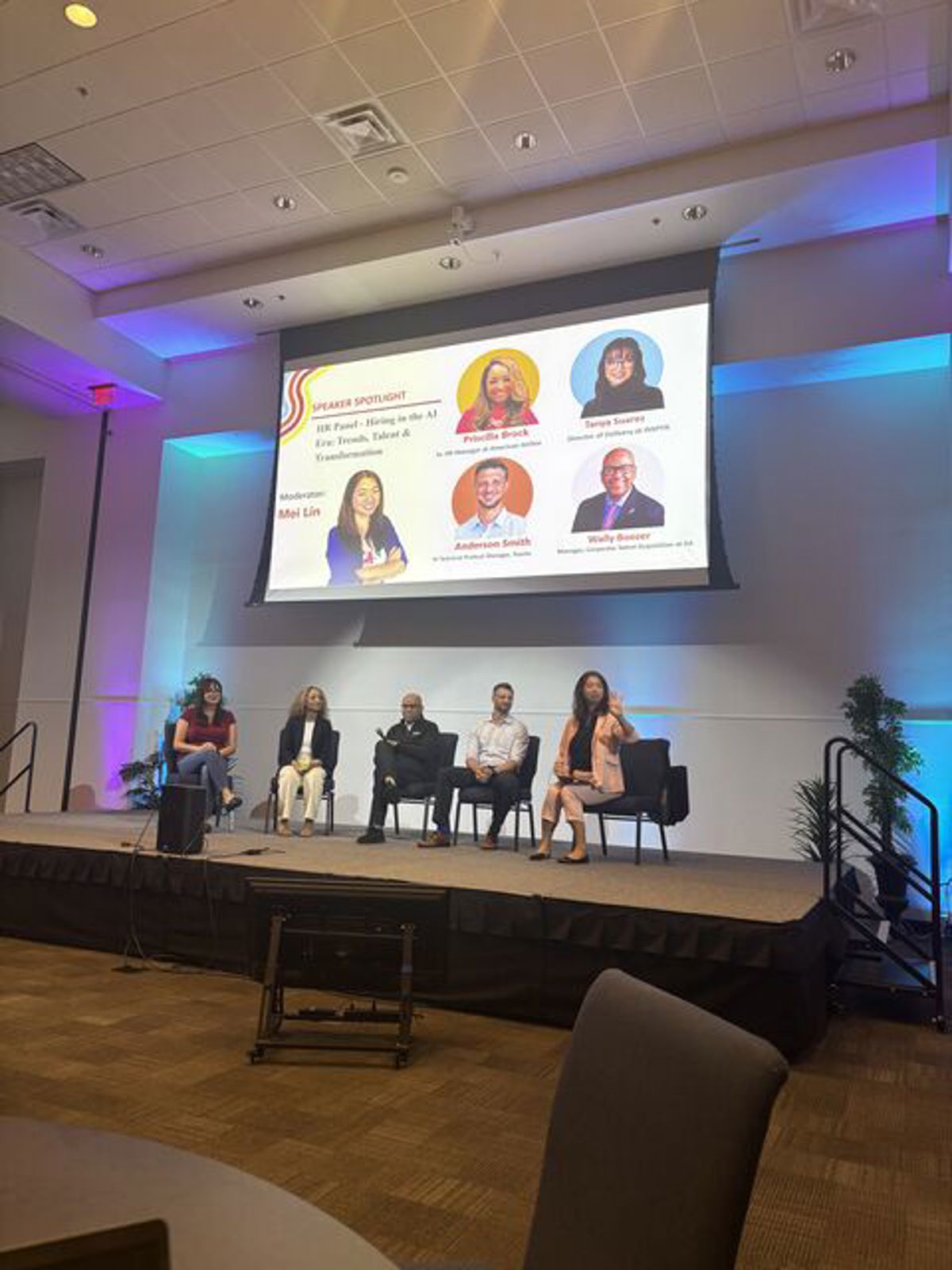
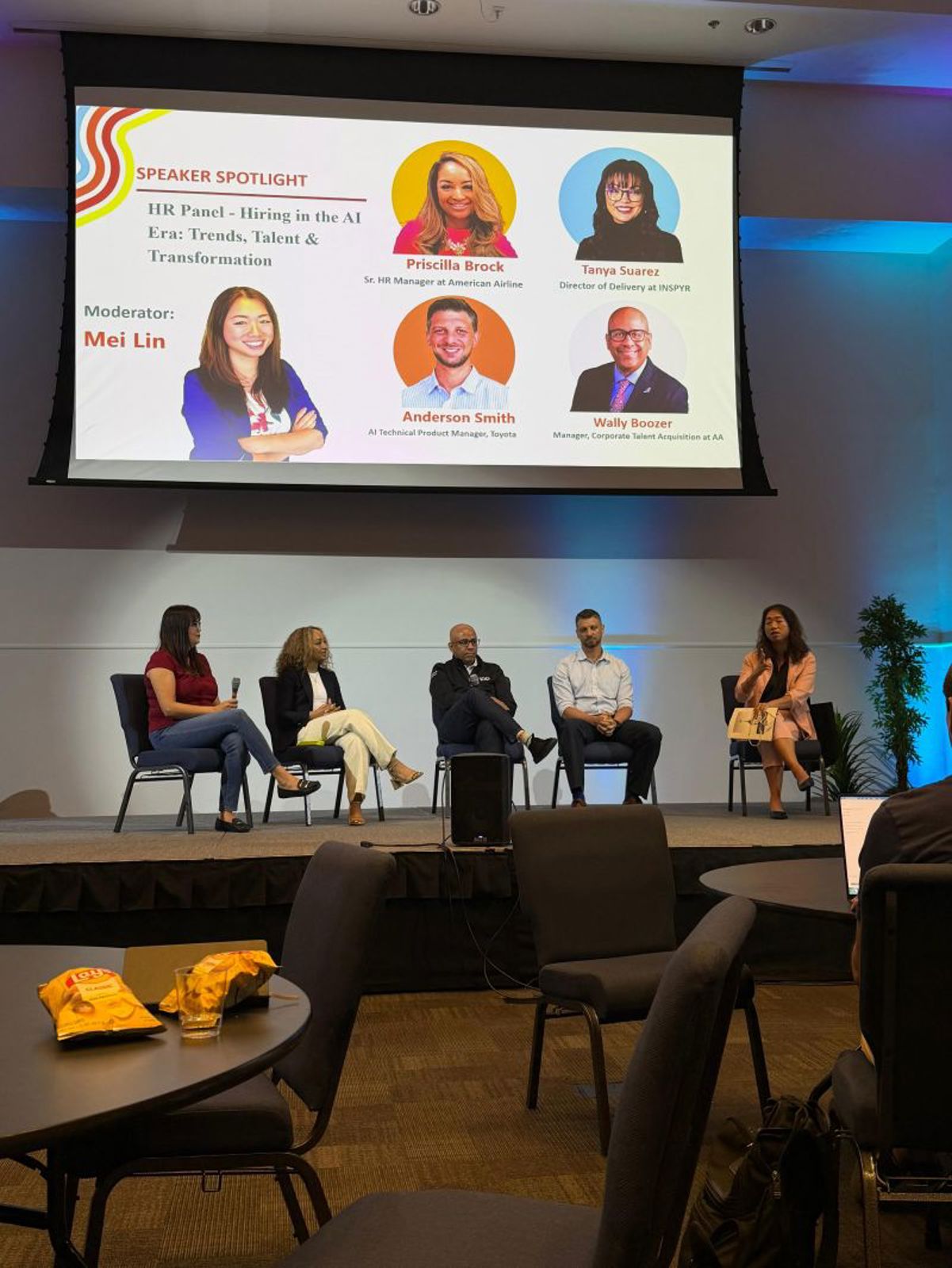
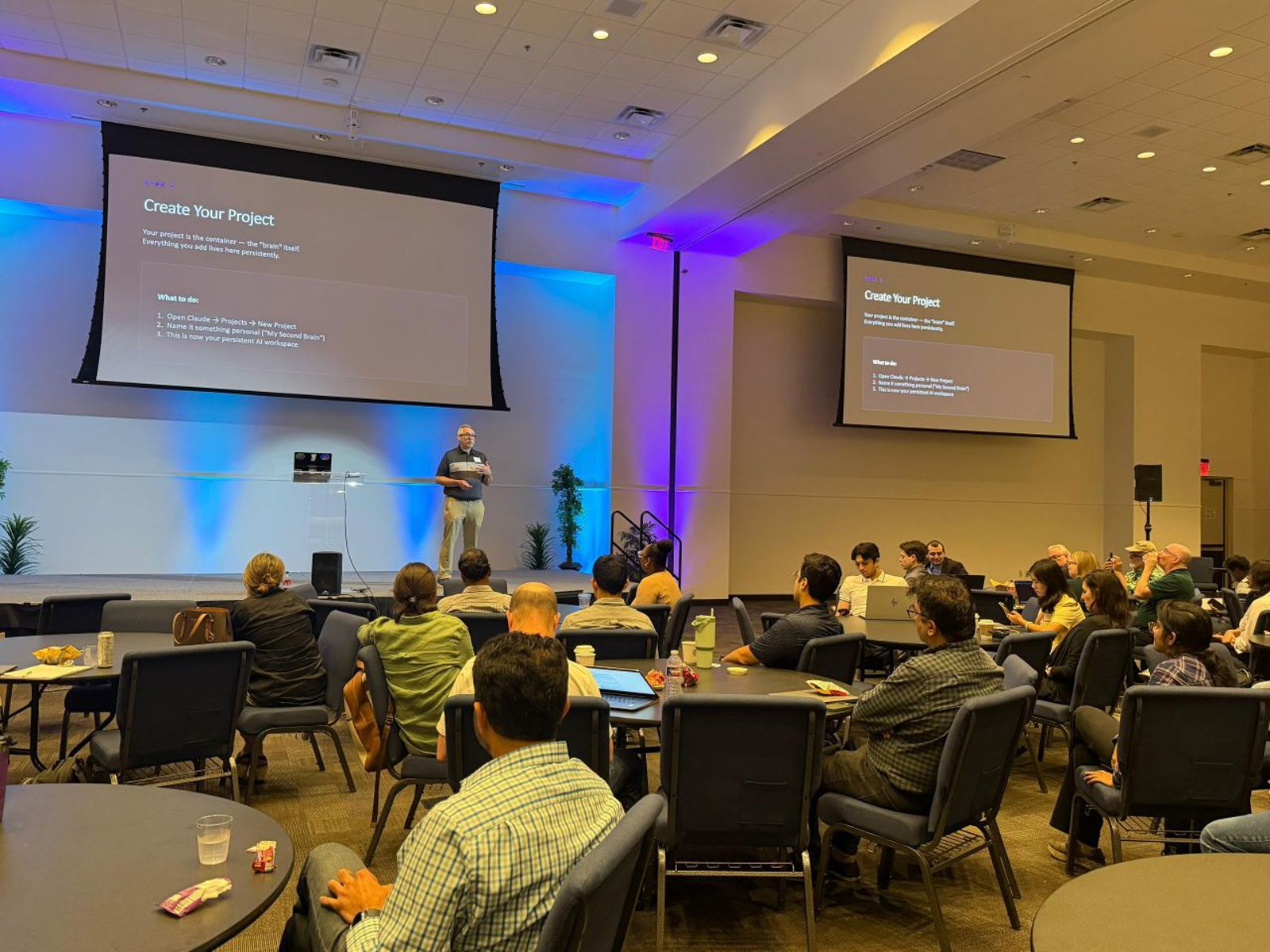
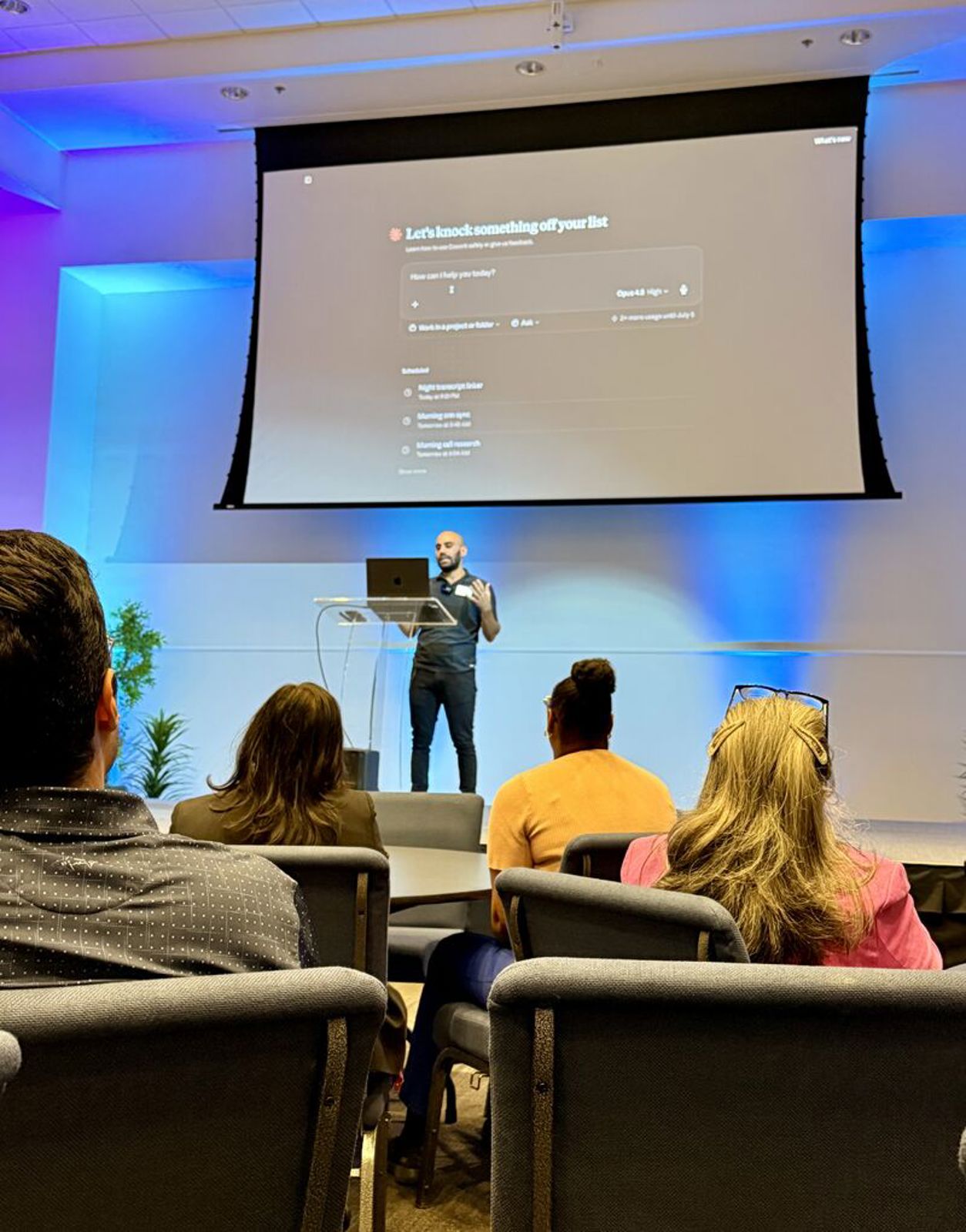
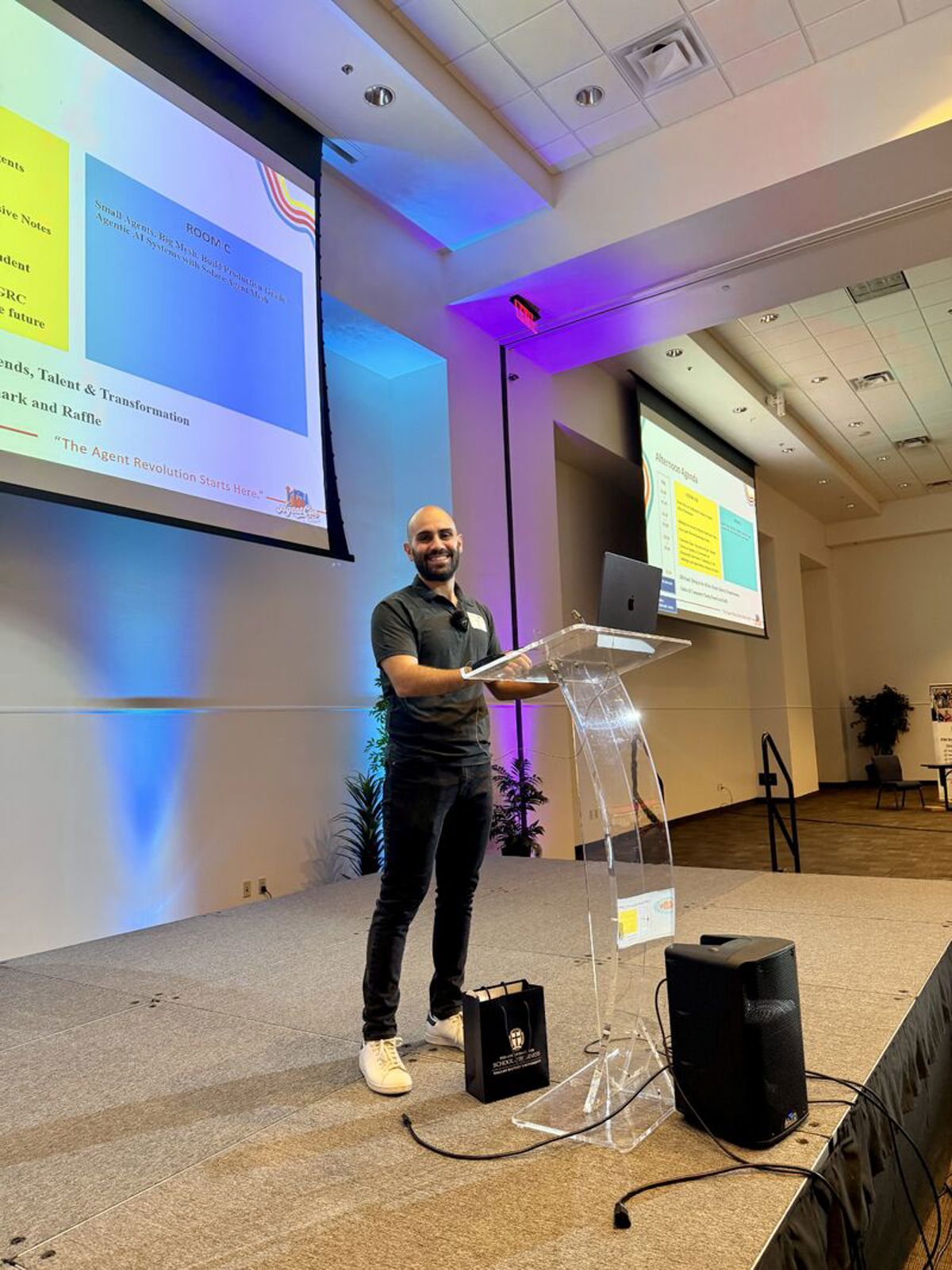
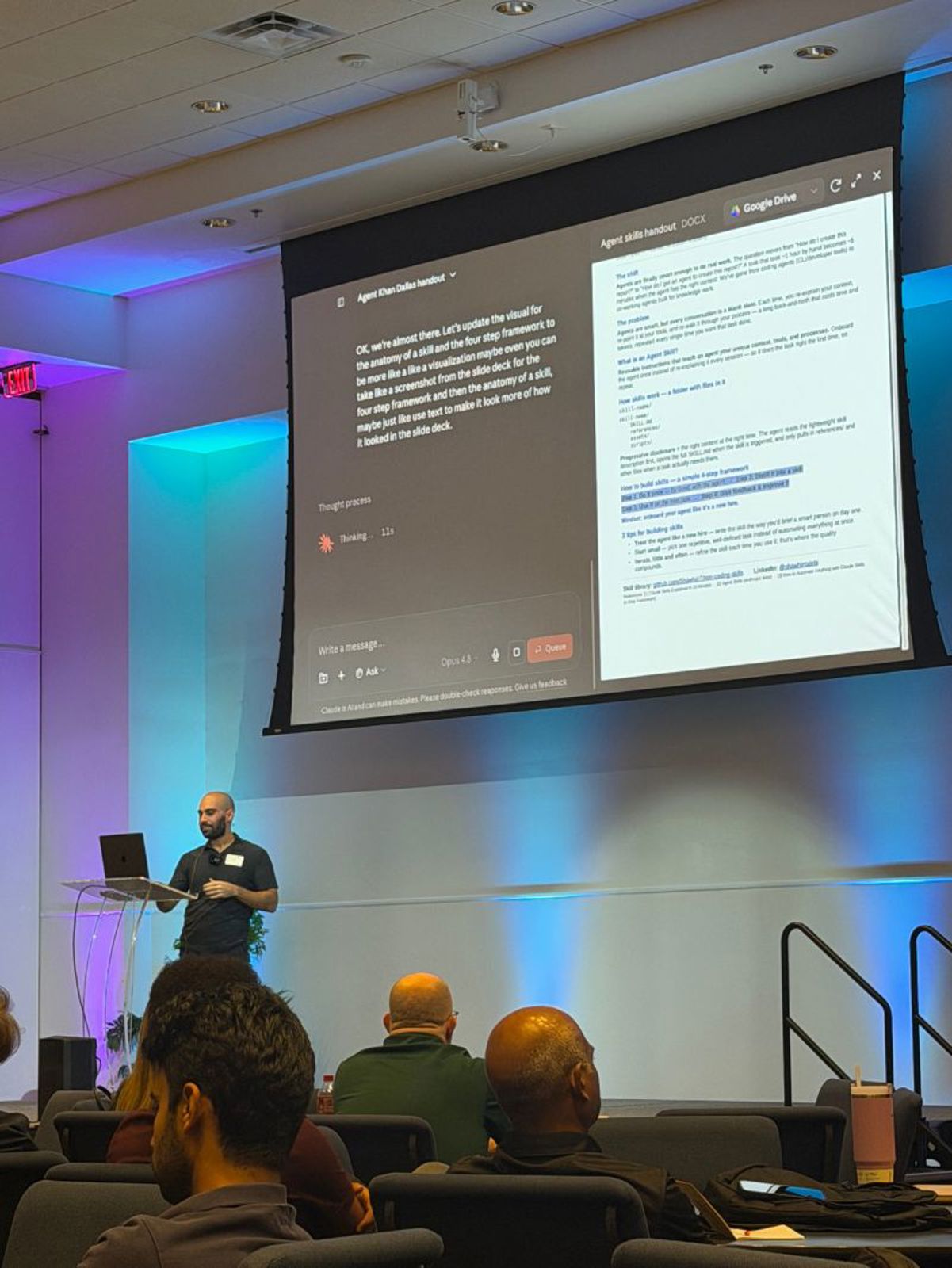
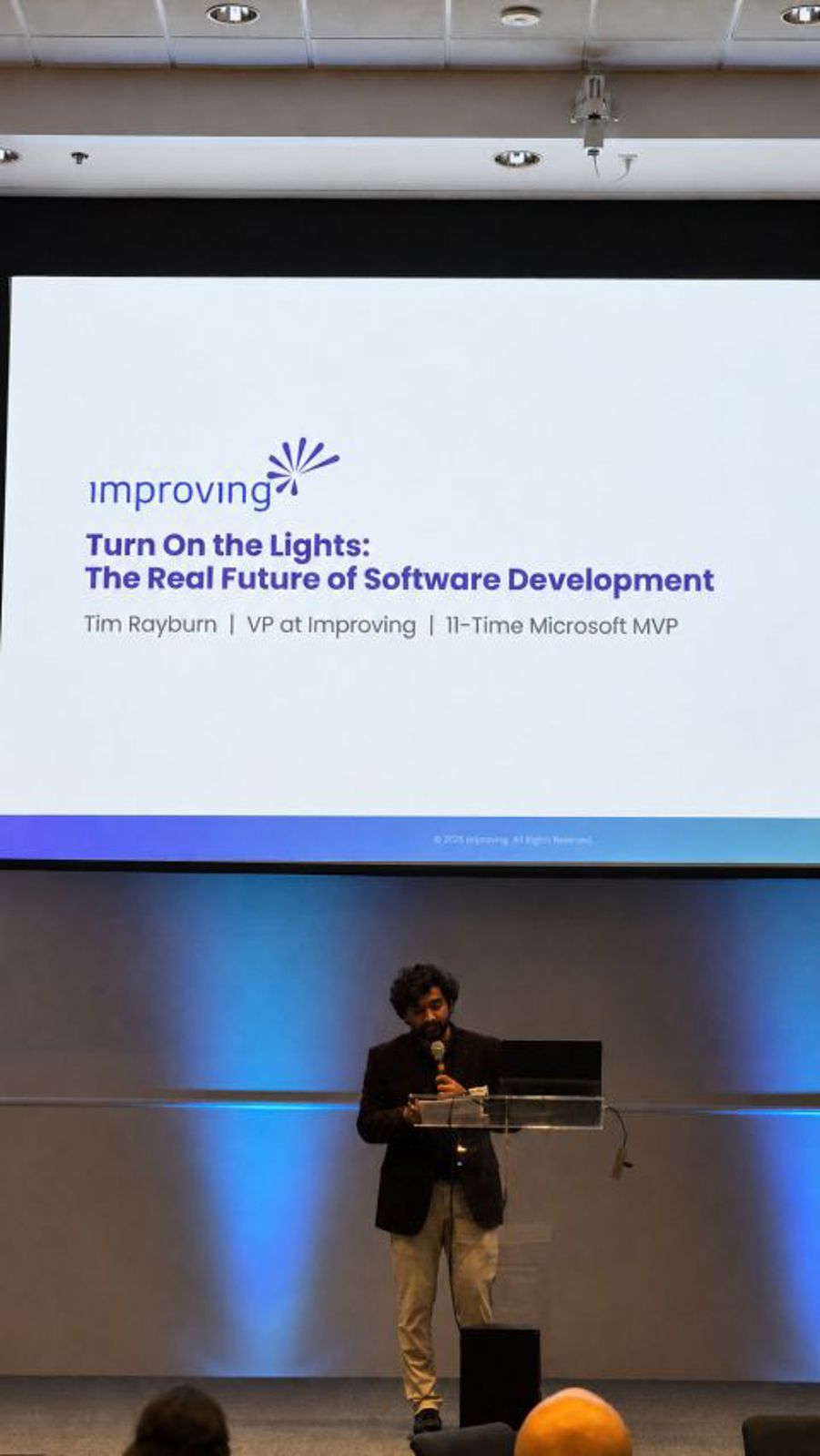
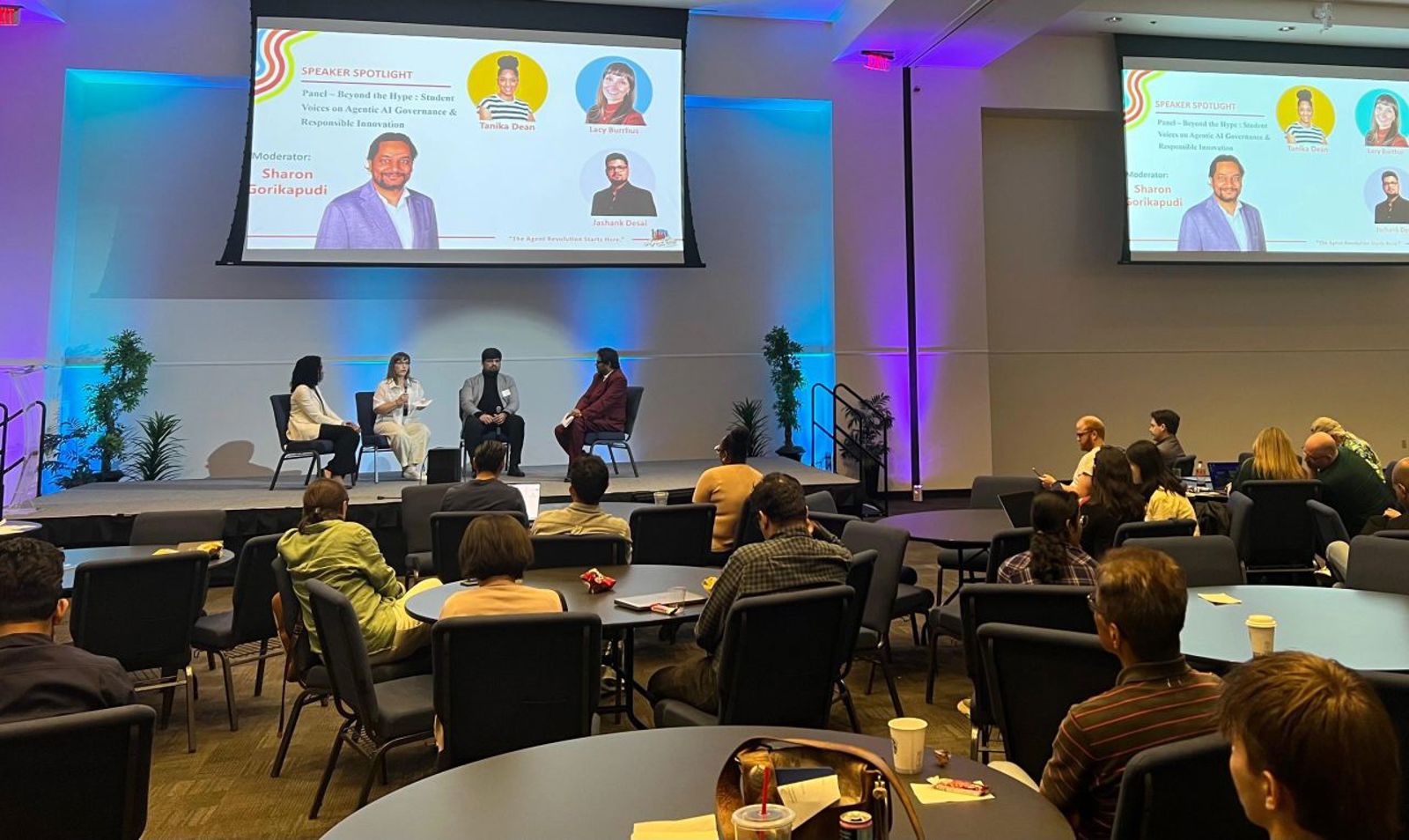
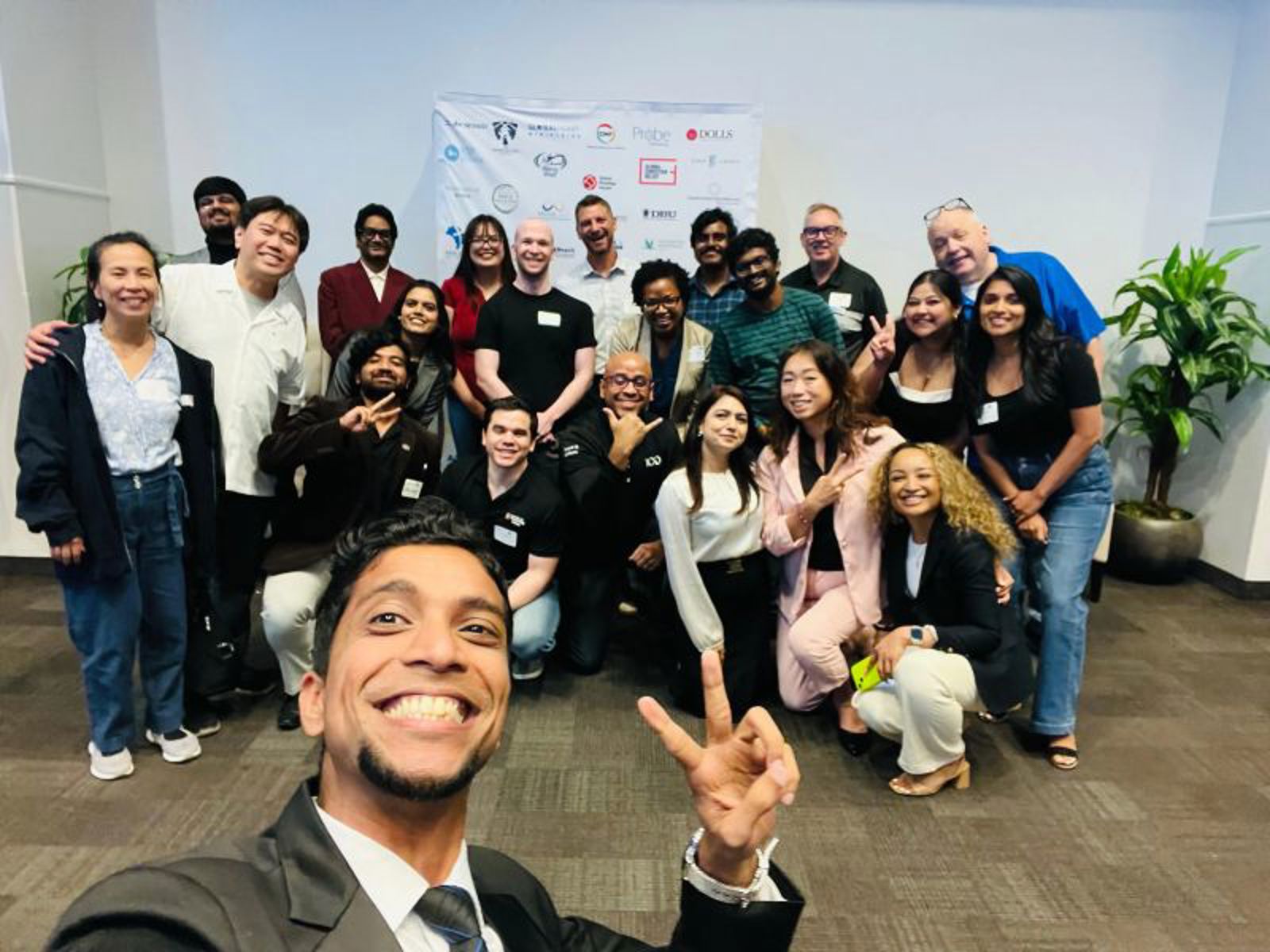
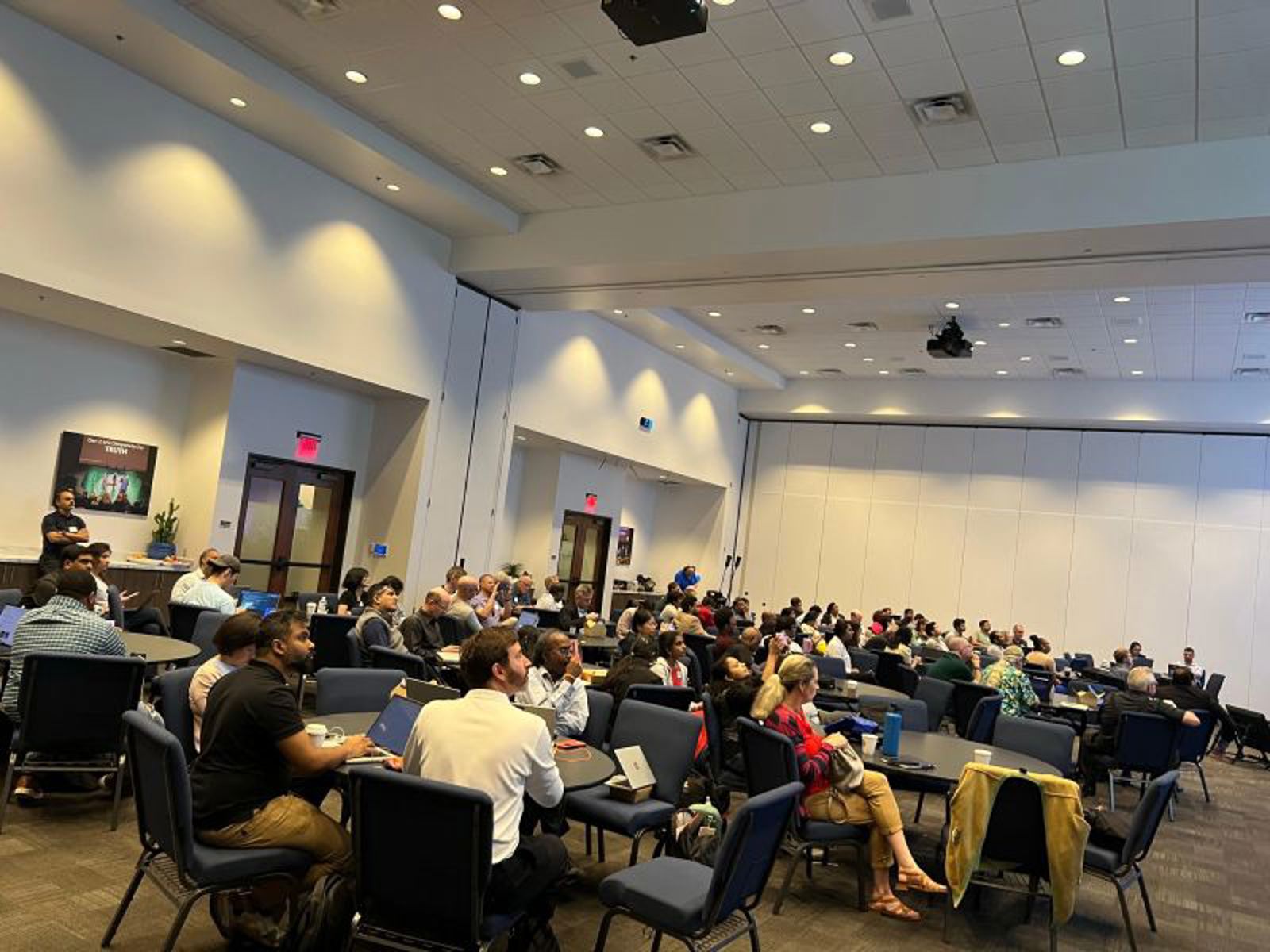
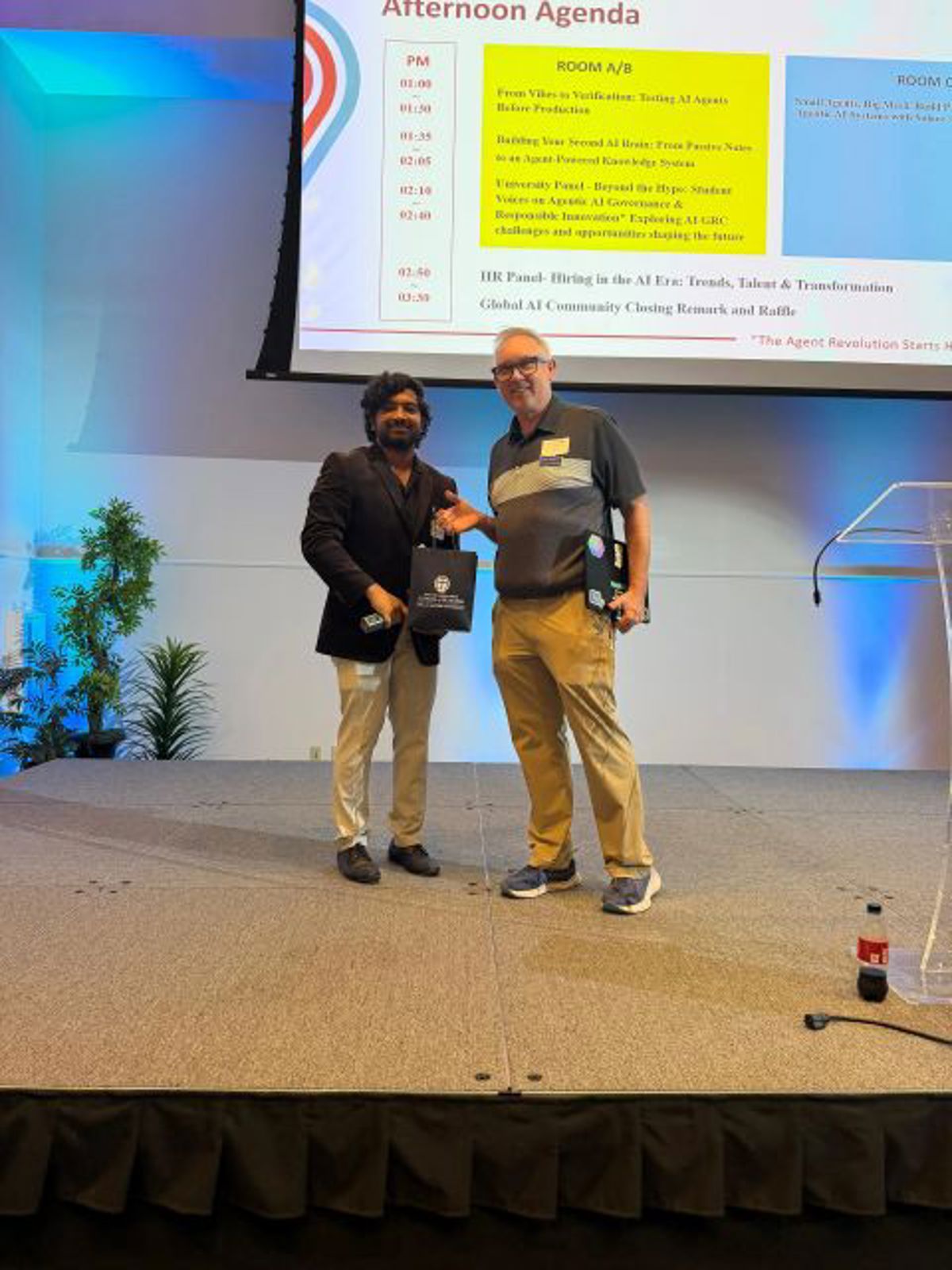
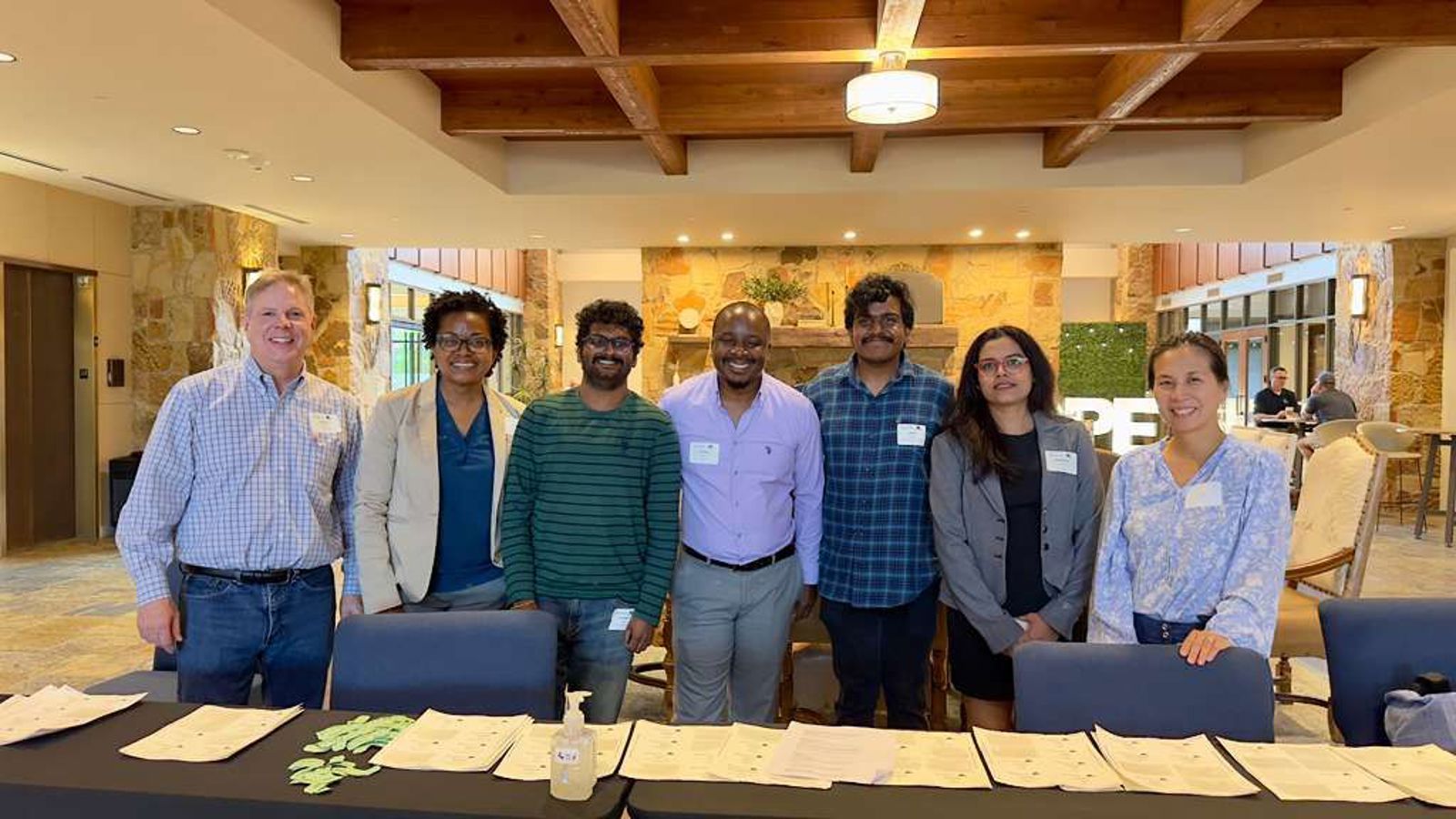
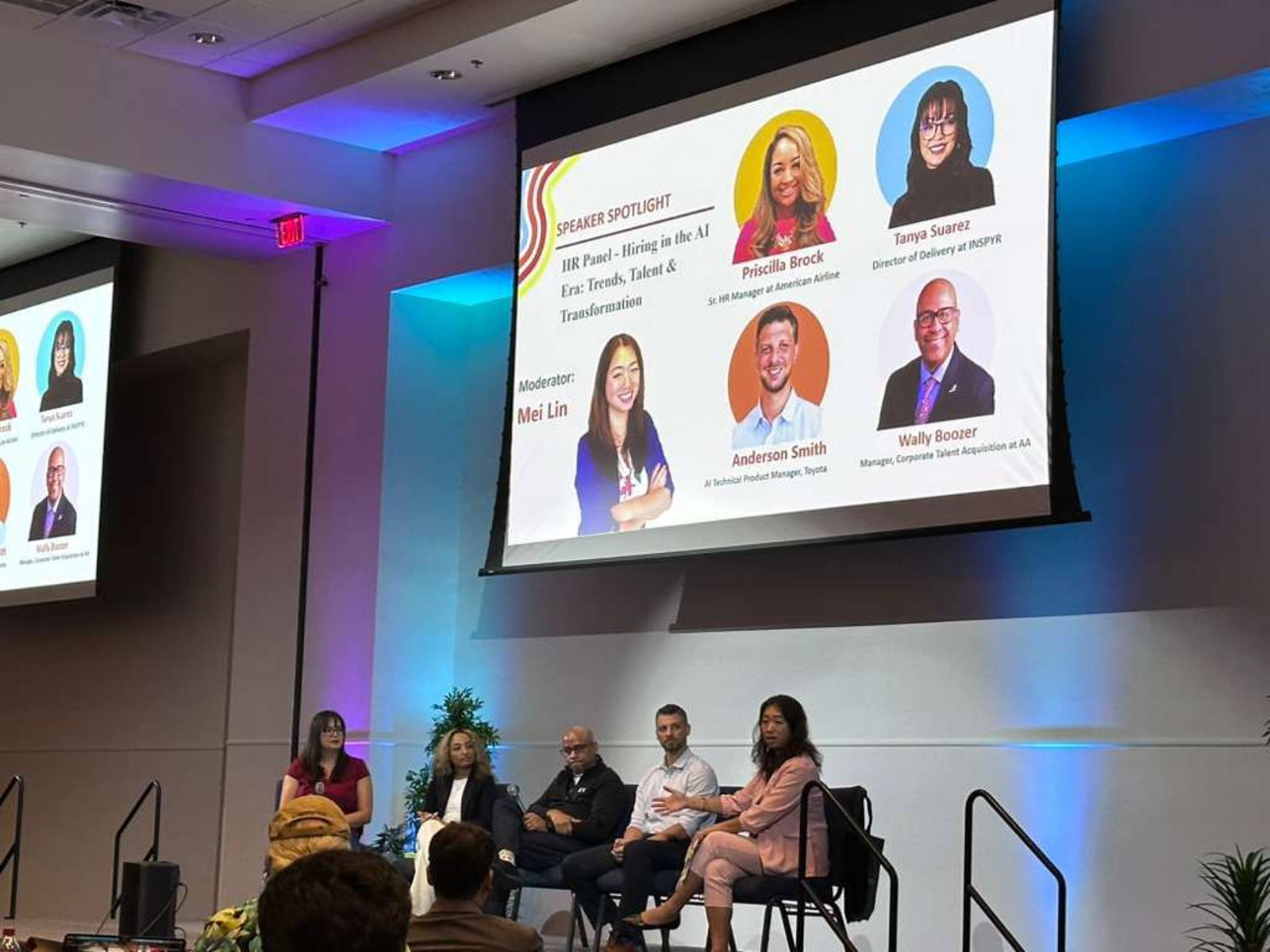
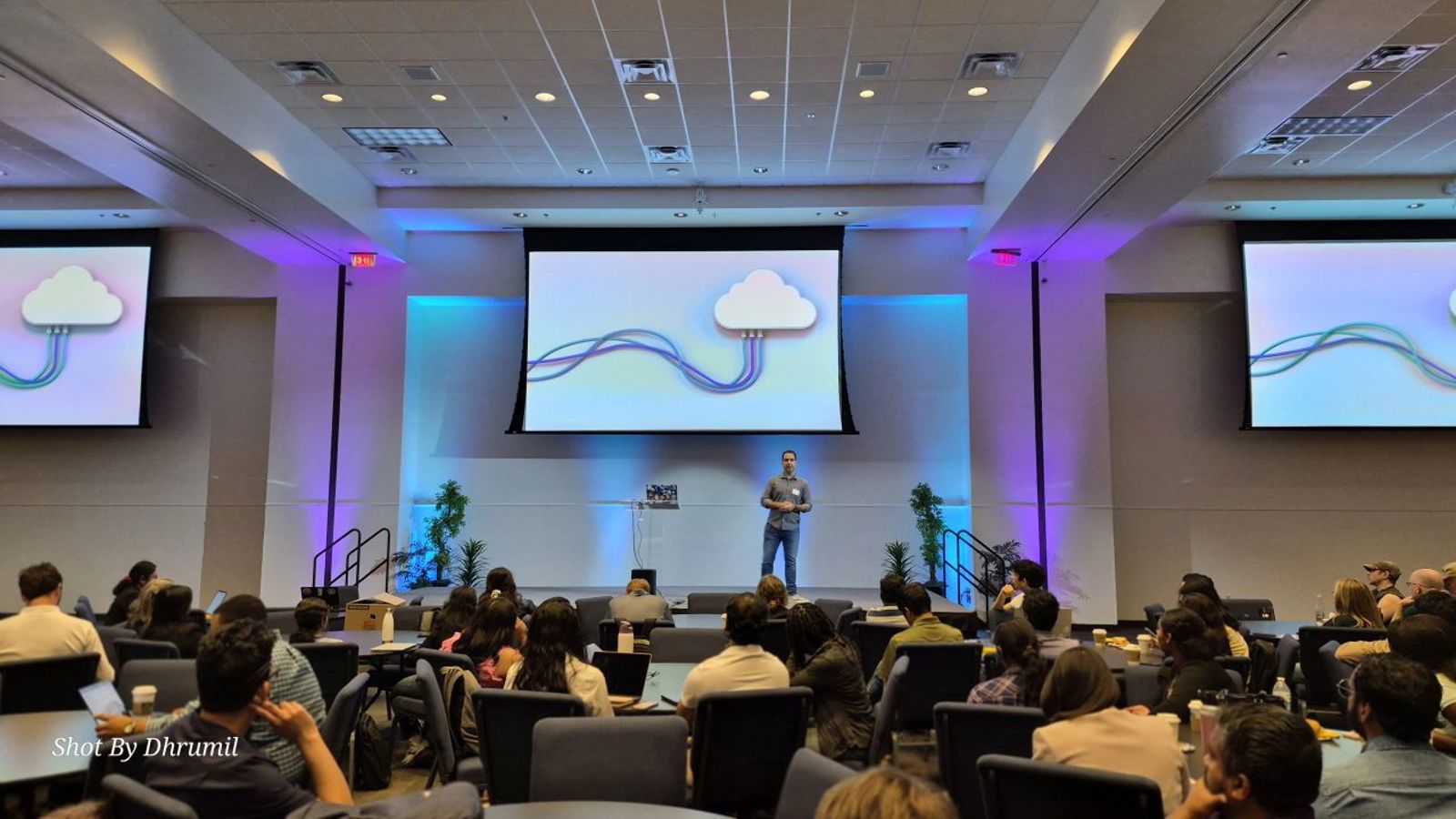
This is how it looked
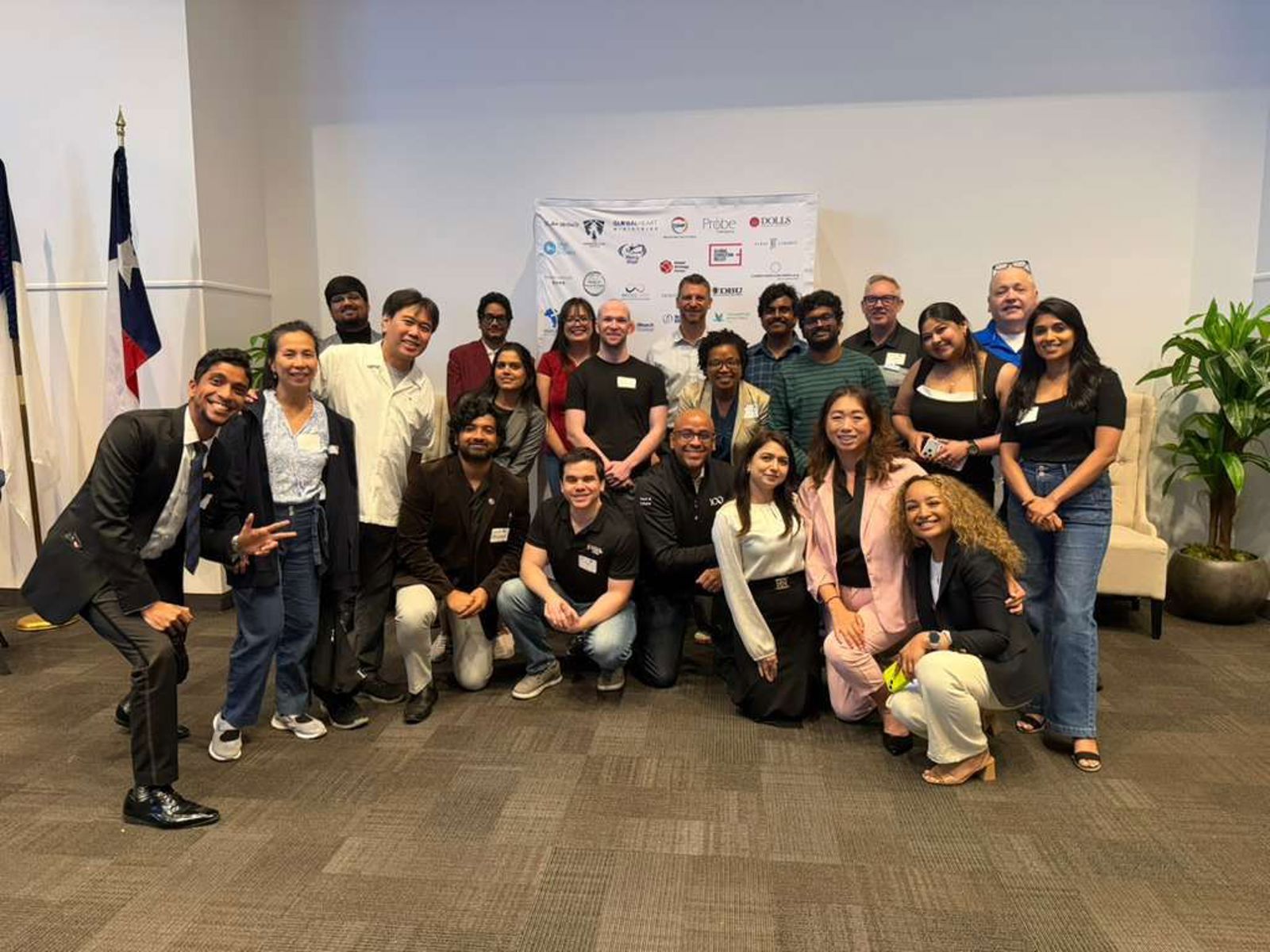
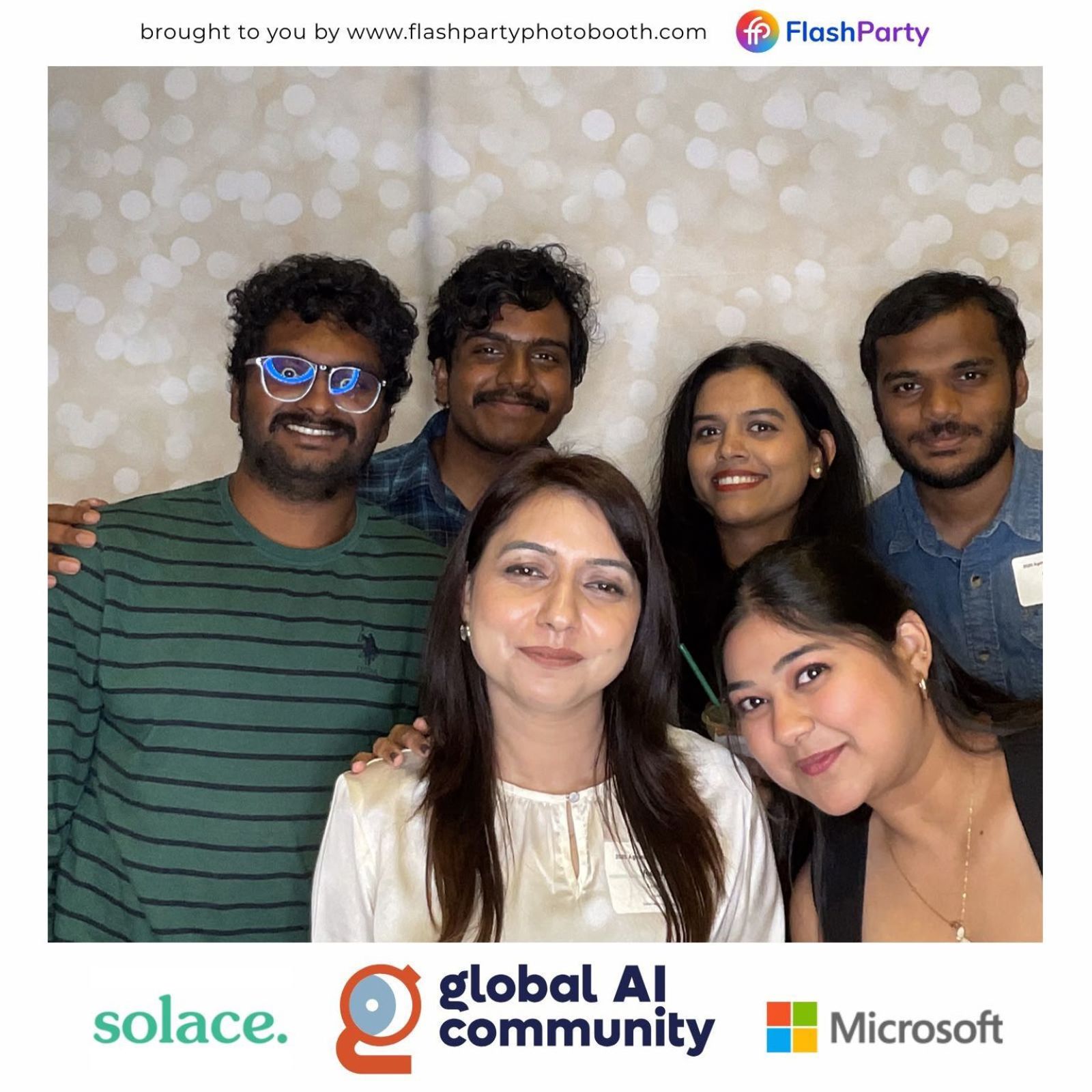
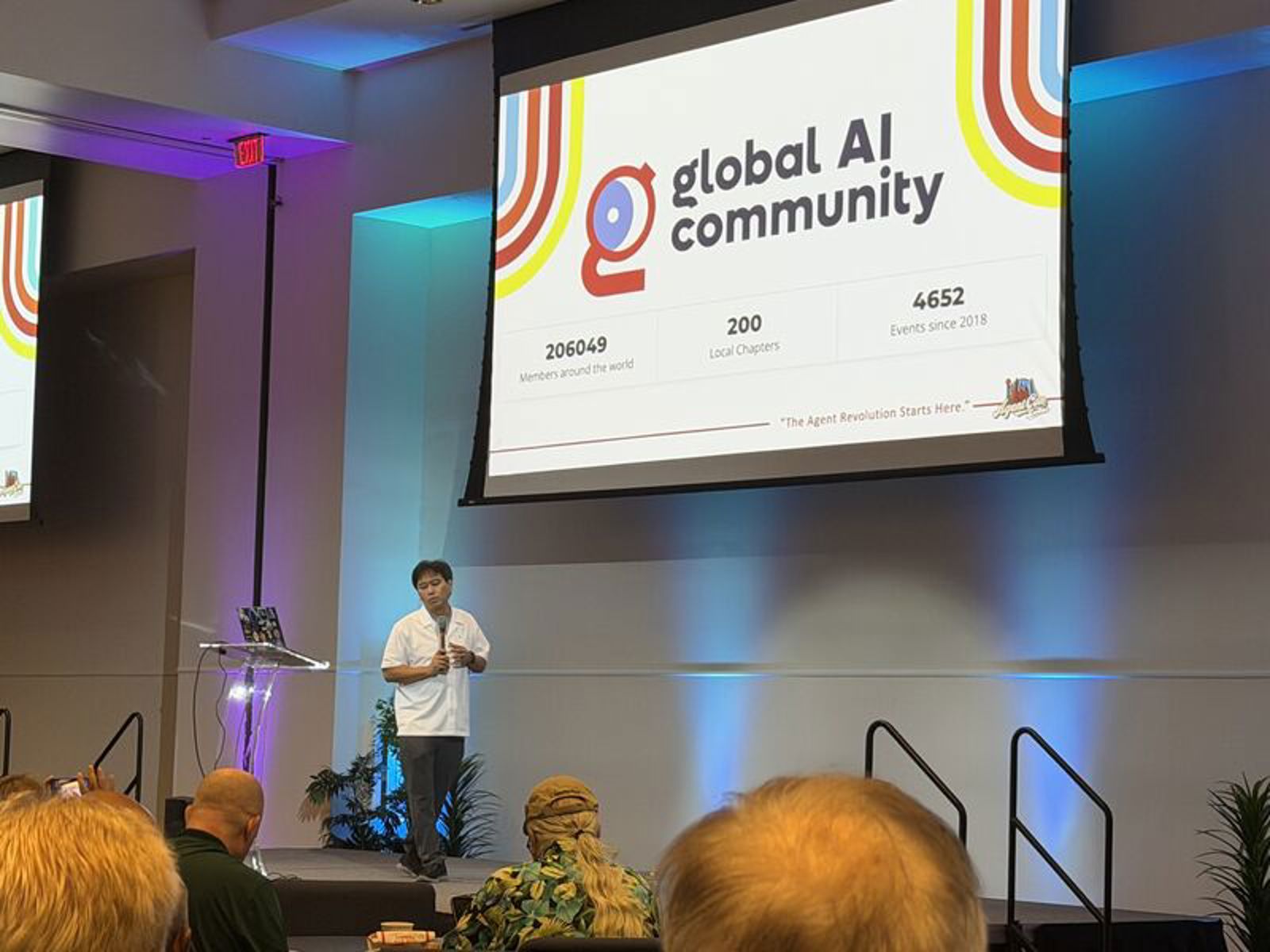
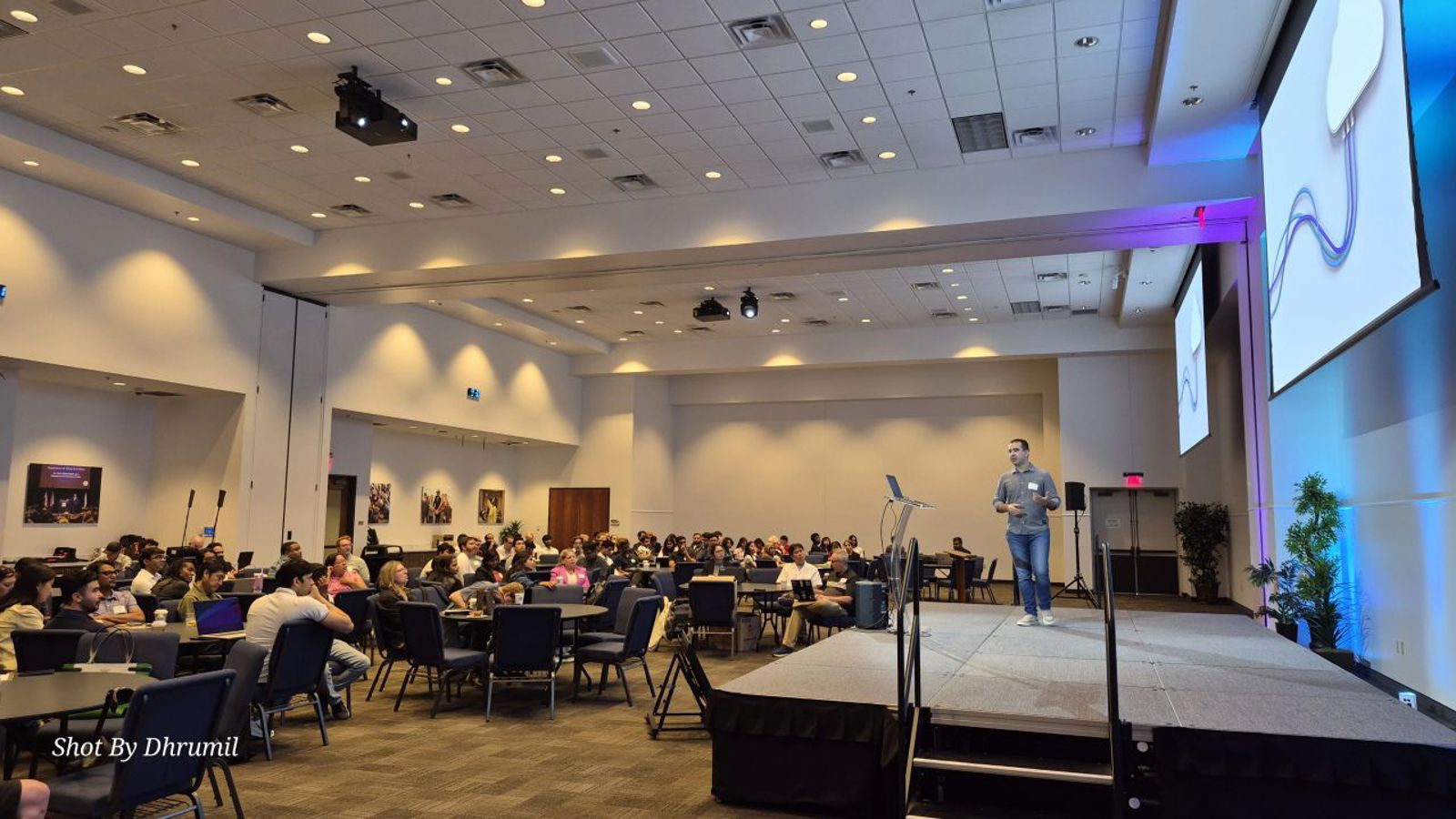
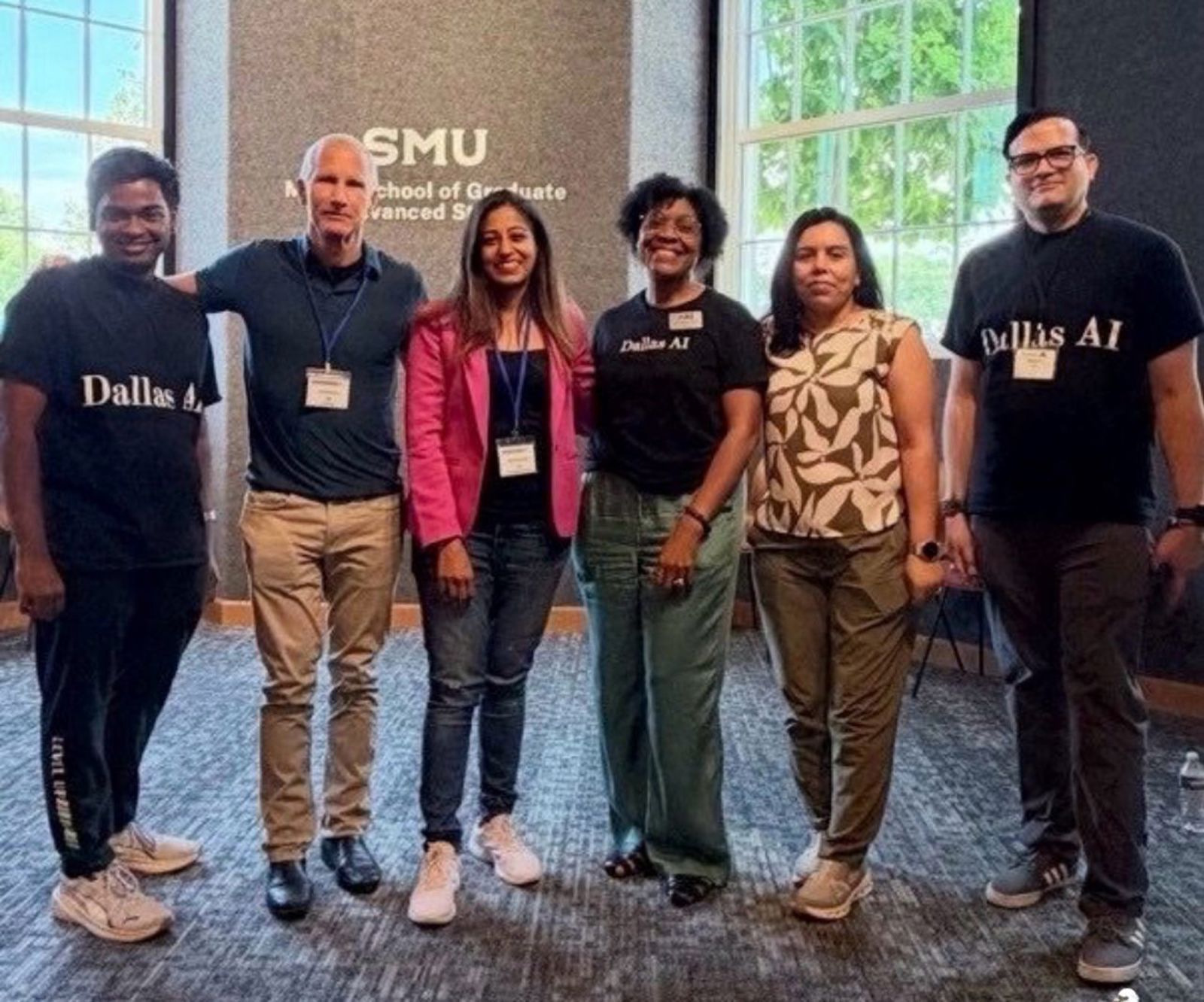
Made possible by
Sponsors




Community Sponsors



Explore AgentCon
AI Agents Developer Conference
AgentCon made possible by: