/Events /Agentic AI in the Wild: What Actually Runs in Production
Agentic AI in the Wild: What Actually Runs in Production
This event is organized by Global AI Berlin.

About
AI agents are moving into production. The question is no longer whether to use them, but what it takes to make them reliable once the demo is over.
This WeAreDevelopers PreDay meetup brings together builders, founders, and practitioners integrating AI agents into real codebases, CI/CD pipelines, developer platforms, and knowledge systems.
The evening focuses on the conversations that rarely fit into conference talks: what breaks at scale, how context engineering works in practice, where failure modes hide, and how teams build systems they can trust.
Under the theme Connected Intelligence, we will explore graph-based reasoning, constraint satisfaction, agentic code review, AI-powered development workflows, and Java’s evolving role in AI systems.
No vendor pitches. Just practical lessons from systems running in production.
Agenda Time Session 17:00 Doors Open, Drinks and Networking 17:30 Welcome and Opening Remarks 17:45 Andreas Kollegger, Director of GenAI, Neo4j 18:10 Break, Food and Networking 18:35 Panel: Agentic AI in the Wild 19:20 Charles Francoise, Staff Software Engineer, CircleCI 19:45 Ana Maria Mihalceanu, Java Champion Alumni and Developer Advocate, Oracle 20:25 Closing Remarks Speakers and SessionsAndreas Kollegger — Director of GenAI, Neo4j
Where is the Zebra? Agent Decision-Making as Constraint Satisfaction
Zebra Puzzles provide a useful model for understanding agentic reasoning: they require structured constraint satisfaction rather than domain expertise.
Enterprise decisions such as loan approvals, compliance checks, resource allocation, and approval routing often hide similar constraint problems beneath layers of complexity.
This session examines how constraint networks, LLMs, and hybrid architectures approach structured decisions—and when agents need search, inference, generation, or a combination of all three.
Charles Francoise — Staff Software Engineer, CircleCI
Plan with Opus, Code with Sonnet
What if working effectively with AI agents is not only about choosing the best model, but choosing the right model for each task?
This session explores how different models can support planning, implementation, and development workflows—and how teams can use them together more effectively.
Ana Maria Mihalceanu — Java Champion Alumni and Developer Advocate, Oracle
Now and Next Java for AI
AI does not have to remain a black-box REST endpoint. With JDK 25 and the Foreign Function and Memory API, Java developers can connect models directly to native runtimes such as ONNX for CPU and GPU inference.
The session demonstrates tensor mapping with MemorySegment, execution-provider switching, and self-contained Java inference applications. It also looks ahead to Project Babylon and the possibility of expressing model logic as analyzable Java code that can be lowered to accelerator backends.
Panel: Agentic AI in the WildWhat does it take to move AI agents from proof of concept into systems that operate reliably?
Practitioners from across the technology stack will discuss context management, governance, production workflows, failure modes, and what changes when agentic systems scale.
Expect concrete lessons, not talking points.
Moderator
Dana Fine — Open Source and Community Manager, Qodo
Dana leads open-source programs and community initiatives at Qodo. She runs the GitHub User Group, CNCF local and GenAI communities, and the Bond AI meetup series.
Panelists
Nnenna Ndukwe — Developer Relations Lead, Qodo
Nnenna is a software developer, applied AI researcher, and community builder with experience across med-tech, fintech, and media-tech. She focuses on integrating AI code review into enterprise and open-source development workflows.
Sebastian Kister
Sebastian is a cloud and enterprise transformation practitioner implementing production-ready architectures for Agentic AI Operations. As an active CNCF and Linux Foundation member, he advocates for scalable platforms and a people-first approach to transformation.
Tevfik Aloglu — Applied AI, OpenAI
Tevfik works on OpenAI’s Applied AI team, partnering with ambitious startups across Germany and Europe to turn frontier AI into product advantage and measurable business impact.
Previously, he co-founded the generative AI startup Pyne as CPTO and built AI and machine-learning ventures at BCG Digital Ventures and Project A. He studied computer science at the Technical University of Munich, spent time at Carnegie Mellon University, and is an alumnus of CDTM.
Locationw3.hub Berlin
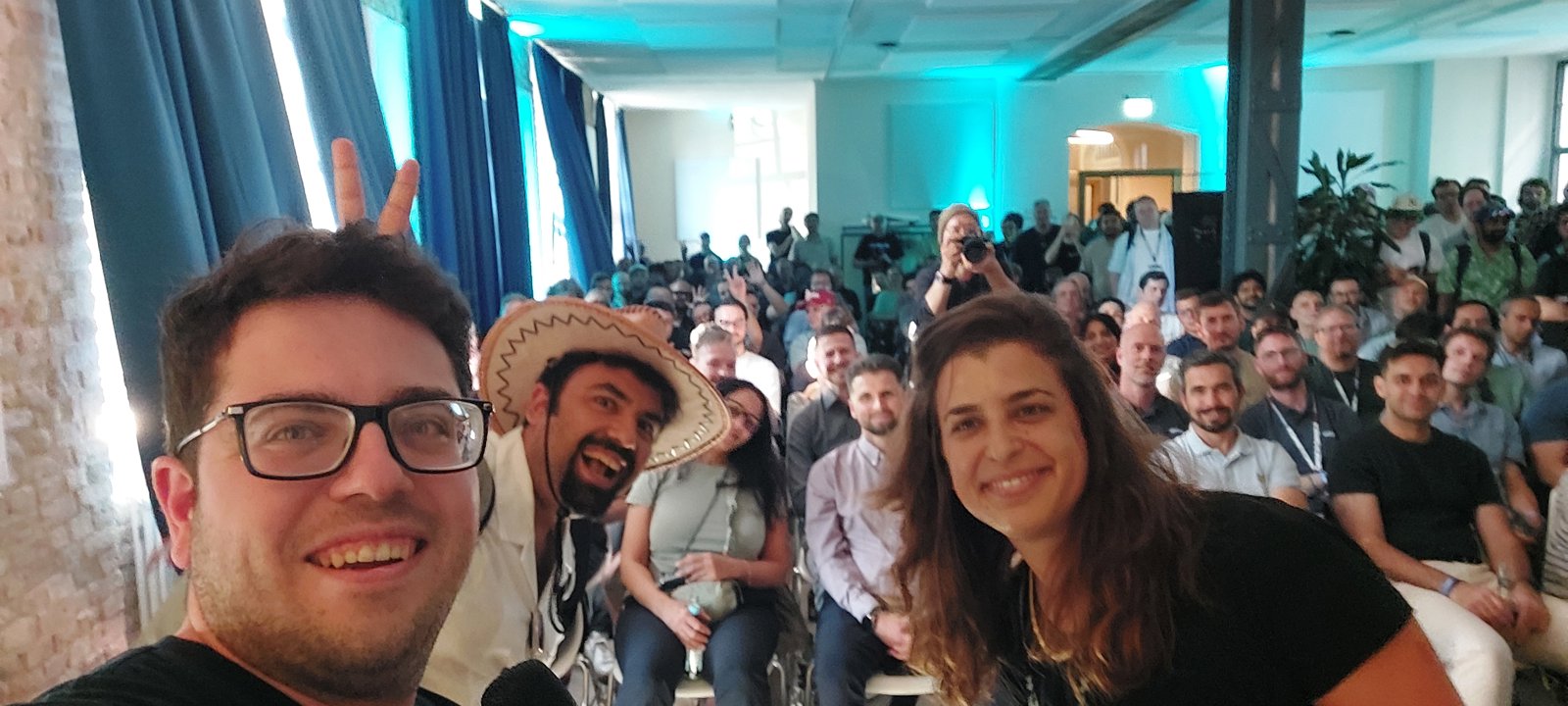
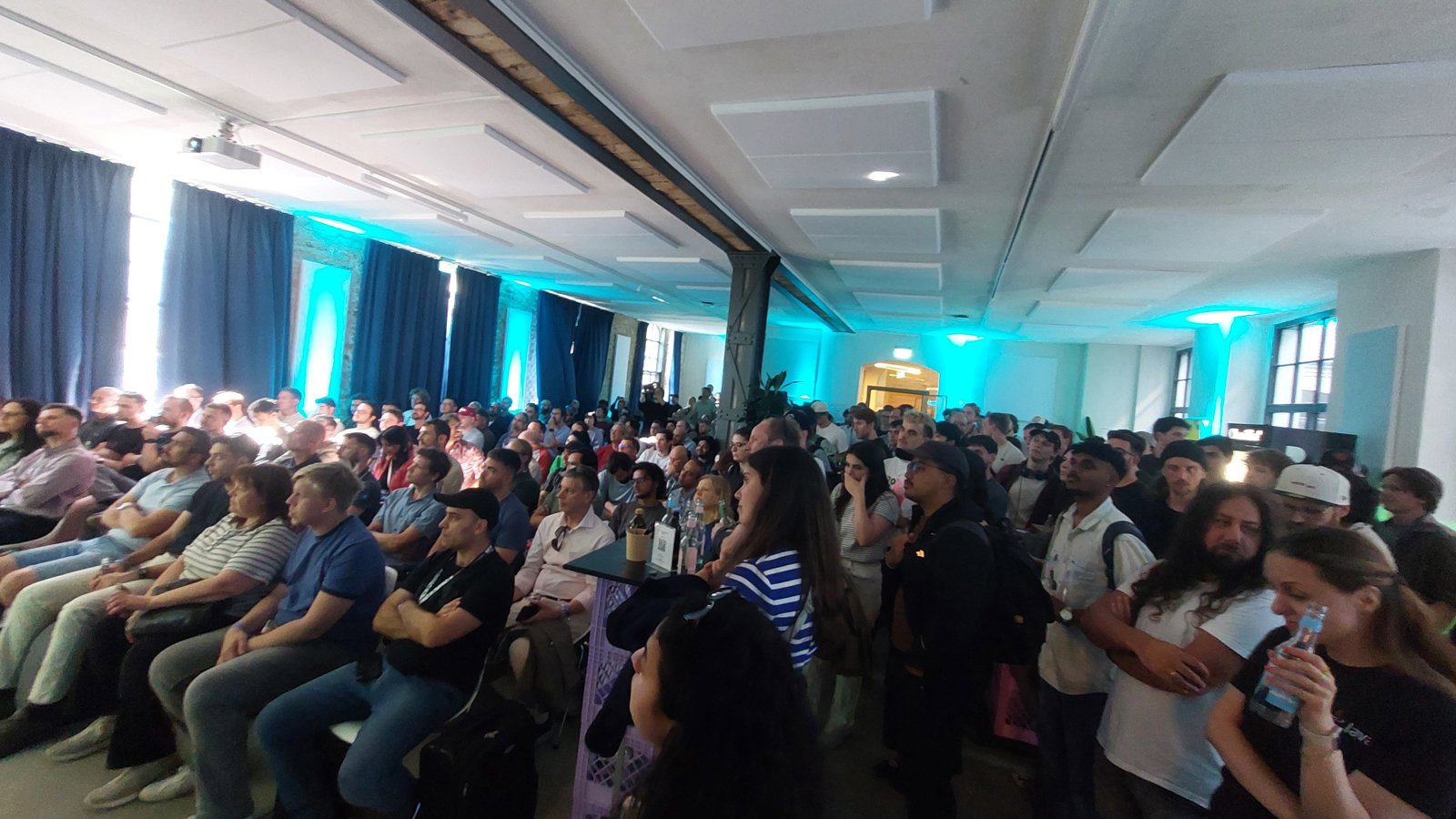
This is how it looked
Made possible by
Made Possible By







Community Partner