/Events /AgentCon Berlin 2026
AgentCon Berlin 2026
This event is part of AgentCon, organized by Global AI Berlin.
Schedule
About
Join us for AgentCon Berlin 2026, a dedicated space for developers, builders, startups, students, tech-enthusiasts researchers, and innovators to dive to explore the future of autonomous AI agents. This event is part of the AI Agents World Tour, connecting communities from San Francisco to Singapore.
Whether you're designing intelligent copilots, orchestrating multi-agent systems, or advancing agent frameworks, AgentCon Berlin offers a platform to share insights, inspire others, and shape what’s next.
Who's on stage

Ewa Szyszka is a Developer Relations Engineer at Qdrant, the leading open-source vector search engine powering production-grade AI applications. She began her industry career as an NLP Researcher at Naver Labs Europe, where she developed a strong foundation in language modeling and semantic search. She holds a BSc in Computer Science and an MSc in Electronics and is based in Amsterdam, Netherlands. Her academic background includes research at Keio University's Graduate School of Media Design in Japan, with work published at leading international venues including CHI, IoT, and the Augmented Humans International Conference ACM Digital Library. As a speaker, Ewa has presented on topics at the intersection of machine learning and social impact from using Python for linguistic accessibility to sign language recognition with Convolutional Neural Networks in Keras. A true polyglot, Ewa speaks Polish, English, German, French, Spanish, Japanese and Korean, allowing her to connect with developer communities across the globe. Outside of tech, she is an active member of the maker community and an enthusiastic about applications of AI in aviation.

Michael Hunger has been passionate about software development for more than 30 years. For the last 15 years, he has been working on the open source Neo4j graph database filling many roles, most recently heading product innovation and GenAI. As a developer Michael enjoys many aspects of software development and architecture, learning new things every day, participating in exciting and ambitious open source projects and contributing and writing software related books and articles. Michael spoke at numerous conferences and helped organize others. Michael helps kids to learn to program by running weekly girls-only coding classes at local schools.
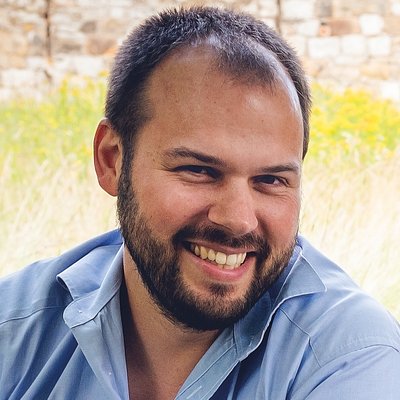
Senior Software Engineer & AI-Driven Development Specialist With over 20 years in the software development sector, Daniel stands out as a seasoned Software Engineer and Test Automation aficionado. A proud alumnus of the Technical University Braunschweig with a Master’s in Computer Science, he has donned multiple hats – from Senior Java Developer to Senior Fullstack Developer, and CTO. What truly distinguishes Daniel is his expertise in AI-powered software development. He’s been at the forefront of integrating AI into the software development lifecycle, guiding clients on leveraging cutting-edge AI solutions like GitHub Copilot, Amazon Q, Windsurf, and tailored AI agents for enhanced test generation, code reviews, story writing, and AIOps. Daniel is also a key architect behind customized build GenAI agents and build multi-agent system designed to autonomously handle complex development tasks. These agents collaborate across various stages of the SDLC, from planning and coding to testing and releasing, significantly boosting development speed, quality, and scalability.

Julia Armenat is an innovation strategist and founder of Leaplane, a consultancy focused on Responsible AI and ethical product innovation. With nearly two decades of experience spanning AWS, Philip Morris International, and global startup ecosystems, she bridges the gap between emerging technology and human-centered design. At Amazon Web Services, she worked with high-growth startups to accelerate AI adoption and cloud innovation, helping founders align their technical roadmaps with ethical, compliance, and trust-readiness goals. Her work led to the creation of the Responsible AI Lean Loop (RAILL) methodology — a practical framework that embeds responsibility and inclusion directly into Lean Startup “Build-Measure-Learn” cycles.
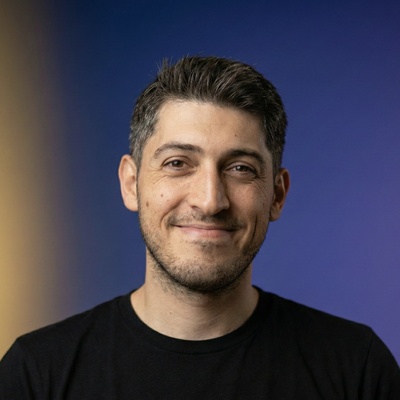
Salih is a Senior Developer Advocate at AWS with a strong focus on frontend and mobile app development, developer experience, and serverless architecture. With a background in building scalable mobile and web interfaces, he brings hands-on expertise to developer communities around the world. He’s passionate about creating intuitive developer tools and open source projects, often blending frontend craft with cloud infrastructure. Outside of work, Salih is a dedicated runner, comic book enthusiast, and a dad who balances code, curiosity, and creativity—always exploring new skills, from making music to architecture.
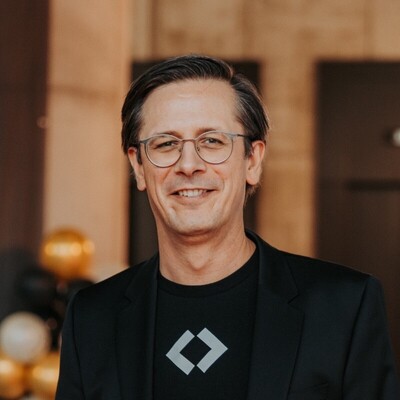

As part of Microsoft’s Developer Relations organization, Lee leads a global team driving innovation in Artificial Intelligence and Azure. Their work centres on empowering customers through digital transformation, showcasing how Microsoft’s tools, services, and technologies can unlock new possibilities. Lee is deeply embedded in every phase of the journey, from architectural brainstorming and pair programming to code reviews, documentation, and community storytelling. Whether guiding strategic decisions or rolling up their sleeves to co-build solutions, Lee ensures that technical excellence and developer empathy go hand in hand.
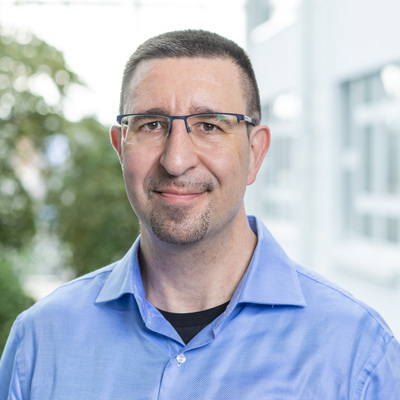
José Luis Latorre is a Microsoft AI MVP, LinkedIn Learning Trainer, and Agentic & Software Architect at Swiss Life, where he leads the Developer Community, helps shape the AI strategy—while also building agentic applications that have to work on Mondays, not just in demos. Since 2023, he’s been contributing to Microsoft’s agentic AI frameworks (as in: building it, not just using it): Semantic Kernel, AutoGen, and now Microsoft Agent Framework (MAF)—where he’s Contributor #29. Nights and weekends, alongside the day job. Because apparently he enjoys pain… and shipping PRs. He has released 4 courses and is working on the next one (Agent Framework), teaching up to 60,000 learners. Frustrated by unreliable agents in the real world, he built AgentEval—the .NET evaluation toolkit that brings validation discipline to agents and agentic workflows (think: what RAGAS / DeepEval are for Python, AgentEval is for .NET). On stage, expect real engineering lessons, practical patterns, and live demos—helping teams build agents that are not just impressive, but measurably better. Tagline: “I don’t just build agents. I help build the frameworks… and then I measure whether they behave.”

Christian is passionate about making complex IT systems easier to use. He started as an HPC Systems Engineer in the automotive industry and later became an InfiniBand SME, working on HPC interconnects in Paris. After Docker emerged in 2014, he returned to Berlin to work with containerized platforms at a startup, PlayStation Now, and Docker Inc. In 2019, he joined AWS as an EC2 Spot Specialist Solutions Architect and the first Developer Advocate in the HPC team. Since 2022, he has focused on containerized HPC and AI/ML, working at the Max Planck Institute and later joining MemVerge as Principal Architect.
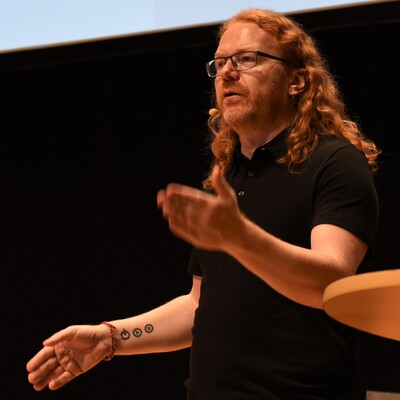
Former Yahoo, Mozilla, Microsoft. JavaScript and Accessibility expert. Worked on Chromium Developer Tools. Author of the Developer Advocacy Handbook, LinkedIn Learning and Skillshare Trainer. Cinephile.
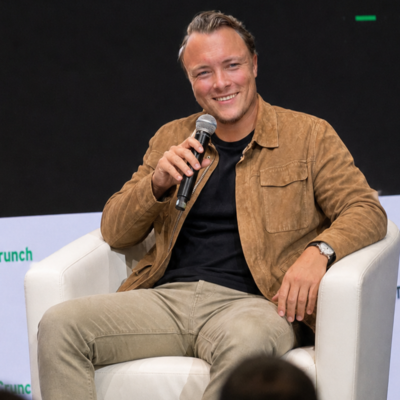
Patrick Eden is CEO of palma ai, the enterprise MCP governance solution. He previously founded Replex.io (Kubernetes FinOps governance, acquired by Cisco), served on the board of the World Economic Forum, and is now building the access layer for AI agents.

Grigorij is passionate about Embodied AI, dedicating all his free and busy time to making robots to think and to be autonomous. He shares his robotics experience on his Youtube channel called Greg’s Tech. Ex-CTO in few startups, including Glovn (glovn.com) and TakŻyli (takzyli.pl). Grigorij likes to share his work as open-source software. Some of his projects are RoboCrew - LLM agent for mobile robots, Clean Coder (https://github.com/Grigorij-Dudnik/Clean-Coder-AI, 500+ stars) - agentic framework for autonomous coding by AI, or TInderGPT - an autonomous dating app assistant. Grigorij loves public speaking - his talk on DevAI Warsaw was marked as “Hot”, and on AI Expo Europe he won an award for most content-rich speach.

Olaf has over 25 years of experience in the internet industry in various technical, architectural and managerial roles. With a background as a software developer, solutions architect, and technical consultant, Olaf has a strong focus on aligning business challenges with technical innovations and organisational processes. After co-founding the cloud-native release-orchestration platform Vamp.io, that has been acquired by CircleCI, he is now working as Technology Advisor at CircleCI's Office of the CTO. https://nl.linkedin.com/in/olafmolenveld Previous speaking experience Enterprise DevOps Summit 2024 LeadDev Berlin 2024 GitGuardian CodeSecDays 2024: "How to build a better security and developer relationship?" Kong API Summit 2020: "Why Releasing Is Not Deploying: How to Achieve More With Less" DevOps Paradox

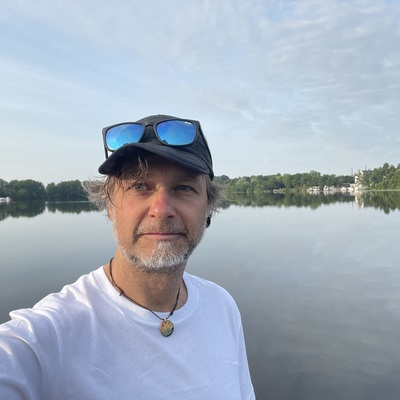
Matthias is a software engineer specializing in open source technologies, data sharing, and cloud computing. He is based in Berlin and is passionate about fostering open and collaborative environments that drive technological advancement.

I’m driven by one simple principle: things should work—especially when it comes to future-focused innovation. For over 30 years, I’ve been building and supporting impactful ventures. Starting as a developer in the early ’90s, I became an entrepreneur in 1993 with Intershop—launching a journey that led to multiple company foundations. Today, I’m involved in 40+ ventures across B2B SaaS, AI, infrastructure, education, and research, including HeyLara, InfAI, aifinyo, and CODE University. I focus on helping founders succeed and turning bold ideas into real-world impact.

I'm Entrepreneurship Community Builder at CODE in Berlin. From founder talks to Summer Startup Programs like SummerUP, where 40+ teams went from idea to MVP in one week, competing for €10k in prize money. At COE I founded blite Agency, and now I'm about to graduate as a Product Manager while connecting students, startups, and investors across Berlin's tech scene. Prof. Dr. Roland Fassauer: Professor of Product Management @ CODE University & Business Angel Roland is a serial entrepreneur with 25+ years of experience, from co-founding Intershop (IPO in 1998) to building Pixaco to one million customers in two years. As a hands-on business angel, he has invested in 50+ startups from which ~15 are startups from CODE. At CODE, he teaches Entrepreneurship and authored "Outperformer," a practical playbook for founders on building startups from idea to exit. Leonie Althaus: Co-Founder & CEO @ traide AI Leonie co-founded traide AI in 2021 to automate customs and trade compliance using AI — turning a notoriously manual process into something smart and scalable. The company has deep roots in the CODE ecosystem, with a CODE alumnus as CTO and early participation in one of CODE's summer startup programs. Before traide AI, she co-founded Mellon Services (exited) and led business development at ArtNight — a second-time founder who combines deep operational experience with a conviction that AI belongs in the most overlooked corners of enterprise.


Volker Brendel is a healthcare technology strategist, innovation catalyst, and data-driven transformation leader — currently serving as Partner for Healthcare & Life Sciences at Kyndryl Deutschland GmbH. With a career arc running from Prisma GmbH through Deloitte and Capgemini Invent to Kyndryl, Volker has spent over three decades at the frontier where operational complexity meets enterprise-grade technology. He designs intelligent systems for some of the most regulated, data-intensive environments on the planet — pharma, medtech, hospitals, CDMOs, and health insurers across the DACH region. His current focus: unleashing the power of Agentic AI, digital twins, and policy-as-code to rewire how healthcare organizations generate, govern, and act on knowledge. At Kyndryl, he architects solutions on Microsoft Azure that turn raw clinical and process data into living, self-optimizing workflows — replacing static SOPs with intelligent, agent-driven systems that learn continuously and recommend in real time. Volker believes the next competitive advantage in healthcare IT is not just automation — it is the ability to make data actionable at the point of decision, with full auditability, human oversight, and semantic precision built in from day one. A sought-after voice on Agentic AI, cloud transformation, and the future of clinical operations, Volker brings equal parts engineering rigor, strategic vision, and hands-on delivery experience to every stage he takes.
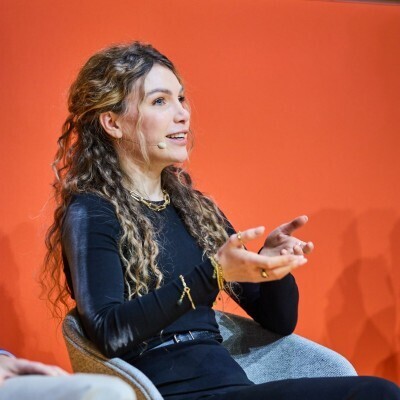
Hi, I'm Leonie 👋 Co-Founder & CEO of traide AI. Trade compliance used to be a nightmare: outdated systems, manual processes, too few experts. We're fixing that with AI that automates what used to take hours into minutes. Let's chat if you're into AI or international trade 🚀
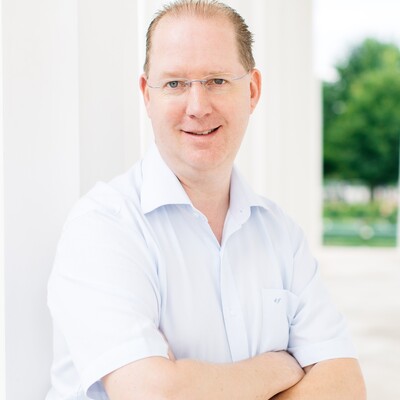
Siegfried Jagott is a CEO and Principal Consultant for Intellity GmbH. He is a Microsoft Valuable Professional (MVP) for Office Apps and Services since 2013, an award-winning author of Microsoft Exchange Server 2010 Best Practices (Microsoft Press), and has been writing and technical reviewing for several Microsoft Official Curriculum (MOC) courses on various topics such as MOC 20345 Administering Microsoft Exchange Server 2016 . He currently works on Exchange Migrations, Exchange Hybrid deployments and Office 365 implementations for international customers.
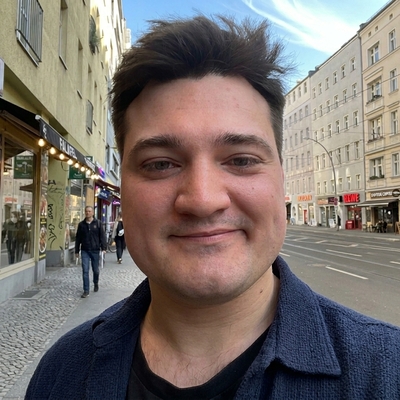
I am the founder an CEO of Aether Technologies. We want to solve learning through personalized AI generated simulation that act as perfect learning environment. Our first Product Hivemind simulates a Twitter Feed that teaches you complex topics like Kubernetes or Quantum Physics through an Agentic Social Media interface. Before going into AI I worked as award winning Copywriter and Product Manager.

Michael is a seasoned Software Engineer with over six years of experience in the IT industry, specializing in Generative AI and DevOps. He has a proven track record of leading engineering teams, driving AI initiatives, and streamlining development workflows across enterprise environments. His expertise spans the full software delivery lifecycle - from backend development and cloud architecture to CI/CD automation, containerization, and Infrastructure as Code. He combines deep technical proficiency with hands-on leadership in managing complex, cross-functional projects. A passionate advocate for innovation and operational efficiency, Michael is dedicated to helping teams deliver better software, faster.
Sessions & tracks
Registration and Networking
TetRis ·Welcome and Opening: Global AI Berlin & CODE University
Kick off AgentCon Berlin 2026 with a warm welcome from Global AI Berlin and CODE University. This opening session features remarks from the university’s president alongside the organizers, setting the stage for a day dedicated to AI agents, innovation, and community. Get a brief overview of the agenda, the AgentCon vision, and what to expect from a day built for developers, builders, and AI enthusiasts.
Keynote: Empowering Developers with Next-Gen AI
AI is fundamentally reshaping how software is built, moving from single‑model applications to multi‑model, agent‑driven systems that operate across the entire software lifecycle. In this session, we explore how AI agents are becoming first‑class teammates, planning, coding, testing, deploying, and operating software alongside developers. As organizations adopt agentic architectures, developers face new challenges around orchestration, data integration, observability, security, and deployment across cloud, edge, and local environments. This talk introduces the paradigm shift toward AI app and agent factories, outlining the essential building blocks required to succeed: flexible model choice, agent frameworks, connected data and tools via the Model Context Protocol (MCP), and enterprise‑grade governance with end‑to‑end observability. Using real‑world examples, we’ll show how platforms like Microsoft Foundry and GitHub Copilot enable teams to build, deploy, and govern intelligent, action‑oriented agents at scale, accelerating innovation while maintaining trust, safety, and control.
As part of Microsoft’s Developer Relations organization, Lee leads a global team driving innovation in Artificial Intelligence and Azure. Their work centres on empowering customers through digital transformation, showcasing how Microsoft’s tools, services, and technologies can unlock new possibilities. Lee is deeply embedded in every phase of the journey, from architectural brainstorming and pair programming to code reviews, documentation, and community storytelling. Whether guiding strategic decisions or rolling up their sleeves to co-build solutions, Lee ensures that technical excellence and developer empathy go hand in hand.
Coffee Break
TetRis ·Grow the Data, Shrink the Bill
Here's a belief most agent builders share: better memory means better agents. More context, sharper answers, smarter decisions. The whole system accumulates knowledge indefinitely. In production, agents that remember everything eventually fail quietly. Retrieval quality degrades. Old signals contaminate new queries. Token budgets bloat. Agents give confident answers grounded in stale data. The collection you built to make your system smarter starts making it worse, and the failure is invisible until it isn't.
We'll start with a working competitive intelligence system: three agents:
1.web researcher 2.summarizer 3. strategic analyst
sharing a single Qdrant collection. No message queues, no orchestration middleware. The collection is the protocol. Each agent reads what the others wrote and improves on it, coordinated entirely through payload fields. The demo shows this working, measurably, in real time.
Then we break it. We walk through the four failure modes that kill shared agent memory in production: memory bloat, context window saturation, semantic drift, and the confidence hallucination that happens when agents stop knowing what they don't know.
We will also cover memory lifecycle management: when to forget, how to expire points, decay scoring using payload fields, and how to prevent the collection from becoming a liability. We'll look at patterns from production memory systems like Mem0, LangMem, and Mastra's observational memory, and how their core ideas translate directly to Qdrant payloads and scored deletion strategies.Attendees leave with working code, a concrete mental model for shared vector memory, and a principled approach to memory hygiene in multi-agent systems.
Ewa Szyszka is a Developer Relations Engineer at Qdrant, the leading open-source vector search engine powering production-grade AI applications. She began her industry career as an NLP Researcher at Naver Labs Europe, where she developed a strong foundation in language modeling and semantic search. She holds a BSc in Computer Science and an MSc in Electronics and is based in Amsterdam, Netherlands. Her academic background includes research at Keio University's Graduate School of Media Design in Japan, with work published at leading international venues including CHI, IoT, and the Augmented Humans International Conference ACM Digital Library. As a speaker, Ewa has presented on topics at the intersection of machine learning and social impact from using Python for linguistic accessibility to sign language recognition with Convolutional Neural Networks in Keras. A true polyglot, Ewa speaks Polish, English, German, French, Spanish, Japanese and Korean, allowing her to connect with developer communities across the globe. Outside of tech, she is an active member of the maker community and an enthusiastic about applications of AI in aviation.
Do You Trust Your AI Agents? Verify with AgentEval
AI agents don’t just generate text — they take actions. They plan steps, call tools, retrieve data, and adapt over multiple turns. That power comes with new failure modes: the right tool with the wrong arguments, skipped approval steps, prompt-injection detours, confident answers without evidence, and costs that quietly explode at scale.
AgentEval is an evaluation toolkit designed to bring real engineering discipline to agentic AI. It lets you test agents the way they actually run in production: end-to-end runs, tool traces, multi-step flows, and multi-turn conversations — with scoring, guardrail checks, and performance gates.
In this session, you’ll see live demos where agent runs fail for the right reasons, with feedback that pinpoints what broke and why. Then we’ll fix the behavior and re-run the same suite to prove the improvement.
You’ll leave with practical patterns to: -validate tool use and action sequences -enforce safety and policy rules continuously -evaluate non-deterministic behavior with repeatable runs -track quality, latency, and cost so you can ship with confidence
Agentic AI is powerful — AgentEval helps you make it reliable.
José Luis Latorre is a Microsoft AI MVP, LinkedIn Learning Trainer, and Agentic & Software Architect at Swiss Life, where he leads the Developer Community, helps shape the AI strategy—while also building agentic applications that have to work on Mondays, not just in demos. Since 2023, he’s been contributing to Microsoft’s agentic AI frameworks (as in: building it, not just using it): Semantic Kernel, AutoGen, and now Microsoft Agent Framework (MAF)—where he’s Contributor #29. Nights and weekends, alongside the day job. Because apparently he enjoys pain… and shipping PRs. He has released 4 courses and is working on the next one (Agent Framework), teaching up to 60,000 learners. Frustrated by unreliable agents in the real world, he built AgentEval—the .NET evaluation toolkit that brings validation discipline to agents and agentic workflows (think: what RAGAS / DeepEval are for Python, AgentEval is for .NET). On stage, expect real engineering lessons, practical patterns, and live demos—helping teams build agents that are not just impressive, but measurably better. Tagline: “I don’t just build agents. I help build the frameworks… and then I measure whether they behave.”
Graph RAG for Agentic Knowledge Management
How Graph RAG (Neo4j + LLMs) gives agents structured, queryable memory — moving beyond naive vector search. Show scalable knowledge platform architecture, retrieval patterns, and where graph-based grounding reduces hallucination. CFP fit: Integrating AI agents into real products; LLM optimization
Use Cases:
- Customer Support agents - root cause analysis, through finding similar issues, relating to error events
- Software development agents - better understanding large code bases through ASTs as graphs, used for code migration, architecture review / large scale code base analysis
- Knowledge Capturing agents - Extract, maintain, complete high-quality knowledge capturing knowledge of departing employees and simplifying onboarding of new employees
Senior Software Engineer & AI-Driven Development Specialist With over 20 years in the software development sector, Daniel stands out as a seasoned Software Engineer and Test Automation aficionado. A proud alumnus of the Technical University Braunschweig with a Master’s in Computer Science, he has donned multiple hats – from Senior Java Developer to Senior Fullstack Developer, and CTO. What truly distinguishes Daniel is his expertise in AI-powered software development. He’s been at the forefront of integrating AI into the software development lifecycle, guiding clients on leveraging cutting-edge AI solutions like GitHub Copilot, Amazon Q, Windsurf, and tailored AI agents for enhanced test generation, code reviews, story writing, and AIOps. Daniel is also a key architect behind customized build GenAI agents and build multi-agent system designed to autonomously handle complex development tasks. These agents collaborate across various stages of the SDLC, from planning and coding to testing and releasing, significantly boosting development speed, quality, and scalability.
Michael is a seasoned Software Engineer with over six years of experience in the IT industry, specializing in Generative AI and DevOps. He has a proven track record of leading engineering teams, driving AI initiatives, and streamlining development workflows across enterprise environments. His expertise spans the full software delivery lifecycle - from backend development and cloud architecture to CI/CD automation, containerization, and Infrastructure as Code. He combines deep technical proficiency with hands-on leadership in managing complex, cross-functional projects. A passionate advocate for innovation and operational efficiency, Michael is dedicated to helping teams deliver better software, faster.
Lunch - Supported by Cisco
TetRis ·Keynote: From Vibe Coding to Agentic Engineering
You thought AI would change everything about software engineering. It did change one thing: writing code is now almost free. But here's the twist — the practices that matter most in the age of AI agents are the ones we've been preaching (and often ignoring) for decades: clear specs, test-driven development, clean architecture, good documentation, deliberate learning. Why? Because good software design was never for the machine. It was always for the next human who had to understand, maintain, and extend the system. Now there's a new kind of teammate at the table: the SWE agent. And it turns out these agents — trained on millions of human conversations and thoughts turned into code — benefit from the same things human collaborators do: clear language, well-defined interfaces, testable requirements, documented intent, and consistent patterns. The practices that make code understandable for your fellow maintainers, make it navigable for your agents. This keynote maps the spectrum from vibe coding (wonderful for prototypes, personal tools, and learning) to agentic engineering (the discipline required when your AI-written software has to work for real users in production). Drawing on ideas from Kent Beck, Dan North, Philip Armour, Grady Booch, and Christopher Alexander — and on 25+ years of hands-on experience with TDD, design patterns, and software architecture — Michael Hunger shows why this moment isn't the end of software craft. It's the vindication of it.
Michael Hunger has been passionate about software development for more than 30 years. For the last 15 years, he has been working on the open source Neo4j graph database filling many roles, most recently heading product innovation and GenAI. As a developer Michael enjoys many aspects of software development and architecture, learning new things every day, participating in exciting and ambitious open source projects and contributing and writing software related books and articles. Michael spoke at numerous conferences and helped organize others. Michael helps kids to learn to program by running weekly girls-only coding classes at local schools.
Intelligent by Design: Agentic AI, PaC, and Digital Twin Approach for Clinical Workflows
Clinical workflows — from radiology scheduling and image reading to lab processes and compliance reporting — are increasingly too complex and dynamic for static automation alone. This presentation demonstrates how Kyndryl's Agentic AI Framework, deployed on a hyperscaler, applies policy-as-code and knowledge automation to make regulated, mission-critical processes genuinely intelligent. A DAG-based workflow demo illustrates how process and OPS analysis automatically generates digital twins, structured dashboards, and compliance-ready SOPs. The session highlights the shift from passive document management to active, agent-driven knowledge generation — with continuous recommendations for optimization and a human-in-the-loop model for oversight. We also explore how Kyndryl Bridge functions as an agentic knowledge backbone, enabling organizations to capture, share, and act on clinical insights at scale. The session closes with a look at semantic AI capabilities and their implications for next-generation healthcare IT.
Volker Brendel is a healthcare technology strategist, innovation catalyst, and data-driven transformation leader — currently serving as Partner for Healthcare & Life Sciences at Kyndryl Deutschland GmbH. With a career arc running from Prisma GmbH through Deloitte and Capgemini Invent to Kyndryl, Volker has spent over three decades at the frontier where operational complexity meets enterprise-grade technology. He designs intelligent systems for some of the most regulated, data-intensive environments on the planet — pharma, medtech, hospitals, CDMOs, and health insurers across the DACH region. His current focus: unleashing the power of Agentic AI, digital twins, and policy-as-code to rewire how healthcare organizations generate, govern, and act on knowledge. At Kyndryl, he architects solutions on Microsoft Azure that turn raw clinical and process data into living, self-optimizing workflows — replacing static SOPs with intelligent, agent-driven systems that learn continuously and recommend in real time. Volker believes the next competitive advantage in healthcare IT is not just automation — it is the ability to make data actionable at the point of decision, with full auditability, human oversight, and semantic precision built in from day one. A sought-after voice on Agentic AI, cloud transformation, and the future of clinical operations, Volker brings equal parts engineering rigor, strategic vision, and hands-on delivery experience to every stage he takes.
Agents for a more accessible web
The current shift from users to agents consuming web content shows just how terrible the state of the web has become. Years of trying to cater to everyone, instead of allowing for different user experiences, resulted in a bloated mess that is hard to use and even harder to parse. Agents resort to analysing screen shots instead of loading the page. Parsing the DIV soup generated by frameworks makes us burn through tokens much faster than necessary. We can and should take this opportunity to put the web on a diet and use some tools to convert content before trying to mimic real people clicking through UI hellhole. Let's look at the ideas available.
Former Yahoo, Mozilla, Microsoft. JavaScript and Accessibility expert. Worked on Chromium Developer Tools. Author of the Developer Advocacy Handbook, LinkedIn Learning and Skillshare Trainer. Cinephile.
Break
TetRis ·AI Agents between Innovation Speed and Customer Reality
Startups need to ship the latest tech to stay competitive but their customers can't keep up with the pace of change. So how do you deploy AI agents into real enterprise workflows without ripping out what already works, eroding trust, or overwhelming users who are still catching up? Leonie Althaus (CEO, traide AI shares how her team is bringing AI-powered automation to one of the most traditional industries customs and trade compliance one process at a time.
Prof. Dr. Roland Fassauer, serial entrepreneur, business angel in 50+ startups, brings the investor and operator lens: when should you push, when should you hold back, and how do you build systems customers trust before they fully understand them? Moderated by Tjark Lindner
I'm Entrepreneurship Community Builder at CODE in Berlin. From founder talks to Summer Startup Programs like SummerUP, where 40+ teams went from idea to MVP in one week, competing for €10k in prize money. At COE I founded blite Agency, and now I'm about to graduate as a Product Manager while connecting students, startups, and investors across Berlin's tech scene. Prof. Dr. Roland Fassauer: Professor of Product Management @ CODE University & Business Angel Roland is a serial entrepreneur with 25+ years of experience, from co-founding Intershop (IPO in 1998) to building Pixaco to one million customers in two years. As a hands-on business angel, he has invested in 50+ startups from which ~15 are startups from CODE. At CODE, he teaches Entrepreneurship and authored "Outperformer," a practical playbook for founders on building startups from idea to exit. Leonie Althaus: Co-Founder & CEO @ traide AI Leonie co-founded traide AI in 2021 to automate customs and trade compliance using AI — turning a notoriously manual process into something smart and scalable. The company has deep roots in the CODE ecosystem, with a CODE alumnus as CTO and early participation in one of CODE's summer startup programs. Before traide AI, she co-founded Mellon Services (exited) and led business development at ArtNight — a second-time founder who combines deep operational experience with a conviction that AI belongs in the most overlooked corners of enterprise.
Hi, I'm Leonie 👋 Co-Founder & CEO of traide AI. Trade compliance used to be a nightmare: outdated systems, manual processes, too few experts. We're fixing that with AI that automates what used to take hours into minutes. Let's chat if you're into AI or international trade 🚀
I’m driven by one simple principle: things should work—especially when it comes to future-focused innovation. For over 30 years, I’ve been building and supporting impactful ventures. Starting as a developer in the early ’90s, I became an entrepreneur in 1993 with Intershop—launching a journey that led to multiple company foundations. Today, I’m involved in 40+ ventures across B2B SaaS, AI, infrastructure, education, and research, including HeyLara, InfAI, aifinyo, and CODE University. I focus on helping founders succeed and turning bold ideas into real-world impact.
MemMachine: Agents That Learn, Memory That Lasts
Switching AI models or providers shouldn’t mean losing your agent’s memory. Yet today, most AI agents operate statelessly—forcing them to rebuild context, relearn preferences, and repeat work every time they run or switch models.
This talk introduces MemMachine, an open-source memory layer designed for modern agent frameworks such as OpenClaw. It equips agents with persistent, structured memory—allowing them to store knowledge, recall past interactions, and build evolving context across sessions, tools, and models.
By decoupling memory from the model, MemMachine enables agents to remain consistent and stateful even as underlying models change. We’ll explore how this unlocks more capable autonomous systems: agents that remember user intent, adapt over time, and collaborate more effectively across workflows.
Christian is passionate about making complex IT systems easier to use. He started as an HPC Systems Engineer in the automotive industry and later became an InfiniBand SME, working on HPC interconnects in Paris. After Docker emerged in 2014, he returned to Berlin to work with containerized platforms at a startup, PlayStation Now, and Docker Inc. In 2019, he joined AWS as an EC2 Spot Specialist Solutions Architect and the first Developer Advocate in the HPC team. Since 2022, he has focused on containerized HPC and AI/ML, working at the Max Planck Institute and later joining MemVerge as Principal Architect.
Future of AI Governance
AI governance is not about compliance anymore. It’s about control.
Governance is moving from periodic reviews → to continuous control systems
Most companies are still doing this:
- writing policies
- documenting models
- preparing for audits
Meanwhile, regulators are moving toward:
- continuous monitoring
- real-time risk visibility
- system-level accountability
The biggest shift? There is no such thing as “AI risk” anymore. It’s: → business risk → operational risk → decision risk AI just makes it faster, less visible — and harder to control.
What this means in practice If you’re building AI today, here’s what actually matters:
- Map the full system (not just the model) Data → model → decision → human interaction If you can’t see it, you can’t govern it.
- Make your assumptions explicit What must be true for your system to be safe? Now: how are you testing that continuously?
- Monitor behavior, not just performance Accuracy is not enough. Watch decisions, overrides, drift, escalation patterns.
- Design intervention points upfront When does a human step in? When does the system stop?
- Build evidence continuously Logs > documents Reality > policies
For continues testing you can use RAILL. Responsible AI Lean Loop (RAILL) methodology — a practical framework that embeds responsibility and inclusion directly into Lean Startup “Build-Measure-Learn” cycles.
Julia Armenat is an innovation strategist and founder of Leaplane, a consultancy focused on Responsible AI and ethical product innovation. With nearly two decades of experience spanning AWS, Philip Morris International, and global startup ecosystems, she bridges the gap between emerging technology and human-centered design. At Amazon Web Services, she worked with high-growth startups to accelerate AI adoption and cloud innovation, helping founders align their technical roadmaps with ethical, compliance, and trust-readiness goals. Her work led to the creation of the Responsible AI Lean Loop (RAILL) methodology — a practical framework that embeds responsibility and inclusion directly into Lean Startup “Build-Measure-Learn” cycles.
Agentic DevOps for the Real World
In this session, “Agentic DevOps for the Real World,” we’ll cut through the noise of the hype cycle to explore how ML and AI are actually reshaping the Software Development Life Cycle (SDLC) based on my own experiences in the field. We will move beyond theoretical abstractions to identify the genuine bottlenecks currently holding back engineering velocity, offering pragmatic, agent-driven solutions to these challenges. Finally, we’ll zoom out to envision the evolution of the “software factory”—a future where autonomous orchestration doesn’t just assist, but fundamentally accelerates how we build, deploy, and scale, providing you with a practical roadmap for what the next generation of DevOps could look like in practice.
Olaf has over 25 years of experience in the internet industry in various technical, architectural and managerial roles. With a background as a software developer, solutions architect, and technical consultant, Olaf has a strong focus on aligning business challenges with technical innovations and organisational processes. After co-founding the cloud-native release-orchestration platform Vamp.io, that has been acquired by CircleCI, he is now working as Technology Advisor at CircleCI's Office of the CTO. https://nl.linkedin.com/in/olafmolenveld Previous speaking experience Enterprise DevOps Summit 2024 LeadDev Berlin 2024 GitGuardian CodeSecDays 2024: "How to build a better security and developer relationship?" Kong API Summit 2020: "Why Releasing Is Not Deploying: How to Achieve More With Less" DevOps Paradox
Networking, Raffles @ Level Six Rooftop
Registration and Networking
DarkMatter ·Welcome and Opening: Global AI Berlin & CODE University
Kick off AgentCon Berlin 2026 with a warm welcome from Global AI Berlin and CODE University. This opening session features remarks from the university’s president alongside the organizers, setting the stage for a day dedicated to AI agents, innovation, and community. Get a brief overview of the agenda, the AgentCon vision, and what to expect from a day built for developers, builders, and AI enthusiasts.
Keynote: Empowering Developers with Next-Gen AI
AI is fundamentally reshaping how software is built, moving from single‑model applications to multi‑model, agent‑driven systems that operate across the entire software lifecycle. In this session, we explore how AI agents are becoming first‑class teammates, planning, coding, testing, deploying, and operating software alongside developers. As organizations adopt agentic architectures, developers face new challenges around orchestration, data integration, observability, security, and deployment across cloud, edge, and local environments. This talk introduces the paradigm shift toward AI app and agent factories, outlining the essential building blocks required to succeed: flexible model choice, agent frameworks, connected data and tools via the Model Context Protocol (MCP), and enterprise‑grade governance with end‑to‑end observability. Using real‑world examples, we’ll show how platforms like Microsoft Foundry and GitHub Copilot enable teams to build, deploy, and govern intelligent, action‑oriented agents at scale, accelerating innovation while maintaining trust, safety, and control.
As part of Microsoft’s Developer Relations organization, Lee leads a global team driving innovation in Artificial Intelligence and Azure. Their work centres on empowering customers through digital transformation, showcasing how Microsoft’s tools, services, and technologies can unlock new possibilities. Lee is deeply embedded in every phase of the journey, from architectural brainstorming and pair programming to code reviews, documentation, and community storytelling. Whether guiding strategic decisions or rolling up their sleeves to co-build solutions, Lee ensures that technical excellence and developer empathy go hand in hand.
Coffee Break
DarkMatter ·Microsoft Copilot Cowork: My new best friend
Come and get to know one of Microsoft latest Copilot features: Cowork Agent based on Antropics‘ Claude. I will show you how this agent helps me to organize my working day!
Working with Copilot? Come and learn about useful features and prompts you can reuse immedately!
Siegfried Jagott is a CEO and Principal Consultant for Intellity GmbH. He is a Microsoft Valuable Professional (MVP) for Office Apps and Services since 2013, an award-winning author of Microsoft Exchange Server 2010 Best Practices (Microsoft Press), and has been writing and technical reviewing for several Microsoft Official Curriculum (MOC) courses on various topics such as MOC 20345 Administering Microsoft Exchange Server 2016 . He currently works on Exchange Migrations, Exchange Hybrid deployments and Office 365 implementations for international customers.
LLM Cleans My Room: How Language Models Control Real Robots
Imagine an LLM tidies up a table. Another run — it carries documents across an office. No task-specific training. No robotics expertise required.
We gave a language model a body — wheels, a camera, and a robotic arm. It perceives the environment, reasons about the task, and picks tools to act. VLA policies manipulate objects. Movement tools navigate the space. The LLM orchestrates everything.
The system runs a closed perception-action loop: the robot observes, reasons, acts, and adapts in real time. This is multi-agent orchestration in the physical world — the LLM as the brain, tool calls as the API layer between intelligence and action.
Can it handle a task it's never seen? Can it recover from failure? Can it run locally on the robot? Yes — and I'll show exactly how.
In this talk, I'll walk through working video demos, the architecture behind RoboCrew, and why robot generalisation was always a reasoning problem in disguise. Putting LLMs in the physical world is simpler than it sounds — and more powerful than you expect.
Grigorij is passionate about Embodied AI, dedicating all his free and busy time to making robots to think and to be autonomous. He shares his robotics experience on his Youtube channel called Greg’s Tech. Ex-CTO in few startups, including Glovn (glovn.com) and TakŻyli (takzyli.pl). Grigorij likes to share his work as open-source software. Some of his projects are RoboCrew - LLM agent for mobile robots, Clean Coder (https://github.com/Grigorij-Dudnik/Clean-Coder-AI, 500+ stars) - agentic framework for autonomous coding by AI, or TInderGPT - an autonomous dating app assistant. Grigorij loves public speaking - his talk on DevAI Warsaw was marked as “Hot”, and on AI Expo Europe he won an award for most content-rich speach.
Scaling MCP from engineering teams to everyone in your company
Your engineering team got MCP working in a week. Two months later, marketing wants in. Then sales. Then finance. Suddenly you're not running a developer tool, you're running infrastructure for the whole company, and none of the patterns from the early demo still apply.
This talk is about that transition. What actually breaks when MCP graduates from a small engineering team to everyone in the company, each user bringing their own agent: identity propagation across hops, per-tool authorization, cost attribution finance will accept, audit trails that survive multi-agent chains, and rate limits that don't accidentally DoS your CRM.
We'll walk through the failure modes at 100, 1,000, and 10,000 users and the patterns that work: gateway-mediated auth, policy-as-code, and agent-on-agent governance.
If your company wants the superpowers of MCP but you're not sure how to scale agent access to critical systems, this talk is for you.
Patrick Eden is CEO of palma ai, the enterprise MCP governance solution. He previously founded Replex.io (Kubernetes FinOps governance, acquired by Cisco), served on the board of the World Economic Forum, and is now building the access layer for AI agents.
Lunch - Supported by Cisco
DarkMatter ·Keynote: From Vibe Coding to Agentic Engineering
You thought AI would change everything about software engineering. It did change one thing: writing code is now almost free. But here's the twist — the practices that matter most in the age of AI agents are the ones we've been preaching (and often ignoring) for decades: clear specs, test-driven development, clean architecture, good documentation, deliberate learning. Why? Because good software design was never for the machine. It was always for the next human who had to understand, maintain, and extend the system. Now there's a new kind of teammate at the table: the SWE agent. And it turns out these agents — trained on millions of human conversations and thoughts turned into code — benefit from the same things human collaborators do: clear language, well-defined interfaces, testable requirements, documented intent, and consistent patterns. The practices that make code understandable for your fellow maintainers, make it navigable for your agents. This keynote maps the spectrum from vibe coding (wonderful for prototypes, personal tools, and learning) to agentic engineering (the discipline required when your AI-written software has to work for real users in production). Drawing on ideas from Kent Beck, Dan North, Philip Armour, Grady Booch, and Christopher Alexander — and on 25+ years of hands-on experience with TDD, design patterns, and software architecture — Michael Hunger shows why this moment isn't the end of software craft. It's the vindication of it.
Michael Hunger has been passionate about software development for more than 30 years. For the last 15 years, he has been working on the open source Neo4j graph database filling many roles, most recently heading product innovation and GenAI. As a developer Michael enjoys many aspects of software development and architecture, learning new things every day, participating in exciting and ambitious open source projects and contributing and writing software related books and articles. Michael spoke at numerous conferences and helped organize others. Michael helps kids to learn to program by running weekly girls-only coding classes at local schools.
Live Hack: Building a Wheel of Names App with GitHub Copilot
This session bridges the gap between "AI can write code" and "AI helps me ship products." Rather than showcasing perfect, cherry-picked examples, this is a real-time demonstration of how developers actually work with AI assistants including the messy parts, the iterations, and the problem-solving.
Attendees will leave with:
- Concrete prompting techniques they can use immediately
- A mental model for when to use AI assistance vs. manual coding
- Confidence that AI tools are accessible and practical, not just hype
- A complete working example they can study and extend
Most importantly, this session demonstrates that modern development is about orchestrating AI tools effectively, not memorizing syntax or framework APIs.
Prerequisites for Attendees:
None required for watching. For those who want to follow along:
- GitHub account
- Git installed
- VS Code with GitHub Copilot or other AI Dev Tool
- Node.js LTS
- Firebase account (free tier)
All detailed in: https://github.com/ma3u/wheel/blob/main/LIVEHACK.md#prerequisites
Matthias is a software engineer specializing in open source technologies, data sharing, and cloud computing. He is based in Berlin and is passionate about fostering open and collaborative environments that drive technological advancement.
Break
DarkMatter ·Building the Matrix - AI Agents as an operational Layer
Every product decision ( from picking an ad creative to validating a feature) used to be a judgment call filtered through meetings, gut feel, and small sample sizes. Now it's an engineering problem. This session shows how AI agent turn traditionally "soft" disciplines like market research, user testing, and product strategy into programmable, repeatable systems. And how can set up your company or project as an agentic platform that benefits from increasing AI capabilities.
I am the founder an CEO of Aether Technologies. We want to solve learning through personalized AI generated simulation that act as perfect learning environment. Our first Product Hivemind simulates a Twitter Feed that teaches you complex topics like Kubernetes or Quantum Physics through an Agentic Social Media interface. Before going into AI I worked as award winning Copywriter and Product Manager.
Building and Deploying a Multi-Agent AI D&D with TypeScript
Ever wondered what happens when you give multiple AI agents different roles and let them collaborate? In this session, we'll build a multi-agent system that creates and runs a Dungeons & Dragons campaign.
We'll create an AI "Dungeon Master's Guild" using the Swarm pattern: a Dungeon Master storyteller, World Builder for locations and NPCs, Combat Director for tactical encounters, and Quest Weaver for story arcs.
We'll explore how MCP servers act as magical tools - dice rollers, monster manuals, and spell compendiums that agents discover dynamically. You'll see live character creation with audience input, real-time world building with shared context, AI agents conversing via autonomous handoffs, and a complete D&D session where the audience becomes the adventuring party.
Learn multi-agent architecture, TypeScript patterns using tools, MCP integration, and best practices for orchestrating multiple AI models.
No D&D experience required - just bring your curiosity for AI and love of TypeScript!
Salih is a Senior Developer Advocate at AWS with a strong focus on frontend and mobile app development, developer experience, and serverless architecture. With a background in building scalable mobile and web interfaces, he brings hands-on expertise to developer communities around the world. He’s passionate about creating intuitive developer tools and open source projects, often blending frontend craft with cloud infrastructure. Outside of work, Salih is a dedicated runner, comic book enthusiast, and a dad who balances code, curiosity, and creativity—always exploring new skills, from making music to architecture.
Networking, Raffles @ Level Six Rooftop
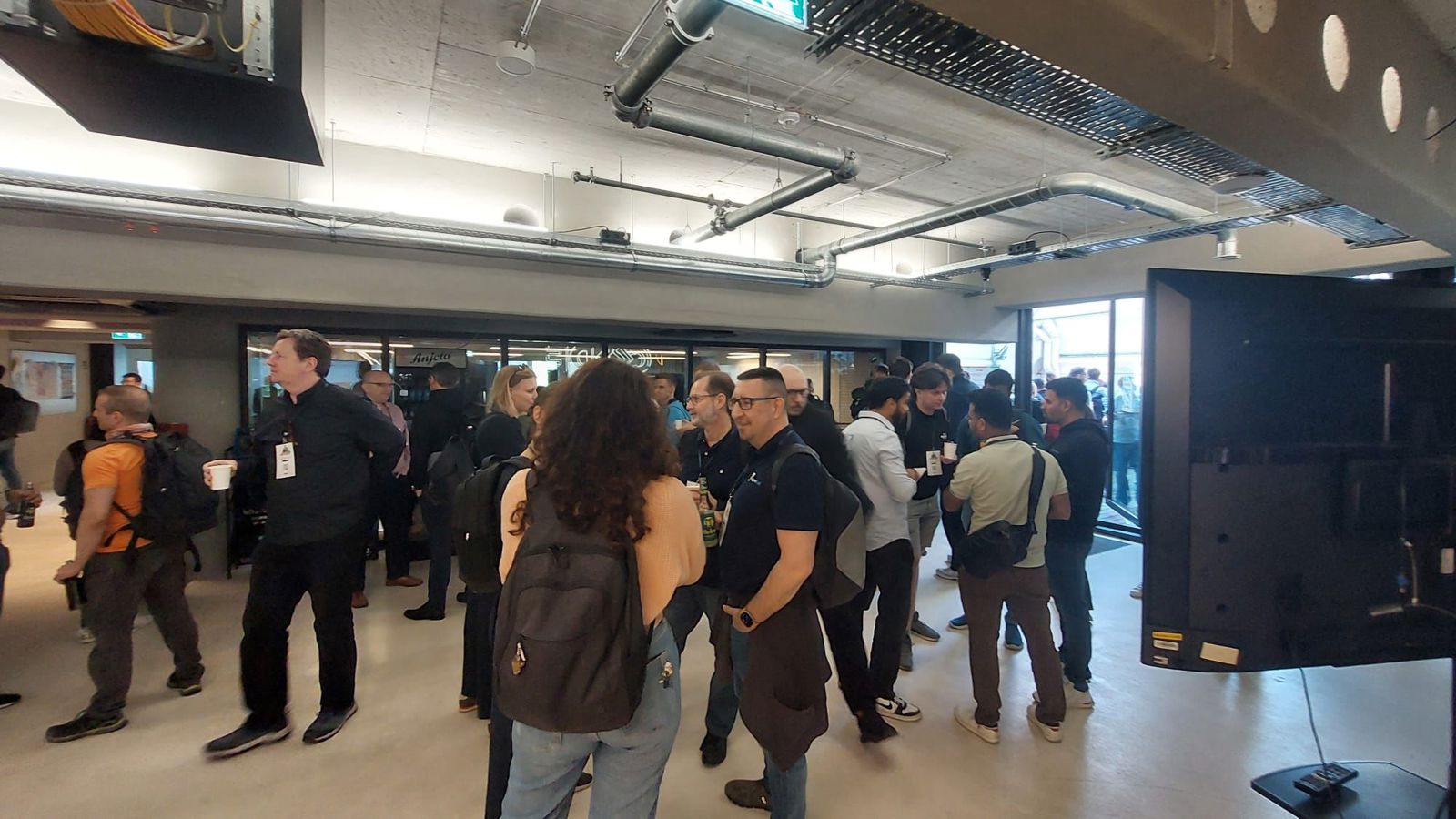
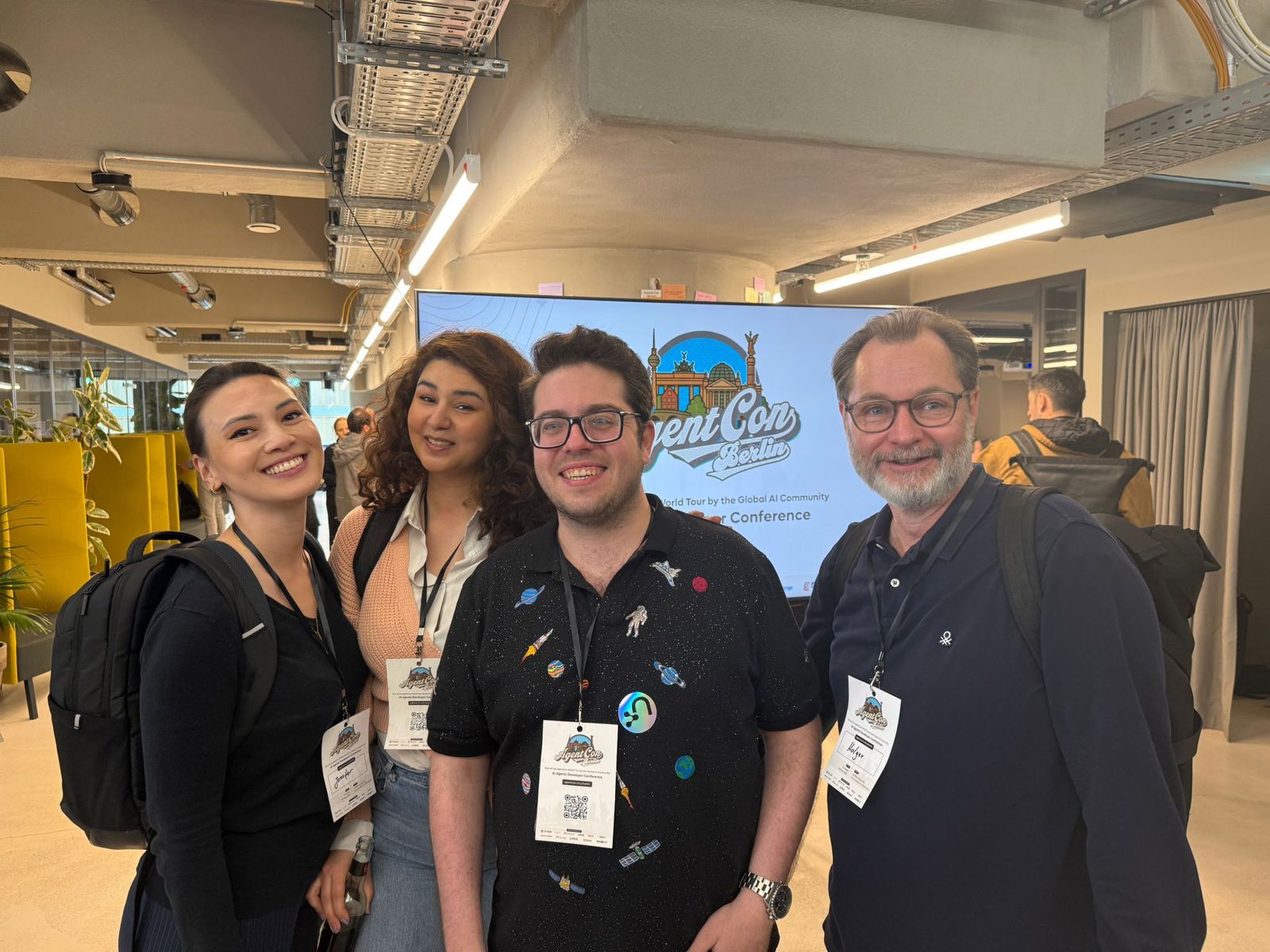
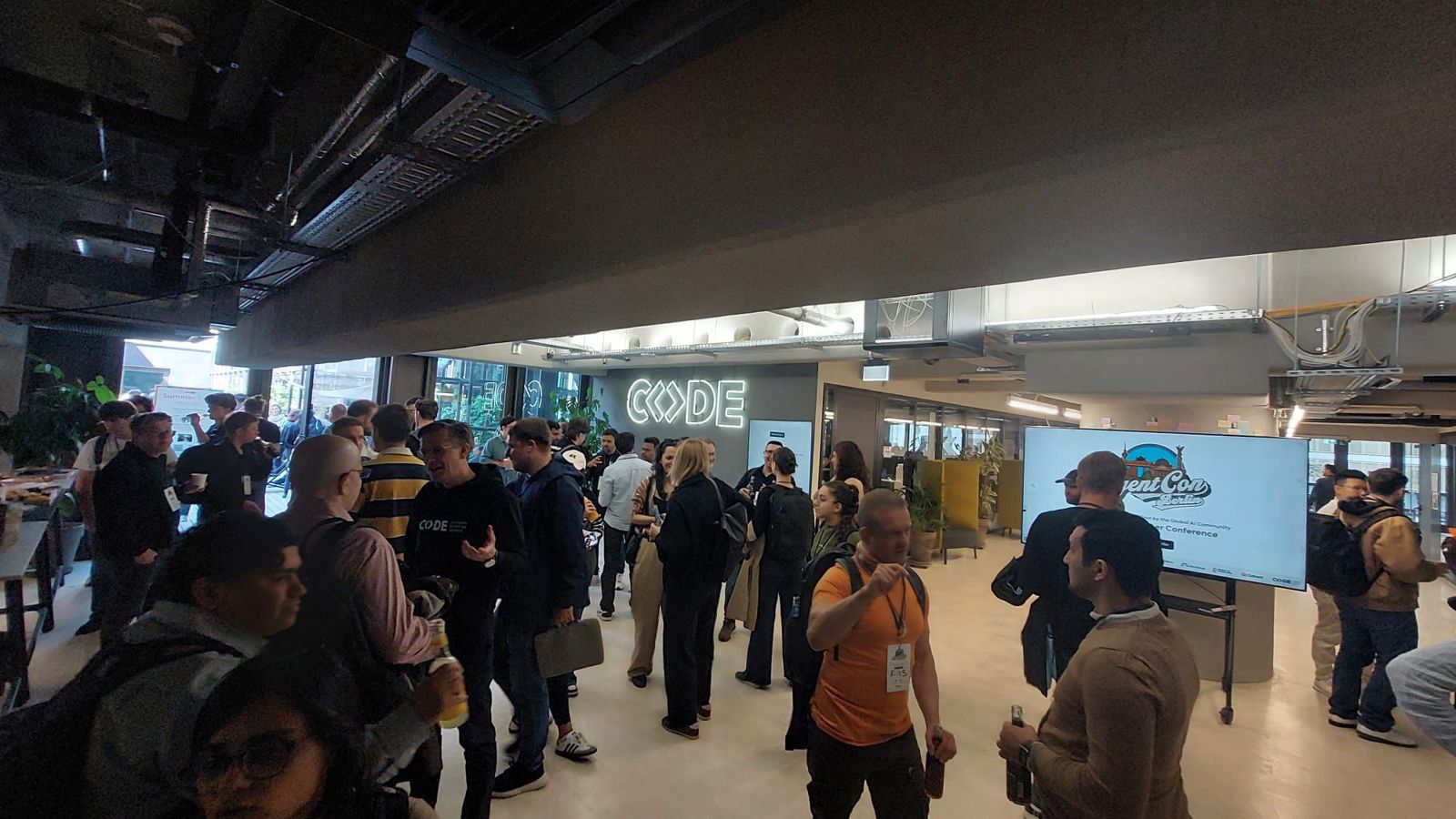
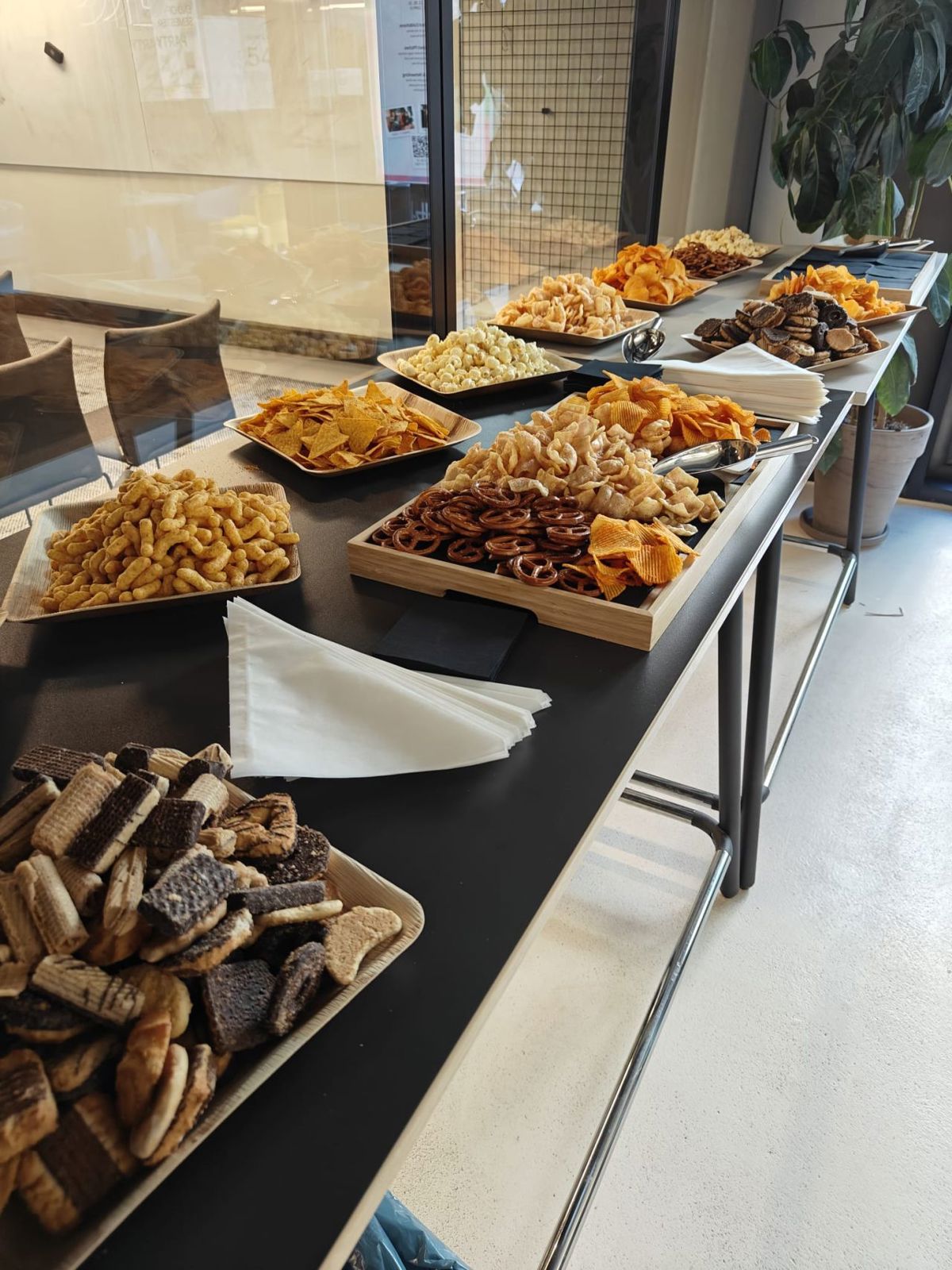
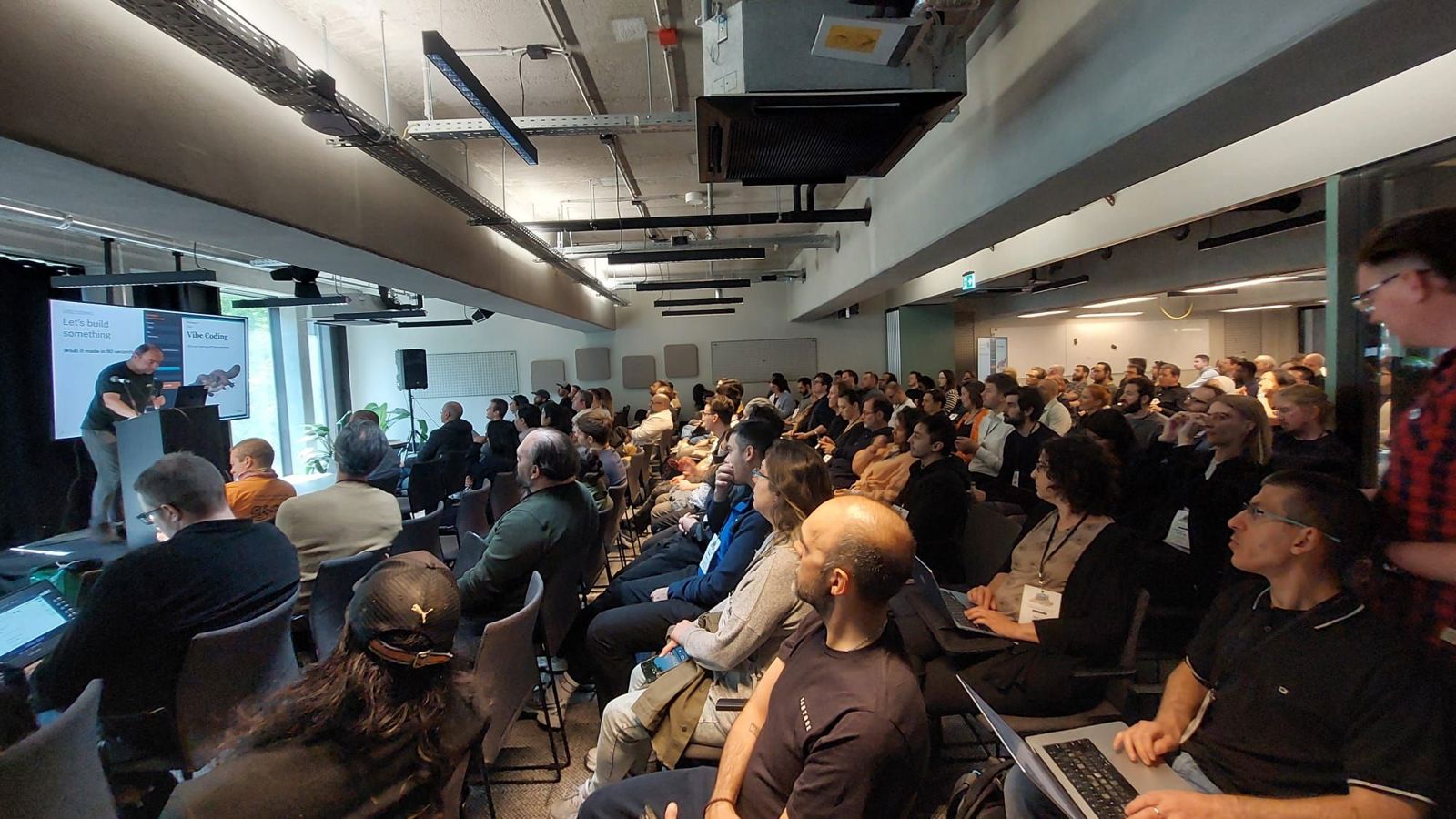
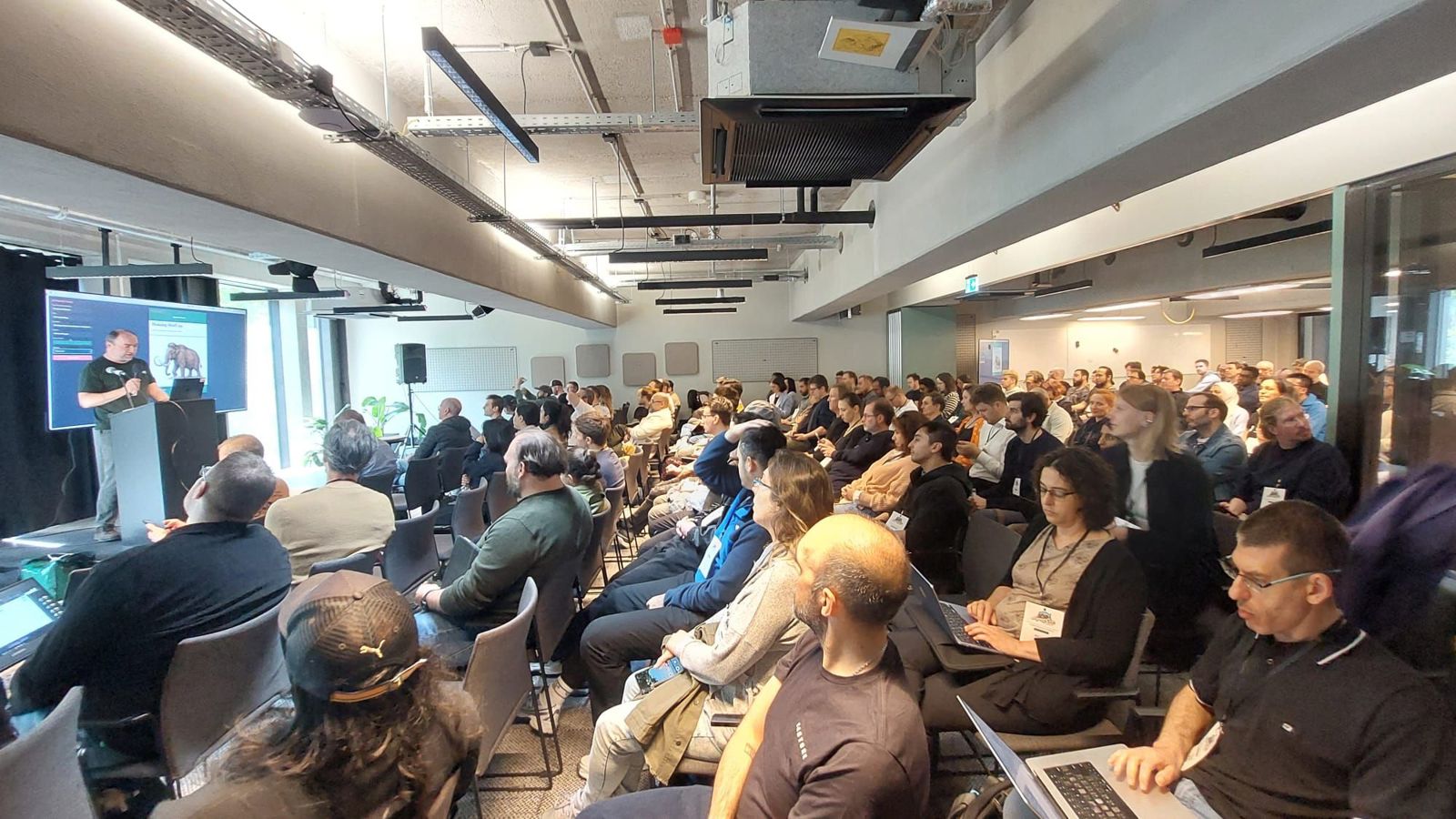
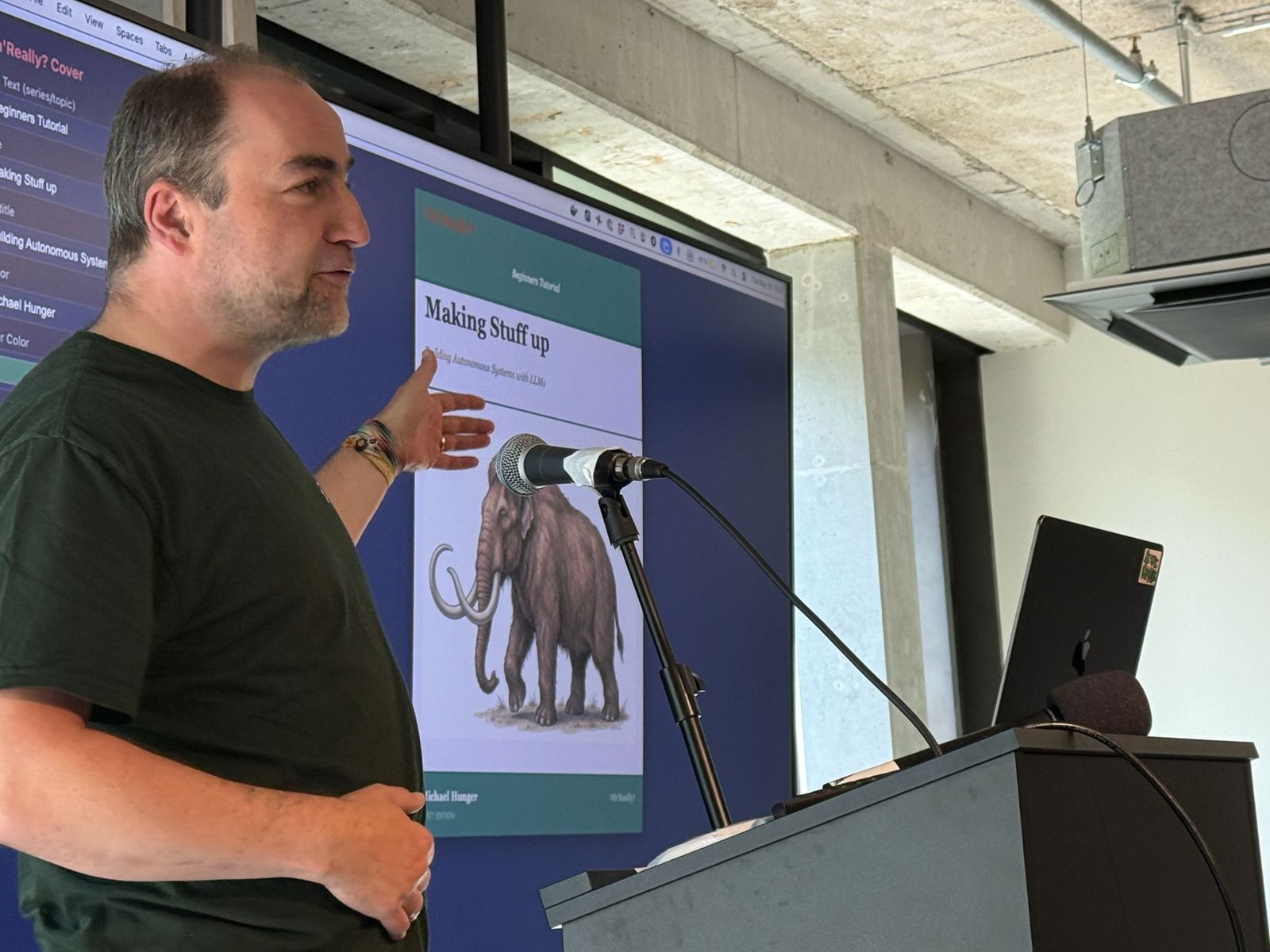
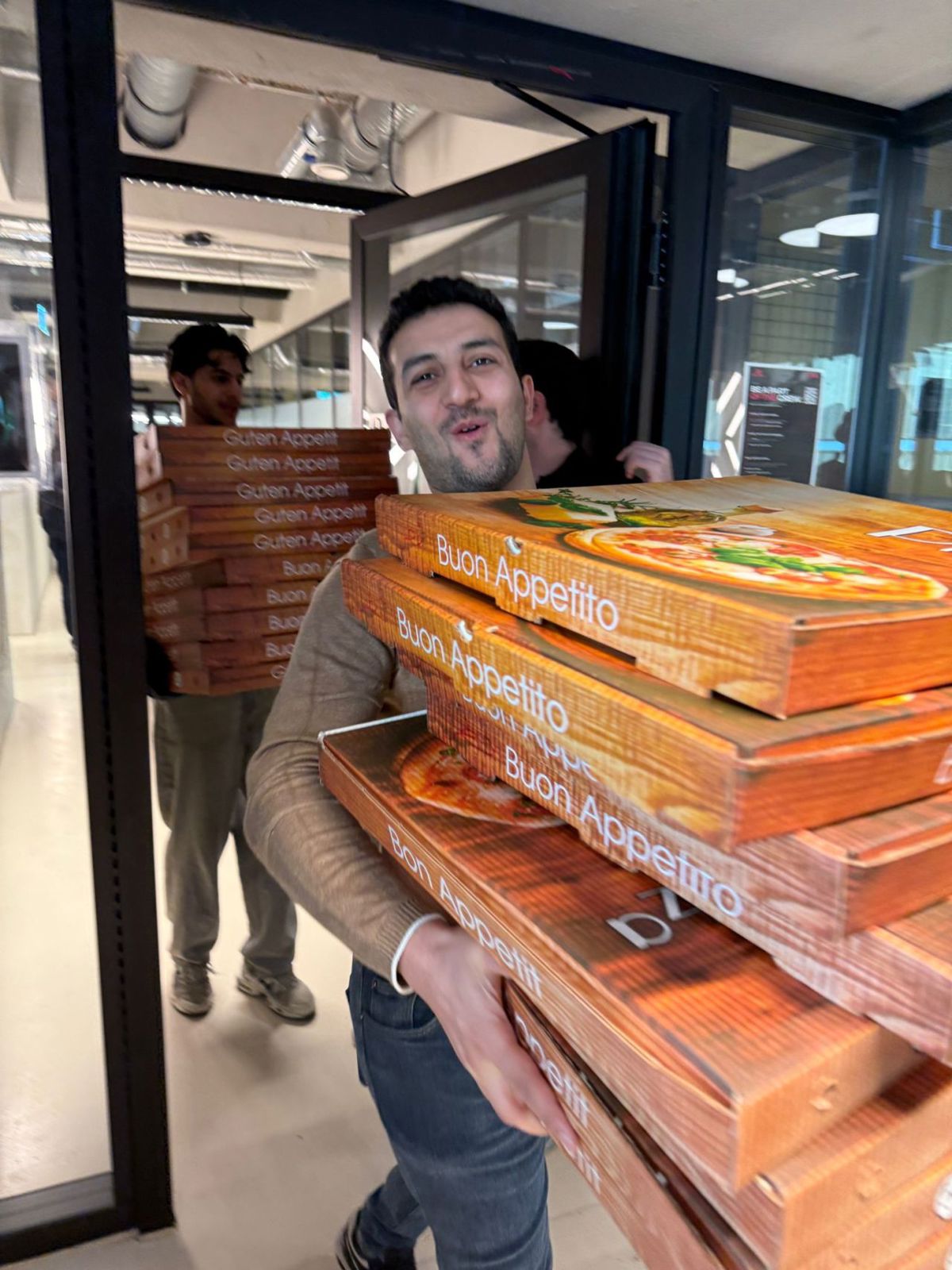
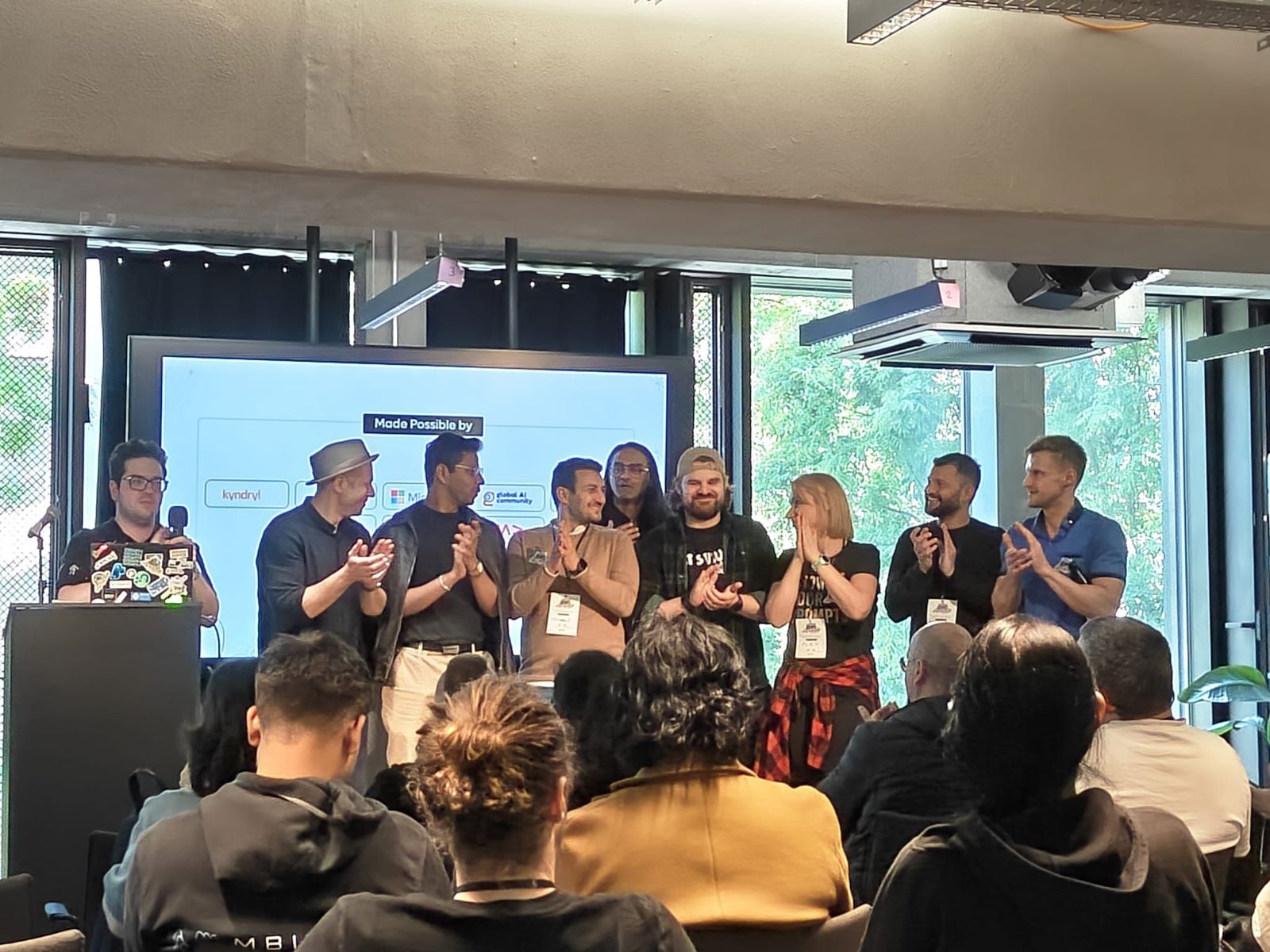
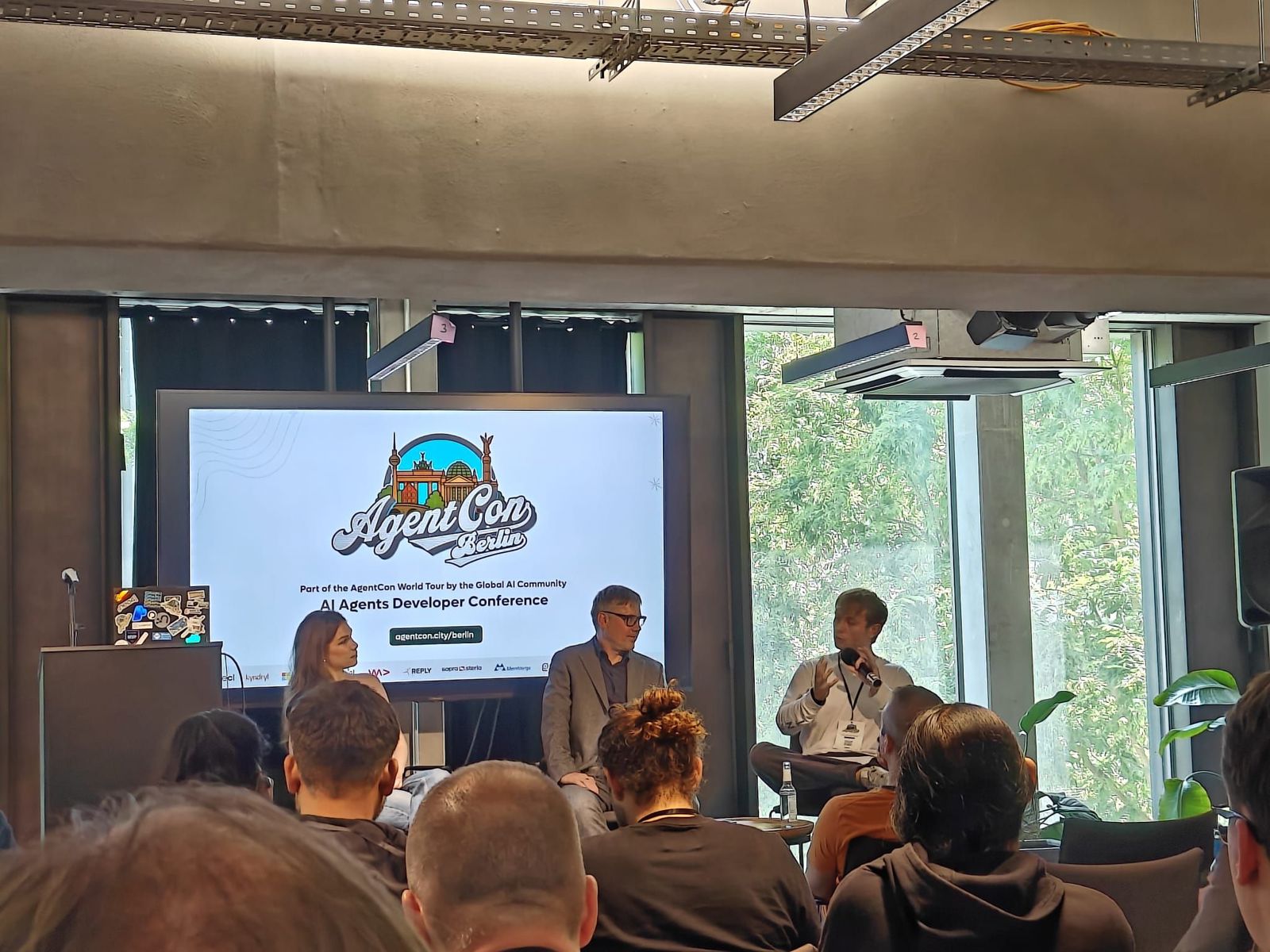
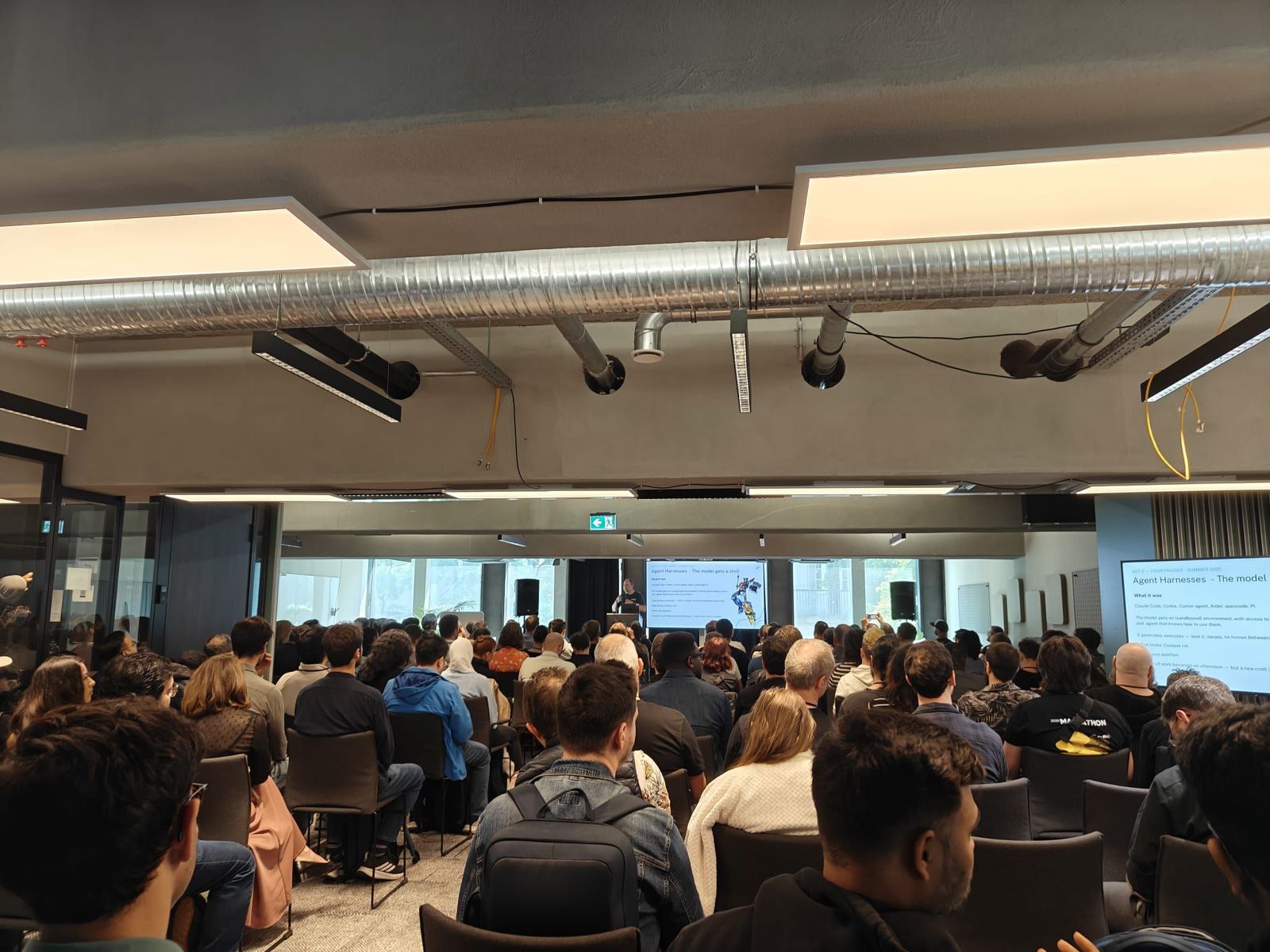
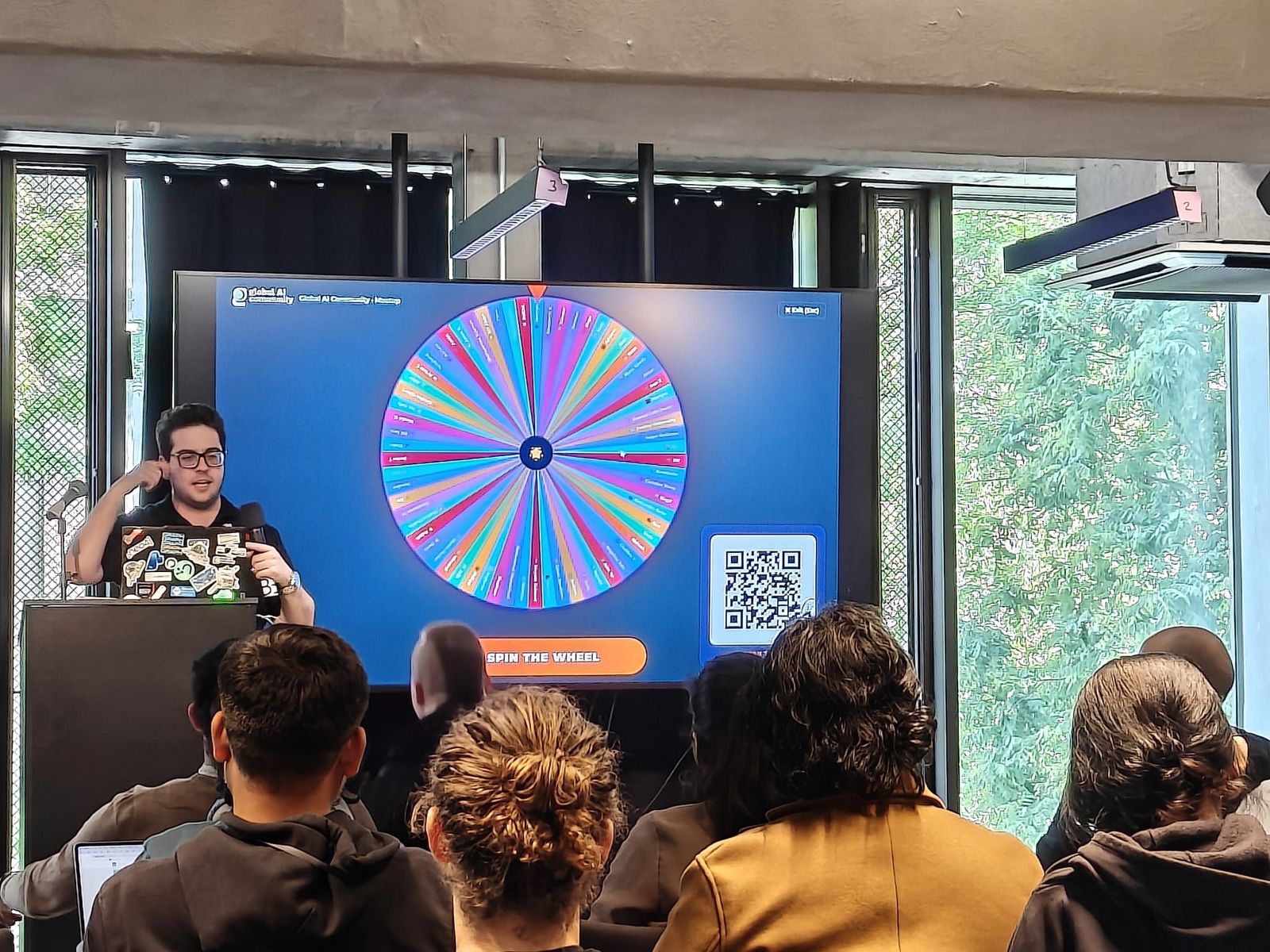
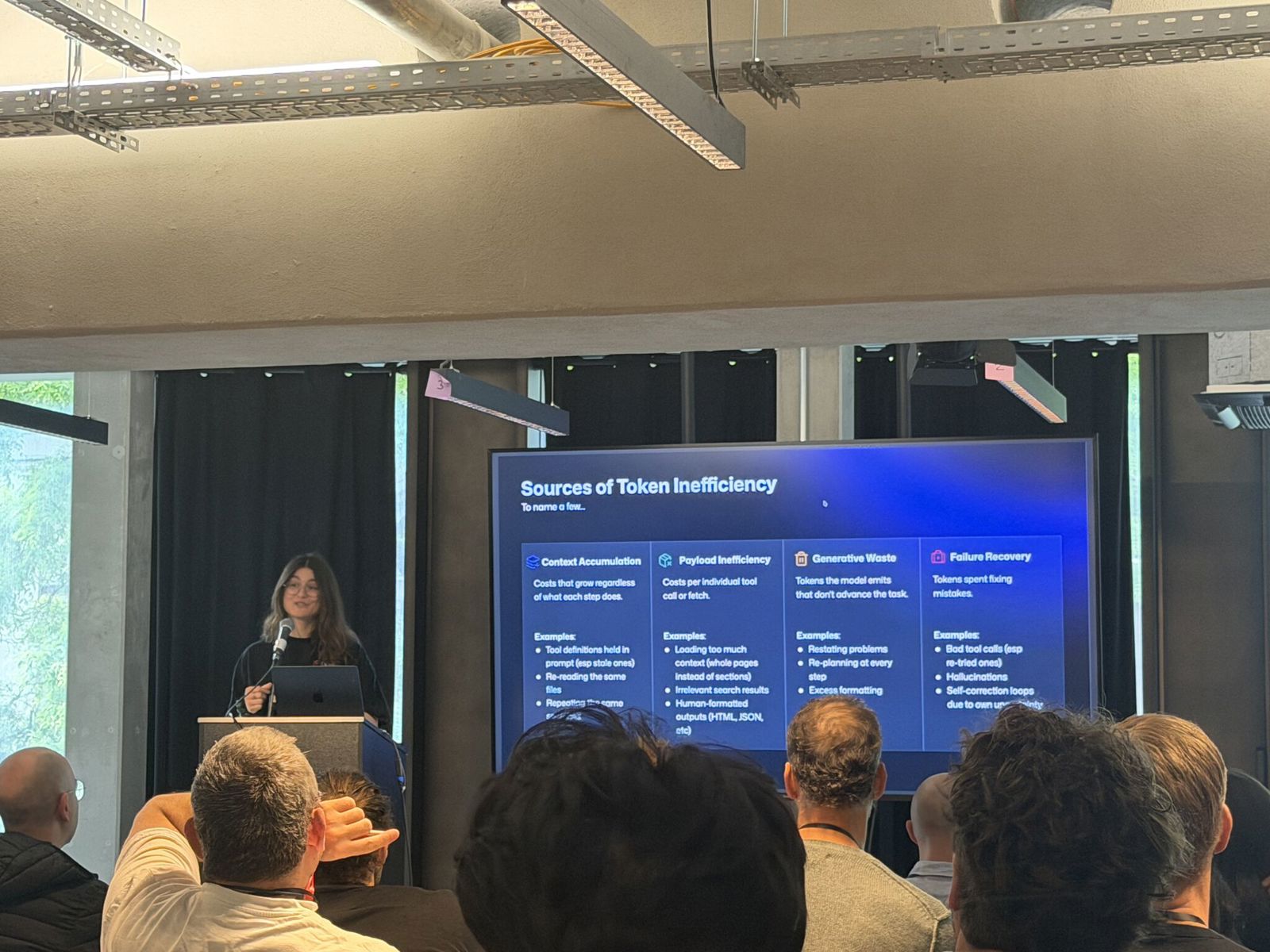
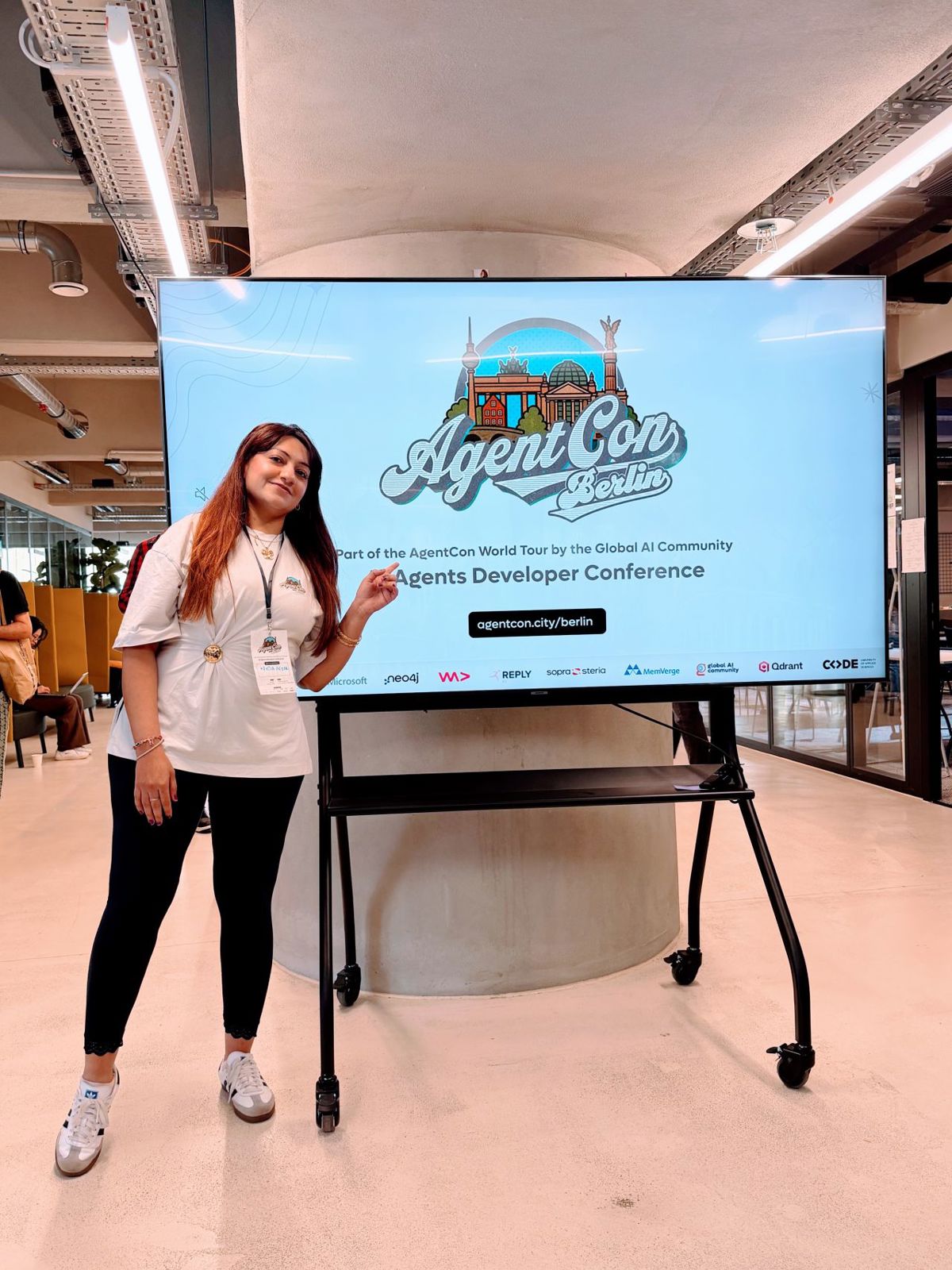
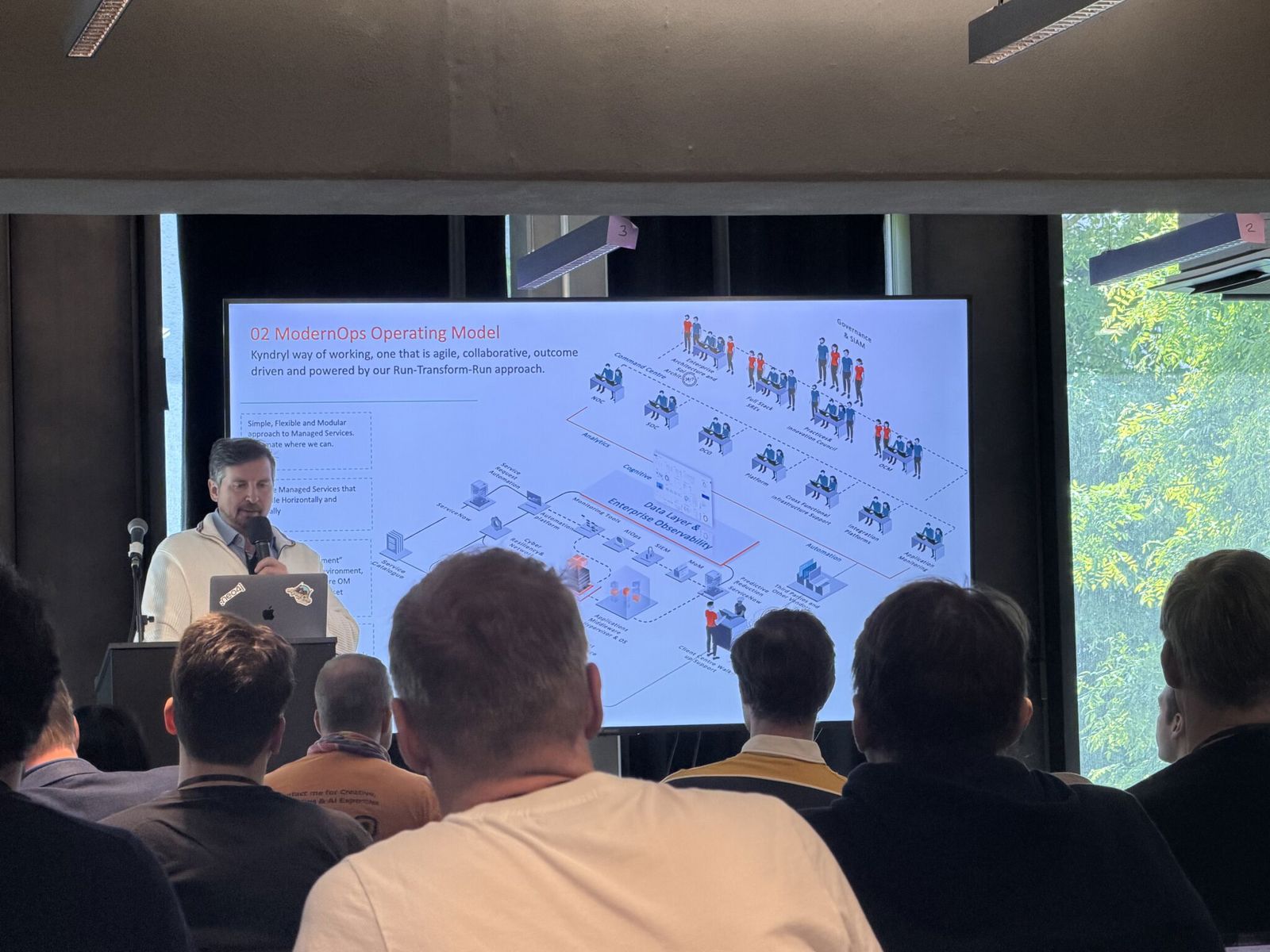
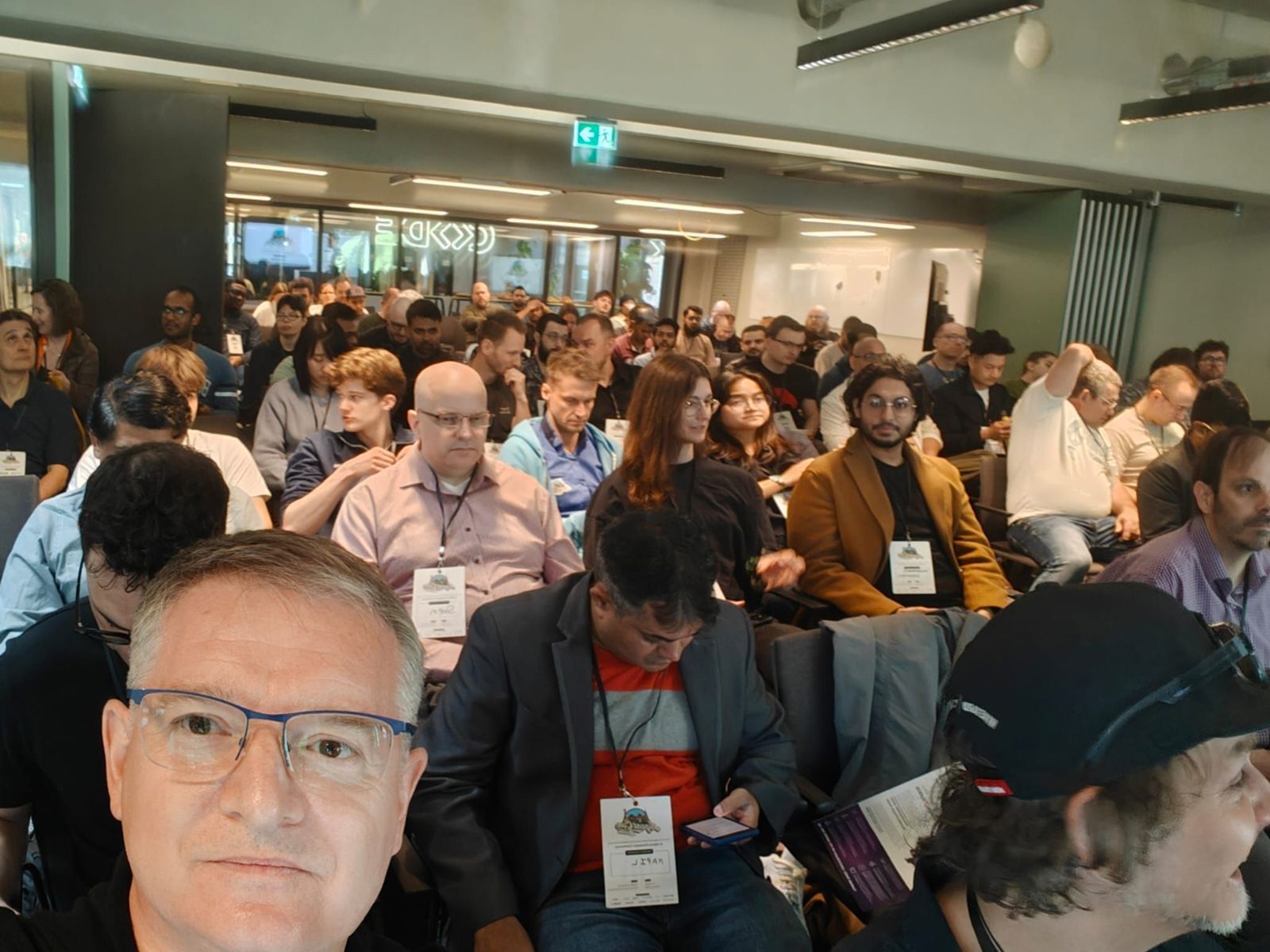
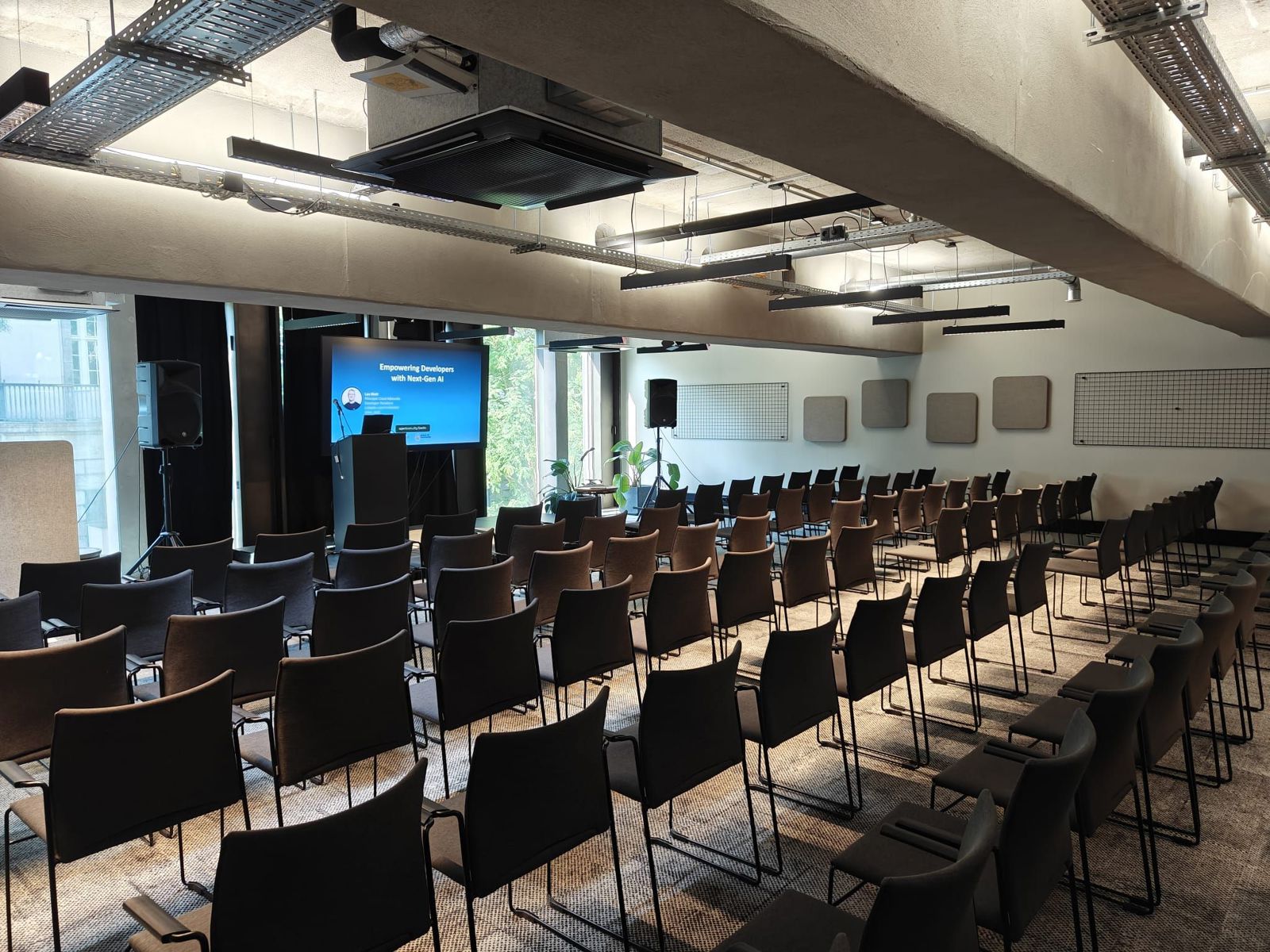
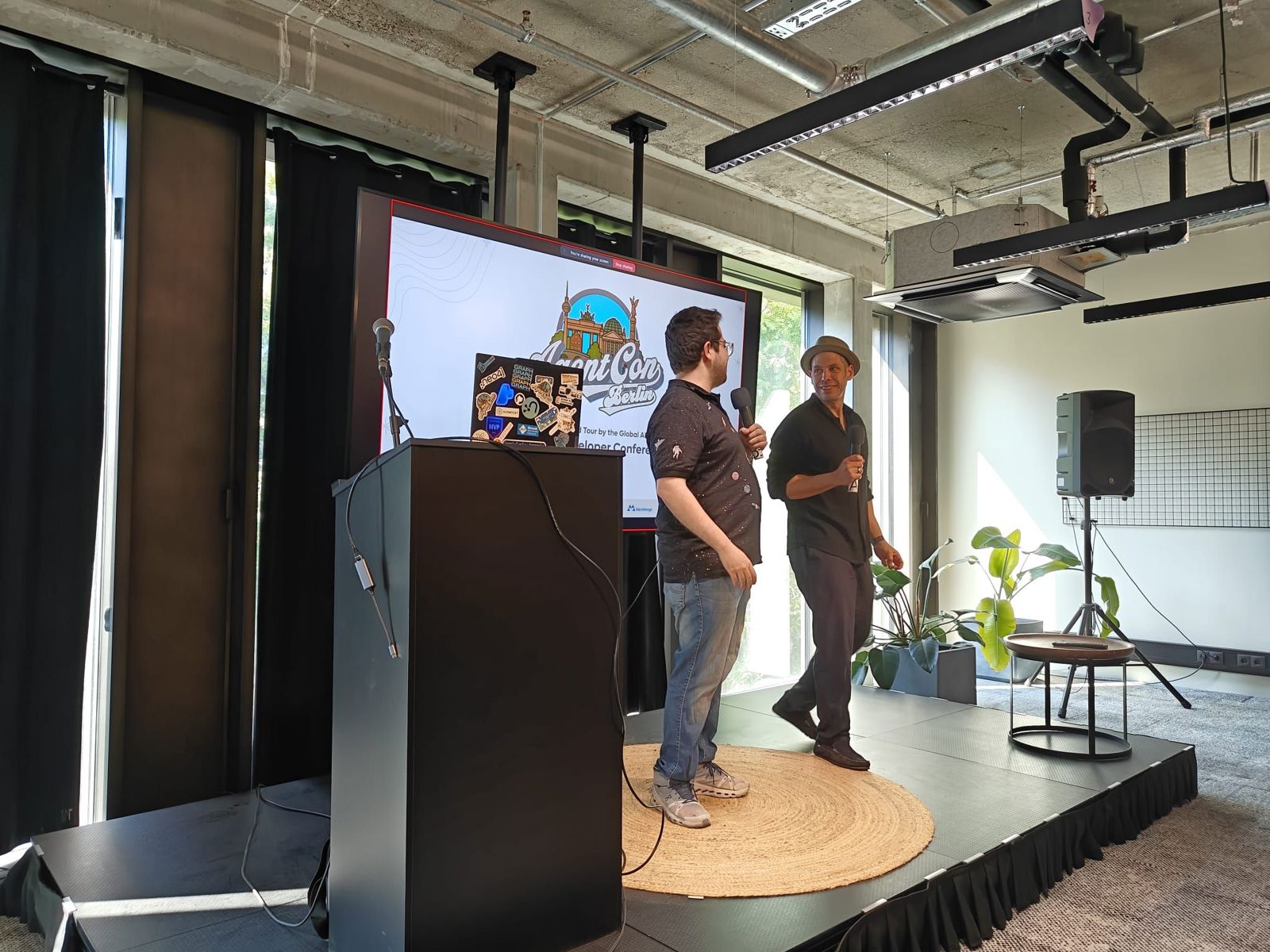
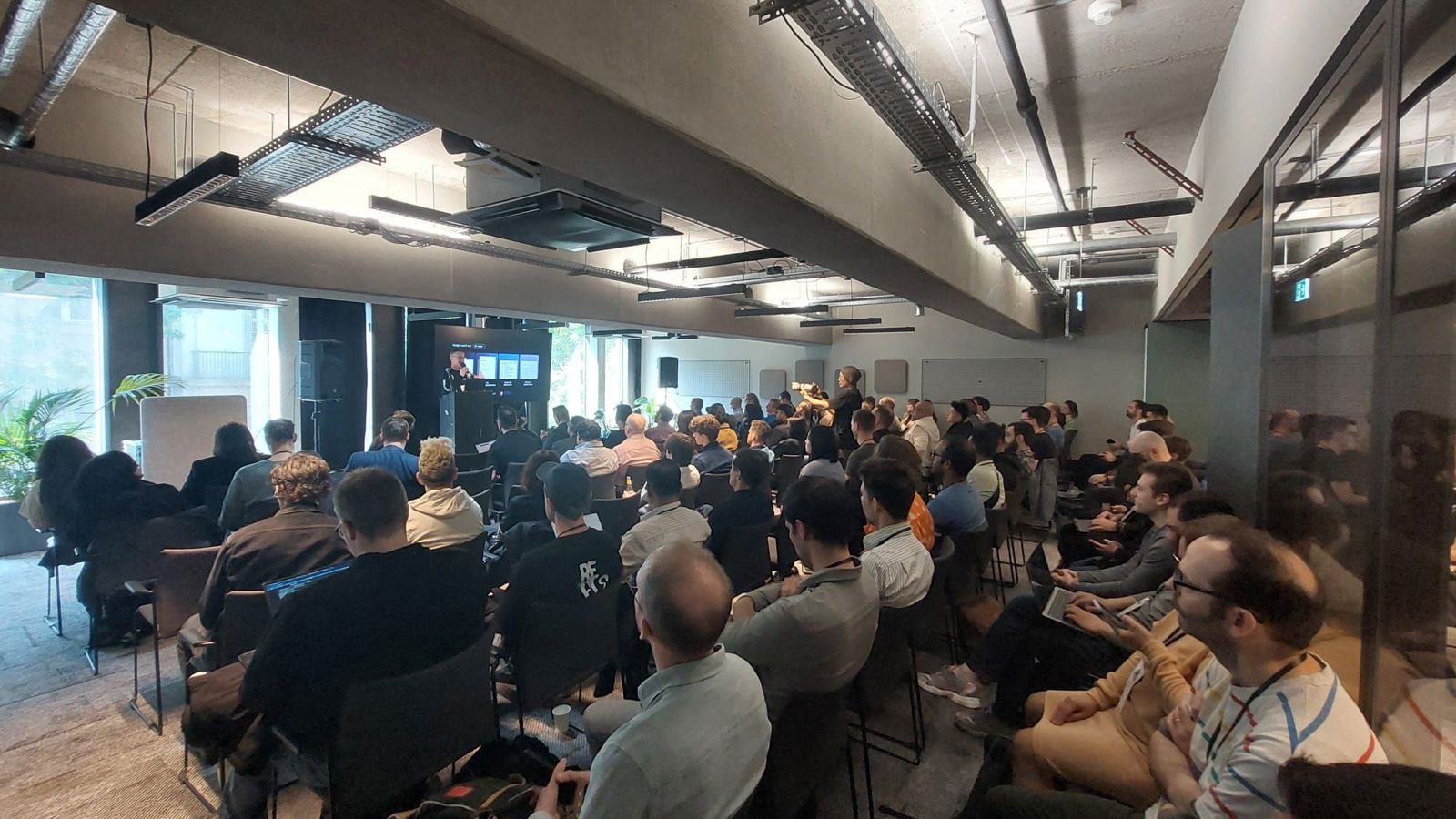
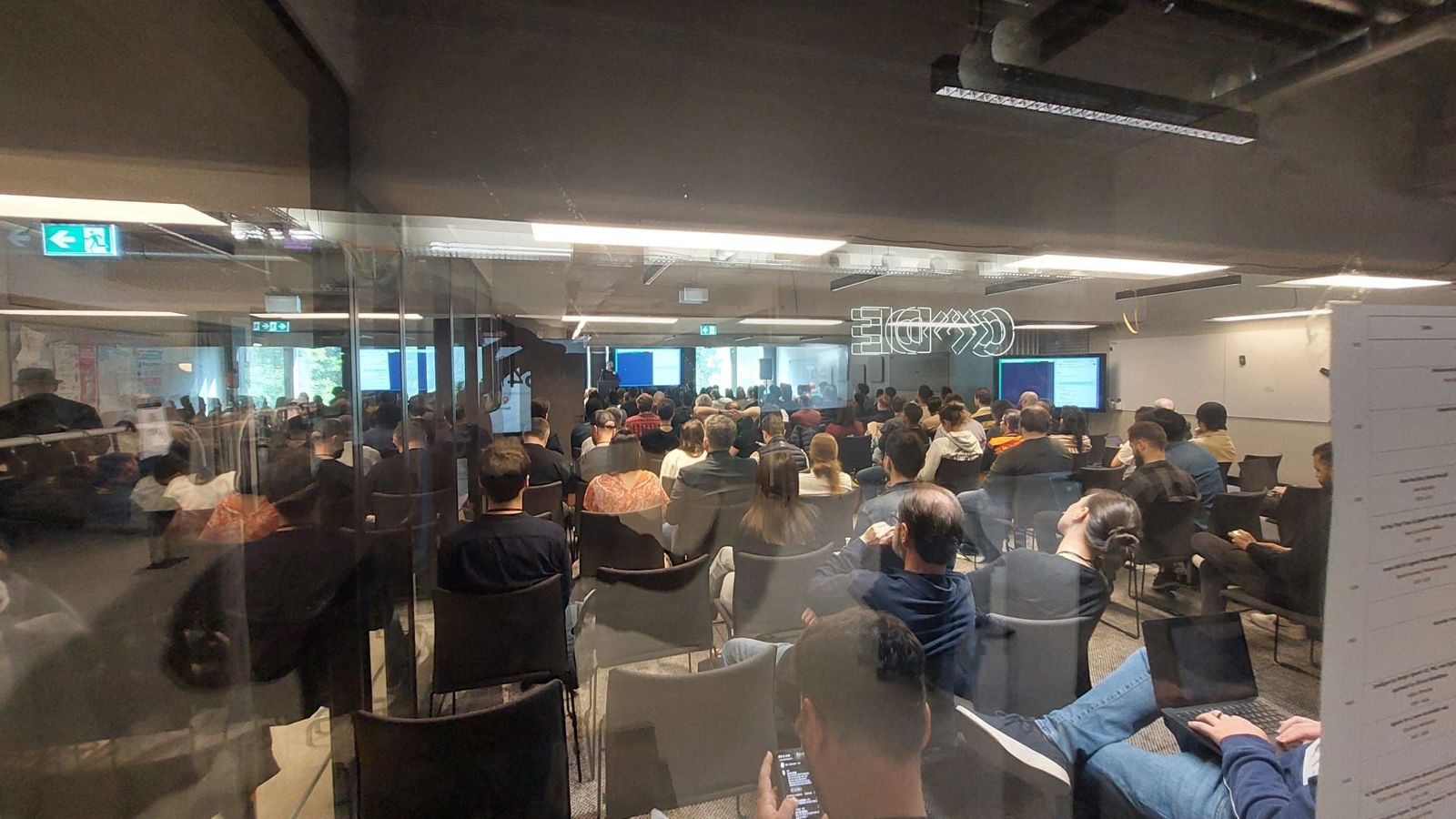
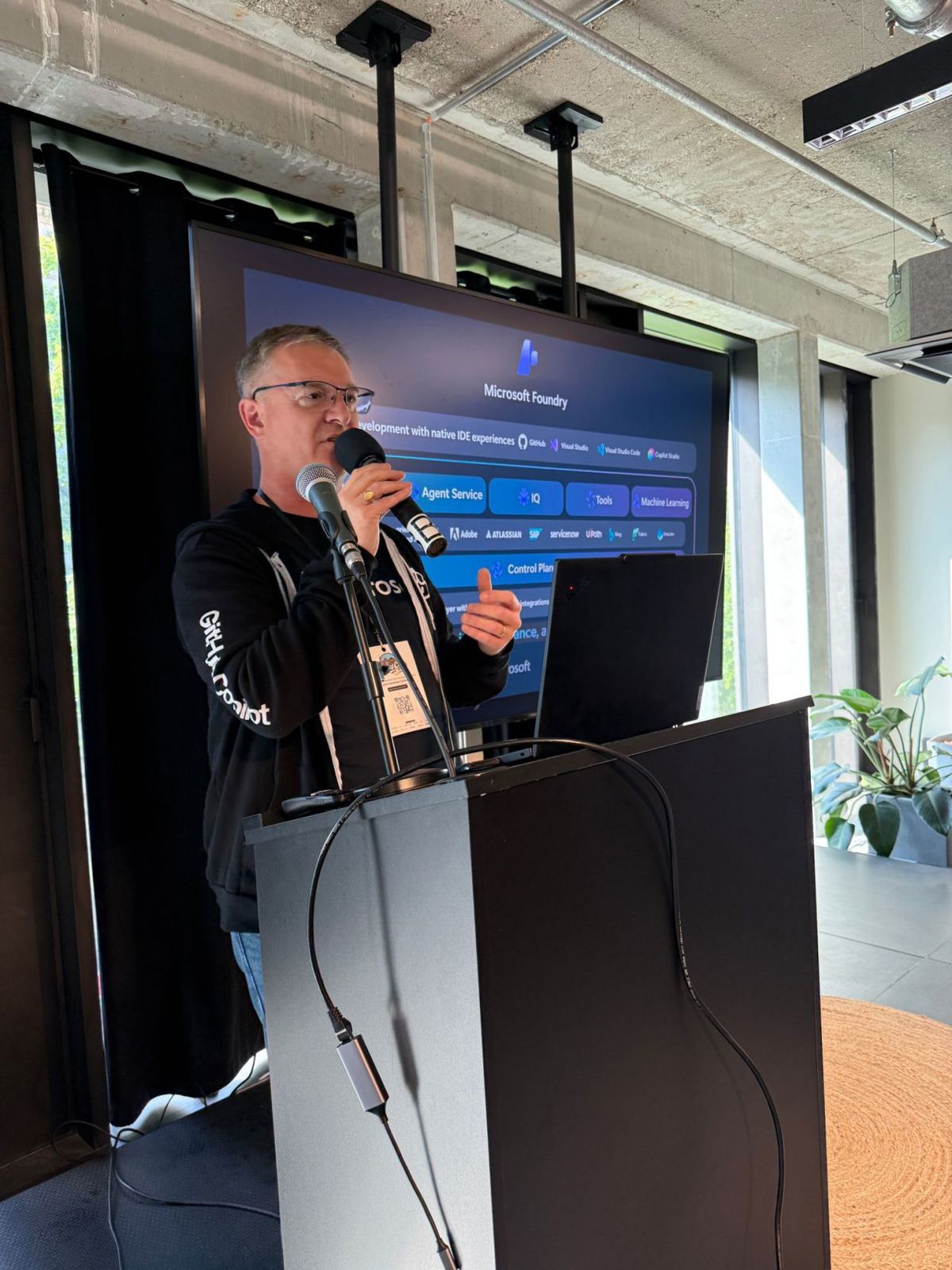
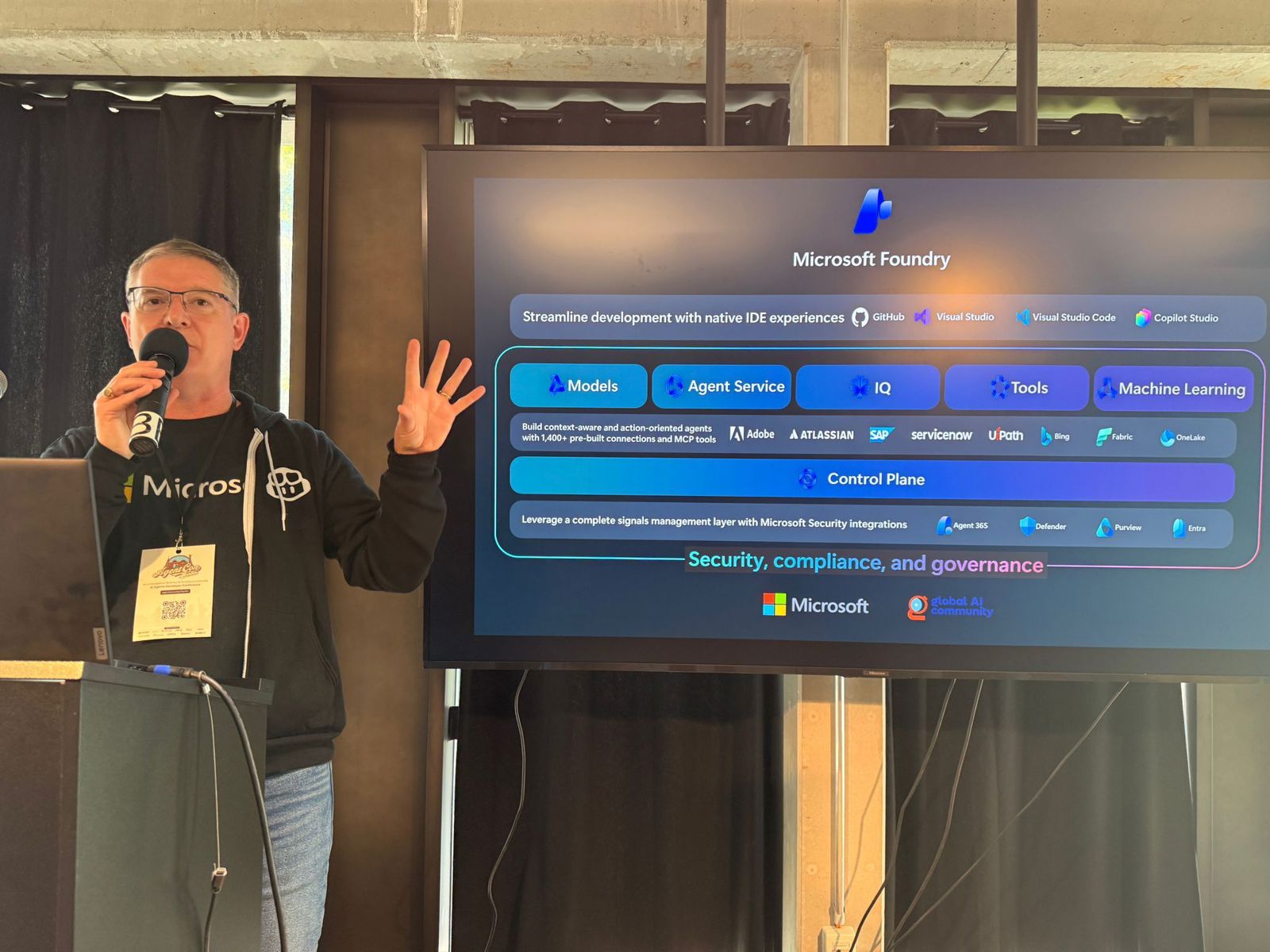
This is how it looked

Made possible by
Made possible by:











Community Partners:










Explore AgentCon
AI Agents Developer Conference
AgentCon made possible by: