/Events /AgentCon - Rome

About
Join us for the AI Agents World Tour, a global series of one-day conferences designed exclusively for developers building the future with AI agents.
From San Francisco to Thailand, we’re bringing together leading engineers, researchers, and creators to explore the cutting edge of AI agent design, deployment, and integration. Whether you’re building intelligent assistants, autonomous systems, or next-gen developer tools, this event is your fast track to practical knowledge, hands-on demos, and real-world insights.
What to Expect:
- Deep-Dive Talks from AI pioneers and industry leaders
- Technical Workshops on building, deploying, and scaling agents
- Live Demos of powerful open-source frameworks and tools
- Networking with a global community of builders and innovators
This isn't just another AI event — it’s where developers meet to talk about real code.
Ready to build the future?
Who's on stage
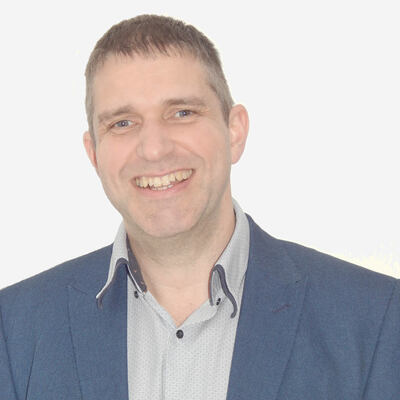
Richard is the CTO at Blue Beck Ltd, an experienced software professional focussed on Machine Learning / AI and Apps with a passion for Open Source AI and a strong interest in novel ways AI & Machine Learning can be used. Richard started his career at RARE as a console game developer, and went on to backend service, machine learning and mobile development. In 2025 Richard spoke at numerous conferences including Global AI Barcelona, Dev Talks Bucharest (one of the largest developer conferences in Eastern Europe), DevBCN, Tech Mids Conference and NDC Manchester, these have ranged from high level talks about Open Source AI models, to experiments with MCP and a detailed explanation about model alignment with DeepSeek R1. Here is a video with some clips of his talks https://vimeo.com/1105715168
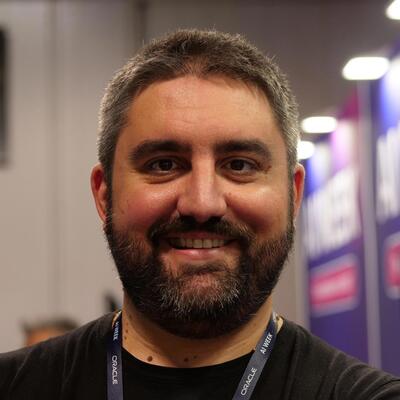
Enterprise architect with multiple job experiences in different fields, from banking to aerospace, with a spice of DevOps and other less known methodologies
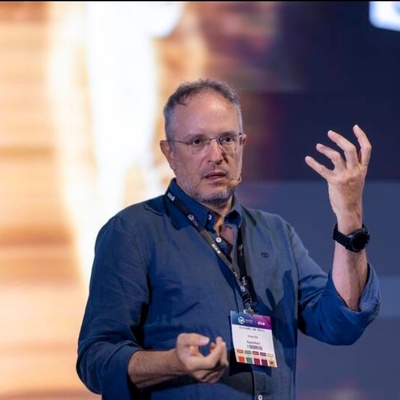
I’m a Developer Evangelist in Oracle’s Database Organization, focused in building Generative AI platforms that harness DBMS AI capabilities, while also championing their adoption as an evangelist. I work on the Kubernetes-based deployment platform for AI microservices, "Oracle Backend for Microservices and AI", and I’m leading the development of the "AI Optimizer and Toolkit" —a low-code platform that empowers developers to design and fine-tune AI Agents using Oracle’s Vector Store. In Oracle Italy since 2010, he joined Technology Sales Consulting team, working on Italian large and medium accounts on OCI, AI/ML, DataLakes and BPM/SOA platforms. Formerly Sales Engineer at Sun Microsystems, as well as Java & Software Ambassador for Italy, starting his career as architect in Telecom Italia Mobile. He holds the CEFRIEL Master in Information Technology and a bachelor's degree in Computer Science.
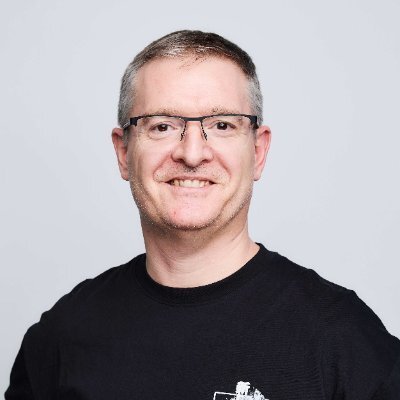
As part of Microsoft’s Developer Relations organization, Lee leads a global team driving innovation in Artificial Intelligence and Azure. Their work centers on empowering customers through digital transformation, showcasing how Microsoft’s tools, services, and technologies can unlock new possibilities. Lee is deeply embedded in every phase of the journey, from architectural brainstorming and pair programming to code reviews, documentation, and community storytelling. Whether guiding strategic decisions or rolling up their sleeves to co-build solutions, Lee ensures that technical excellence and developer empathy go hand in hand.

I'm Gianmario Spacagna — a seasoned AI engineering leader with 14+ yrs of practical experience building AI production systems across a dozen of different organizations, from concept to production. My technical leadership roles span pre-seed ventures, Series A-D, and Fortune 500 enterprises across AI Infrastructure, EdTech, Market Intelligence, Automotive, FinTech and Cybersecurity. I have helped founders and executives to raise funds, launch novel AI products, grow their users base and profits, establish as thought leaders in the market, and achieve successful acquisitions. My approach is grounded in strategic thinking, technical excellence, and the agility of learning fast and adapting even faster. Those same principles have helped many teams with navigate uncertainty and deliver with focus and quality.
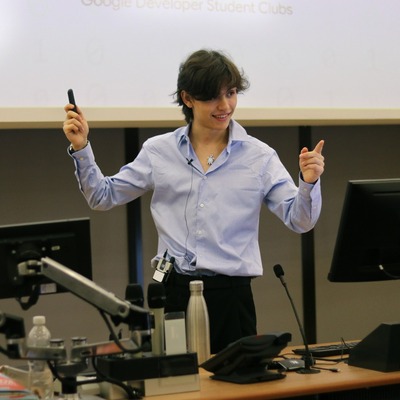
Lorenzo Satta Chiris is an AI researcher and systems engineer specialising in agent autonomy, multi-agent orchestration, and alignment. He co-developed the AURA framework, a risk assessment model for quantifying and monitoring autonomy in AI agents, and leads ongoing research on agent systems, adversarial LLM behaviour, alignment formalisation, and post-AGI governance as a Global Excellence Engineering and Entrepreneurship scholar at the University of Exeter. Lorenzo has delivered talks at Google DevFest, Microsoft Azure AI Connect, AWS Agentic Hackathon, MLCon, the Cornish Tech Showcase, the Dutch AI Conference and others on guardrailed multi-agent systems, agentic systems in production, and human-AI interaction design. He serves as President of Google Developer Group Exeter and directed the world's largest student-led coding and AI bootcamps (2,500+ participants), winning Tech South West's Best & Most Innovative Organisation award. As CTO of Oorbital, he architects and deploys guardrailed multi-agent systems in production, integrating RAG pipelines, LLM orchestration, and safety guardrails for industry clients. He also led a 500-student field study on multi-agent architectures for personalised education, worked on enterprise agent upskilling and consulting, and developed agentic frameworks for orchestration, the agentic web, and agent safety. Through his blog, read by over 200,000 tech enthusiasts worldwide, and his work as a technical writer, Lorenzo connects AI research to practitioners, educators, and the broader public. He brings a rare profile to the stage, sitting at the intersection of production AI engineering, safety research, and large-scale education, focused on bringing safe, useful autonomy from lab to lecture hall to real-world operations.
CTO at Mobilesoft and passionate about gadgets and technology! He deals with development on mobile platforms, program since the age of 6 and knows a bit everything that revolves around the computer world (desktop, web, mobile development; CMS development, database, system administration).
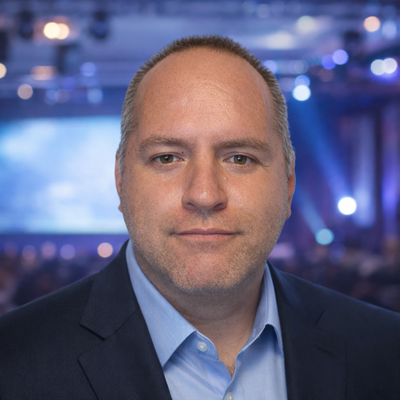
Haim Michael is a software development trainer, entrepreneur, and lecturer with nearly 30 years of experience. He founded life michael (lifemichael.com), delivering professional training in Java, Python, JavaScript, Scala, Kotlin, and more. Haim has lectured at leading universities, including Bar-Ilan, HIT, Shenkar, and Technion, and has trained developers at top tech companies.
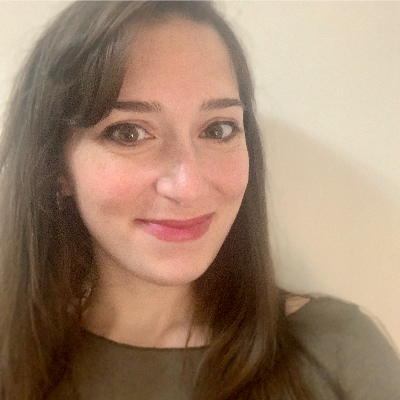
I’m a Technology Consultant at Microsoft, helping customers shape and deliver AI solutions. Previously at IBM, I worked on end-to-end application projects, leveraging my roots as a Mobile and Java developer to connect technology with real business impact."
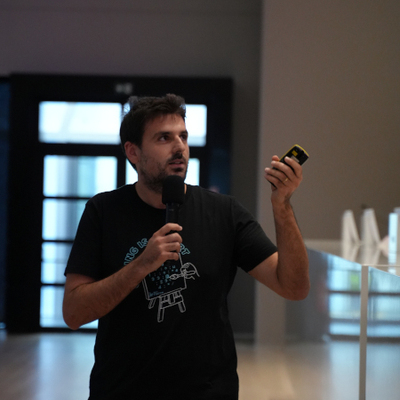
Alessandro is a software engineer who loves immersing himself in the world of technology. Between coding sessions, he enjoys creating software solutions and discovering how to make projects more efficient, always keeping an eye on the DevOps world. When he's not in front of the computer, you can find him exploring new places and flavors.

Bernhard Merkle works as a Software Specialist and Technology Scout for Gen AI, AI, ML, Cloud, XOps related technologies in the central Research & Development Department at SICK AG, one of the world’s leading producers of sensors and sensor solutions. He is a Microsoft MVP for AI, loves Python and serves as internal consultant for new Software Development Technologies. In his spare time he gives a lecture about development with Models and AI. He writes technical articles and also gives sessions at various conferences (e.g. ACCU, PyConUK, , QCon, OOPSLA, EclipseCon and OOP).
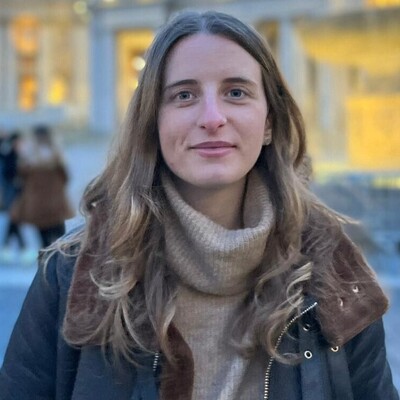
Carlotta Castelluccio is a Cloud Advocate at Microsoft, focused on Machine Learning and AI and based in Italy. Her mission as a Cloud Advocate is to help every student, developer or startup founder succeed with AI, by building innovative solutions responsibly. To achieve this goal, she develops technical content, and she hosts skilling sessions, enabling her audience to take the most out of AI technologies. She also engages with Microsoft communities and ensures they have an impact on Microsoft products’ evolutions and refinements.
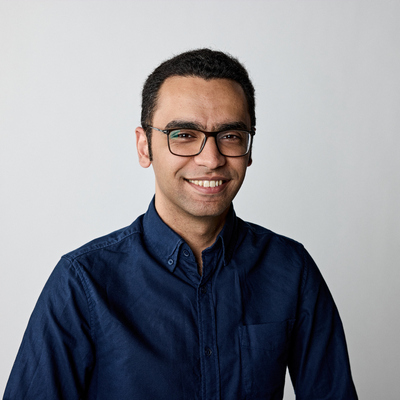
Sepehr Samadi is a Senior Software Engineer and technical lead specialising in AI-powered systems, production agent architecture, and platform engineering. Based in Helsinki, he has spent the past two years as the sole engineering lead for a business-critical AI tooling platform at Metacore Games, owning the system end-to-end across its full lifecycle, from architecture and user research through development, deployment, and production operations. He has built production AI agent systems from scratch, presented on LLM system design at international conferences including AgentCamp 2026 in Barcelona and AI Native Devcon 2025 in New York, and was invited as guest lecturer at Aalto University to teach software architecture for AI-powered systems to graduate engineering students. Sepehr's work sits at the intersection of AI engineering, distributed systems design, and real-world software delivery, the place where demos end and the hard problems begin.
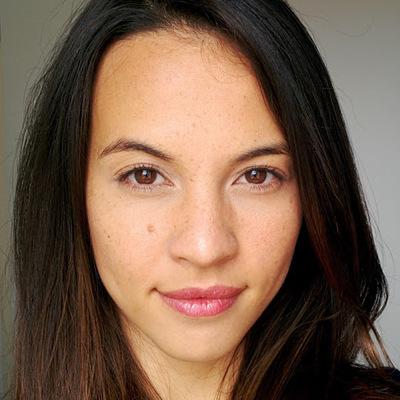
I'm a Senior Developer Advocate in AI/ML at AWS. I previously worked as a Data/ML engineer and Developer Relations at Microsoft. I'm also a recurring speaker in the Underscore talk-show. I love engaging with developers about technologies, innovations and help them use our tools. My main focus are Artificial Intelligence, Cloud technologies but I also love astronomy, genetic engineering, mountaineering, and sharing a good meal with friends.
I am a results-driven technology leader with 20+ years of experience in consulting, solution architecture, and strategic delivery. My mission is to empower organizations to achieve operational excellence and innovation through cutting-edge cloud solutions and strong stakeholder partnerships.
From the moment I turned on my Vic-20, 40 years ago, I knew my life was aimed at technology. I've always been the first in line to test out new products, services, gadgets, especially those which promised to change people’s lives. I’ve always been a tech superhero. After all these years, my personal mission went from changing the world through technology to improving the world, one human interaction at a time. Changing the way people live in the digital age is possible only by addressing the human factor, together with technology. My proven track record of driving sales involves creating connections, building communities, challenging views, delivering value, and going the extra mile. As a Cloud Architect and Evangelist, I’ve presented technical and business content to a wide range of different audiences, from executive meetings to large developer conferences, including many online and in-person events, and I was recognized as the “best speaker” multiple times, thanks to a clever mix of storytelling and technology. I have a deep technical knowledge of Application Innovation and Modernization in the Cloud, Cloud Native solutions and, of course, on-premises solutions. I can drive product development and technology teams. I have a deep business knowledge of Manufacturing, Automotive, and Construction business, coupled with a broad knowledge of ISVs and Microsoft partners. So, if you're ever in need of an evil genius being able to impact deals through human interactions and technology, look no further. I’m the right person to help with your business!
Sessions & tracks
Empowering Developers with Next-Gen AI
Welcome to a new frontier of intelligent application development with Azure AI Foundry. In this keynote, discover how AI Agents are redefining the way applications understand, reason, and take action. Learn how Azure AI Foundry equips developers with intuitive tools and frameworks to build AI-driven solutions that dynamically respond, learn, and adapt to real-world scenarios. From retrieval-augmented generation (RAG) to vector search, explore how Agents revolutionize information retrieval and decision-making. Get inspired and see how developers can harness AI Agents to craft intelligent semi autonomous, and impactful applications that seamlessly integrate into business workflows and user experiences. The future of AI-powered development starts here.
As part of Microsoft’s Developer Relations organization, Lee leads a global team driving innovation in Artificial Intelligence and Azure. Their work centers on empowering customers through digital transformation, showcasing how Microsoft’s tools, services, and technologies can unlock new possibilities. Lee is deeply embedded in every phase of the journey, from architectural brainstorming and pair programming to code reviews, documentation, and community storytelling. Whether guiding strategic decisions or rolling up their sleeves to co-build solutions, Lee ensures that technical excellence and developer empathy go hand in hand.
Break
Room 1 ·Build and launch AI Agents fast with Microsoft Foundry Toolkit for VS Code
Build and ship AI agents faster with Microsoft Foundry Toolkit for VS Code. Experiment with models and prompts, evaluate agent responses, then move from prototype to cloud with cutting-edge developer tools, all within your IDE.
Carlotta Castelluccio is a Cloud Advocate at Microsoft, focused on Machine Learning and AI and based in Italy. Her mission as a Cloud Advocate is to help every student, developer or startup founder succeed with AI, by building innovative solutions responsibly. To achieve this goal, she develops technical content, and she hosts skilling sessions, enabling her audience to take the most out of AI technologies. She also engages with Microsoft communities and ensures they have an impact on Microsoft products’ evolutions and refinements.
Costruire e orchestrare sistemi multi-agent con Microsoft Agent Framework
Quando si parla di sistemi GenAI ad agenti, l’attenzione è sempre più rivolta alla loro integrazione in applicazioni web moderne. Oggi è possibile progettare e orchestrare architetture multi-agent direttamente in ambiente .NET, utilizzando il nuovo Microsoft Agent Framework
Verranno mostrati agent che collaborano tra loro all’interno di applicazioni, partendo da setup locali con Ollama e LM Studio e arrivando fino al cloud con Azure AI Foundry, mantenendo la stessa architettura. La teoria sarà ridotta al minimo: il focus è la condivisione di alcuni esperimenti fatti e scelte progettuali.
Alessandro is a software engineer who loves immersing himself in the world of technology. Between coding sessions, he enjoys creating software solutions and discovering how to make projects more efficient, always keeping an eye on the DevOps world. When he's not in front of the computer, you can find him exploring new places and flavors.
Realizzare agenti per il mondo Microsoft 365: da Agent Builder a Agent 365
Agent Builder, Copilot Studio, Microsoft Foundry, Microsoft Agent Framework, Agent 365, What the Fork!!!
In questa sessione faremo un po' di luce sugli agenti per il mondo Microsoft 365, Teams, Copilot, Sharepoint, e chi più ne ha più ne metta, con un po' di demo e di scenari reali.
From the moment I turned on my Vic-20, 40 years ago, I knew my life was aimed at technology. I've always been the first in line to test out new products, services, gadgets, especially those which promised to change people’s lives. I’ve always been a tech superhero. After all these years, my personal mission went from changing the world through technology to improving the world, one human interaction at a time. Changing the way people live in the digital age is possible only by addressing the human factor, together with technology. My proven track record of driving sales involves creating connections, building communities, challenging views, delivering value, and going the extra mile. As a Cloud Architect and Evangelist, I’ve presented technical and business content to a wide range of different audiences, from executive meetings to large developer conferences, including many online and in-person events, and I was recognized as the “best speaker” multiple times, thanks to a clever mix of storytelling and technology. I have a deep technical knowledge of Application Innovation and Modernization in the Cloud, Cloud Native solutions and, of course, on-premises solutions. I can drive product development and technology teams. I have a deep business knowledge of Manufacturing, Automotive, and Construction business, coupled with a broad knowledge of ISVs and Microsoft partners. So, if you're ever in need of an evil genius being able to impact deals through human interactions and technology, look no further. I’m the right person to help with your business!
Lunch
Room 1 ·GitHub Agentic Workflows: Continuous AI per la manutenzione del software che non dorme mai
E se ogni mattina trovaste pull request già pronte per migliorare il codice, issue triagiate automaticamente, failure della CI analizzate e documentazione aggiornata — il tutto definito in semplici file Markdown? In questa sessione esploreremo l'architettura completa di GitHub Agentic Workflows: dal ciclo Write → Compile → Run, al modello di sicurezza defense-in-depth, passando per gli engine supportati, il sistema di safe-inputs/safe-outputs e il catalogo di workflow pronti all'uso.
Enterprise architect with multiple job experiences in different fields, from banking to aerospace, with a spice of DevOps and other less known methodologies
Automatizzare la Compliance di Azure Firewall con gli SRE Agent
La gestione dei firewall complessi è spesso un collo di bottiglia per la velocità del business. E se il firewall potesse "sorvegliare se stesso"? Scopri come abbiamo utilizzato gli Azure SRE Agent per trasformare la compliance da un'attività statica a un processo dinamico e intelligente. Attraverso l'analisi di 13 check automatici su configurazioni e regole IP, mostreremo come gli agenti autonomi stiano ridefinendo il concetto di Self-Healing Infrastructure nel cloud Microsoft.
I’m a Technology Consultant at Microsoft, helping customers shape and deliver AI solutions. Previously at IBM, I worked on end-to-end application projects, leveraging my roots as a Mobile and Java developer to connect technology with real business impact."
I am a results-driven technology leader with 20+ years of experience in consulting, solution architecture, and strategic delivery. My mission is to empower organizations to achieve operational excellence and innovation through cutting-edge cloud solutions and strong stakeholder partnerships.
Break
Room 1 ·Building Robust Agentic Retrieval Systems: From Tokens to Trustworthy Knowledge
Modern LLM-based agents depend on retrieval systems that deliver precise, contextual, and trustworthy information — but designing them for real-world use is complex. This talk focuses on how to build robust agentic retrieval systems where one agent consumes information retrieved and curated by another, effectively forming a multi-agent knowledge pipeline.
We’ll explore practical strategies for combining vector and graph-based databases, implementing LLM-driven retrieval patterns, and optimizing prompts, tokens, and knowledge ingestion. The session also highlights techniques for measuring retrieval quality, curating domain-specific data, and ensuring consistency and reliability across agent interactions.
Attendees will gain actionable insights and architecture patterns derived from real-world implementations — including trade-offs, pitfalls, and lessons learned. The goal: enable practitioners to design agentic systems that turn raw tokens into trustworthy, context-rich knowledge ready for autonomous reasoning.
I'm Gianmario Spacagna — a seasoned AI engineering leader with 14+ yrs of practical experience building AI production systems across a dozen of different organizations, from concept to production. My technical leadership roles span pre-seed ventures, Series A-D, and Fortune 500 enterprises across AI Infrastructure, EdTech, Market Intelligence, Automotive, FinTech and Cybersecurity. I have helped founders and executives to raise funds, launch novel AI products, grow their users base and profits, establish as thought leaders in the market, and achieve successful acquisitions. My approach is grounded in strategic thinking, technical excellence, and the agility of learning fast and adapting even faster. Those same principles have helped many teams with navigate uncertainty and deliver with focus and quality.
Agentic AI senza catene: entra nel Microsoft Agent Framework
Nel mondo post-AutoGen e Semantic Kernel, Microsoft ha unito l’innovazione dei primi con la solidità enterprise dei secondi per dare vita al Microsoft Agent Framework: un SDK open-source multi-LLM e multi-cloud per creare agenti AI e workflow complessi con facilità. In questo talk scoprirai come il framework combina flessibilità, orchestrazione e produzione in un’unica base e come puoi usarlo per creare sistemi agentici scalabili, interoperabili e pronti per il mondo reale!
CTO at Mobilesoft and passionate about gadgets and technology! He deals with development on mobile platforms, program since the age of 6 and knows a bit everything that revolves around the computer world (desktop, web, mobile development; CMS development, database, system administration).
Empowering Developers with Next-Gen AI
Welcome to a new frontier of intelligent application development with Azure AI Foundry. In this keynote, discover how AI Agents are redefining the way applications understand, reason, and take action. Learn how Azure AI Foundry equips developers with intuitive tools and frameworks to build AI-driven solutions that dynamically respond, learn, and adapt to real-world scenarios. From retrieval-augmented generation (RAG) to vector search, explore how Agents revolutionize information retrieval and decision-making. Get inspired and see how developers can harness AI Agents to craft intelligent semi autonomous, and impactful applications that seamlessly integrate into business workflows and user experiences. The future of AI-powered development starts here.
As part of Microsoft’s Developer Relations organization, Lee leads a global team driving innovation in Artificial Intelligence and Azure. Their work centers on empowering customers through digital transformation, showcasing how Microsoft’s tools, services, and technologies can unlock new possibilities. Lee is deeply embedded in every phase of the journey, from architectural brainstorming and pair programming to code reviews, documentation, and community storytelling. Whether guiding strategic decisions or rolling up their sleeves to co-build solutions, Lee ensures that technical excellence and developer empathy go hand in hand.
Break
Room 2 ·TypeAgent: From RAG to Structured RAG: Building Long-Context, Precise, and Fast AI Systems
Retrieval-Augmented Generation (RAG) has become the de-facto method for grounding Large Language Models in enterprise data. But classic RAG quickly reaches its limits: conversations drift, pronouns lose their meaning, long-term state becomes ambiguous, and complex multi-step queries often fail. In this talk, we introduce Structured RAG, a next-generation approach implemented in TypeAgent, an open-source framework originally prototyped by Guido van Rossum. Structured RAG keeps conversation context well-organized, reduces hallucinations, improves retrieval precision, and allows AI agents to handle multi-turn dialogues and complex instructions—while remaining fast and highly scalable.
We walk through the core architecture of Structured RAG, including typed conversations, semantic memory layers, indexing strategies, and automatic disambiguation of historical references. Live demos show how TypeAgent enables long-running AI agents that remain accurate over dozens of turns. Attendees will gain a deep understanding of how to move beyond vanilla RAG and how to incorporate Typed Conversations into real-world Python systems.
I am an active contributor to TypeAgent, an open-source framework initiated by Guido van Rossum for building typed conversational agents and Structured RAG systems. I works on large-scale AI deployments, document understanding pipelines, and knowledge-graph-driven retrieval systems in industrial environments.
Bernhard Merkle works as a Software Specialist and Technology Scout for Gen AI, AI, ML, Cloud, XOps related technologies in the central Research & Development Department at SICK AG, one of the world’s leading producers of sensors and sensor solutions. He is a Microsoft MVP for AI, loves Python and serves as internal consultant for new Software Development Technologies. In his spare time he gives a lecture about development with Models and AI. He writes technical articles and also gives sessions at various conferences (e.g. ACCU, PyConUK, , QCon, OOPSLA, EclipseCon and OOP).
Coding a Multi-Agent Game Master with Strands Agents
The Game Master (GM) plays a central role in role-playing games: they create the players’ stories, embody non-player characters (NPCs), and ensure the rules are followed. AI can be a powerful ally for GMs, helping them check rules, improvise scenarios, and create content on the fly. In this talk/live coding session, we’ll build together an AI multi-agent Game Master using the open-source Strands Agents SDK. We’ll set up specialized agents for different GM responsibilities and explore how they collaborate through the Agent-to-Agent (A2A) protocol and tool integrations via the MCP protocol.
I'm a Senior Developer Advocate in AI/ML at AWS. I previously worked as a Data/ML engineer and Developer Relations at Microsoft. I'm also a recurring speaker in the Underscore talk-show. I love engaging with developers about technologies, innovations and help them use our tools. My main focus are Artificial Intelligence, Cloud technologies but I also love astronomy, genetic engineering, mountaineering, and sharing a good meal with friends.
Designing Deterministic Agents Around Non-Deterministic LLMs
LLMs are probabilistic. Production software is not. That tension is at the heart of every serious agent deployment and most teams hit it hard the first time something silently goes wrong in production. This session takes an engineering-first approach to architecting deterministic boundaries around the non-deterministic models powering your agents. We'll examine battle-tested patterns from real agentic systems built with LangChain/LangGraph, AutoGen, CrewAI, and Azure OpenAI, grounded in production experience rather than controlled experiments. What we'll cover:
- Structured contracts & validation
- Enforcing output schemas with JSON schema contracts and tool-calling constraints
- Semantic guard layers between agent steps
- Confidence scoring and when to trust your agent's answer
- Failure mode taxonomy
- Tool misuse and runaway tool loops
- Confident hallucination in multi-step chains
- Context drift across long agent runs
- Recursive reasoning spirals in AutoGen/CrewAI multi-agent graphs
- Resilience patterns
- Retry classification vs. escalation: knowing when to retry, when to reroute, when to stop
- Idempotent tool execution in LangGraph workflows
- Token budget management across multi-step agentic pipelines
- Blast-radius reduction through sandboxing and scoped tool permissions
- Observability
- Tracing agent execution across LangGraph and AutoGen turns
- What to log, what to alert on, and how to debug a silent failure
We'll walk through real failure scenarios, dissect what went wrong at the architecture level, and design patterns that prevent them — without needing a massive MLOps platform.
Key Takeaways Attendees will leave with:
- A mental model for classifying agent failure modes by root cause
- Concrete architecture patterns applicable to LangGraph, AutoGen/CrewAI, and Azure OpenAI
- A practical checklist for adding determinism layers to existing or new agent systems
- Observability strategies for agent pipelines that are production-ready from day one
Sepehr Samadi is a Senior Software Engineer and technical lead specialising in AI-powered systems, production agent architecture, and platform engineering. Based in Helsinki, he has spent the past two years as the sole engineering lead for a business-critical AI tooling platform at Metacore Games, owning the system end-to-end across its full lifecycle, from architecture and user research through development, deployment, and production operations. He has built production AI agent systems from scratch, presented on LLM system design at international conferences including AgentCamp 2026 in Barcelona and AI Native Devcon 2025 in New York, and was invited as guest lecturer at Aalto University to teach software architecture for AI-powered systems to graduate engineering students. Sepehr's work sits at the intersection of AI engineering, distributed systems design, and real-world software delivery, the place where demos end and the hard problems begin.
Lunch
Room 2 ·Next-Gen AI Assistants: Open, Interoperable, Extensible with WayFlow
The rapid evolution of Generative AI is reshaping how intelligent systems are designed, deployed, and integrated into real-world workflows. WayFlow, a powerful Open Source, Python-based framework built on the Open Agent Specification, introduces a new paradigm for constructing modular, interoperable, and extensible AI assistants. By unifying agent-style interaction models with workflow-oriented capabilities, WayFlow empowers researchers and practitioners to create robust, reusable, and highly adaptable AI solutions.
I’m a Developer Evangelist in Oracle’s Database Organization, focused in building Generative AI platforms that harness DBMS AI capabilities, while also championing their adoption as an evangelist. I work on the Kubernetes-based deployment platform for AI microservices, "Oracle Backend for Microservices and AI", and I’m leading the development of the "AI Optimizer and Toolkit" —a low-code platform that empowers developers to design and fine-tune AI Agents using Oracle’s Vector Store. In Oracle Italy since 2010, he joined Technology Sales Consulting team, working on Italian large and medium accounts on OCI, AI/ML, DataLakes and BPM/SOA platforms. Formerly Sales Engineer at Sun Microsystems, as well as Java & Software Ambassador for Italy, starting his career as architect in Telecom Italia Mobile. He holds the CEFRIEL Master in Information Technology and a bachelor's degree in Computer Science.
Llamas and Lobsters - Connecting the Agent Internet Without Getting Pinched
Moltbook, the forum where humans just observe, and AI agents interact the way people do on Reddit, became a viral sensation earlier this year, hot on the heels of OpenClaw (formerly Clawdbot / Moltbot). The de-facto way of connecting to Moltbook is to use OpenClaw, the projects even share lobster mascots, however the risks have been well documented, terminal access is a requirement and fears of attacks including remote code execution are well founded with OpenAI co-founder Andrej Karpathy famously called it a "dumpster fire". This talk will explain how we built a tool to connect local LLMs to Moltbook in a safe, sandboxed environment, going into details including tool calling and the challenge posed by Moltbook’s reverse CAPTCHA (meant to ensure only LLMs get through, but tricky for small local models). It will show different models perform, both reasoning and non-reasoning, from the tiny such as Qwen3 4b, right through to the big open source models and where the sweet spot is for consumer hardware. The talk will share what happened when we actually let our local models loose on the platform, how prompting for different “personalities” impacted the discussions and what happened when our agents encountered manipulative or malicious content.
Richard is the CTO at Blue Beck Ltd, an experienced software professional focussed on Machine Learning / AI and Apps with a passion for Open Source AI and a strong interest in novel ways AI & Machine Learning can be used. Richard started his career at RARE as a console game developer, and went on to backend service, machine learning and mobile development. In 2025 Richard spoke at numerous conferences including Global AI Barcelona, Dev Talks Bucharest (one of the largest developer conferences in Eastern Europe), DevBCN, Tech Mids Conference and NDC Manchester, these have ranged from high level talks about Open Source AI models, to experiments with MCP and a detailed explanation about model alignment with DeepSeek R1. Here is a video with some clips of his talks https://vimeo.com/1105715168
Break
Room 2 ·ARC-AGI and the Road to General Intelligence: Levels, Benchmarks, and Approaches
What do we really mean by AGI, and how close are we in practical terms? If GPT-style models feel intelligent, why do they collapse on ARC-AGI?
Inspired from my research dissertation on AGI and experiments with agentic systems, this session offers a grounded, developer-oriented walkthrough of ARC-AGI and its role in evaluating general intelligence in AI systems. We start by clarifying the levels of AI capability, from narrow systems to AGI and ASI and then present benchmarks and most promising approaches.
We will dive into:
- What AGI/ASI mean
- What ARC-AGI is testing (and what it is not)
- Why generalisation, abstraction, and efficiency matter
- How ARC-AGI compares to other benchmarks and evaluation paradigms
The second half zooms out to survey the most promising technical approaches toward AGI, including:
- Agentic and curriculum-based training
- Neuro-symbolic and abstraction-driven systems
- World-model-centric learning
- Hybrid approaches combining learning, reasoning, and memory
The goal is helping developers understand what progress toward AGI actually looks like, what signals are meaningful, and where current systems still fundamentally fall short.
Lorenzo Satta Chiris is an AI researcher and systems engineer specialising in agent autonomy, multi-agent orchestration, and alignment. He co-developed the AURA framework, a risk assessment model for quantifying and monitoring autonomy in AI agents, and leads ongoing research on agent systems, adversarial LLM behaviour, alignment formalisation, and post-AGI governance as a Global Excellence Engineering and Entrepreneurship scholar at the University of Exeter. Lorenzo has delivered talks at Google DevFest, Microsoft Azure AI Connect, AWS Agentic Hackathon, MLCon, the Cornish Tech Showcase, the Dutch AI Conference and others on guardrailed multi-agent systems, agentic systems in production, and human-AI interaction design. He serves as President of Google Developer Group Exeter and directed the world's largest student-led coding and AI bootcamps (2,500+ participants), winning Tech South West's Best & Most Innovative Organisation award. As CTO of Oorbital, he architects and deploys guardrailed multi-agent systems in production, integrating RAG pipelines, LLM orchestration, and safety guardrails for industry clients. He also led a 500-student field study on multi-agent architectures for personalised education, worked on enterprise agent upskilling and consulting, and developed agentic frameworks for orchestration, the agentic web, and agent safety. Through his blog, read by over 200,000 tech enthusiasts worldwide, and his work as a technical writer, Lorenzo connects AI research to practitioners, educators, and the broader public. He brings a rare profile to the stage, sitting at the intersection of production AI engineering, safety research, and large-scale education, focused on bringing safe, useful autonomy from lab to lecture hall to real-world operations.
Orchestrating AI Agents in Spec-Driven Development with Kiro IDE
Spec-Driven Development (SDD) fundamentally changes how software is conceived, implemented, and evolved—especially in an era where AI agents are no longer passive assistants, but active collaborators. In this talk, I will share my hands-on experience implementing Spec-Driven Development using Amazon’s Kiro IDE, focusing on how AI agents are orchestrated throughout the development lifecycle to deliver production-ready software with clarity, traceability, and speed.
The session is grounded in real projects in which the Kiro IDE was used to drive development from explicit specifications rather than ad hoc prompts or informal requirements. I will demonstrate how structured specifications—written upfront and continuously refined—become the single source of truth that guides implementation, validation, documentation, and testing. Rather than “coding first and fixing later,” the workflow ensures that what we build consistently matches what we intended to build.
A central theme of the talk is agent orchestration. I will show how Kiro IDE enables developers to define and integrate custom AI agents directly into the IDE, each with a focused responsibility. Examples include agents that autonomously:
Generate and evolve automated tests based on specifications
Produce and maintain technical documentation aligned with the current spec.
Validate implementation decisions against the original requirements.
Assist with controlled refactoring while preserving spec compliance.
The audience will see that creating new agents is far simpler than commonly assumed. I will walk through the process of defining new hooks that lead to new autonomous agents running in our IDE in accordance with the specifications. These agents operate as first-class citizens inside the IDE, collaborating with both the developer and other agents.
The talk also provides a concise yet comprehensive overview of the Spec-Driven Development cycle as implemented in the Kiro IDE. This includes:
Translating intent into structured, machine-readable specifications
Using the spec as a steering document for agent behavior
Iterative implementation guided by continuous spec validation
Automatic generation of tests and documentation as part of the same flow
Maintaining long-term alignment between requirements, code, and artifacts
What makes this workflow unique is not just the use of AI, but the discipline imposed by the spec itself. AI agents are not free-form code generators; they are constrained, directed, and evaluated through explicit specifications. This results in systems that are easier to reason about, review, and evolve—especially in teams and long-lived codebases.
This session is aimed at developers, architects, and engineering leaders who want to move beyond prompt-driven coding toward a more reliable, scalable, and auditable development model. Attendees will leave with a clear mental model of agent orchestration in an IDE, practical examples they can apply immediately, and a deeper understanding of why Spec-Driven Development is emerging as a cornerstone methodology in the AI era.
Haim Michael is a software development trainer, entrepreneur, and lecturer with nearly 30 years of experience. He founded life michael (lifemichael.com), delivering professional training in Java, Python, JavaScript, Scala, Kotlin, and more. Haim has lectured at leading universities, including Bar-Ilan, HIT, Shenkar, and Technion, and has trained developers at top tech companies.
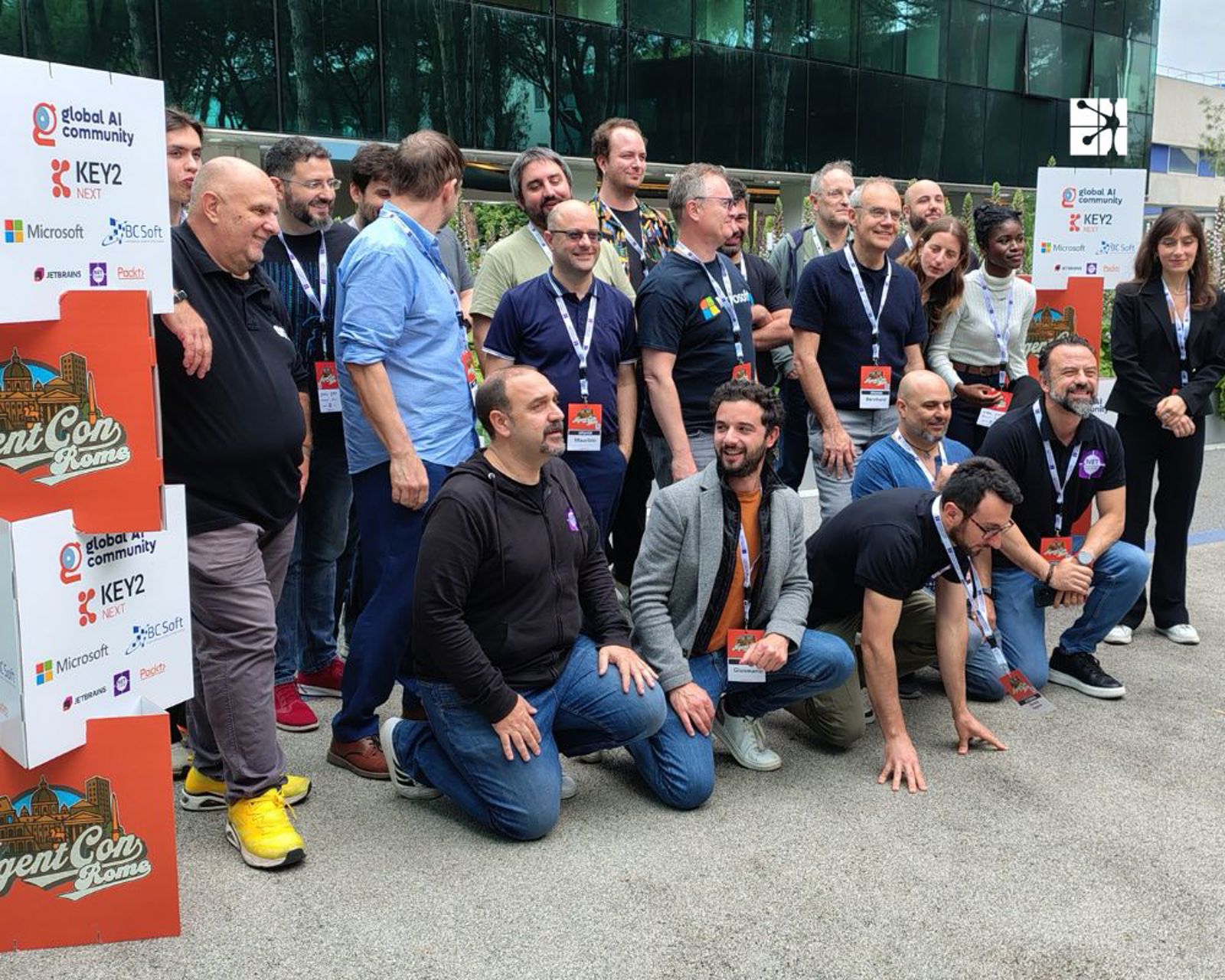
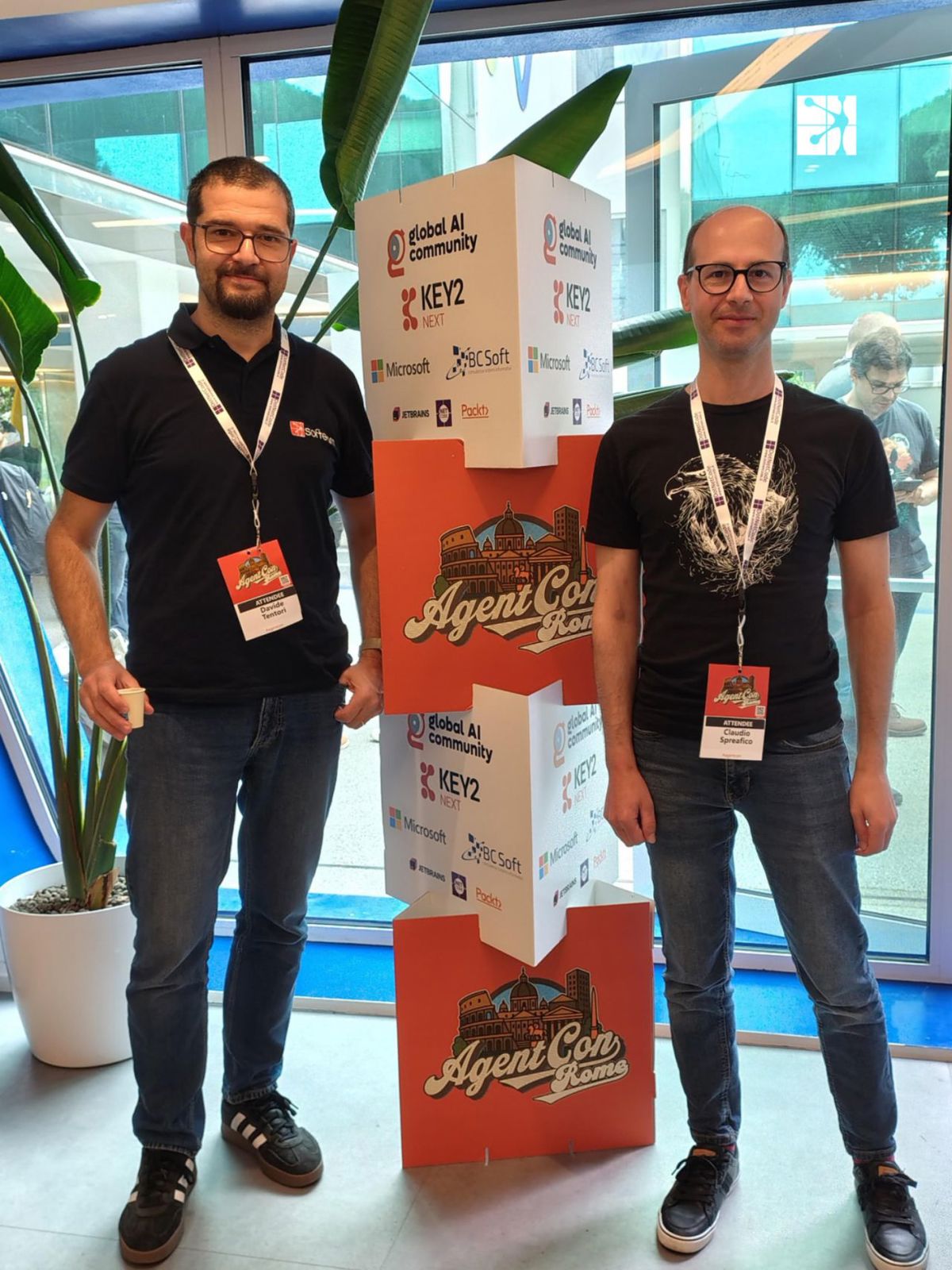
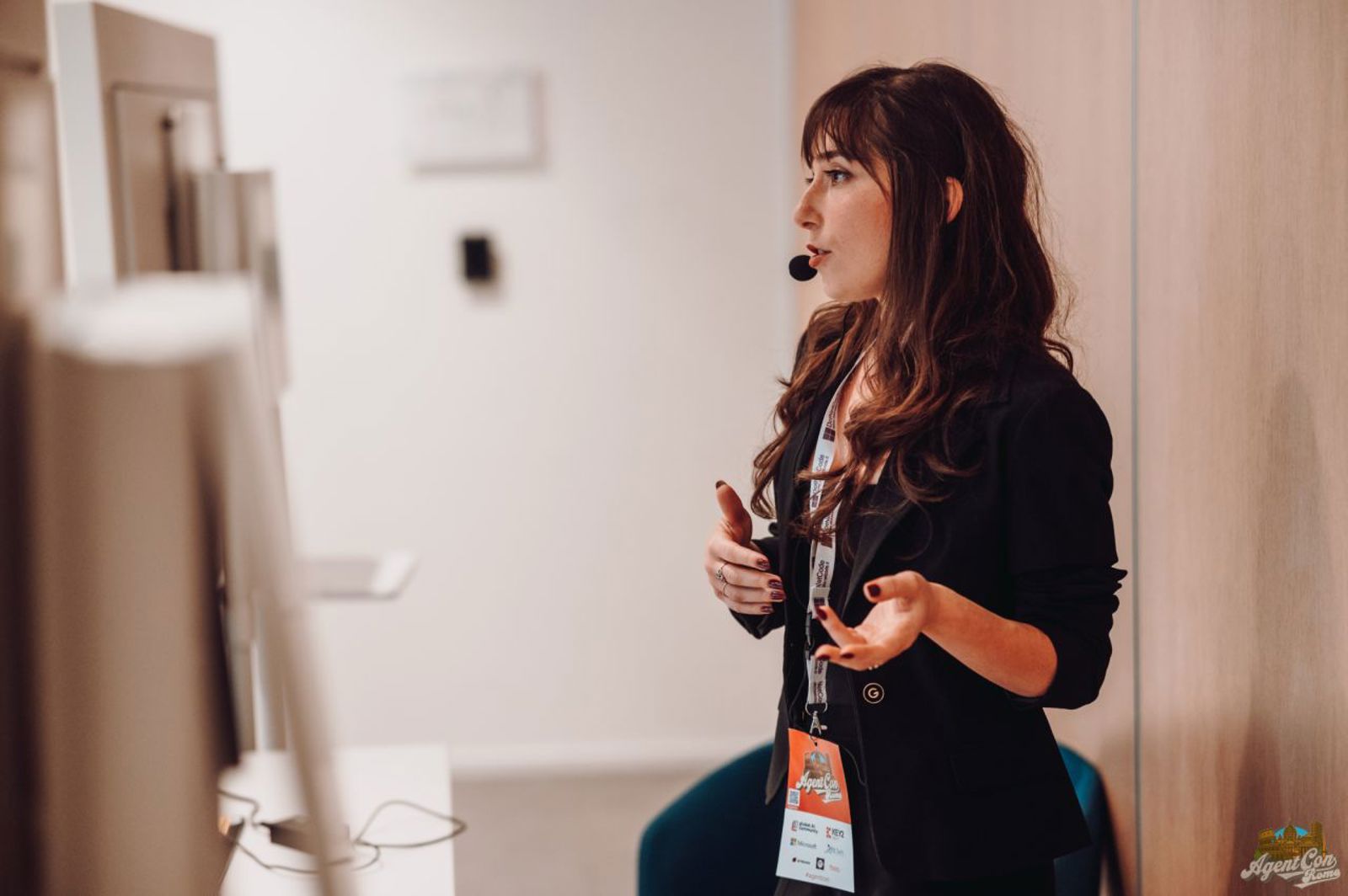
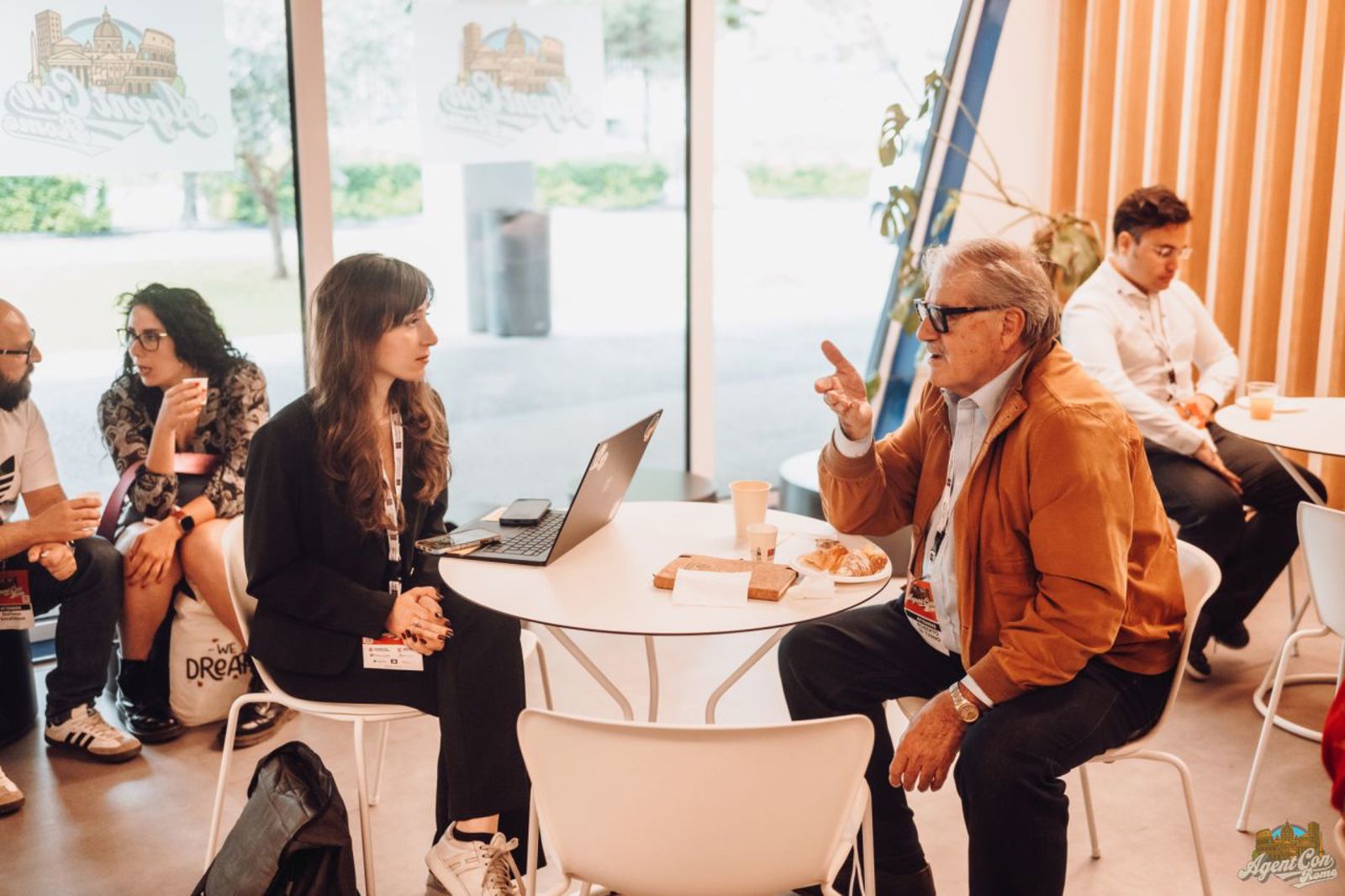
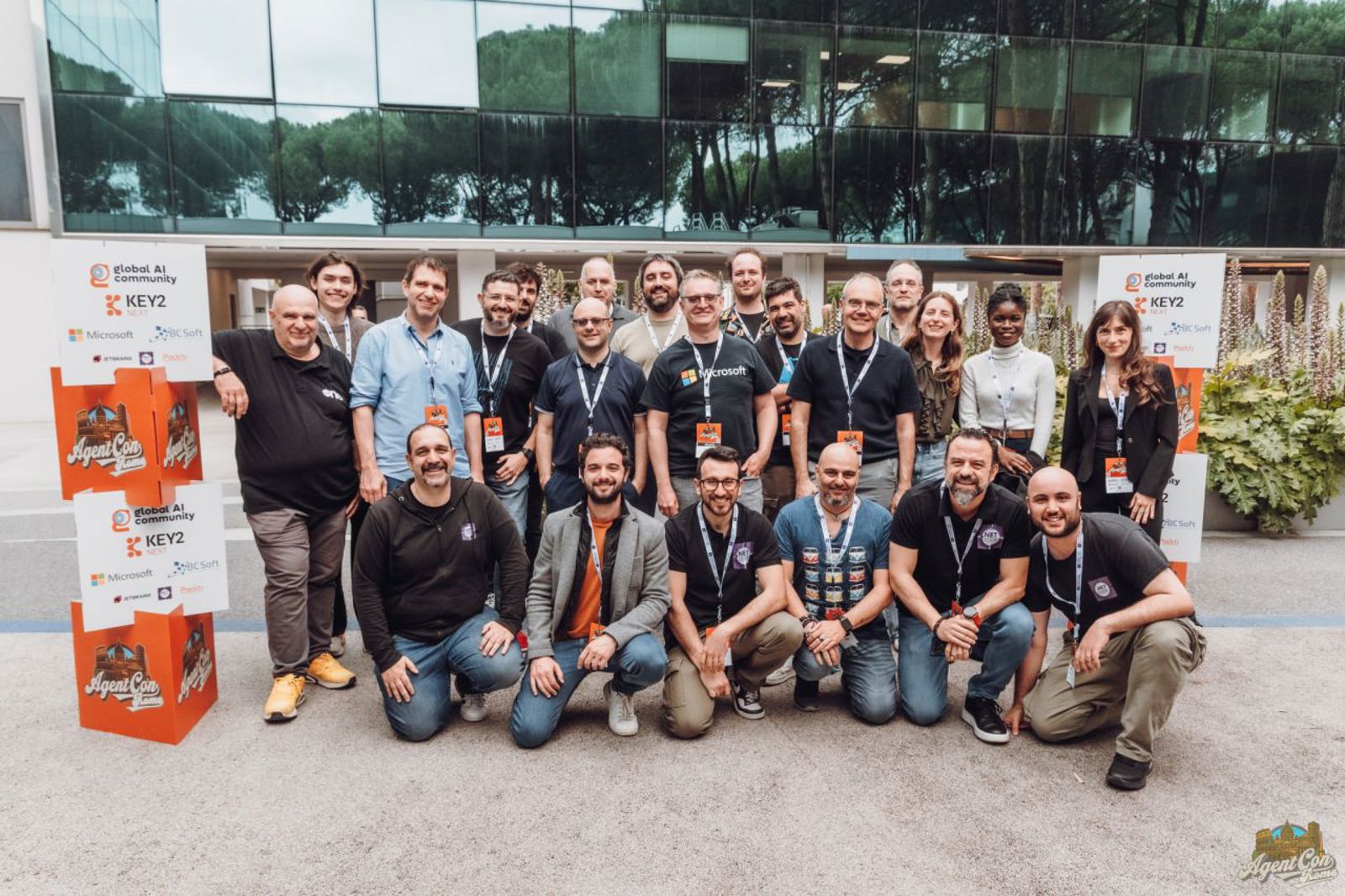
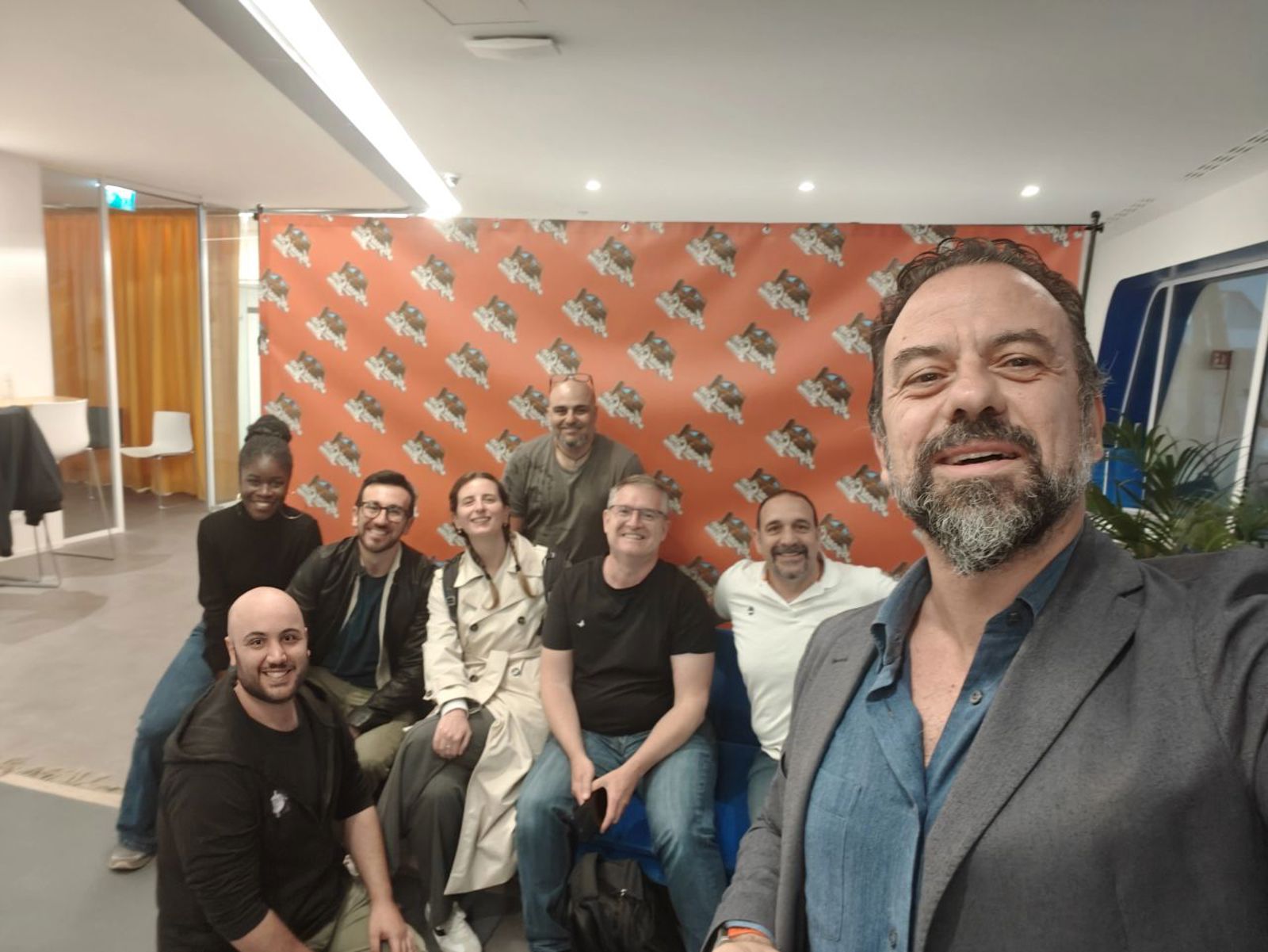
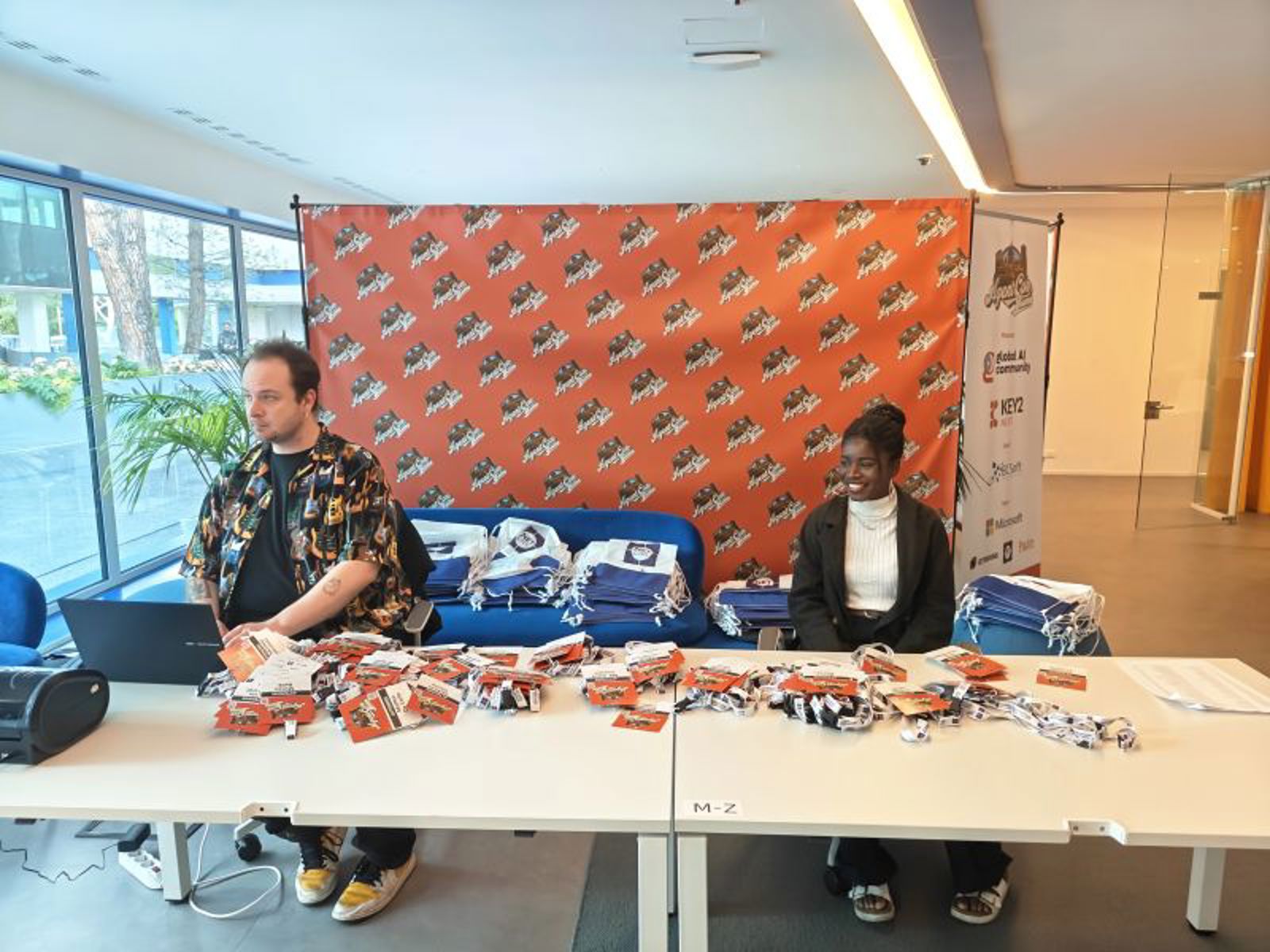
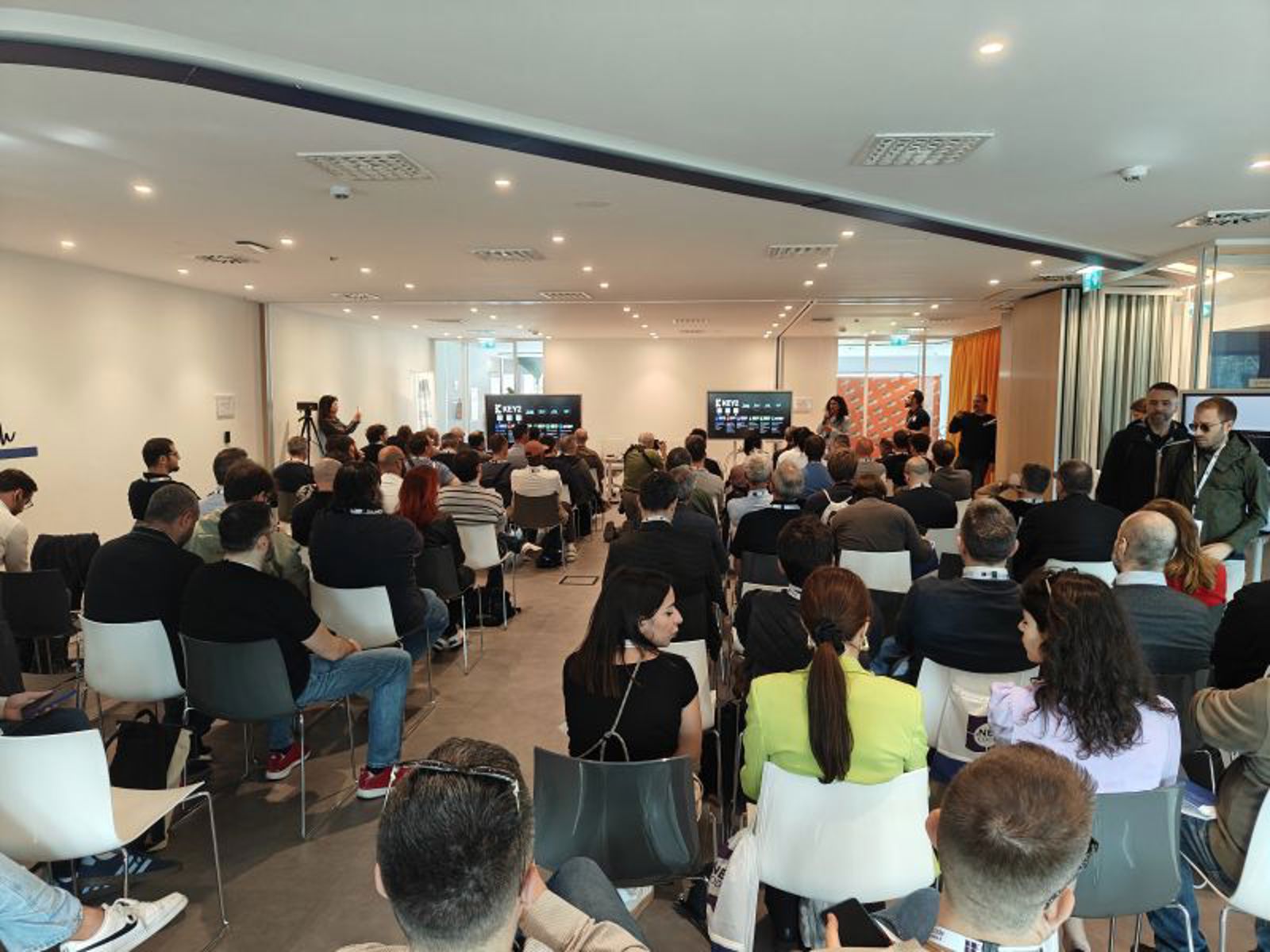
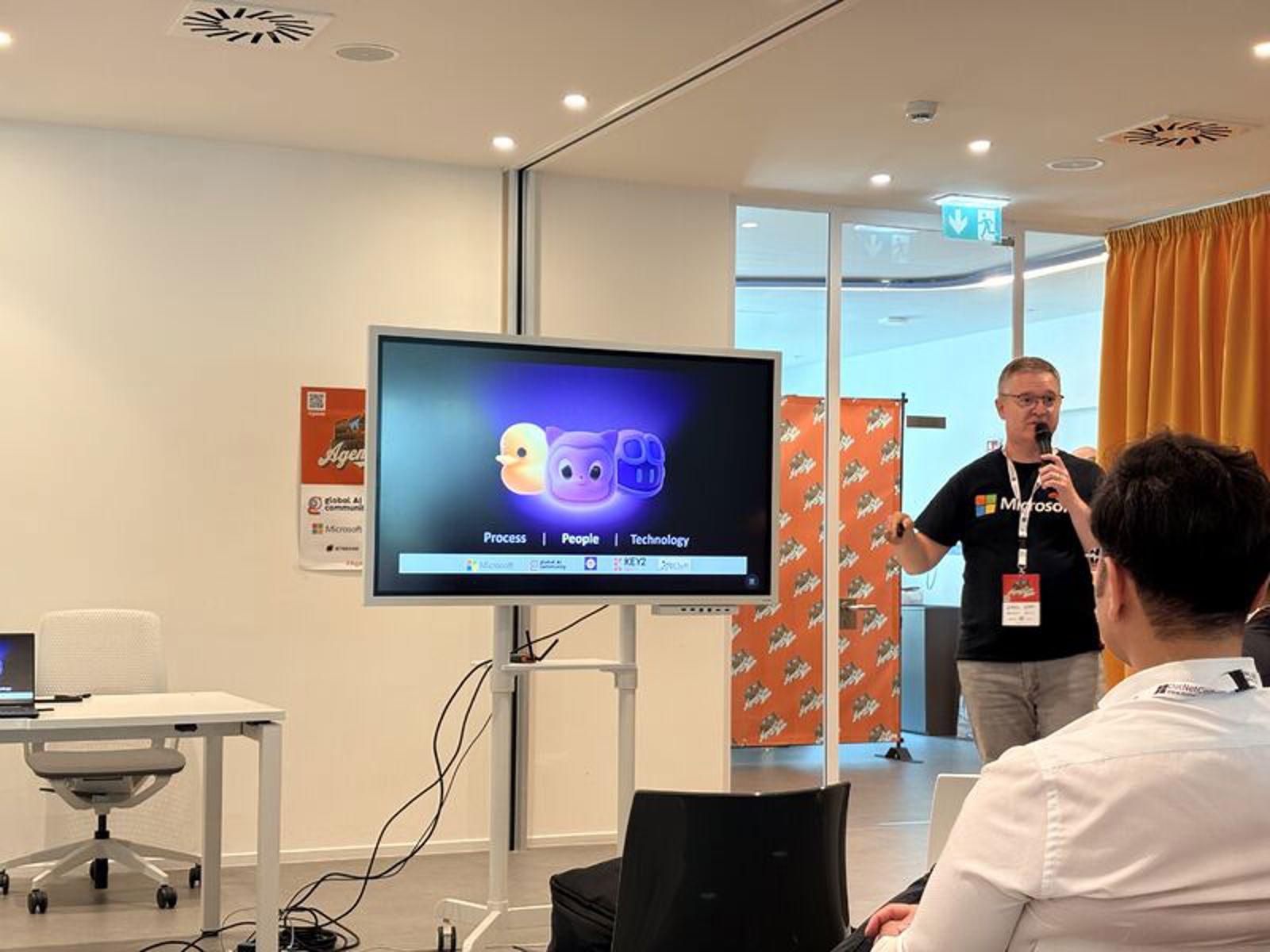
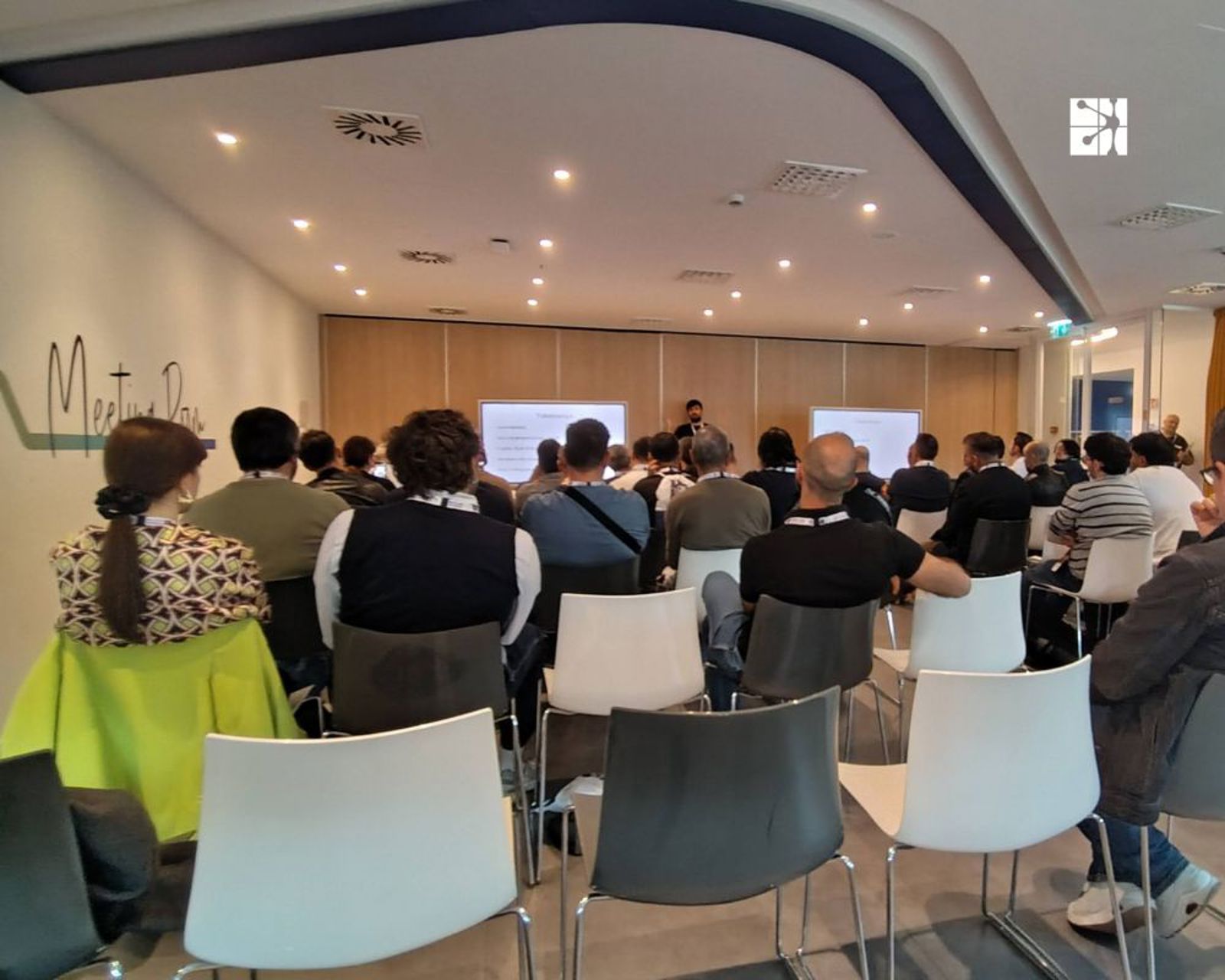
This is how it looked
Made possible by
Made possible by:





Explore AgentCon
AI Agents Developer Conference
AgentCon made possible by: