/Events /AgentCon - New York
AgentCon - New York
This event is part of AgentCon, organized by Global AI New York.
Schedule
About
Join us for the AI Agents World Tour, a global series of one-day conferences designed exclusively for developers building the future with AI agents.
From San Francisco to Singapore, we’re bringing together leading engineers, researchers, and creators to explore the cutting edge of AI agent design, deployment, and integration. Whether you’re building intelligent assistants, autonomous systems, or next-gen developer tools, this event is your fast track to practical knowledge, hands-on demos, and real-world insights.
What to Expect:
- Deep-Dive Talks from AI pioneers and industry leaders
- Technical Workshops on building, deploying, and scaling agents
- Live Demos of powerful open-source frameworks and tools
- Networking with a global community of builders and innovators
This isn't just another AI event — it’s where developers meet to talk about real code.
Ready to build the future?
FAQ
- Registration is closing Friday 6 March
Who's on stage
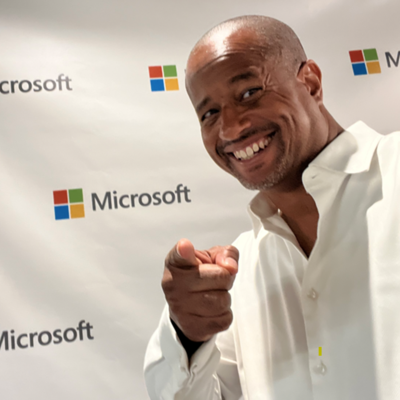
Sean Gayle is a Director & Principal Solutions Engineer at Microsoft, specializing in agentic AI application engineering and multi-agent orchestration on Azure. He works with public sector ISVs, R1 educational institutions, and state governments to architect autonomous AI systems and cloud-native solutions. As an expert in Kubernetes, Azure API Management, Claude Code, and GitHub Copilot, Sean leads customer hackathons and hands-on labs, guiding teams through AI prototyping and application modernization. He regularly presents at Azure readiness sessions and is passionate about empowering developers to harness AI-powered development tools.
Derek has worked in Azure for the last decade, with a focus on AI and cloud computing.

Software Engineer. Multi-published author (turns out fiction writing is really useful in software!). Owner of the fashion brand Prima Dona studios. Aspiring sommelier at Side Hustle Wines. Dyslexic but Dealing. Believer that tech upskilling is the ultimate equalizer. Always ready to get on a plane.

I'm currently a Senior Product Manager at Arize AI, where I focus on ML observability and helping teams build reliable AI systems at scale. My background spans some of the most innovative companies in tech: SpaceX (Mars program & Dragon rockets), Tesla (Mobile App & Virtual Power Plant), and Twitter (Content Moderation at global scale). At Federato, I grew from Engineer to PM, achieving a 1048% DAU increase and driving $150K upsells. I bring technical depth with product intuition. I co-host "The Next Iteration" podcast (top 5% globally), where I interview industry leaders about building better versions of themselves and their work.
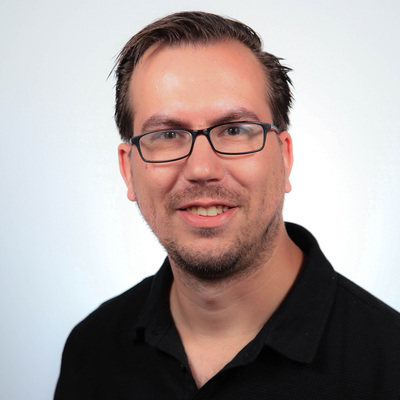
Henk is a Cloud Advocate specializing in Artificial intelligence and Azure with a background in application development. He is currently part of the AI cloud advocate team and based in the Netherlands. Before joining Microsoft, he was a Microsoft AI MVP and worked as a software developer and architect building lots of AI powered platforms on Azure.
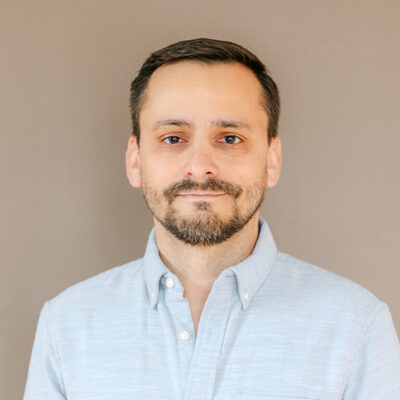
I’m an ex-Developer turned Application Security Engineer currently employed by Proof. After 10 years of building applications, I discovered breaking them could be just as fun.
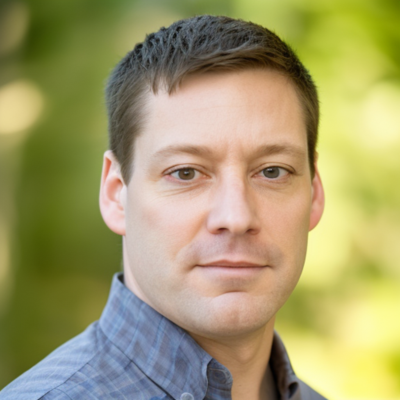
Chris Latimer is the co-founder of Vectorize, where he helps developers and companies to use vector data to build LLM applications. Prior to Vectorize, Chris spent over 20 years working in technology as a software engineer, architect and product manager at companies such as DataStax, Google, NetJets, and Apigee.
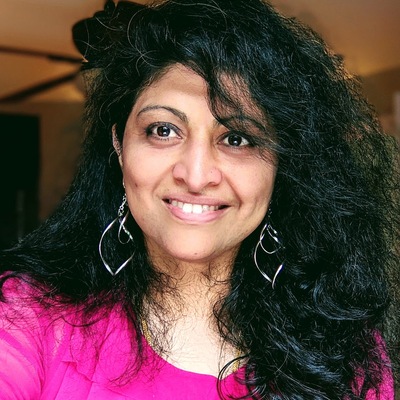
Nitya Narasimhan is a PhD and Polyglot with 25+ years of experience spanning research, engineering and advocacy. She is also an innovator, a community builder, and a visual storyteller whose work has been featured in signature tech conferences, campaigns and executive posts. She is currently a member of the Core AI Developer Relations team at Microsoft where she is "developer 0" for the Microsoft Foundry platform - providing product feedback and building cotnent & samples to help developers do more with AI and Azure. Find her on Linked In (#in/nityan) and GitHub (@nitya).
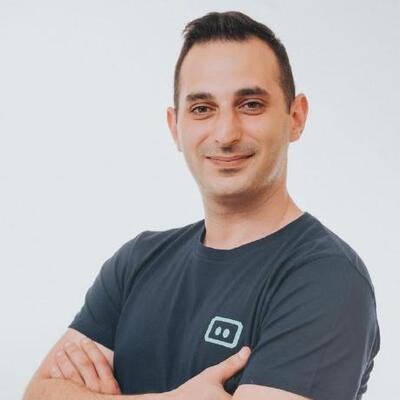
Mickael is a self-taught developer turned DevOps, passionate about automation, innovation, and creative problem-solving. Mickael enjoys challenging himself and experimenting with new technologies and methodologies. Currently, he is working on developing the next-gen K8s troubleshooting platform at Komodor, and doubling as a French cuisine connoisseur.
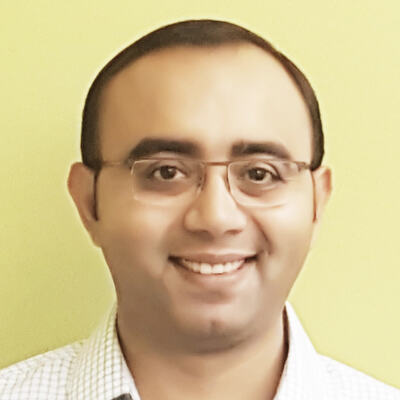
Jafar is a Sr Cloud Solution Architect at Microsoft helping organizations modernize application development through cloud-native architectures, DevOps automation, and scalable Azure solutions. He partners closely with customers—particularly in State and Local Government—to guide the adoption of Azure, modern DevOps practices, developer productivity tooling, and incorporating AI solutions.
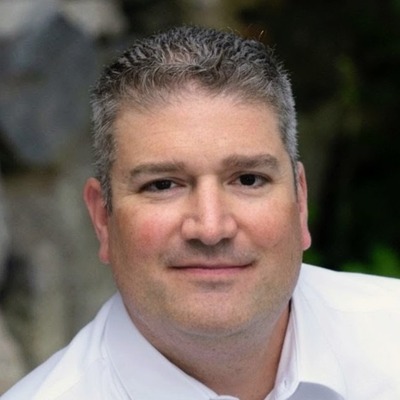
In my current role I am focused on cloud‑native AI and intelligent applications for State & Local Government. I partner with customers to move AI from pilot to production using Azure AI Foundry, scalable Azure platforms, and secure, compliant architectures. Additionally, I have deep expertise in DevOps and automation, helping teams accelerate delivery while improving reliability and security.
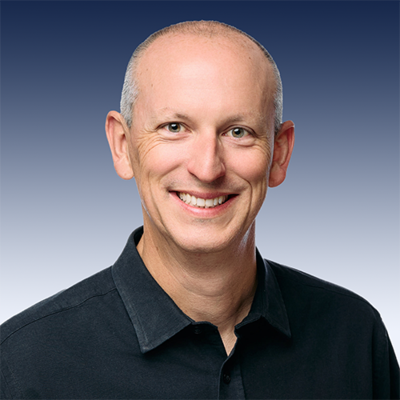
Andrew Connell is a full-stack developer who focuses on Microsoft Azure & Microsoft 365. He's a 21-year recipient of Microsoft's MVP award and has helped thousands of developers through the various courses he's authored & taught. Whether it's an introduction to Microsoft 365 development or a deep dive into specific software, Andrew's mission is to help web developers become experts in the Microsoft 365 ecosystem and irreplaceable in their organization and for their customers. He does this through his company, Voitanos, where he offers courses, articles, videos, tutorials, and coaching.

Vardan Saini is a Machine Learning Engineer and Researcher at the University of Alberta, where he works at the intersection of applied machine learning and AI research. On the research side, his interests include large language models, agentic behavior, alignment, and supervision—studying how autonomous systems drift, optimize unintended objectives, and behave under real-world constraints. On the engineering side, he builds end-to-end AI systems, including custom LLM pipelines, diffusion models, and autonomous agents with evaluation, monitoring, and human-in-the-loop guardrails. He has also collaborated on a no-code platform for creating AI-powered games, focusing on developer experience and accessibility. Rooted in a lifelong habit of hands-on building, his work is driven by making powerful AI systems both reliable and genuinely useful.

Suyi Liu is a Senior Software Engineer at Meta working on large-scale AI search systems. She is the tech lead for evaluation infrastructure across multiple quality dimensions, including freshness, relevance, and authority, for Retrieval-Augmented Generation (RAG) systems powering Meta AI. Previously, she built ranking, personalization, and compliance search systems at Netflix, Bloomberg, and AWS. Her background combines distributed systems, ML-driven ranking, and human-aligned evaluation. She received a Best Paper Award at ASPLOS during her research at Johns Hopkins University.
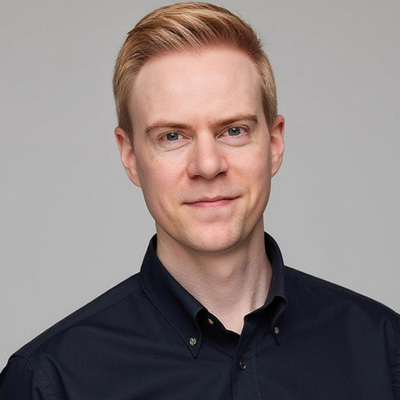
Timothy (SVP @ AvePoint) is a seasoned expert in digital transformation and workplace modernization, specializing in productivity, information management, data governance, and automation. With over 20 years’ experience in helping organizations tame the 'Wild West' of unstructured collaborative information, Timothy has spearheaded modernization initiatives across Australia, Singapore, Japan, and the USA in the Public Sector, Commercial, and everywhere in between. As a recognized thought leader, Timothy actively contributes to industry knowledge through published articles and speaking engagements at events like KMworld, ARMA NOVA, AIIM, 365EduCon, SharePoint Saturday, and more. His dynamic insights and leadership in productivity tools like SharePoint, Teams, and Microsoft 365 leave audiences inspired to leverage collaborative cloud technology for transformative business success. Connect with me here: https://timothyb.com.au/

With over 40 years as a coder, Ryan Hamilton is a senior software engineer on the AI Team at CircleCI, where he participates heavily in research and development efforts to understand how AI is actually transforming software delivery — beyond the hype. Spending most afternoons after school at his father's software store in the early 80's, he started writing code in second grade on an Apple II in BASIC, and has been coding in countless capacities ever since. Now he codes (mostly in English) on M4 MacBook Pros, while conducting extensive interviews with engineering teams navigating the AI revolution. For him, "software delivery" has meant everything from shipping floppy disks in cardboard boxes to watching teams YOLO AI-generated apps into production on vibes — and then (at best) measuring what actually happens. He believes certain timeless SDLC principles remain intact through it all, and that honest conversations about what's working (and what isn't) matter more than another hype cycle.
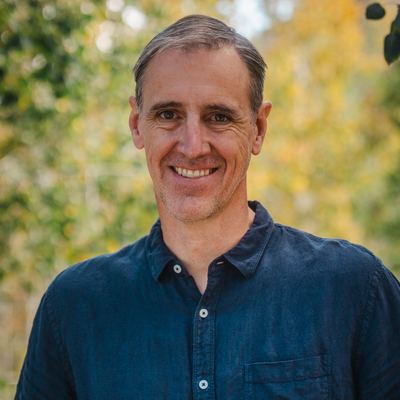
Ryan Knight is a Senior Partner Architect at Neo4j, where he works on enterprise-scale generative AI and graph architectures in collaboration with strategic partners, including Databricks and AWS. His work focuses on designing production-ready solutions that combine large-scale data platforms, graph analytics, and agentic AI systems. Ryan brings over a decade of experience building and advising on distributed systems, data platforms, and AI-driven architectures. Prior to Neo4j, he founded and led a consulting practice focused on helping organizations translate complex technical requirements into scalable, real-world solutions. He has also held senior technical roles at DataStax and Fauna, where he worked directly with customers to architect and implement data-intensive systems across cloud and enterprise environments.
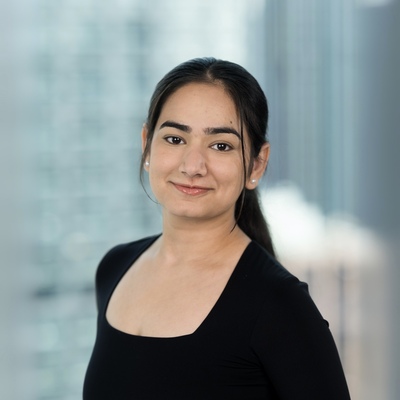
Bhavnoor Kaur is a Software Engineer at Intuit, where she works on building AI-powered features used by thousands of experts. Her work focuses on LLM-based agents, system supervision, and developer experience, with an emphasis on making autonomous systems reliable, observable, and aligned with their intended goals. Through hands-on experience shipping AI assistants end to end, Bhavnoor brings a practical perspective on how agentic systems behave in real-world environments and the safeguards needed to operate them responsibly. She enjoys sharing developer-first insights that bridge cutting-edge AI capabilities with the realities of production systems.
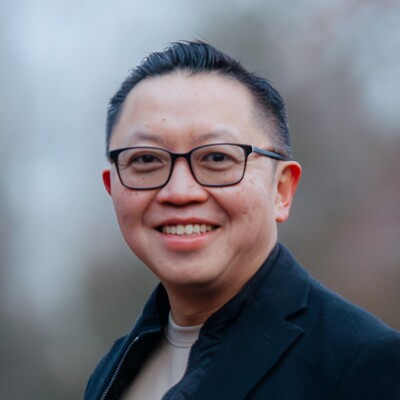
With over 20 years of business and technology experience, Dux has driven organizational transformations worldwide with his ability to simplify complex ideas and deliver relevant solutions. He serves as the Chief Brand Officer of AvePoint who has authored the LinkedIn Learning course How to Build Your Personal Brand, the book SharePoint for Project Management, as well as numerous whitepapers and articles. As a public speaker, Dux has delivered engaging, interactive presentations to more than 25,000 people at leading industry events around the world. He also hosts the modern workplace podcast #ShiftHappens that focuses on how leading organizations navigated their business transformation journey. Dux advocates tirelessly for inclusion, using technology for good, and philanthropic initiatives. Connect with him: http://dux.sy
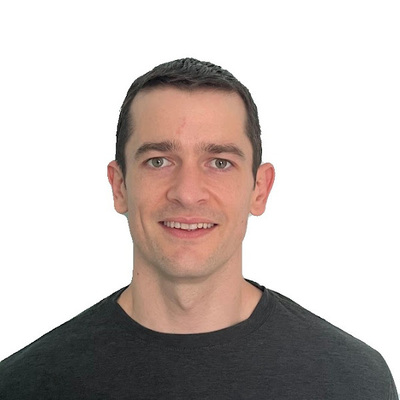
Based in New York City, Taylor is a Cloud Customer Engineer at Google, where they help clients turn AI/ML concepts into real-world solutions. They’ve spent the last 8 years at Google in various data science and analytics roles.

Samantha St-Louis is the VP of AI App Innovation at Atmosera, where she leads enterprise-scale AI and agentic system strategy for global organizations. Her work focuses on designing intelligent, scalable AI architectures that move beyond experimentation into real operational and business impact. With a background spanning cloud architecture, AI engineering, healthcare, and education, Samantha specializes in translating complex AI concepts into clear decision frameworks that executives, architects, and practitioners can actually use. She is known for building systems that connect strategy to execution, whether that means multi-agent orchestration, AI governance, or practical GenAI adoption. As a Microsoft MVP and Microsoft Certified Trainer, Samantha brings a rare blend of hands-on technical depth and compelling communication. Her talks are pragmatic, honest, and grounded in real projects helping organizations avoid AI sprawl and focus on outcomes. Beyond technology, Samantha is a strong advocate for women carving unconventional paths into tech leadership. Her own journey informs her work, her teaching style, and her belief that clarity, structure, and courage matter more than traditional credentials. 1. From AI Pilots to Platforms: Designing Enterprise-Grade Agentic AI 2. AI Literacy for Leaders: Making Confident Decisions in an Imperfect World 3. Better Decisions, Not Better Dashboards: How AI Actually Improves Business Outcomes

As a Developer Advocate at Neo4j, I help developers harness the power of graph technology and AI. A Microsoft MVP and global speaker at events like TED, Microsoft Build, and WeAreDevelopers, I focus on making complex tech accessible through content, community, and hands-on support. My mission is to connect, empower, and inspire developers to build impactful solutions.
Sessions & tracks
Registration
Breakout 1 ·Rise of the AgentBoss: What your job will look like in 2026
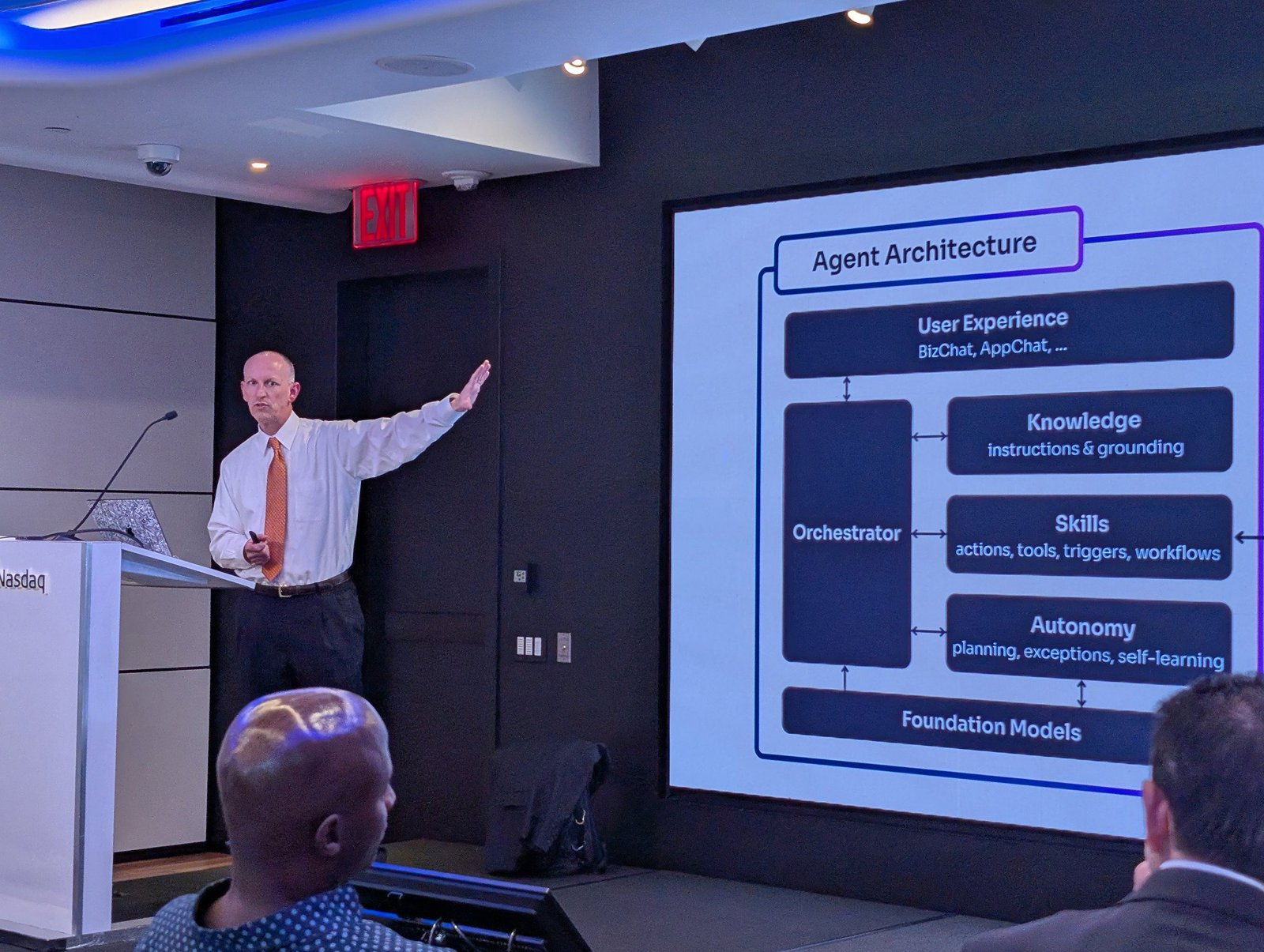
We stand at the edge of a profound shift in artificial intelligence. Over the last five years, generative AI has moved from novelty to necessity—transforming how we create, code, and collaborate. Now, a new frontier is emerging: AI agents. Unlike traditional tools that wait for instructions, agents can perceive, decide, and act toward goals—expanding the boundaries of what humans and machines can achieve together.
In this keynote, we’ll explore the evolution from copilots to fully agentic systems, highlight breakthroughs that are reshaping industries, and imagine the future horizons where autonomous agents redefine productivity, creativity, and discovery. Most importantly, we’ll discuss the role of humans in this new era—not as bystanders, but as leaders guiding how agents operate, align with our values, and amplify our potential.
The Agents of Tomorrow are here—and the future will be built by those bold enough to partner with them.
With over 20 years of business and technology experience, Dux has driven organizational transformations worldwide with his ability to simplify complex ideas and deliver relevant solutions. He serves as the Chief Brand Officer of AvePoint who has authored the LinkedIn Learning course How to Build Your Personal Brand, the book SharePoint for Project Management, as well as numerous whitepapers and articles. As a public speaker, Dux has delivered engaging, interactive presentations to more than 25,000 people at leading industry events around the world. He also hosts the modern workplace podcast #ShiftHappens that focuses on how leading organizations navigated their business transformation journey. Dux advocates tirelessly for inclusion, using technology for good, and philanthropic initiatives. Connect with him: http://dux.sy
Henk is a Cloud Advocate specializing in Artificial intelligence and Azure with a background in application development. He is currently part of the AI cloud advocate team and based in the Netherlands. Before joining Microsoft, he was a Microsoft AI MVP and worked as a software developer and architect building lots of AI powered platforms on Azure.
Software Engineer. Multi-published author (turns out fiction writing is really useful in software!). Owner of the fashion brand Prima Dona studios. Aspiring sommelier at Side Hustle Wines. Dyslexic but Dealing. Believer that tech upskilling is the ultimate equalizer. Always ready to get on a plane.
Coffee break
Breakout 1 ·Agentic Chaos: Why Your Autonomous Agents Need a Supervisor?
Large Language Models are no longer experimental; they’re embedded in products, workflows, and developer tools at an unprecedented scale. As usage explodes, so does a quieter risk: autonomous agents operating without clear oversight, aligned goals, or guardrails.
In this session, we’ll unpack what actually happens when LLM-powered agents are left unsupervised. Drawing parallels to human behaviour, we’ll explore how agents can drift from intended objectives, optimize for the wrong signals, and produce outcomes that are technically correct but practically harmful. We’ll briefly demystify how these models are trained, why they behave the way they do, and what that means when they’re given autonomy in real systems.
We’ll also discuss practical best practices for supervising agentic systems including evaluation, monitoring and human-in-the-loop patterns, so developers can build agents that are powerful and predictable.
Bhavnoor Kaur is a Software Engineer at Intuit, where she works on building AI-powered features used by thousands of experts. Her work focuses on LLM-based agents, system supervision, and developer experience, with an emphasis on making autonomous systems reliable, observable, and aligned with their intended goals. Through hands-on experience shipping AI assistants end to end, Bhavnoor brings a practical perspective on how agentic systems behave in real-world environments and the safeguards needed to operate them responsibly. She enjoys sharing developer-first insights that bridge cutting-edge AI capabilities with the realities of production systems.
Vardan Saini is a Machine Learning Engineer and Researcher at the University of Alberta, where he works at the intersection of applied machine learning and AI research. On the research side, his interests include large language models, agentic behavior, alignment, and supervision—studying how autonomous systems drift, optimize unintended objectives, and behave under real-world constraints. On the engineering side, he builds end-to-end AI systems, including custom LLM pipelines, diffusion models, and autonomous agents with evaluation, monitoring, and human-in-the-loop guardrails. He has also collaborated on a no-code platform for creating AI-powered games, focusing on developer experience and accessibility. Rooted in a lifelong habit of hands-on building, his work is driven by making powerful AI systems both reliable and genuinely useful.
Bringing AI Agents to Life with Microsoft Foundry
AI agents are moving beyond text boxes into real-world interactions — combining models, tools, and avatars to deliver human-like experiences.
In this session, we’ll explore how to build an end-to-end solution with Azure AI Foundry, weaving together model selection, instruction design, and tool integration into a single workflow. As a live scenario, we’ll create an AI agent that can connect with an MCP server — and then bring it to life with a real avatar for natural, conversational interactions. You’ll leave with a clear view of how to turn prompts and models into full-fledged, real-world AI agents.
Henk is a Cloud Advocate specializing in Artificial intelligence and Azure with a background in application development. He is currently part of the AI cloud advocate team and based in the Netherlands. Before joining Microsoft, he was a Microsoft AI MVP and worked as a software developer and architect building lots of AI powered platforms on Azure.
Lunch
Breakout 1 ·Agentic Evaluation and Improvements on the Freshness Quality on Large Scale LLM Rag systems
Retrieval-Augmented Generation (RAG) systems are increasingly deployed to answer time-sensitive, real-world queries such as news, sports, and evolving public information. While retrieval quality and factuality have been widely studied, freshness—whether responses reflect the most up-to-date information available—remains poorly defined, inconsistently measured, and difficult to improve in production systems.
In this talk, I present a practical, end-to-end framework for evaluating and improving freshness in large-scale RAG systems, drawing on real-world experience building freshness measurement and monitoring for Meta AI. I will discuss how we operationalize freshness as a measurable dimension distinct from relevance and factuality, and how we design evaluation methodologies that work across heterogeneous retrieval sources, dynamic content, and non-stationary query distributions.
We will cover: (1) human-aligned freshness guidelines and their failure modes, (2) automated freshness signals and decay-based scoring functions, (3) component-level vs. response-level evaluation trade-offs, and (4) systematic testing strategies for time-sensitive domains such as trending topics and live events. Finally, I will share lessons learned from deploying freshness metrics in production, including how evaluation choices influence model behavior, ranking decisions, and organizational ownership.
This talk aims to provide practitioners with concrete tools, metrics, and mental models for building RAG systems that stay current—not just correct.
Suyi Liu is a Senior Software Engineer at Meta working on large-scale AI search systems. She is the tech lead for evaluation infrastructure across multiple quality dimensions, including freshness, relevance, and authority, for Retrieval-Augmented Generation (RAG) systems powering Meta AI. Previously, she built ranking, personalization, and compliance search systems at Netflix, Bloomberg, and AWS. Her background combines distributed systems, ML-driven ranking, and human-aligned evaluation. She received a Best Paper Award at ASPLOS during her research at Johns Hopkins University.
Building a Self-Improving Security Loop for AI Agents with Automated Red Teaming
Abstract As AI agents move from prototypes to production, security is no longer optional -- it's table stakes. But manually probing agents for vulnerabilities doesn't scale, and most teams ship with blind spots around violence, bias, sexual content, and self-harm attack vectors.
This talk presents a practical, end-to-end workflow for continuously hardening AI agents using Microsoft's AI Red Teaming Agent (Azure AI Foundry) paired with observability-driven prompt optimization. Attendees will see how to:
Automate adversarial attacks against their agents across four critical risk categories using Microsoft's red teaming agent -- no manual prompt crafting required. Capture and evaluate attack traces in real time with observability tooling, using LLM-as-a-Judge to programmatically score agent safety. Extract failure cases into datasets and feed them into a prompt-learning loop that automatically rewrites system prompts to close security gaps. Validate improvements quantitatively -- we'll walk through a live example that took an agent from a 20% safety score to 100% against the same attack suite. This is not a theoretical talk. We'll live-code the integration, show the Python implementation, and leave attendees with a repeatable playbook they can apply to their own agents the same week.
Key Takeaways How to set up Microsoft's AI Red Teaming Agent to stress-test any LLM-backed agent A concrete pattern for closing the loop between red teaming, observability, and prompt hardening Real metrics: from 20% to 100% safety score through automated prompt optimization Open, reproducible code attendees can take home and run Target Audience Developers and engineering leads building, deploying, or scaling AI agents who want a practical security workflow -- not just a checklist.
Talk Format Deep-dive technical talk (30-40 minutes), can be adapted to a shorter format or extended with a live workshop component.
Technologies Covered Microsoft Azure AI Foundry (Red Teaming Agent) Arize AX (Observability & Evaluation) OpenAI GPT-4o-mini (target LLM) LLM-as-a-Judge evaluation patterns Prompt optimization / prompt learning
Based on: How To Improve AI Agent Security with Microsoft's AI Red Teaming Agent in Microsoft Foundry by Richard Young
I'm currently a Senior Product Manager at Arize AI, where I focus on ML observability and helping teams build reliable AI systems at scale. My background spans some of the most innovative companies in tech: SpaceX (Mars program & Dragon rockets), Tesla (Mobile App & Virtual Power Plant), and Twitter (Content Moderation at global scale). At Federato, I grew from Engineer to PM, achieving a 1048% DAU increase and driving $150K upsells. I bring technical depth with product intuition. I co-host "The Next Iteration" podcast (top 5% globally), where I interview industry leaders about building better versions of themselves and their work.
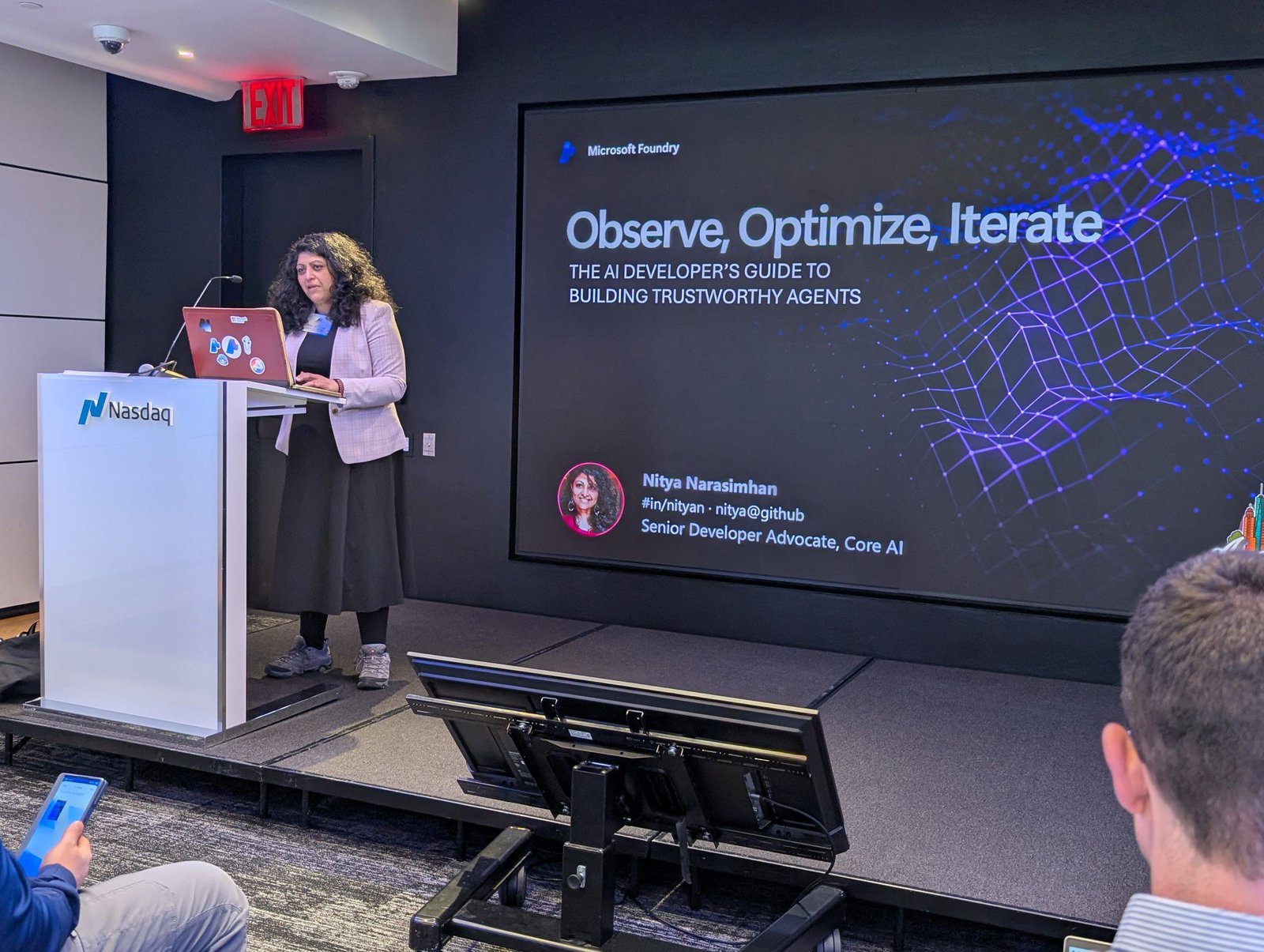
Observe, Optimize & Iterate - The AI Developer's Guide To Building Trustworthy Agents
You're asked to build a multi-agent solution that meets specific quality, cost and safety requirements. You have 10K+ models to choose from and no existing datasets for customization or evaluation. What do you do?
In this talk, we'll use a agentic AI enterprise scenario as context to walk through the end-to-end developer journey from model discovery to agent operationalization. Walk away with a better intuition for the tradeoffs required, and the tools & techniques you can use, to build more effective AI solutions end-to-end on Microsoft Foundry.
Nitya Narasimhan is a PhD and Polyglot with 25+ years of experience spanning research, engineering and advocacy. She is also an innovator, a community builder, and a visual storyteller whose work has been featured in signature tech conferences, campaigns and executive posts. She is currently a member of the Core AI Developer Relations team at Microsoft where she is "developer 0" for the Microsoft Foundry platform - providing product feedback and building cotnent & samples to help developers do more with AI and Azure. Find her on Linked In (#in/nityan) and GitHub (@nitya).
Break
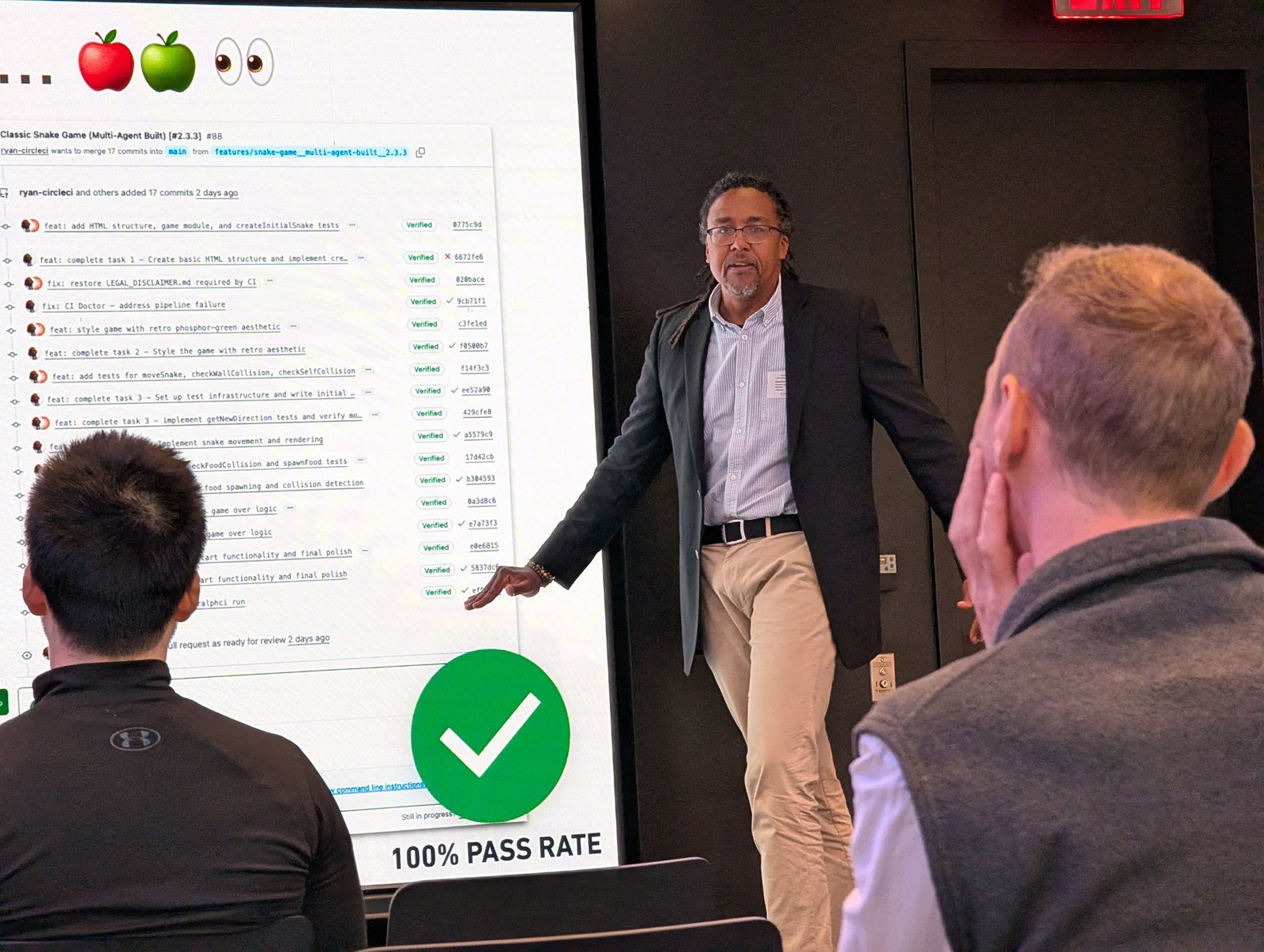
Breakout 1 ·CI in the Loop — What 10 Experiments Taught Us About AI Agent Reliability
AI coding agents are getting faster at writing code. But faster doesn't mean safer. When an agent declares "all tests pass" and you ship to production, what's actually been verified? We ran 10 controlled experiments — 5 with CI pipeline integration, 5 without — and the results were stark: 80% of non-CI-aware agent runs shipped code that failed the pipeline. The agents thought they were done. They weren't.
This talk introduces RalphCI, an open-source CLI that closes the gap between "local tests pass" and "production-ready" by giving AI agents a real-time feedback loop with CircleCI. We'll walk through the experiment design, the data, the resultant PRs, and what it means for the future of AI-assisted software delivery.
With over 40 years as a coder, Ryan Hamilton is a senior software engineer on the AI Team at CircleCI, where he participates heavily in research and development efforts to understand how AI is actually transforming software delivery — beyond the hype. Spending most afternoons after school at his father's software store in the early 80's, he started writing code in second grade on an Apple II in BASIC, and has been coding in countless capacities ever since. Now he codes (mostly in English) on M4 MacBook Pros, while conducting extensive interviews with engineering teams navigating the AI revolution. For him, "software delivery" has meant everything from shipping floppy disks in cardboard boxes to watching teams YOLO AI-generated apps into production on vibes — and then (at best) measuring what actually happens. He believes certain timeless SDLC principles remain intact through it all, and that honest conversations about what's working (and what isn't) matter more than another hype cycle.
Better Decisions, Not Better Dashboards: How AI Actually Improves Business Outcomes
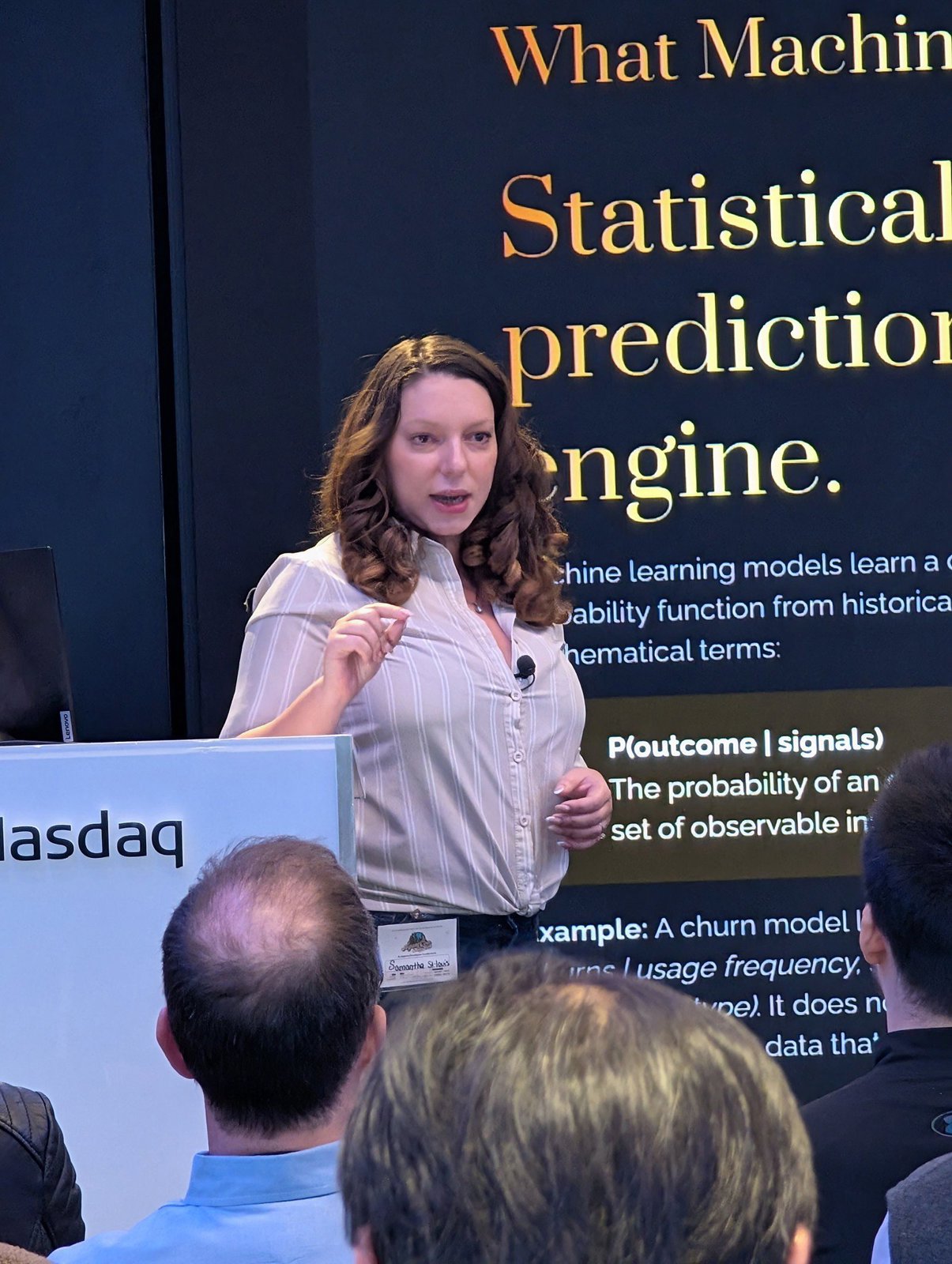
AI does not create value by producing better dashboards -> it creates value by improving decisions.
In this session, Samantha reframes how organizations should think about AI by shifting the focus from reporting and automation to decision intelligence. Drawing on machine learning fundamentals and real business use cases, she shows how AI can reduce uncertainty, surface trade-offs, and protect revenue even when data is incomplete, messy, or imperfect.
We’ll explore why waiting for “perfect data” is often a strategic mistake, how looking backward and forward simultaneously improves resilience during change, and where many AI initiatives quietly fail to influence action. This talk bridges the gap between technical capability and executive decision-making, helping leaders understand where AI actually moves the needle.
This session is designed for organizations that want measurable outcomes, not innovation theater.
Samantha St-Louis is the VP of AI App Innovation at Atmosera, where she leads enterprise-scale AI and agentic system strategy for global organizations. Her work focuses on designing intelligent, scalable AI architectures that move beyond experimentation into real operational and business impact. With a background spanning cloud architecture, AI engineering, healthcare, and education, Samantha specializes in translating complex AI concepts into clear decision frameworks that executives, architects, and practitioners can actually use. She is known for building systems that connect strategy to execution, whether that means multi-agent orchestration, AI governance, or practical GenAI adoption. As a Microsoft MVP and Microsoft Certified Trainer, Samantha brings a rare blend of hands-on technical depth and compelling communication. Her talks are pragmatic, honest, and grounded in real projects helping organizations avoid AI sprawl and focus on outcomes. Beyond technology, Samantha is a strong advocate for women carving unconventional paths into tech leadership. Her own journey informs her work, her teaching style, and her belief that clarity, structure, and courage matter more than traditional credentials. 1. From AI Pilots to Platforms: Designing Enterprise-Grade Agentic AI 2. AI Literacy for Leaders: Making Confident Decisions in an Imperfect World 3. Better Decisions, Not Better Dashboards: How AI Actually Improves Business Outcomes
Networking
Registration
Breakout 2 ·Rise of the AgentBoss: What your job will look like in 2026
We stand at the edge of a profound shift in artificial intelligence. Over the last five years, generative AI has moved from novelty to necessity—transforming how we create, code, and collaborate. Now, a new frontier is emerging: AI agents. Unlike traditional tools that wait for instructions, agents can perceive, decide, and act toward goals—expanding the boundaries of what humans and machines can achieve together.
In this keynote, we’ll explore the evolution from copilots to fully agentic systems, highlight breakthroughs that are reshaping industries, and imagine the future horizons where autonomous agents redefine productivity, creativity, and discovery. Most importantly, we’ll discuss the role of humans in this new era—not as bystanders, but as leaders guiding how agents operate, align with our values, and amplify our potential.
The Agents of Tomorrow are here—and the future will be built by those bold enough to partner with them.
With over 20 years of business and technology experience, Dux has driven organizational transformations worldwide with his ability to simplify complex ideas and deliver relevant solutions. He serves as the Chief Brand Officer of AvePoint who has authored the LinkedIn Learning course How to Build Your Personal Brand, the book SharePoint for Project Management, as well as numerous whitepapers and articles. As a public speaker, Dux has delivered engaging, interactive presentations to more than 25,000 people at leading industry events around the world. He also hosts the modern workplace podcast #ShiftHappens that focuses on how leading organizations navigated their business transformation journey. Dux advocates tirelessly for inclusion, using technology for good, and philanthropic initiatives. Connect with him: http://dux.sy
Henk is a Cloud Advocate specializing in Artificial intelligence and Azure with a background in application development. He is currently part of the AI cloud advocate team and based in the Netherlands. Before joining Microsoft, he was a Microsoft AI MVP and worked as a software developer and architect building lots of AI powered platforms on Azure.
Software Engineer. Multi-published author (turns out fiction writing is really useful in software!). Owner of the fashion brand Prima Dona studios. Aspiring sommelier at Side Hustle Wines. Dyslexic but Dealing. Believer that tech upskilling is the ultimate equalizer. Always ready to get on a plane.
Coffee break
Breakout 2 ·Why AI Agents Love Knowledge Graphs?
AI agents are moving beyond simple prompt–response interactions toward architectures that reason over connected data. This session explores how Aura Agents leverage knowledge graphs to ground agent workflows in structured relationships, improving context integration, reasoning transparency, and response consistency. You’ll also see how Neo4j MCP tools enable agents to query graph data directly within their reasoning loop, turning connected data into an active cognition layer. Key takeaways include practical patterns for integrating graph-native context, using MCP-based tooling with agents, and building more reliable, context-aware AI systems that evolve beyond stateless interactions.
As a Developer Advocate at Neo4j, I help developers harness the power of graph technology and AI. A Microsoft MVP and global speaker at events like TED, Microsoft Build, and WeAreDevelopers, I focus on making complex tech accessible through content, community, and hands-on support. My mission is to connect, empower, and inspire developers to build impactful solutions.
Ryan Knight is a Senior Partner Architect at Neo4j, where he works on enterprise-scale generative AI and graph architectures in collaboration with strategic partners, including Databricks and AWS. His work focuses on designing production-ready solutions that combine large-scale data platforms, graph analytics, and agentic AI systems. Ryan brings over a decade of experience building and advising on distributed systems, data platforms, and AI-driven architectures. Prior to Neo4j, he founded and led a consulting practice focused on helping organizations translate complex technical requirements into scalable, real-world solutions. He has also held senior technical roles at DataStax and Fauna, where he worked directly with customers to architect and implement data-intensive systems across cloud and enterprise environments.
Knowledge Agents in Action: Frontier File Management
Turn a messy document dumping ground in M365 into a high‑value, Copilot‑ready knowledge goldmine. In this live, hands‑on workshop, we’ll walk through a real‑world scenario using a Knowledge Agent to transform an unstructured SharePoint document library — classifying content, fixing metadata at scale, generating dynamic views, and automating workflows. You’ll see how natural language and AI turn 'content chaos' into a Frontier Firm advantage.
Timothy (SVP @ AvePoint) is a seasoned expert in digital transformation and workplace modernization, specializing in productivity, information management, data governance, and automation. With over 20 years’ experience in helping organizations tame the 'Wild West' of unstructured collaborative information, Timothy has spearheaded modernization initiatives across Australia, Singapore, Japan, and the USA in the Public Sector, Commercial, and everywhere in between. As a recognized thought leader, Timothy actively contributes to industry knowledge through published articles and speaking engagements at events like KMworld, ARMA NOVA, AIIM, 365EduCon, SharePoint Saturday, and more. His dynamic insights and leadership in productivity tools like SharePoint, Teams, and Microsoft 365 leave audiences inspired to leverage collaborative cloud technology for transformative business success. Connect with me here: https://timothyb.com.au/
Lunch
Breakout 2 ·RAG is Dead. Long Live Agent Memory.
RAG solved a problem: how to ground LLMs in in external knowledge. This was useful for basic chatbots. But in a world where we want autonomous agents to solve business problems, RAG fundamentally doesn't fit.
Agent memory systems are emerging as the new standard in AI architectures to solve problems like inconsistency, context rot, and hallucinations.
In this talk, we'll identify the root causes of these problems and explain how agent memory allows you to build robust, accurate agents that learn over time.
We'll do a deep dive into Hindsight, the first open source agent memory system to ever achieve over 90% on long memory evaluation benchmarks. We'll explore how biomimetic data structures are used to produce agent memory that works more like human memory - and how these capabilities help you deliver agents you can trust in production.
Chris Latimer is the co-founder of Vectorize, where he helps developers and companies to use vector data to build LLM applications. Prior to Vectorize, Chris spent over 20 years working in technology as a software engineer, architect and product manager at companies such as DataStax, Google, NetJets, and Apigee.
Taming the AppSec Data Deluge
Application Security engineers face a critical challenge: information overload from disparate security tools create “decision paralysis”. How do you balance design reviews, threat modeling, code reviews, monitoring alerts and managing your bug bounty program in an intentional instead of ad-hoc or reactive way?
This presentation demonstrates a novel approach using AI agents combined with Model Context Protocol (MCP) servers to automate work discovery and prioritize intelligently. Through practical examples, I'll show how Claude Code integrates with existing enterprise infrastructure—including issue tracking systems, content management platforms, Cloud Security Posture Management (CSPM) tools, and version control systems—to create an autonomous triage and prioritization engine.
You'll see how AI agents can pull together security data from all your different tools, figure out what actually matters based on your business context and threat intel, and spit out a prioritized to-do list that makes sense. I'll walk through real examples showing how this approach cuts down remediation times and helps you cover more ground with the same resources.
I’m an ex-Developer turned Application Security Engineer currently employed by Proof. After 10 years of building applications, I discovered breaking them could be just as fun.
Expanding Agent Capabilities: Connecting Google ADK to the World
This workshop is a deep dive into the "Tool Use" (Function Calling) layer of the Google Agent Development Kit (ADK). While building an agent is the first step, the real power lies in its ability to interact with the real world. We will explore how to transition an agent from a simple conversationalist to a powerful assistant capable of executing code, browsing the live web, and interfacing with specialized external systems.
Based in New York City, Taylor is a Cloud Customer Engineer at Google, where they help clients turn AI/ML concepts into real-world solutions. They’ve spent the last 8 years at Google in various data science and analytics roles.
Break
Breakout 2 ·How to Build Quality-Driven Agentic AI in Noisy Big Data Environments
Building reliable agentic AI systems in production environments presents unique challenges when dealing with massive, noisy datasets. This talk shares hard-won lessons from developing Klaudia, Komodor's AI agent that processes millions of Kubernetes events daily to deliver autonomous troubleshooting with 95%+ accuracy.
The fundamental challenge isn't LLM capability—it's building systems that maintain reliability when 90% of your data is noise. We'll explore why most agentic AI fails in production: hallucinations masquerading as insights, inability to validate reasoning chains, and the brittle nature of RAG systems when dealing with complex, interconnected failure modes.
This session covers practical know-how learned through painful production iterations: how to build validation frameworks that catch LLM errors before they reach users, architectural patterns for constraining problem spaces without losing effectiveness, and techniques for creating evidence-based reasoning that can be audited and improved systematically.
You'll learn specific strategies for LLM validation in high-stakes environments, including confidence scoring systems, multi-agent verification patterns, and iterative investigation loops that prevent runaway reasoning. We'll cover the hard-earned lessons about what works and what spectacularly fails when building trustworthy AI agents that must deliver accurate results rather than plausible-sounding explanations.
Mickael is a self-taught developer turned DevOps, passionate about automation, innovation, and creative problem-solving. Mickael enjoys challenging himself and experimenting with new technologies and methodologies. Currently, he is working on developing the next-gen K8s troubleshooting platform at Komodor, and doubling as a French cuisine connoisseur.
Evaluate your M365 Copilot Agent options: SharePoint, Agent Builder, Copilot Studio, etc.
You've rolled out Microsoft 365 Copilot, and now your organization has entered the AI revolution.
Mission accomplished! ... or is it?
Out of the box, Microsoft 365 Copilot only has access to the underlying LLM's baseline knowledge and some content in your Microsoft 365 tenant.
But most companies have valuable data outside Microsoft 365—manuals, standard operating procedures, policies, inventory systems, ERPs, CRMs, sales data, and more! How can you connect Copilot to these resources? Custom agents are the answer.
But, how do you choose between your agent options: SharePoint Agents, Agent Builder, Copilot Studio, or Declarative Agents with the M365 Agents Toolkit (ATK)?
You’ll attend this session and leave armed knowing the differences between these two options and which one makes the most sense for your organization!
Andrew Connell is a full-stack developer who focuses on Microsoft Azure & Microsoft 365. He's a 21-year recipient of Microsoft's MVP award and has helped thousands of developers through the various courses he's authored & taught. Whether it's an introduction to Microsoft 365 development or a deep dive into specific software, Andrew's mission is to help web developers become experts in the Microsoft 365 ecosystem and irreplaceable in their organization and for their customers. He does this through his company, Voitanos, where he offers courses, articles, videos, tutorials, and coaching.
Networking
Registration
Microsoft Workshops ·Rise of the AgentBoss: What your job will look like in 2026
We stand at the edge of a profound shift in artificial intelligence. Over the last five years, generative AI has moved from novelty to necessity—transforming how we create, code, and collaborate. Now, a new frontier is emerging: AI agents. Unlike traditional tools that wait for instructions, agents can perceive, decide, and act toward goals—expanding the boundaries of what humans and machines can achieve together.
In this keynote, we’ll explore the evolution from copilots to fully agentic systems, highlight breakthroughs that are reshaping industries, and imagine the future horizons where autonomous agents redefine productivity, creativity, and discovery. Most importantly, we’ll discuss the role of humans in this new era—not as bystanders, but as leaders guiding how agents operate, align with our values, and amplify our potential.
The Agents of Tomorrow are here—and the future will be built by those bold enough to partner with them.
With over 20 years of business and technology experience, Dux has driven organizational transformations worldwide with his ability to simplify complex ideas and deliver relevant solutions. He serves as the Chief Brand Officer of AvePoint who has authored the LinkedIn Learning course How to Build Your Personal Brand, the book SharePoint for Project Management, as well as numerous whitepapers and articles. As a public speaker, Dux has delivered engaging, interactive presentations to more than 25,000 people at leading industry events around the world. He also hosts the modern workplace podcast #ShiftHappens that focuses on how leading organizations navigated their business transformation journey. Dux advocates tirelessly for inclusion, using technology for good, and philanthropic initiatives. Connect with him: http://dux.sy
Henk is a Cloud Advocate specializing in Artificial intelligence and Azure with a background in application development. He is currently part of the AI cloud advocate team and based in the Netherlands. Before joining Microsoft, he was a Microsoft AI MVP and worked as a software developer and architect building lots of AI powered platforms on Azure.
Software Engineer. Multi-published author (turns out fiction writing is really useful in software!). Owner of the fashion brand Prima Dona studios. Aspiring sommelier at Side Hustle Wines. Dyslexic but Dealing. Believer that tech upskilling is the ultimate equalizer. Always ready to get on a plane.
Coffee break
Microsoft Workshops ·Integrate Azure OpenAI Into Your App
In this hands-on lab, you will explore how to harness the power of Azure OpenAI Service to build intelligent applications like chatbots and custom language models that understand and respond to natural human language. Designed for developers, AI engineers, and solution architects, this lab empowers you to work with pre-trained models, leverage APIs, and experiment with prompts to create meaningful AI solutions.
By the end of this lab, you will be equipped to apply these capabilities in real-world scenarios, such as enhancing customer service or automating content generation.
Topics Covered:
- Introduction to Azure OpenAI Service
- Utilizing APIs and T ools
- Introduction to Generative AI
In my current role I am focused on cloud‑native AI and intelligent applications for State & Local Government. I partner with customers to move AI from pilot to production using Azure AI Foundry, scalable Azure platforms, and secure, compliant architectures. Additionally, I have deep expertise in DevOps and automation, helping teams accelerate delivery while improving reliability and security.
Lunch
Microsoft Workshops ·Code Suggestions with GitHub Copilot in Codespace using VS Code
In this hands-on lab, you explore how GitHub Copilot enhances modern development workflows by offering real-time code suggestions across popular languages like Python, JavaScript, C#, and more. Designed for developers, software engineers, and technical teams, this experience empowers you to write cleaner code, reduce repetitive tasks, and focus on solving real problems. By the end of this lab, you will be equipped to integrate AI assistance into your projects and accelerate coding with greater efficiency and precision.
Topics Covered:
- Introduction to GitHub Copilot
- Setting Up GitHub Copilot
- Language-Specific Features
Sean Gayle is a Director & Principal Solutions Engineer at Microsoft, specializing in agentic AI application engineering and multi-agent orchestration on Azure. He works with public sector ISVs, R1 educational institutions, and state governments to architect autonomous AI systems and cloud-native solutions. As an expert in Kubernetes, Azure API Management, Claude Code, and GitHub Copilot, Sean leads customer hackathons and hands-on labs, guiding teams through AI prototyping and application modernization. He regularly presents at Azure readiness sessions and is passionate about empowering developers to harness AI-powered development tools.
Build Custom Copilot Application using Microsoft Foundry
In this hands-on lab, you run Chat Copilot locally by connecting it with your Azure OpenAI Service values, setting up dependencies, and launching the app from the GitHub repository. You interact with the Copilot using your own uploaded documents, receiving responses grounded in context and backed by citations. Designed for developers, AI enthusiasts, and solution architects, this lab empowers you to explore how generative AI can be tailored to real use cases like customer support or knowledge retrieval. By the end of this lab, you will be ready to integrate and extend Chat Copilot for your own scenarios.
Topics Covered:
- Custom Data Ingestion: Integrate and bring in data from multiple sources like databases, cloud storage, and external systems.
- Indexing for Enhanced Searchability: Transform unstructured and semi structured data into searchable indexes.
- Building custom copilot using custom datasets
- AI-Powered Data Enrichment: Apply AI skills like language detection, entity recognition, and key phrase extraction to enrich your data.
Derek has worked in Azure for the last decade, with a focus on AI and cloud computing.
Break
Microsoft Workshops ·Get started with Azure OpenAI Service
In this hands-on lab, you will explore the Azure OpenAI Service to build intelligent solutions powered by cutting-edge generative AI models. Designed for developers, solution architects, and AI engineers, this lab empowers you to integrate natural language capabilities into your applications using Azure’s scalable and secure infrastructure. With this experience, you will be ready to create AI-driven solutions that can automate tasks, enhance user interactions, and solve real-world challenges across industries. By the end of this lab, you will have the practical skills needed to confidently build and deploy AI applications with Azure OpenAI.
Topics Covered:
- Introduction to Azure OpenAI Service.
- Advanced AI Solution Development
- Security in Azure OpenAI
- Scalability in Azure Open
Jafar is a Sr Cloud Solution Architect at Microsoft helping organizations modernize application development through cloud-native architectures, DevOps automation, and scalable Azure solutions. He partners closely with customers—particularly in State and Local Government—to guide the adoption of Azure, modern DevOps practices, developer productivity tooling, and incorporating AI solutions.
Networking
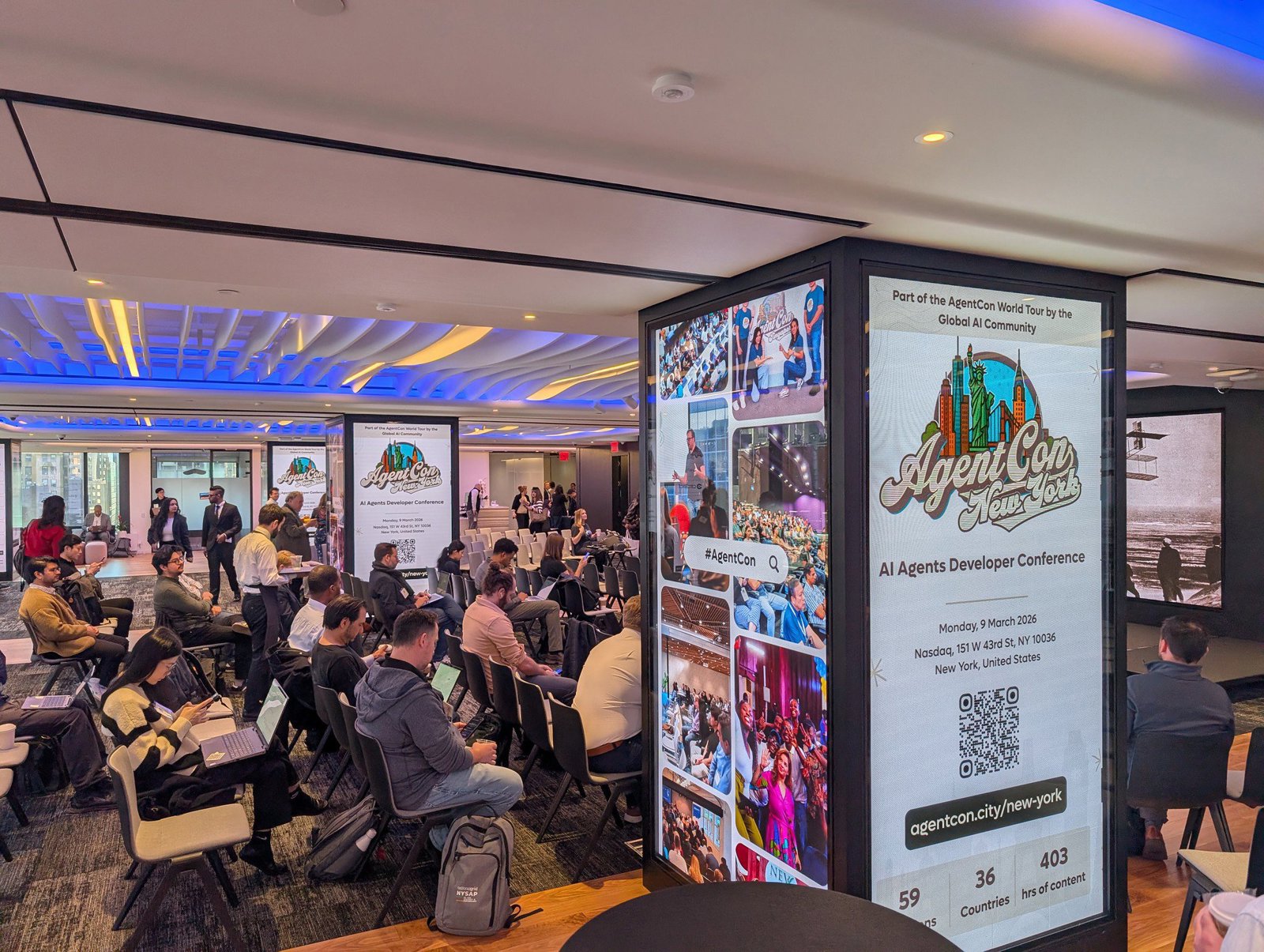
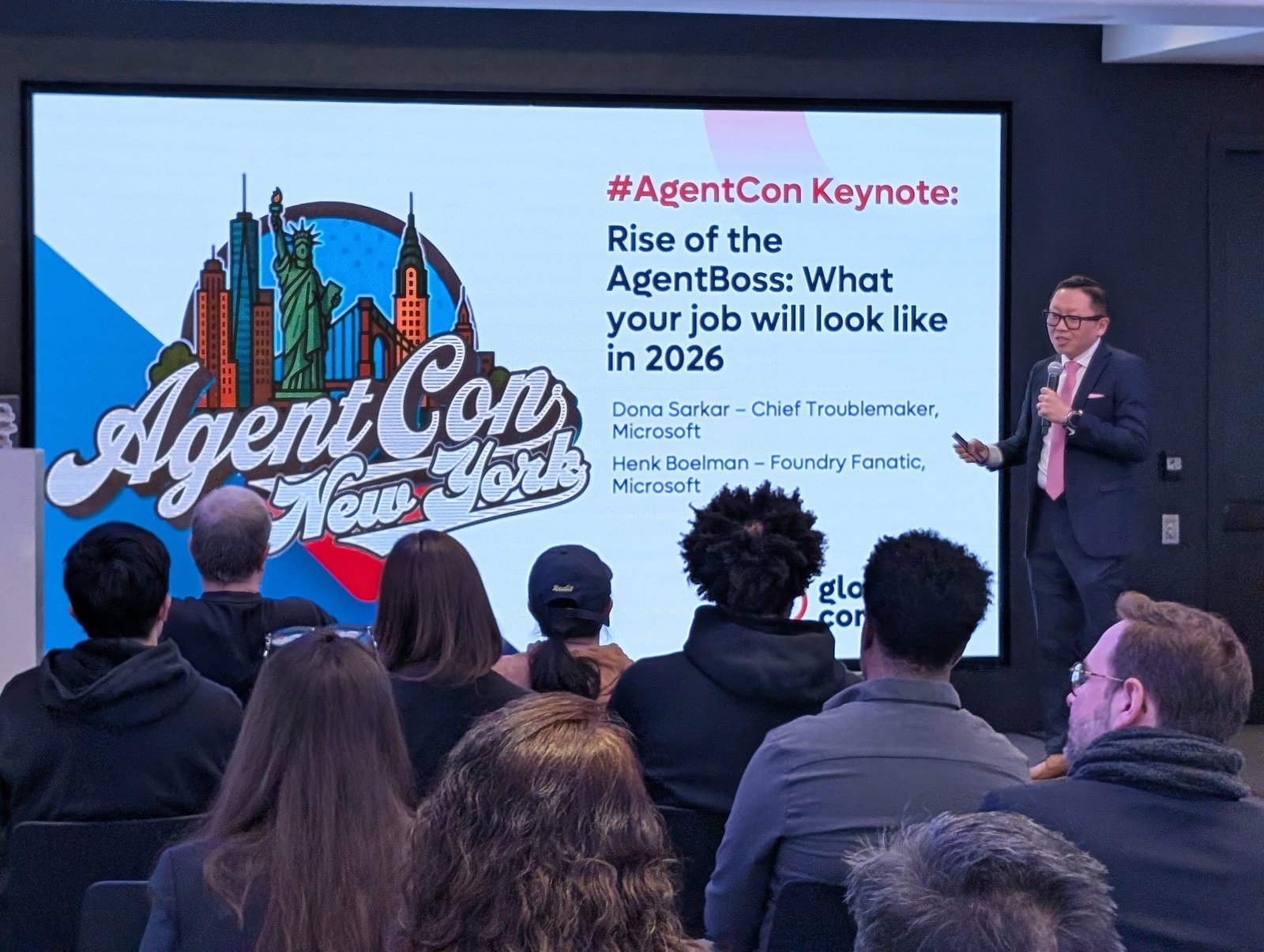
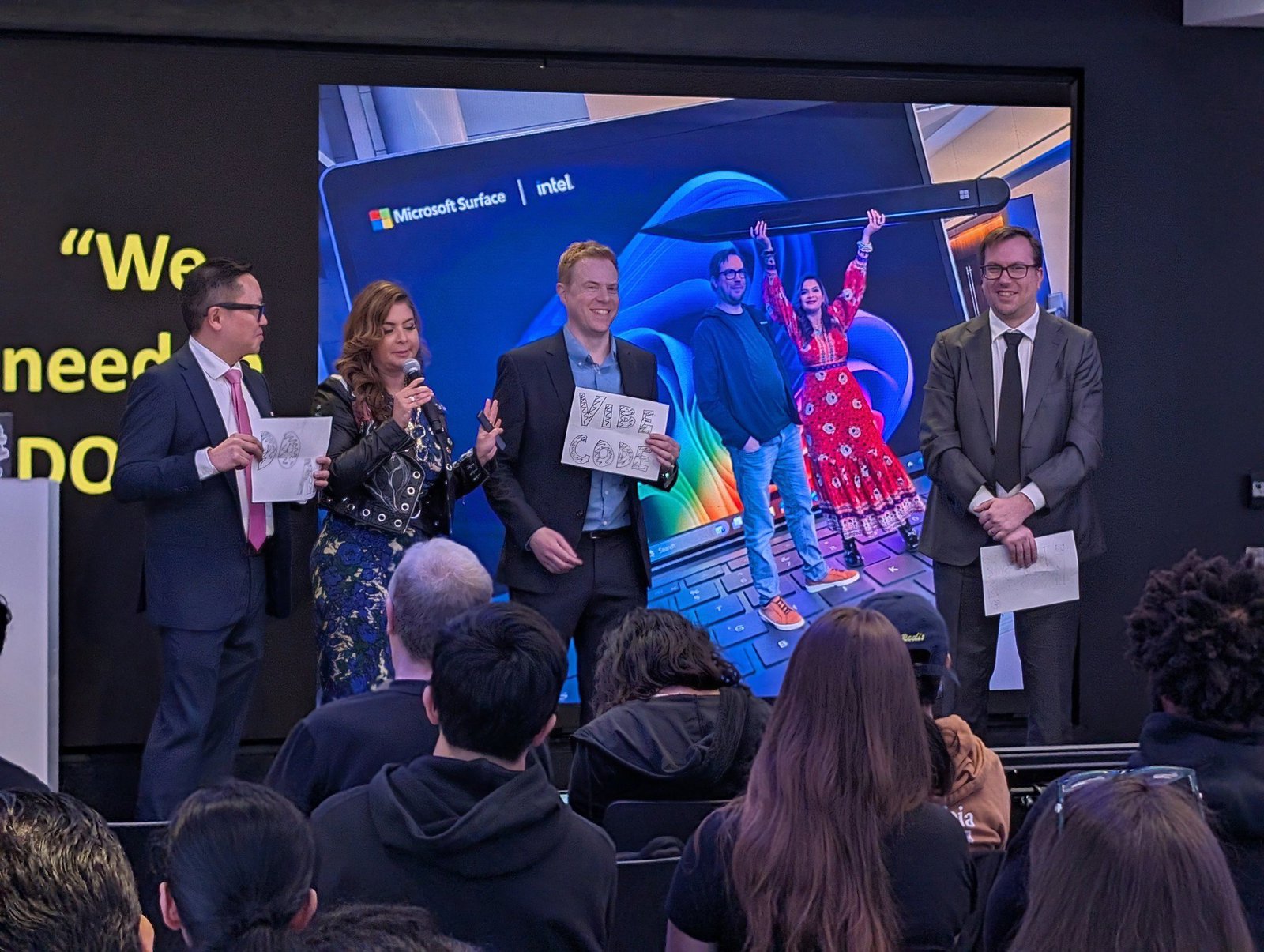
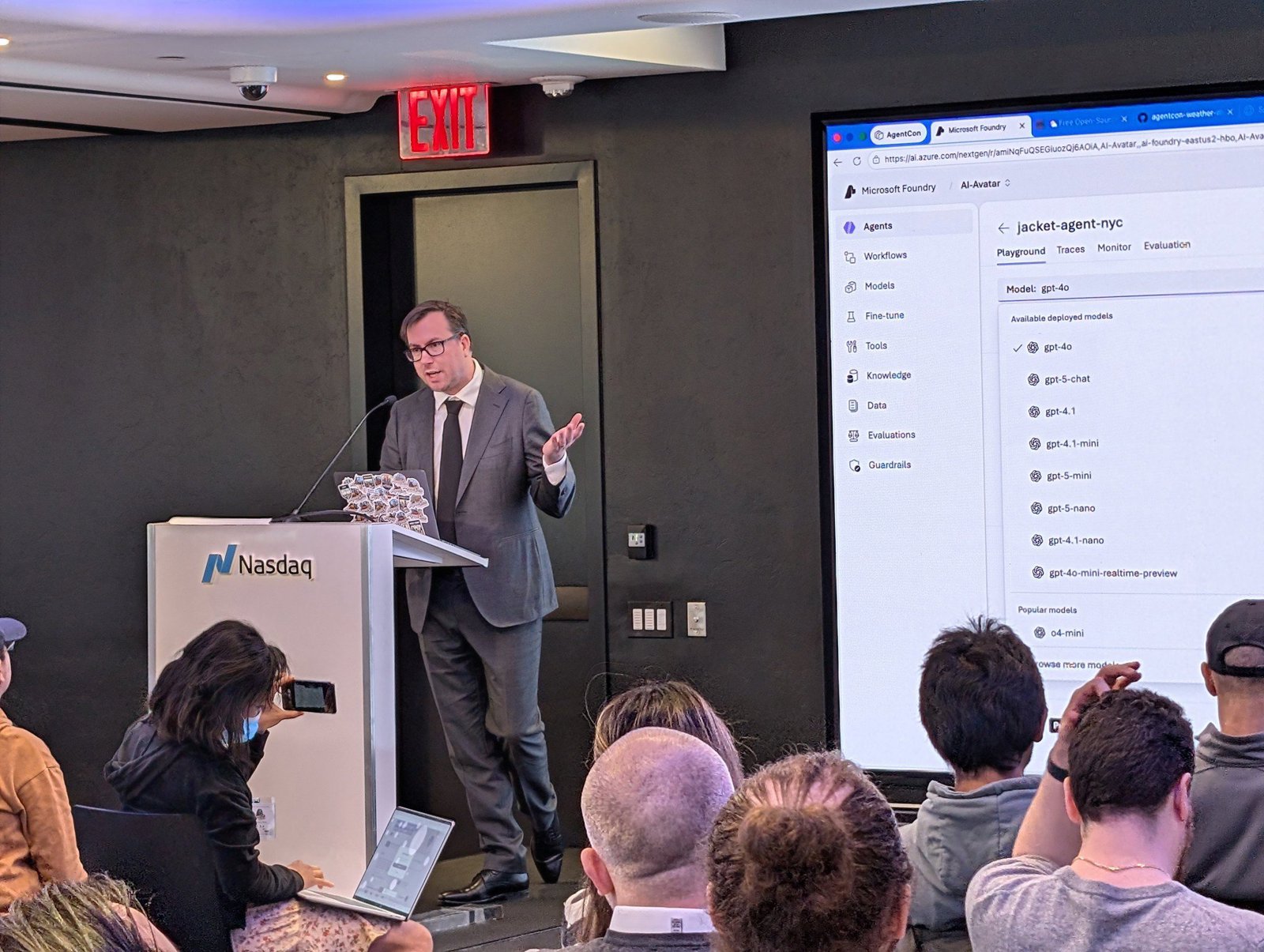
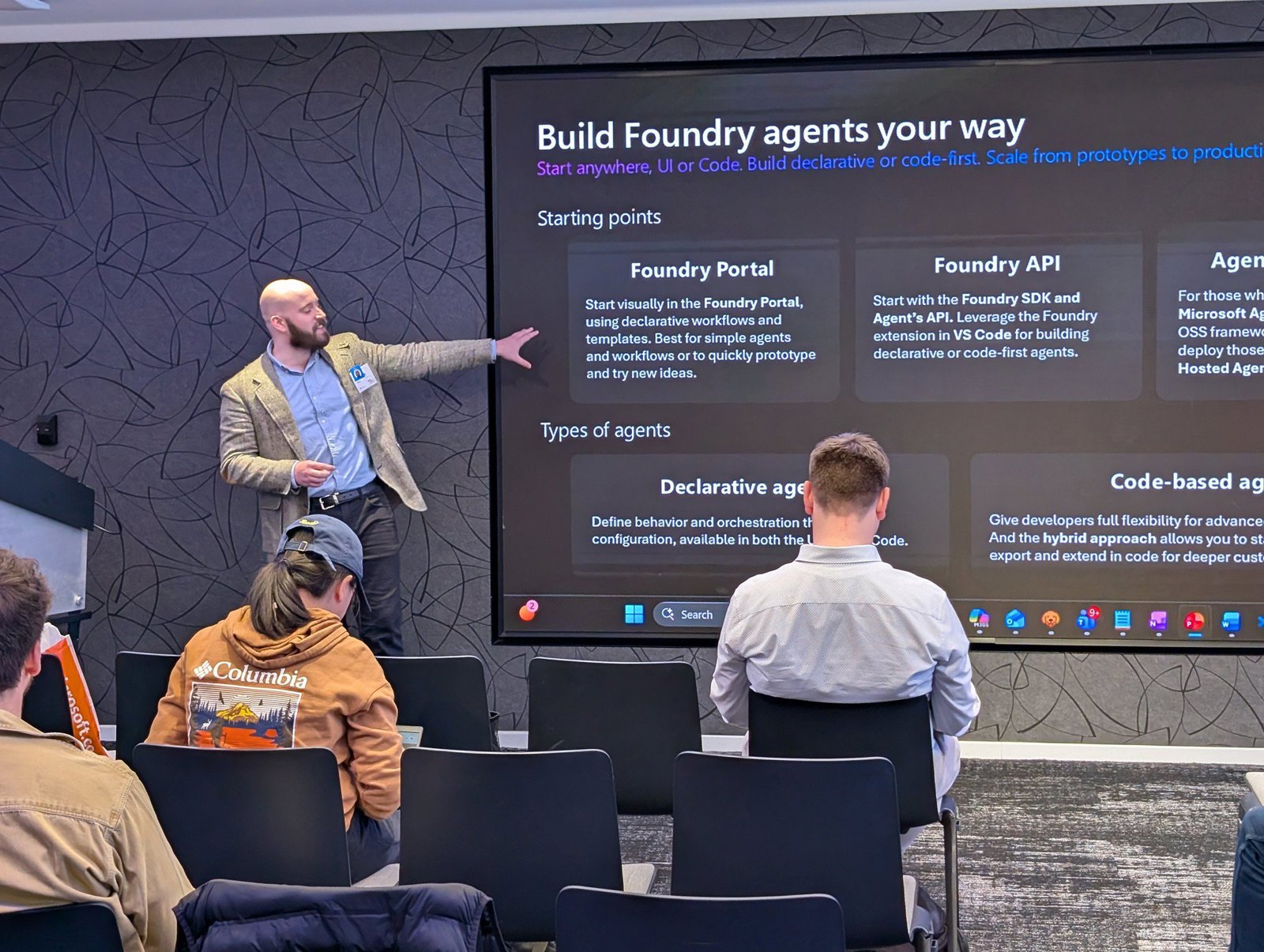
This is how it looked

Made possible by
Made possible by:






Explore AgentCon
AI Agents Developer Conference
AgentCon made possible by: