/Events /AgentCon - Hong Kong
AgentCon - Hong Kong
This event is part of AgentCon, organized by Global AI Hong Kong.
Schedule
About
Join us for the AI Agents World Tour, a global series of one-day conferences designed exclusively for developers building the future with AI agents.
From San Francisco to Singapore, we’re bringing together leading engineers, researchers, and creators to explore the cutting edge of AI agent design, deployment, and integration. Whether you’re building intelligent assistants, autonomous systems, or next-gen developer tools, this event is your fast track to practical knowledge, hands-on demos, and real-world insights.
What to Expect:
- Deep-Dive Talks from AI pioneers and industry leaders
- Technical Workshops on building, deploying, and scaling agents
- Live Demos of powerful open-source frameworks and tools
- Networking with a global community of builders and innovators
This isn't just another AI event — it’s where developers meet to talk about real code.
Ready to build the future?
Getting There
- Please plan your journey in advance and allow extra time for travel. The venue is accessible via public transport
- If you are taking a taxi, the entrance is via Sai Shan Road – Enter through Gate 3 (VTC Tsing Yi Complex). Please note that campus parking is strictly reserved for staff vehicles only. If you are driving, kindly use nearby public parking facilities at Mayfair Gardens Carpark.
Registration & On-Site Arrangements
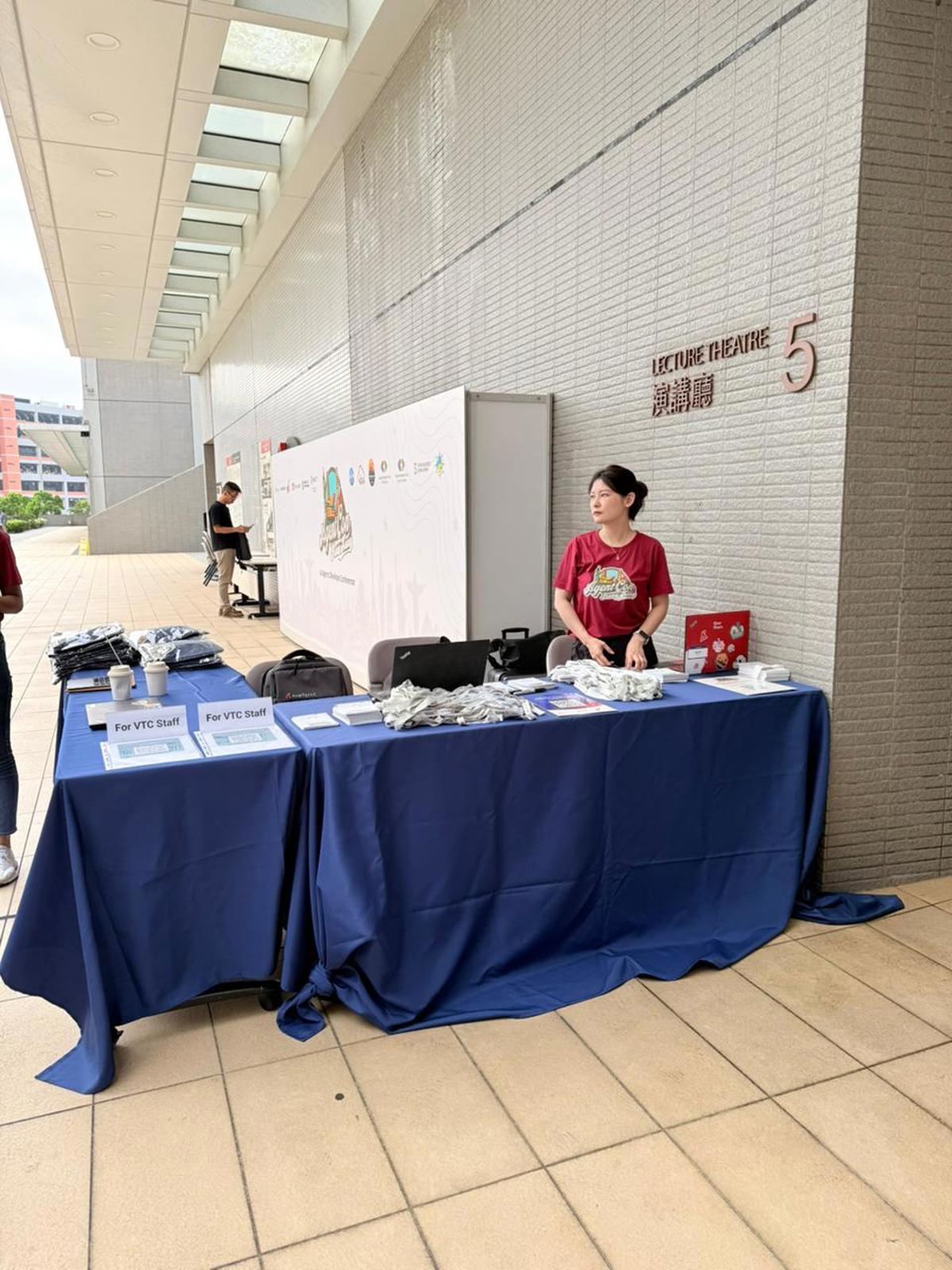
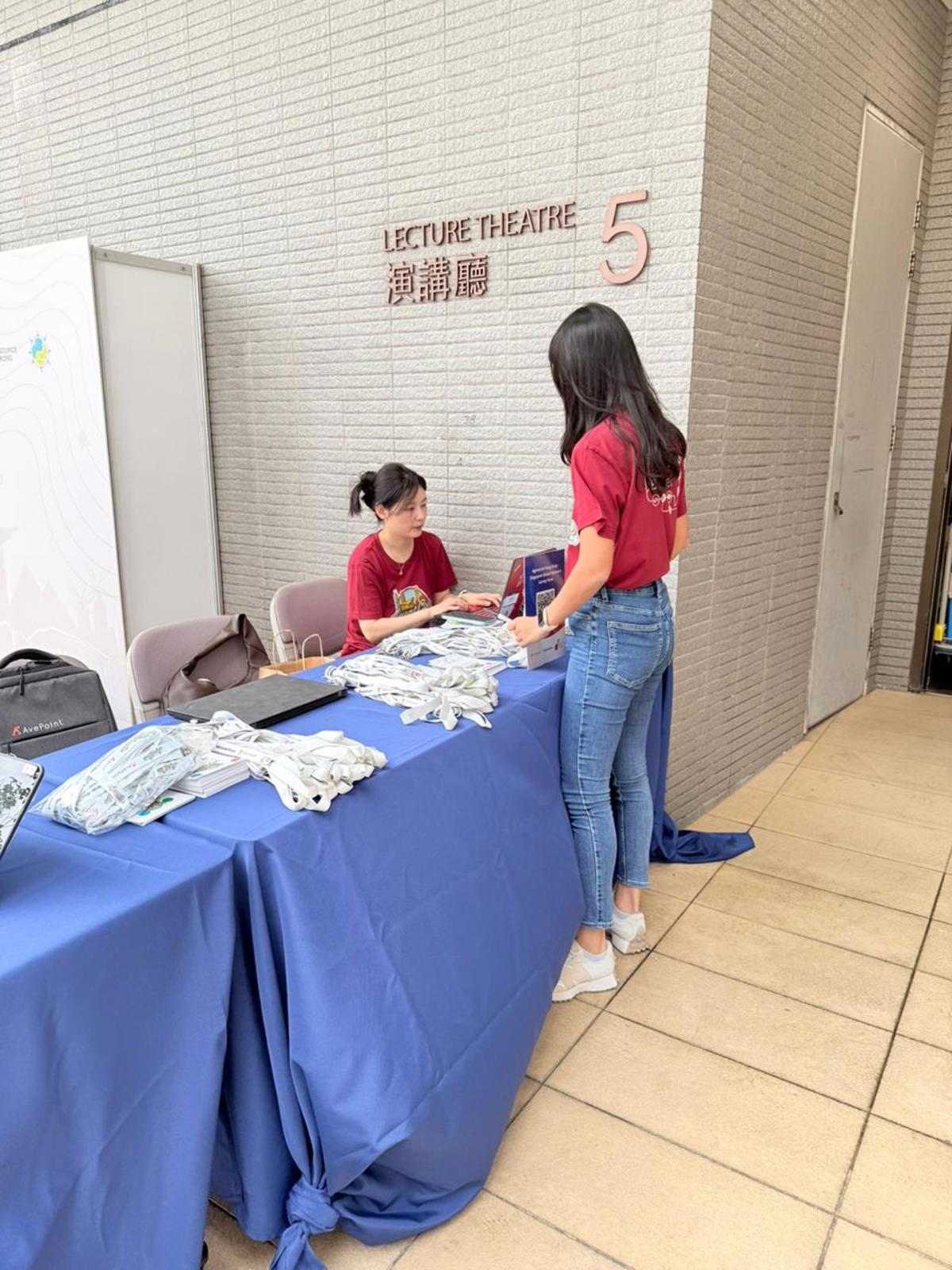
- Please register yourself at the registration counter upon arrival.
- Lunch voucher will be provided on a first-come, first-served basis. To avoid disappointment, we encourage you to come early. Registration starts at 9:00AM – 10:00AM
Important Note on Meals
In the event that meal vouchers are fully distributed, the nearest alternative dining options are located at Mayfair Gardens Shopping Centre, 190m or 3 minutes’ walk from the event venue.
Who's on stage

Henk is a Cloud Advocate specializing in Artificial intelligence and Azure with a background in application development. He is currently part of the AI cloud advocate team and based in the Netherlands. Before joining Microsoft, he was a Microsoft AI MVP and worked as a software developer and architect building lots of AI powered platforms on Azure.

Serial hackathon winner. Fully commit to developing generative AI solutions that enhance productivity.
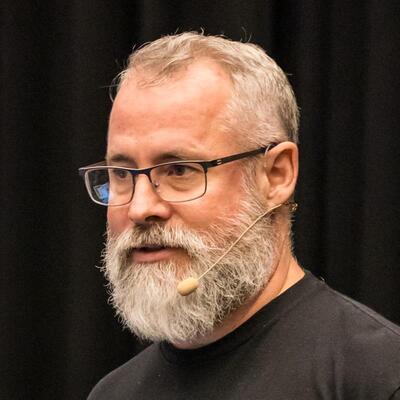
David Smith is an AI team leader for Microsoft Developer Relations in Australia. A data scientist and Generative AI expert, he is a co-author of "Introduction to R" and a founding board member of the R Consortium. Follow David on social media as @revodavid.
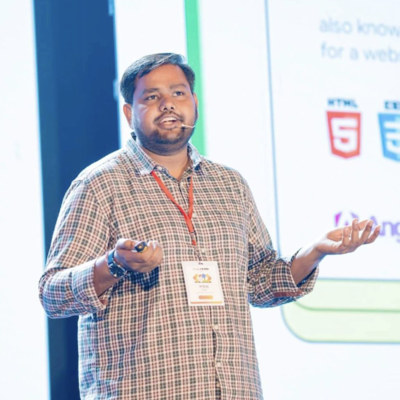
Vrijraj is a CTO by profession and a community champion by passion. He was an organizer for a Google Developers Expert for Firebase and AI. He has given 400+ talks and workshops for communities over the past 5 years. His areas of expertise are Web, Firebase, Google Cloud Platform, and UI/UX Design. He is always eager to learn new technologies and develop solutions based on them. He enjoys mentoring people and nurturing communities. Outside work, he is a foodie and enjoys watching YouTube videos.
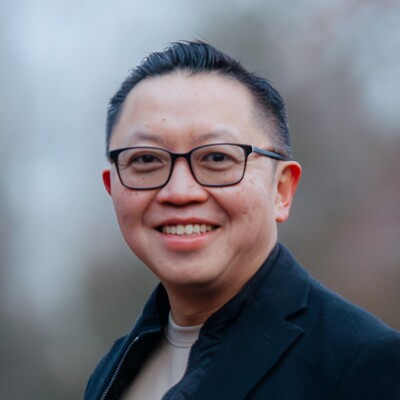
With over 20 years of business and technology experience, Dux has driven organizational transformations worldwide with his ability to simplify complex ideas and deliver relevant solutions. He serves as the Chief Brand Officer of AvePoint who has authored the LinkedIn Learning course How to Build Your Personal Brand, the book SharePoint for Project Management, as well as numerous whitepapers and articles. As a public speaker, Dux has delivered engaging, interactive presentations to more than 25,000 people at leading industry events around the world. He also hosts the modern workplace podcast #ShiftHappens that focuses on how leading organizations navigated their business transformation journey. Dux advocates tirelessly for inclusion, using technology for good, and philanthropic initiatives. Connect with him: http://dux.sy
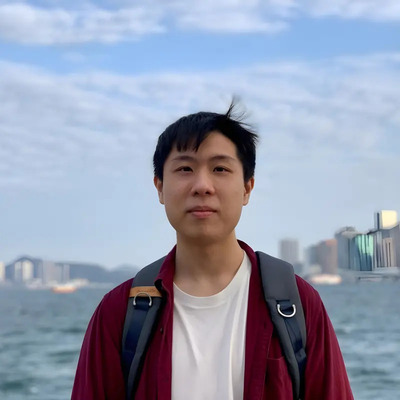
Alex Au is a seasoned Cloud Platform Engineer at Hong Kong Economic Times (HKET), where he architects high-scale cloud-native systems. As a community leader, Alex organizes the Hong Kong Python User Group (HKPUG) and has spoken at PyCon HK 2023 & 2024 on topics ranging from "Clean Architecture" to "OpenTelemtry in Python". Alex's current research focuses on cybersecurity and Identity and Access Management (IAM), with the intersection of Linux security (eBPF), Non-Human Identities (NHI) and practices that enhances Developer Experiences (DX). When not building self-healing platforms, he is likely jailbreaking them to find the next generation of defenses.
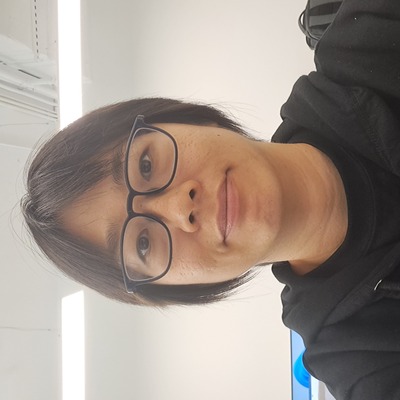
Connie is a software architect who is passionate about Angular, NestJS, AI, Web AI, and building stuff with JS frameworks. She loves coding with Angular and NestJS, and blogging about these topics to share knowledge with members in the communities. She also demos Web AI technology on her YouTube channel, allowing web developers to integrate AI into their web applications. Her hobbies are blogging, running, language learning, and attending conferences to meet new friends. She hopes to be able to present at meetups and conferences in Spanish, Mandarin, and other foreign languages fluently one day.
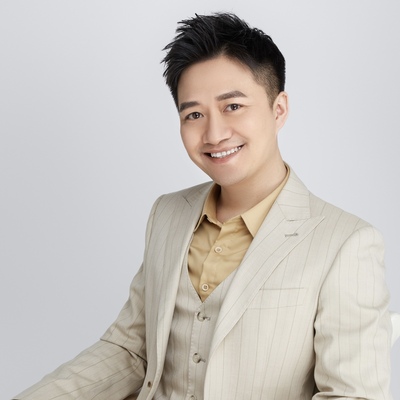
Hello everyone, my name is Bruce Wang. I have been working in the software development field for nearly 23 years, with extensive experience across all major aspects of software engineering. I currently serve as a Solution Architect at AvePoint, where I focus on designing and delivering deeply tailored AI solutions that align closely with enterprise customers’ real-world business needs. My passion lies in bridging advanced technology with practical business value.
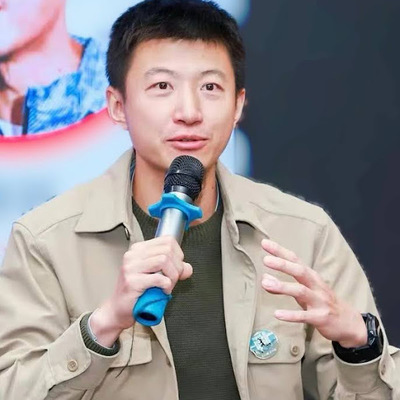
Pili Hu -- GenAI Global Blackbelt at Google specializing in agentic AI and generative multi-media, with a background in data journalism and academic lecturing.
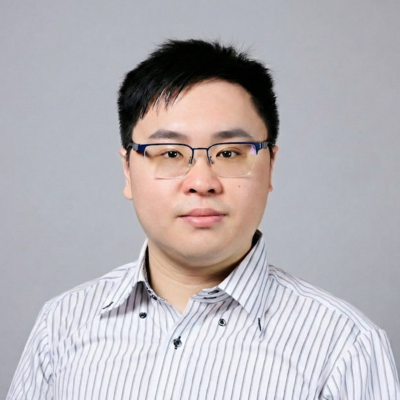
Gabriel Koo is a Senior Lead Engineer at Bowtie Life Insurance, Hong Kong's first licensed virtual insurer. Operating at the intersection of core engineering and information security, Gabriel focuses on architecting solutions that increase developer velocity without compromising enterprise compliance. Having worked across three insurtech startups with a multidisciplinary background in software engineering, actuarial science, data science, and DevSecOps, he brings a unique perspective to solving domain-specific challenges. He is currently hands-on leading Bowtie's AI Squad, building the internal infrastructure that allows engineers to safely use and build with AI. Gabriel is also an active AWS Community Builder and member of AWS User Group Hong Kong, passionate about sharing patterns for serverless architecture and secure AI adoption.
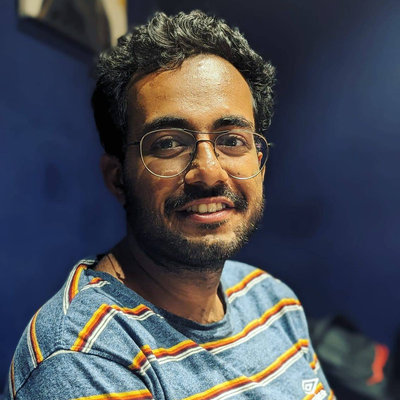
I am an AI and Machine Learning professional currently pursuing his Master's in AI/ML at Symbiosis Institute of Technology, with extensive experience as Team Lead & Product Manager at Impulsive Web and former R&D Lead at Truxt LLC. I specialize in generative AI, large language models, and RAG optimization, having improved system accuracy from 30% to 90% and enhanced LLM capabilities by 40% across multiple industry projects.
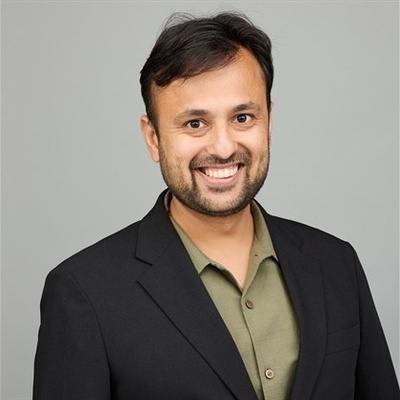
Ankur Sharma is a Cloud Solution Architect Manager at Microsoft Hong Kong, leading enterprise cloud architecture and customer success initiatives across the financial services industry. With 13+ years of hands‑on experience across Azure and AWS, Ankur previously served as a Cloud Infrastructure Architect at AWS and a Cloud Engineering Lead at HSBC, where he led large‑scale cloud migrations, DevOps transformation, and resiliency programs for mission‑critical banking platforms. He brings a practitioner’s perspective to cloud modernization, blending deep technical expertise with real‑world lessons from regulated, high‑scale environments.
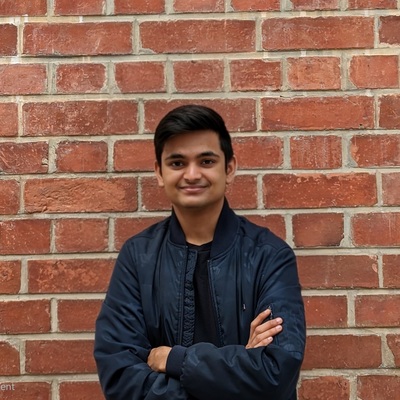
Tbd
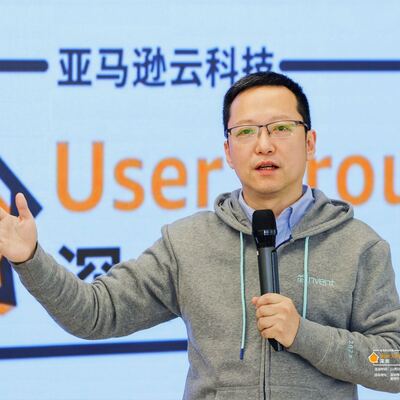
Haowen Huang is senior evangelist at Amazon Web Services, based in Hong Kong. He has more than 20 years of experience in architecture design, technology, and startup management across the telecommunications, internet, and cloud computing industries. Additionally, he has worked for renowned companies like Microsoft, Sun Microsystems, and China Telecom. His current research interests include generative AI, large language models (LLMs), machine learning, and data science.
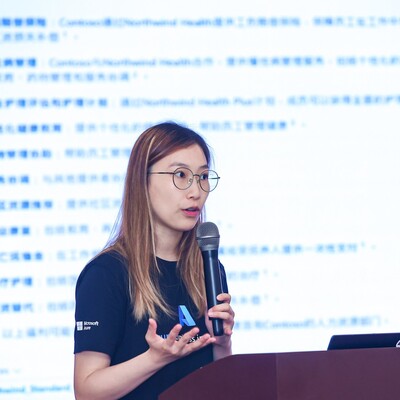
Wai Man is a Solution Engineer with a strong foundation in Microsoft Azure technologies, specializing in application development and AI integration. Wai Man supports innovation and continuous improvement through practical, real-world engineering. With hands-on experience embedding Azure AI capabilities into enterprise solutions, she has recently focused on delivering end-to-end solutions - from Copilot and Copilot Studio to Microsoft Foundry - helping teams build intelligent, scalable applications.

Sanket is a working as Sr. DevOps Engineer at Lloyds Banking Group. He is Google Developer Expert in GCP.He has previously worked as a cloud engineer at Searce (GCP Premium Partner) He is Google Cloud Champion Innovator in the category of Modern Architecture with CKA + 3X Certified in GCP and 1X in Azure . He has been helping small and mid sized startups to adopt and implement best practices in cloud and DevOps culture to fasten their software delivery process. He loves to integrate various GCP service like networking, compute, storage , containers, GKE etc, and likes to Implement various use cases. He loves to explore and deep dive into GCP services and also help community by creating content and writing medium blogs.
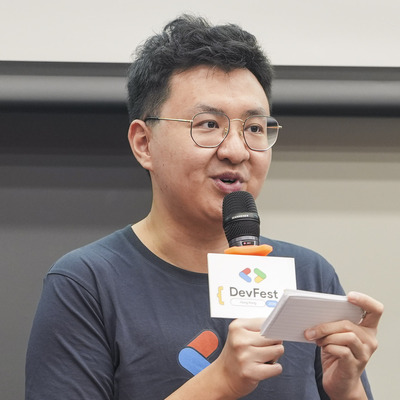
Frankie Wu is a seasoned AI Engineer and Data Science professional with over 6 years of experience driving innovation at the intersection of Large Language Models (LLMs) and real-world business applications. Served as an senior AI Engineer at SCMP, Frankie has been instrumental in leading corporate Generative AI initiatives, where he architected flagship RAG search engines and multi-model editorial assistants that achieved over 90% user adoption. With an MSc in Computer Science (Financial Computing) from The University of Hong Kong, Frankie possesses a deep understanding of how to apply cutting-edge AI to complex market data. His expertise spans the full AI lifecycle—from fine-tuning models like Llama and Qwen to deploying production-grade agents using Vertex AI and Azure AI Foundry. Beyond his professional role, Frankie is a dedicated community leader and Organizer for Google Developer Group (GDG) Hong Kong. He is a frequent speaker and trainer at major events like DevFest and I/O Extended, where he empowers developers to master multimodal Gemini tools and agentic frameworks. Frankie’s unique blend of technical depth and pedagogical experience—having instructed over 100 students in data analytics—makes him a compelling voice for developers looking to push the boundaries of what AI Agents can achieve.
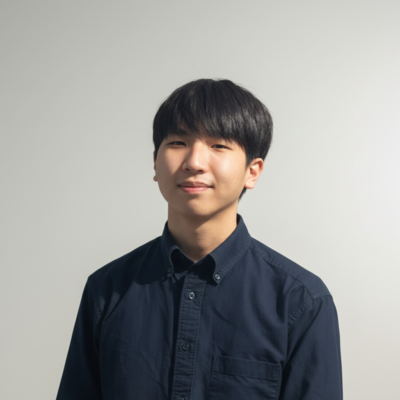
Henry is a data scientist with four years of experience building machine learning solutions and optimization models. His work spans a wide range of fields, including video analytics, agentic AI applications, anomaly detection, and optimization problems in HVAC energy systems and logistics. In parallel with his industry work, Henry contributes to scientific research in black-hole physics, leveraging Bayesian statistics extensively. He is also a passionate community builder, organizing meetups for the Hong Kong Python User Group, and has previously presented at PyCon Hong Kong.

Kinfey Lo, Senior Cloud Advocate at Microsoft ,Focus on EdgeAI, AI Agents, and SLMOps.
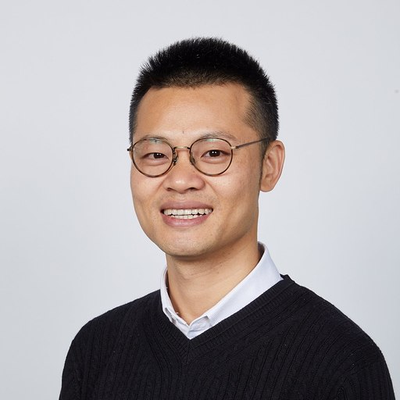
Jacky Wu is a senior FSI Solutions Architect at AWS with almost 20 years of experience in technology and capital markets. He developed automated trading and high-frequency trading systems for market making, equity long-short, statistics arbitrage, etc. Jacky holds the Financial Risk Manager (FRM) certification. Outside of work, Jacky maintains an active lifestyle through regular 10km runs.
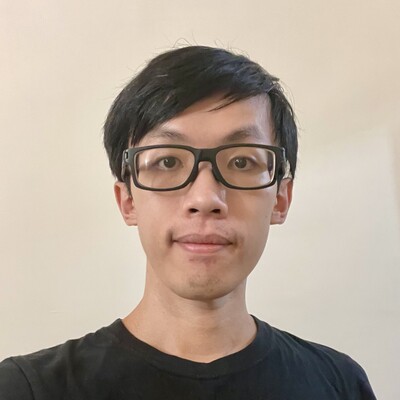
Richard is a Security Engineer and an AWS Security Hero. He is dedicated to helping people quickly adopt the cloud, promoting best practices, and streamlining cloud governance. Richard's experience over the years has allowed him to focus more on making security on the cloud easy. Richard's current focus is on software supply chain security and data protection. He has been an active contributor to AWS Nitro Enclaves, a trusted execution environment offering on AWS.

Advocating for new technologies and welcoming the new age of AI, Anita is a Technology Architect at GreenTomato's R&D Team—Team Alpha. She's also a YouTuber with 7,000+ subscribers on her channel "An IT-a" where she shares her unique insights as an IT professional and the latest developments in Generative AI. With over 15 years of experience, she's proficient in various technologies, specializing in backend development, architecture, and AI. After graduating from the Hong Kong Polytechnic University with a Computing degree, Anita joined GreenTomato and played a crucial role in the development of Talkbox (the #1 social networking app worldwide), serving as its Chief Architect since 2020. She's passionate about teamwork, continuous learning, and sharing her expertise with aspiring tech professionals. As an AI advocate, Anita enjoys sharing her knowledge with young people and actively participates in campus sharing activities. In recent years, Anita has shared insights on the value of Generative AI at universities, secondary schools, and NGOs, bridging the gap between education and the latest technological developments, sparking discussions and exploring further possibilities that AI technologies can offer.
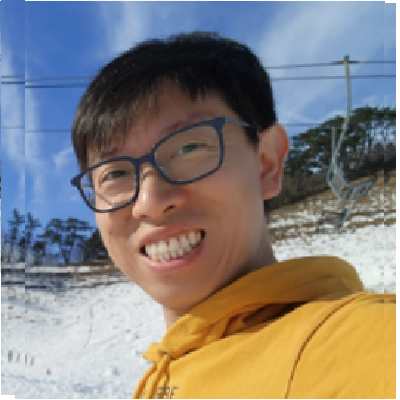
Justin is passionated in technologies, from techtoys to financial business use cases. He have been awarded as Microsoft MVP in IT Pro for 4 years and doing a lot of training and presentations inhouse as an SRE leader. His role specialized in windows server infrastructure in large scale implementation. Recently he is addicted with AI agent, finding use cases and tips to enhance efficiency in day to day work.

Software Engineer. Multi-published author (turns out fiction writing is really useful in software!). Owner of the fashion brand Prima Dona studios. Aspiring sommelier at Side Hustle Wines. Dyslexic but Dealing. Believer that tech upskilling is the ultimate equalizer. Always ready to get on a plane.

Hi there, I’m Chris! I'm a seasoned tech leader, keynote speaker, and technology consultant with expertise across the full tech stack, from enterprise architecture and data platforms to advanced AI (including Agentic AI and Responsible AI / Trustworthy AI). I’ve led large-scale, high-value enterprise projects and initiatives across industries (with a strong focus on government), helping organizations harness emerging technology responsibly to solve real-world challenges - I try to remove the fluff and cut to solving the real problem. My style is bold, straight-talking, and deeply authentic. I'm a natural connector who brings people together to spark collaboration and creativity. A lifelong tinkerer and excessively curious, I thrive on exploring new ideas and building communities around innovation. I encourage teams to think differently, color outside the lines, and always remember to stay human in a tech-driven world. As an international keynote speaker, I've energized audiences with talks on AI, Ethics in Tech, data strategy, and true concepts around digital transformation, infusing humor and real-talk into every session. Whether I'm advising C-suite leaders on AI strategy or coaching teams on the latest tech, my goal is to inspire innovation, enable people to do awesome things and drive positive change. If you're on the verge of the next big breakthrough and need a dynamic speaker or consultant, let's connect. I'm all about helping to #BuildAwesomeThings and making sure we all #StayExtraHuman along the way.
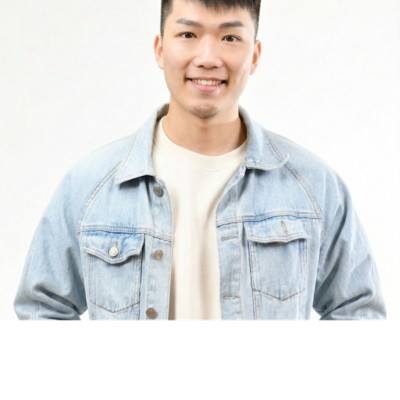
Jeff Yang is a GenAI Engineer at Google, building next-generation AI agents that drive transformation for enterprise customers.
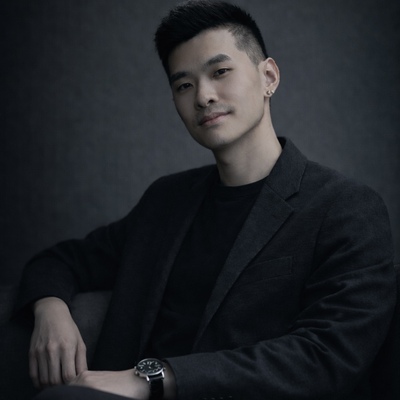
Mike Ng won a Medallion for Excellence at WorldSkills in Cloud Computing — Hong Kong's first competitor in the trade. He's a former AWS intern, startup co-founder, and Senior SRE at a Hong Kong digital insurance company, where he builds and operates systems that cannot fail. He spent four years building a payment platform that did. That failure taught him what happens when you move fast without constraints — and why governance has to be architecture, not afterthought. Now he's applying those lessons to AI agents: designing patterns that shape how agents reason and where they stop, built into shared configuration rather than bolted on at runtime.
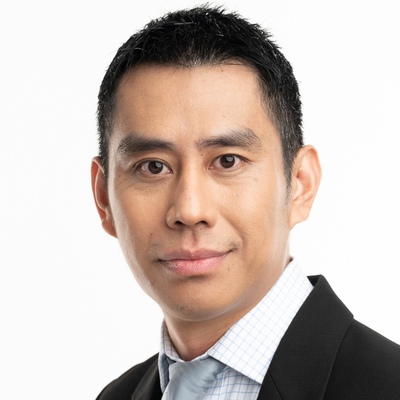
Li Ming brings over two decades of technology and engineering experience. As the AI Architect and a member of the AI Specialist team in APAC, he is responsible for leading AI innovation to tackle complex business challenges and improve customer outcomes. His role involves shaping strategic AI initiatives and guiding thought leadership across the region. Previously, he was the Chief Architect for the public sector in Red Hat Singapore, specializing in Cloud, Container, and Automation technologies. Before joining Red Hat, Li Ming has worked in engineering, R&D, and technology leadership roles. He spent the last 20+ years in Open Source out of which 10 years of that time was actively in High Performance Computing (HPC) and Big Data. He has also held numerous technology leadership roles in engineering, R&D, consulting and architecture.
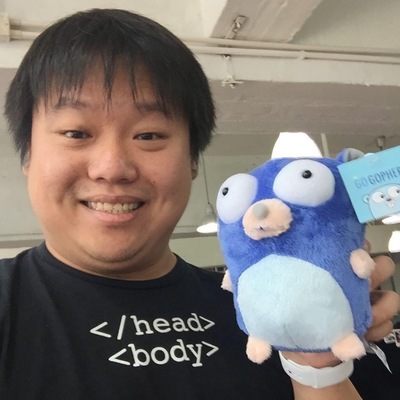
Ben Cheng is the founder and CEO of Oursky.com; We developed two products: FormX.ai - Automate Document Workflow with AI Agents Authgear.com - Opensources IAM for Zero Trust Frontline Staffs
Hello world! I'm Alex, a highly skilled and enthusiastic Data Engineer and Software Engineer with a passion for building exceptional digital products that drive business success in the digital age. Happy to connect.
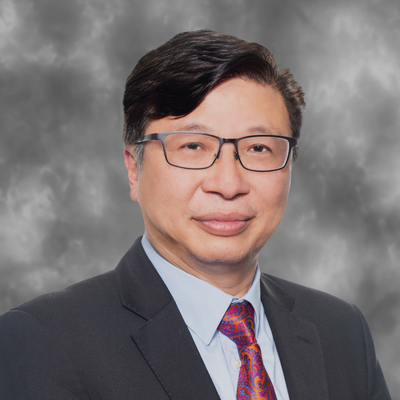
Ir Dr Eric Liu is a seasoned educator and professional with profound knowledge and expertise in the engineering and the technology sectors. Appointed as Deputy Executive Director in September 2017, Ir Dr Liu is primarily responsible for overseeing the VTC’s policy areas of campus development and operations, central administration and services, as well as estates and facilities management. He is also leading the strategic development of the Information Technology Discipline, continuing & professional education, and environmental & sustainable development initiatives.
Student at The University of the West of England| GDG on Campus @HKIIT 24' Co-Lead | GDSC @HKIIT 23' Lead | 4 x Google Cloud Hero APAC Top 10 (Infra, ML API, BigQuery, DevOps Skills) 2023 | 4 x Microsoft Certified AZ, AI, DP, SC 900
Sessions & tracks
Registration
Lecture Theatre 5 [English] ·Welcome to AgentCon
With over 20 years of business and technology experience, Dux has driven organizational transformations worldwide with his ability to simplify complex ideas and deliver relevant solutions. He serves as the Chief Brand Officer of AvePoint who has authored the LinkedIn Learning course How to Build Your Personal Brand, the book SharePoint for Project Management, as well as numerous whitepapers and articles. As a public speaker, Dux has delivered engaging, interactive presentations to more than 25,000 people at leading industry events around the world. He also hosts the modern workplace podcast #ShiftHappens that focuses on how leading organizations navigated their business transformation journey. Dux advocates tirelessly for inclusion, using technology for good, and philanthropic initiatives. Connect with him: http://dux.sy
Welcome Remarks from HKIIT
Welcome remarks by HKIIT, co-organiser of AgentCon - Hong Kong. HKIIT, a member institution of the Vocational Training Council (VTC), is committed to providing pre-employment and in-service training opportunities to nurture IT talent, bridging the tech talent gap to drive Hong Kong’s development.
Ir Dr Eric Liu is a seasoned educator and professional with profound knowledge and expertise in the engineering and the technology sectors. Appointed as Deputy Executive Director in September 2017, Ir Dr Liu is primarily responsible for overseeing the VTC’s policy areas of campus development and operations, central administration and services, as well as estates and facilities management. He is also leading the strategic development of the Information Technology Discipline, continuing & professional education, and environmental & sustainable development initiatives.
Agents of Tomorrow: Building the Next Generation of Intelligence
We stand at the edge of a profound shift in artificial intelligence. Over the last five years, generative AI has moved from novelty to necessity—transforming how we create, code, and collaborate. Now, a new frontier is emerging: AI agents. Unlike traditional tools that wait for instructions, agents can perceive, decide, and act toward goals—expanding the boundaries of what humans and machines can achieve together.
In this keynote, we’ll explore the evolution from copilots to fully agentic systems, highlight breakthroughs that are reshaping industries, and imagine the future horizons where autonomous agents redefine productivity, creativity, and discovery. Most importantly, we’ll discuss the role of humans in this new era—not as bystanders, but as leaders guiding how agents operate, align with our values, and amplify our potential.
The Agents of Tomorrow are here—and the future will be built by those bold enough to partner with them.
Henk is a Cloud Advocate specializing in Artificial intelligence and Azure with a background in application development. He is currently part of the AI cloud advocate team and based in the Netherlands. Before joining Microsoft, he was a Microsoft AI MVP and worked as a software developer and architect building lots of AI powered platforms on Azure.
Software Engineer. Multi-published author (turns out fiction writing is really useful in software!). Owner of the fashion brand Prima Dona studios. Aspiring sommelier at Side Hustle Wines. Dyslexic but Dealing. Believer that tech upskilling is the ultimate equalizer. Always ready to get on a plane.
With over 20 years of business and technology experience, Dux has driven organizational transformations worldwide with his ability to simplify complex ideas and deliver relevant solutions. He serves as the Chief Brand Officer of AvePoint who has authored the LinkedIn Learning course How to Build Your Personal Brand, the book SharePoint for Project Management, as well as numerous whitepapers and articles. As a public speaker, Dux has delivered engaging, interactive presentations to more than 25,000 people at leading industry events around the world. He also hosts the modern workplace podcast #ShiftHappens that focuses on how leading organizations navigated their business transformation journey. Dux advocates tirelessly for inclusion, using technology for good, and philanthropic initiatives. Connect with him: http://dux.sy
Ankur Sharma is a Cloud Solution Architect Manager at Microsoft Hong Kong, leading enterprise cloud architecture and customer success initiatives across the financial services industry. With 13+ years of hands‑on experience across Azure and AWS, Ankur previously served as a Cloud Infrastructure Architect at AWS and a Cloud Engineering Lead at HSBC, where he led large‑scale cloud migrations, DevOps transformation, and resiliency programs for mission‑critical banking platforms. He brings a practitioner’s perspective to cloud modernization, blending deep technical expertise with real‑world lessons from regulated, high‑scale environments.
Agent Inception: Building bots with the Copilot CLI
Github's Copilot CLI is a sophisticated command-line agent for coding. In this talk, I'll use Copilot CLI to build an AI bot to play an online game.
CopperHead (https://github.com/revodavid/copperhead-server) is a tournament server for a 2-player Snake game that I created entirely using Copilot CLI and Claude Opus. I'll recount the process of building a game from scratch using agent prompting, and offer some tips and tricks I learned along the way for making this process easier, faster, and better aligned with your intentions.
CopperHead is designed to orchestrate multiple bots playing the game in a knockout tournament format. During the talk, I will demonstrate in real time the process of creating a new player bot with the Copilot CLI. I invite attendees to create competitor bots ahead of the talk, which I will include in a live competition for everyone to watch
David Smith is an AI team leader for Microsoft Developer Relations in Australia. A data scientist and Generative AI expert, he is a co-author of "Introduction to R" and a founding board member of the R Consortium. Follow David on social media as @revodavid.
Systematic Evaluation of Enterprise AI Agents: From QA to Safety & Verification
As AI Agents increasingly participate in real-world enterprise workflows, traditional testing approaches — such as simple QA or manual validation — are no longer sufficient. Modern AI Agents contain autonomous capabilities: interpreting user intent, invoking external tools, and synthesizing multi-step actions. These characteristics require a systematic, quantifiable evaluation framework that not only measures correctness, but also robustness, safety, and trustworthiness. In this session, we will explore how Microsoft’s Azure AI Foundry evaluation ecosystem helps developers build and validate reliable enterprise AI Agents. We cover practical patterns for designing evaluation pipelines that go beyond surface-level QA:
- Defining critical evaluation dimensions such as task success criteria, tool-calling correctness, reasoning validity, and security boundaries.
- Leveraging automated evaluators and benchmark frameworks to run large-scale tests across agent versions and configurations.
- Introducing red-teaming workflows where agents are adversarially challenged to uncover safety failures, injection vectors, and unexpected behaviors.
- Demonstrating how evaluation results can feed into governance processes, enabling better model and agent version decisions before production deployment. Attendees will leave with concrete insights into engineering repeatable, measurable, and defensible testing strategies for AI Agents — bridging the gap from experimental prototypes to enterprise-grade solutions. Takeaways:
- How to structure agent evaluation beyond simple QA tests.
- How to apply automated and adversarial evaluation to uncover hidden failure modes.
- How to operationalize agent validation within an enterprise AI lifecycle using Azure tools.
Hello everyone, my name is Bruce Wang. I have been working in the software development field for nearly 23 years, with extensive experience across all major aspects of software engineering. I currently serve as a Solution Architect at AvePoint, where I focus on designing and delivering deeply tailored AI solutions that align closely with enterprise customers’ real-world business needs. My passion lies in bridging advanced technology with practical business value.
With over 20 years of business and technology experience, Dux has driven organizational transformations worldwide with his ability to simplify complex ideas and deliver relevant solutions. He serves as the Chief Brand Officer of AvePoint who has authored the LinkedIn Learning course How to Build Your Personal Brand, the book SharePoint for Project Management, as well as numerous whitepapers and articles. As a public speaker, Dux has delivered engaging, interactive presentations to more than 25,000 people at leading industry events around the world. He also hosts the modern workplace podcast #ShiftHappens that focuses on how leading organizations navigated their business transformation journey. Dux advocates tirelessly for inclusion, using technology for good, and philanthropic initiatives. Connect with him: http://dux.sy
Bringing AI Agents to Life with Microsoft Foundry
AI agents are moving beyond text boxes into real-world interactions — combining models, tools, and avatars to deliver human-like experiences. In this session, we’ll explore how to build an end-to-end solution with Microsoft Foundry, weaving together model selection, instruction design, and tool integration into a single workflow. As a live scenario, we’ll create an AI agent that can order a pizza through a connected MCP server — and then bring it to life with a real avatar for natural, conversational interactions. You’ll leave with a clear view of how to turn prompts and models into full-fledged, real-world AI agents.
Henk is a Cloud Advocate specializing in Artificial intelligence and Azure with a background in application development. He is currently part of the AI cloud advocate team and based in the Netherlands. Before joining Microsoft, he was a Microsoft AI MVP and worked as a software developer and architect building lots of AI powered platforms on Azure.
Lunch
Lecture Theatre 5 [English] ·Empower Team Wide Vibe Coding with LLM Gateway and Security-First MCPs
Scaling AI-assisted development from a few enthusiasts to 50+ software engineers isn't just about API keys - it's about governance, trust, and standardized workflows. How do you prevent "shadow AI" and budget chaos while granting safe access to production context?
At Bowtie, we adopted a layered security-first approach: First, control the traffic; second, secure the tools; third, standardize the behavior.
This session covers our journey building a production-grade Vibe coding platform:
Layer 1: The AI Gateway (LiteLLM on AWS Fargate + Amazon RDS) We established a centralized choke point for all AI traffic. This enables cost attribution, DLP detection, and usage visibility. Crucially, we enforce this at the network level - blocking direct access to non-official API providers to ensure all usage is visible and governed.
Layer 2: Security-First MCP servers We treat AI agents as "CLI versions" of our internal web apps. By building custom Model Context Protocol (MCP) servers that reuse existing permissions and authentications - using Amazon Cognito for internal APIs and OAuth for official SaaS MCP servers - the AI acts as a delegate of the developer with human approvals. No new service accounts, no "god-mode" bots - if you can't do it in the existing user interfaces, the Agent can't do it via MCPs.
Layer 3: Custom Skills for Standardization Beyond just tools, we write custom Skills to guide the model's behavior, ensuring generated code aligns with our engineering standards and SOPs (e.g. grab a ticket, fetch knowledge base, apply a fix, close the ticket) before a PR is even opened.
Walk away with an architectural blueprint for democratizing AI access that satisfies the strictest security requirements while giving developers the friction-free vibe coding experience they crave.
Gabriel Koo is a Senior Lead Engineer at Bowtie Life Insurance, Hong Kong's first licensed virtual insurer. Operating at the intersection of core engineering and information security, Gabriel focuses on architecting solutions that increase developer velocity without compromising enterprise compliance. Having worked across three insurtech startups with a multidisciplinary background in software engineering, actuarial science, data science, and DevSecOps, he brings a unique perspective to solving domain-specific challenges. He is currently hands-on leading Bowtie's AI Squad, building the internal infrastructure that allows engineers to safely use and build with AI. Gabriel is also an active AWS Community Builder and member of AWS User Group Hong Kong, passionate about sharing patterns for serverless architecture and secure AI adoption.
Tbd
Designing Interoperable Patterns with the Open Agent Stack
The era of isolated chatbots is giving way to a dynamic network of specialized, interoperable AI agents. This session explores the Open Source Agent Stack—a comprehensive framework designed to prevent "walled gardens" through standardized interaction patterns. We will dive into the Agent Development Kit (ADK) for foundational building, the Agent-to-Agent (A2A) protocol for general cross-agent communication and task delegation, the Universal Commerce Protocol (UCP) for standardized commerce primitives, and A2UI for native, framework-agnostic frontend rendering. Attendees will learn how to architect interoperable agents and seamlessly scale them using enterprise tools like Google Cloud’s Agent Engine (AE) and Gemini Enterprise (GE).
Pili Hu -- GenAI Global Blackbelt at Google specializing in agentic AI and generative multi-media, with a background in data journalism and academic lecturing.
Jeff Yang is a GenAI Engineer at Google, building next-generation AI agents that drive transformation for enterprise customers.
Agentic AI Stack deep dive - Agentic Design patterns
AI is evolving fast, and the way we design solutions is changing with it. In this session, we’ll explore the Agentic AI Stack and break down when and why to use each component. We’ll dive into Microsoft 365 Copilot, Copilot Studio, Microsoft Fabric and Azure AI Foundry, showing how these tools work together to deliver intelligent, context-aware experiences.
You’ll learn through practical demonstrations and live design:
- How agentic design patterns shape modern AI solutions
- Where each tool fits in the stack and the scenarios they’re best suited for
- Practical examples of integrating these technologies for real business impact
If you’re looking to move beyond buzzwords and understand how to architect AI solutions that actually deliver value, this session is for you.
Hi there, I’m Chris! I'm a seasoned tech leader, keynote speaker, and technology consultant with expertise across the full tech stack, from enterprise architecture and data platforms to advanced AI (including Agentic AI and Responsible AI / Trustworthy AI). I’ve led large-scale, high-value enterprise projects and initiatives across industries (with a strong focus on government), helping organizations harness emerging technology responsibly to solve real-world challenges - I try to remove the fluff and cut to solving the real problem. My style is bold, straight-talking, and deeply authentic. I'm a natural connector who brings people together to spark collaboration and creativity. A lifelong tinkerer and excessively curious, I thrive on exploring new ideas and building communities around innovation. I encourage teams to think differently, color outside the lines, and always remember to stay human in a tech-driven world. As an international keynote speaker, I've energized audiences with talks on AI, Ethics in Tech, data strategy, and true concepts around digital transformation, infusing humor and real-talk into every session. Whether I'm advising C-suite leaders on AI strategy or coaching teams on the latest tech, my goal is to inspire innovation, enable people to do awesome things and drive positive change. If you're on the verge of the next big breakthrough and need a dynamic speaker or consultant, let's connect. I'm all about helping to #BuildAwesomeThings and making sure we all #StayExtraHuman along the way.
Break
Lecture Theatre 5 [English] ·The AI Ops Playbook: Deploying ADK Agents Across Environments
In this session, I’ll walk through how to build and deploy production-ready AI agents using the Agent Development Kit (ADK). Instead of keeping agents stuck on laptops or demos, I’ll show how to run them across real environments like Cloud Run, GKE, Agent Engine, virtual machines, and even local setups.
We will Discuss Real life Usecase of FinOps , retails etc with Agent Development kit using MCP ToolBoxes of DataBases.
I’ll cover packaging, scaling, runtime choices, and deployment strategies, along with how to expose agents through APIs or event workflows. The focus will be on real-world use cases, not theory, how to run multiple agents, manage configurations, handle infra differences, and optimize for cost, latency and portability.
By the end of the talk, attendees will know how to turn a single ADK agent into a scalable, deployable system across multiple platforms.
Sanket is a working as Sr. DevOps Engineer at Lloyds Banking Group. He is Google Developer Expert in GCP.He has previously worked as a cloud engineer at Searce (GCP Premium Partner) He is Google Cloud Champion Innovator in the category of Modern Architecture with CKA + 3X Certified in GCP and 1X in Azure . He has been helping small and mid sized startups to adopt and implement best practices in cloud and DevOps culture to fasten their software delivery process. He loves to integrate various GCP service like networking, compute, storage , containers, GKE etc, and likes to Implement various use cases. He loves to explore and deep dive into GCP services and also help community by creating content and writing medium blogs.
End-to-End Agentic AI with Red Hat AI
This session explores the evolution of artificial intelligence from simple chat interfaces to production-ready Agentic AI using Red Hat AI. We will move beyond the hype to examine how to build a standardized "Enterprise AI Factory" that integrates models into real workflows while maintaining strict control over data and security.
Attendees will gain practical knowledge on:
- Architecting Agentic Workflows: Leveraging the Llama Stack to provide agents with inference, memory, rag, and tool calling capabilities.
- AI Safety: Implementing a comprehensive approach across the AI lifecycle, including the use of MCP gateway, guardrails, red teaming, and risk metrics to mitigate toxicity and prompt vulnerability.
- Operationalizing with AgentOps: Standardizing "Day 2 Operations", such as monitoring, maintenance, and telemetry. This is to ensure agents are reliable, secured and scalable in mission-critical environments.
- Cloud-Native Integration: Utilizing the Model Context Protocol (MCP) to standardize tool calling and deploying agents as scalable microservices on Red Hat AI across hybrid cloud environments.
Whether you are a developer or a platform engineer, this session provides a roadmap for turning AI prototypes into secure, high-performing enterprise solutions that deliver measurable business value.
Li Ming brings over two decades of technology and engineering experience. As the AI Architect and a member of the AI Specialist team in APAC, he is responsible for leading AI innovation to tackle complex business challenges and improve customer outcomes. His role involves shaping strategic AI initiatives and guiding thought leadership across the region. Previously, he was the Chief Architect for the public sector in Red Hat Singapore, specializing in Cloud, Container, and Automation technologies. Before joining Red Hat, Li Ming has worked in engineering, R&D, and technology leadership roles. He spent the last 20+ years in Open Source out of which 10 years of that time was actively in High Performance Computing (HPC) and Big Data. He has also held numerous technology leadership roles in engineering, R&D, consulting and architecture.
Closing
Registration
Lecture Theatre 2 [Cantonese] ·Welcome to AgentCon
With over 20 years of business and technology experience, Dux has driven organizational transformations worldwide with his ability to simplify complex ideas and deliver relevant solutions. He serves as the Chief Brand Officer of AvePoint who has authored the LinkedIn Learning course How to Build Your Personal Brand, the book SharePoint for Project Management, as well as numerous whitepapers and articles. As a public speaker, Dux has delivered engaging, interactive presentations to more than 25,000 people at leading industry events around the world. He also hosts the modern workplace podcast #ShiftHappens that focuses on how leading organizations navigated their business transformation journey. Dux advocates tirelessly for inclusion, using technology for good, and philanthropic initiatives. Connect with him: http://dux.sy
Welcome Remarks from HKIIT
Welcome remarks by HKIIT, co-organiser of AgentCon - Hong Kong. HKIIT, a member institution of the Vocational Training Council (VTC), is committed to providing pre-employment and in-service training opportunities to nurture IT talent, bridging the tech talent gap to drive Hong Kong’s development.
Ir Dr Eric Liu is a seasoned educator and professional with profound knowledge and expertise in the engineering and the technology sectors. Appointed as Deputy Executive Director in September 2017, Ir Dr Liu is primarily responsible for overseeing the VTC’s policy areas of campus development and operations, central administration and services, as well as estates and facilities management. He is also leading the strategic development of the Information Technology Discipline, continuing & professional education, and environmental & sustainable development initiatives.
Agents of Tomorrow: Building the Next Generation of Intelligence
We stand at the edge of a profound shift in artificial intelligence. Over the last five years, generative AI has moved from novelty to necessity—transforming how we create, code, and collaborate. Now, a new frontier is emerging: AI agents. Unlike traditional tools that wait for instructions, agents can perceive, decide, and act toward goals—expanding the boundaries of what humans and machines can achieve together.
In this keynote, we’ll explore the evolution from copilots to fully agentic systems, highlight breakthroughs that are reshaping industries, and imagine the future horizons where autonomous agents redefine productivity, creativity, and discovery. Most importantly, we’ll discuss the role of humans in this new era—not as bystanders, but as leaders guiding how agents operate, align with our values, and amplify our potential.
The Agents of Tomorrow are here—and the future will be built by those bold enough to partner with them.
Henk is a Cloud Advocate specializing in Artificial intelligence and Azure with a background in application development. He is currently part of the AI cloud advocate team and based in the Netherlands. Before joining Microsoft, he was a Microsoft AI MVP and worked as a software developer and architect building lots of AI powered platforms on Azure.
Software Engineer. Multi-published author (turns out fiction writing is really useful in software!). Owner of the fashion brand Prima Dona studios. Aspiring sommelier at Side Hustle Wines. Dyslexic but Dealing. Believer that tech upskilling is the ultimate equalizer. Always ready to get on a plane.
With over 20 years of business and technology experience, Dux has driven organizational transformations worldwide with his ability to simplify complex ideas and deliver relevant solutions. He serves as the Chief Brand Officer of AvePoint who has authored the LinkedIn Learning course How to Build Your Personal Brand, the book SharePoint for Project Management, as well as numerous whitepapers and articles. As a public speaker, Dux has delivered engaging, interactive presentations to more than 25,000 people at leading industry events around the world. He also hosts the modern workplace podcast #ShiftHappens that focuses on how leading organizations navigated their business transformation journey. Dux advocates tirelessly for inclusion, using technology for good, and philanthropic initiatives. Connect with him: http://dux.sy
Ankur Sharma is a Cloud Solution Architect Manager at Microsoft Hong Kong, leading enterprise cloud architecture and customer success initiatives across the financial services industry. With 13+ years of hands‑on experience across Azure and AWS, Ankur previously served as a Cloud Infrastructure Architect at AWS and a Cloud Engineering Lead at HSBC, where he led large‑scale cloud migrations, DevOps transformation, and resiliency programs for mission‑critical banking platforms. He brings a practitioner’s perspective to cloud modernization, blending deep technical expertise with real‑world lessons from regulated, high‑scale environments.
Kill Your Selenium Scripts: AI-Driven E2E Testing
Live demo of SkyTest Agent, an open-source AI agent that replaces brittle test scripts with plain-English test cases. Write a test, watch it run across browsers, get screenshots and logs.
100% vibe-coded, and let's talk about how we build it.
Ben Cheng is the founder and CEO of Oursky.com; We developed two products: FormX.ai - Automate Document Workflow with AI Agents Authgear.com - Opensources IAM for Zero Trust Frontline Staffs
Agentic Auditor: Spotting the Gaps with AI Reasoning
Most AI implementations focus on retrieval—finding information that exists. But in high-stakes industries like compliance, legal, and ESG, the most critical question isn't "What is there?" but rather "What is missing?"
Traditional RAG (Retrieval-Augmented Generation) patterns often fail at gap analysis because they rely on semantic similarity, which struggles to identify incomplete information. To solve this, we need to move from simple pipelines to Agentic Reasoning.
In this session, I will demonstrate an Agentic Auditor that performs automated gap analysis of an answer against a structured checklist. We will dive deep into how an agent can "reason" through a checklist to identify semantic discrepancies and missing requirements.
Connie is a software architect who is passionate about Angular, NestJS, AI, Web AI, and building stuff with JS frameworks. She loves coding with Angular and NestJS, and blogging about these topics to share knowledge with members in the communities. She also demos Web AI technology on her YouTube channel, allowing web developers to integrate AI into their web applications. Her hobbies are blogging, running, language learning, and attending conferences to meet new friends. She hopes to be able to present at meetups and conferences in Spanish, Mandarin, and other foreign languages fluently one day.
Cloud-Native Hybrid Architecture: Synergizing SLM & LLM for Enterprise Agents
In the era of Generative AI, the core challenge for enterprises lies in balancing data privacy, latency, and operational costs. This course provides a deep dive into Cloud-Native Hybrid Cloud solutions, specifically focusing on how containerization enables Small Language Models (SLM) and Cloud-based Large Language Models (LLM) to work in harmony.
We will explore the architectural blueprints for building Intelligent Agent scenarios across multi-node container clusters and analyze the transformative power of A2A (Agent-to-Agent) synergy. This session is designed to help architects and developers build resilient, scalable, and "AI-native" distributed systems.
Modules Module 1: The Cloud-Native Hybrid Foundation
Building a unified containerized infrastructure across public and private clouds.
Strategies for cross-cloud data consistency and resource scheduling.
Module 2: End-to-Cloud Synergy (SLM + LLM)
Deploying SLMs in containers for edge and on-premise environments.
Dynamic orchestration: Routing tasks between lightweight local models and massive cloud models based on complexity and cost.
Module 3: Multi-Node Containerized AI Agents
Orchestrating multi-node Agent networks using Kubernetes.
Managing state synchronization and long-context memory in distributed Agent environments.
Module 4: The Power of A2A (Agent-to-Agent) Interaction
Defining communication protocols and task delegation between autonomous Agents.
Solving conflict resolution and collective decision-making in multi-Agent workflows.
Module 5: Real-World Case Studies
From secure government private-cloud deployments to global retail distribution networks.
Lessons learned from production-scale hybrid AI implementations.
Kinfey Lo, Senior Cloud Advocate at Microsoft ,Focus on EdgeAI, AI Agents, and SLMOps.
Lunch
Lecture Theatre 2 [Cantonese] ·將 Agent Skill 帶入 LangChain:打造自己嘅大熱『龍蝦』OpenClaw
明明砌好晒 MCP 同 Tools,但 Agent 行為依然亂七八糟?單靠硬寫 Prompt 已經過時,我會深入拆解點樣將 Agent Skill 標準(SKILL.md)整合入 LangChain 框架,解決傳統架構入面工作流唔穩定嘅痛點。
透過實戰 Code 示範 Tool 同 Agent Skill 喺架構上嘅分別,同埋教大家點樣結合 LangChain 同 Agent Skill,親手整一個簡單版嘅 OpenClaw。Demo 環節仲會展示個 Agent 點樣透過 Skill 標準進行自我能力擴展,根據唔同任務自動生成新技能,將原本死板嘅 Tool-calling 變成識得自我進化嘅動態工作流。
Advocating for new technologies and welcoming the new age of AI, Anita is a Technology Architect at GreenTomato's R&D Team—Team Alpha. She's also a YouTuber with 7,000+ subscribers on her channel "An IT-a" where she shares her unique insights as an IT professional and the latest developments in Generative AI. With over 15 years of experience, she's proficient in various technologies, specializing in backend development, architecture, and AI. After graduating from the Hong Kong Polytechnic University with a Computing degree, Anita joined GreenTomato and played a crucial role in the development of Talkbox (the #1 social networking app worldwide), serving as its Chief Architect since 2020. She's passionate about teamwork, continuous learning, and sharing her expertise with aspiring tech professionals. As an AI advocate, Anita enjoys sharing her knowledge with young people and actively participates in campus sharing activities. In recent years, Anita has shared insights on the value of Generative AI at universities, secondary schools, and NGOs, bridging the gap between education and the latest technological developments, sparking discussions and exploring further possibilities that AI technologies can offer.
Real‑Time Avatar Agents with Microsoft Foundry and Voice Live API
Learn how to build real‑time, interactive avatar agents using Microsoft Foundry and the Voice Live API. This session shows how to deliver next‑generation conversational experiences with local language. Discover the architecture, tools, and best practices that bring human‑like digital agents to life.
Wai Man is a Solution Engineer with a strong foundation in Microsoft Azure technologies, specializing in application development and AI integration. Wai Man supports innovation and continuous improvement through practical, real-world engineering. With hands-on experience embedding Azure AI capabilities into enterprise solutions, she has recently focused on delivering end-to-end solutions - from Copilot and Copilot Studio to Microsoft Foundry - helping teams build intelligent, scalable applications.
Building Multi-Agent Systems in Finance with Strands Agents and Bedrock AgentCore on AWS
This session explores practical implementations of AI agents for financial services on AWS. Discover how to design multi-agent systems with the Strands Agents framework and Bedrock AgentCore for complex financial workflows—from quantitative backtesting to AI fund manager. You'll learn multi-agent patterns, and agent orchestration techniques. Walk away with concrete architectural patterns and implementation strategies for building production-ready AI agents in finance.
Jacky Wu is a senior FSI Solutions Architect at AWS with almost 20 years of experience in technology and capital markets. He developed automated trading and high-frequency trading systems for market making, equity long-short, statistics arbitrage, etc. Jacky holds the Financial Risk Manager (FRM) certification. Outside of work, Jacky maintains an active lifestyle through regular 10km runs.
Haowen Huang is senior evangelist at Amazon Web Services, based in Hong Kong. He has more than 20 years of experience in architecture design, technology, and startup management across the telecommunications, internet, and cloud computing industries. Additionally, he has worked for renowned companies like Microsoft, Sun Microsystems, and China Telecom. His current research interests include generative AI, large language models (LLMs), machine learning, and data science.
Break
Lecture Theatre 2 [Cantonese] ·Governing AI Agents in Production: From Experiment to Engineering System
AI agents fail in predictable ways: they drift beyond scope, break architecture without approval, and invent requirements from pre-training. This talk argues that governance for AI in production should be designed into the engineering system itself, not added later as policy or prompt wording.
It introduces five practical governance patterns developed while building an experimental multi-agent system for high-consequence workflows: constitutional constraints, rejection zones, separation of powers, retrieval-led reasoning, and mechanical enforcement.
The focus is framework-agnostic and implementation-oriented. Rather than proposing another governance platform, the session shows how teams can encode boundaries directly into agent configuration, tool permissions, review pipelines, and validation gates using infrastructure they already have.
If AI is already part of the delivery workflow, the real question is not whether the model is capable. It is whether the system can prevent, detect, and contain bad behavior before it reaches production.
Mike Ng won a Medallion for Excellence at WorldSkills in Cloud Computing — Hong Kong's first competitor in the trade. He's a former AWS intern, startup co-founder, and Senior SRE at a Hong Kong digital insurance company, where he builds and operates systems that cannot fail. He spent four years building a payment platform that did. That failure taught him what happens when you move fast without constraints — and why governance has to be architecture, not afterthought. Now he's applying those lessons to AI agents: designing patterns that shape how agents reason and where they stop, built into shared configuration rather than bolted on at runtime.
What can go wrong when you ask your agent to go naughty?
We security folks all want to secure the AI agents, restricting their capability, putting guardrails, using system prompts, ... just to make sure the agents don't go rogue.
But what if the AI agent is specifically designed to do bad things? Suddenly, the rule is changed. The instructions are encouraging agents to make harm, and the guardrails are half-opened, so as to allow the agent to do its job. In this scenario, what can go wrong?
In this session, Richard will talk about AWS Security Agent, an AI agent designed to do automated penetration tests. He will share the security issues he found on the agent and highlight the challenges when building agents that simulate harmful actions.
Richard is a Security Engineer and an AWS Security Hero. He is dedicated to helping people quickly adopt the cloud, promoting best practices, and streamlining cloud governance. Richard's experience over the years has allowed him to focus more on making security on the cloud easy. Richard's current focus is on software supply chain security and data protection. He has been an active contributor to AWS Nitro Enclaves, a trusted execution environment offering on AWS.
Closing
Registration
Cybersecurity Ctr 412, 413 ·Welcome to AgentCon
With over 20 years of business and technology experience, Dux has driven organizational transformations worldwide with his ability to simplify complex ideas and deliver relevant solutions. He serves as the Chief Brand Officer of AvePoint who has authored the LinkedIn Learning course How to Build Your Personal Brand, the book SharePoint for Project Management, as well as numerous whitepapers and articles. As a public speaker, Dux has delivered engaging, interactive presentations to more than 25,000 people at leading industry events around the world. He also hosts the modern workplace podcast #ShiftHappens that focuses on how leading organizations navigated their business transformation journey. Dux advocates tirelessly for inclusion, using technology for good, and philanthropic initiatives. Connect with him: http://dux.sy
Welcome Remarks from HKIIT
Welcome remarks by HKIIT, co-organiser of AgentCon - Hong Kong. HKIIT, a member institution of the Vocational Training Council (VTC), is committed to providing pre-employment and in-service training opportunities to nurture IT talent, bridging the tech talent gap to drive Hong Kong’s development.
Ir Dr Eric Liu is a seasoned educator and professional with profound knowledge and expertise in the engineering and the technology sectors. Appointed as Deputy Executive Director in September 2017, Ir Dr Liu is primarily responsible for overseeing the VTC’s policy areas of campus development and operations, central administration and services, as well as estates and facilities management. He is also leading the strategic development of the Information Technology Discipline, continuing & professional education, and environmental & sustainable development initiatives.
Agents of Tomorrow: Building the Next Generation of Intelligence
We stand at the edge of a profound shift in artificial intelligence. Over the last five years, generative AI has moved from novelty to necessity—transforming how we create, code, and collaborate. Now, a new frontier is emerging: AI agents. Unlike traditional tools that wait for instructions, agents can perceive, decide, and act toward goals—expanding the boundaries of what humans and machines can achieve together.
In this keynote, we’ll explore the evolution from copilots to fully agentic systems, highlight breakthroughs that are reshaping industries, and imagine the future horizons where autonomous agents redefine productivity, creativity, and discovery. Most importantly, we’ll discuss the role of humans in this new era—not as bystanders, but as leaders guiding how agents operate, align with our values, and amplify our potential.
The Agents of Tomorrow are here—and the future will be built by those bold enough to partner with them.
Henk is a Cloud Advocate specializing in Artificial intelligence and Azure with a background in application development. He is currently part of the AI cloud advocate team and based in the Netherlands. Before joining Microsoft, he was a Microsoft AI MVP and worked as a software developer and architect building lots of AI powered platforms on Azure.
Software Engineer. Multi-published author (turns out fiction writing is really useful in software!). Owner of the fashion brand Prima Dona studios. Aspiring sommelier at Side Hustle Wines. Dyslexic but Dealing. Believer that tech upskilling is the ultimate equalizer. Always ready to get on a plane.
With over 20 years of business and technology experience, Dux has driven organizational transformations worldwide with his ability to simplify complex ideas and deliver relevant solutions. He serves as the Chief Brand Officer of AvePoint who has authored the LinkedIn Learning course How to Build Your Personal Brand, the book SharePoint for Project Management, as well as numerous whitepapers and articles. As a public speaker, Dux has delivered engaging, interactive presentations to more than 25,000 people at leading industry events around the world. He also hosts the modern workplace podcast #ShiftHappens that focuses on how leading organizations navigated their business transformation journey. Dux advocates tirelessly for inclusion, using technology for good, and philanthropic initiatives. Connect with him: http://dux.sy
Ankur Sharma is a Cloud Solution Architect Manager at Microsoft Hong Kong, leading enterprise cloud architecture and customer success initiatives across the financial services industry. With 13+ years of hands‑on experience across Azure and AWS, Ankur previously served as a Cloud Infrastructure Architect at AWS and a Cloud Engineering Lead at HSBC, where he led large‑scale cloud migrations, DevOps transformation, and resiliency programs for mission‑critical banking platforms. He brings a practitioner’s perspective to cloud modernization, blending deep technical expertise with real‑world lessons from regulated, high‑scale environments.
AI IDE - Kiro Hands-on Workshop
Generative AI tools have democratized software development, enabling both developers and non-technical users to build applications efficiently. However, these tools struggle with enterprise-level challenges: inadequate project planning, unstructured workflows, poor enterprise integration, and inconsistent code quality.
Kiro, AWS's AI IDE tool, addresses these gaps by integrating specification-driven development, structural design, test validation, and automated execution into a standardized, traceable workflow.
At re:Invent 2025, AWS launched “Kiro Powers”—extensible capability packages that inject domain-specific expertise into Kiro AI agents. Each Power provides:
- Domain guidance via steering files (POWER.md)
- Tool integration (MCP services for databases, payments, deployment)
- Automated Hooks for event-driven actions (API testing, infrastructure code generation)
Unlike traditional coding assistants, Kiro + Powers covers the entire development lifecycle—from requirements to deployment—while reducing token costs and ensuring consistent code quality.
We'll demonstrate Kiro's capabilities by building a game using Specs, Powers, and Hooks, showcasing its enterprise-grade advantages in planning, automation, and quality assurance.
Haowen Huang is senior evangelist at Amazon Web Services, based in Hong Kong. He has more than 20 years of experience in architecture design, technology, and startup management across the telecommunications, internet, and cloud computing industries. Additionally, he has worked for renowned companies like Microsoft, Sun Microsystems, and China Telecom. His current research interests include generative AI, large language models (LLMs), machine learning, and data science.
Jacky Wu is a senior FSI Solutions Architect at AWS with almost 20 years of experience in technology and capital markets. He developed automated trading and high-frequency trading systems for market making, equity long-short, statistics arbitrage, etc. Jacky holds the Financial Risk Manager (FRM) certification. Outside of work, Jacky maintains an active lifestyle through regular 10km runs.
Lunch
Cybersecurity Ctr 412, 413 ·Jailbreaking the Ghost: Anatomy of a Secure Agent
We told developers "Don't paste API keys," but then we gave Agents full Python execution environments and access to production databases.
The uncomfortable truth is that most AI Agents today are just Remote Code Execution (RCE) vulnerabilities with a friendly personality.
In this session, we will dismantle a standard "Production Ready" Agent live on stage, demonstrating how a simple prompt injection can exfiltrate secrets. Then, we will rebuild it using Defense in Depth:
- Code: block malicious imports, prompt injections.
- Compute: Sandboxing for isolated workloads.
- Identity: Zero Trust tool usage without worrying leakage of credentials.
Stop building chatbots. Start building secure autonomous systems.
Alex Au is a seasoned Cloud Platform Engineer at Hong Kong Economic Times (HKET), where he architects high-scale cloud-native systems. As a community leader, Alex organizes the Hong Kong Python User Group (HKPUG) and has spoken at PyCon HK 2023 & 2024 on topics ranging from "Clean Architecture" to "OpenTelemtry in Python". Alex's current research focuses on cybersecurity and Identity and Access Management (IAM), with the intersection of Linux security (eBPF), Non-Human Identities (NHI) and practices that enhances Developer Experiences (DX). When not building self-healing platforms, he is likely jailbreaking them to find the next generation of defenses.
Henry is a data scientist with four years of experience building machine learning solutions and optimization models. His work spans a wide range of fields, including video analytics, agentic AI applications, anomaly detection, and optimization problems in HVAC energy systems and logistics. In parallel with his industry work, Henry contributes to scientific research in black-hole physics, leveraging Bayesian statistics extensively. He is also a passionate community builder, organizing meetups for the Hong Kong Python User Group, and has previously presented at PyCon Hong Kong.
The Multimodal Market Intelligence Agent with Gemini 3
In the fast-paced Hong Kong financial market, critical intelligence is often trapped in unstructured formats like video news, technical charts, and live analyst broadcasts. This workshop guides you through building a "Multimodal Market Intelligence Agent" that leverages Gemini 3’s massive context window to reason across these diverse media types simultaneously. You will learn to implement vision and video processing to automatically detect technical patterns from chart screenshots and extract market sentiment from news clips. To ensure institutional-grade accuracy, we will integrate Google Search grounding for real-time price verification and custom function calling to execute complex financial risk-assessment calculations. Participants will walk away with a functional agentic workflow capable of transforming raw multimedia data into actionable, data-driven investment insights.
Frankie Wu is a seasoned AI Engineer and Data Science professional with over 6 years of experience driving innovation at the intersection of Large Language Models (LLMs) and real-world business applications. Served as an senior AI Engineer at SCMP, Frankie has been instrumental in leading corporate Generative AI initiatives, where he architected flagship RAG search engines and multi-model editorial assistants that achieved over 90% user adoption. With an MSc in Computer Science (Financial Computing) from The University of Hong Kong, Frankie possesses a deep understanding of how to apply cutting-edge AI to complex market data. His expertise spans the full AI lifecycle—from fine-tuning models like Llama and Qwen to deploying production-grade agents using Vertex AI and Azure AI Foundry. Beyond his professional role, Frankie is a dedicated community leader and Organizer for Google Developer Group (GDG) Hong Kong. He is a frequent speaker and trainer at major events like DevFest and I/O Extended, where he empowers developers to master multimodal Gemini tools and agentic frameworks. Frankie’s unique blend of technical depth and pedagogical experience—having instructed over 100 students in data analytics—makes him a compelling voice for developers looking to push the boundaries of what AI Agents can achieve.
Break
Cybersecurity Ctr 412, 413 ·BwAI: Build and deploy an ADK agent that uses an MCP server on Cloud Run
Join this 60-minute hands-on workshop to build a tool-using AI agent with Google's Agent Development Kit (ADK). You will create a "zoo tour guide" that connects to a remote MCP server for its tools and deploy it as a scalable, serverless application on Google Cloud Run.
Student at The University of the West of England| GDG on Campus @HKIIT 24' Co-Lead | GDSC @HKIIT 23' Lead | 4 x Google Cloud Hero APAC Top 10 (Infra, ML API, BigQuery, DevOps Skills) 2023 | 4 x Microsoft Certified AZ, AI, DP, SC 900
Hello world! I'm Alex, a highly skilled and enthusiastic Data Engineer and Software Engineer with a passion for building exceptional digital products that drive business success in the digital age. Happy to connect.
Closing
Registration
Computer Room 511 ·Welcome to AgentCon
With over 20 years of business and technology experience, Dux has driven organizational transformations worldwide with his ability to simplify complex ideas and deliver relevant solutions. He serves as the Chief Brand Officer of AvePoint who has authored the LinkedIn Learning course How to Build Your Personal Brand, the book SharePoint for Project Management, as well as numerous whitepapers and articles. As a public speaker, Dux has delivered engaging, interactive presentations to more than 25,000 people at leading industry events around the world. He also hosts the modern workplace podcast #ShiftHappens that focuses on how leading organizations navigated their business transformation journey. Dux advocates tirelessly for inclusion, using technology for good, and philanthropic initiatives. Connect with him: http://dux.sy
Welcome Remarks from HKIIT
Welcome remarks by HKIIT, co-organiser of AgentCon - Hong Kong. HKIIT, a member institution of the Vocational Training Council (VTC), is committed to providing pre-employment and in-service training opportunities to nurture IT talent, bridging the tech talent gap to drive Hong Kong’s development.
Ir Dr Eric Liu is a seasoned educator and professional with profound knowledge and expertise in the engineering and the technology sectors. Appointed as Deputy Executive Director in September 2017, Ir Dr Liu is primarily responsible for overseeing the VTC’s policy areas of campus development and operations, central administration and services, as well as estates and facilities management. He is also leading the strategic development of the Information Technology Discipline, continuing & professional education, and environmental & sustainable development initiatives.
Agents of Tomorrow: Building the Next Generation of Intelligence
We stand at the edge of a profound shift in artificial intelligence. Over the last five years, generative AI has moved from novelty to necessity—transforming how we create, code, and collaborate. Now, a new frontier is emerging: AI agents. Unlike traditional tools that wait for instructions, agents can perceive, decide, and act toward goals—expanding the boundaries of what humans and machines can achieve together.
In this keynote, we’ll explore the evolution from copilots to fully agentic systems, highlight breakthroughs that are reshaping industries, and imagine the future horizons where autonomous agents redefine productivity, creativity, and discovery. Most importantly, we’ll discuss the role of humans in this new era—not as bystanders, but as leaders guiding how agents operate, align with our values, and amplify our potential.
The Agents of Tomorrow are here—and the future will be built by those bold enough to partner with them.
Henk is a Cloud Advocate specializing in Artificial intelligence and Azure with a background in application development. He is currently part of the AI cloud advocate team and based in the Netherlands. Before joining Microsoft, he was a Microsoft AI MVP and worked as a software developer and architect building lots of AI powered platforms on Azure.
Software Engineer. Multi-published author (turns out fiction writing is really useful in software!). Owner of the fashion brand Prima Dona studios. Aspiring sommelier at Side Hustle Wines. Dyslexic but Dealing. Believer that tech upskilling is the ultimate equalizer. Always ready to get on a plane.
With over 20 years of business and technology experience, Dux has driven organizational transformations worldwide with his ability to simplify complex ideas and deliver relevant solutions. He serves as the Chief Brand Officer of AvePoint who has authored the LinkedIn Learning course How to Build Your Personal Brand, the book SharePoint for Project Management, as well as numerous whitepapers and articles. As a public speaker, Dux has delivered engaging, interactive presentations to more than 25,000 people at leading industry events around the world. He also hosts the modern workplace podcast #ShiftHappens that focuses on how leading organizations navigated their business transformation journey. Dux advocates tirelessly for inclusion, using technology for good, and philanthropic initiatives. Connect with him: http://dux.sy
Ankur Sharma is a Cloud Solution Architect Manager at Microsoft Hong Kong, leading enterprise cloud architecture and customer success initiatives across the financial services industry. With 13+ years of hands‑on experience across Azure and AWS, Ankur previously served as a Cloud Infrastructure Architect at AWS and a Cloud Engineering Lead at HSBC, where he led large‑scale cloud migrations, DevOps transformation, and resiliency programs for mission‑critical banking platforms. He brings a practitioner’s perspective to cloud modernization, blending deep technical expertise with real‑world lessons from regulated, high‑scale environments.
From Web Apps to AI Agents: Getting Started with ADK on GCP
This session will guide participants through the fundamentals of Google’s Agent Development Kit (ADK). I’ll explore practical agent architectures on Google Cloud Platform and build a working AI agent from scratch, drawing on familiar web development skills. The aim is to bridge traditional web development with the growing field of AI agents.
Vrijraj is a CTO by profession and a community champion by passion. He was an organizer for a Google Developers Expert for Firebase and AI. He has given 400+ talks and workshops for communities over the past 5 years. His areas of expertise are Web, Firebase, Google Cloud Platform, and UI/UX Design. He is always eager to learn new technologies and develop solutions based on them. He enjoys mentoring people and nurturing communities. Outside work, he is a foodie and enjoys watching YouTube videos.
I am an AI and Machine Learning professional currently pursuing his Master's in AI/ML at Symbiosis Institute of Technology, with extensive experience as Team Lead & Product Manager at Impulsive Web and former R&D Lead at Truxt LLC. I specialize in generative AI, large language models, and RAG optimization, having improved system accuracy from 30% to 90% and enhanced LLM capabilities by 40% across multiple industry projects.
Lunch
Computer Room 511 ·May the best bot win: Build a competitive game bot with agents
In this 90-minute workshop, you will use the GitHub Copilot CLI to build an automated bot what will play in a 2-player version of the Snake game. At the conclusion of the workshop, all bots will compete in a knockout tournament on a CopperHead (https://github.com/revodavid/copperhead-server) game server, and the last bot standing will be declared the winner.
Github's Copilot CLI (https://github.com/features/copilot/cli/) is a sophisticated command-line agent for coding, and can be used effectively by anyone with any level of programming experience. You are welcome to use other coding agents as well, but we will provide brief instruction on GitHub Copilot CLI at the beginning of the workshop for newcomers. The rest of the workshop will be spent in small teams coding your bot and competing in the tournament.
David Smith is an AI team leader for Microsoft Developer Relations in Australia. A data scientist and Generative AI expert, he is a co-author of "Introduction to R" and a founding board member of the R Consortium. Follow David on social media as @revodavid.
Break
Computer Room 511 ·AI project Timeline & De-risking factors
Did you know that up to 80% of AI initiatives fail? In 2025 alone, 42% of companies were forced to scrap their AI projects due to spiraling costs, poor data quality, or a simple lack of clear business value. If you are tired of unpredictable experiments and want to start building repeatable, manageable processes, this session is for you.
Eric Chan presents a comprehensive framework designed to de-risk AI projects for both project owners and engineers. By categorizing AI into "Seven Patterns," he will show you how to identify specific technical risks early and follow a structured 6-phase roadmap to a successful MVP. Stop treating AI like a "black box" and start treating it like a sustainable organisational asset.
Serial hackathon winner. Fully commit to developing generative AI solutions that enhance productivity.
GitHub Copilot free plan都可以好好玩
唔想比錢住,想體驗下AI究竟係咩?原來免費GitHub copilot免費account配合Visual Studio Code已經可以做到好多嘢,以前要俾錢人寫個網頁,而家唔洗錢重自己話事。呢個workshop會教大家點樣免費AI都玩得好開心。
Justin is passionated in technologies, from techtoys to financial business use cases. He have been awarded as Microsoft MVP in IT Pro for 4 years and doing a lot of training and presentations inhouse as an SRE leader. His role specialized in windows server infrastructure in large scale implementation. Recently he is addicted with AI agent, finding use cases and tips to enhance efficiency in day to day work.
Closing
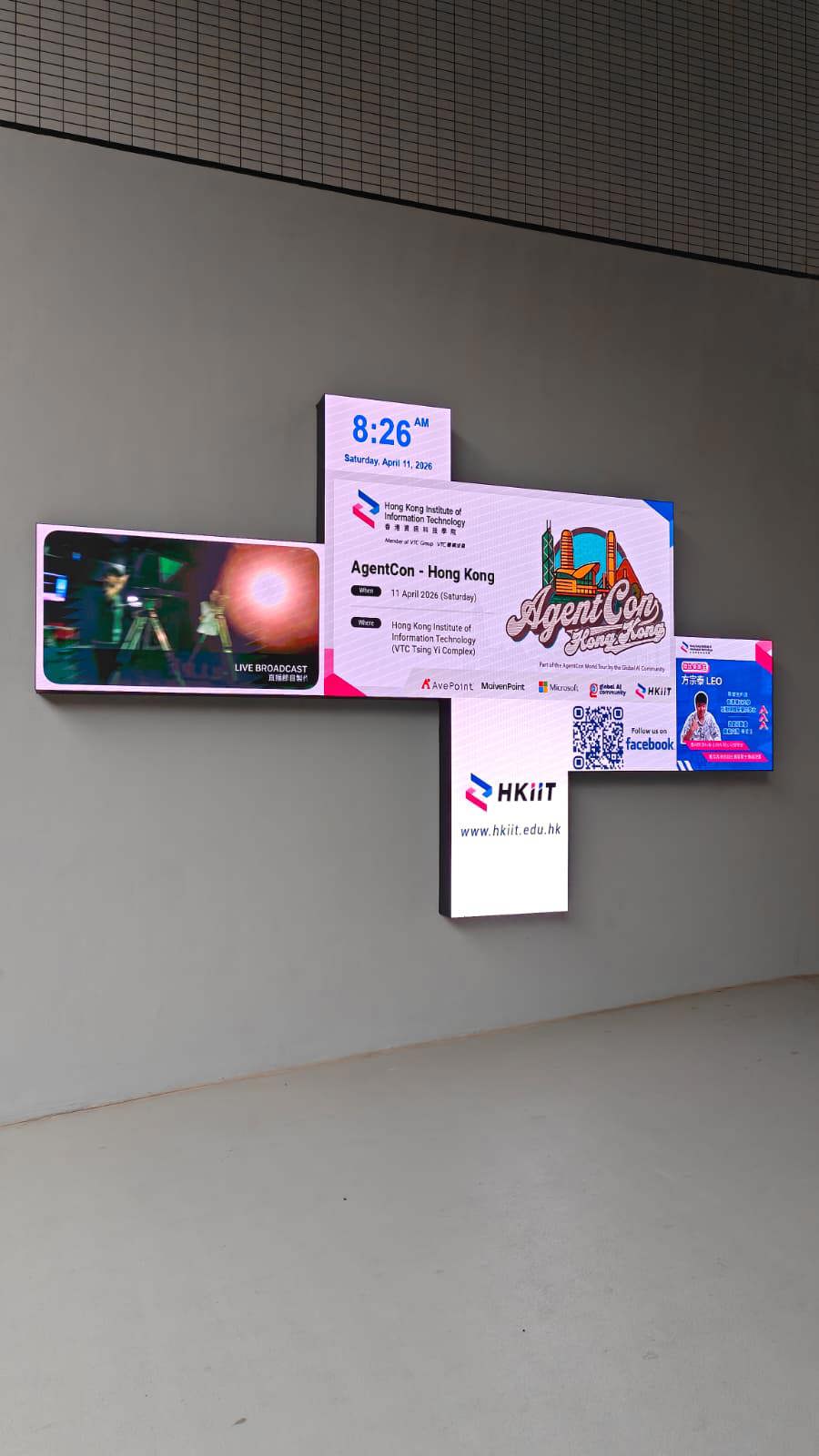
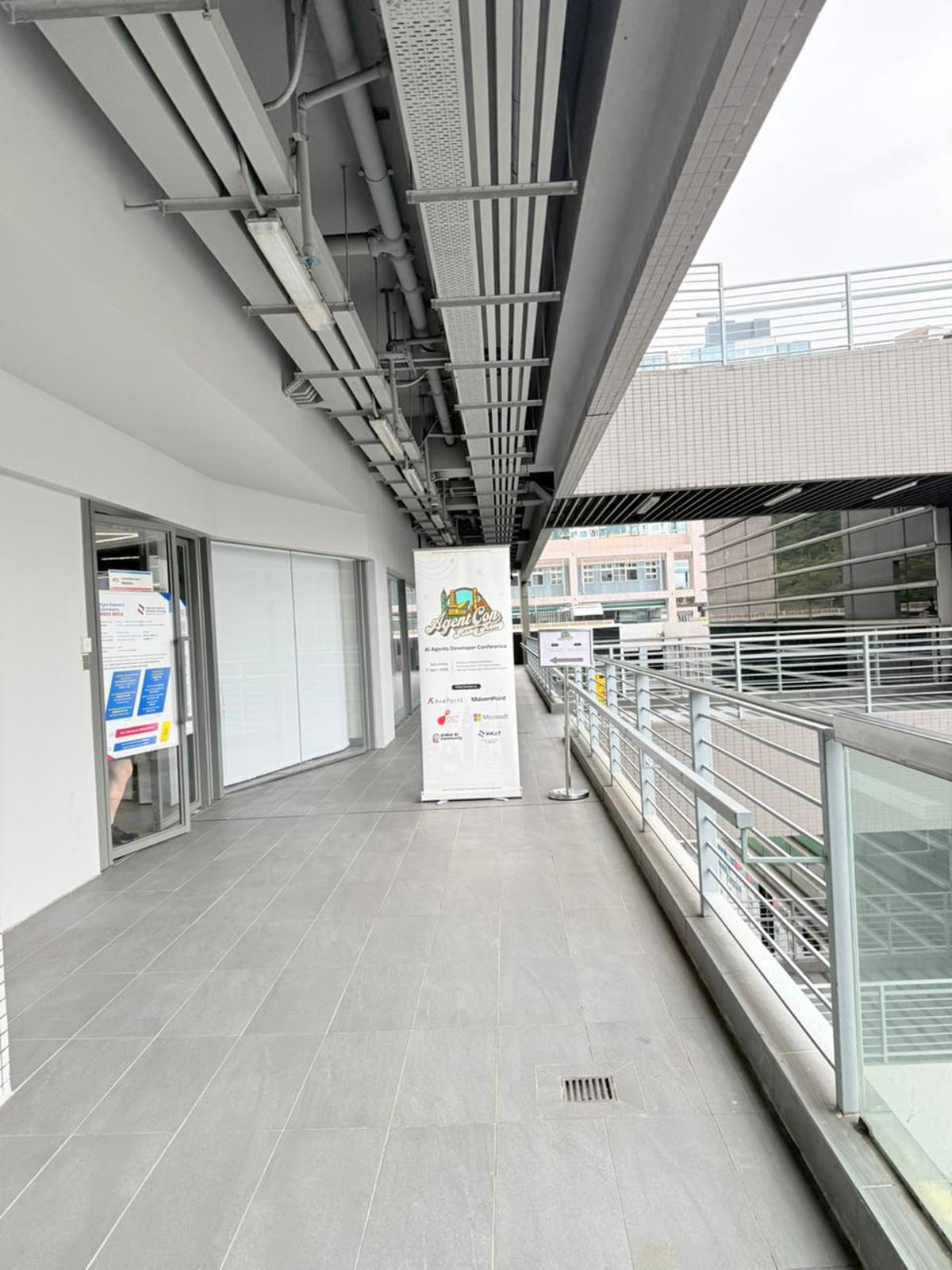
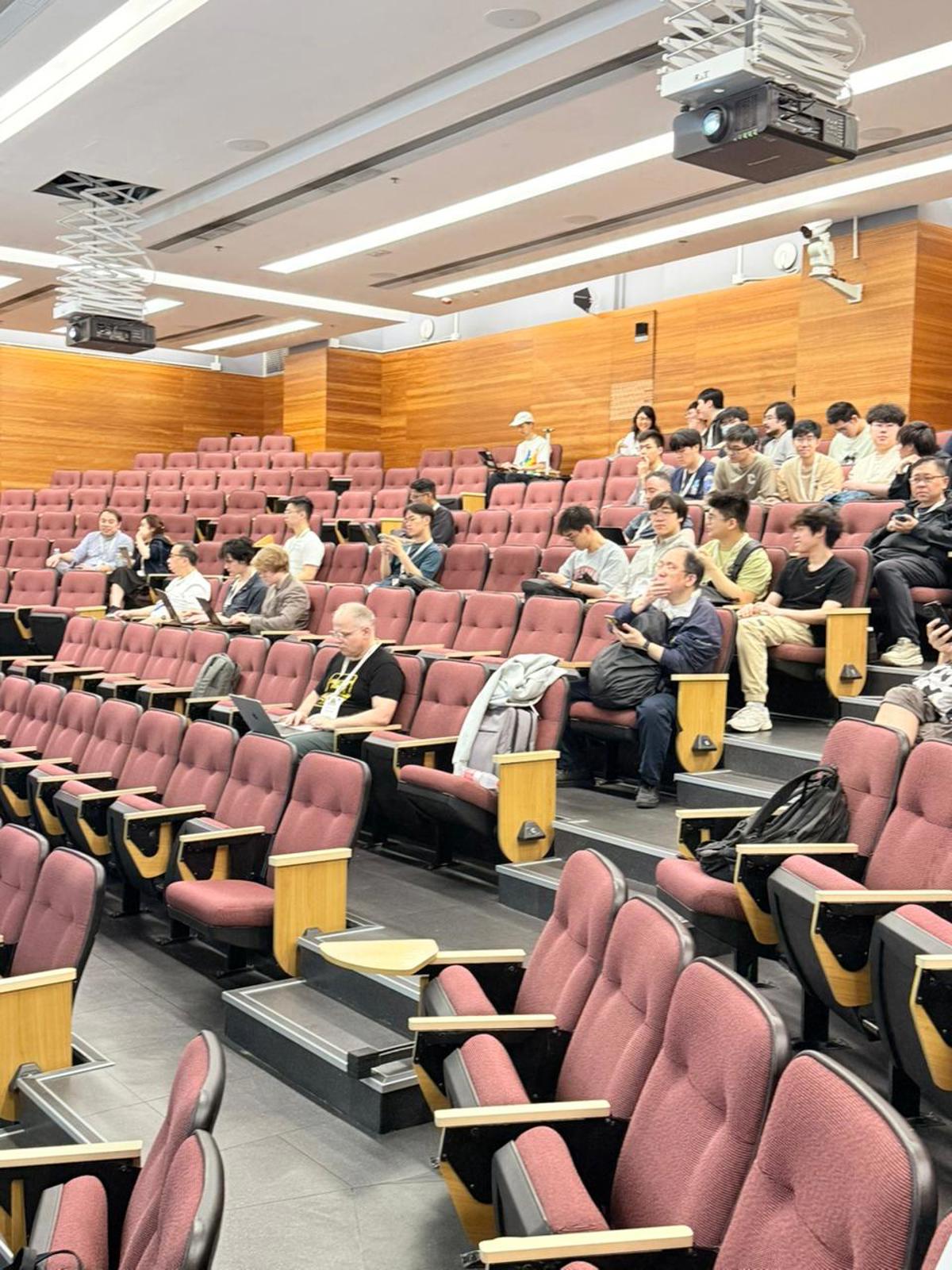
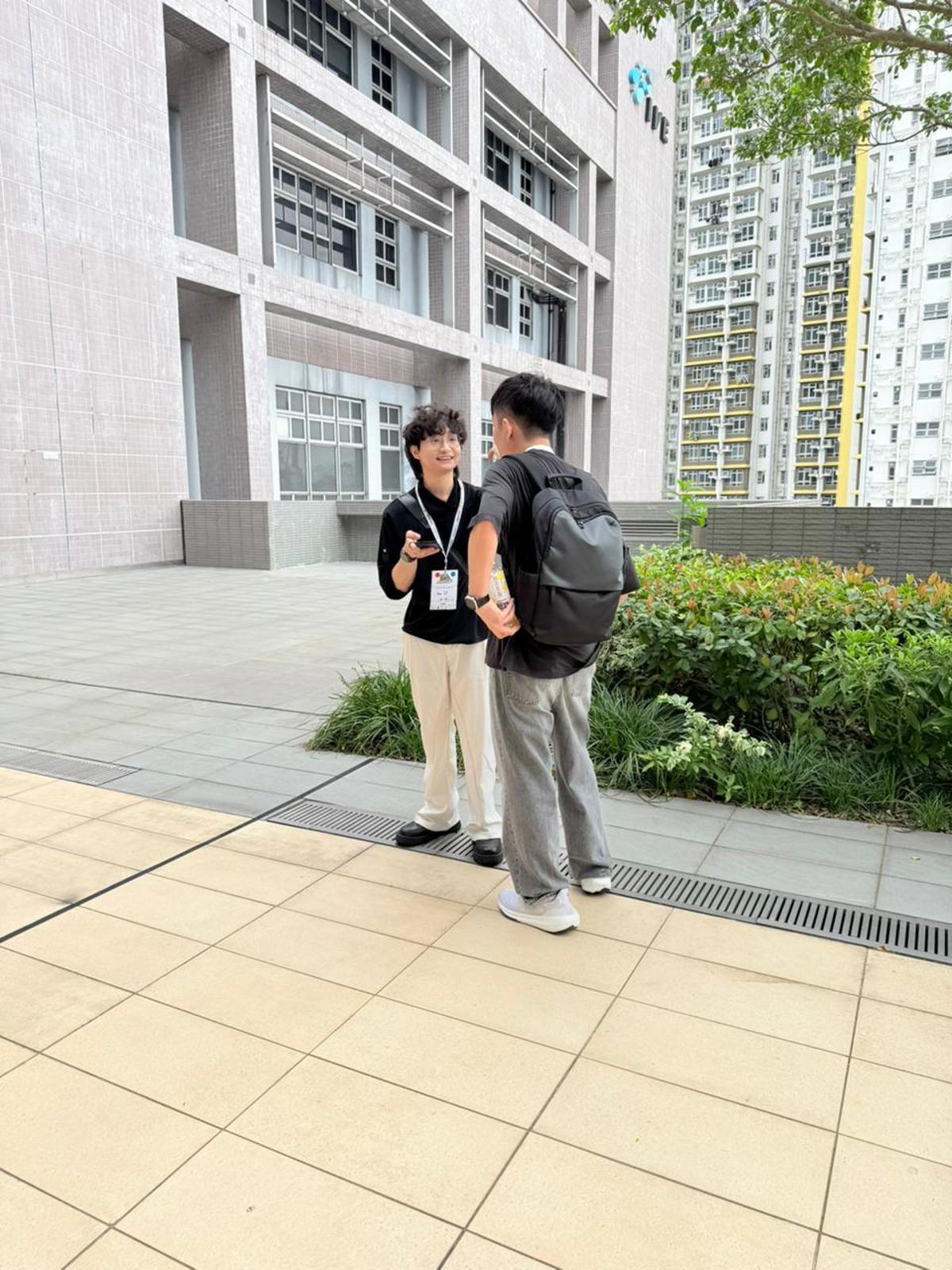
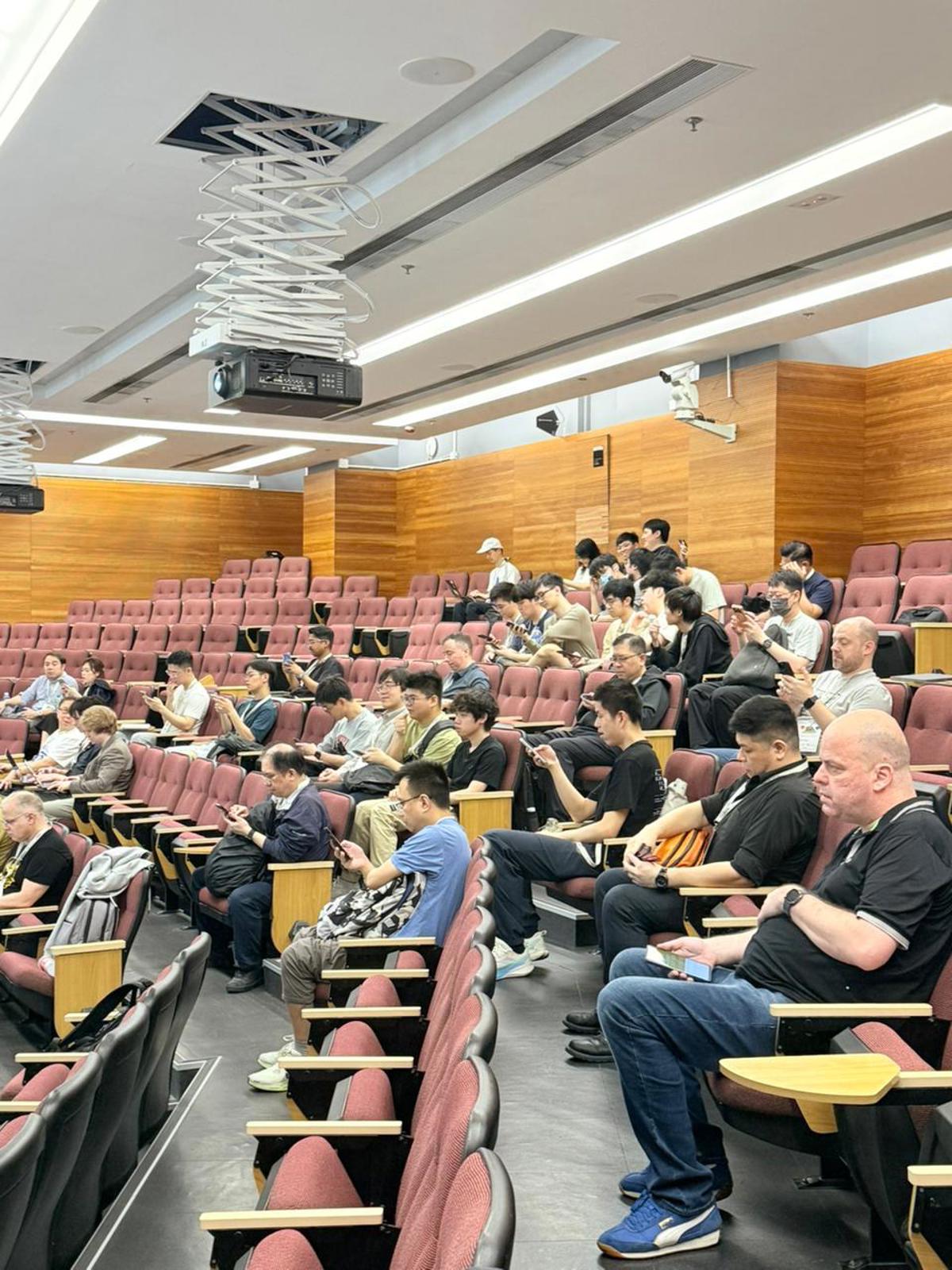
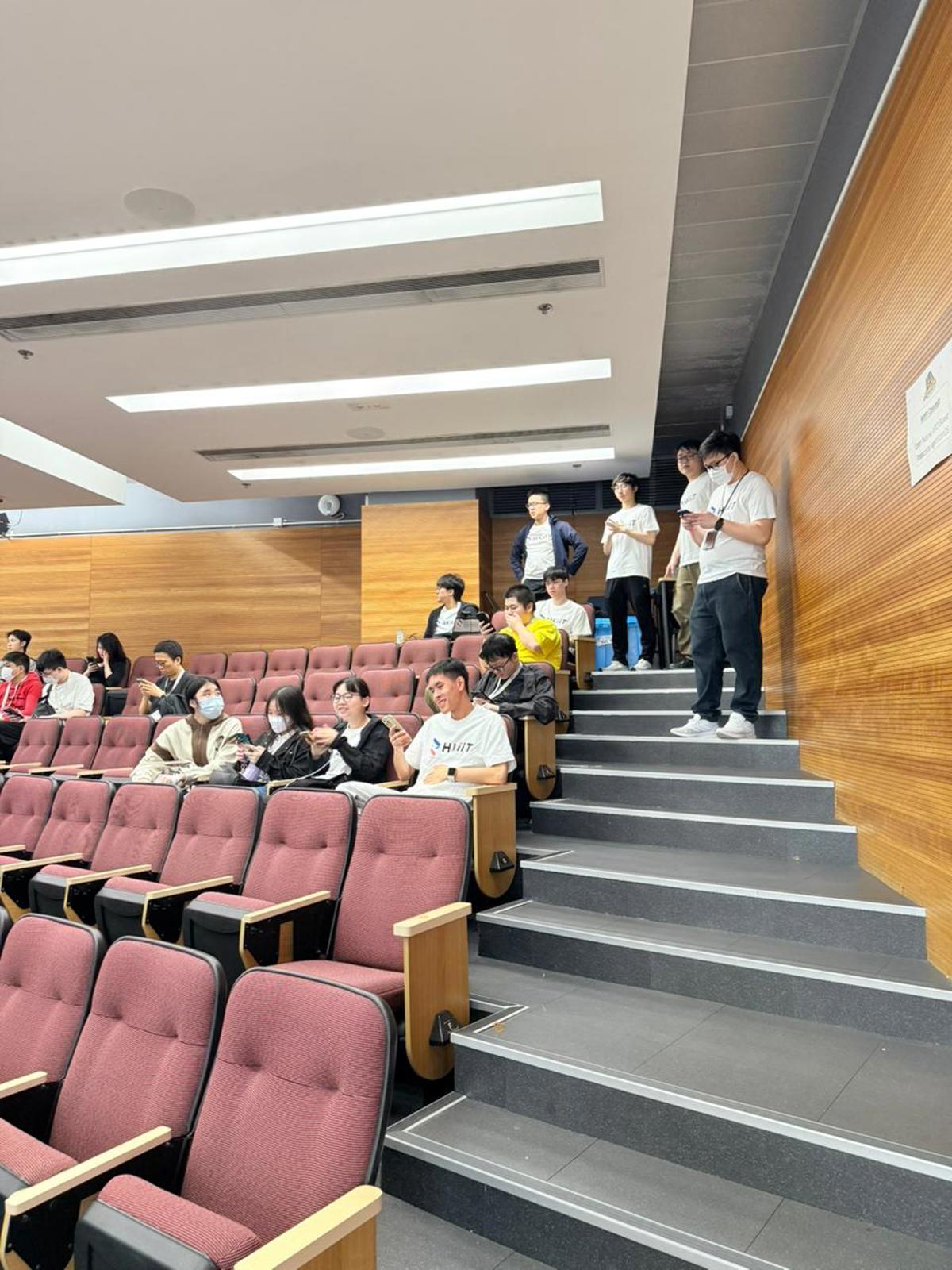
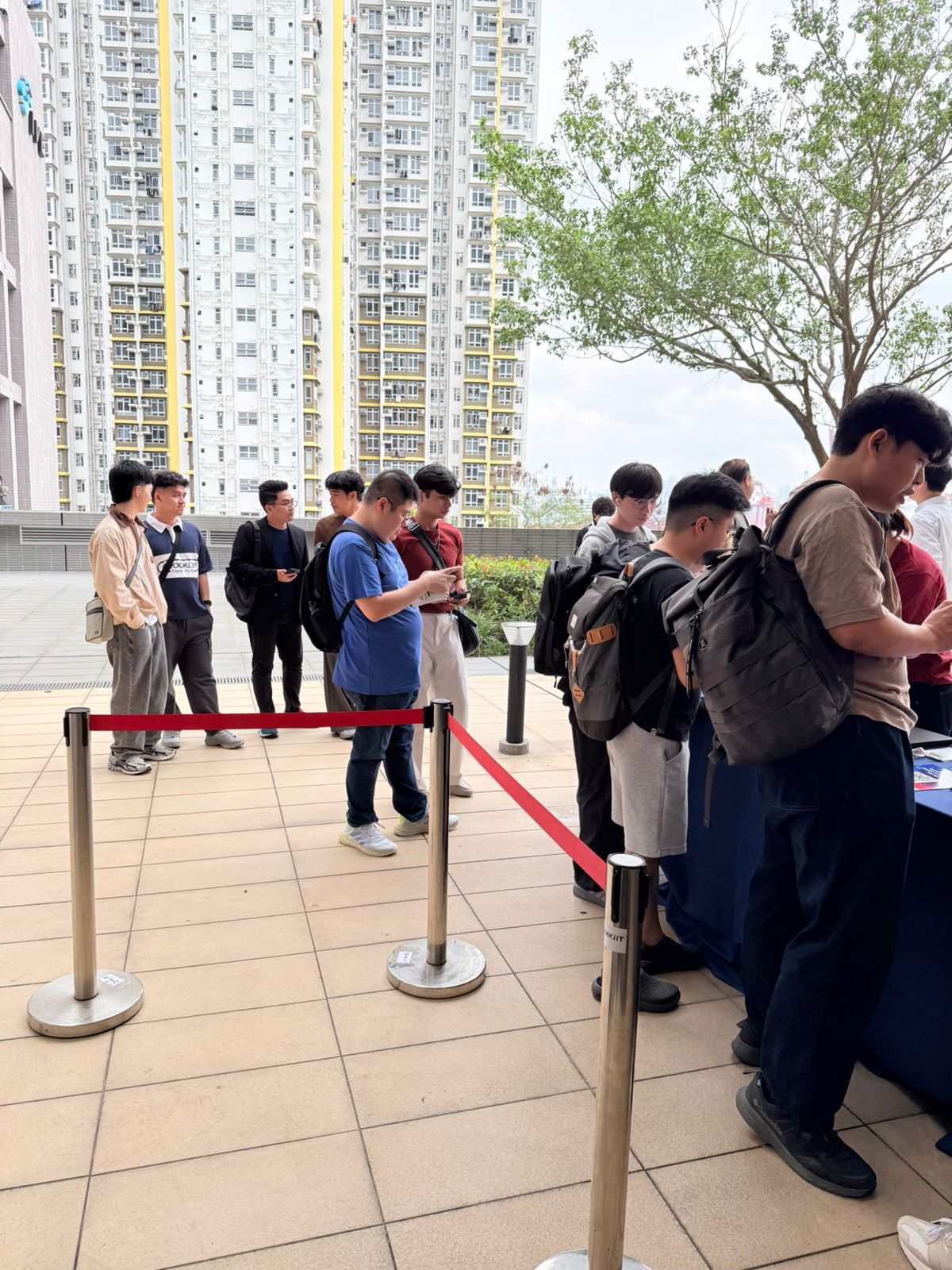
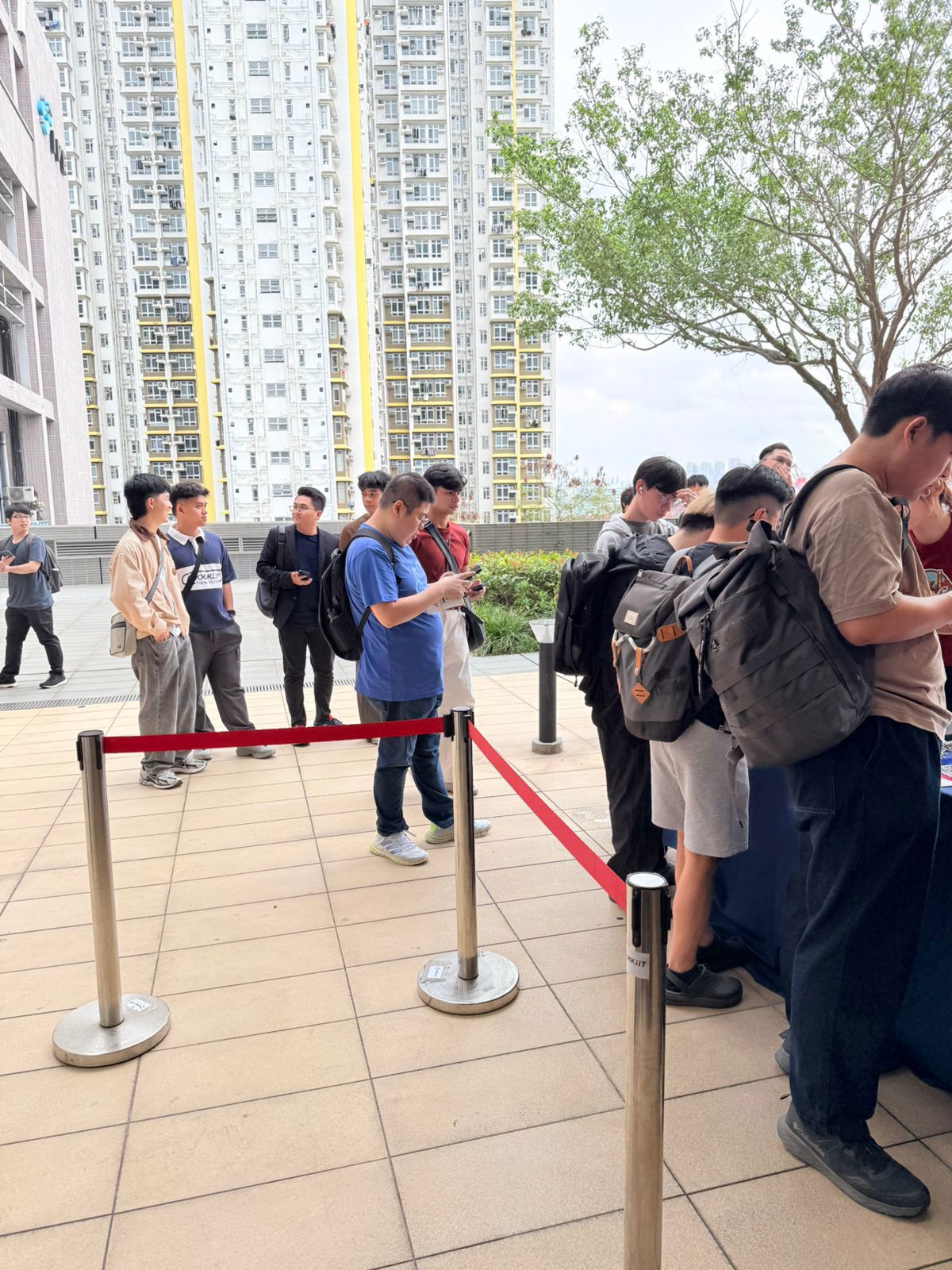
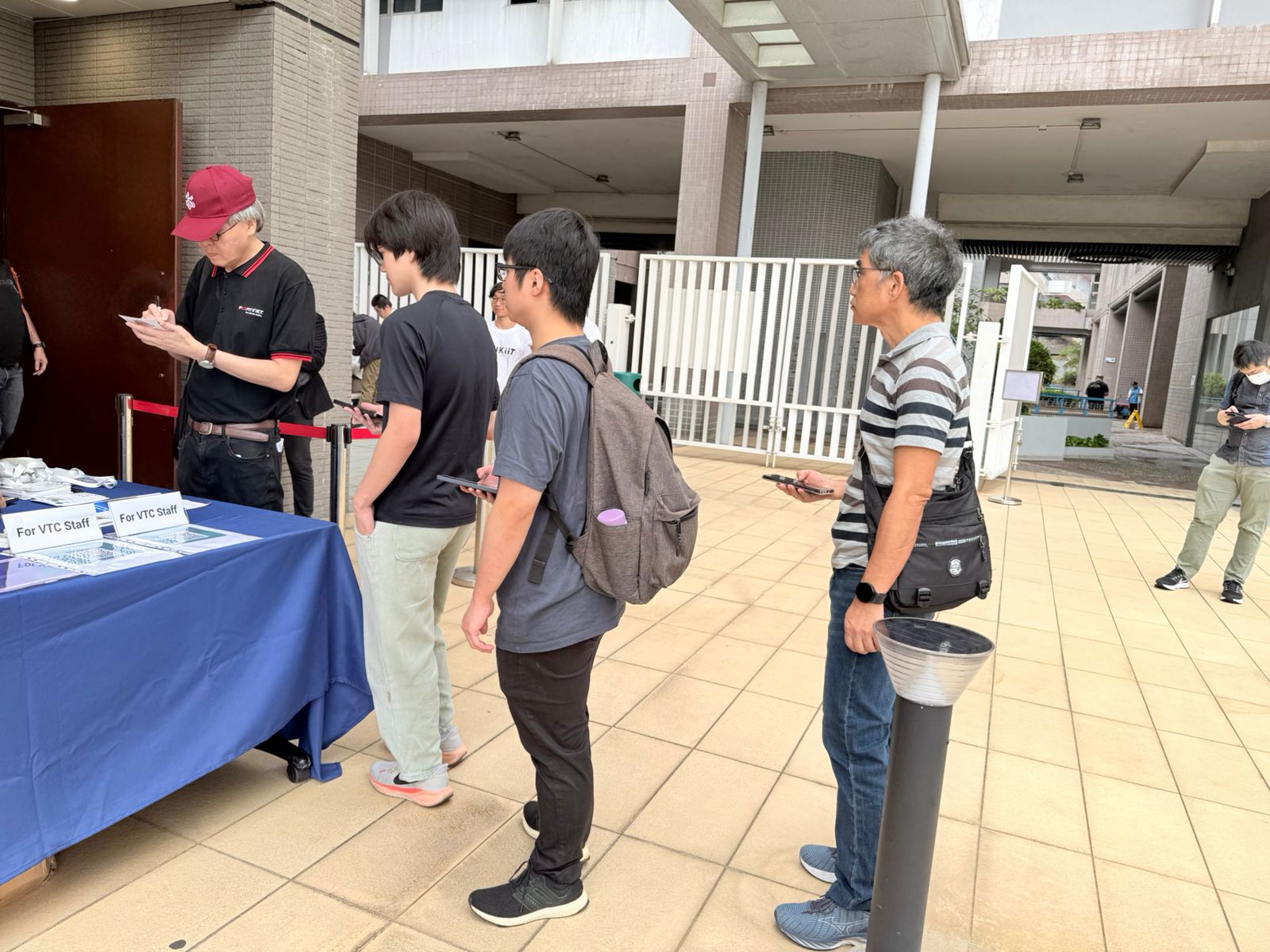
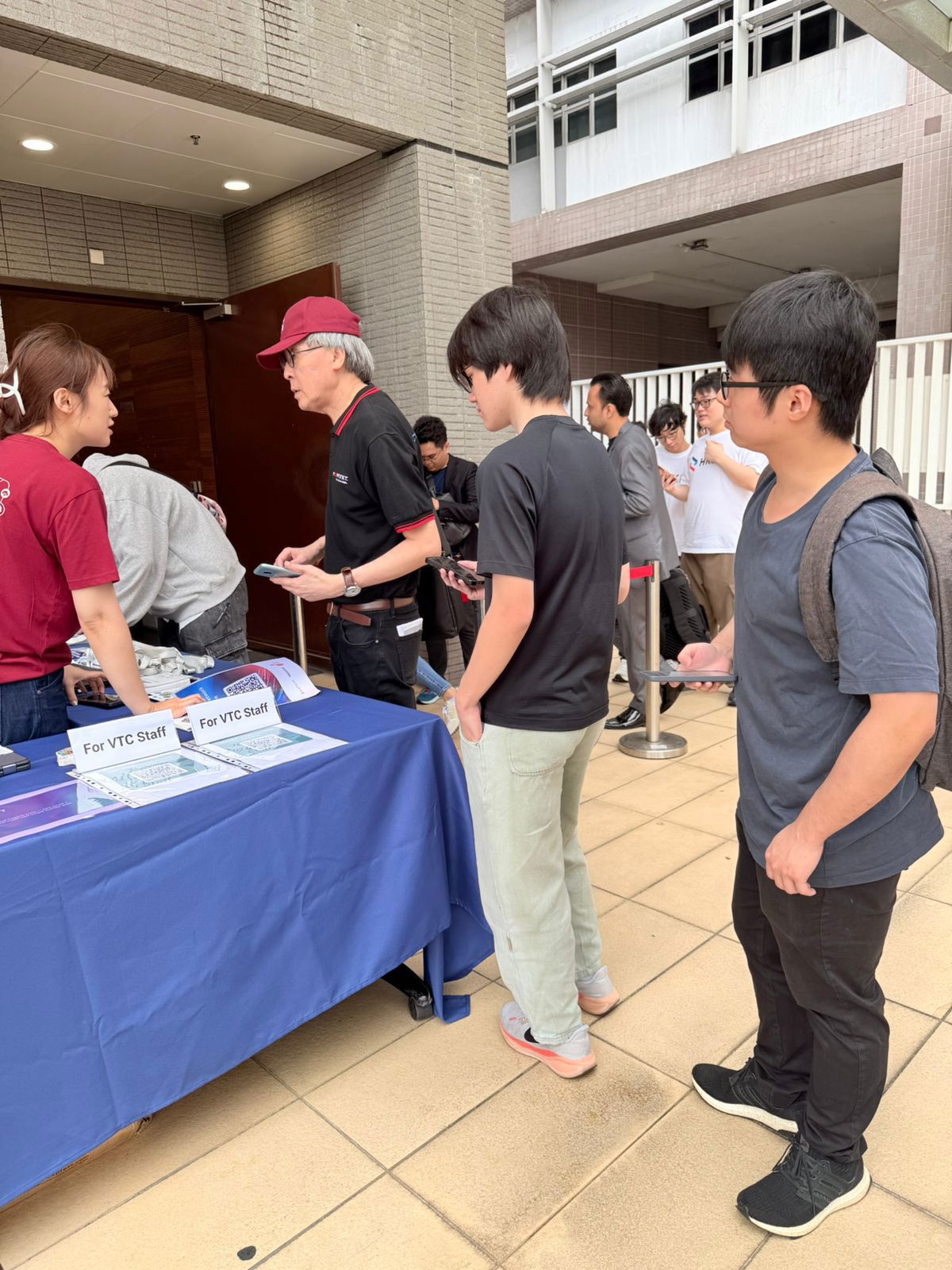
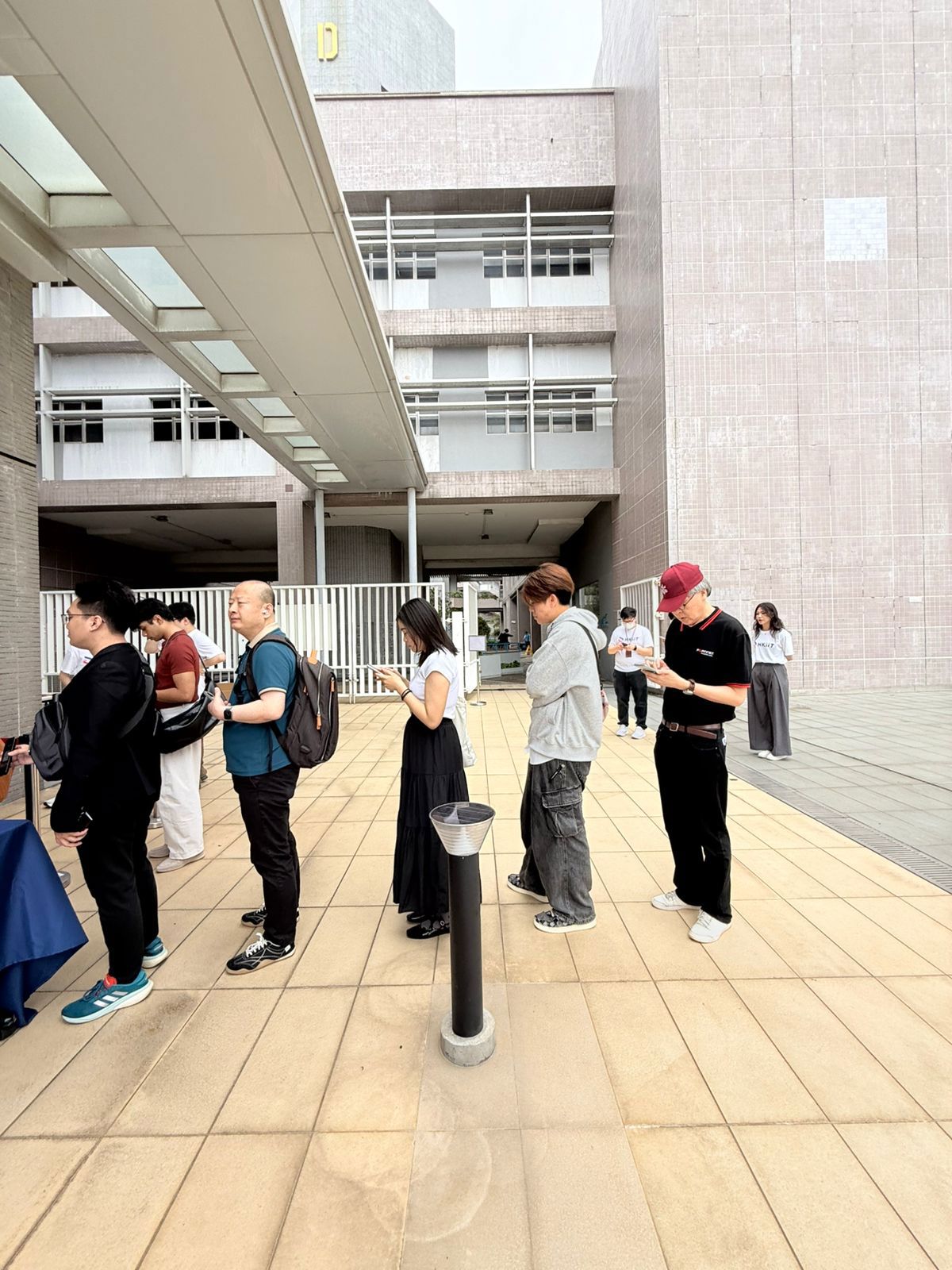
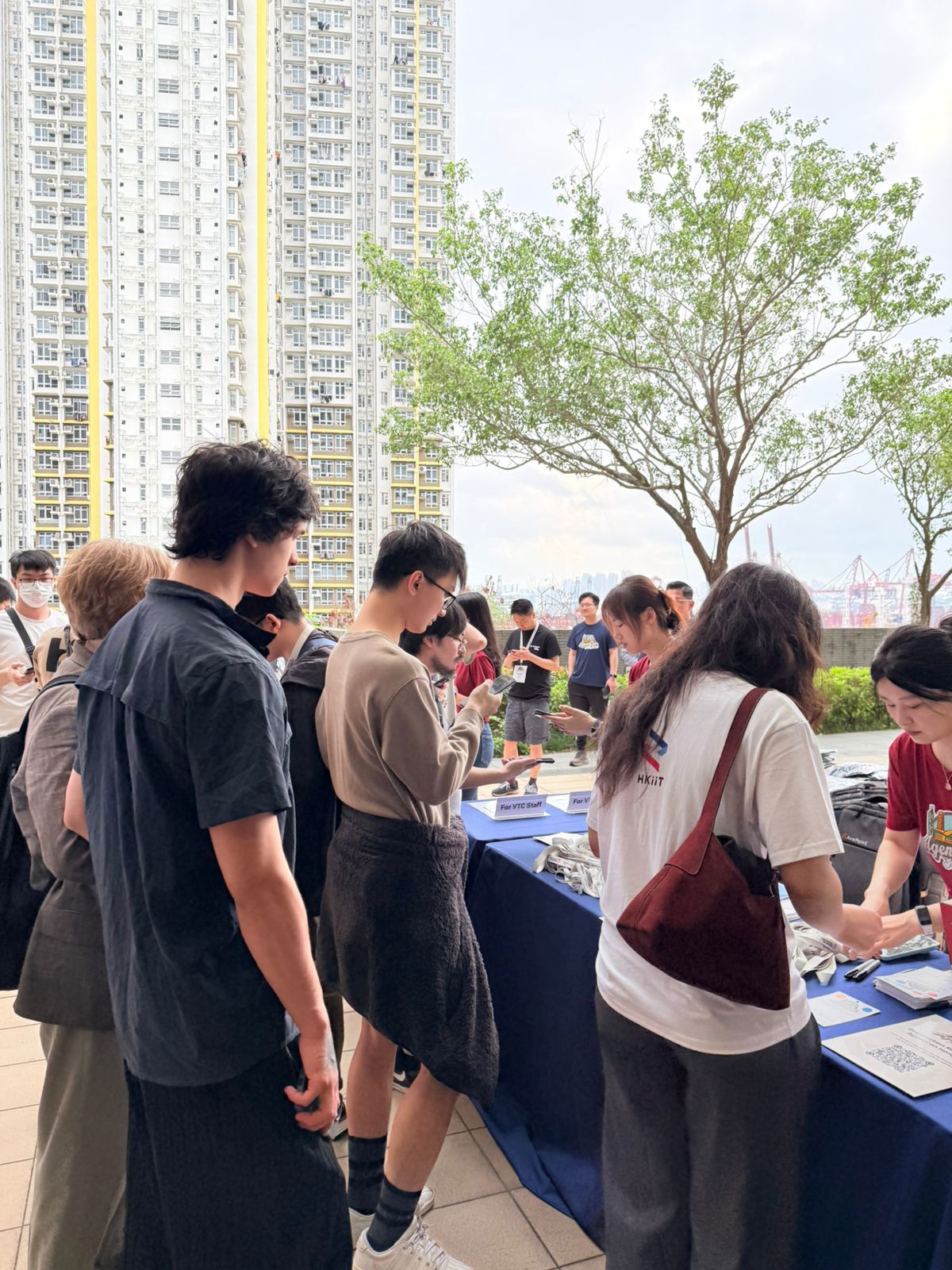
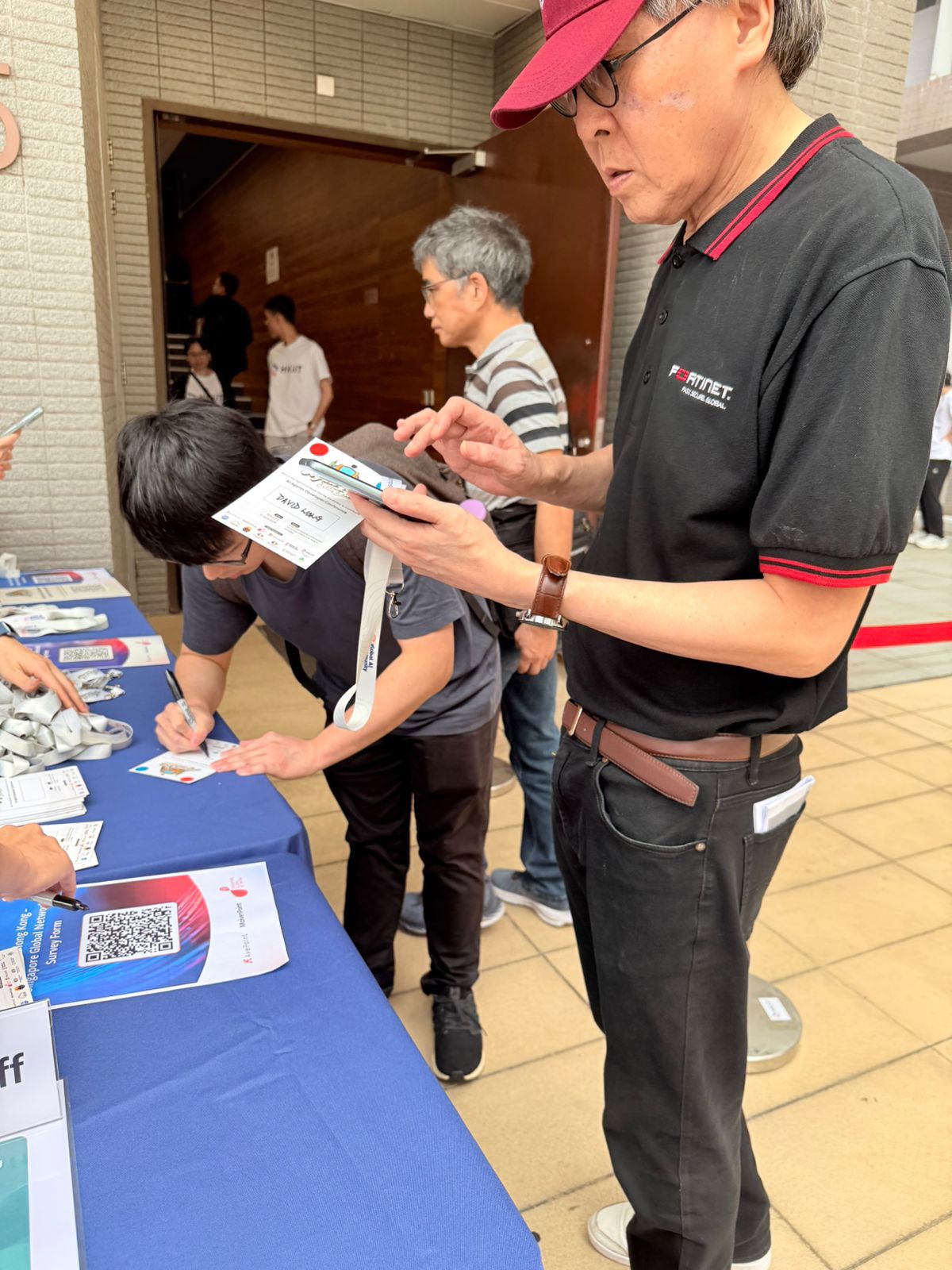
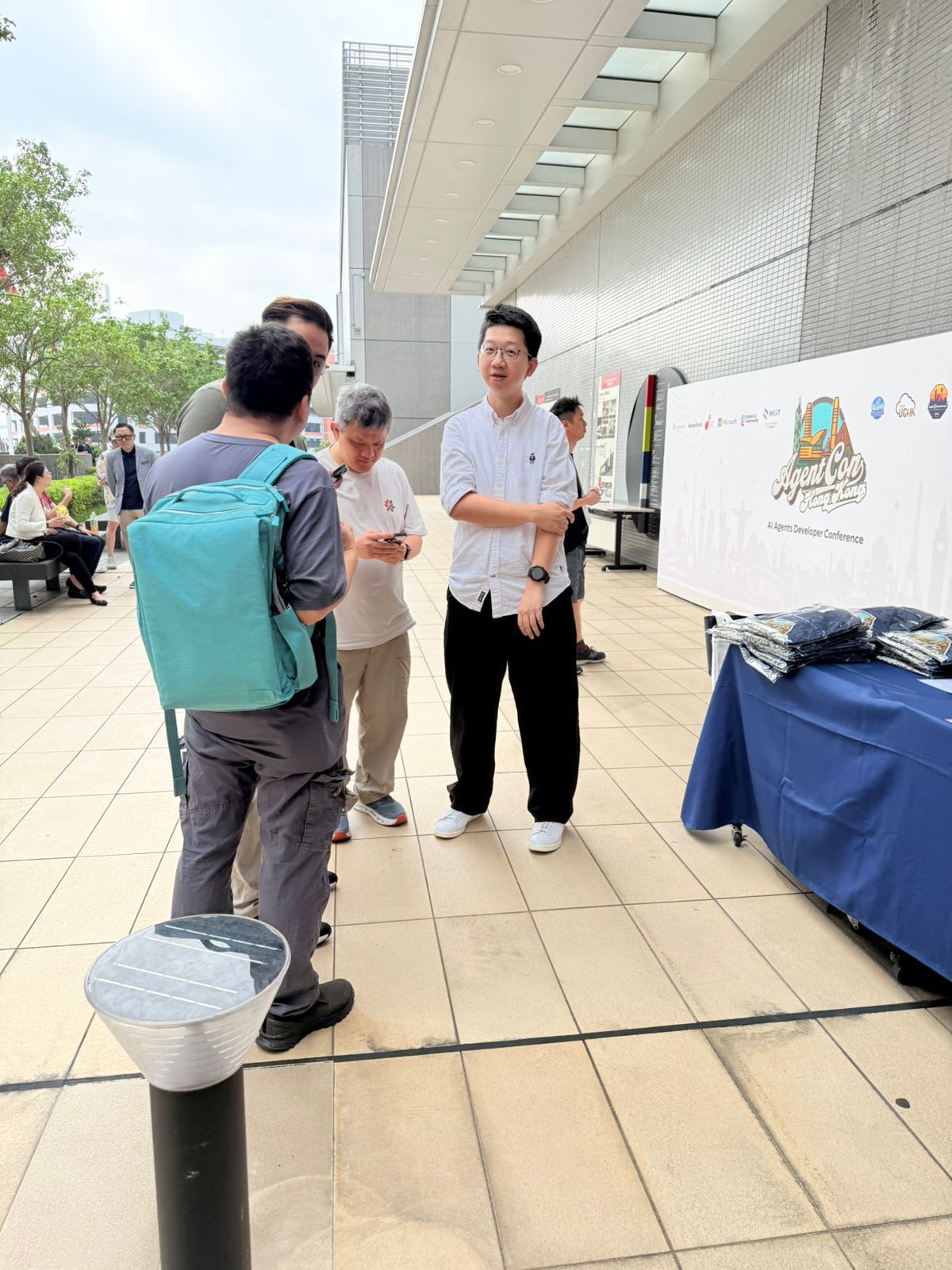
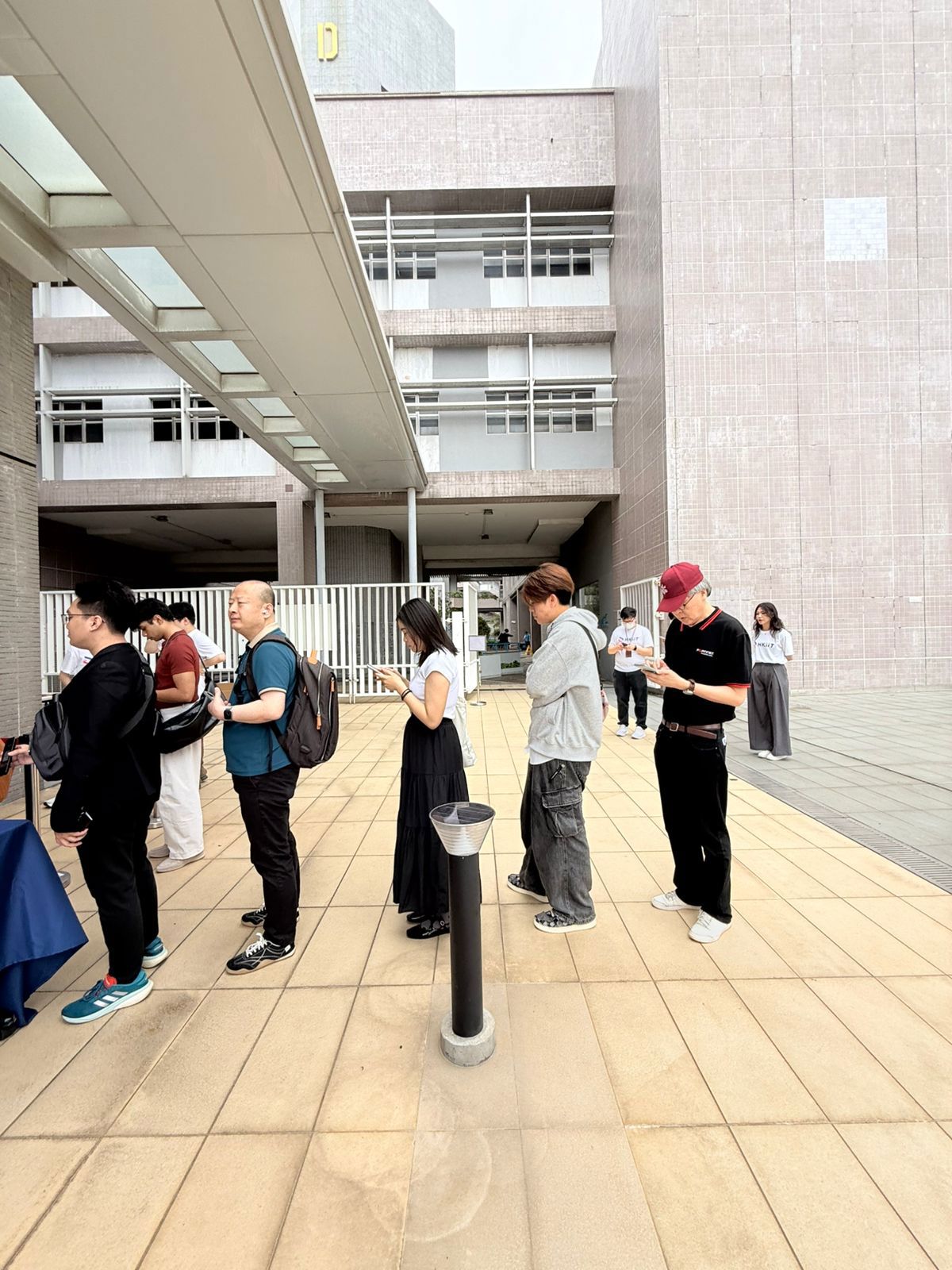
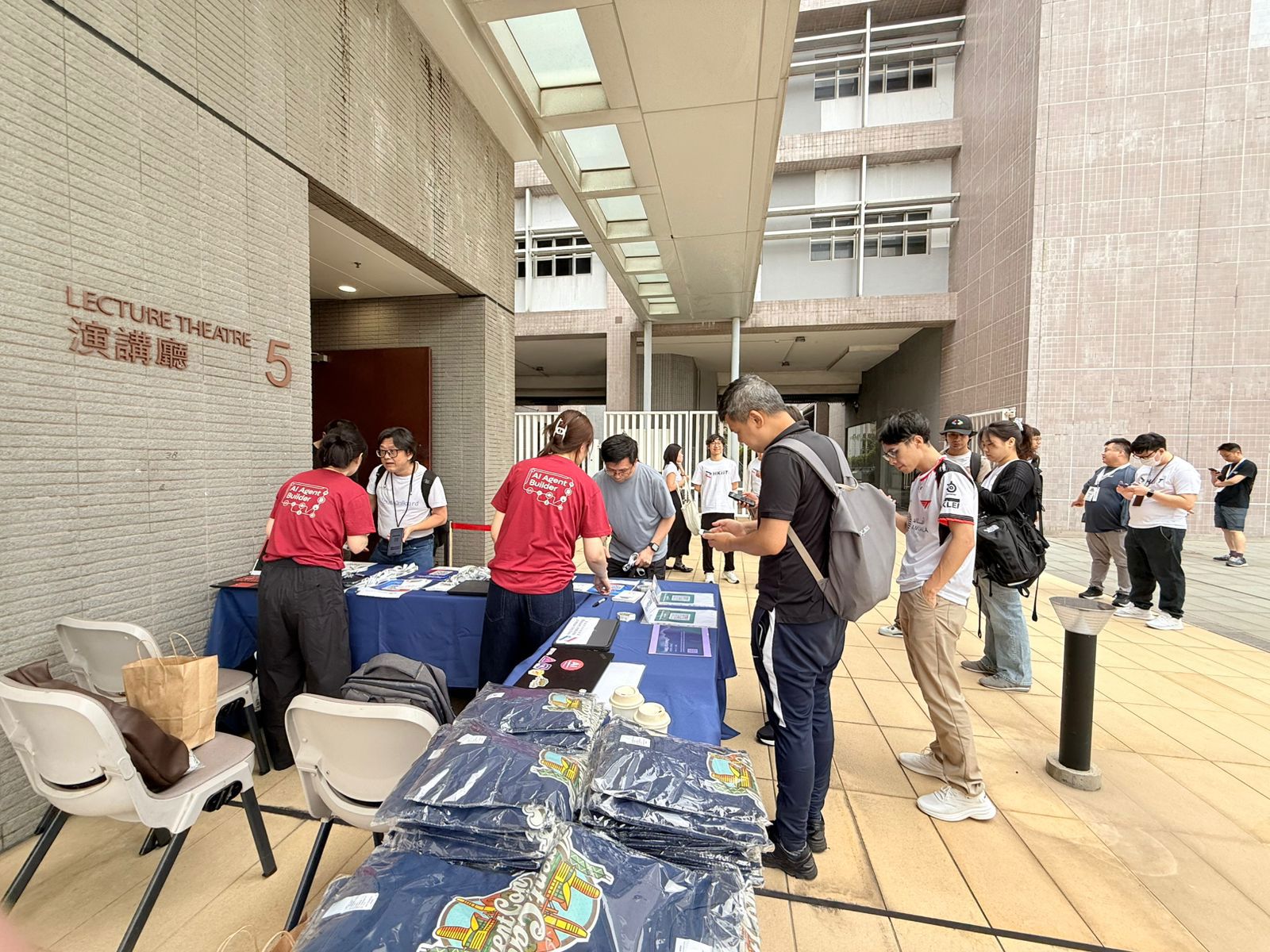
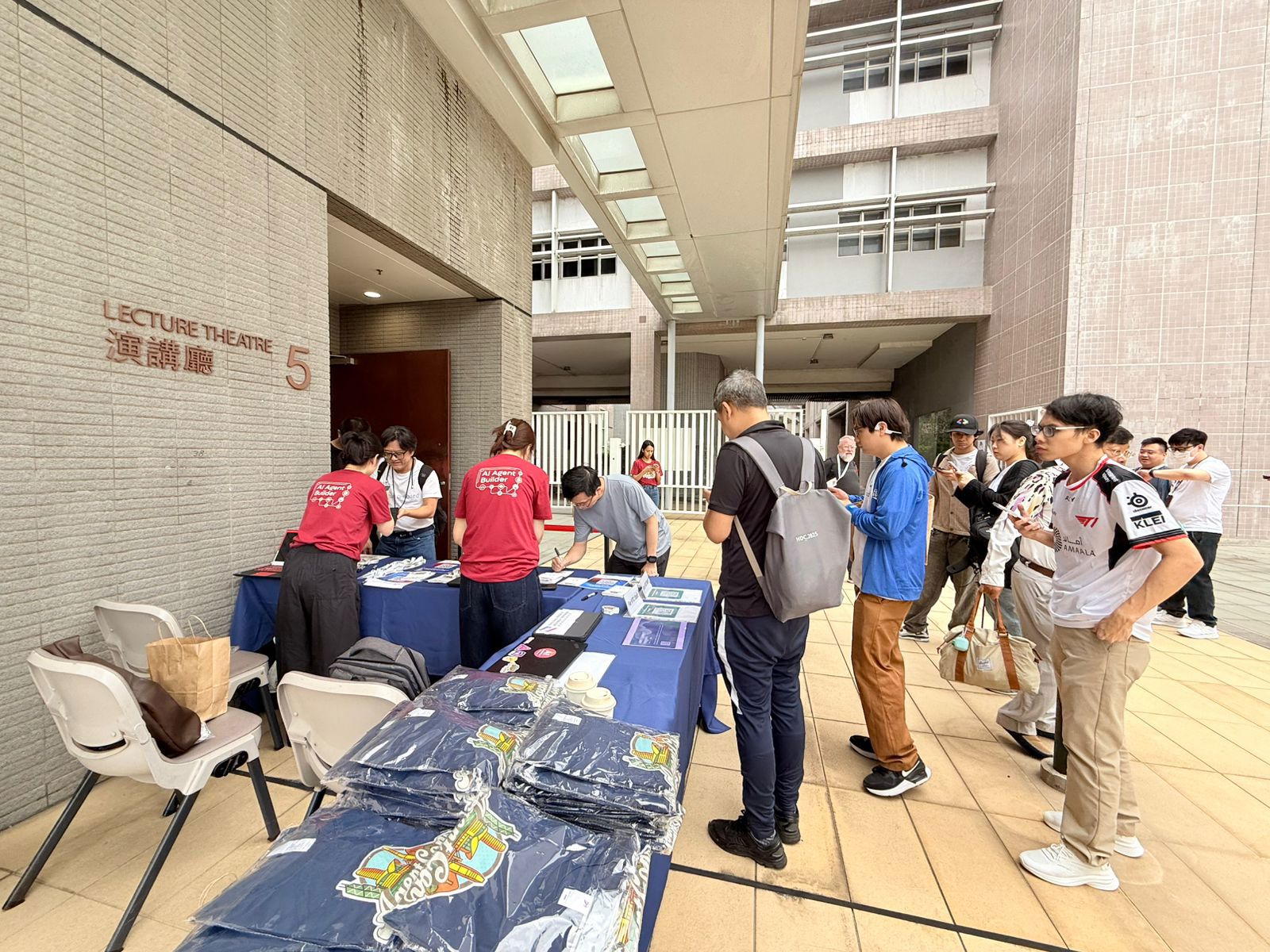
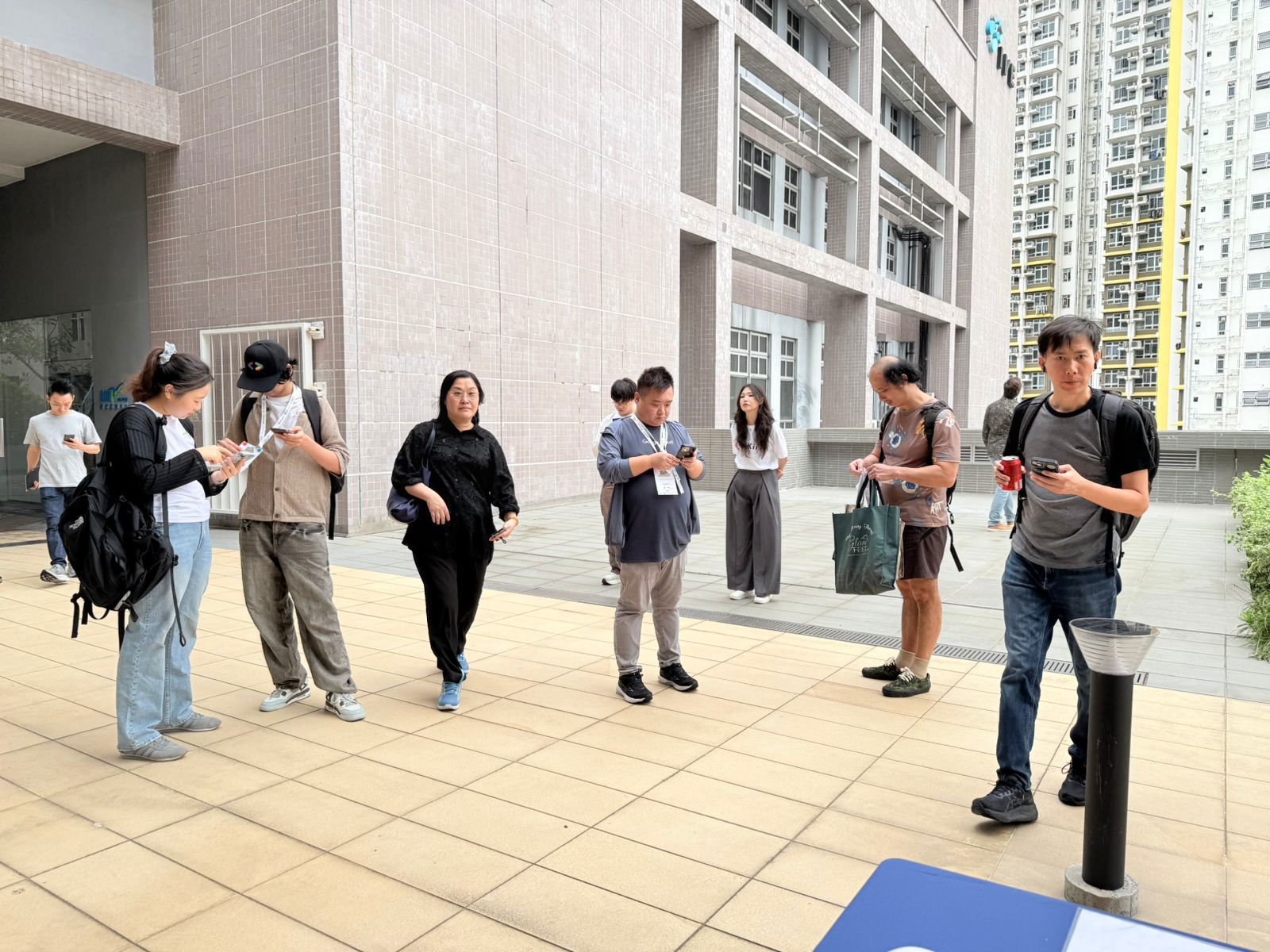
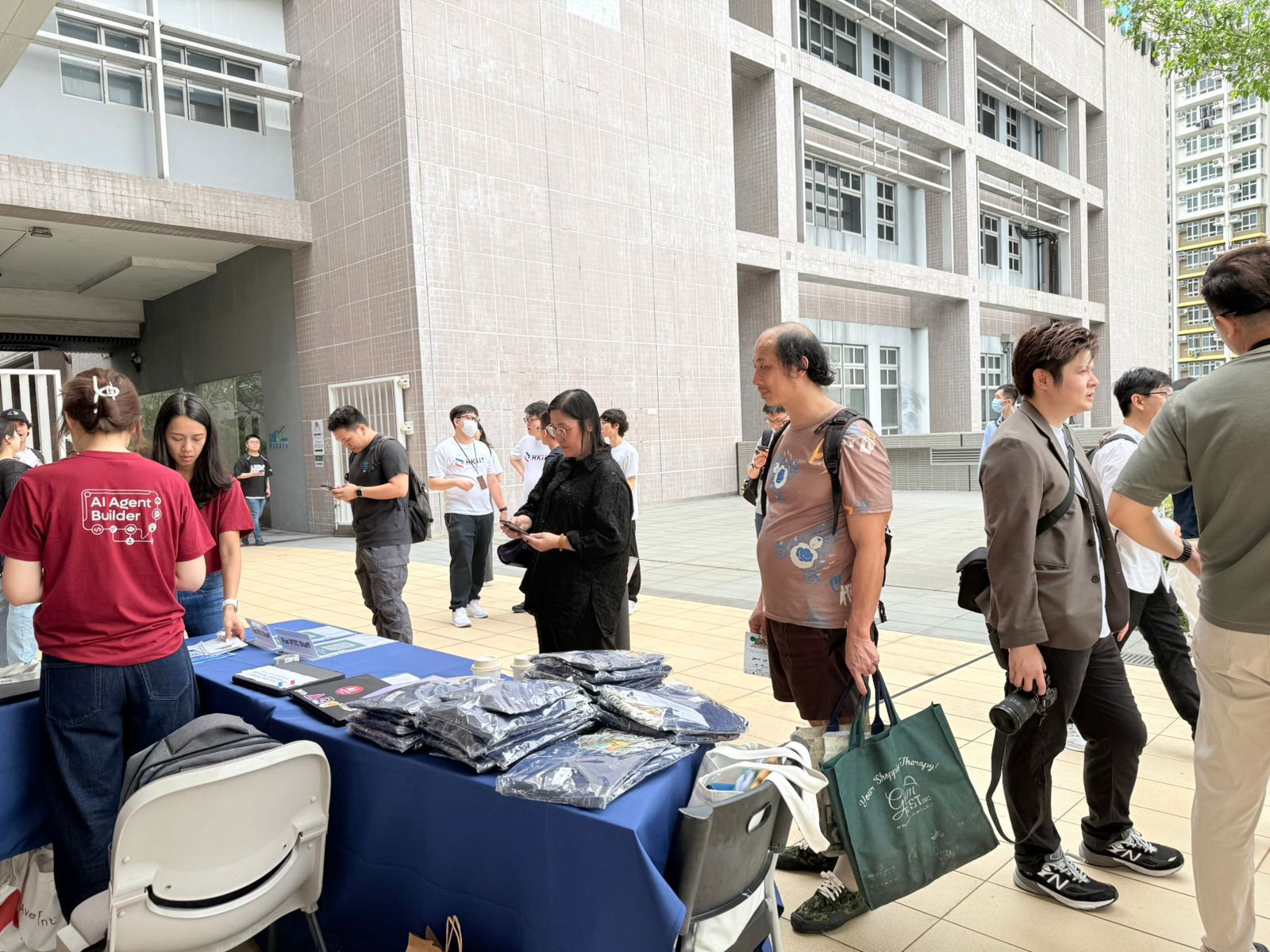
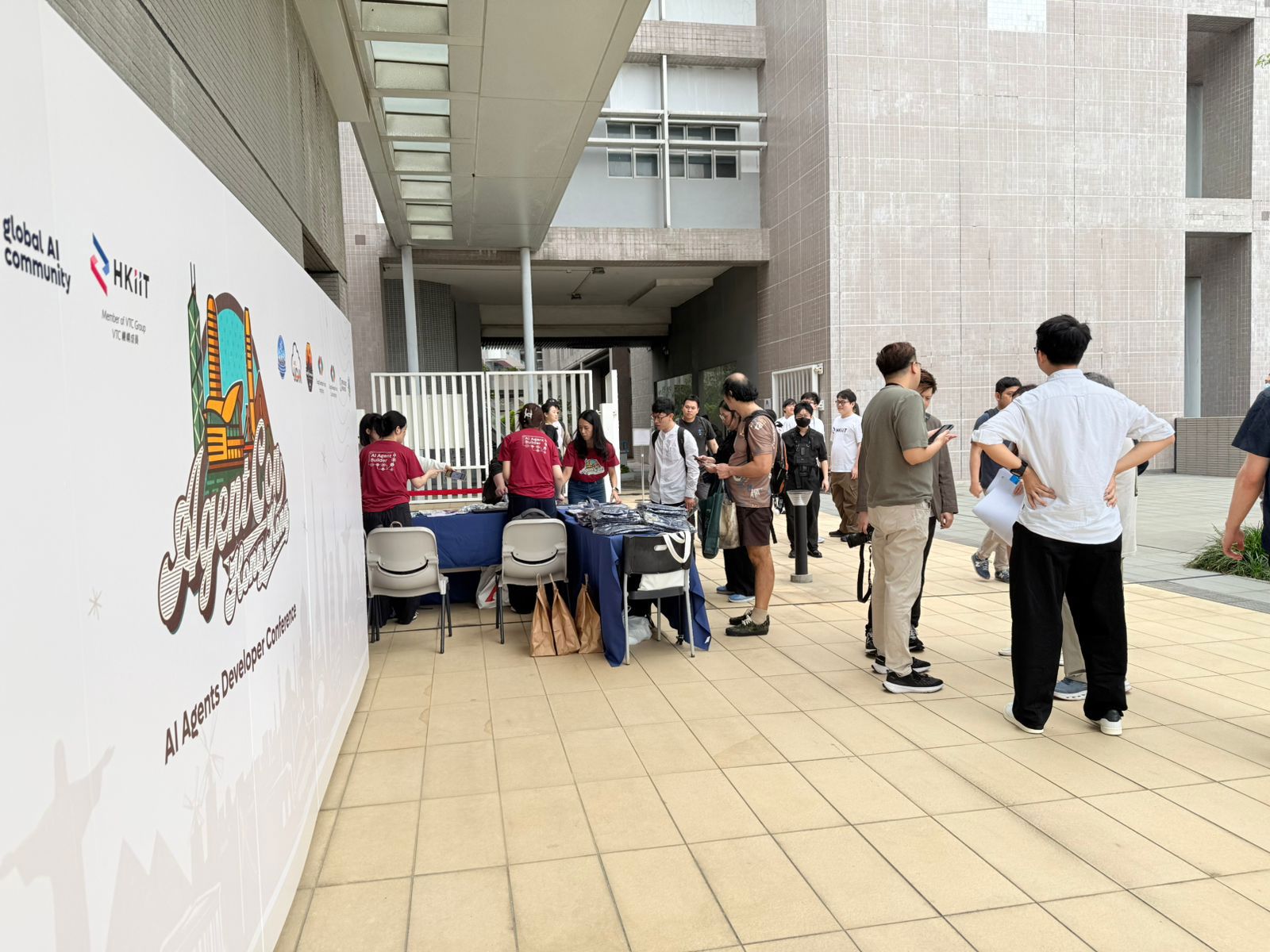
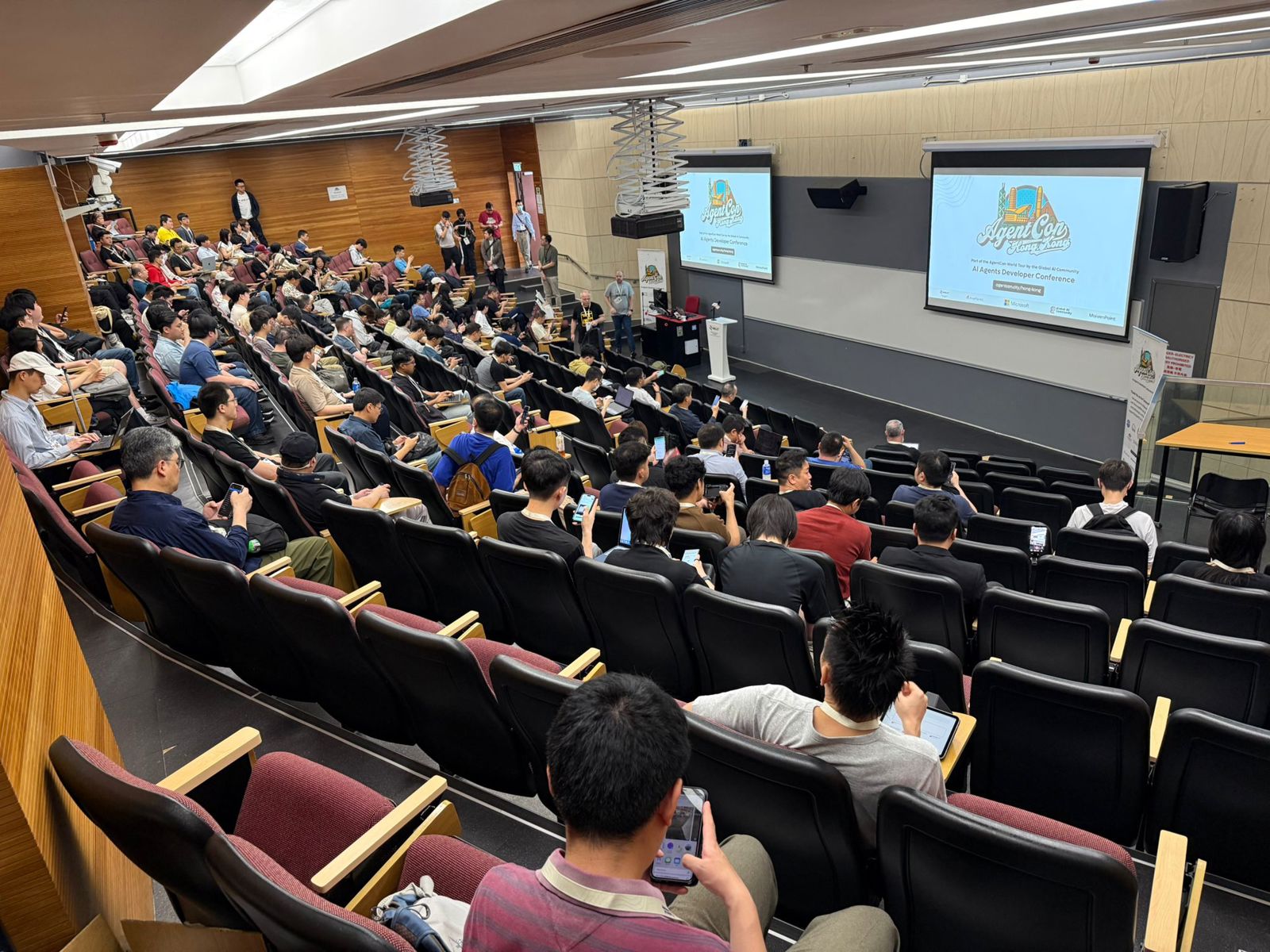
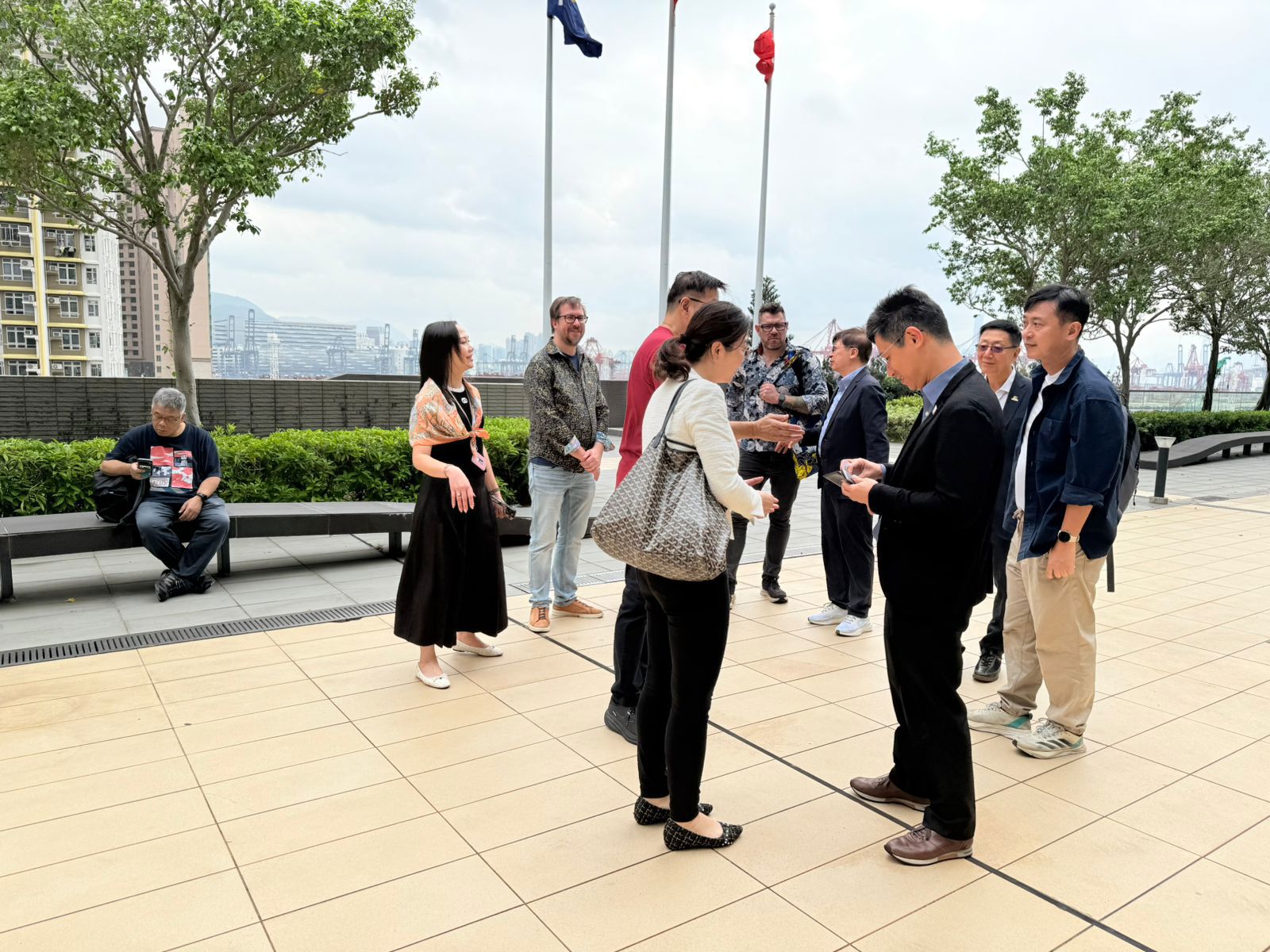
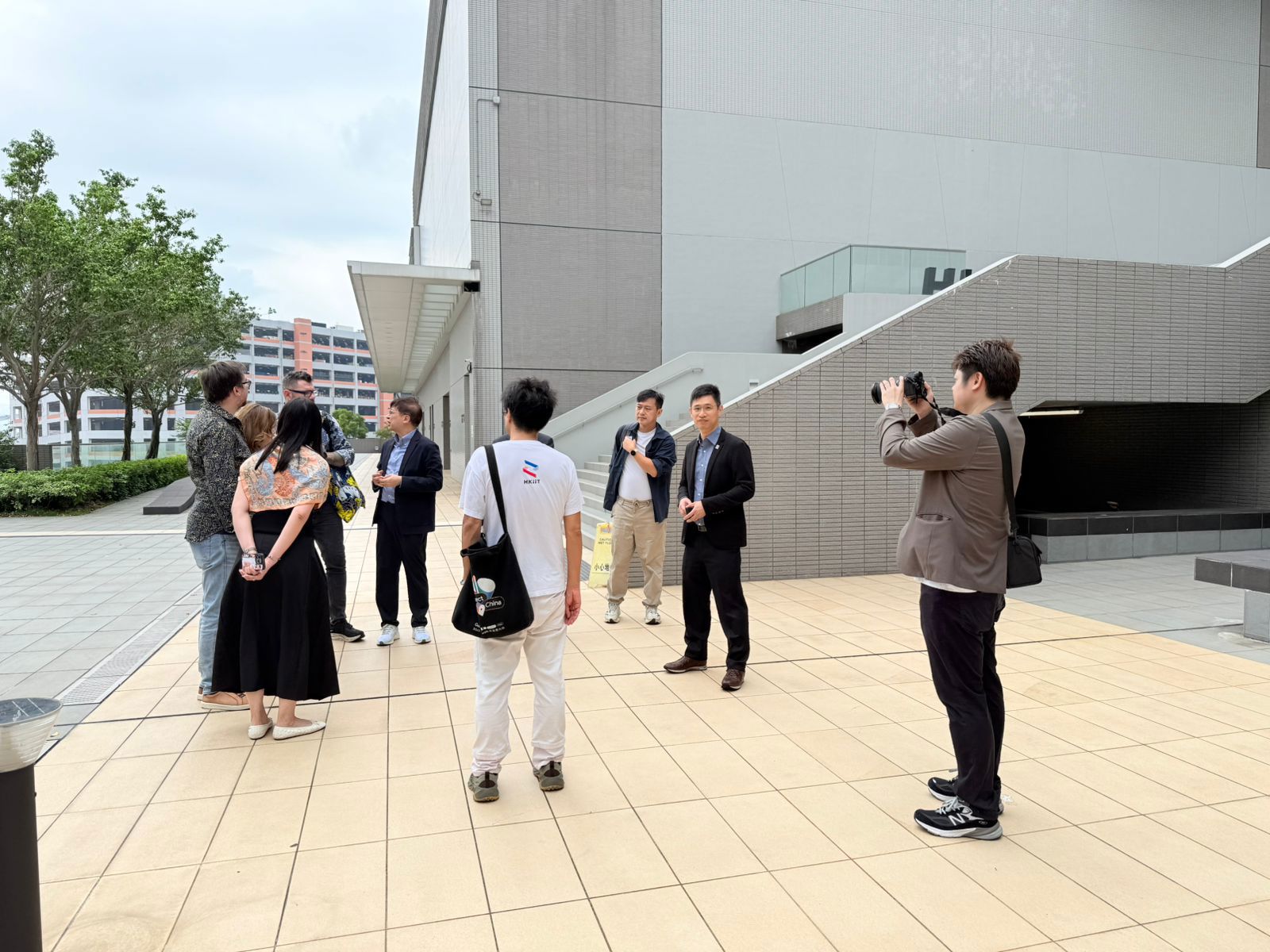
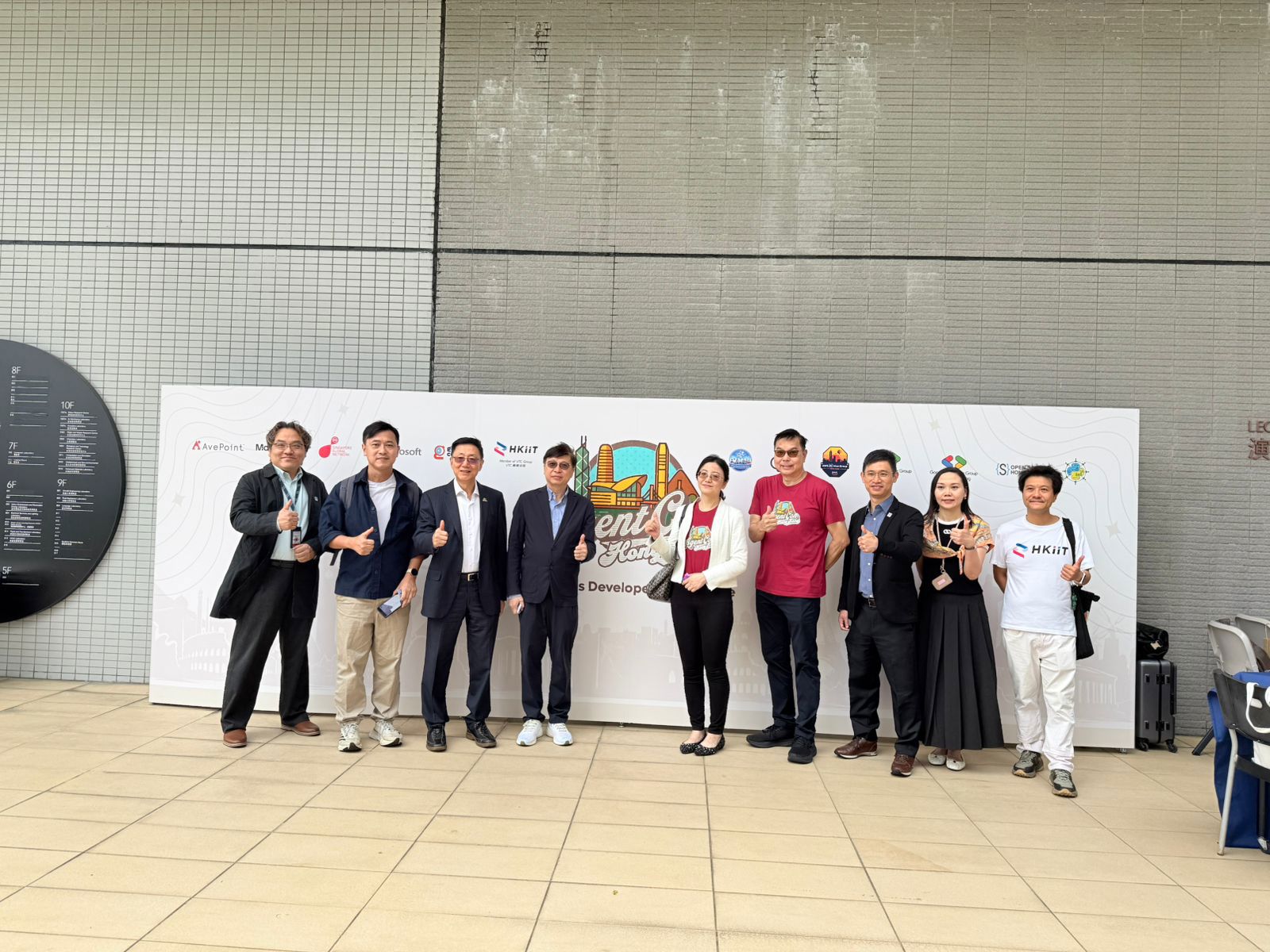
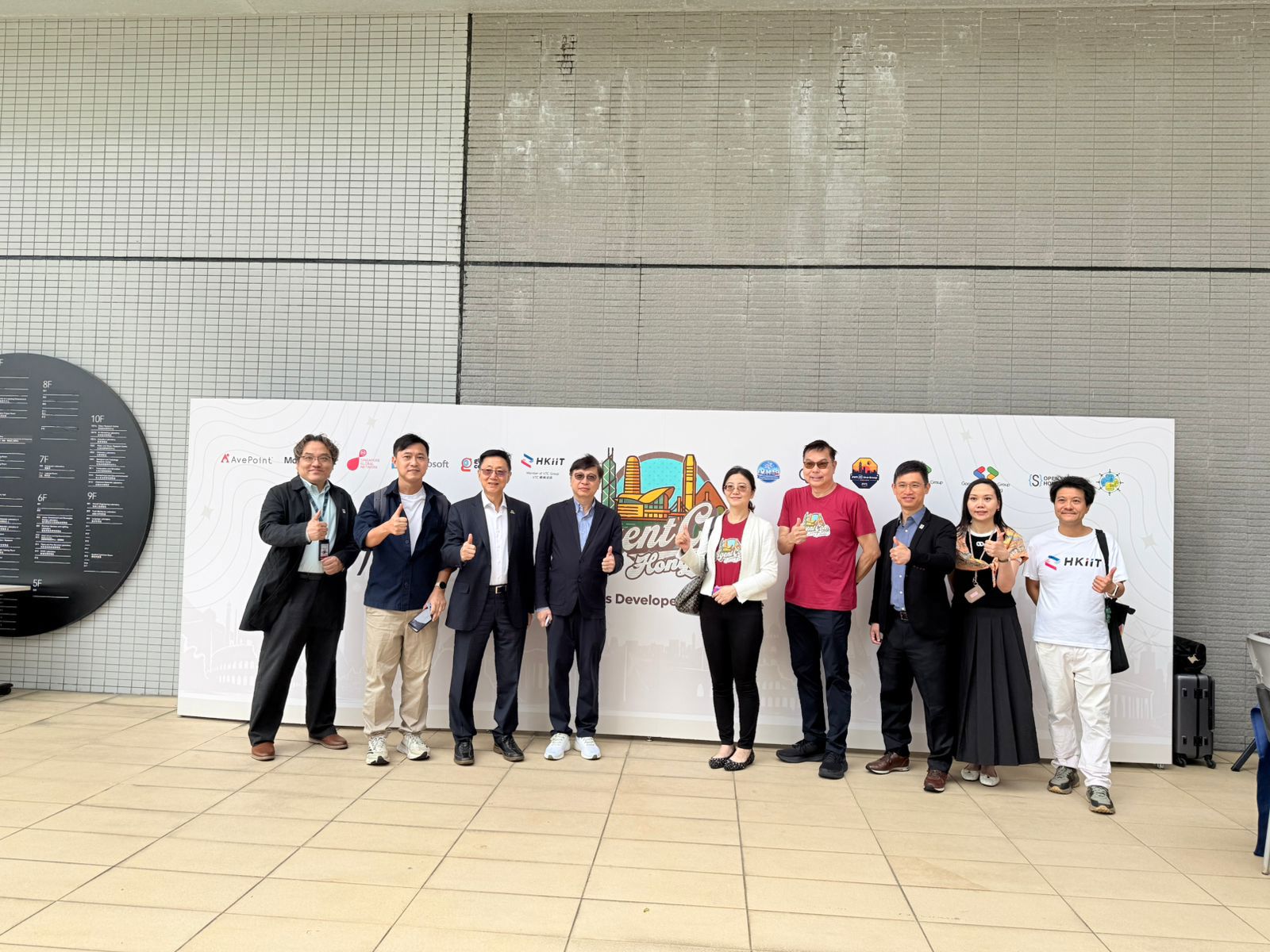
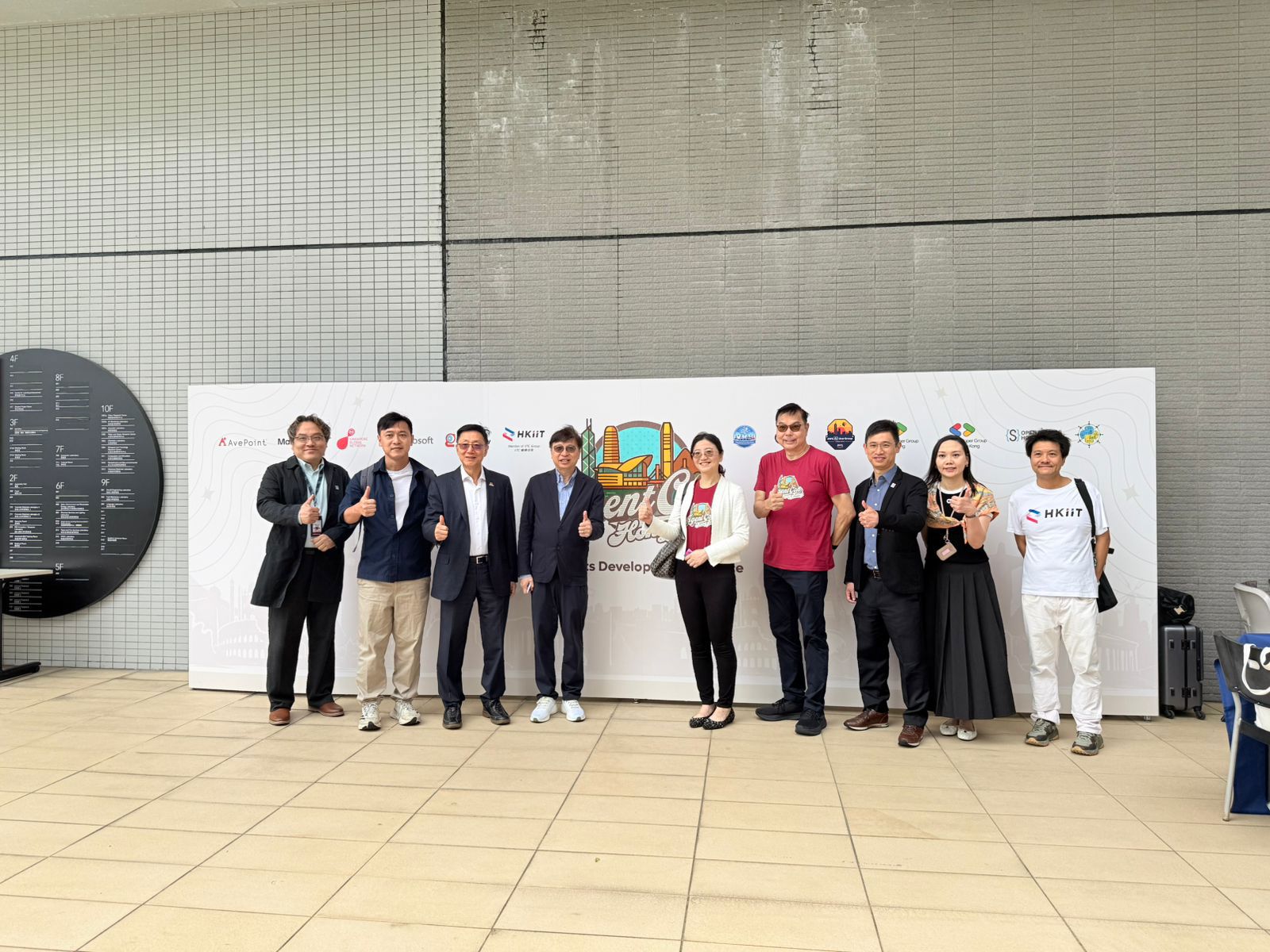
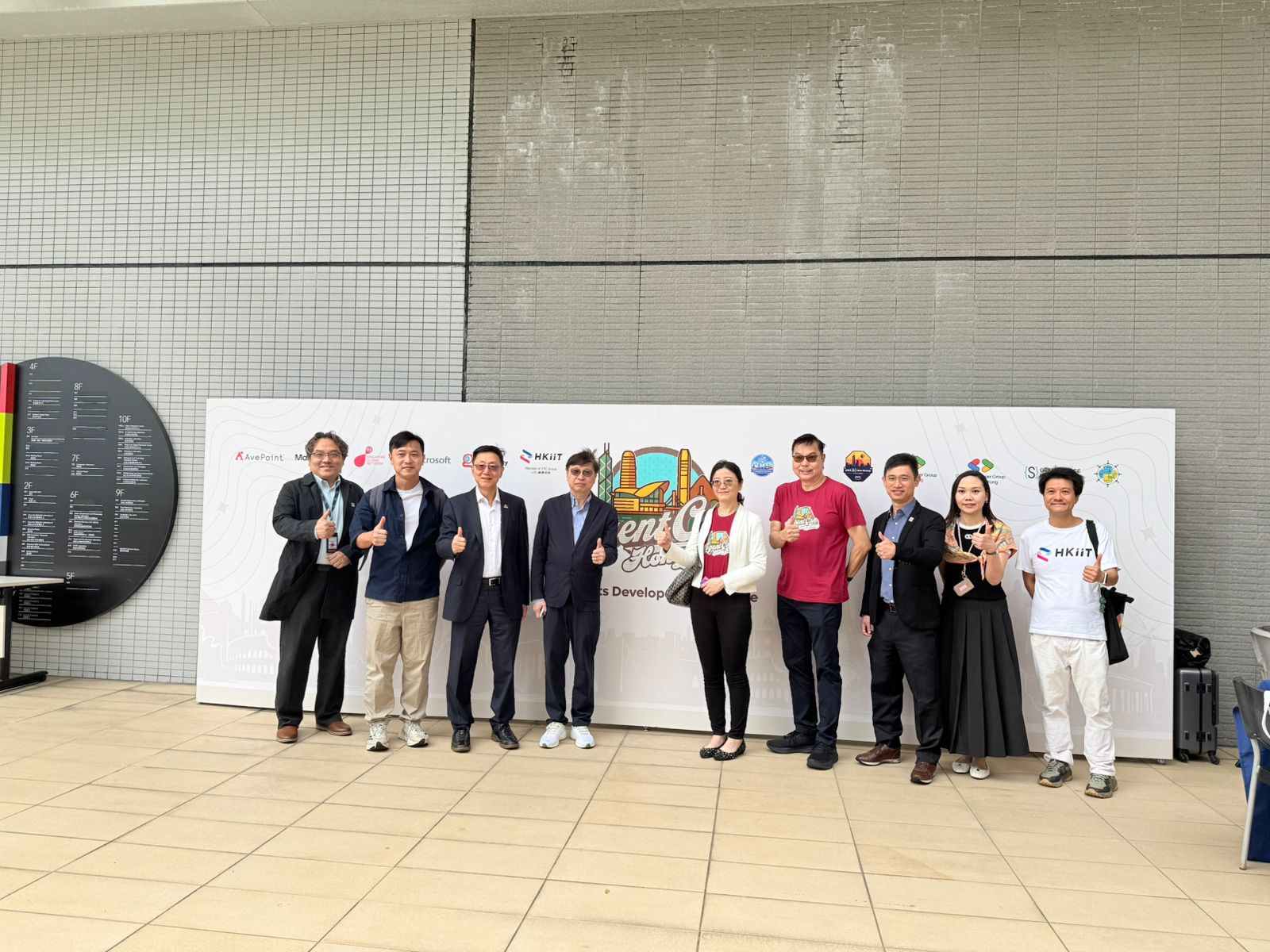
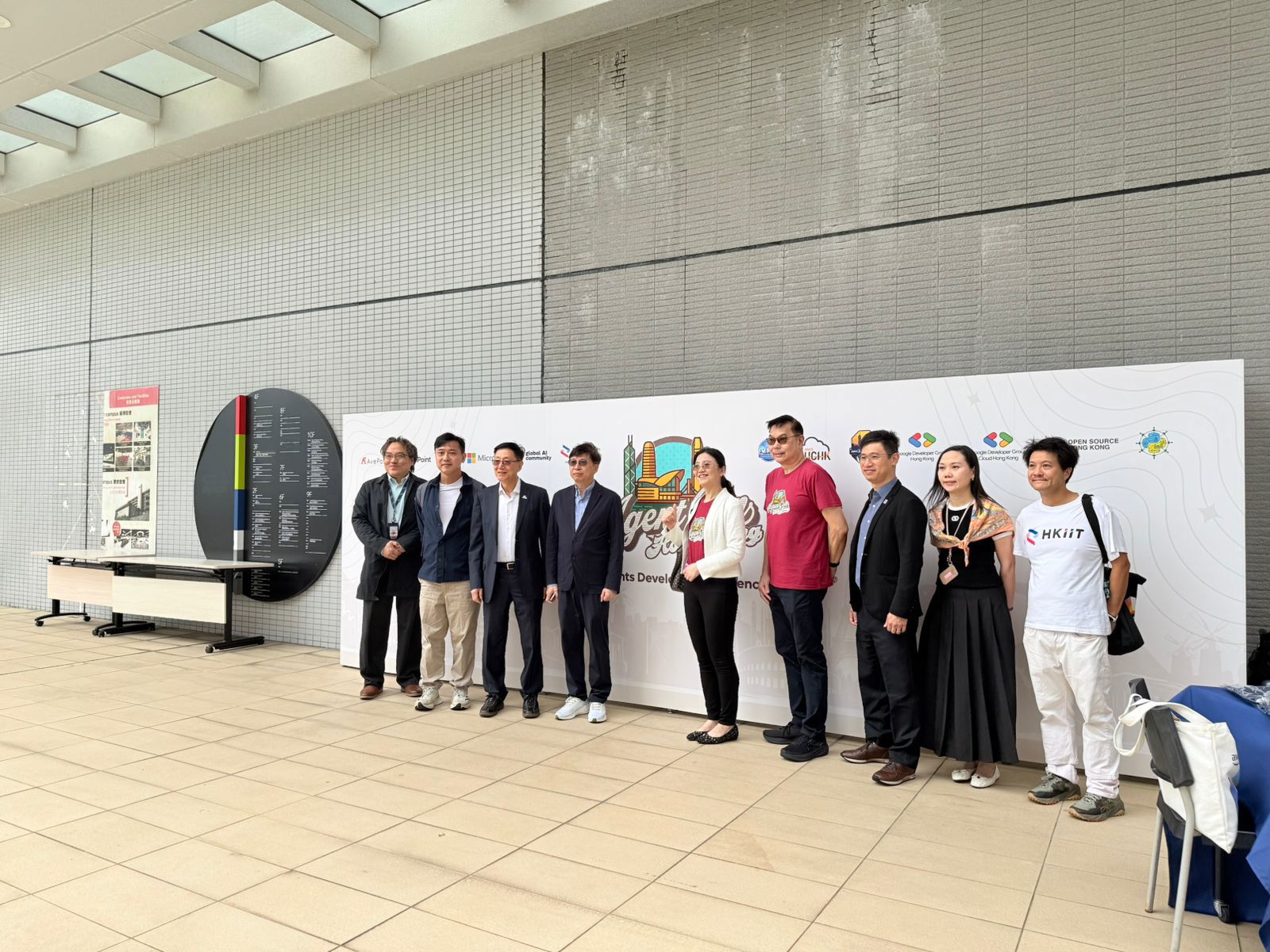
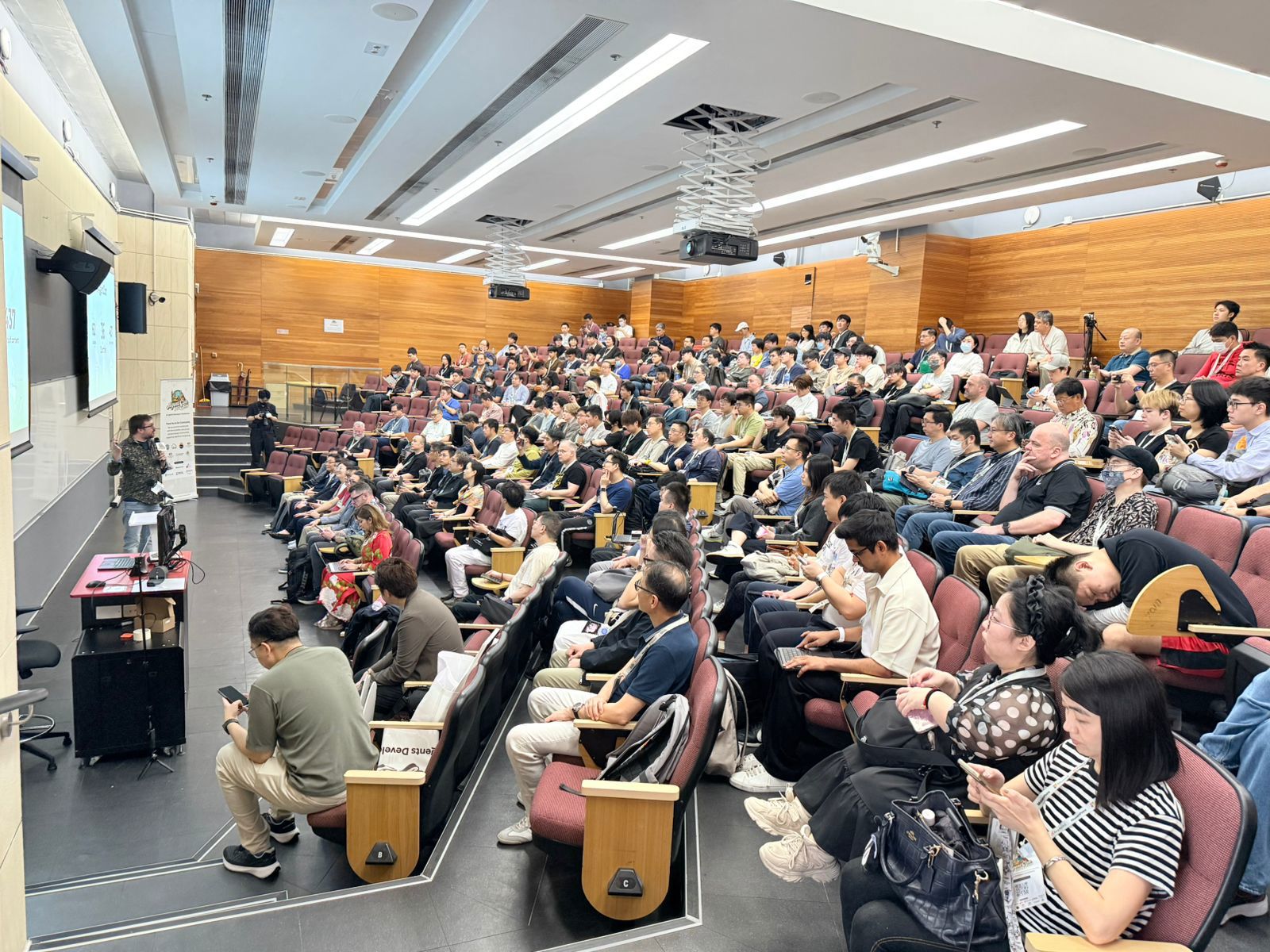
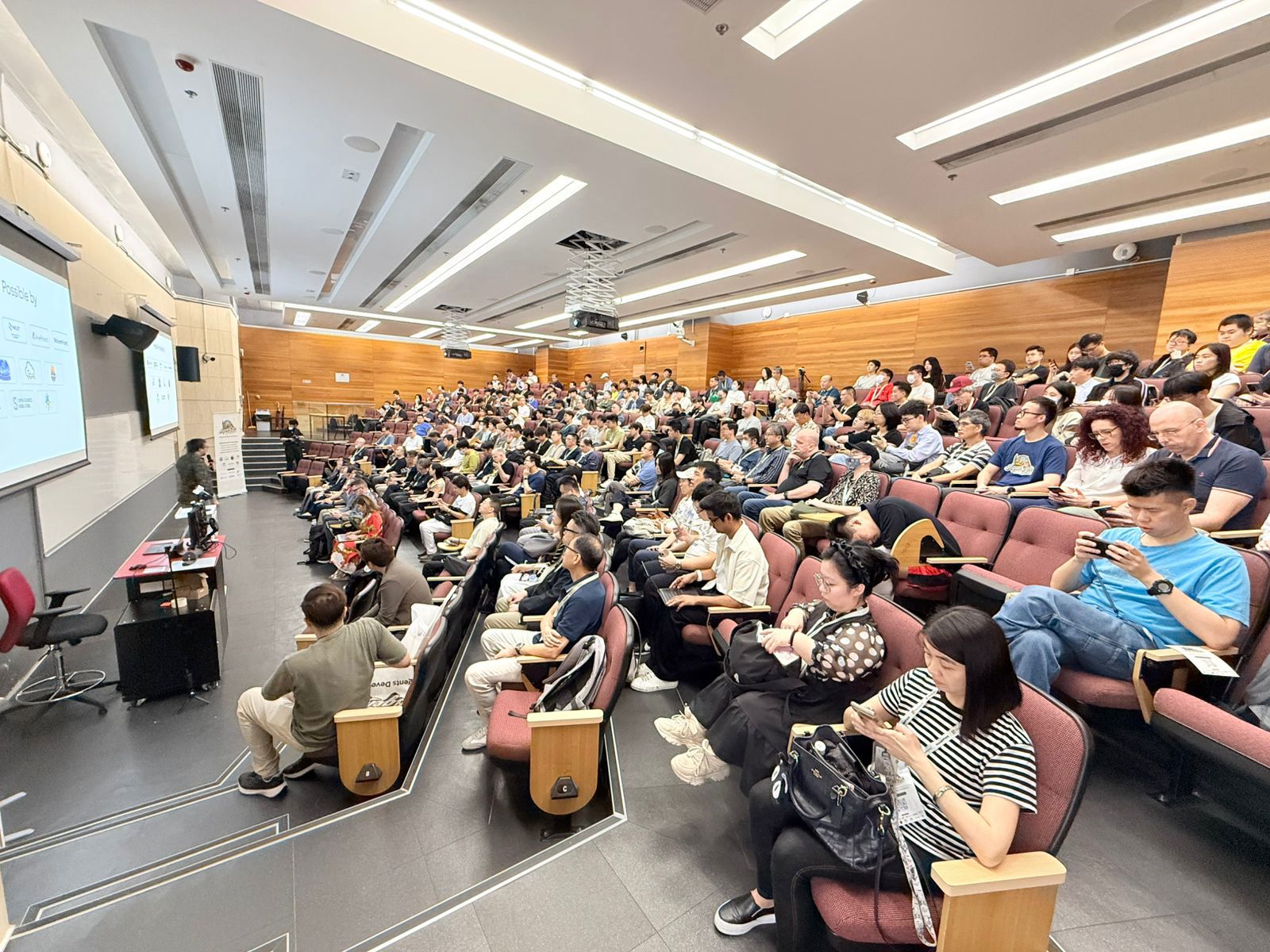
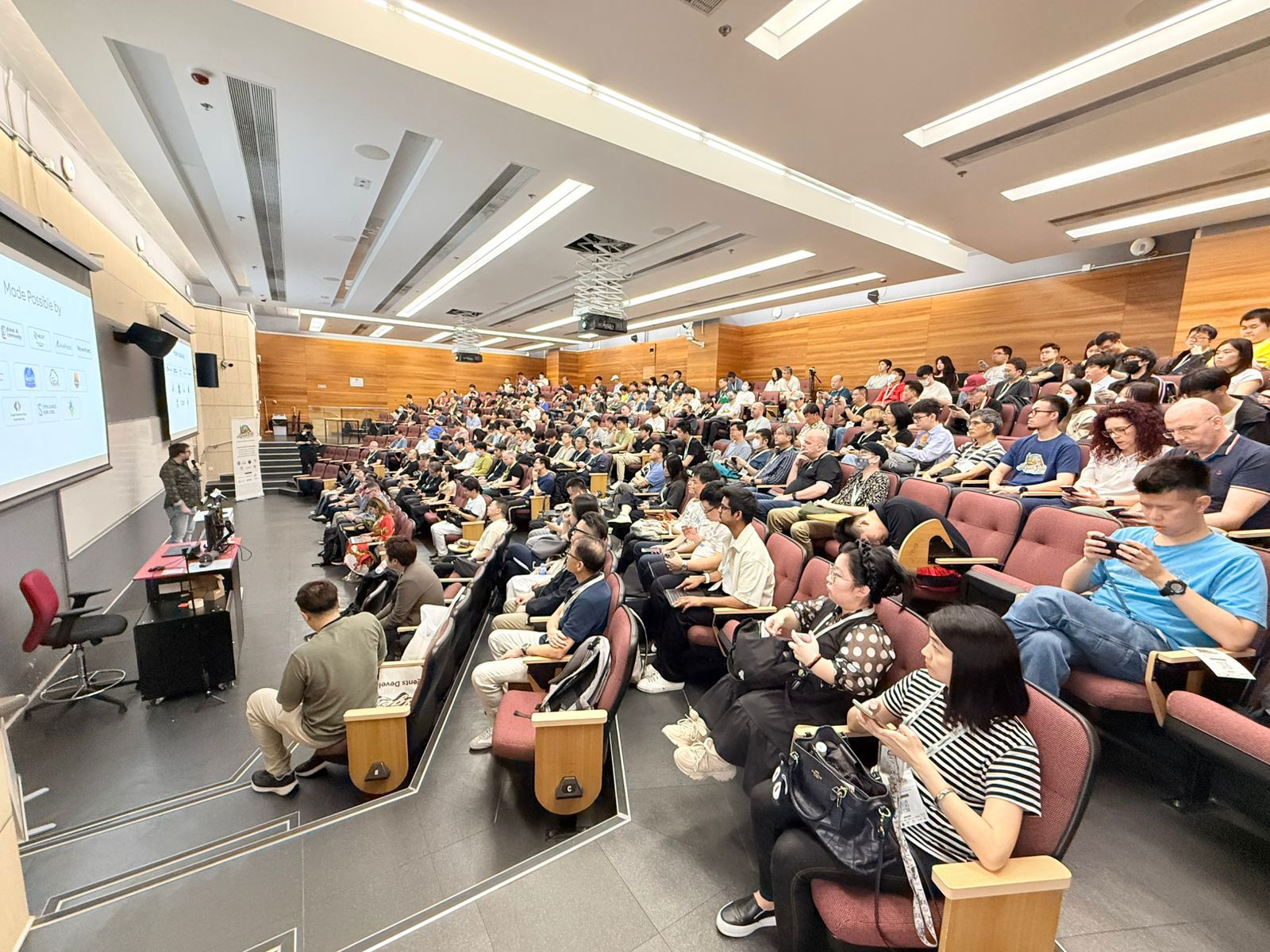
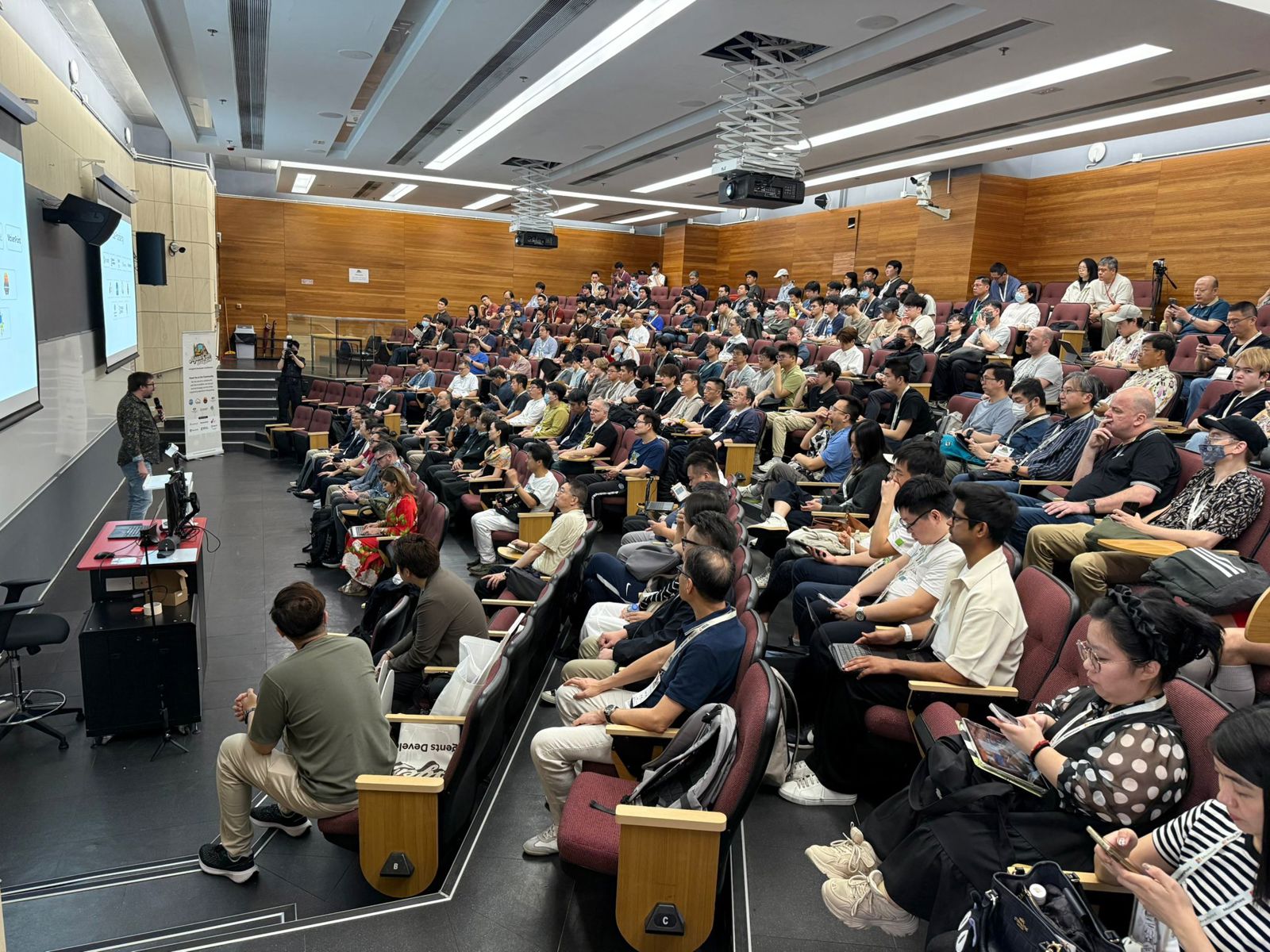
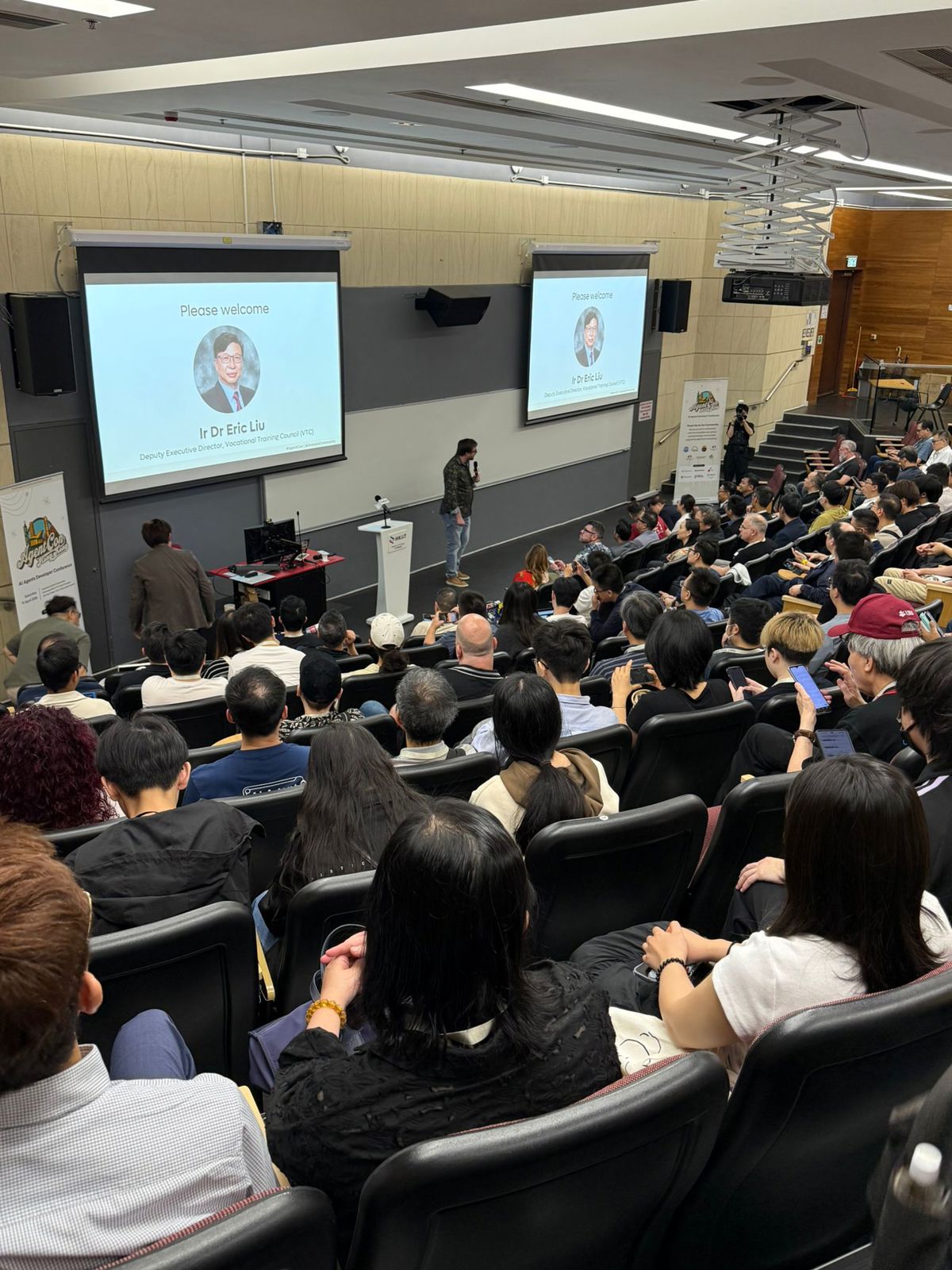
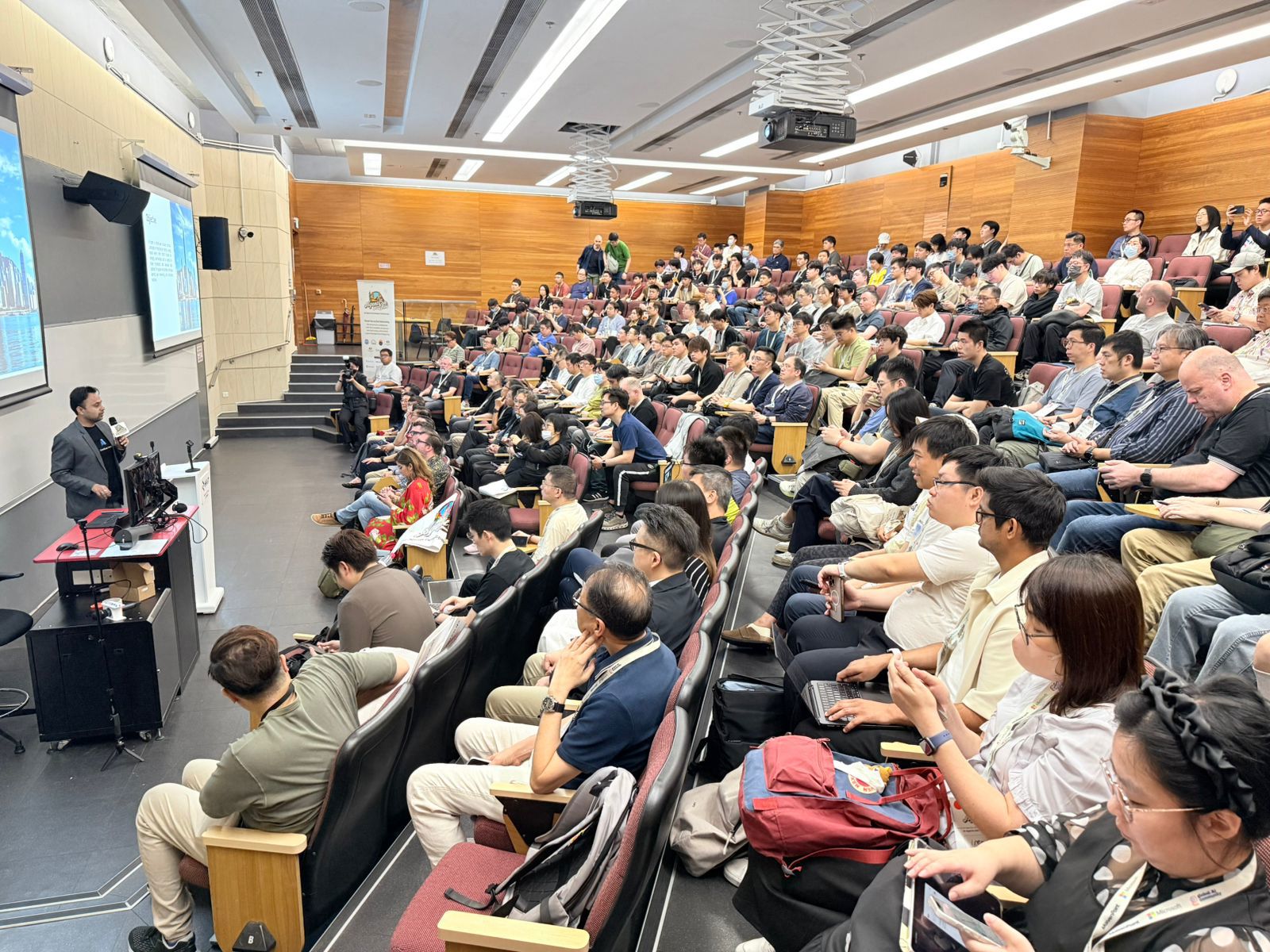
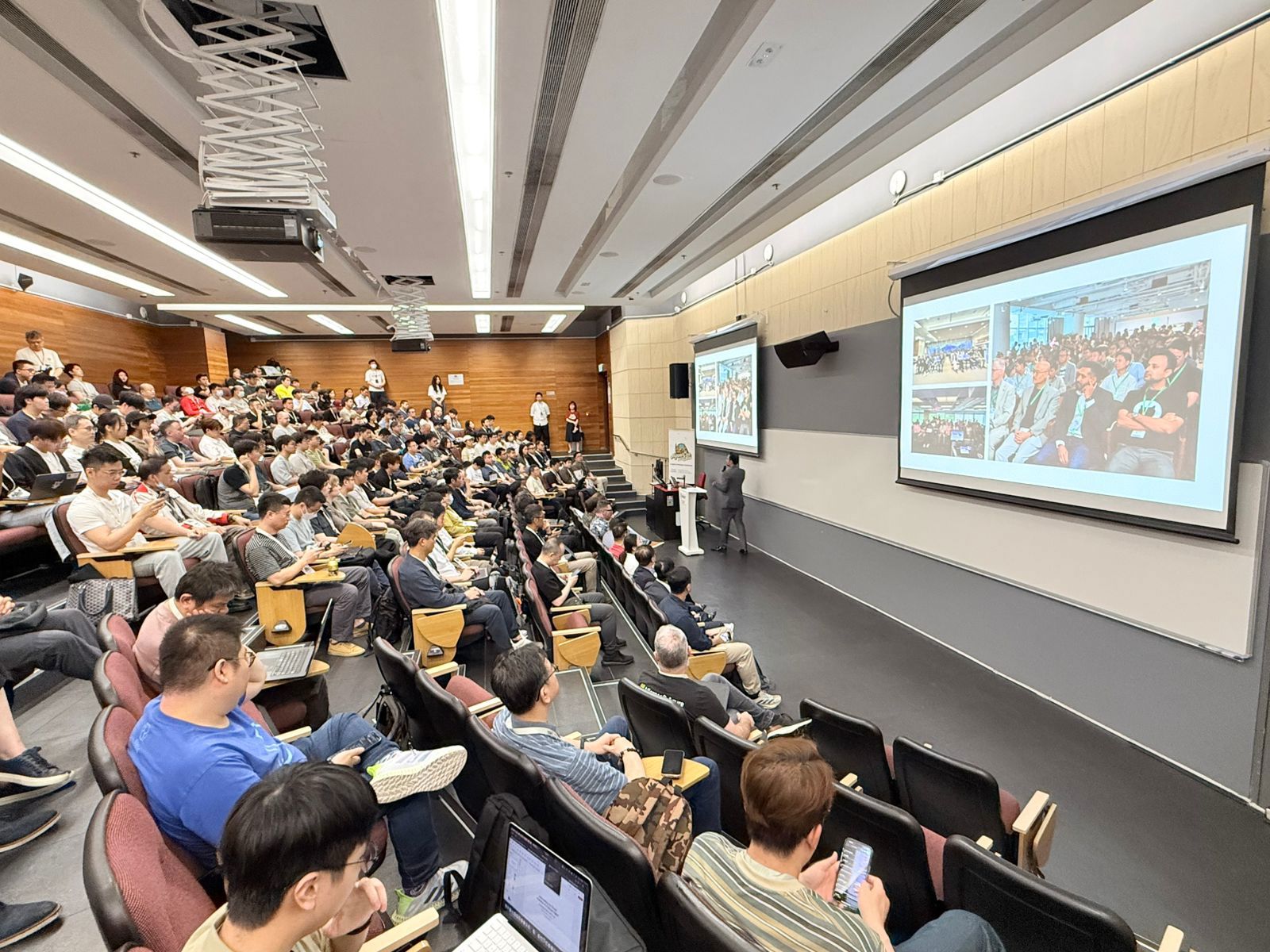
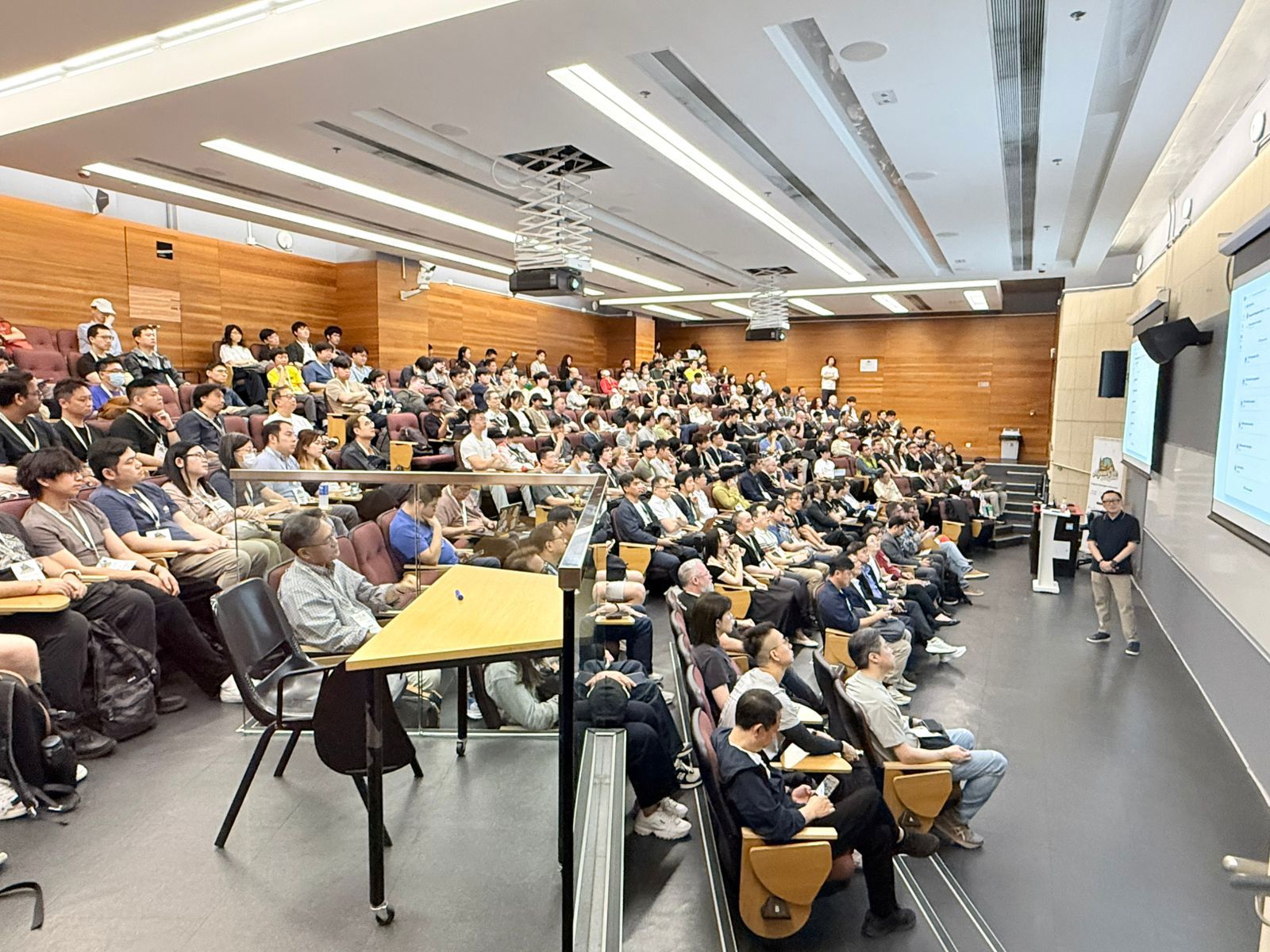
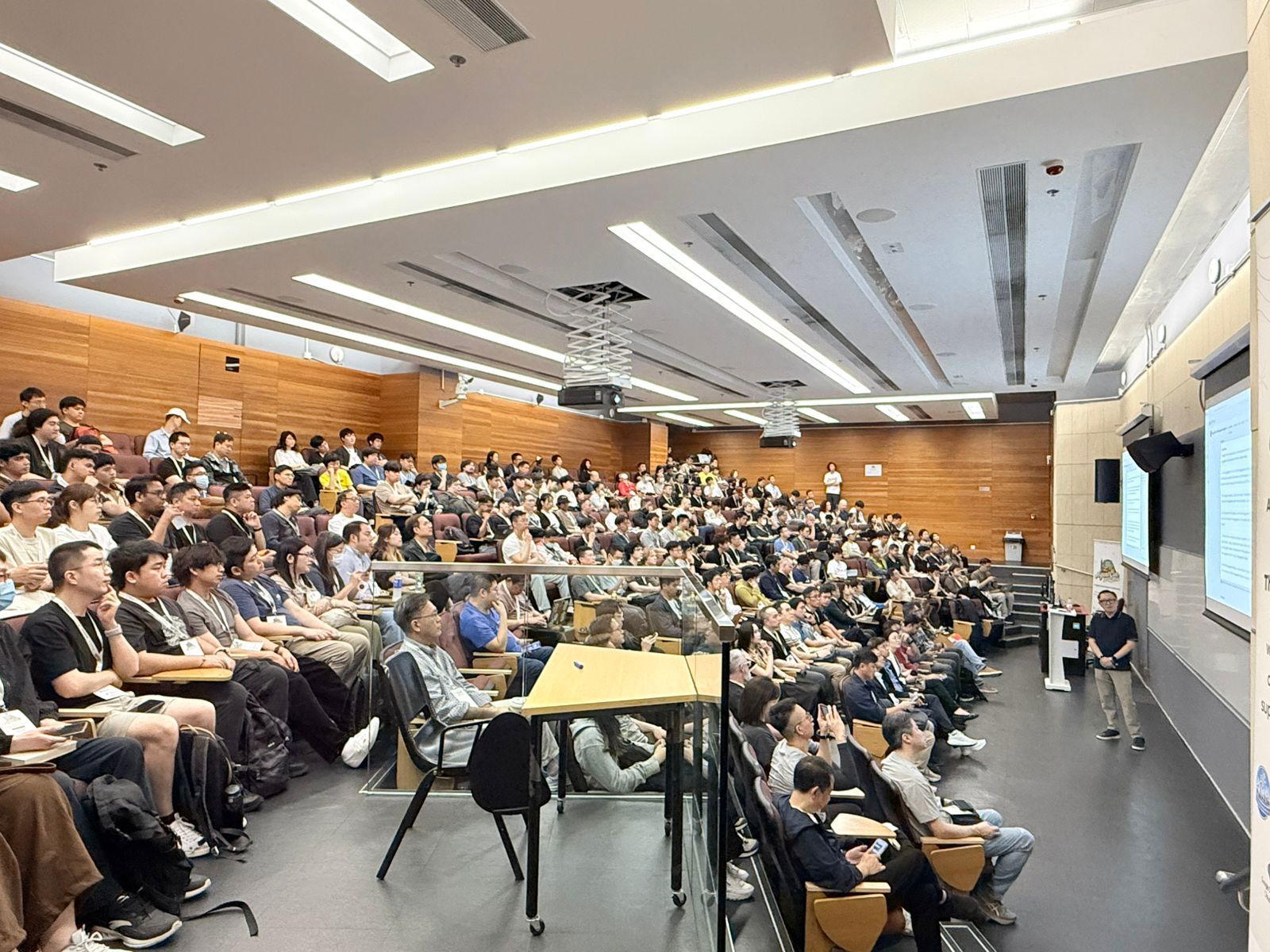
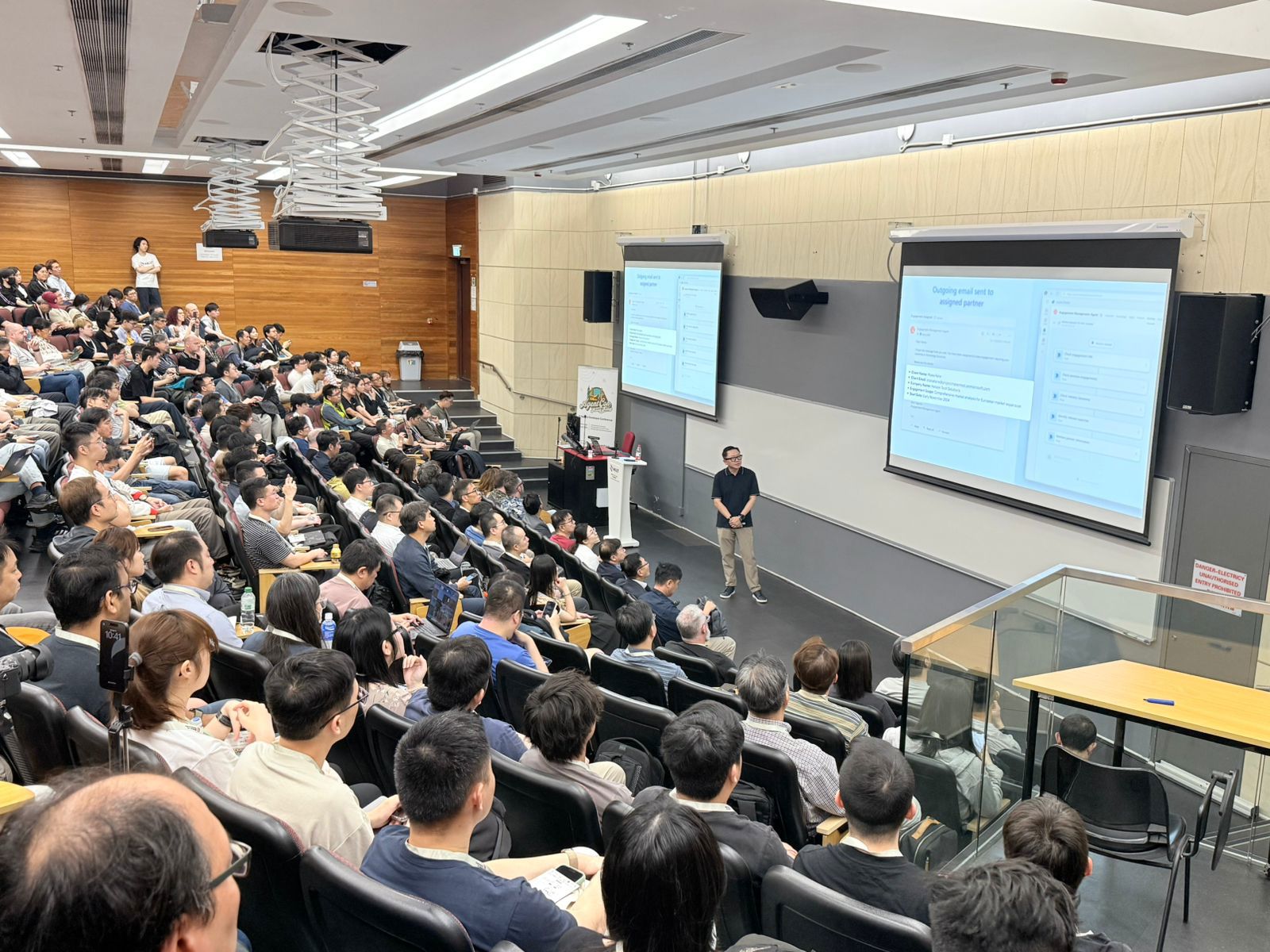
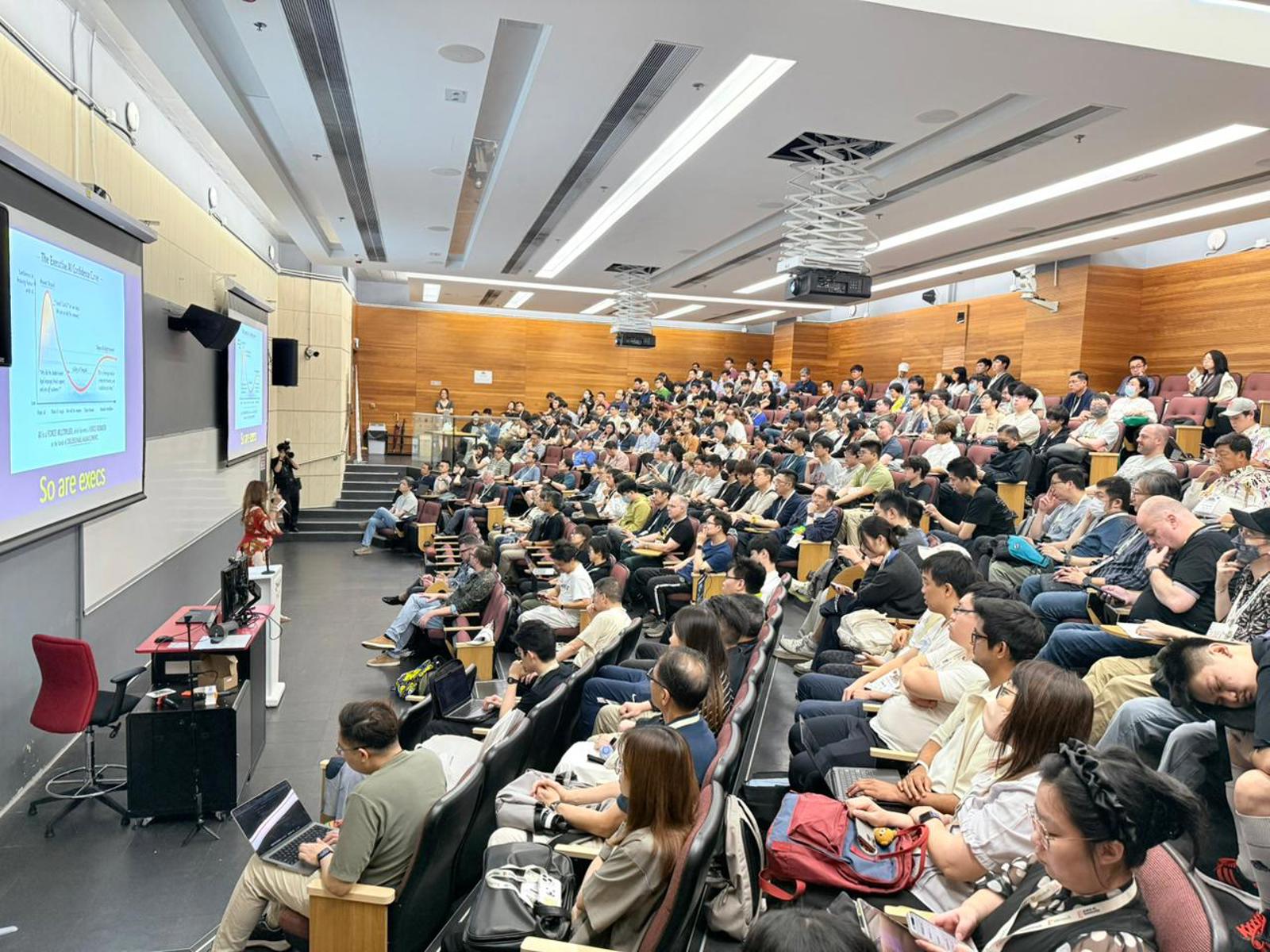
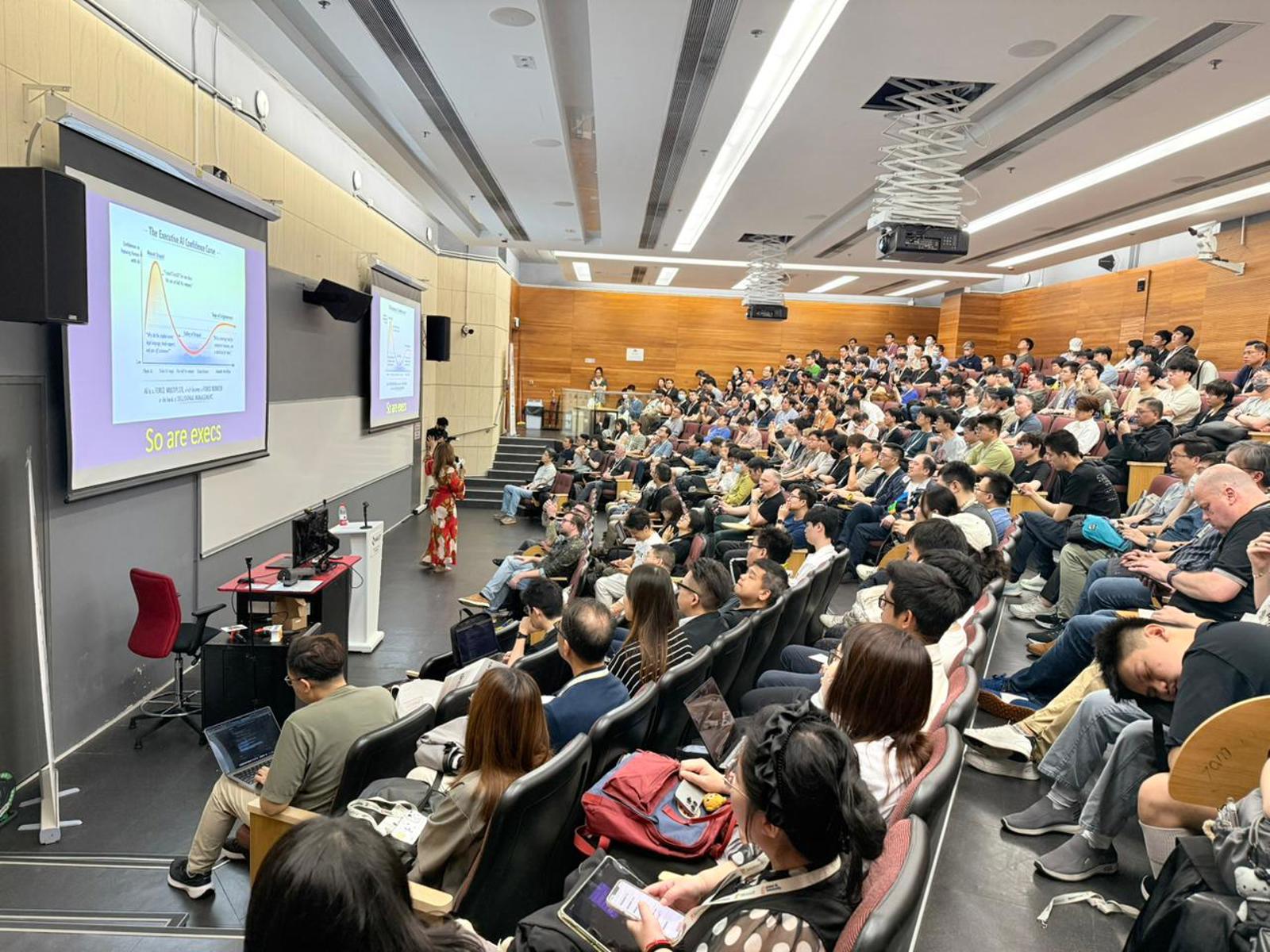
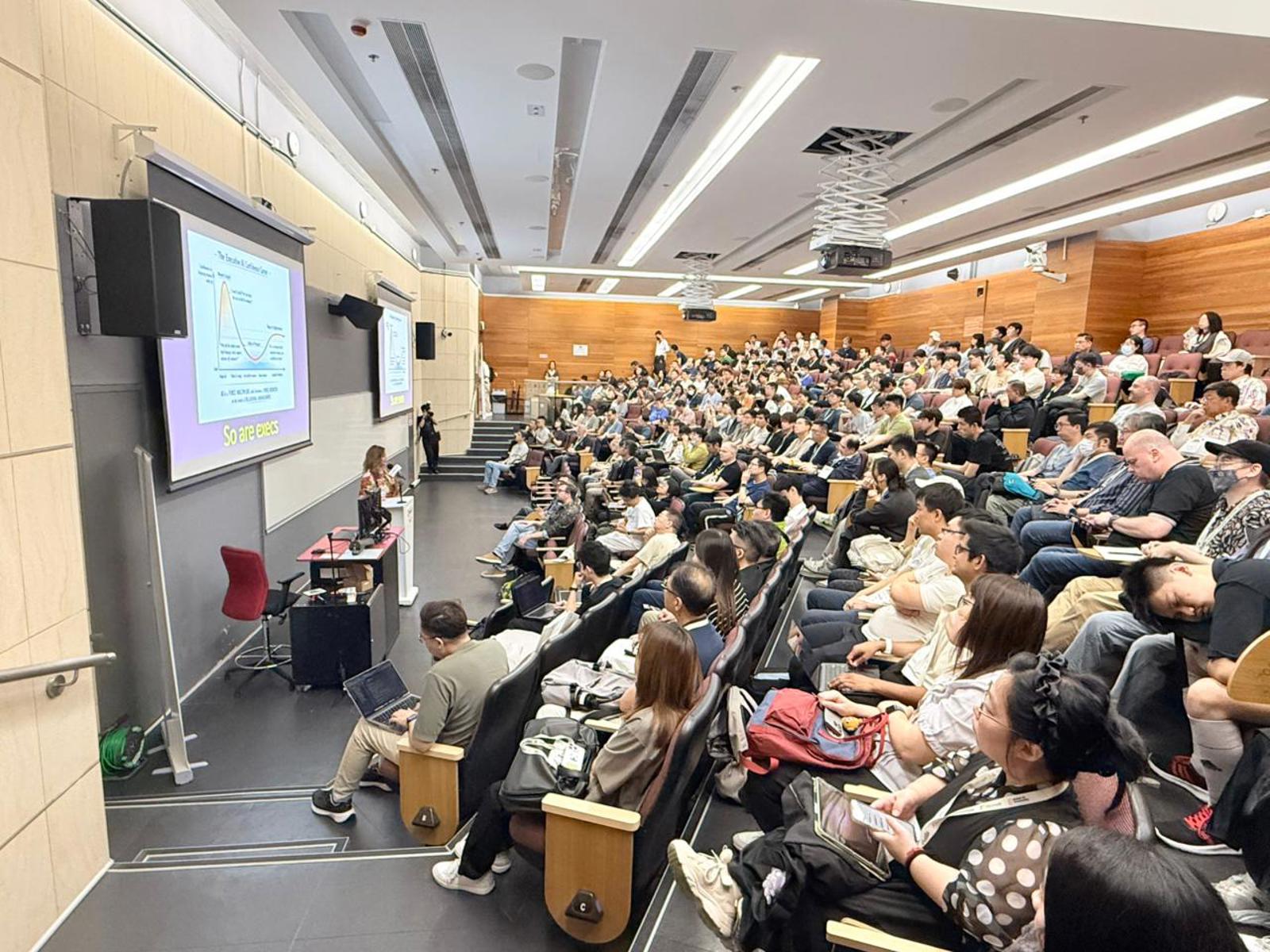
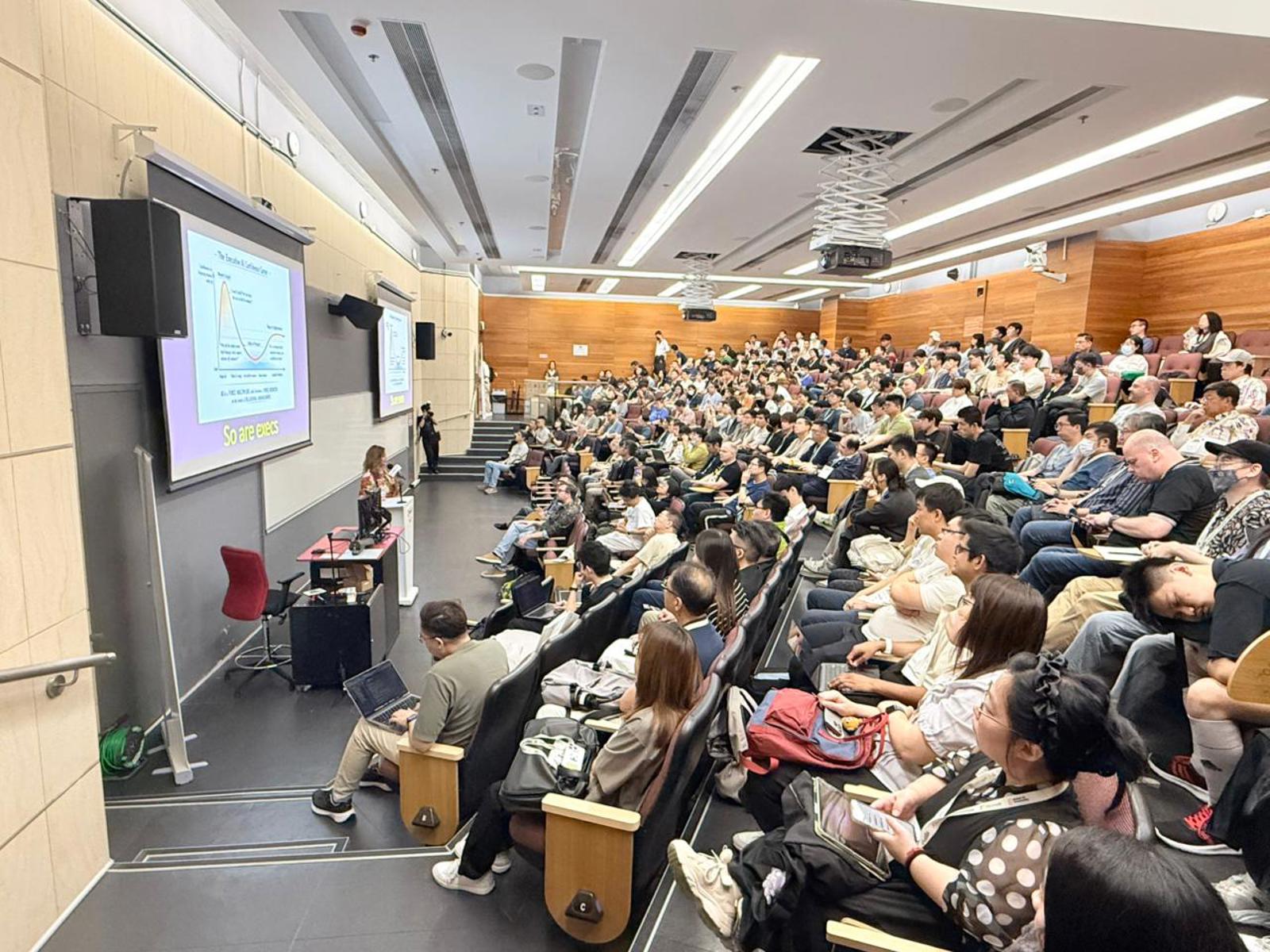
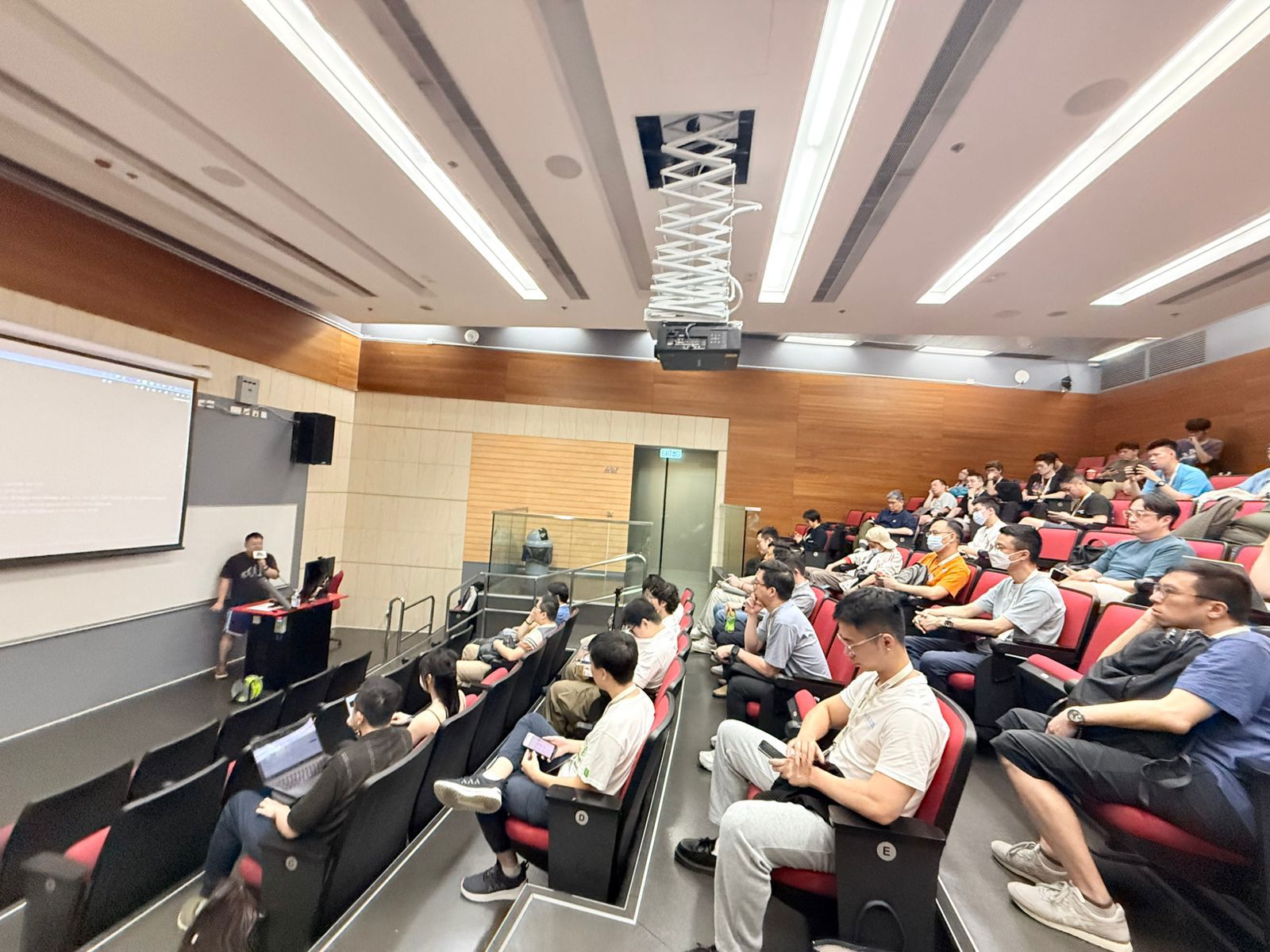
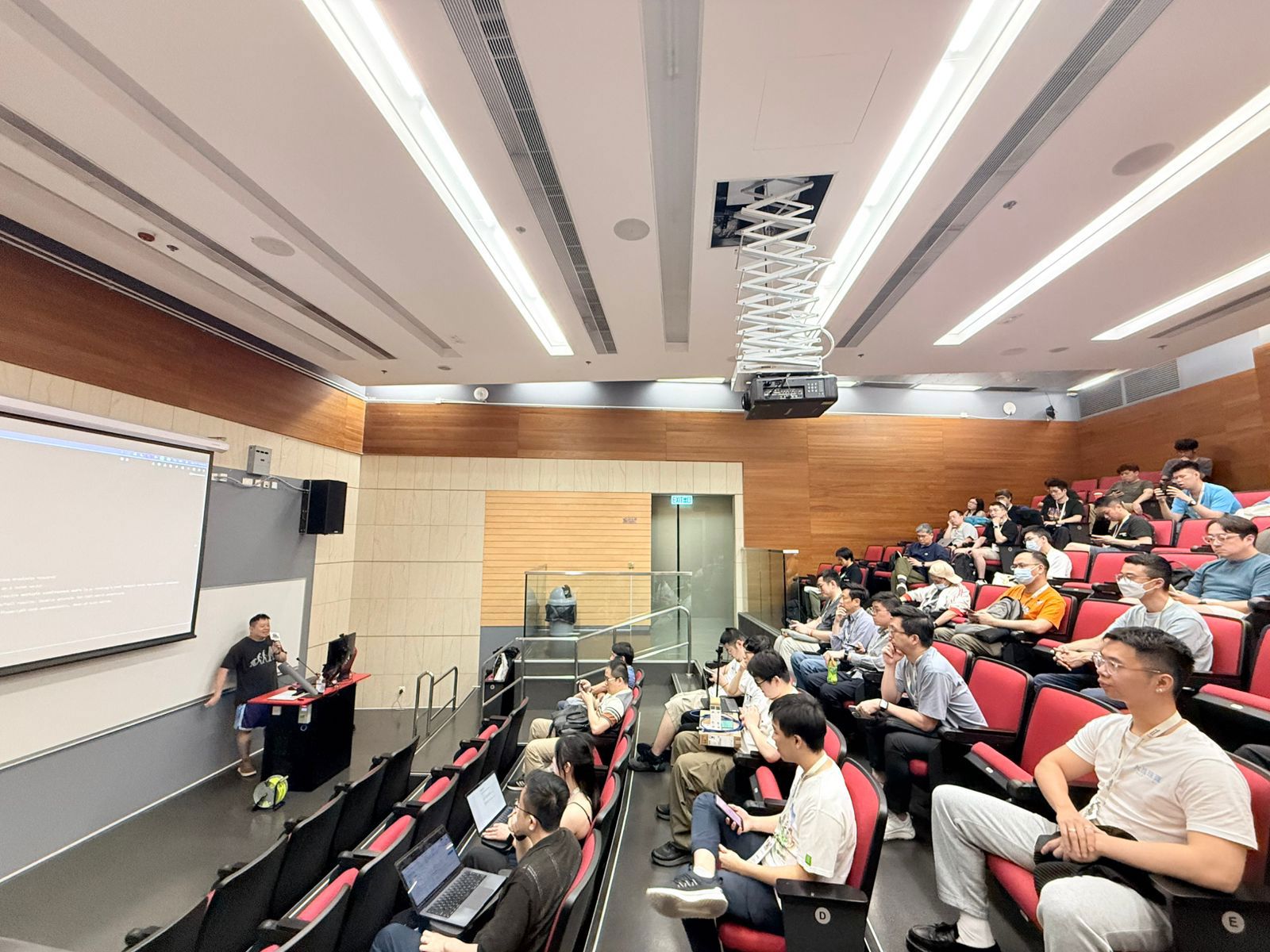
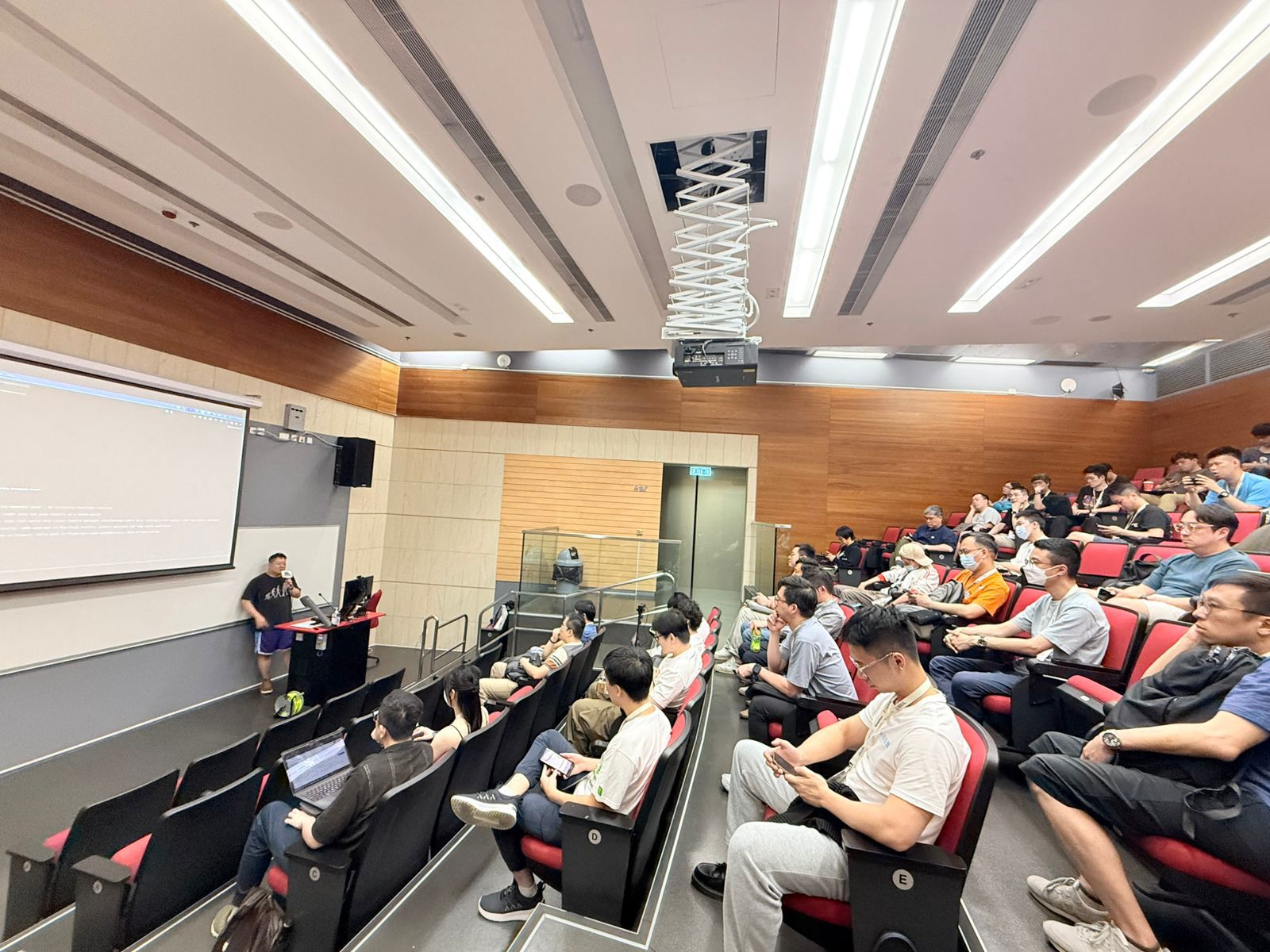
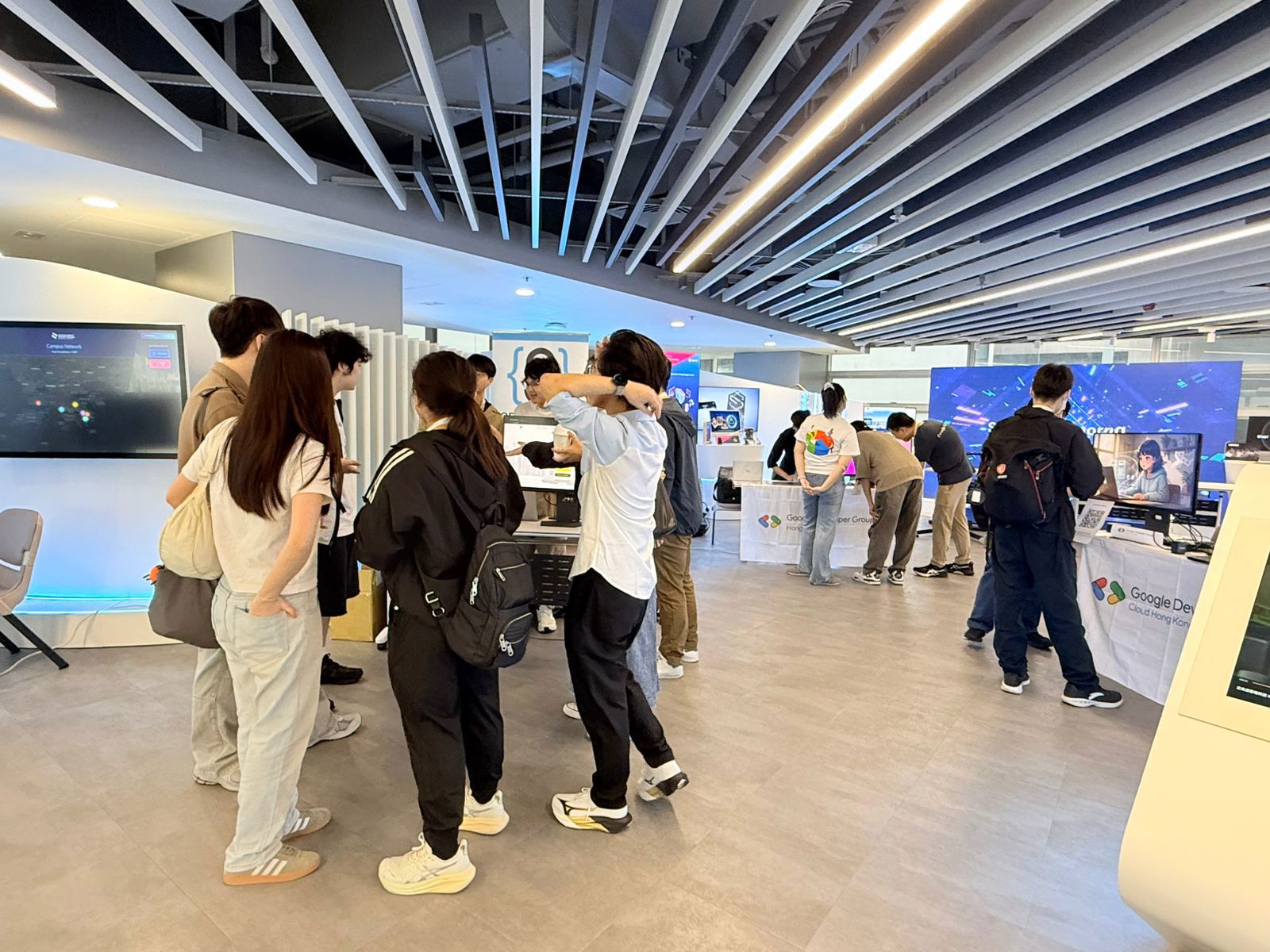
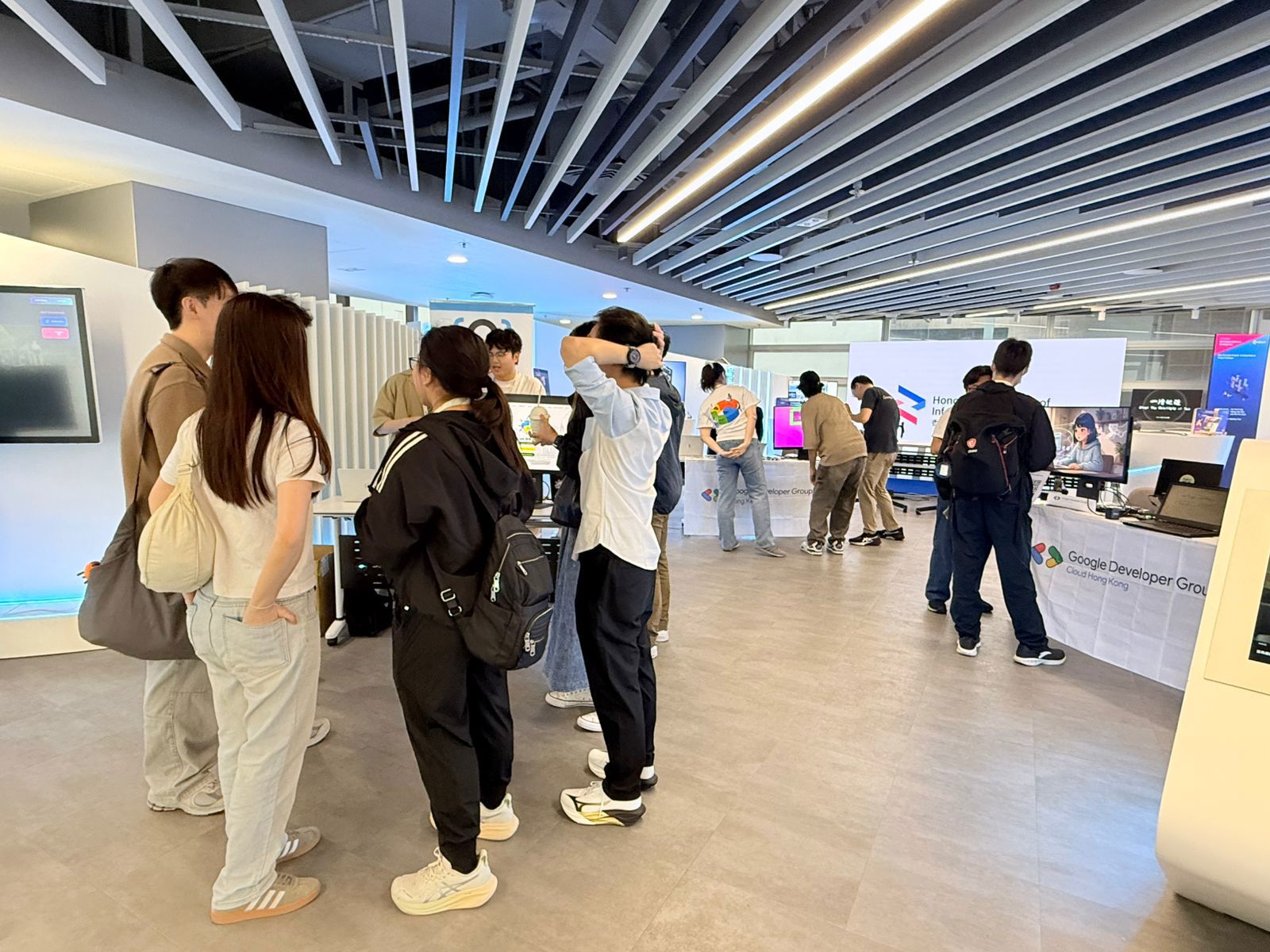
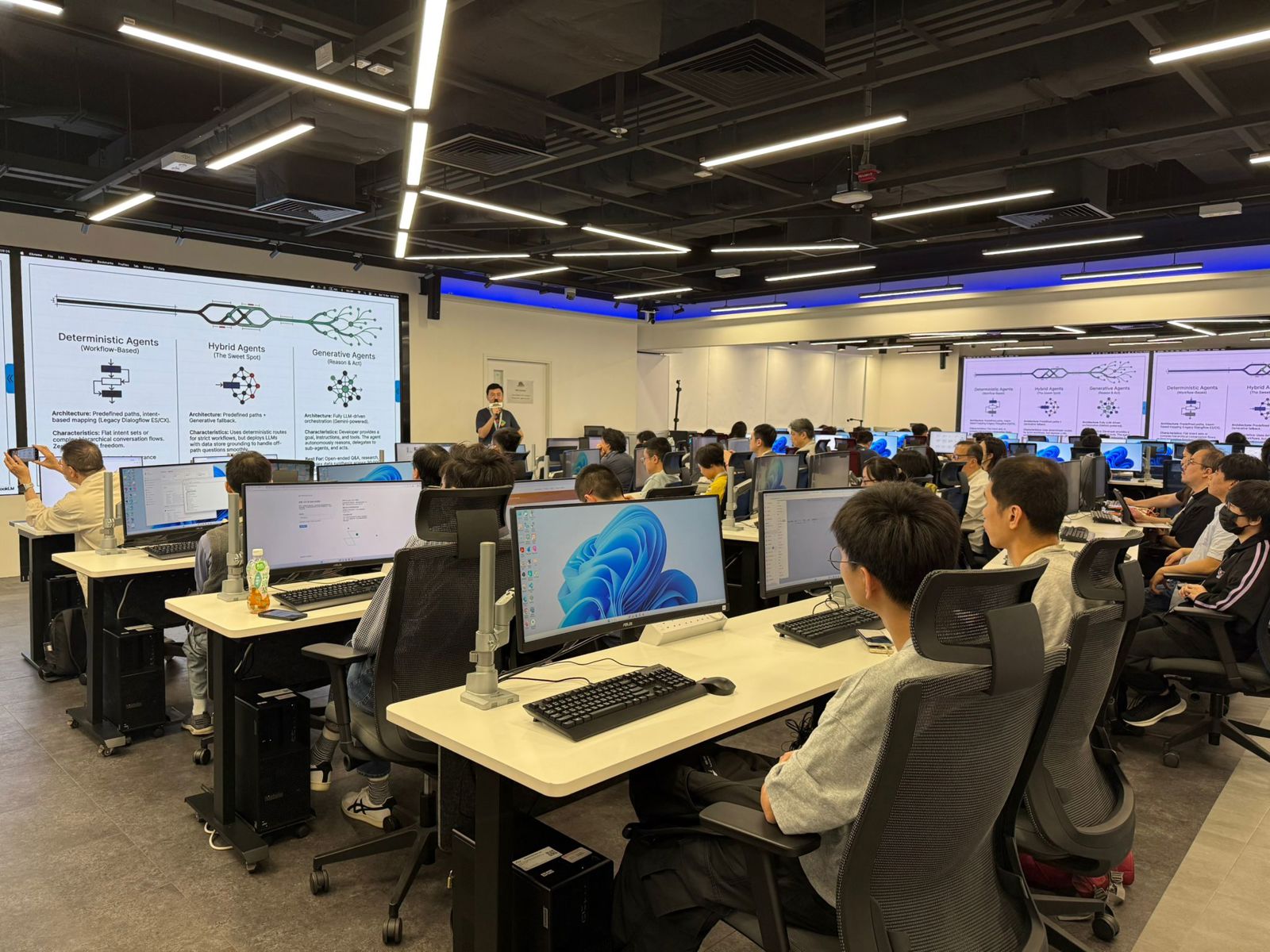
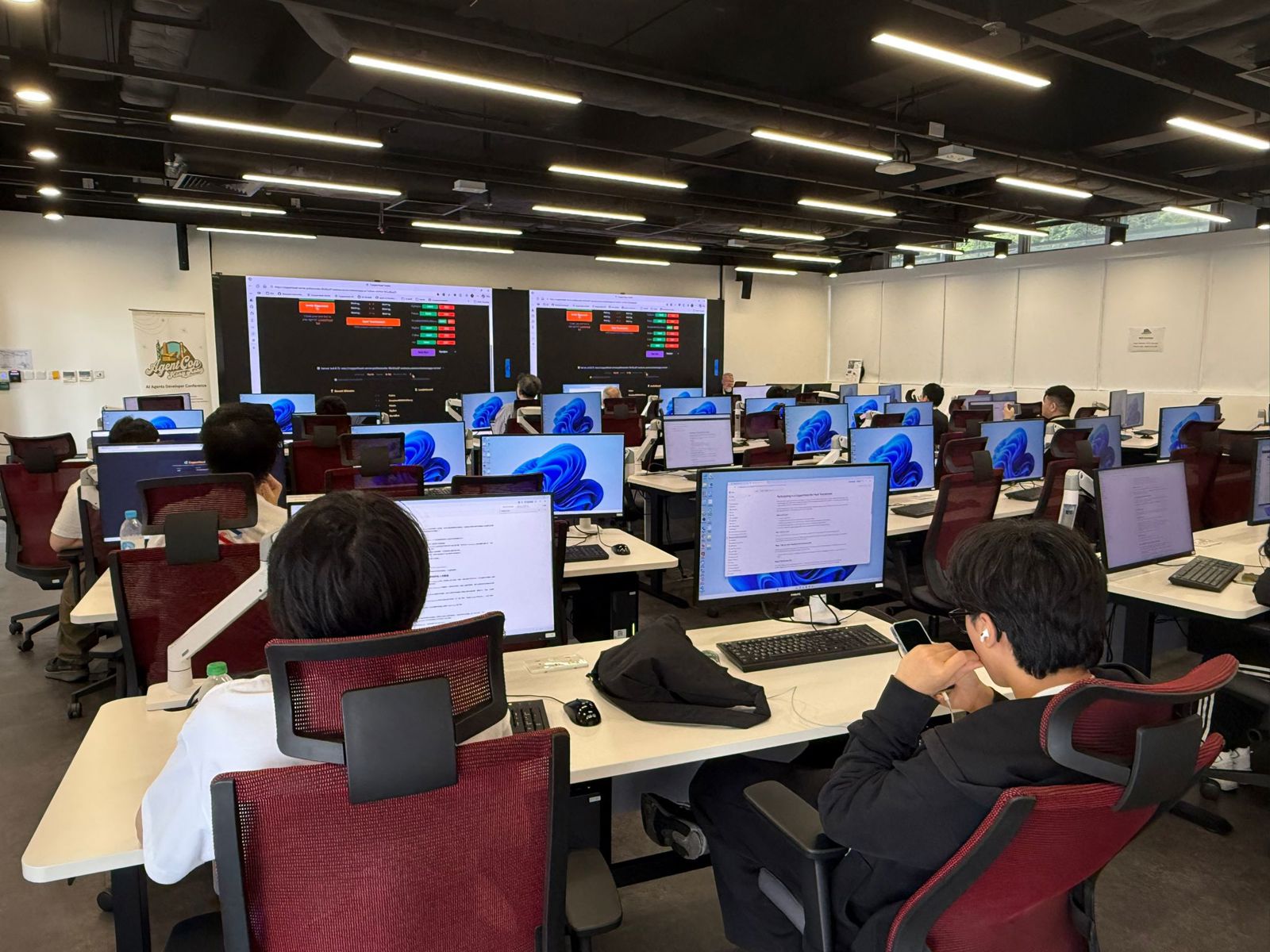
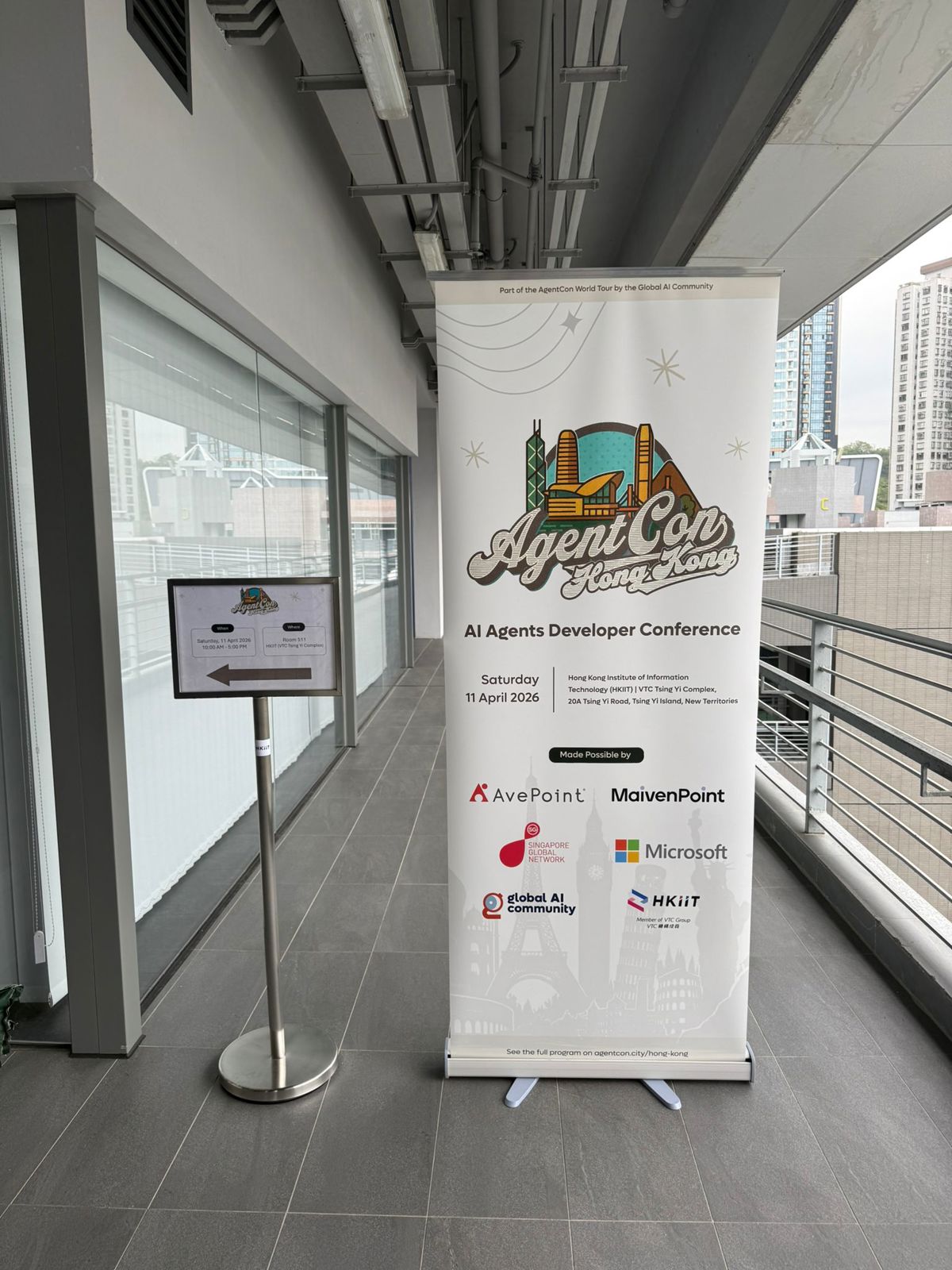
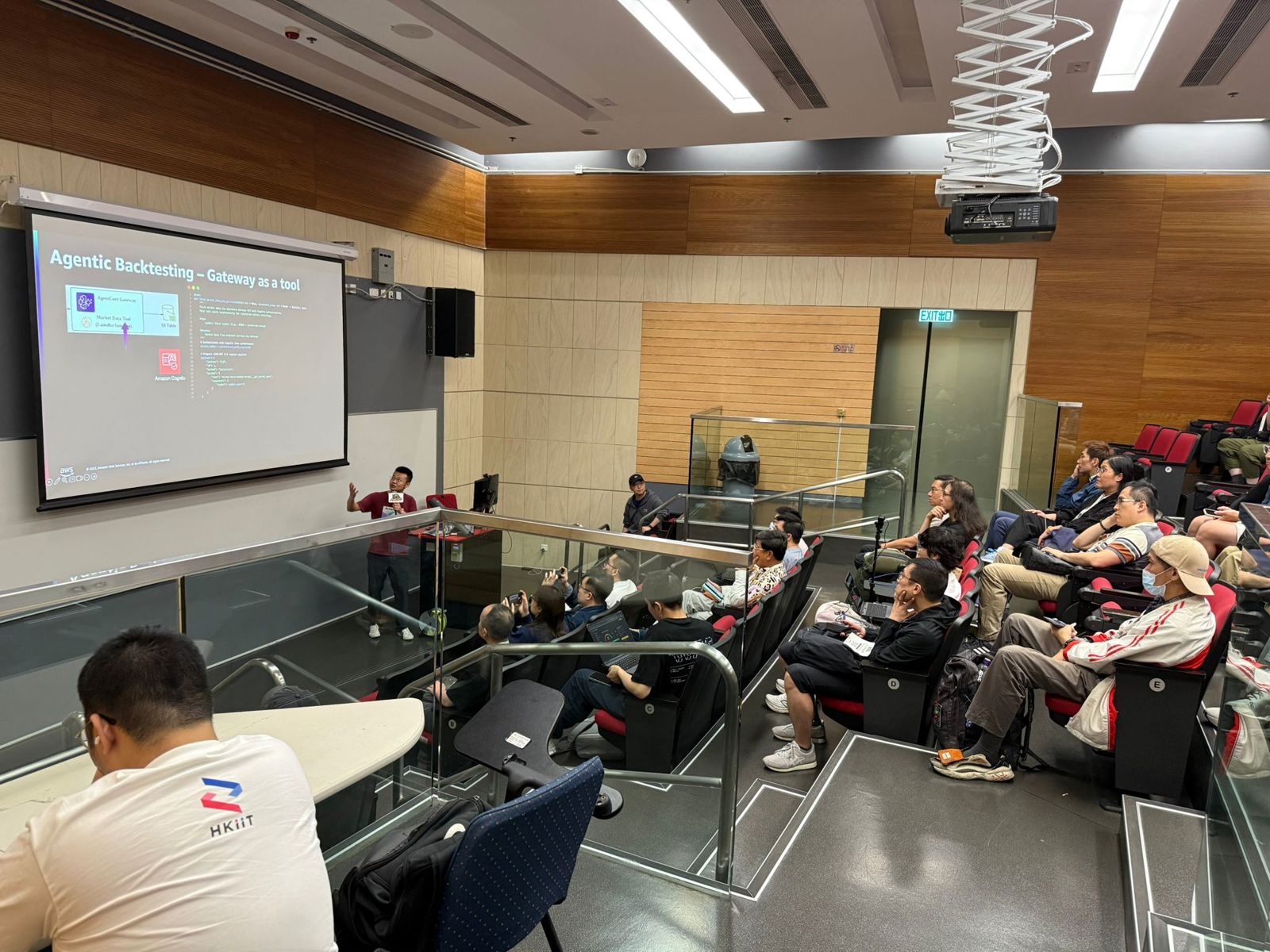
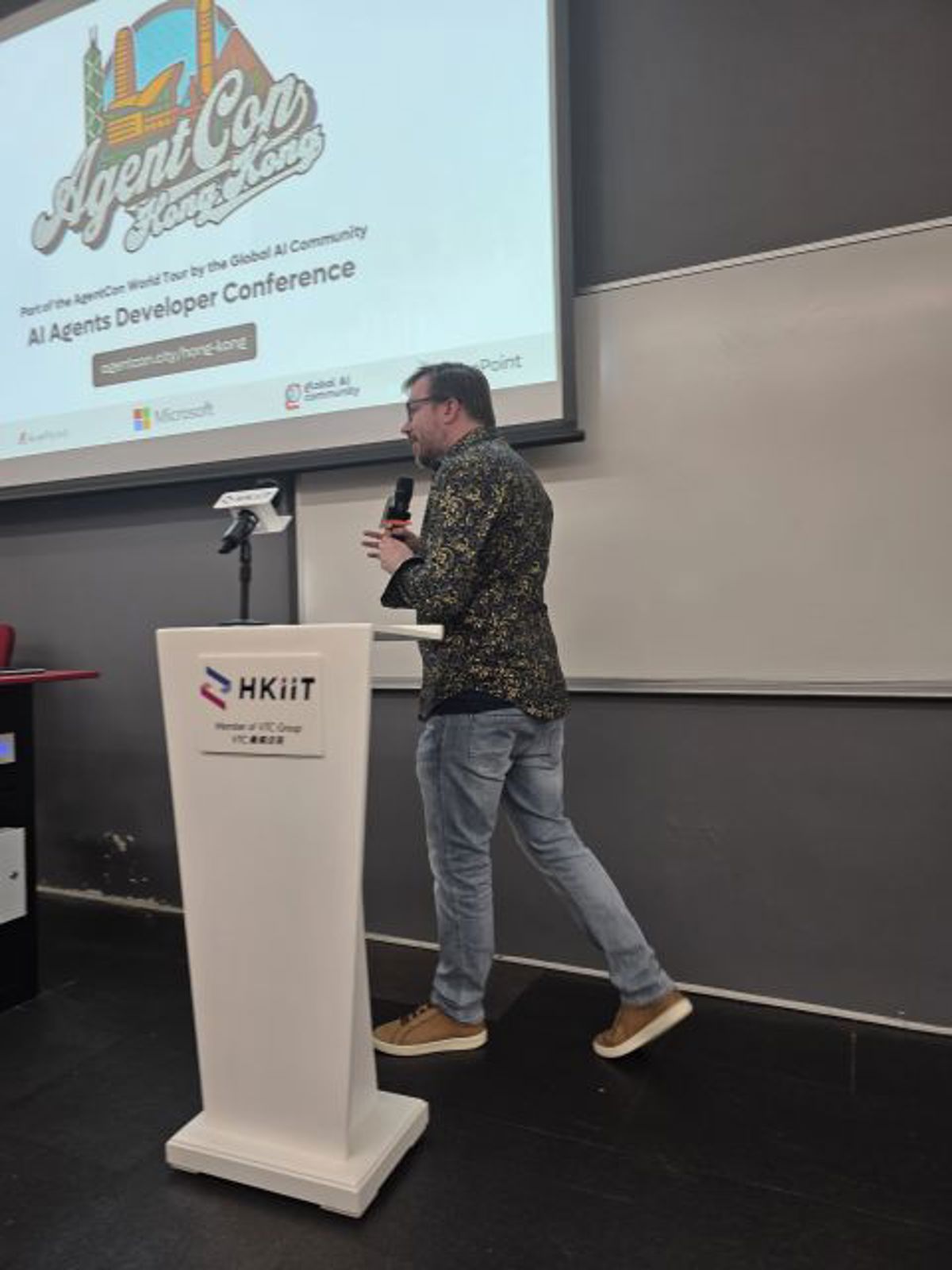
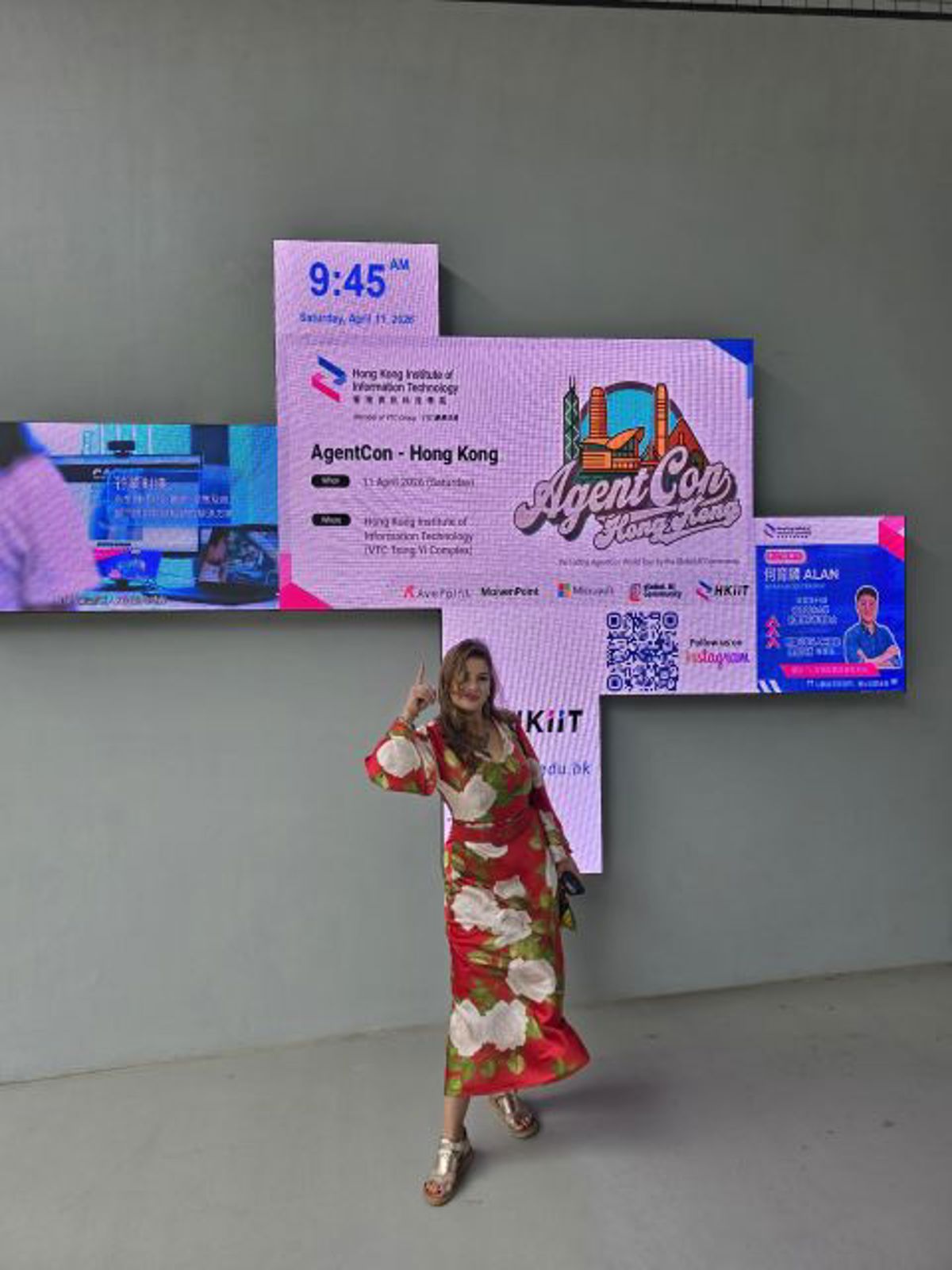
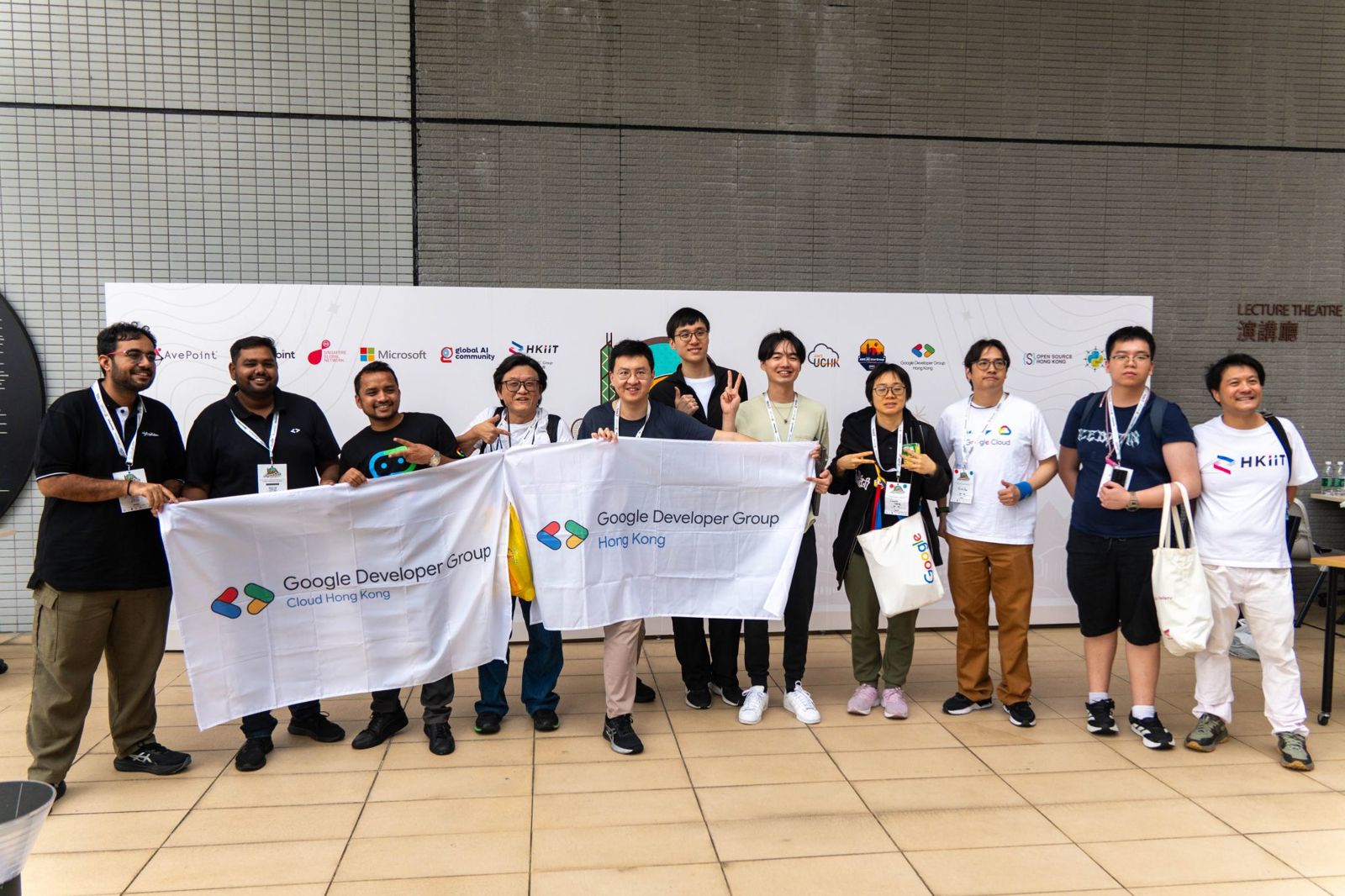
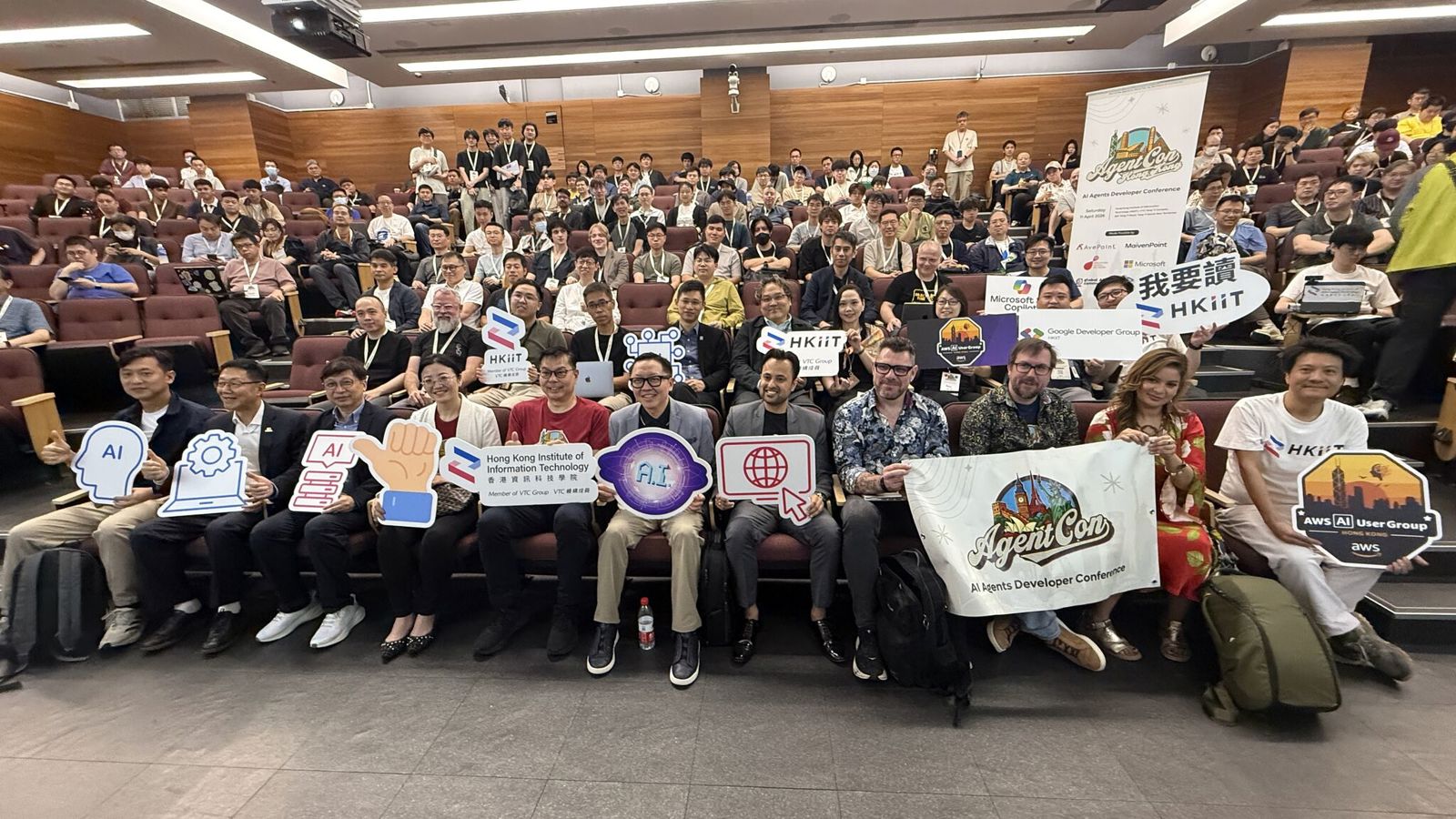
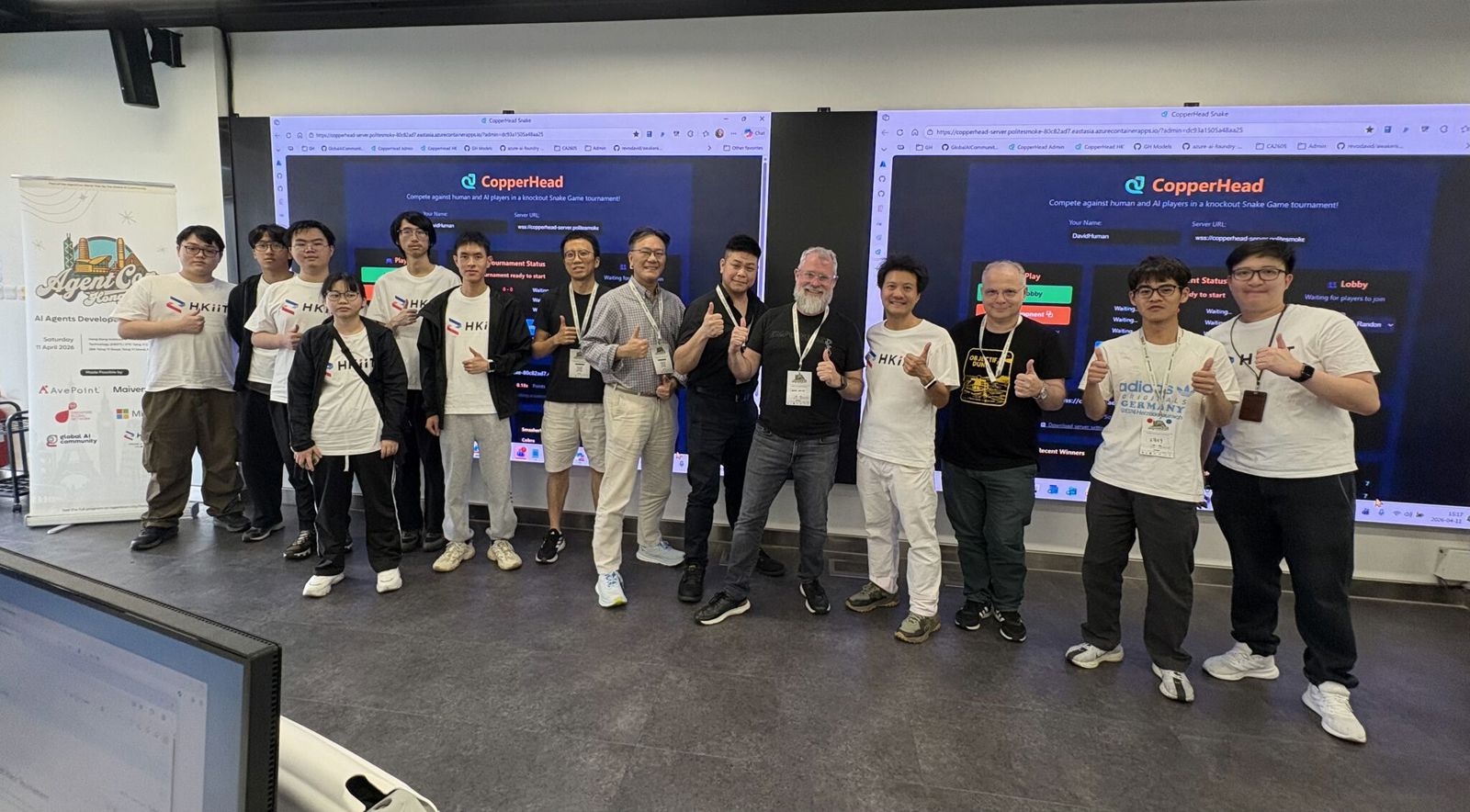
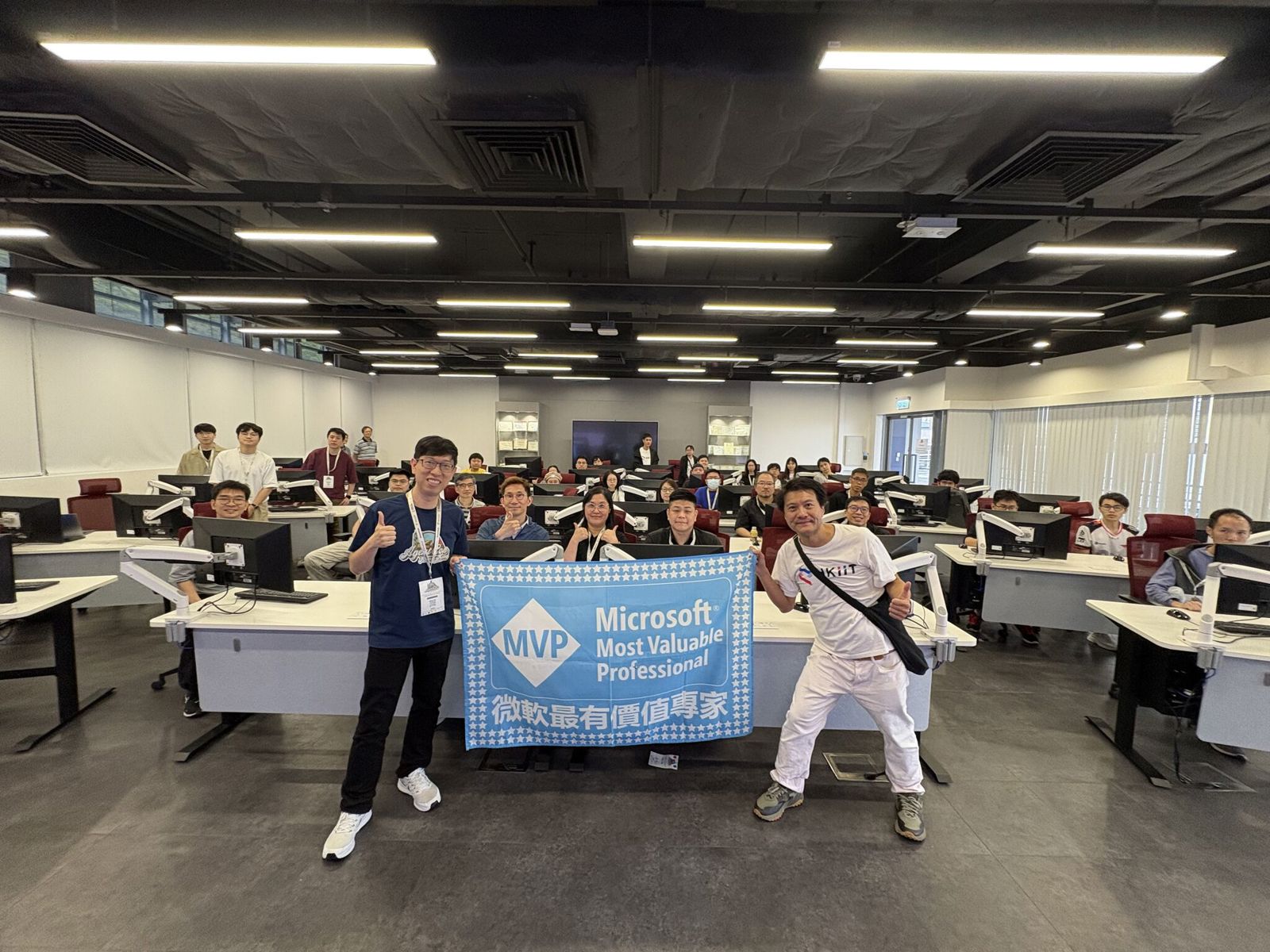
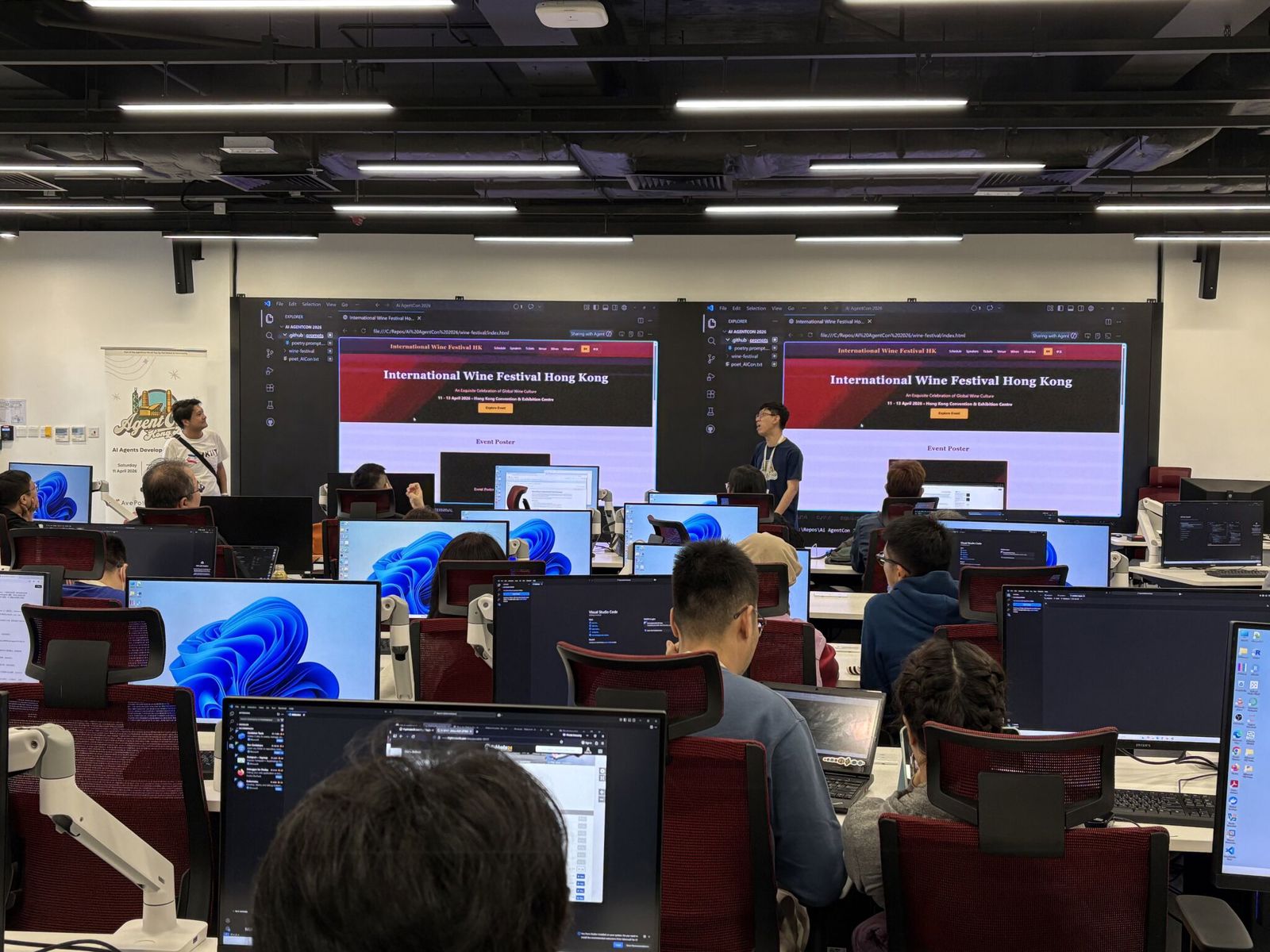
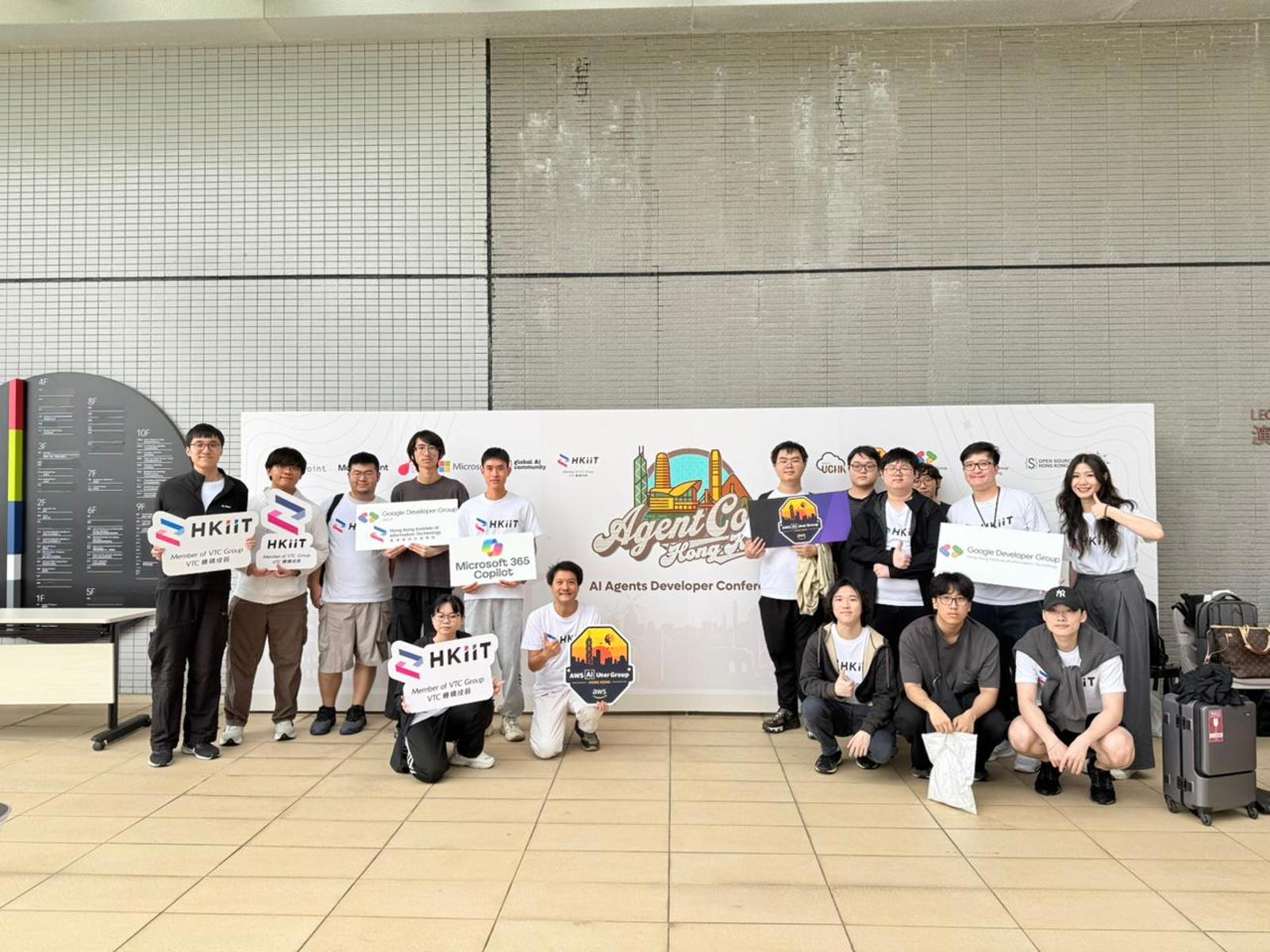
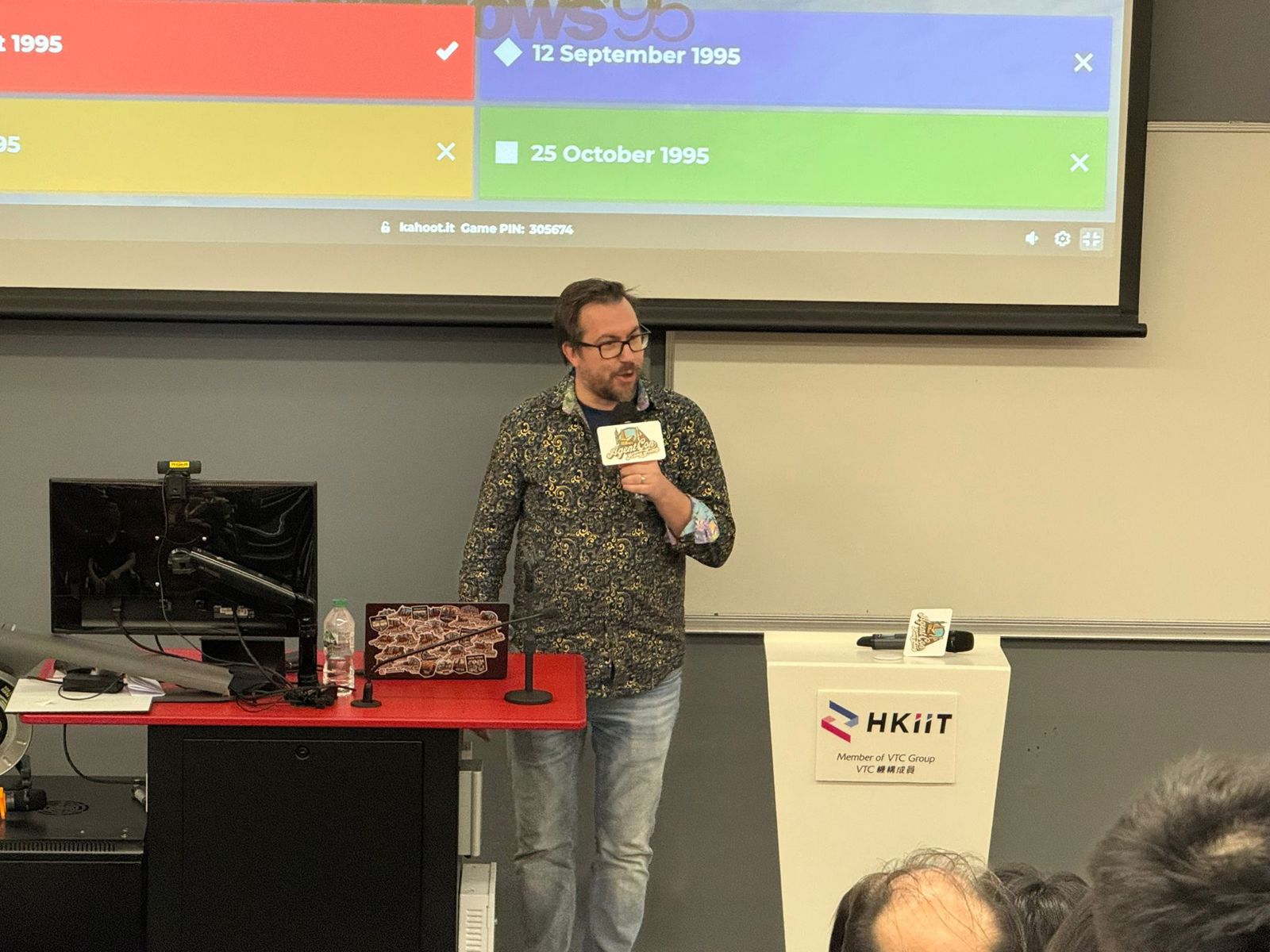
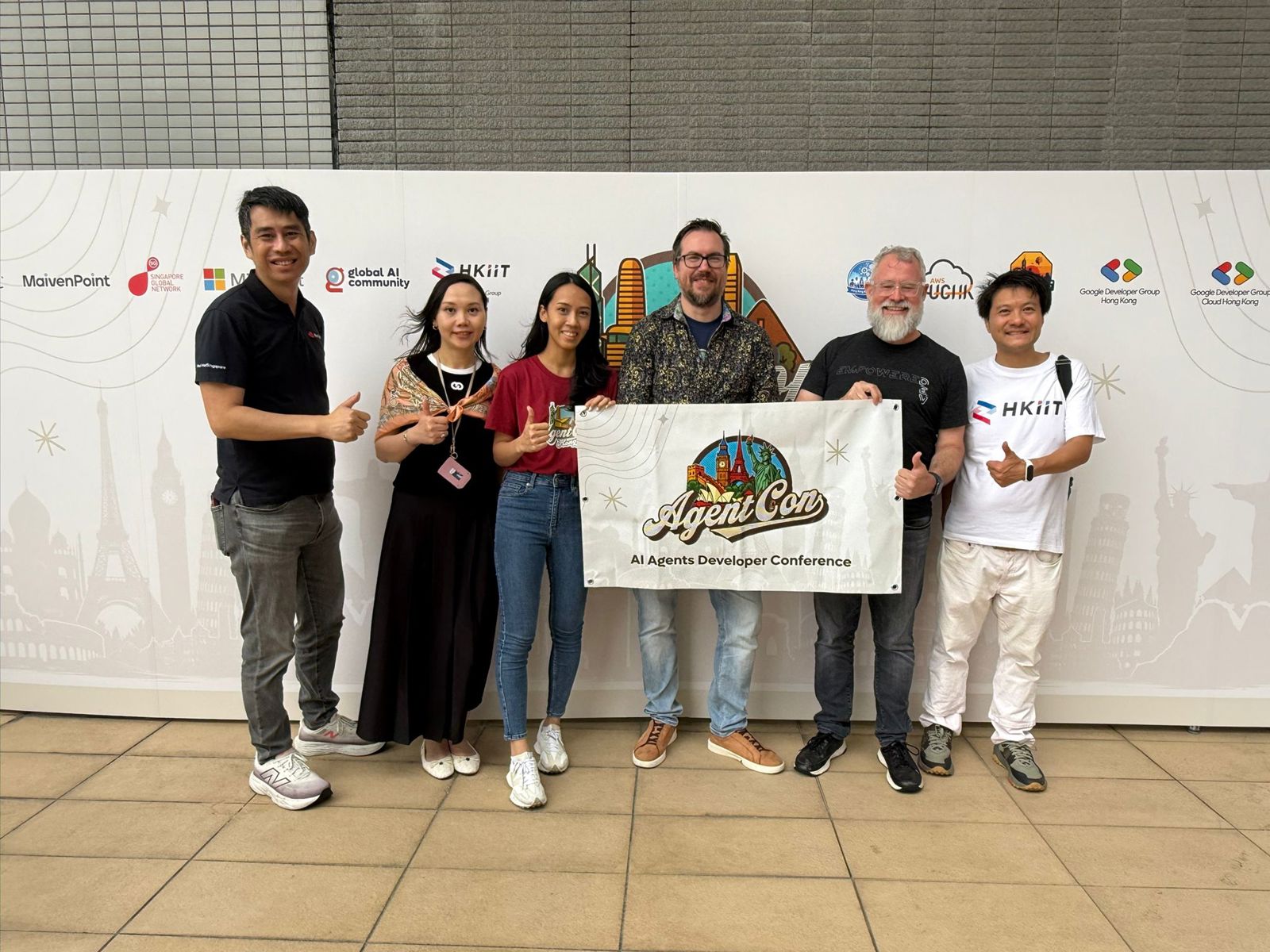
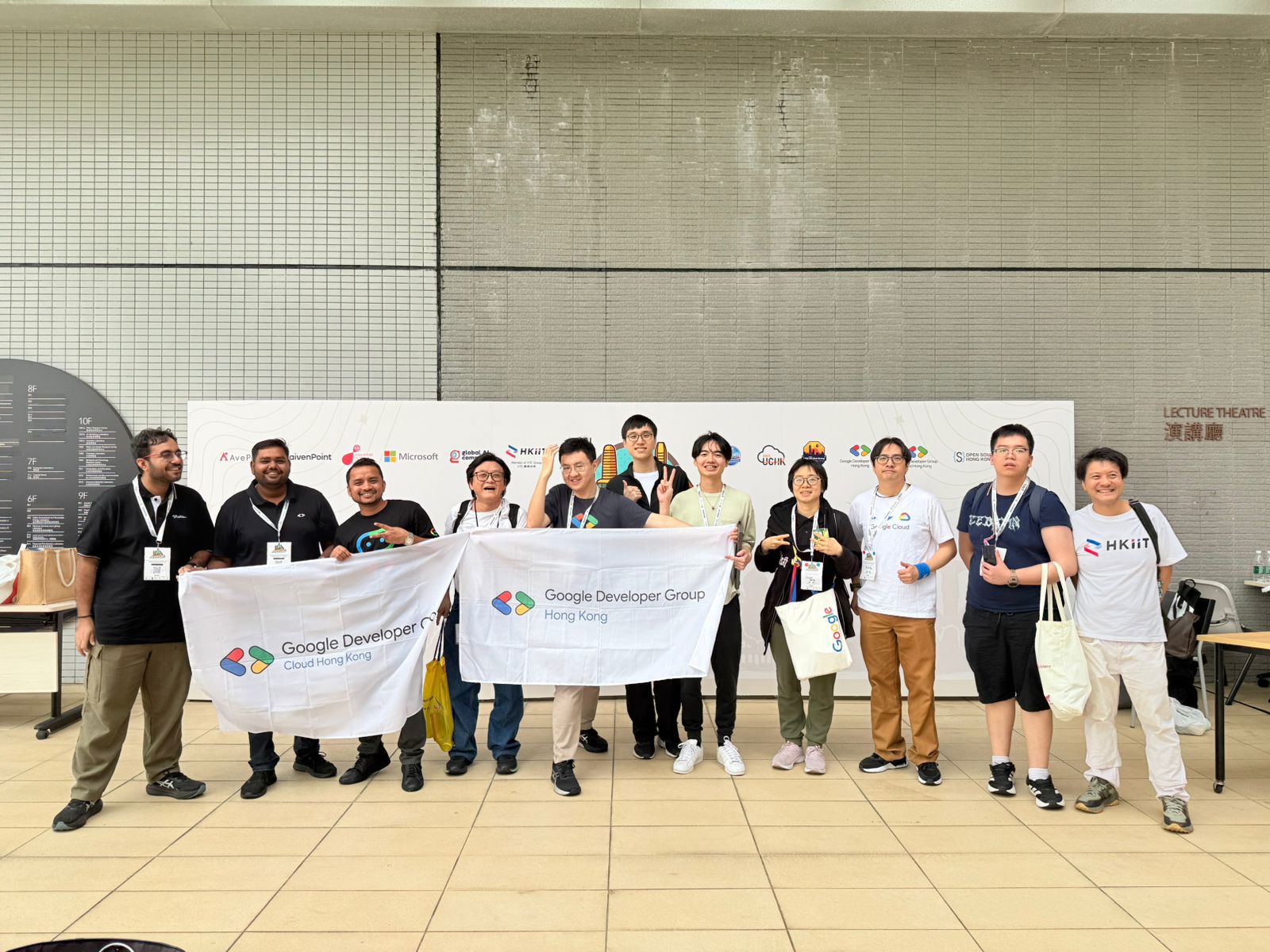
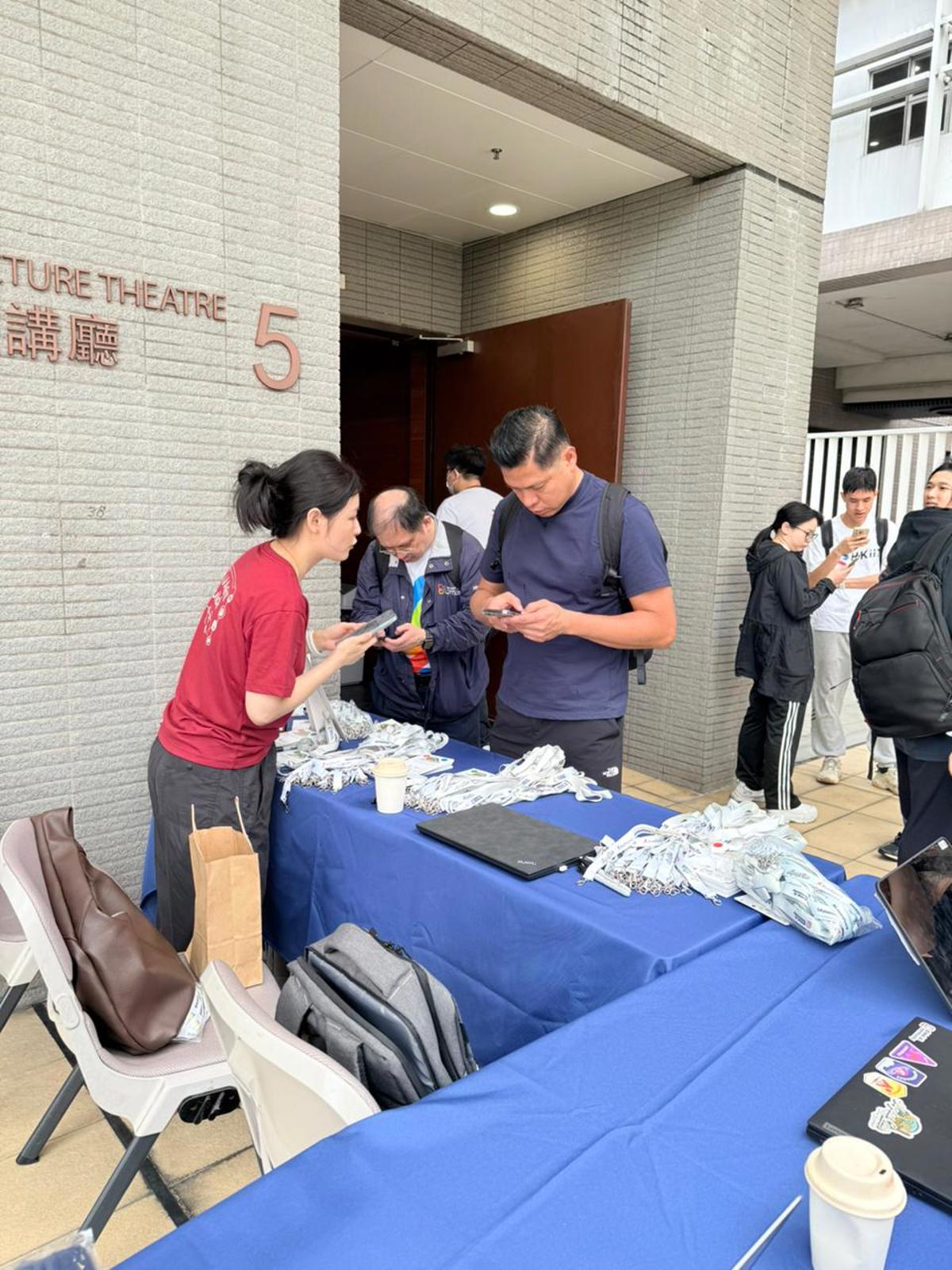
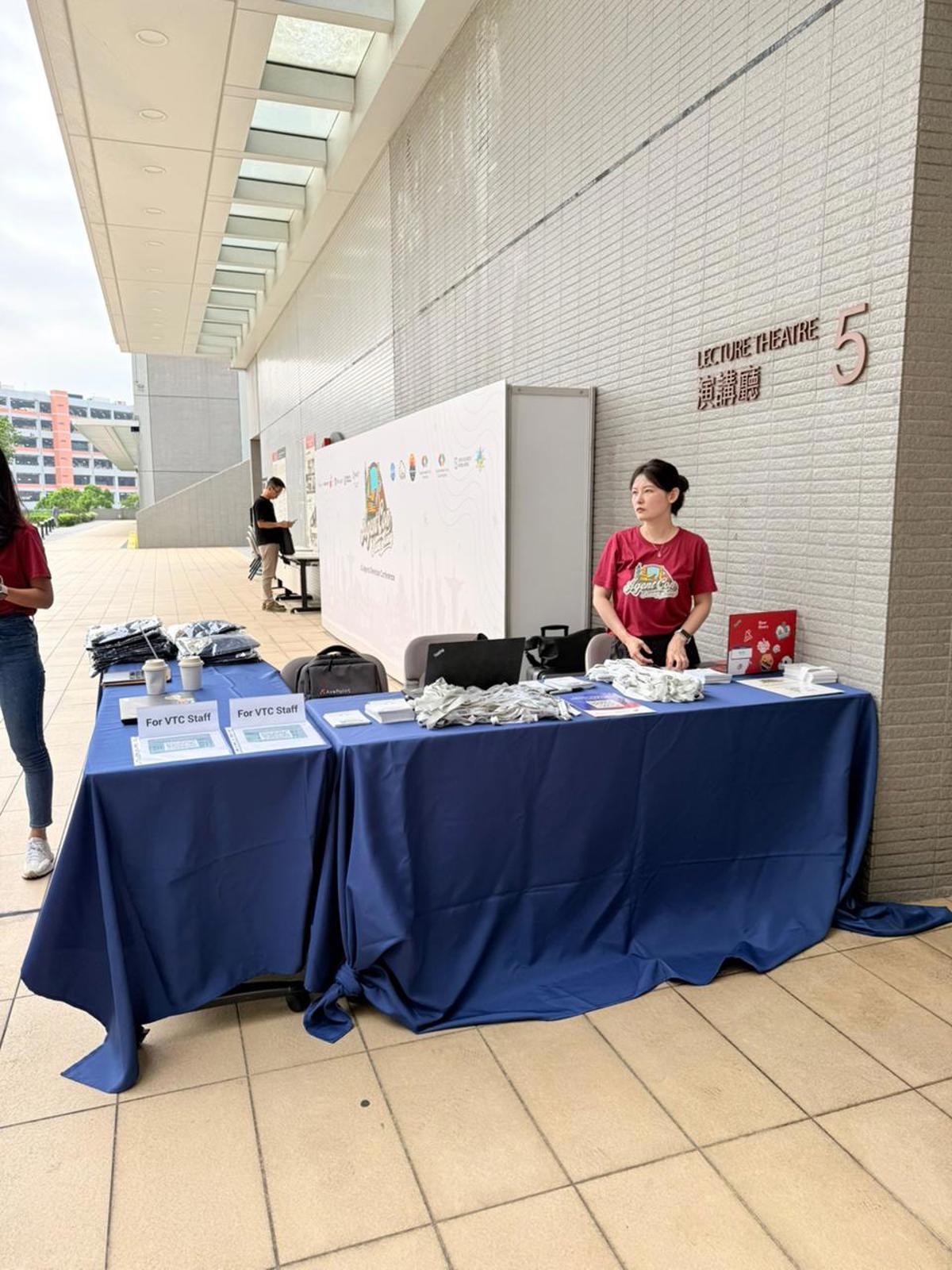
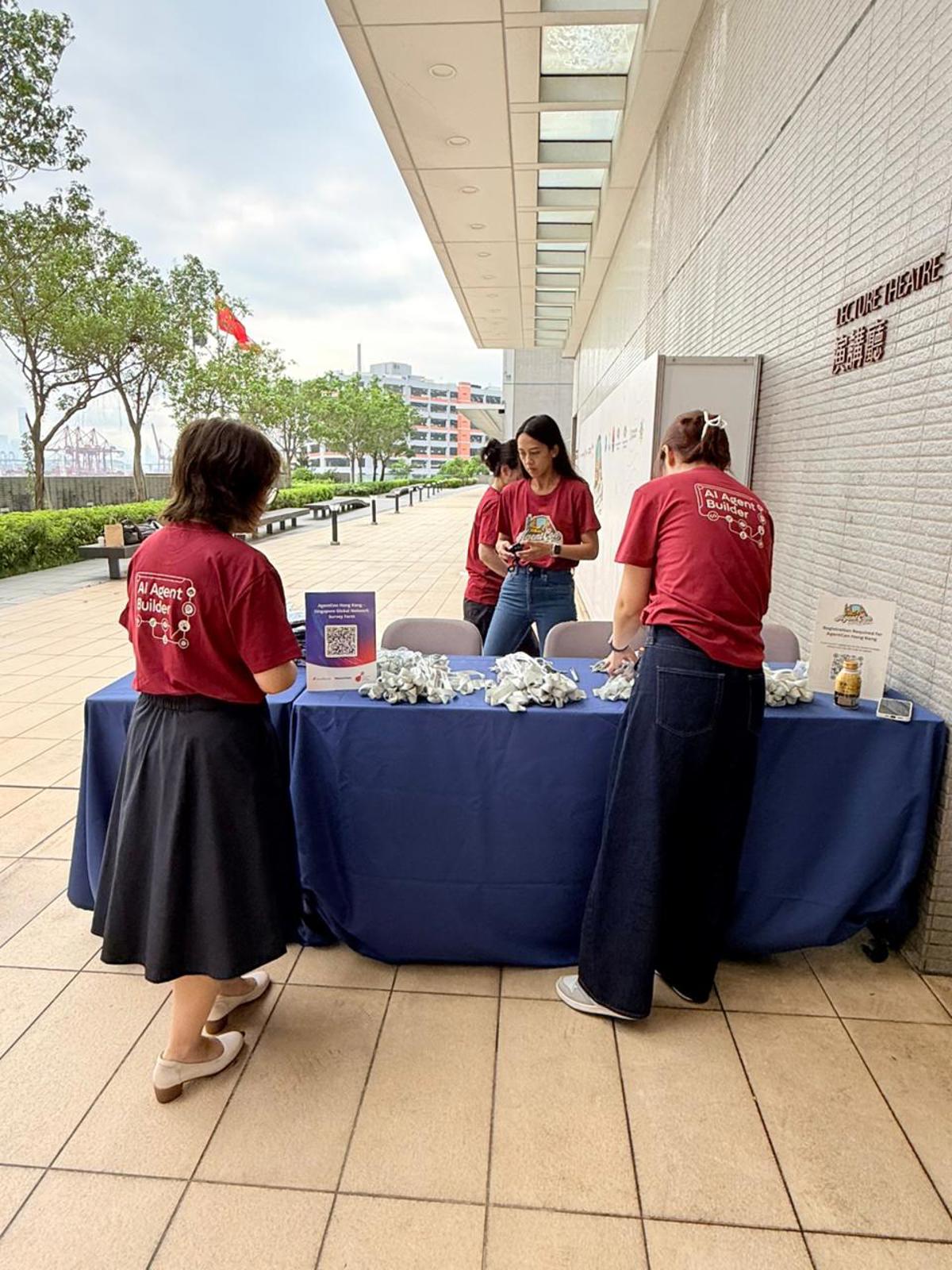
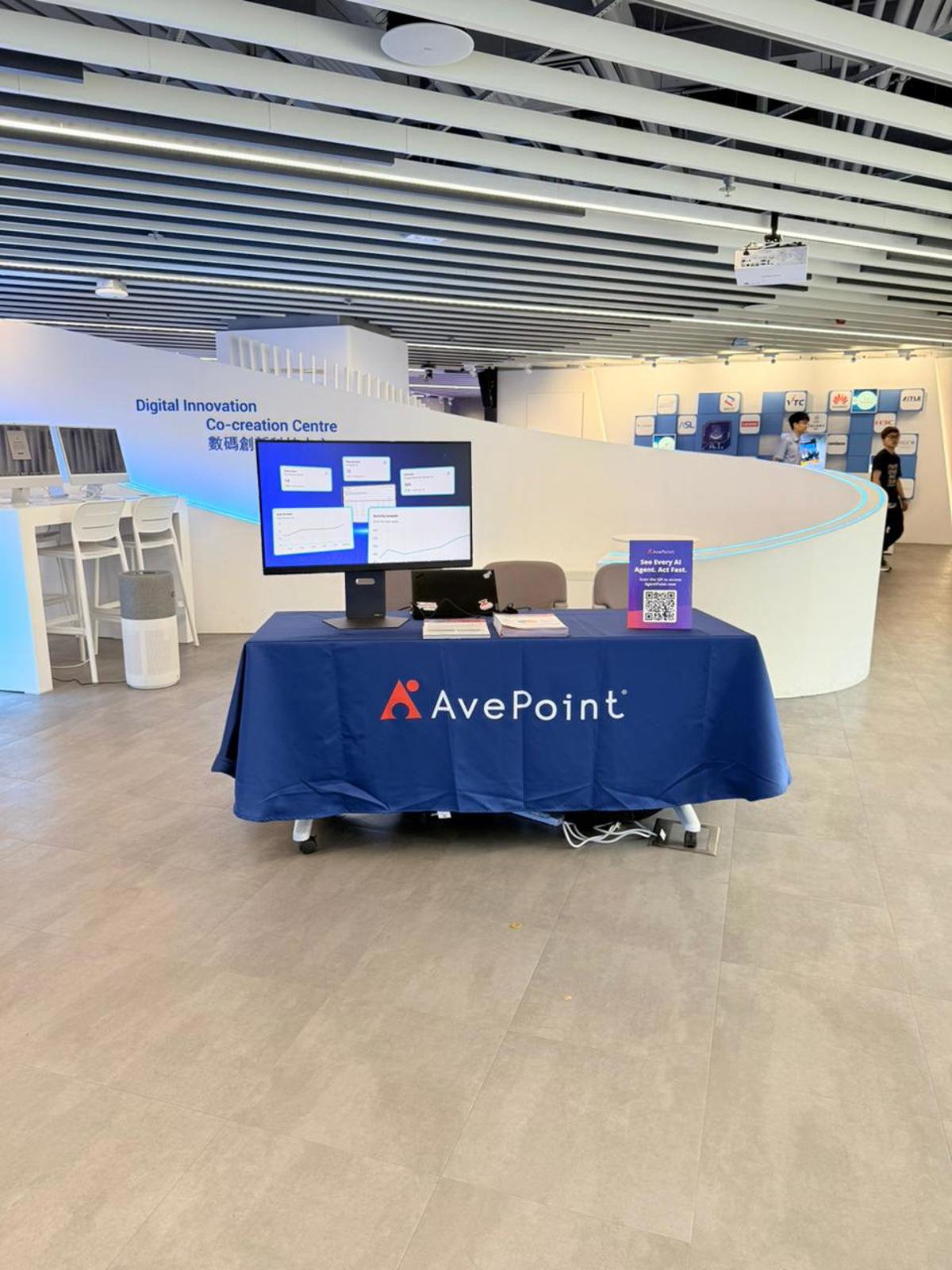
This is how it looked

Made possible by
Made possible by:













Explore AgentCon
AI Agents Developer Conference
AgentCon made possible by: