/Events /AgentCon - Vienna

About
Join us for the AI Agents World Tour, a global series of one-day conferences designed exclusively for developers building the future with AI agents.
From San Francisco to Singapore, we’re bringing together leading engineers, researchers, and creators to explore the cutting edge of AI agent design, deployment, and integration. Whether you’re building intelligent assistants, autonomous systems, or next-gen developer tools, this event is your fast track to practical knowledge, hands-on demos, and real-world insights. The event will be held in English.
What to Expect:
- Deep-Dive Talks from AI pioneers and industry leaders
- Technical Workshops on building, deploying, and scaling agents
- Live Demos of powerful open-source frameworks and tools
- Networking with a global community of builders and innovators
This isn't just another AI event — it’s where developers meet to talk about real code.
Ready to build the future?
Please note: The agenda, including session times and room assignments, is subject to change.
Who's on stage

Kesha is an engineer with over 20 years of experience in making customers happy through building product, running distributed systems, tuning socio-technical systems, and more recently building with AI. Kesha is a Principal Engineer at Intercom building the future of AI-centric customer service.
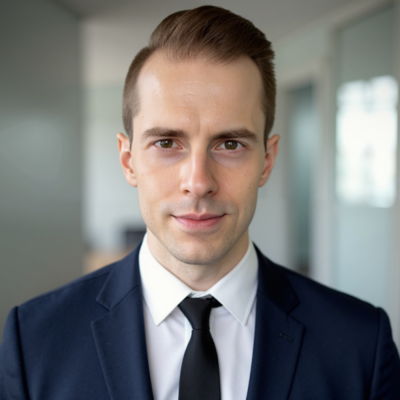
Matthias studied computer science (M.Sc. + B.Sc.) and mathematics (B.Sc.). He completed his academic education with a PhD in computer science focused on natural language processing. Currently, he's working as a senior solution architect focused on C#, .NET, ASP.NET Core MVC, and Azure in general. I'm the organizer of the Azure Düsseldorf Meetup www.azuredus.de
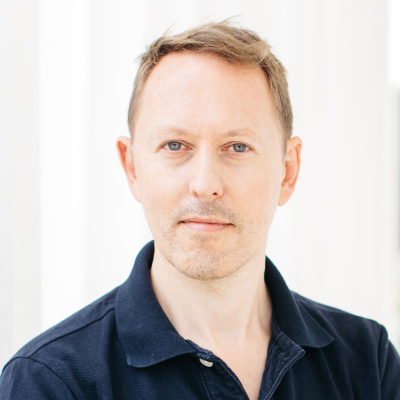
I work as consultant and I am specialized in designing solutions for Microsoft 365, Microsoft Azure and Azure AI Services. I'm a conference speaker, blogger, and Microsoft MVP.
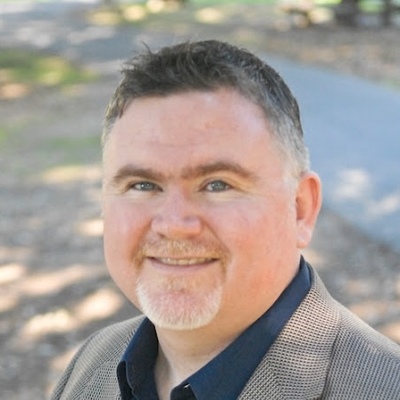
His prescient views on the profound disruption caused by cloud native apps and cloud computing have made Randy Bias one of the industry’s most influential voices. He is an evangelist who was among the first to articulate the generational transition of IT from mainframe to enterprise computing and then to cloud in addition to popularizing the cloud server "pets vs. cattle" meme.
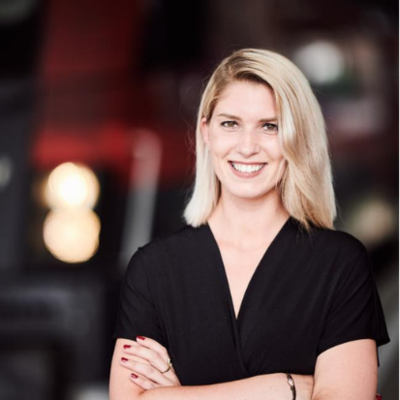
Digital Transformation Manager for M365 Copilot within ÖBB
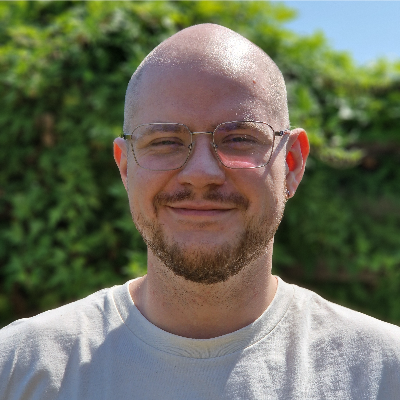
Christopher Rolke is a Product Owner working at the intersection of AI, automation and enterprise IT. He focuses on translating technical capabilities of AI systems into scalable, maintainable products. His work emphasizes pragmatic architectures, cost-aware AI adoption, and real-world applicability beyond hype.

As a Developer Advocate at Neo4j, I help developers harness the power of graph technology and AI. A Microsoft MVP and global speaker at events like TED, Microsoft Build, and WeAreDevelopers, I focus on making complex tech accessible through content, community, and hands-on support. My mission is to connect, empower, and inspire developers to build impactful solutions.
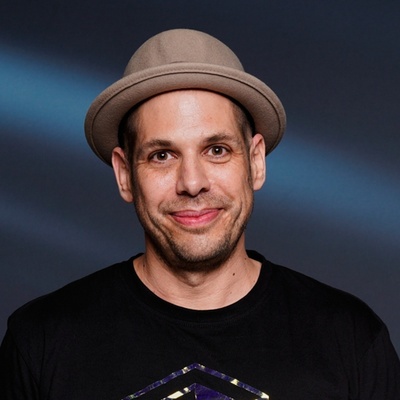
Christian Glessner is the founder of Hololux, an innovation agency at the intersection of artificial intelligence and immersive technology. As a 17-year Microsoft Most Valuable Professional (MVP) and early contributor to Microsoft’s new Agent Framework, he explores how multi-agent orchestration and graph intelligence are shaping the future of enterprise automation. A German Innovation Award 2024 winner, Christian bridges advanced AI concepts with real-world business impact. Known for his energetic, demo-driven presentations, he makes complex agent architectures tangible and inspires teams to build smarter, connected systems.
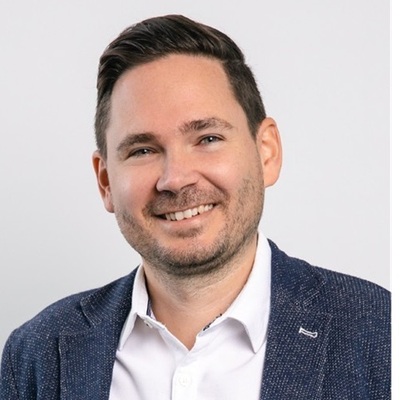
Thomas Stangl is Head of AI Solutions at TechTalk and has over 20 years of experience at the intersection of digital transformation, public-sector IT, and agile delivery. He specializes in translating complex requirements into practical, user-centered digital solutions with a clear focus on real business value. For Thomas, technology is never an end in itself—it must solve real problems, increase efficiency, and support people in their daily work. For more than 15 years, he has worked with agile teams as a Product Owner, agile product manager and consultant, combining strong methodological expertise with deep technical understanding and a keen sense for organizational dynamics. In recent years, his focus has been on Agentic Engineering: designing structured, production-ready workflows for using AI coding agents responsibly across the software development lifecycle.
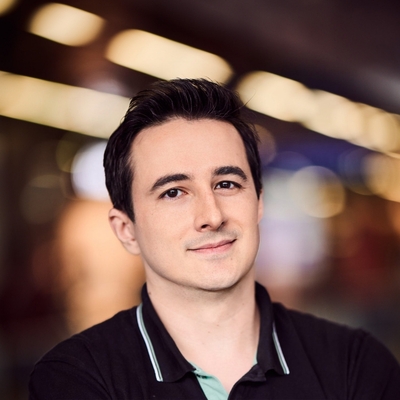
-
20+ of experience with ECM solutions AI and Data enthusiast M365 and Copilot Program manager 20+ experience with Industry companies
Cornelia Falkner is a Change Manager at the ÖBB Business Competence Center, where she supports organizational transformation processes within the corporate environment. She combines many years of experience in change management, organizational development, and internal communication, helping teams to sustainably anchor new ways of working, digital tools, and modern forms of collaboration.
Henk is a Cloud Advocate specializing in Artificial intelligence and Azure with a background in application development. He is currently part of the AI cloud advocate team and based in the Netherlands. Before joining Microsoft, he was a Microsoft AI MVP and worked as a software developer and architect building lots of AI powered platforms on Azure.
Maurice is a Product Manager at Grafana Labs where he is responsible for AI in observability within the Grafana ecosystem. He previously worked in the renewable energy and healthcare industries and specializes in delivering impactful AI solutions.

Hi, I'm Dona! I believe that you are one experiment away from being your most powerful self at work, and yes, in life! Currently, at my day job, I'm running 100 experiments as the Chief Troublemaker of the Copilot and AI Extensibility Program at Microsoft. My goal is that people all over the world can use our AI and Copilot products to reason over their OWN data and truly make AI useful for their business and lives! I'm also a speaker (my fave audience is corporate leaders), a business coach (I teach sustainable side-hustling) and a multi-published author (it turns out fiction writing is really useful in software!). I'm the owner of the ethical luxury fashion brand called Prima Dona Studios and I have (very) recently become a wine bar co-owner at #SIdeHustleTaps. A few years ago, I was named one of Fast Company’s 100 Most Productive People and Cosmopolitan magazine's Businessperson of the Year for my “multi-faceted” aka weird life. And yes, I'm always ready to get on a plane and come see YOU.
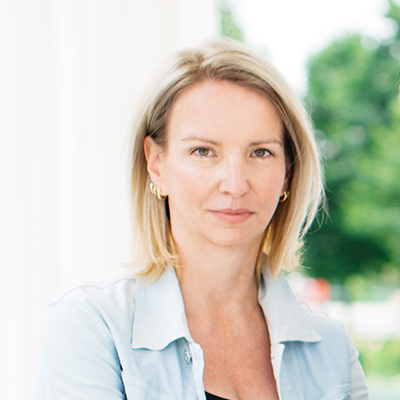
I am a Principal at atwork currently living in Vienna, Austria. My interests range from technology to travel. I am also interested in science fiction, writing, and innovation. I am recognized as an expert in Microsoft Cloud solutions. Since 2015, I am a Regional Director for Microsoft. My expertise is related to online technologies, and my specialty is in Microsoft Cloud Services like Azure and Microsoft 365. I help with architecture planning companies with cloud solutions, and provide strategy, consulting, governance, security and compliance and architectural planning of cloud projects. In addition, I am one of the organizational heads of cloudusergroup for Germany, Austria, and Switzerland. I have authored numerous books, articles and blogs. My passion is online and social media, cloud computing, AI, cybersecurity. I have a Master’s of International Business Administration from the University of Vienna, Austria. Talk to me about: Cloud Computing, Cloud Architecture & Strategy, Change Management, Azure, Microsoft 365, Enterprise Social, Governance, Security, Compliance and AI.
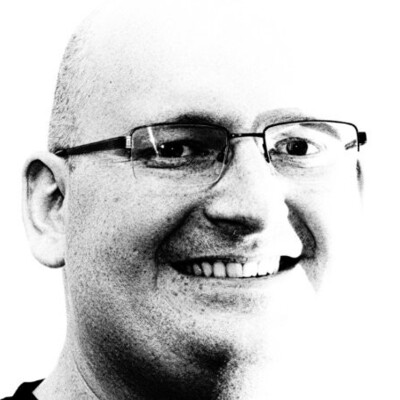
Peter has over a decade of experience as a SharePoint and Microsoft 365 consultant and works as a software architect at ACP CUBIDO Digital Solutions GmbH. He specializes in developing high-quality web-based, hybrid, and mobile applications using a wide range of technologies. With a deep passion for software development and a strong focus on automation, he eagerly takes on technical and conceptual challenges in projects. His current focus is on developing apps and bots within the Microsoft 365 ecosystem, with a particular emphasis on integrating AI systems in enterprise environments. Beyond his technical expertise, Peter is an active member of the community, sharing his knowledge through presentations and blog posts while contributing to the advancement of modern cloud, AI, and automation solutions. His combination of expertise, innovation, and hands-on experience makes him a valued expert in delivering sustainable and efficient solutions for businesses.
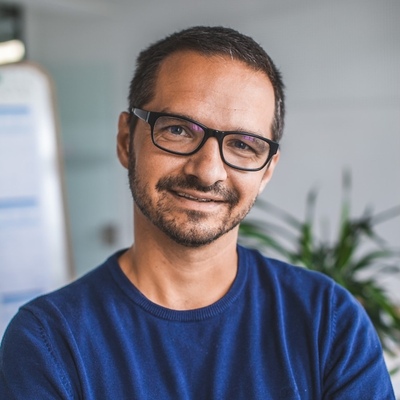
Jan Hilmar is Team Lead of the Systems Innovation Team at ÖBB Open Innovation. His role is the planning and coordination of prototyping activities for innovation projects by his team of developers, data scientists and engineering experts. Jan has a background in mathematics and had previously worked as a developer and product owner with a lot of experience in designing and building custom software products. He has long supported ÖBB as a contractor before joining the Innovation Team in 2024. Jan has 3 kids and lives in Vienna, enjoying travel and swimming in the Neue Donau in all seasons.
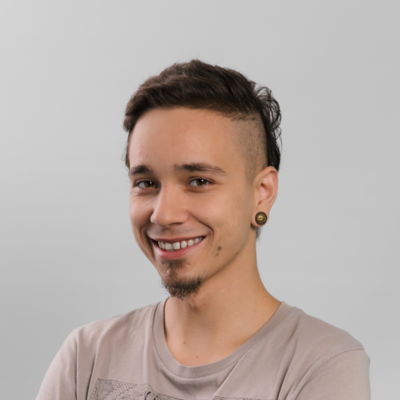
As a software developer with some experience in classical machine learning, Manuel was always very fascinated by the concept of LLMs. After the first years of the "LLM Boom" and working with the models in various use cases, Manuel developed a good intuition on how to utilize LLM in daily work, as well as for specific enduser use cases. Nowadays, Manuel focuses on bringing structure to this intuition in order to spread this way of working across multiple teams.
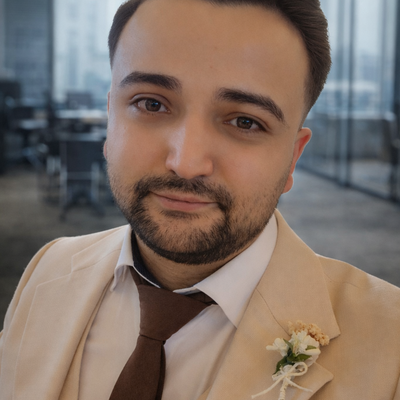
Muhammet “Memo” Güclü is a Junior IT Business Analyst in Finance & Accounting at ÖBB‑BCC and an AI enthusiast. He oversees several platforms used by internal and external stakeholders and brings a Lean & Digital mindset to day‑to‑day operations. Recently, he launched his department’s AI knowledge chatbot. He has hands‑on experience working with data and collaborating with cross‑functional, global teams across 30+ countries, enabling him to bridge perspectives and translate needs into practical, user‑focused solutions.
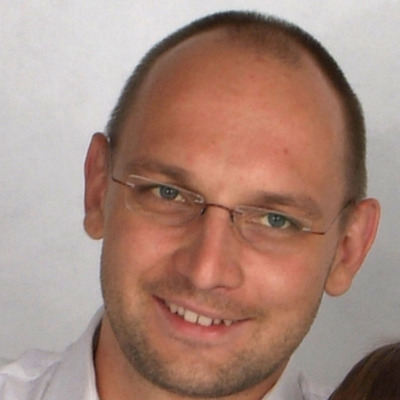
Patrick Wahlmueller is a long-time Microsoft MVP with a strong background in Cloud, AI and Automation. His current focus is on AI and the practical, responsible adoption of AI in real-world IT and business scenarios. As the organizer of Experts Live Austria and an active community leader, he is passionate about knowledge sharing, high-quality content, and inclusive networking. On stage, he is known for clear explanations, real-life examples, and making complex topics accessible and actionable.
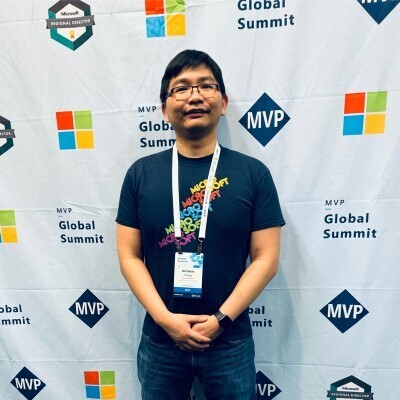
Nicholas Chang is a Senior Platform Engineer at Kainos with a deep passion for Microsoft Azure. With extensive experience in cloud technologies and a focus on Azure, he is the founder of the Microsoft Azure Community User Group, where he fosters knowledge sharing, collaboration, and growth within the tech community. Nicholas is also the creator and host of the Microsoft Community Insights podcast, where he connects with industry leaders and shares valuable insights about Azure and the broader tech ecosystem. As a dedicated community advocate, Nicholas contributes by speaking at events and sharing his expertise through his blog, nicholaschangblog.com. You can connect with him on Twitter: @nick_cloudops or visit his blog to learn more.
Sessions & tracks
Registration
Sky Forum ·The Rise of the Agent Manager
Stop worrying about “whether AI will take your job.” This year, in the new era of AI, every one of us will take on a brand-new identity — the manager of AI agents! Join us as we explore how to prepare for this transformation and welcome the era that truly belongs to you: the Age of the Agent Manager.
Hi, I'm Dona! I believe that you are one experiment away from being your most powerful self at work, and yes, in life! Currently, at my day job, I'm running 100 experiments as the Chief Troublemaker of the Copilot and AI Extensibility Program at Microsoft. My goal is that people all over the world can use our AI and Copilot products to reason over their OWN data and truly make AI useful for their business and lives! I'm also a speaker (my fave audience is corporate leaders), a business coach (I teach sustainable side-hustling) and a multi-published author (it turns out fiction writing is really useful in software!). I'm the owner of the ethical luxury fashion brand called Prima Dona Studios and I have (very) recently become a wine bar co-owner at #SIdeHustleTaps. A few years ago, I was named one of Fast Company’s 100 Most Productive People and Cosmopolitan magazine's Businessperson of the Year for my “multi-faceted” aka weird life. And yes, I'm always ready to get on a plane and come see YOU.
Preserving expertise and driving innovation: ANDRITZ empowers employees with AI agents
Overview on how Andritz uses agents to preserve expertise and drive innovation
20+ of experience with ECM solutions AI and Data enthusiast M365 and Copilot Program manager 20+ experience with Industry companies
Christopher Rolke is a Product Owner working at the intersection of AI, automation and enterprise IT. He focuses on translating technical capabilities of AI systems into scalable, maintainable products. His work emphasizes pragmatic architectures, cost-aware AI adoption, and real-world applicability beyond hype.
Easy Agents, Real Impact: Supporting Daily Work in a Large European Railway
Discover how ÖBB leverages agents to simplify daily tasks and boost efficiency across a large railway organization. We’ll share real-life use cases.
Digital Transformation Manager for M365 Copilot within ÖBB
Jan Hilmar is Team Lead of the Systems Innovation Team at ÖBB Open Innovation. His role is the planning and coordination of prototyping activities for innovation projects by his team of developers, data scientists and engineering experts. Jan has a background in mathematics and had previously worked as a developer and product owner with a lot of experience in designing and building custom software products. He has long supported ÖBB as a contractor before joining the Innovation Team in 2024. Jan has 3 kids and lives in Vienna, enjoying travel and swimming in the Neue Donau in all seasons.
Cornelia Falkner is a Change Manager at the ÖBB Business Competence Center, where she supports organizational transformation processes within the corporate environment. She combines many years of experience in change management, organizational development, and internal communication, helping teams to sustainably anchor new ways of working, digital tools, and modern forms of collaboration.
Muhammet “Memo” Güclü is a Junior IT Business Analyst in Finance & Accounting at ÖBB‑BCC and an AI enthusiast. He oversees several platforms used by internal and external stakeholders and brings a Lean & Digital mindset to day‑to‑day operations. Recently, he launched his department’s AI knowledge chatbot. He has hands‑on experience working with data and collaborating with cross‑functional, global teams across 30+ countries, enabling him to bridge perspectives and translate needs into practical, user‑focused solutions.
-
Grafana Assistant: how to build agents that work
Building your first agentic feature can seem daunting but it doesn't have to be.
In this talk, you'll get a behind-the-scenes at look how we built an observability assistant that users actually enjoy and rely on. Learn more about how we experiment with single- and multi-agent setups, tool calling, tool selection, evaluation and "human in the loop" designs.
You’ll walk away with actionable insights to help you ship agentic features faster and with more confidence.
Maurice is a Product Manager at Grafana Labs where he is responsible for AI in observability within the Grafana ecosystem. He previously worked in the renewable energy and healthcare industries and specializes in delivering impactful AI solutions.
Break
Sky Forum ·Voice Agents? The Next Step After Chat
Chat-based AI is everywhere today – but is that the end of the journey? The next logical step is Voice Agents, which not only listen and speak but can also perform actions autonomously.
In this session, I will demonstrate a live demo of a fictional enterprise use case, showing how a voice agent works in practice:
Responding to voice commands.
Performing tool-calls, query data and executing concrete actions.
The demo is built on Azure AI Foundry, illustrating how modern enterprise voice agents can be implemented, controlled, and safely operated.
Peter has over a decade of experience as a SharePoint and Microsoft 365 consultant and works as a software architect at ACP CUBIDO Digital Solutions GmbH. He specializes in developing high-quality web-based, hybrid, and mobile applications using a wide range of technologies. With a deep passion for software development and a strong focus on automation, he eagerly takes on technical and conceptual challenges in projects. His current focus is on developing apps and bots within the Microsoft 365 ecosystem, with a particular emphasis on integrating AI systems in enterprise environments. Beyond his technical expertise, Peter is an active member of the community, sharing his knowledge through presentations and blog posts while contributing to the advancement of modern cloud, AI, and automation solutions. His combination of expertise, innovation, and hands-on experience makes him a valued expert in delivering sustainable and efficient solutions for businesses.
Teaching an LLM to review code… like a Senior Engineer!
There’s no doubt LLMs can generate plausible, working code – but can we trust them to review it? Being a helpful assistant is deeply ingrained in an LLM’s nature, but when it comes to code reviews, this works against us. What could have been a simple Pull Request approval turns into a lavish, flattering, one-page-long description of how great the code is, how extensive the test coverage is, and how brilliant the architectural choices are. No one has the time to read those reviews, and ultimately engineers stop paying attention. And even if the LLM does surface a real issue, chances are it’s going to be lost in the noise of dozens of good-to-haves and minor, irrelevant nitpicks. This is a story of how we built an LLM code review bot that behaves as a senior engineer – surfacing important, actionable violations of human-curated guidance and maximising signal-to-noise ratio.
Kesha is an engineer with over 20 years of experience in making customers happy through building product, running distributed systems, tuning socio-technical systems, and more recently building with AI. Kesha is a Principal Engineer at Intercom building the future of AI-centric customer service.
From Zero to Agent: Creating Your First AI in Microsoft Foundry
In this session, you’ll learn step by step how to create your first AI agent using Microsoft Foundry—no prior experience required. From the initial idea to a working agent, you’ll get a practical, hands-on introduction to the core building blocks. Perfect for anyone ready to go from zero to agent.
Patrick Wahlmueller is a long-time Microsoft MVP with a strong background in Cloud, AI and Automation. His current focus is on AI and the practical, responsible adoption of AI in real-world IT and business scenarios. As the organizer of Experts Live Austria and an active community leader, he is passionate about knowledge sharing, high-quality content, and inclusive networking. On stage, he is known for clear explanations, real-life examples, and making complex topics accessible and actionable.
Networking
Registration
Garden Gallery ·The Rise of the Agent Manager
Stop worrying about “whether AI will take your job.” This year, in the new era of AI, every one of us will take on a brand-new identity — the manager of AI agents! Join us as we explore how to prepare for this transformation and welcome the era that truly belongs to you: the Age of the Agent Manager.
Hi, I'm Dona! I believe that you are one experiment away from being your most powerful self at work, and yes, in life! Currently, at my day job, I'm running 100 experiments as the Chief Troublemaker of the Copilot and AI Extensibility Program at Microsoft. My goal is that people all over the world can use our AI and Copilot products to reason over their OWN data and truly make AI useful for their business and lives! I'm also a speaker (my fave audience is corporate leaders), a business coach (I teach sustainable side-hustling) and a multi-published author (it turns out fiction writing is really useful in software!). I'm the owner of the ethical luxury fashion brand called Prima Dona Studios and I have (very) recently become a wine bar co-owner at #SIdeHustleTaps. A few years ago, I was named one of Fast Company’s 100 Most Productive People and Cosmopolitan magazine's Businessperson of the Year for my “multi-faceted” aka weird life. And yes, I'm always ready to get on a plane and come see YOU.
What if we could design Agents that don't hallucinate?
Most AI agents lose context fast. In this , you’ll learn how to connect Neo4j with your AI agent stack to give your assistants lasting, dynamic memory. Through guided exercises, you’ll model relationships, store conversation history, and query relevant context to make your agent smarter over time. See how graph databases provide the missing layer of cognition that enables true personalization and persistent understanding.
As a Developer Advocate at Neo4j, I help developers harness the power of graph technology and AI. A Microsoft MVP and global speaker at events like TED, Microsoft Build, and WeAreDevelopers, I focus on making complex tech accessible through content, community, and hands-on support. My mission is to connect, empower, and inspire developers to build impactful solutions.
Foundry IQ for Developers: Agentic Retrieval Without Building Your Own RAG Pipeline
Stop hand-coding RAG plumbing for every agent.
Foundry IQ lets you encapsulate knowledge retrieval into reusable Knowledge Bases backed by Azure AI Search—handling query planning, decomposition, parallel hybrid retrieval (keyword + vector), reranking, and grounded responses with citations out of the box.
In this session, we'll build a minimal but production-real agent using the Microsoft Agent Framework that calls Foundry IQ. From there, we’ll focus on what actually matters to developers: query steering, multi-source retrieval behavior, and getting predictable, structured outputs your agents can reliably reason over and compose.
Expect a tight, code-first walkthrough and practical patterns you can reuse immediately—without reinventing yet another RAG pipeline.
Christian Glessner is the founder of Hololux, an innovation agency at the intersection of artificial intelligence and immersive technology. As a 17-year Microsoft Most Valuable Professional (MVP) and early contributor to Microsoft’s new Agent Framework, he explores how multi-agent orchestration and graph intelligence are shaping the future of enterprise automation. A German Innovation Award 2024 winner, Christian bridges advanced AI concepts with real-world business impact. Known for his energetic, demo-driven presentations, he makes complex agent architectures tangible and inspires teams to build smarter, connected systems.
Building Trust: Compliance & Security in Microsoft AI Foundry
As organizations accelerate AI adoption, ensuring compliance and security becomes mission-critical. Microsoft AI Foundry provides a robust framework for developing, deploying, and governing AI solutions with enterprise-grade guardrails. In this session, we’ll explore: • Compliance by Design: How Foundry integrates regulatory and organizational requirements into the AI lifecycle. • Security Foundations: Protecting data, models, and endpoints with Microsoft’s security stack. • Governance & Risk Management: Practical strategies for responsible AI, including transparency, auditability, and policy enforcement. • Real-World Scenarios: Lessons learned from implementing secure and compliant AI solutions at scale. Join us to discover how to build AI systems that are not only innovative but also trustworthy and aligned with global standards.
I am a Principal at atwork currently living in Vienna, Austria. My interests range from technology to travel. I am also interested in science fiction, writing, and innovation. I am recognized as an expert in Microsoft Cloud solutions. Since 2015, I am a Regional Director for Microsoft. My expertise is related to online technologies, and my specialty is in Microsoft Cloud Services like Azure and Microsoft 365. I help with architecture planning companies with cloud solutions, and provide strategy, consulting, governance, security and compliance and architectural planning of cloud projects. In addition, I am one of the organizational heads of cloudusergroup for Germany, Austria, and Switzerland. I have authored numerous books, articles and blogs. My passion is online and social media, cloud computing, AI, cybersecurity. I have a Master’s of International Business Administration from the University of Vienna, Austria. Talk to me about: Cloud Computing, Cloud Architecture & Strategy, Change Management, Azure, Microsoft 365, Enterprise Social, Governance, Security, Compliance and AI.
I work as consultant and I am specialized in designing solutions for Microsoft 365, Microsoft Azure and Azure AI Services. I'm a conference speaker, blogger, and Microsoft MVP.
Break
Garden Gallery ·From Agents to Systems: Building MCP Servers for Practical AI Agents
AI agents become truly useful when they can interact with real systems rather than operate on text alone. In this session, the focus is on how the Model Context Protocol (MCP) can be used to connect AI agents to external tools and domain logic in a structured and maintainable way.
The talk introduces the core concepts behind MCP and explains how an MCP server is designed, implemented, and exposed to AI agents. Using a practical example from a board game platform, the session demonstrates how domain-specific functionality can be made available to an agent through well-defined tools and context, enabling meaningful interactions beyond simple prompt-based responses.
In addition to the implementation itself, the talk covers architectural considerations such as hosting, boundaries between agents and systems, and common pitfalls when integrating agents with existing applications. The goal is to provide a realistic view of what it takes to move from isolated agents to practical, system-aware AI integrations using MCP.
Matthias studied computer science (M.Sc. + B.Sc.) and mathematics (B.Sc.). He completed his academic education with a PhD in computer science focused on natural language processing. Currently, he's working as a senior solution architect focused on C#, .NET, ASP.NET Core MVC, and Azure in general. I'm the organizer of the Azure Düsseldorf Meetup www.azuredus.de
Agents Need to be Paged, Not Prompted if we Truly Want AIOps
AI agents have a blind spot: IT Operations. While the industry obsesses over software development, ops remains a second-class citizen. Software engineering is proactive and human-driven. Operations is also, but only sometimes. It's also reactive, predictive, and event-driven by infrastructure and applications. Nobody prompts the 3 AM outage. It just happens.
Current agentic architectures optimize for exactly one modality: human-driven interactions. To make AIOps real, we need event-driven agent triggering, domain-specific operational skills, and production-grade security models. In this talk I'll take you from vision to working example of alternative operations-centric agentic workflows. I'll showcase AI agents performing triage and root cause analysis triggered by faults in running clusters and applications.
What does the world look like if operations teams are suddenly empowered by agents working on their behalf? Agents that dramatically reduce toil by doing the grunt work and handing those teams highly accurate analyses backed by a proof-of-work allowing for immediate action.
His prescient views on the profound disruption caused by cloud native apps and cloud computing have made Randy Bias one of the industry’s most influential voices. He is an evangelist who was among the first to articulate the generational transition of IT from mainframe to enterprise computing and then to cloud in addition to popularizing the cloud server "pets vs. cattle" meme.
Building MCP server using Python
This session shows how to build a lightweight MSP server using Python. Attendees will leave with a clear understanding of the core architecture and the practical skills needed to create and secure their own MSP server.
By the end, attendees will understand: How an MCP server is structured How to implement a minimal Python MCP server How to register tools, resources, and capabilities How to secure and validate requests How to integrate the server with MCP‑compatible clients
Nicholas Chang is a Senior Platform Engineer at Kainos with a deep passion for Microsoft Azure. With extensive experience in cloud technologies and a focus on Azure, he is the founder of the Microsoft Azure Community User Group, where he fosters knowledge sharing, collaboration, and growth within the tech community. Nicholas is also the creator and host of the Microsoft Community Insights podcast, where he connects with industry leaders and shares valuable insights about Azure and the broader tech ecosystem. As a dedicated community advocate, Nicholas contributes by speaking at events and sharing his expertise through his blog, nicholaschangblog.com. You can connect with him on Twitter: @nick_cloudops or visit his blog to learn more.
Networking
Registration
360 Room ·The Rise of the Agent Manager
Stop worrying about “whether AI will take your job.” This year, in the new era of AI, every one of us will take on a brand-new identity — the manager of AI agents! Join us as we explore how to prepare for this transformation and welcome the era that truly belongs to you: the Age of the Agent Manager.
Hi, I'm Dona! I believe that you are one experiment away from being your most powerful self at work, and yes, in life! Currently, at my day job, I'm running 100 experiments as the Chief Troublemaker of the Copilot and AI Extensibility Program at Microsoft. My goal is that people all over the world can use our AI and Copilot products to reason over their OWN data and truly make AI useful for their business and lives! I'm also a speaker (my fave audience is corporate leaders), a business coach (I teach sustainable side-hustling) and a multi-published author (it turns out fiction writing is really useful in software!). I'm the owner of the ethical luxury fashion brand called Prima Dona Studios and I have (very) recently become a wine bar co-owner at #SIdeHustleTaps. A few years ago, I was named one of Fast Company’s 100 Most Productive People and Cosmopolitan magazine's Businessperson of the Year for my “multi-faceted” aka weird life. And yes, I'm always ready to get on a plane and come see YOU.
Increase your quality with the power of Agentic Engineering (Spec-Driven Development)
AI coding agents promise to deliver both speed and quality, but without structured engineering practices they often deliver neither - shipping vulnerabilities, technical debt, and features that miss the mark. In this hands-on workshop, you’ll learn how to turn GitHub Copilot into a reliable development partner by running an “Agentic Engineering SDLC” end-to-end: refine a story, lock in acceptance criteria and non-functional requirements, then implement with test-driven development. This is not a vibe-coding workshop, instead you'll learn what Agentic Engineering really means in a professional context. You’ll work in a real .NET codebase and ship a concrete feature, practicing the same patterns you can take back to your team. We’ll show how to steer agents with crisp constraints, pattern analysis, and incremental review checkpoints, which results in higher development speed while not reducing the output quality of the code. You’ll leave with a clear mental model of Agentic Engineering and a repeatable workflow for using Copilot with TDD, constraints, and review checkpoints so that speed doesn’t come at the cost of quality If you want to achieve both high-quality code and faster delivery in your daily development workflow, this workshop gives you the playbook.
Thomas Stangl is Head of AI Solutions at TechTalk and has over 20 years of experience at the intersection of digital transformation, public-sector IT, and agile delivery. He specializes in translating complex requirements into practical, user-centered digital solutions with a clear focus on real business value. For Thomas, technology is never an end in itself—it must solve real problems, increase efficiency, and support people in their daily work. For more than 15 years, he has worked with agile teams as a Product Owner, agile product manager and consultant, combining strong methodological expertise with deep technical understanding and a keen sense for organizational dynamics. In recent years, his focus has been on Agentic Engineering: designing structured, production-ready workflows for using AI coding agents responsibly across the software development lifecycle.
As a software developer with some experience in classical machine learning, Manuel was always very fascinated by the concept of LLMs. After the first years of the "LLM Boom" and working with the models in various use cases, Manuel developed a good intuition on how to utilize LLM in daily work, as well as for specific enduser use cases. Nowadays, Manuel focuses on bringing structure to this intuition in order to spread this way of working across multiple teams.
Break
360 Room ·Build a Pizza Ordering Agent with Microsoft Foundry and MCP
In this hands-on workshop, you’ll learn to build domain-specific AI agents with Foundry Agent Service. Starting from a simple agent, you’ll add system prompts, custom instructions, and knowledge with RAG. You’ll extend it with tool calling (like a pizza calculator) and connect external services via MCP for live menu and order handling. By the end, you’ll have a working Contoso PizzaBot that can answer questions, recommend pizzas, and manage orders.
Henk is a Cloud Advocate specializing in Artificial intelligence and Azure with a background in application development. He is currently part of the AI cloud advocate team and based in the Netherlands. Before joining Microsoft, he was a Microsoft AI MVP and worked as a software developer and architect building lots of AI powered platforms on Azure.
Networking
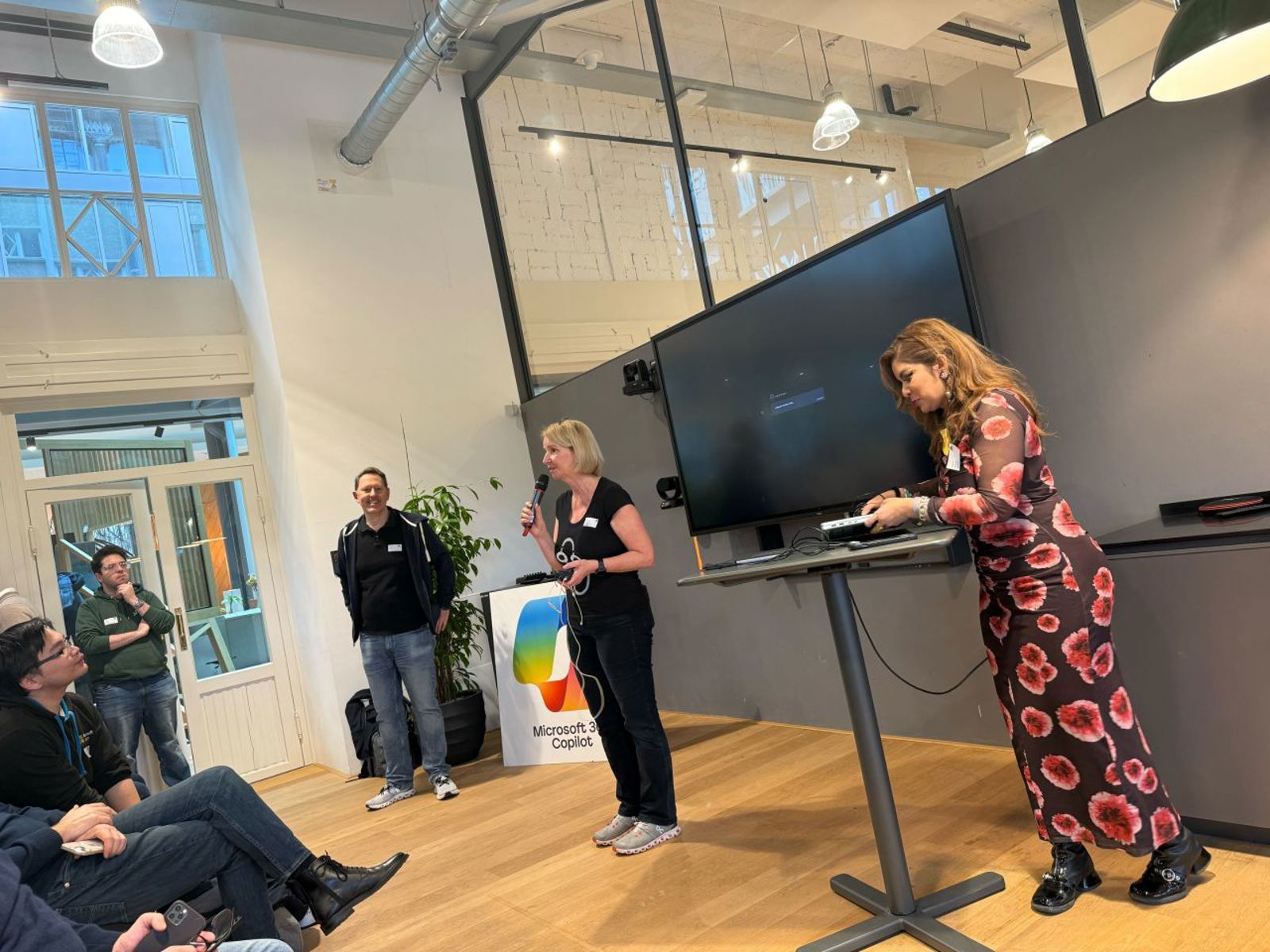
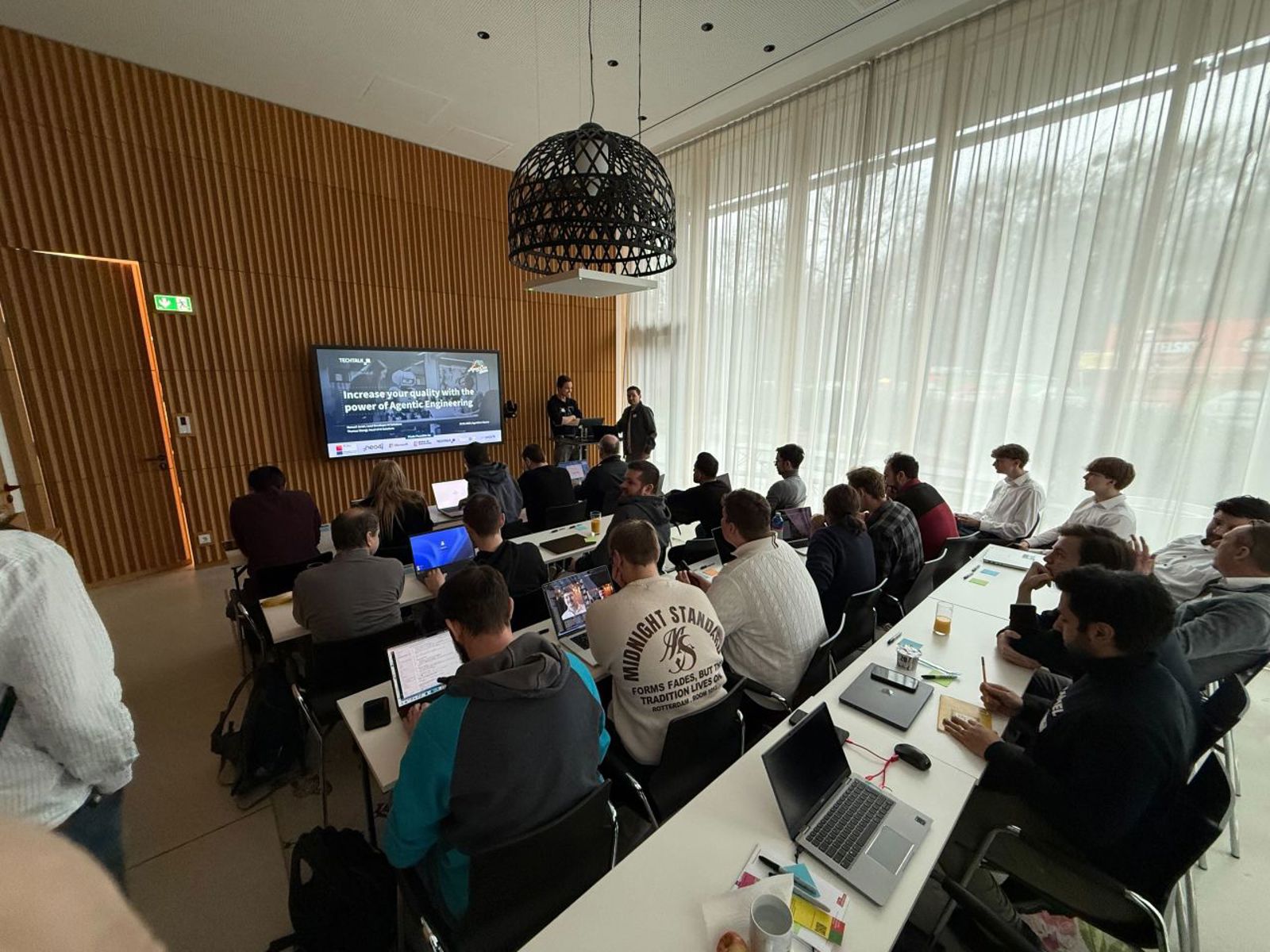
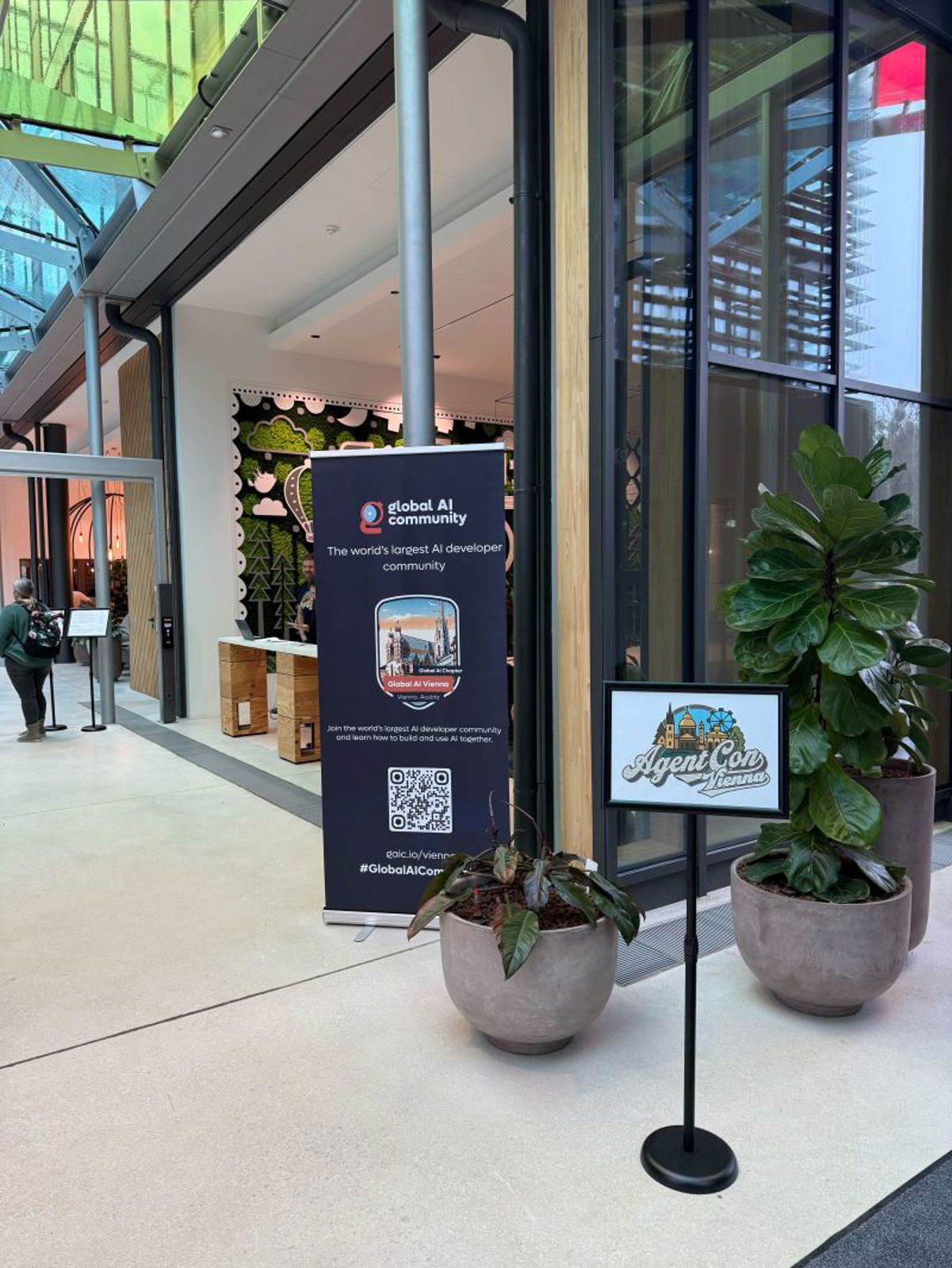
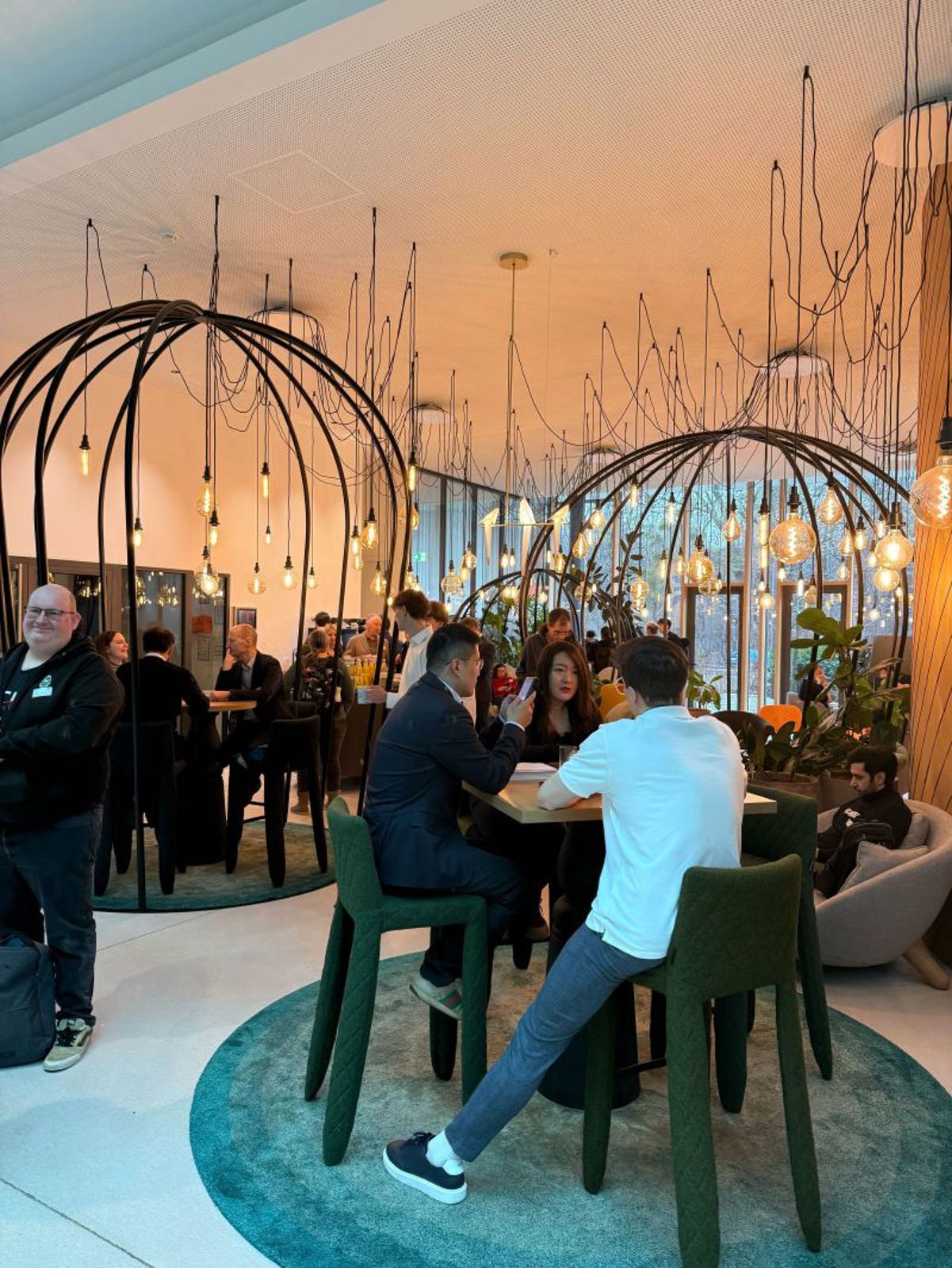
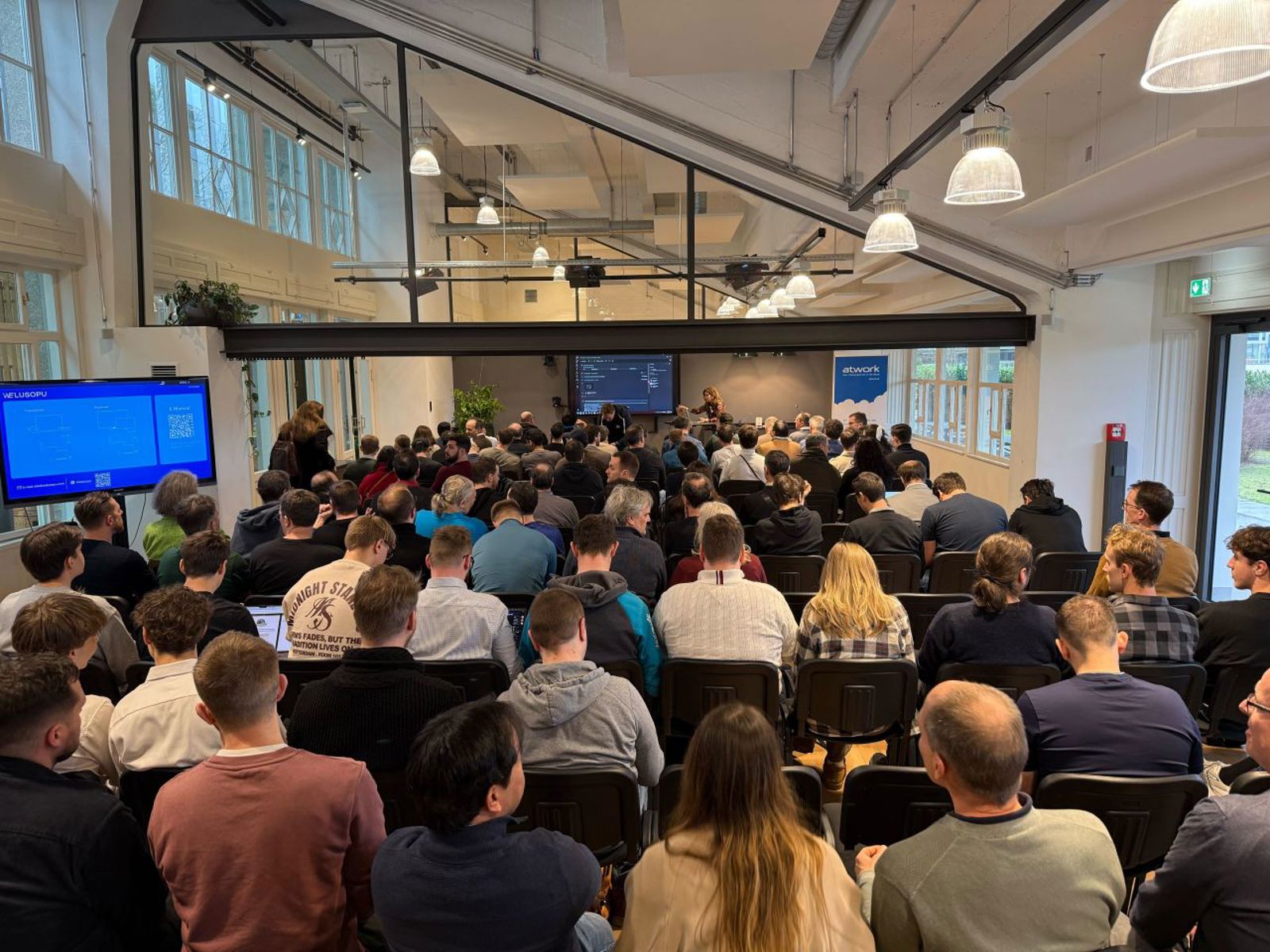
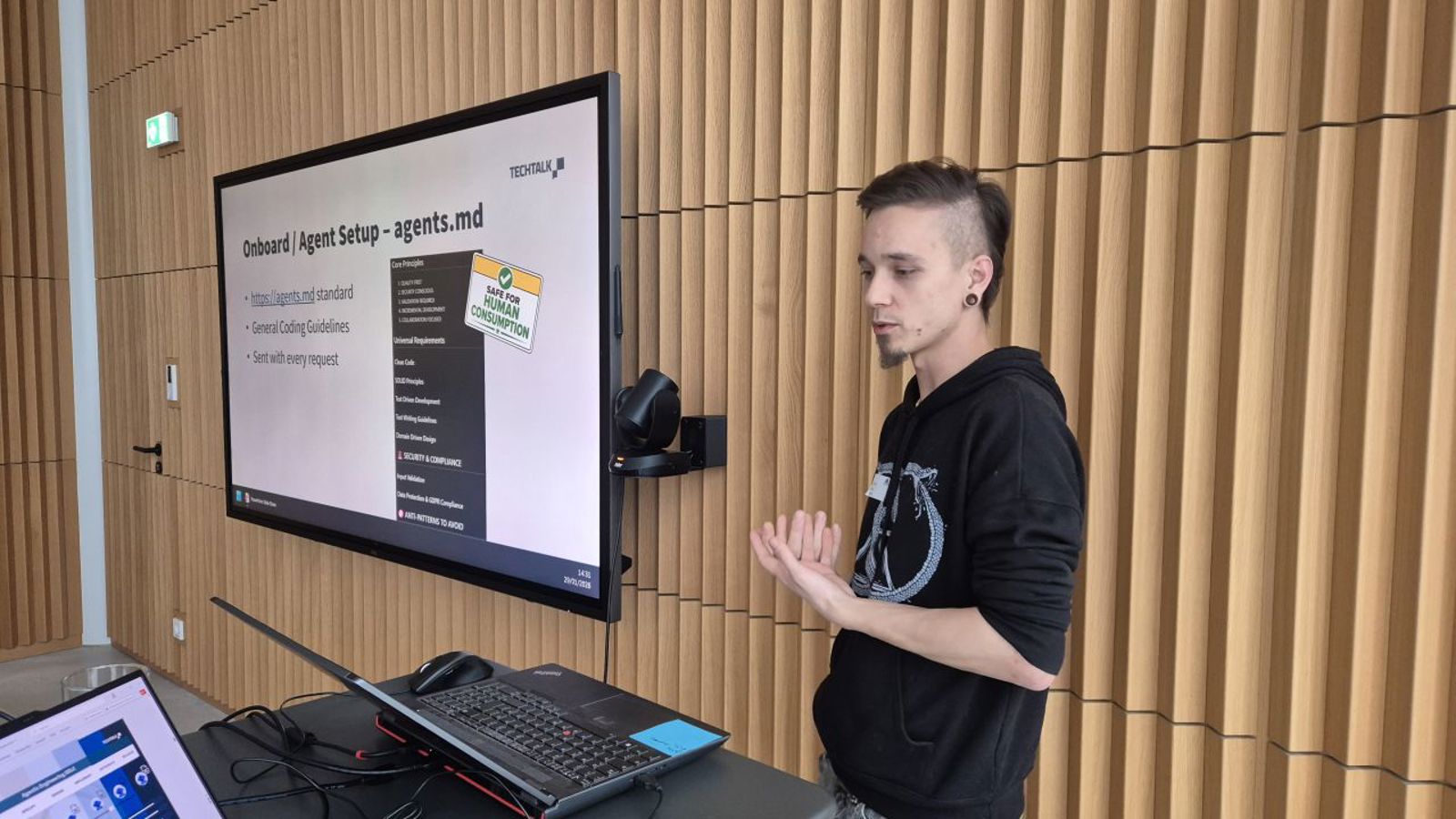
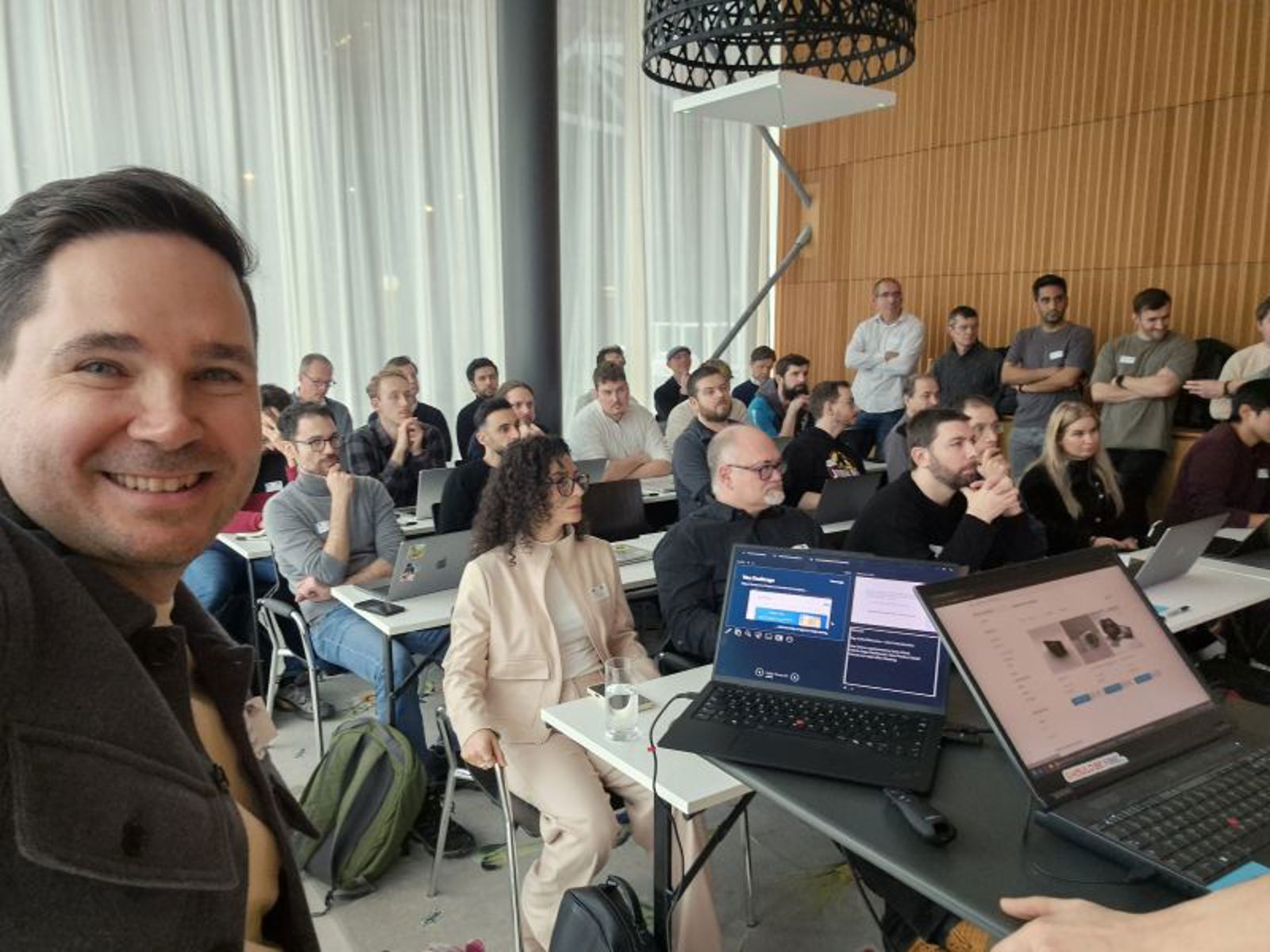
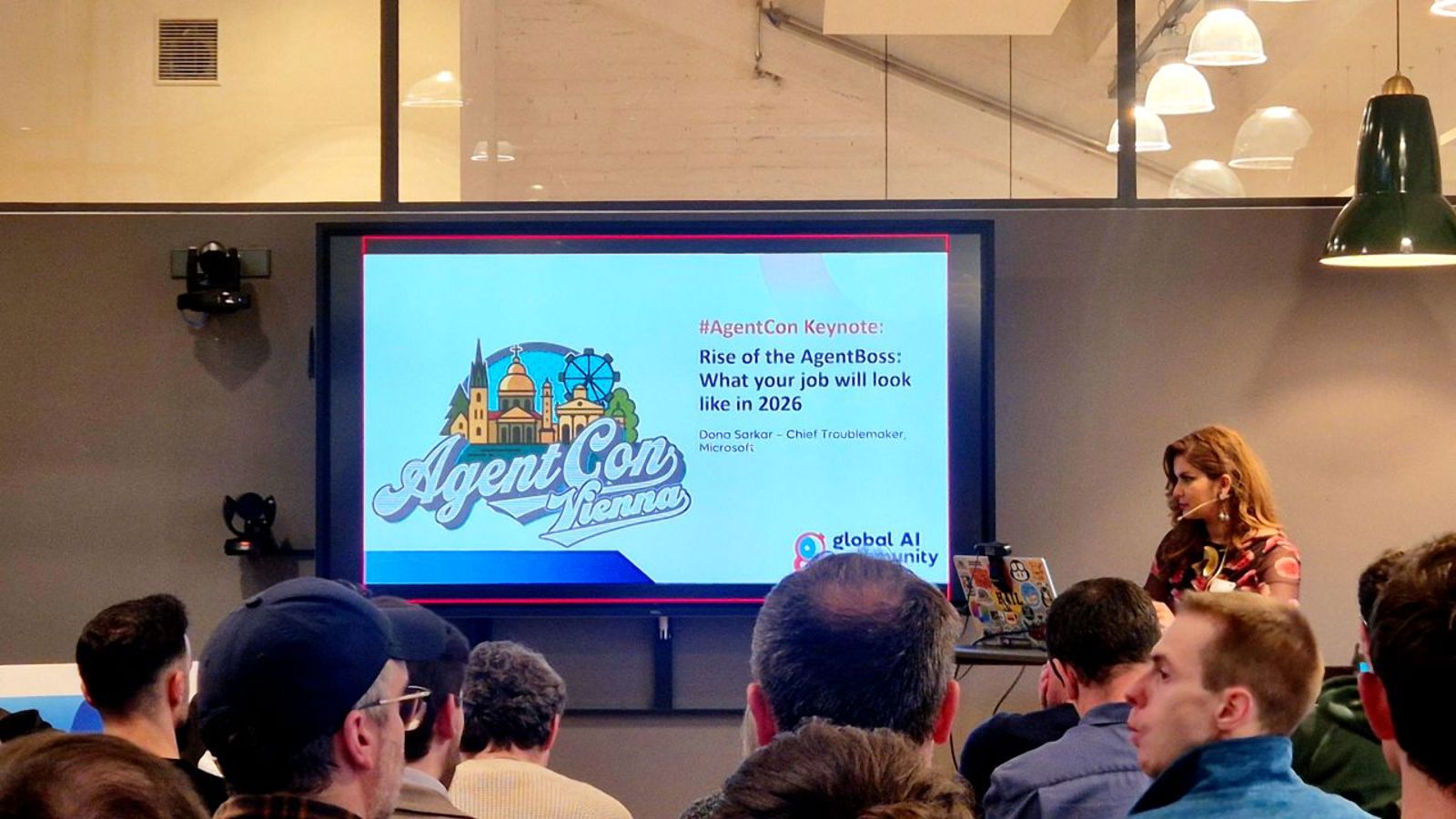
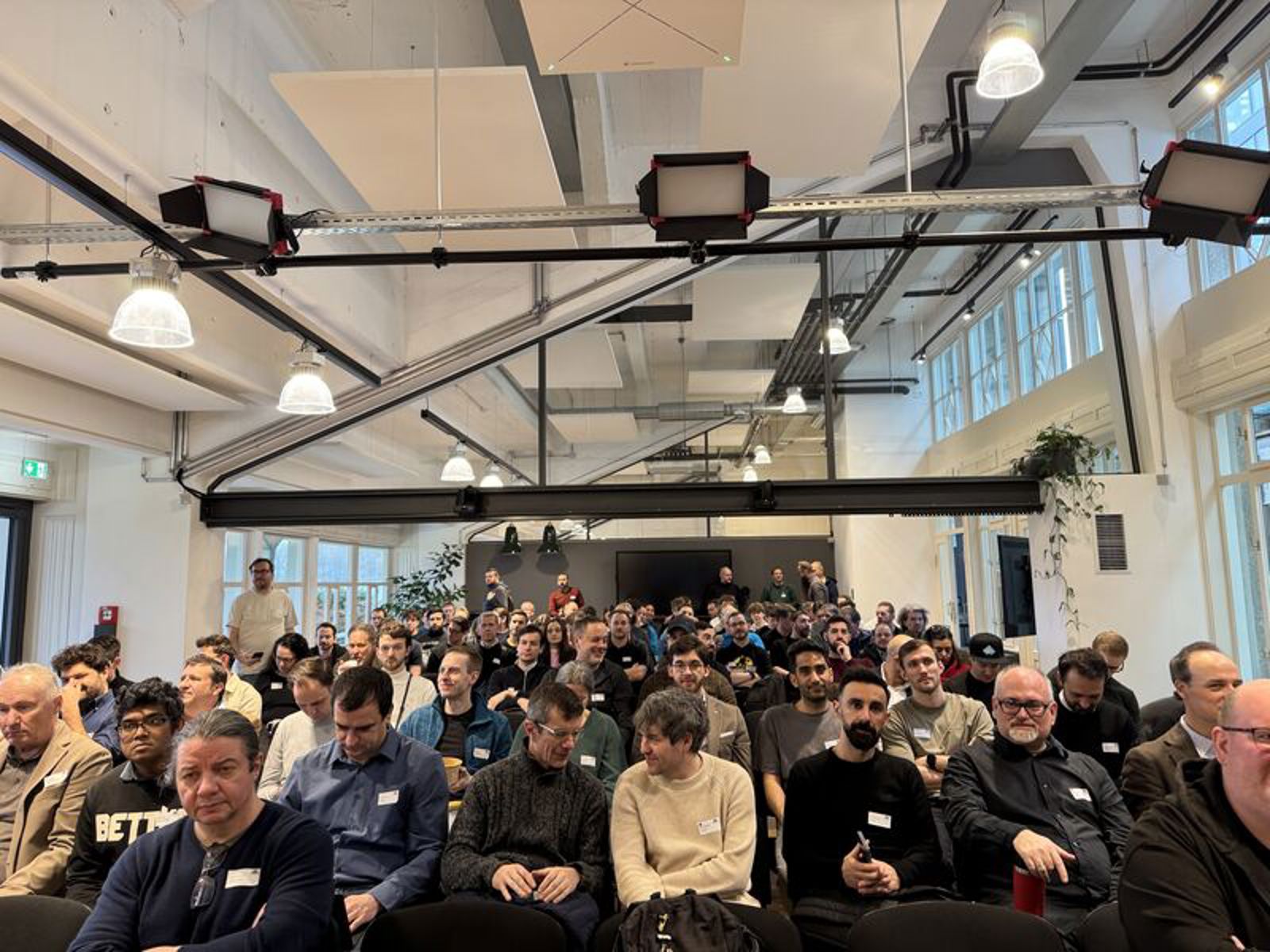
This is how it looked
Made possible by
Made possible by:





Explore AgentCon
AI Agents Developer Conference
AgentCon made possible by: