/Events /AgentCon Pune

About
A global series of one-day conferences designed exclusively for developers building the future with AI agents — and it's coming to Pune...!!!
📍 Venue: Radisson Blu, Kharadi, Pune
👥 Audience: Capped at 150 participants — developers, business professionals, and tech leaders
Join a diverse and curated audience for a day of insightful sessions, live demos, and high-value networking — all in a vibrant, community-led atmosphere.
🎟️ *As this is a free event, we expect high interest and registrations.
What to Expect:
-Deep-Dive Talks from AI pioneers and industry leaders
- Live Demos of powerful open-source frameworks and tools
- Networking with a global community of builders and innovators
- One dedicated track for hands-on workshops on building with AI agents
Who's on stage

I’m Ganesh Divekar, a Platform Architect with over 10 years of expertise in full-stack development, AI/ML, Generative AI, and advanced LLM (Large Language Models) applications. My technical stack includes Java, Kotlin, GoLang, and Python, and I specialize in integrating AI/ML to build scalable, intelligent platforms. By leveraging Generative AI for complex problem-solving, I’ve implemented use cases like real-time predictive analytics, NLP-driven automation, and personalized recommendation systems. My focus is to harness AI for transformative automation, performance optimization, and enhancing user interactions across platforms.

Henk is a Cloud Advocate specializing in Artificial intelligence and Azure with a background in application development. He is currently part of the AI cloud advocate team and based in the Netherlands. Before joining Microsoft, he was a Microsoft AI MVP and worked as a software developer and architect building lots of AI powered platforms on Azure.
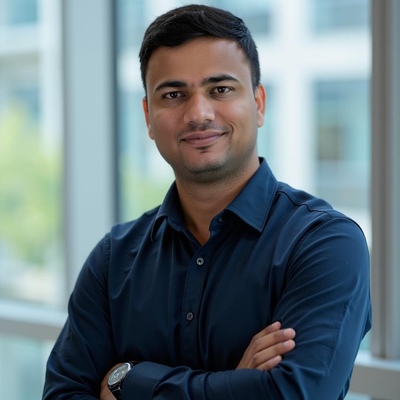
I am Sr Technical Leader in Cisco Customer Experience for Collaboration Technology. Currently focused on Gen AI-based innovation and its impact on the customer experience within Cisco Org. I have been a speaker in Cisco Live and have about 4 Patents pending in the US.

Varun Srinivas is an engineer who builds real-world AI systems using agents. He works on making Generative AI more reliable—by adding observability, control, and clear workflows to LLM-based apps. His recent work includes building memory agents, using tools like Tree-sitter and LangGraph, and converting old codebases into clean, modular systems using AI. He focuses on making sure AI isn’t just smart, but also safe, testable, and easy to understand. Varun believes that agent-based systems are the future of software, and that building with AI should feel like coding with a powerful teammate—one you can trust and debug. He currently leads the Generative AI team at Coditas and is the founder of Therix.ai, a platform for building and monitoring agent-based AI applications.
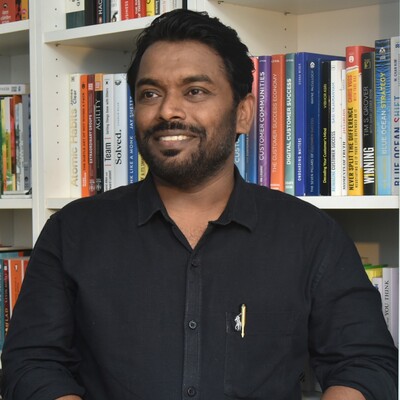
https://www.linkedin.com/in/npralhad/

I have been working with Microsoft AI tools for over two years now and would love to share my thoughts/knowledge with the community and learn from them.

Fullstack enthusiast, who loves to learn new tech and trends. I am Linkedin Top Voice in Software Development and an active speaker and eager to share my knowledge with the world. I enjoy reading, dancing, and travelling in my free time.
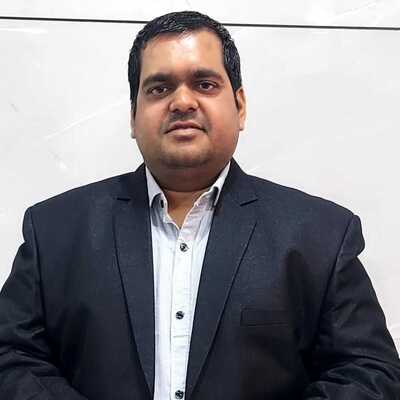
11+ Years Of Experience || Speaker || M365 Consultant
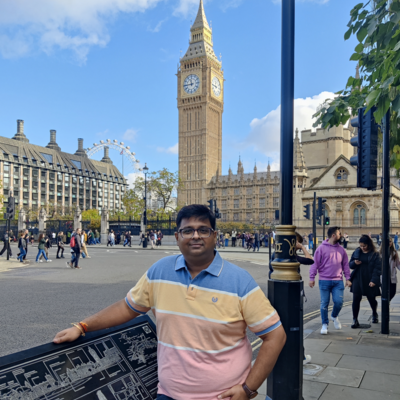
• Microsoft Azure Expert • The best person to help you with Azure development or infrastructure, Azure DevOps or Azure security, or if you need an Azure architect to design a robust and highly available solution • Authored AI-900: Microsoft Azure AI Fundamentals book under Microsoft Azure Cerfification Companion for Apress. • From task assignment to containerization and server hosting, he is the best person to help you understand and implement DevOps. • In addition to practical knowledge of Python and its libraries, has extensive knowledge of JavaScript frameworks and libraries such as Angular and React. • Actively working as an IT corporate trainer for 14 years. As a corporate trainer, has contributed to training content development,training curriculum design, day-to-day training planning, and mentoring other trainers. • Trained over 10,000 developers at Accenture-Avanade, JPMC, Microsoft, Standard Chartered, BNP Paribas, PWC, Microsoft, Deloitte DataMatics, SONATA Software, Fidelity Information Services, Atkins, Fiserve, E&Y, Nuance, Cerillion, and synoptek over the course of his 14-year career. • On a regular basis, he writes articles on various technologies for his personal website as well as C-Sharp Corner. • Also active in Microsoft community development activities and frequently speaks for various user groups, community events, and technology conferences in India and around the world.

Kirti is an Office Development MVP and Microsoft Certified Trainer, has 18+ years of progressive experience in Architect, Designing, Developing, Deployment and Administration of SharePoint Applications and Implementation of business applications in Client/Server and Distributed Environments. Kirti works with clients to develop and deploy comprehensive solutions on SharePoint and Office 365. Kirti shares his knowledge at https://kirtiprajapati.com/ as he believes that Knowledge is power and sharing knowledge is empowering!
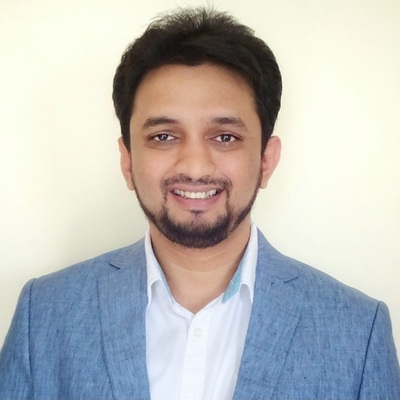
Bhushan Gawale is a Microsoft MVP - AI and Cloud Architect at Rapid Circle, a leading digital transformation partner for Microsoft cloud solutions. He has over 16 years of experience in enterprise applications design and development, spanning diverse domains such as Manufacturing, Healthcare, Banking & Finance, Retail, and Education. As a TOGAF® 9 and Microsoft Certified Azure Solutions Architect, he provides Azure technical expertise for end customers, including strategic design, architectural mentorship, assessments, and proof of concepts. He also holds certifications as an AWS and Terraform Certified Associate, demonstrating his versatility and proficiency in cloud technologies. Bhushan is passionate about sharing his knowledge and insights with others, and actively participates in regional and global technical communities and forums.
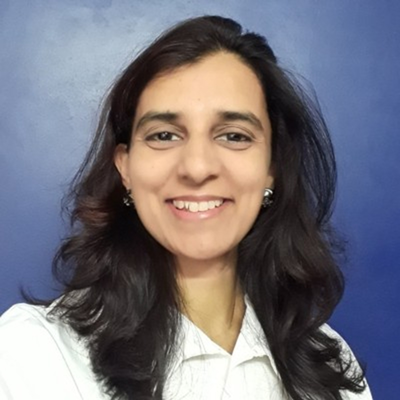
Principal QA Architect with deep interest in designing and automating systems. Keen interest in Generative AI and its Google offerings. Love to share knowledge via talks, podcasts and blogs.

More than 20 years in Computer-aided-Design/Engineering research, software development and management. Got Bachelors, Masters and Doctoral degrees in Mechanical Engineering (specialization: Geometric Modeling Algorithms). Currently helping people/organizations in their AI journeys, in fields such as Data Science, Artificial Intelligence Machine-Deep Learning (ML/DL) and Natural Language Processing (NLP).
Sessions & tracks
Registration
Lightening Talks ·Welcome and Introduction
Lightening Talks ·Agents of Tomorrow: Building the Next Generation of Intelligence
We stand at the edge of a profound shift in artificial intelligence. Over the last five years, generative AI has moved from novelty to necessity—transforming how we create, code, and collaborate. Now, a new frontier is emerging: AI agents. Unlike traditional tools that wait for instructions, agents can perceive, decide, and act toward goals—expanding the boundaries of what humans and machines can achieve together.
In this keynote, we’ll explore the evolution from copilots to fully agentic systems, highlight breakthroughs that are reshaping industries, and imagine the future horizons where autonomous agents redefine productivity, creativity, and discovery. Most importantly, we’ll discuss the role of humans in this new era—not as bystanders, but as leaders guiding how agents operate, align with our values, and amplify our potential.
The Agents of Tomorrow are here—and the future will be built by those bold enough to partner with them.
Henk is a Cloud Advocate specializing in Artificial intelligence and Azure with a background in application development. He is currently part of the AI cloud advocate team and based in the Netherlands. Before joining Microsoft, he was a Microsoft AI MVP and worked as a software developer and architect building lots of AI powered platforms on Azure.
Tea
Lightening Talks ·What Are Agents, Really?
Everyone’s building “agents”—but ask five people what an agent is, and you’ll get seven different answers. Are agents just LLMs in a loop? Are they workflows with memory? Are they just rebranded APIs with tool-calling?
In this talk, we’ll strip away the hype and get to the heart of the matter: what truly qualifies as an agent in the age of LLMs? Drawing from both classical AI theory and modern agentic systems, we’ll define what makes a system agentic — and what doesn’t. We’ll explore the core capabilities agents need (planning, tool-use, memory, reflection), why most “agents” today are just stateless wrappers, and where real autonomy begins.
Along the way, we’ll examine design patterns, architectural choices, and common traps in building agentic systems, plus practical heuristics for knowing when you actually need agents — and when a prompt will do.
Whether you’re building dev tools, assistants, or full-fledged AI systems, this talk will help you think more clearly about autonomy, decision-making, and what it really means to engineer intelligence.
Varun Srinivas is an engineer who builds real-world AI systems using agents. He works on making Generative AI more reliable—by adding observability, control, and clear workflows to LLM-based apps. His recent work includes building memory agents, using tools like Tree-sitter and LangGraph, and converting old codebases into clean, modular systems using AI. He focuses on making sure AI isn’t just smart, but also safe, testable, and easy to understand. Varun believes that agent-based systems are the future of software, and that building with AI should feel like coding with a powerful teammate—one you can trust and debug. He currently leads the Generative AI team at Coditas and is the founder of Therix.ai, a platform for building and monitoring agent-based AI applications.
Building Advanced AI Agents for Workflow Automation with LangGraph
LangGraph is a library within the LangChain ecosystem that provides a framework for defining, coordinating, and executing multiple LLM agents (or chains) in a structured and efficient manner.
Pre-requisites:
- Agentic Framework
- Large Language Models
- Graphs based Workflow Automation
More than 20 years in Computer-aided-Design/Engineering research, software development and management. Got Bachelors, Masters and Doctoral degrees in Mechanical Engineering (specialization: Geometric Modeling Algorithms). Currently helping people/organizations in their AI journeys, in fields such as Data Science, Artificial Intelligence Machine-Deep Learning (ML/DL) and Natural Language Processing (NLP).
Lunch
Lightening Talks ·Decoding MCP: The Protocol for Enterprise-Ready AI Integrations with Azure OpenAI
In the rapidly evolving world of AI, interoperability is the key to building scalable and secure enterprise solutions. The Model Context Protocol (MCP) is emerging as a universal standard that enables seamless communication between AI models and external tools. But what does MCP really mean for developers, architects, and organizations adopting Azure OpenAI?
In this session, we’ll decode MCP step by step—starting from the basics of how the protocol works, moving into its architectural design, and showcasing its role in ensuring safety, compliance, and extensibility in enterprise AI systems. Through a live demo with Azure OpenAI, you’ll see how MCP makes it possible for any compliant model to connect with your enterprise tools, opening the doors to future-proof integrations.
Whether you’re a developer looking to extend AI capabilities, or an enterprise architect designing secure, scalable AI ecosystems, this session will give you both the clarity and the practical know-how to get started.
Key Takeaways
Understand the fundamentals of MCP and why it matters for enterprise AI.
Learn the architecture and flow of MCP in simple, visual terms.
Explore how MCP enhances safety, compliance, and interoperability with Azure OpenAI.
Watch a real-world demo of MCP in action, connecting Azure OpenAI with external tools.
Discover how enterprises can leverage MCP for future-ready AI ecosystems.
• Microsoft Azure Expert • The best person to help you with Azure development or infrastructure, Azure DevOps or Azure security, or if you need an Azure architect to design a robust and highly available solution • Authored AI-900: Microsoft Azure AI Fundamentals book under Microsoft Azure Cerfification Companion for Apress. • From task assignment to containerization and server hosting, he is the best person to help you understand and implement DevOps. • In addition to practical knowledge of Python and its libraries, has extensive knowledge of JavaScript frameworks and libraries such as Angular and React. • Actively working as an IT corporate trainer for 14 years. As a corporate trainer, has contributed to training content development,training curriculum design, day-to-day training planning, and mentoring other trainers. • Trained over 10,000 developers at Accenture-Avanade, JPMC, Microsoft, Standard Chartered, BNP Paribas, PWC, Microsoft, Deloitte DataMatics, SONATA Software, Fidelity Information Services, Atkins, Fiserve, E&Y, Nuance, Cerillion, and synoptek over the course of his 14-year career. • On a regular basis, he writes articles on various technologies for his personal website as well as C-Sharp Corner. • Also active in Microsoft community development activities and frequently speaks for various user groups, community events, and technology conferences in India and around the world.
Empowering Insights: Power BI Meets Copilot – The Future of AI-Driven Analytics
Session Description
This session provides a comprehensive introduction to Power BI and its evolving role in modern business intelligence. Participants will gain an overview of Power BI’s core capabilities, followed by an in-depth look at Copilot in Power BI—its features, functionality, and practical applications. Through a live demonstration, attendees will see Copilot in action, showcasing how it accelerates data exploration, report building, and insights generation. The session also covers advanced capabilities and customization options, equipping participants with the skills to tailor Power BI solutions to diverse organizational needs. Finally, a real-world case study will illustrate best practices and implementation strategies, bridging the gap between concepts and applied impact.
End of Session Key Takeaways
Foundational Understanding: Clear overview of Power BI’s role, structure, and capabilities in enabling data-driven decisions.
Copilot in Power BI: Insight into the features and value Copilot brings for accelerating report creation, analysis, and insights generation.
Practical Exposure: First-hand experience through a live demonstration of Copilot’s functionality in real-world reporting scenarios.
Advanced Skills: Awareness of advanced customization and integration options to maximize Power BI’s effectiveness.
Applied Learning: A practical case study illustrating successful implementation strategies and tangible business outcomes.
I have been working with Microsoft AI tools for over two years now and would love to share my thoughts/knowledge with the community and learn from them.
Tea and Networking
Lightening Talks ·Agents as Data Engineers: Using LLMs to Query and Synthesize Scattered Service Data
For any enterprise service organization, the answers to critical questions are buried in a chaotic archipelago of disparate data sources: CRM databases, ticketing systems, application logs, and more. The real challenge isn't analysis; it's the painstaking, manual process of fetching, joining, and making sense of this scattered data. This talk demystifies this process by introducing a two-stage, multi-agentic workflow that automates data engineering and interpretation.
Stage 1: The Data Forage. We'll show how an Orchestrator Agent breaks down a high-level business question (e.g., "Analyze ticket trends for our top clients") into sub-tasks.
Stage 2: The Sense-Making Layer. Raw data is just noise. The second, and most crucial, stage involves agents designed to understand the business. We'll explore how a Business Context Agent takes the raw, structured data from the forage and applies organizational knowledge. It resolves ambiguities, understands what defines a "top client" based on database fields, maps customer_id from one system to org_id in another, and ultimately transforms the raw data into a coherent, analysis-ready dataset.
I am Sr Technical Leader in Cisco Customer Experience for Collaboration Technology. Currently focused on Gen AI-based innovation and its impact on the customer experience within Cisco Org. I have been a speaker in Cisco Live and have about 4 Patents pending in the US.
AI-Native Infrastructure: The Backbone of Scalable AI Integrations
As enterprises rush to adopt AI, many overlook the invisible foundation that makes AI projects succeed: infrastructure. From GPUs and data pipelines to network design and security, AI-native infrastructure determines whether your integrations can scale, perform, and stay cost-efficient.
In this session, we’ll break down what leaders and practitioners must know about infrastructure when planning AI adoption covering compute choices, storage considerations, observability, and compliance.
Walk away with a clear understanding of how to align your infrastructure strategy with your AI roadmap, so your innovations don’t stall at proof-of-concept.
https://www.linkedin.com/in/npralhad/
Networking
Lightening Talks ·Quiz + Closing Notes
Registration
Workshop ·Welcome and Introduction
Workshop ·Tea
Workshop ·Chat with Azure OpenAI models using your own data
In this workshop, We will explore how to connect with our data into Azure Open AI and create a chat with the bot that responds to user queries on our data. Below are the main topics of discussion
Introduction to Data Ingestion Azure Services for Data Storage Integrating Data with OpenAI Services Hands-on
Kirti is an Office Development MVP and Microsoft Certified Trainer, has 18+ years of progressive experience in Architect, Designing, Developing, Deployment and Administration of SharePoint Applications and Implementation of business applications in Client/Server and Distributed Environments. Kirti works with clients to develop and deploy comprehensive solutions on SharePoint and Office 365. Kirti shares his knowledge at https://kirtiprajapati.com/ as he believes that Knowledge is power and sharing knowledge is empowering!
Lunch
Workshop ·From Zero to PizzaBot: Building AI Agents with Azure AI Foundry
You will need a laptop for this workshop
In this hands-on workshop, you’ll learn how to build intelligent, domain-specific AI agents using Azure AI Foundry Agent Service. Starting from a simple “hello world” agent, you’ll progressively enhance it with system prompts, custom instructions, and external knowledge via RAG (Retrieval-Augmented Generation). You’ll then extend your agent with tool calling, enabling it to run custom functions like a pizza calculator, and finally integrate with external services through the Model Context Protocol (MCP) for live menu and order management. By the end of the workshop, you’ll have a fully functional Contoso PizzaBot—an AI assistant that can answer questions, recommend pizzas, manage orders, and stay grounded in real business data.
Henk is a Cloud Advocate specializing in Artificial intelligence and Azure with a background in application development. He is currently part of the AI cloud advocate team and based in the Netherlands. Before joining Microsoft, he was a Microsoft AI MVP and worked as a software developer and architect building lots of AI powered platforms on Azure.
Tea and Networking
Workshop ·Turning Data into Conversations: Build AI Agents That Speak SQL using MCP Server
Imagine asking your database "Show me the top customers by revenue this quarter" and getting instant results - no SQL required! In this hands-on session, we'll explore how to build intelligent database agents using the OpenAI Agents SDK and Microsoft's new Model Context Protocol (MCP). The session also showcases recently announced MSSQL MCP Server (Preview) and discover its limitations in real-world scenarios followed by extending the MCP server to support multiple authentication methods - making it enterprise-ready for SQL Server, Windows, and Azure AD environments.
Audience will learn how to:
- Set up the OpenAI Agents SDK for database interactions
- Extend the MSSQL MCP Server for multi-authentication support
- Build a conversational interface that translates natural language into optimized T-SQL
Bhushan Gawale is a Microsoft MVP - AI and Cloud Architect at Rapid Circle, a leading digital transformation partner for Microsoft cloud solutions. He has over 16 years of experience in enterprise applications design and development, spanning diverse domains such as Manufacturing, Healthcare, Banking & Finance, Retail, and Education. As a TOGAF® 9 and Microsoft Certified Azure Solutions Architect, he provides Azure technical expertise for end customers, including strategic design, architectural mentorship, assessments, and proof of concepts. He also holds certifications as an AWS and Terraform Certified Associate, demonstrating his versatility and proficiency in cloud technologies. Bhushan is passionate about sharing his knowledge and insights with others, and actively participates in regional and global technical communities and forums.
Networking
Workshop ·Quiz + Closing Notes
Registration
Theater Session ·Welcome and Introduction
Theater Session ·Tea
Theater Session ·Lunch
Theater Session ·AI Governance in Microsoft 365: Balancing Innovation with Responsibility
This session explores how organizations can balance productivity gains with compliance, security, and ethical considerations through effective AI governance. We’ll cover Microsoft’s Responsible AI principles, governance tools like Purview and Conditional Access, and best practices for managing AI adoption across Microsoft 365. Join to learn how to embrace AI confidently while protecting your organization’s data and reputation.
11+ Years Of Experience || Speaker || M365 Consultant
Firebase Studio and Genkit: Your new Coding Buddies!
Leverage the features of Firebase and Gemini to build real-time web apps. Introduction to Firebase features, including Cloud Firestore, Realtime Database, Storage, Cloud Functions, and Firebase Extensions, Firebase Studio and Genkit. Information on how Gemini and AI are integrated with Firebase, making it easier to build serverless apps and have all data and analytics in one place. A small demo of how we can build full stack applications with Firebase Studio and AI applications with Genkit.
Fullstack enthusiast, who loves to learn new tech and trends. I am Linkedin Top Voice in Software Development and an active speaker and eager to share my knowledge with the world. I enjoy reading, dancing, and travelling in my free time.
Tea and Networking
Theater Session ·Automating QA Processes with AI Agents
Talk will be around practical ways to make QA processes more efficient using AI techniques, followed by a live demo of a PoC that can summarize requirements documents and generate both manual test cases and automated Selenium scripts from text-based requirements. This PoC uses Gemma running on the Groq API for fast inference.
Principal QA Architect with deep interest in designing and automating systems. Keen interest in Generative AI and its Google offerings. Love to share knowledge via talks, podcasts and blogs.
Building Intelligent AI Agents: From RAG Pipelines to Real-World BFSI Use Cases
AI agents are rapidly moving from experimental prototypes to production-ready systems. In this session, I’ll take you through the end-to-end lifecycle of building intelligent AI agents — from architecture design to deployment at scale. We’ll deep-dive into: RAG Pipelines with vector databases for domain-specific knowledge. Agentic Workflows using LangChain/LangGraph for decision-making. Secure Deployments tailored for BFSI environments (encryption, InfoSec guardrails, compliance). Real-World Use Cases: BFSI chatbots, customer care automation, financial advisory assistants, and workflow orchestration. Performance Optimization: cost-effective infrastructure, latency reduction, and open-source-first approaches. Attendees will walk away with practical implementation strategies, code-level insights, and a blueprint to build their own AI-powered agents.
I’m Ganesh Divekar, a Platform Architect with over 10 years of expertise in full-stack development, AI/ML, Generative AI, and advanced LLM (Large Language Models) applications. My technical stack includes Java, Kotlin, GoLang, and Python, and I specialize in integrating AI/ML to build scalable, intelligent platforms. By leveraging Generative AI for complex problem-solving, I’ve implemented use cases like real-time predictive analytics, NLP-driven automation, and personalized recommendation systems. My focus is to harness AI for transformative automation, performance optimization, and enhancing user interactions across platforms.
Networking
Theater Session ·Quiz + Closing Notes
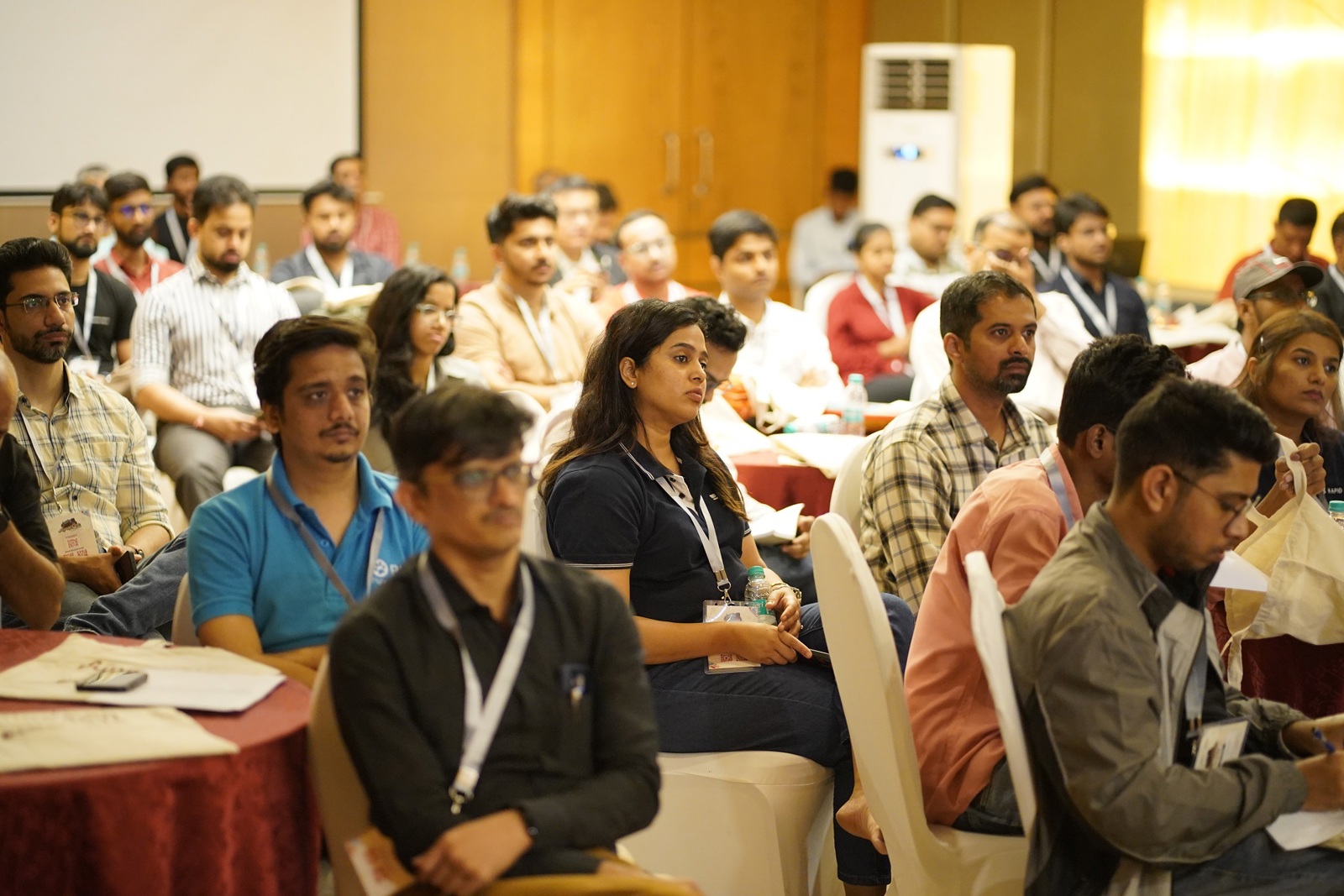
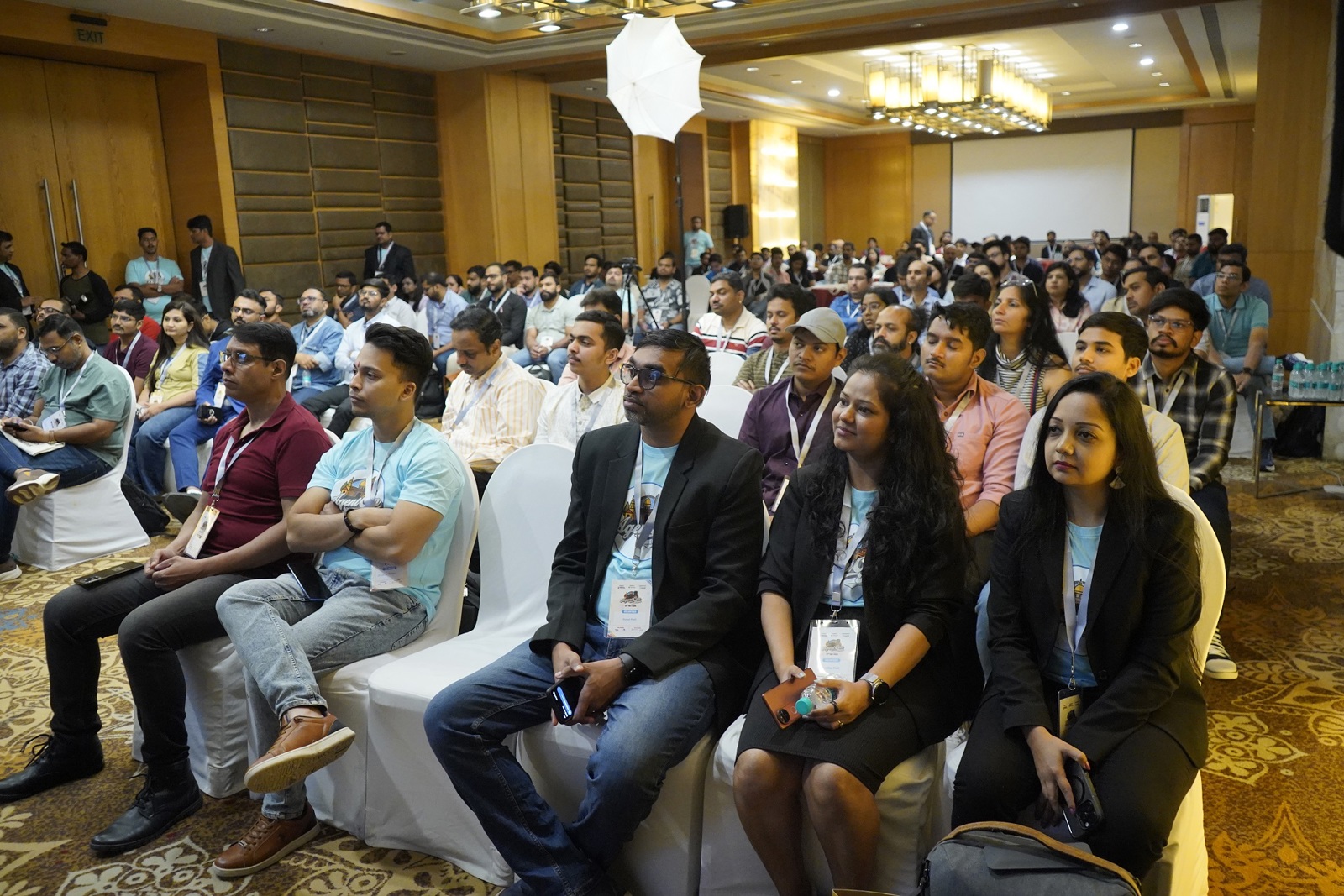
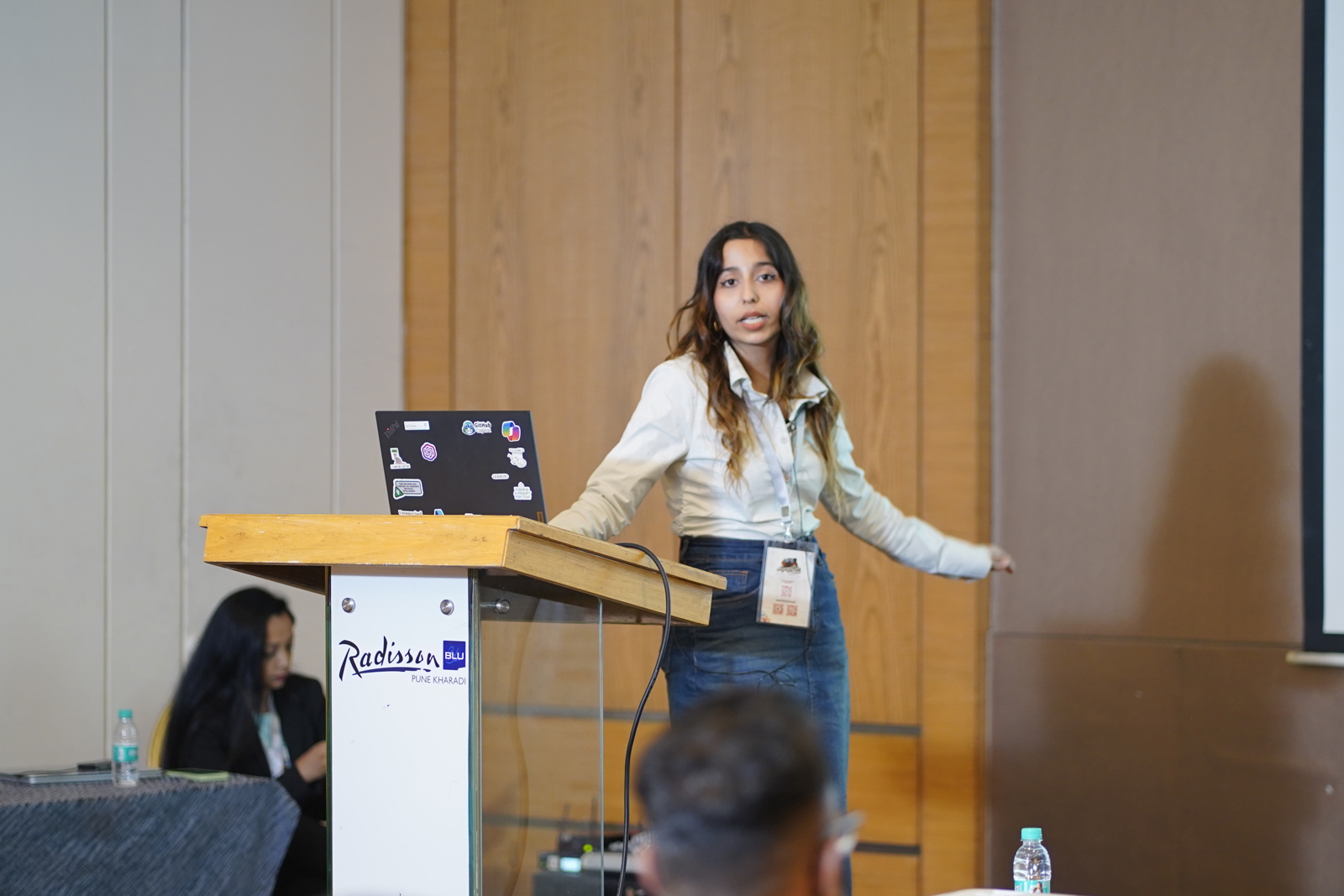
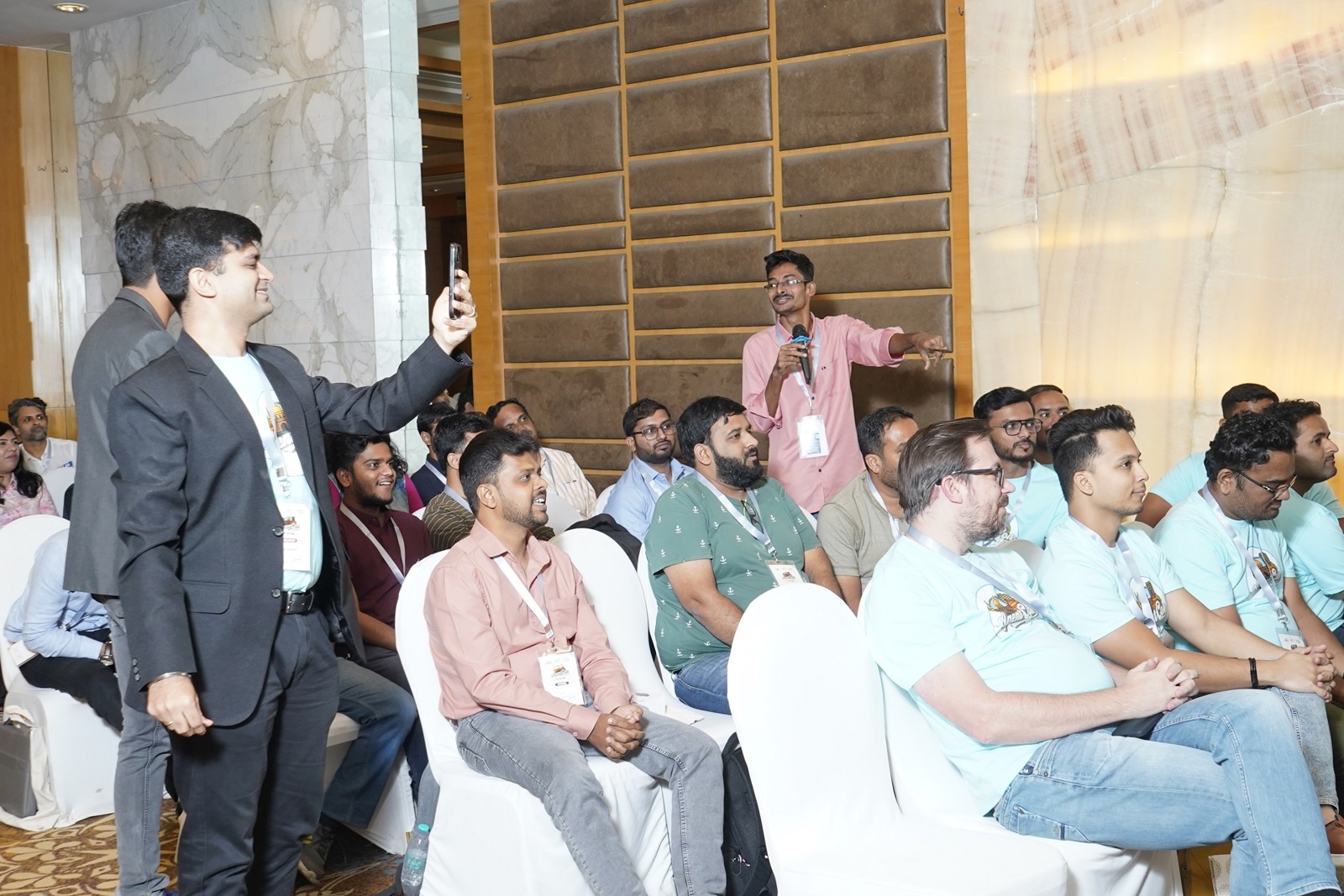
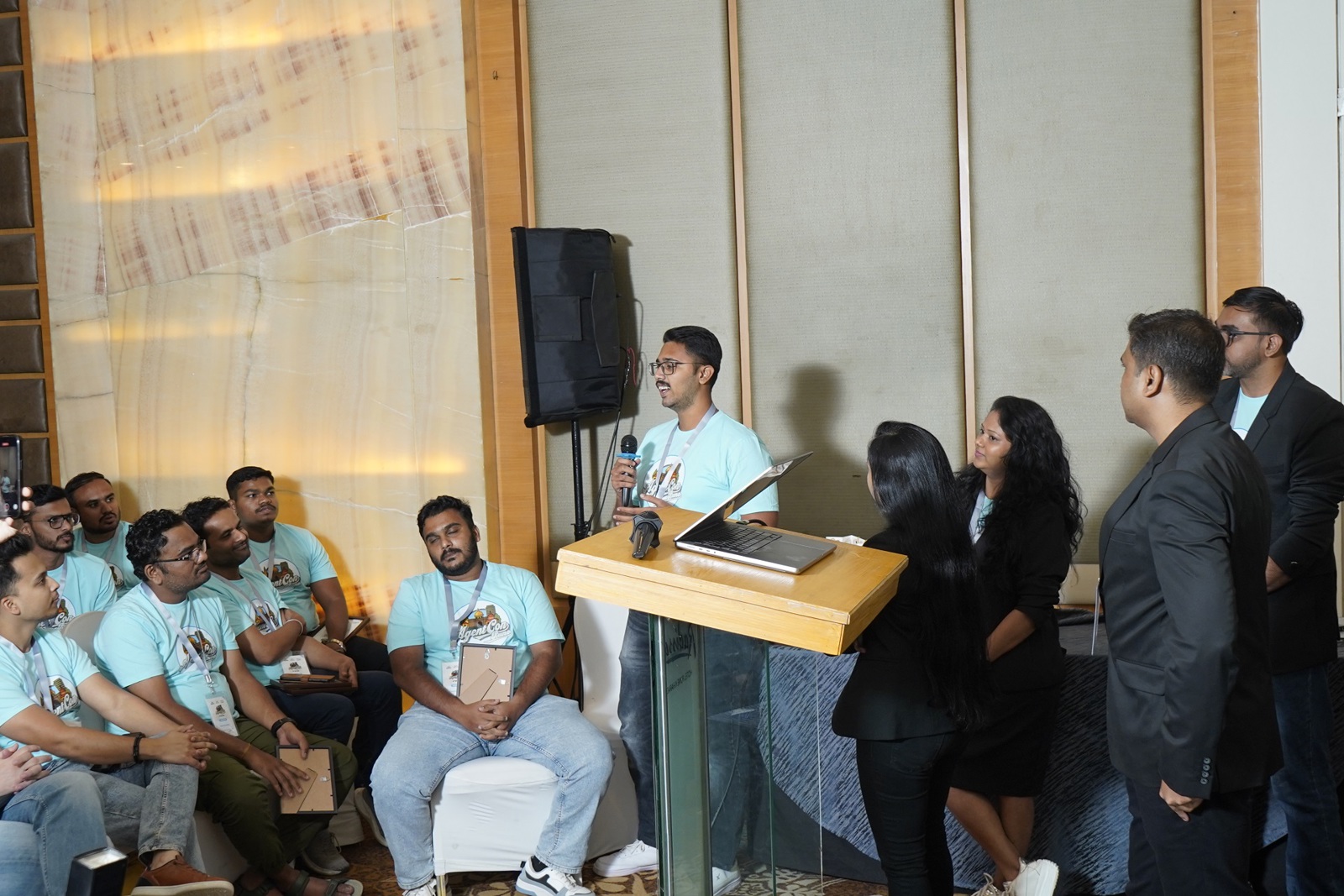
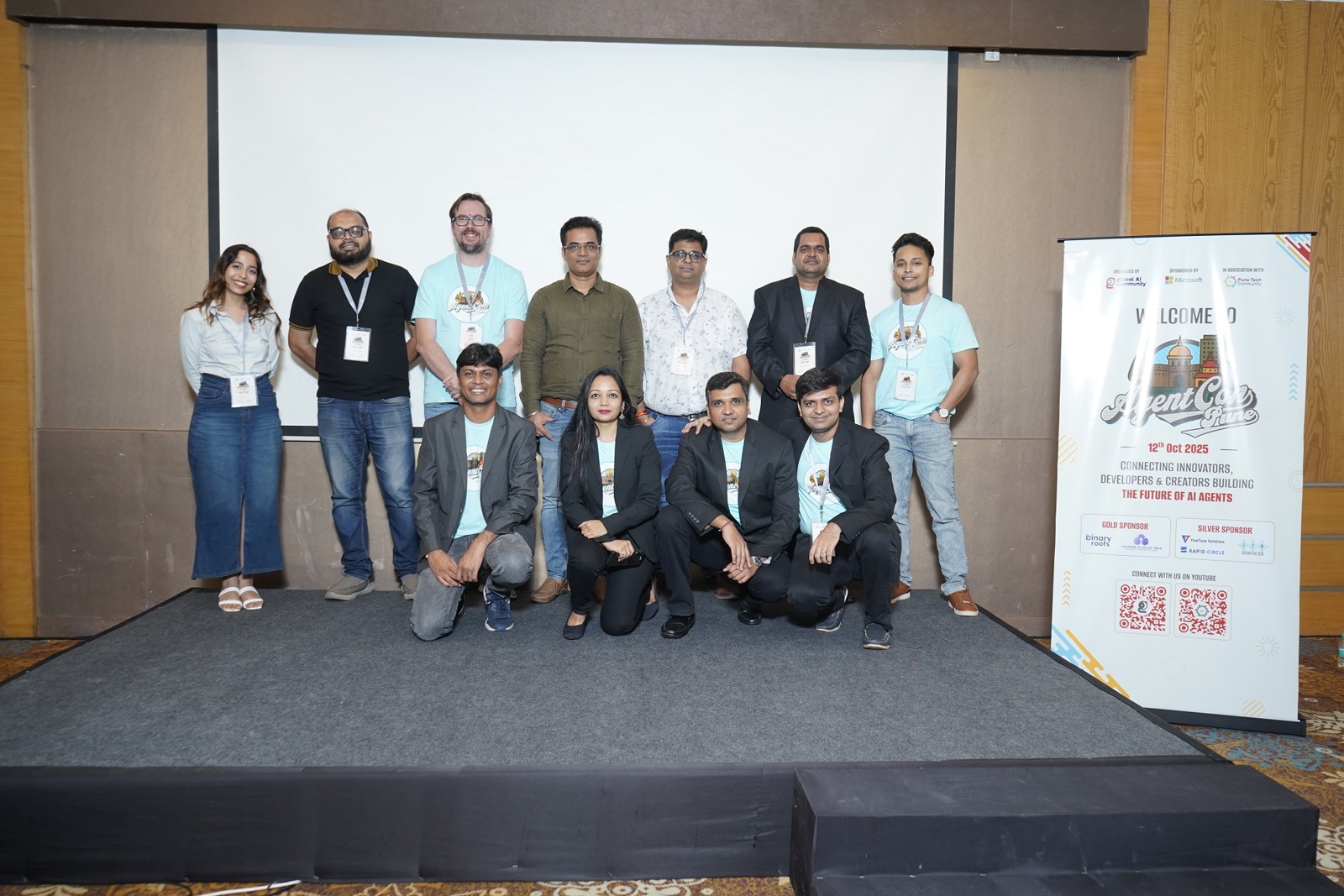
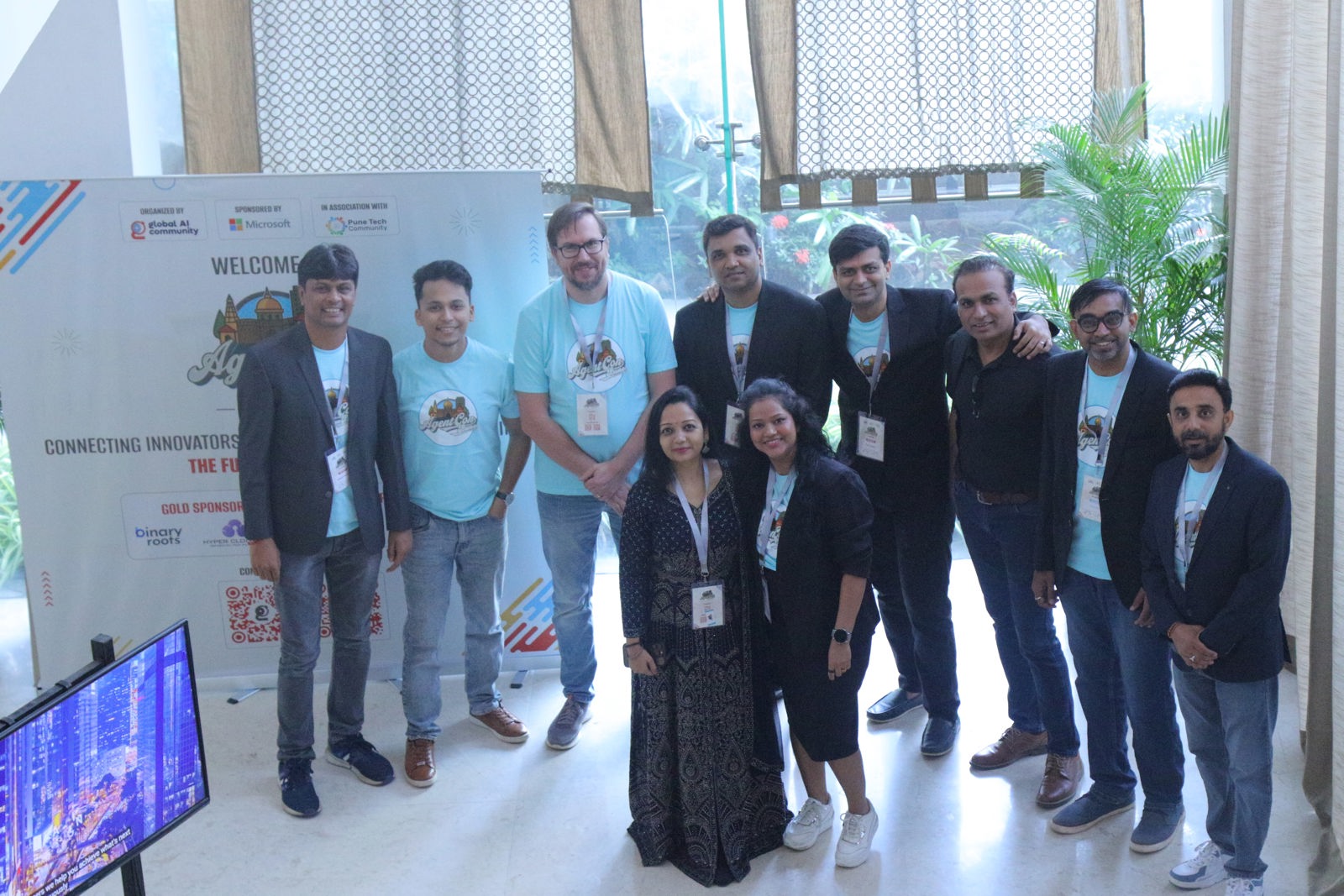
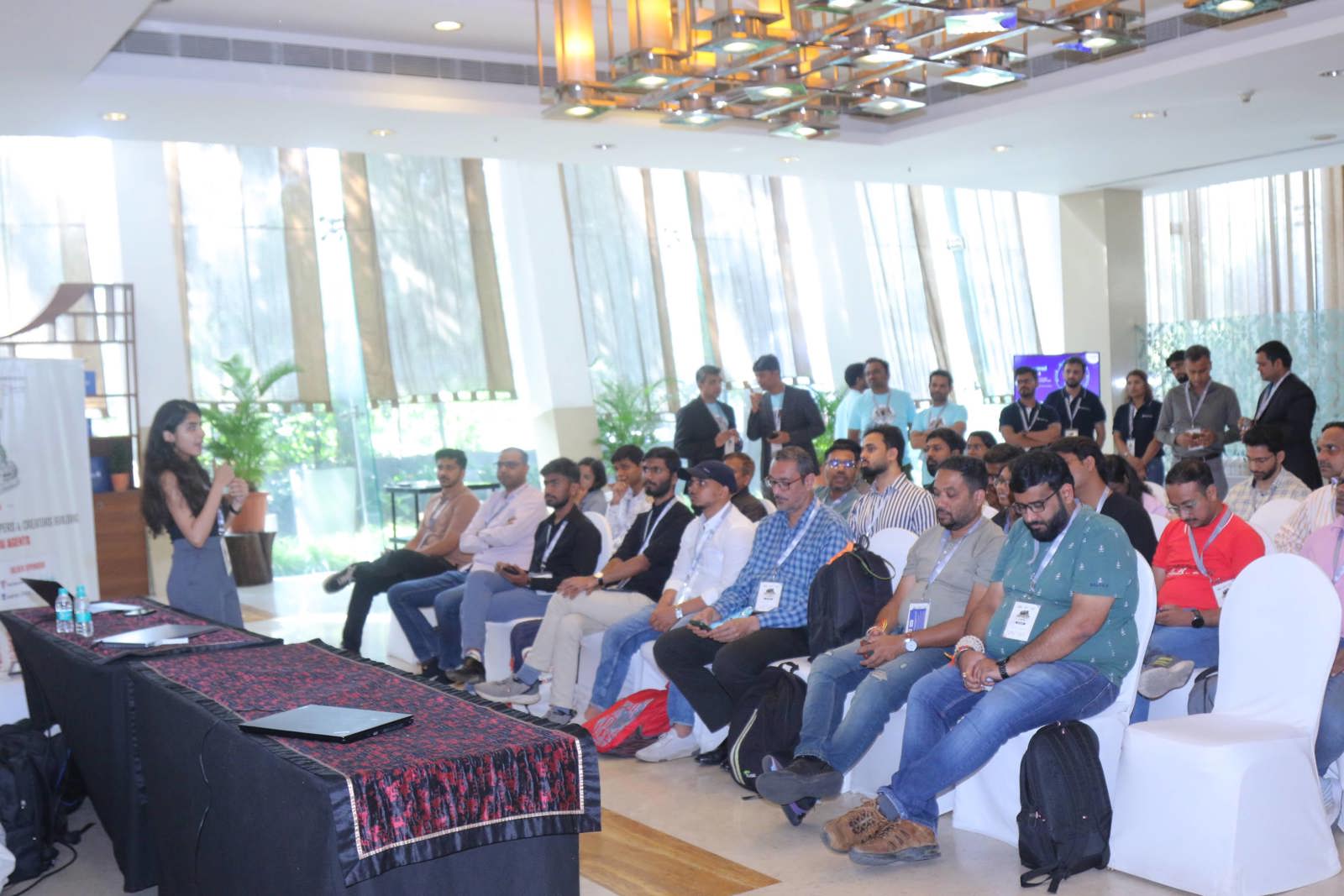
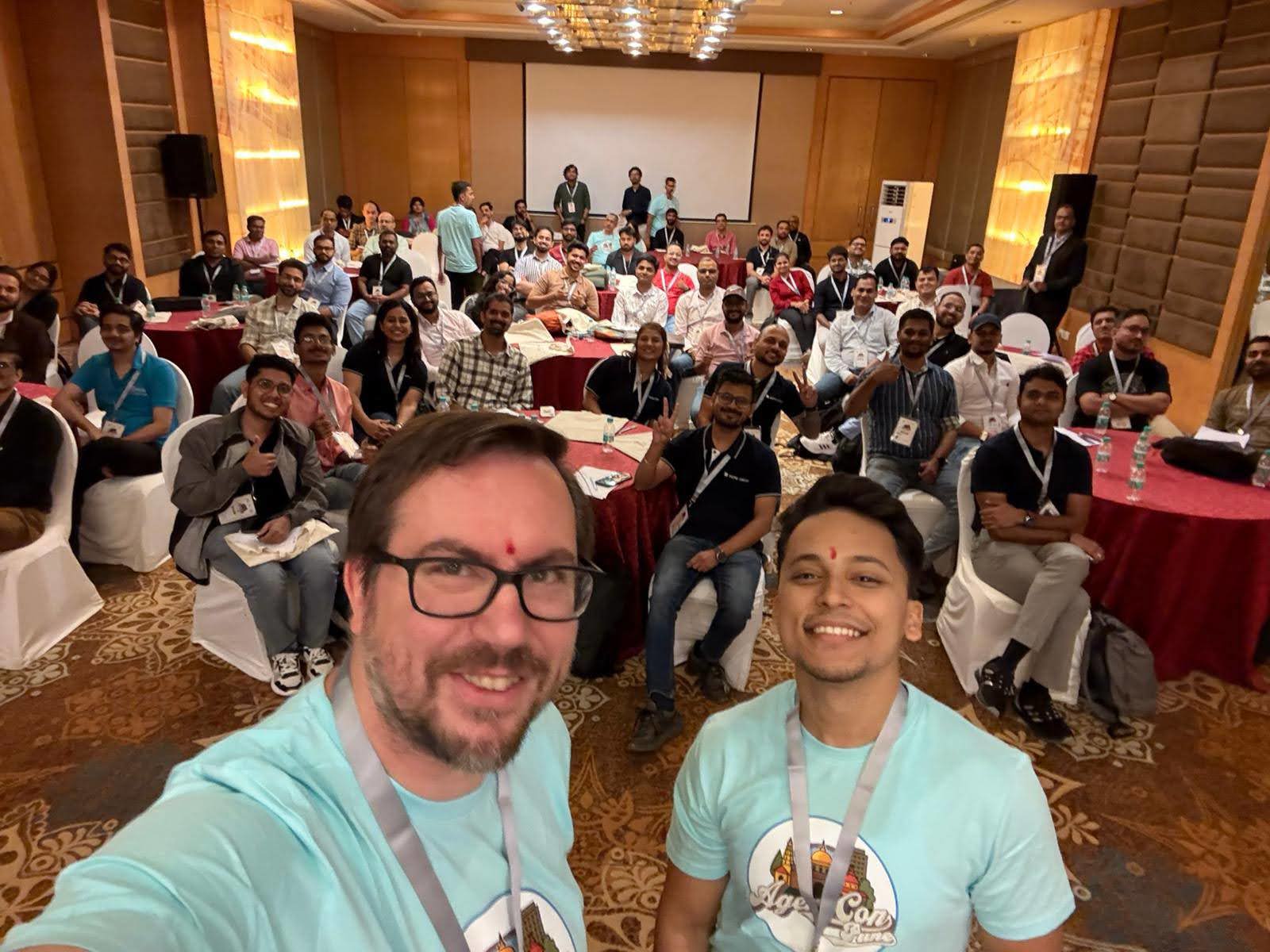
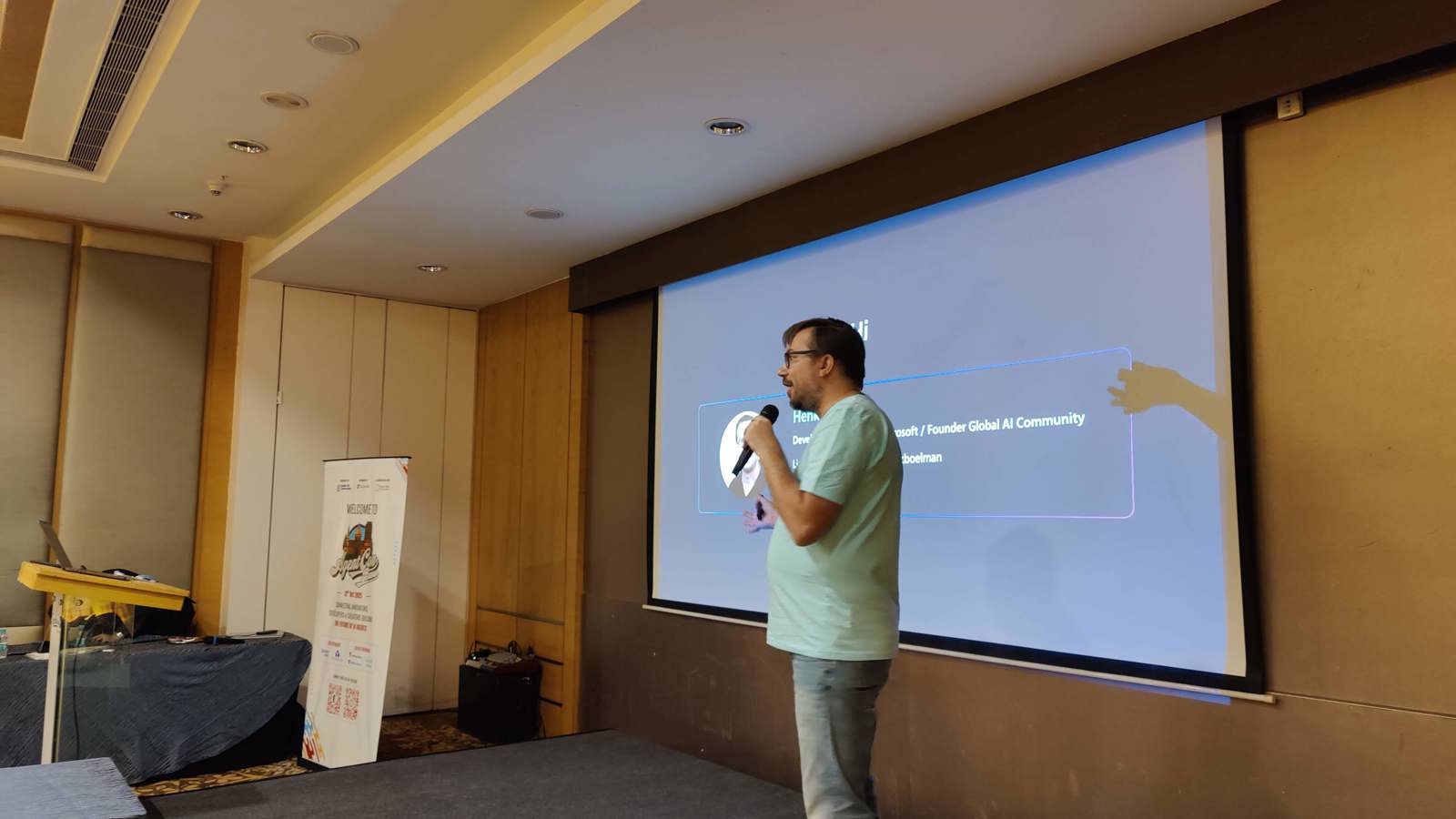
This is how it looked
Made possible by
Made possible by:

Explore AgentCon
AI Agents Developer Conference
AgentCon made possible by: