/Events /AgentCon - Stockholm
AgentCon - Stockholm
This event is part of AgentCon, organized by Global AI Stockholm.
Schedule
About
🗓️ **Date:** 3d of February
👥 **Audience:** Developers, data scientists, architects, and business professionals exploring or building with AI agents AgentCon Stockholm is a one-day, community-driven conference focused on the next wave of AI: agentic systems. This is where people actually building, experimenting with and deploying AI agents come together to share real insights, practical knowledge and hands-on examples from the field. globalai.community You’ll find a packed schedule of short, high-impact talks, demos and conversations on topics like agent architectures, orchestration, tooling and real-world applications across platforms. Networking isn’t just a buzzword here; it’s a main feature. **🎟️ Free to attend!**
Seats are limited, and due to expected high interest wait for your registration approval. 🔍 What to Expect ⚡ Lightning Talks from community builders, researchers, and industry experts
🧠 Insights into agent architectures, orchestration, and real-world applications
🧩 Demos of frameworks like Copilot Studio and more
🌐 Networking with a growing agentic developer community
🥂 Community spirit — collaboration over competition
**This isn’t just another AI event, it’s where developers and innovators meet to talk about real agent systems.**
Who's on stage
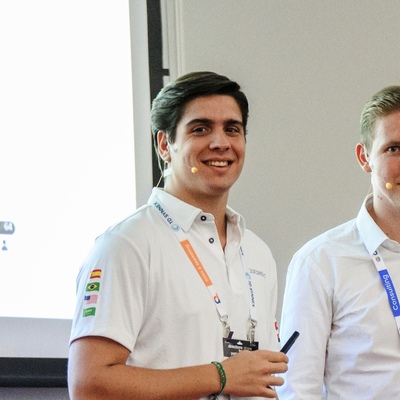
“It’s impressive to see such a young professional like Miguel. His passion and innovative mind have a lot to offer.” – Bill Gates (not the one you’re thinking of, but still a big fan!) Miguel is an International Business Developer at Arquiconsult, bringing fresh energy and curiosity to the Dynamics 365 ecosystem. In under a year, he’s already made his mark—speaking at Dynamics Minds and ArquiPartner Day, with Directions EMEA in Poznań up next. His journey is just beginning, but he’s determined to make it a lasting one. What drives him most? The people. Miguel is passionate about the Dynamics community and what makes it unique. As Pod Leader for Experience at Diversity in Dynamics, he’s focused on breaking generational gaps and challenging stigmas to foster a more inclusive, connected space for everyone. Don’t miss the chance to connect—he’s always up for a good conversation and fresh ideas. Reach out at miguel.vieira@arquiconsult.com
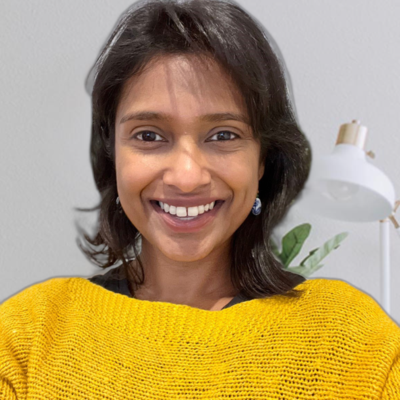
Gavita Regunath is the Chief AI Officer with Advancing Analytics and a dual Microsoft AI MVP and Databricks MVP. She has a PhD in Computational and Experimental Fluid Dynamics andhas spent more than a decade transforming data into high-impact solutions in aeronautics, automotive, finance, and agritech. Gavita is addicted to learning and in her spare time when she is not blogging or talking about AI, she enjoys being a mother, going for a run and cooking something new.

My IT journey began as an operations technician hosting data centers, but I discovered my love for the cloud almost a decade ago and specialized in Azure. I have a deep enthusiasm for the modern Ops role and I thrive on being an enabler, taking ideas from concept to production. Dedicated many years to enhancing my expertise in data, AI, and IoT/IIoT. 🗣 Passionate about sharing knowledge through public speaking and mentoring. Currently, I work on enterprise-scale AI, data, and IIoT solutions for large clients in Sweden. I'm part of the Microsoft Responsible AI Innovation Center in Sweden and contribute to the open-source initiative Enterprise Scale AI Factory.
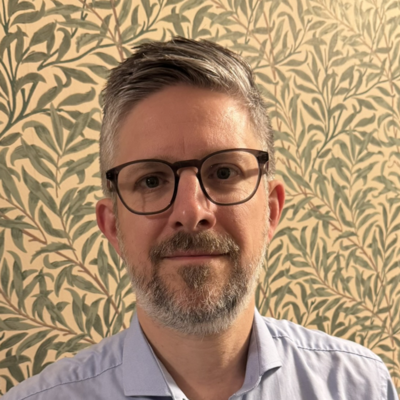
Power Platform developer and solution architect, interested in the exciting possibilities that AI has to offer to the Power Platform community.
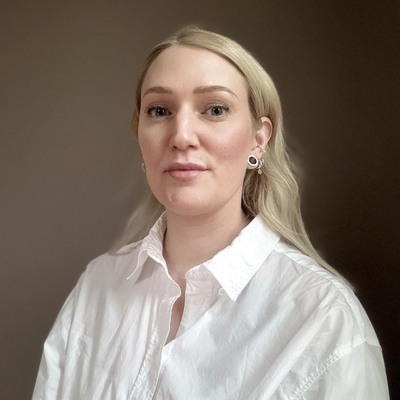
Recently-turned-consultant focusing on Power Platform & Dynamics 365 Customer Engagement through Microsoft Digital Contact Center/Omnichannel for Customer Service.
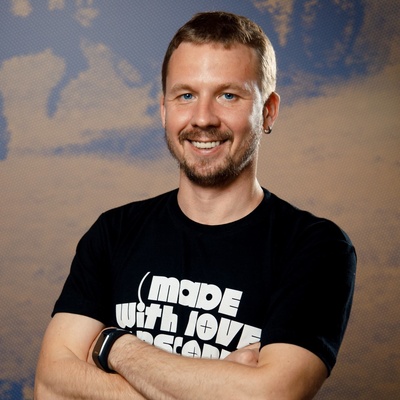
Sasha is a software developer with over 20 years in multiple technologies and domains. A tech lead, architect, and mobile solutions expert, he specializes in AI integrations for mobile apps, focusing on on-device AI. He excels in Flutter, Firebase, and generative AI for robust, scalable apps. Sasha is Chief Software Engineer and Head of Flutter Discipline at EPAM, GDE for AI, Firebase, Flutter, Dart, and co-organizes Flutter Berlin Community
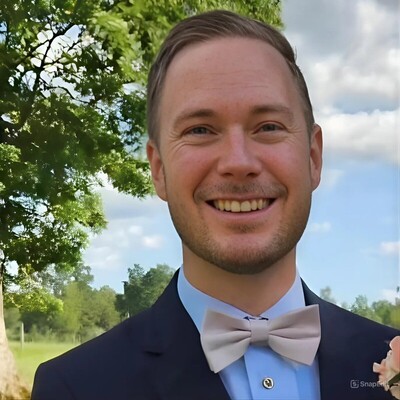
Robin Hyding is a Solutions Engineer at AvePoint for the Nordics and Baltics. Since 2021 has been supporting AvePoint customers and partners to make confident decisions in an increasingly complex digital landscape. He works closely with both technical and commercial teams to translate business goals into practical, scalable solutions. Whether it’s about securing collaboration in Microsoft 365, strengthening governance, or preparing for AI-driven data management.
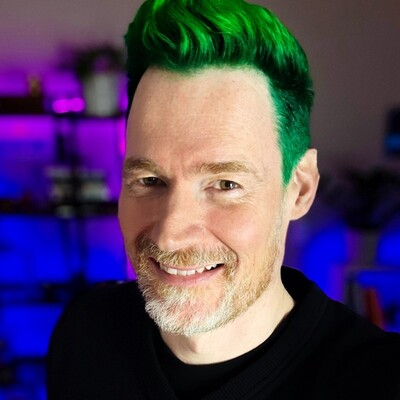
Scott Durow is a 10 x Microsoft Business Applications MVP and Power Platform Developer Advocate at Microsoft. He is a YouTuber, Podcaster, Speaker, Author, and the creator of tools such as the Ribbon Workbench, spkl, and dataverse-ify, which have become essential tools for Power Platform developers. With over two decades of software engineering experience, he has a deep understanding of Power Platform, having built solutions using it since its early days as Microsoft CRM v1, SharePoint Server 2001 & BizTalk Server 2000. Before this, Scott moved from assembly language device driver programming, into industrial control software engineering and then on to architecting enterprise business software. Scott is passionate about sharing his knowledge and expertise and you can see him speaking at events throughout the globe. Remaining a developer at heart, Scott embraces both low-code and pro-code solutions! #ProCodeNoCodeUnite #CommunityRocks

I like lots of stuff 👉 Power Platform 💘 Dynamics 365 🚀 Azure 🧙♂️ Microsoft MVP ✍ blogs at https://nckr.de I worked for over 10 years with Microsoft Biz Apps as a solution architect / developer, starting with Business Central, nowadays loving the Power Platform & Azure Building repeatable software has always been my passion and I'm continuing to talk about the best ways to do that 🙂
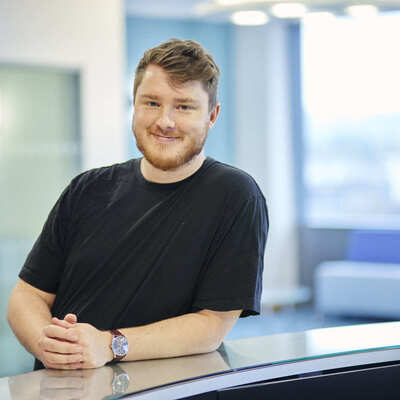
AI Consultant delivering complex solutions with innovation architectures and having fun while doing so

Alan Smith is a Cloud & AI Trainer, Mentor & Coach at Active Solution in Stockholm, Sweden. He has a strong hands-on philosophy and focusses on embracing the power and flexibility of cloud computing to deliver engaging and exciting demos and training courses. Alan has held the MVP title since 2005, and is currently an AI MVP. He is in the organization team for the CloudBurst and AI Burst Conferences.
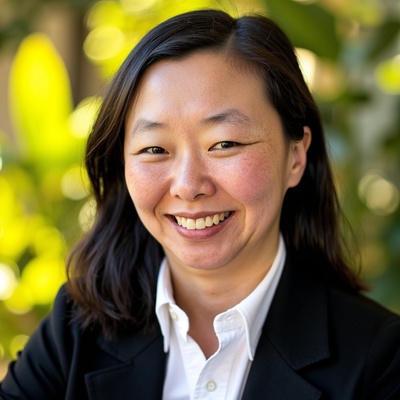
Robin Hyding is a Solutions Engineer at AvePoint for the Nordics and Baltics. Since 2021 has been supporting AvePoint customers and partners to make confident decisions in an increasingly complex digital landscape. He works closely with both technical and commercial teams to translate business goals into practical, scalable solutions. Whether it’s about securing collaboration in Microsoft 365, strengthening governance, or preparing for AI-driven data management. https://www.linkedin.com/in/robinhyding/ Speaker photo will be sent in separately. Robin has been a speaker at several events. A selection of them ESPC in Stockholm, Microsoft AI tour in Stockholm and Collab Days in Oslo. Jill Persson is a Partner Development Manager at AvePoint for Sweden and Norway. Since 2024 enabling Partners to protect client's data and make them confident to start using Copilot. Passioned to be part of people's large and small Eureka moments. She is member of IAMCP and dedicated to the Microsoft community.
Sessions & tracks
The Rise of the Agent Manager
Stop worrying about “whether AI will take your job.” This year, in the new era of AI, every one of us will take on a brand-new identity — the manager of AI agents! Join us as we explore how to prepare for this transformation and welcome the era that truly belongs to you: the Age of the Agent Manager.
AI Agents In-Depth – Function Calling, MCP and Tool Use Under the Hood
Agentic AI enables large language models to use tools to interact beyond system boundaries. From no-code implementations in Copilot Studio to developing sophisticated solutions using LangChain and Semantic Kernel, developers of all levels can leverage tools to create agentic solutions.
But how does agentic AI work under the hood? How are models able to understand when to use a tool and how to use it?
In this demo intensive session Alan will explain the concepts of agentic AI in detail. Starting with the basics of function calling in the Open AI models, he will cover the techniques used to provide tools to models, and how the models are able to understand and use the tools. The use of prompting to guide models and improve tool call behavior will be covered, along with guidelines for adding tools to your solution. Alan will also cover the protocols used by Open AI models as well as how the model context protocol is used to provide compatibility between services and LLM solutions.
Join this session if you want to understand what goes on under the hood of function calling, MCP and agentic AI.
Alan Smith is a Cloud & AI Trainer, Mentor & Coach at Active Solution in Stockholm, Sweden. He has a strong hands-on philosophy and focusses on embracing the power and flexibility of cloud computing to deliver engaging and exciting demos and training courses. Alan has held the MVP title since 2005, and is currently an AI MVP. He is in the organization team for the CloudBurst and AI Burst Conferences.
Agent Framework vs Copilot Studio: Is this the next Pro Code vs Low Code showdown?
When it comes to choosing how to build AI agents, you have two powerful choices: the Agent Framework and Copilot Studio. Each has clear strengths, both are evolving quickly, but which one should you choose and why?
In this session, we’ll look at the practical differences, the benefits of each approach, and the situations where they make the most sense. We’ll explore how developers build customised agents with the Agent Framework, and how fusion teams move quickly inside Copilot Studio’s managed, collaborative environment.
You’ll also see where the two approaches overlap, where they take different paths, and how they can work well together. By the end, you’ll have a clear sense of when to go code first, when to go low code, and how to build agents with confidence.
Scott Durow is a 10 x Microsoft Business Applications MVP and Power Platform Developer Advocate at Microsoft. He is a YouTuber, Podcaster, Speaker, Author, and the creator of tools such as the Ribbon Workbench, spkl, and dataverse-ify, which have become essential tools for Power Platform developers. With over two decades of software engineering experience, he has a deep understanding of Power Platform, having built solutions using it since its early days as Microsoft CRM v1, SharePoint Server 2001 & BizTalk Server 2000. Before this, Scott moved from assembly language device driver programming, into industrial control software engineering and then on to architecting enterprise business software. Scott is passionate about sharing his knowledge and expertise and you can see him speaking at events throughout the globe. Remaining a developer at heart, Scott embraces both low-code and pro-code solutions! #ProCodeNoCodeUnite #CommunityRocks
I like lots of stuff 👉 Power Platform 💘 Dynamics 365 🚀 Azure 🧙♂️ Microsoft MVP ✍ blogs at https://nckr.de I worked for over 10 years with Microsoft Biz Apps as a solution architect / developer, starting with Business Central, nowadays loving the Power Platform & Azure Building repeatable software has always been my passion and I'm continuing to talk about the best ways to do that 🙂
Creating rich agent user experiences using AG-UI: The Agent-User Interaction Protocol
AG-UI is a lightweight protocol that makes it possible to equip AI agents with dynamic, interactive user interfaces. In this session, we explore the AG-UI protocol: what it is, the problems it solves, and how it fits into a modern agent architecture.
We will walk through practical scenarios and show how AG-UI makes it possible to build agents with rich, dynamic custom UIs. Join us to see how agents can move beyond plain chat and operate through full graphical interfaces - displaying information visually, guiding users with interactive components, and delivering an experience that feels like a real application, not just a chatbot.
Power Platform developer and solution architect, interested in the exciting possibilities that AI has to offer to the Power Platform community.
LUNCH
Room 1 ·AI Agent Specialization. RAG vs Fine-tuning
Many AI agents can be built successfully using just a base model and good prompting. But what happens when that's not enough? How do you make an agent understand your internal context, your proprietary data, or speak in your unique style?
This is where specialization comes in. This talk is a deep dive into the two fundamental strategies for it: RAG (Retrieval-Augmented Generation) and Fine-tuning.
RAG (Retrieval-Augmented Generation): We will explore how to implement a RAG pipeline. This means setting up a vector database, search, and context retrieval. This is the best method for giving an agent access to dynamic, easily updated external knowledge (like company docs or user data) without modifying the model itself.
Fine-tuning: Next, we will analyze Fine-tuning. This method "bakes" knowledge into the model, making it static. It is also the primary way to change the model's fundamental behavior and style (e.g., teaching it your tone of voice or a specific response format).
The central question of the talk is: RAG or Fine-tuning? We won't just compare them; we'll provide a clear decision framework:
When to use RAG for dynamic, easily updatable knowledge?
When to use Fine-tuning for static facts or core behavioral skills?
And how (and why) to combine both approaches to create the ultimate specialized AI agent.
Attendees will leave with a practical guide to choosing the right specialization strategy for their AI application.
Sasha is a software developer with over 20 years in multiple technologies and domains. A tech lead, architect, and mobile solutions expert, he specializes in AI integrations for mobile apps, focusing on on-device AI. He excels in Flutter, Firebase, and generative AI for robust, scalable apps. Sasha is Chief Software Engineer and Head of Flutter Discipline at EPAM, GDE for AI, Firebase, Flutter, Dart, and co-organizes Flutter Berlin Community
From Triage to FAQ: Agentic Systems That Actually Ship
In this talk, I’ll share three real-world AI agent implementations transforming daily operations in a modern customer service and health‑referral contact center. Using Microsoft Copilot Studio across voice, SMS, and chat in Dynamics 365 Contact Center, I’ll walk through how declarative, action‑enabled, and generative agents are being used in production today.
You’ll see a DTMF‑driven voice triage agent, an SMS agent that uses conversation context and Dataverse actions to personalize responses, and a generative chat agent that provides grounded FAQ support using website content and internal knowledge articles. The session focuses on practical architecture choices, integration patterns, and lessons learned from deploying agentic systems that handle real customer interactions at scale.
Recently-turned-consultant focusing on Power Platform & Dynamics 365 Customer Engagement through Microsoft Digital Contact Center/Omnichannel for Customer Service.
Agentic AI Governance
Robin and Jill will present on how organizations can retain control over AI agents, highlighting the critical importance of implementing robust governance frameworks as AI becomes deeply embedded in business strategy.
We will go through the challenges and the consequences that will come if no action is made.
We will cover the Four Pillars of AI Agent Readiness:
Ownership and Accountability Security and Guardrails Lifecycle Management Continuous Accountability and Metrics
We will wrap it up with a live demo.
Robin Hyding is a Solutions Engineer at AvePoint for the Nordics and Baltics. Since 2021 has been supporting AvePoint customers and partners to make confident decisions in an increasingly complex digital landscape. He works closely with both technical and commercial teams to translate business goals into practical, scalable solutions. Whether it’s about securing collaboration in Microsoft 365, strengthening governance, or preparing for AI-driven data management. https://www.linkedin.com/in/robinhyding/ Speaker photo will be sent in separately. Robin has been a speaker at several events. A selection of them ESPC in Stockholm, Microsoft AI tour in Stockholm and Collab Days in Oslo. Jill Persson is a Partner Development Manager at AvePoint for Sweden and Norway. Since 2024 enabling Partners to protect client's data and make them confident to start using Copilot. Passioned to be part of people's large and small Eureka moments. She is member of IAMCP and dedicated to the Microsoft community.
Robin Hyding is a Solutions Engineer at AvePoint for the Nordics and Baltics. Since 2021 has been supporting AvePoint customers and partners to make confident decisions in an increasingly complex digital landscape. He works closely with both technical and commercial teams to translate business goals into practical, scalable solutions. Whether it’s about securing collaboration in Microsoft 365, strengthening governance, or preparing for AI-driven data management.
COFFEE BREAK
Room 1 ·Is Your AI Agent Safe? Getting Started with Red Teaming Using Azure AI Foundry
You've built an AI agent. It works great in testing. But is it actually safe to deploy? Most developers test their agents with normal user queries, but what happens when someone tries to trick your agent into doing something harmful? A simple character flip, like writing "knab a tool woh" instead of "how to loot a bank", can bypass many safety filters and get your agent to respond to dangerous requests. This session is a practical, beginner-friendly introduction to red teaming AI agents using Azure AI Foundry's Red Teaming Agent. You don't need to be a security expert to get started. We'll show you how to use Microsoft's free tools to automatically test your agent for four critical safety risks: hateful content, violent content, sexual content, and self-harm content. Through a live demo, you'll see how to run automated scans, measure your Attack Success Rate (ASR), and get a clear report on whether your agent is ready for production. Attendees will walk away knowing how to test their own agents before deployment, understand the most common attack strategies (like jailbreaks and encoding tricks), and set up continuous safety testing in their development workflow. This is essential knowledge for anyone building agents that will interact with real users.
Gavita Regunath is the Chief AI Officer with Advancing Analytics and a dual Microsoft AI MVP and Databricks MVP. She has a PhD in Computational and Experimental Fluid Dynamics andhas spent more than a decade transforming data into high-impact solutions in aeronautics, automotive, finance, and agritech. Gavita is addicted to learning and in her spare time when she is not blogging or talking about AI, she enjoys being a mother, going for a run and cooking something new.
AI Consultant delivering complex solutions with innovation architectures and having fun while doing so
Will I Go to Hell for Using AI? Ethical and Moral Dilemmas in the Age of Intelligent Agents
AI is no longer just a tool—it’s a decision‑maker, a creator, and sometimes a moral grey zone. From autonomous weapons to generative art, the question isn’t just “Can we?” but “Should we?”
This session explores the ethical crossroads where technology meets human values. We’ll unpack dilemmas such as:
- Control vs. Autonomy: If AI outperforms humans in life‑critical decisions, should we surrender control?
- Generations at Risk: Do companies owe a duty to retrain workers—especially older employees—displaced by automation?
- Truth vs. Entertainment: Are deepfakes harmless fun or a gateway to misinformation chaos?
- Planet vs. Progress: Is training massive models ethical when their carbon footprint accelerates climate change?
- Consent vs. Convenience: Should public data and personal information fuel personalization without explicit permission?
Expect real‑world cases, interactive polls, and guided discussions where participants debate these dilemmas, plus a practical ethics checklist for builders. Because in the age of AI, morality isn’t abstract—it’s embedded in every line of code.
“It’s impressive to see such a young professional like Miguel. His passion and innovative mind have a lot to offer.” – Bill Gates (not the one you’re thinking of, but still a big fan!) Miguel is an International Business Developer at Arquiconsult, bringing fresh energy and curiosity to the Dynamics 365 ecosystem. In under a year, he’s already made his mark—speaking at Dynamics Minds and ArquiPartner Day, with Directions EMEA in Poznań up next. His journey is just beginning, but he’s determined to make it a lasting one. What drives him most? The people. Miguel is passionate about the Dynamics community and what makes it unique. As Pod Leader for Experience at Diversity in Dynamics, he’s focused on breaking generational gaps and challenging stigmas to foster a more inclusive, connected space for everyone. Don’t miss the chance to connect—he’s always up for a good conversation and fresh ideas. Reach out at miguel.vieira@arquiconsult.com
COFFEE BREAK
Room 1 ·Agents in VSCode, powered by the AI Toolkit
This session is for anyone building agents that need to do more than just answer questions. Using the AI Toolkit in VSCode, I’ll walk through how to go from an idea to a working agent that can reason, take action, and connect to tools and data sources. Everything runs inside VSCode, so you stay in your flow without switching environments.
We’ll look at how to use models from Azure AI Foundry, but also how to use local models from Foundry local and open-source models. Switching between them is straightforward, and I’ll show what to pick depending on the context.
The AI Toolkit supports grounding with files, URLs, and structured data, and tool calling. You can inspect traces, test different model configurations, and use the playground to iterate quickly. It also includes support for agent memory and deploying agents to Azure directly from VSCode.
When it’s time to move from prototype to production, the Microsoft Agent Framework comes in. I’ll show how to take what you’ve built in the Toolkit and plug it into the framework to handle scale, reliability, and integration.
If you want to build agents that do more than just answer questions, this session should help. It’s hands-on, based on real examples, and focused on what’s possible right now. I’ll also cover what’s coming next.
My IT journey began as an operations technician hosting data centers, but I discovered my love for the cloud almost a decade ago and specialized in Azure. I have a deep enthusiasm for the modern Ops role and I thrive on being an enabler, taking ideas from concept to production. Dedicated many years to enhancing my expertise in data, AI, and IoT/IIoT. 🗣 Passionate about sharing knowledge through public speaking and mentoring. Currently, I work on enterprise-scale AI, data, and IIoT solutions for large clients in Sweden. I'm part of the Microsoft Responsible AI Innovation Center in Sweden and contribute to the open-source initiative Enterprise Scale AI Factory.
End Keynote
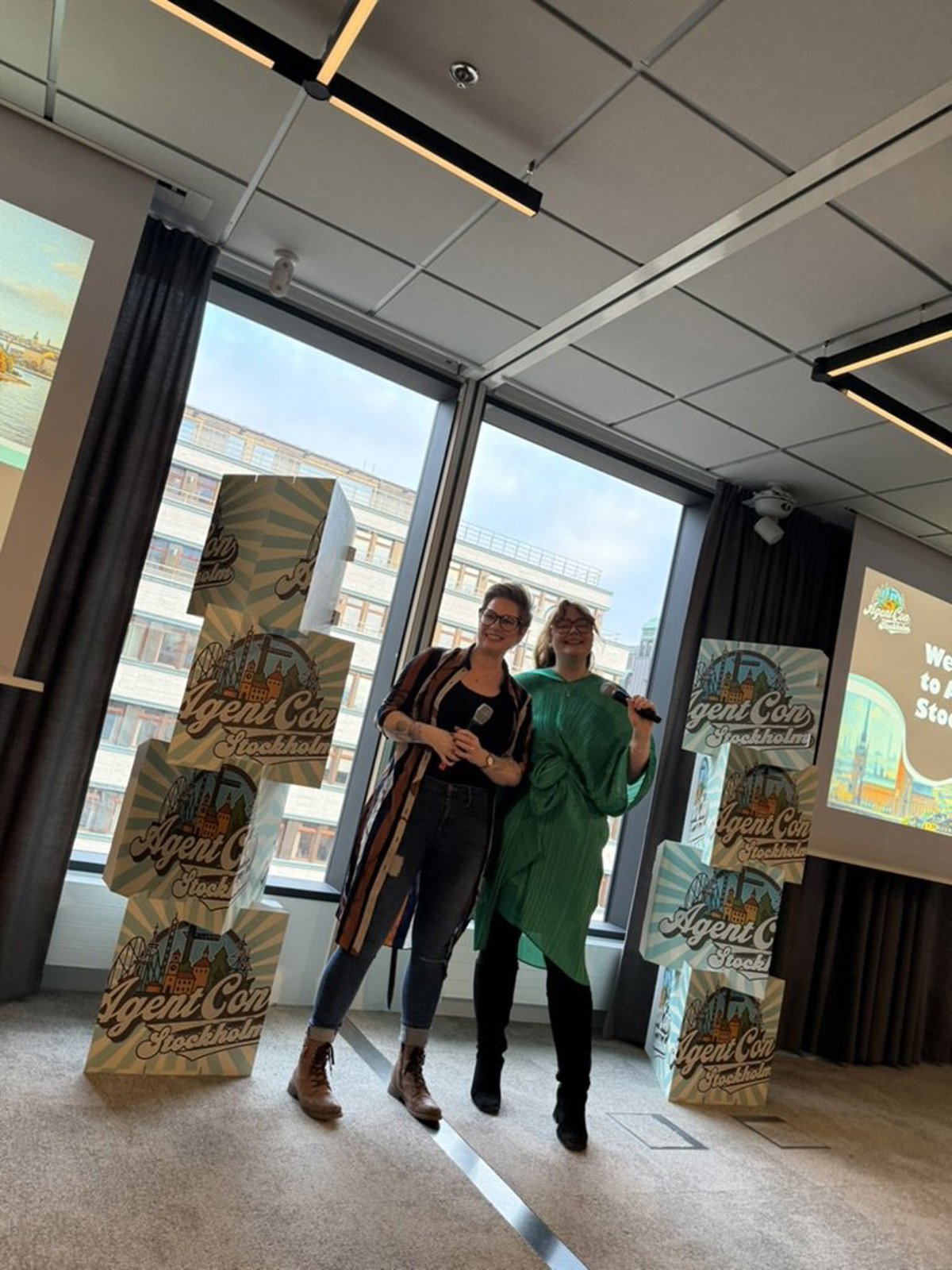
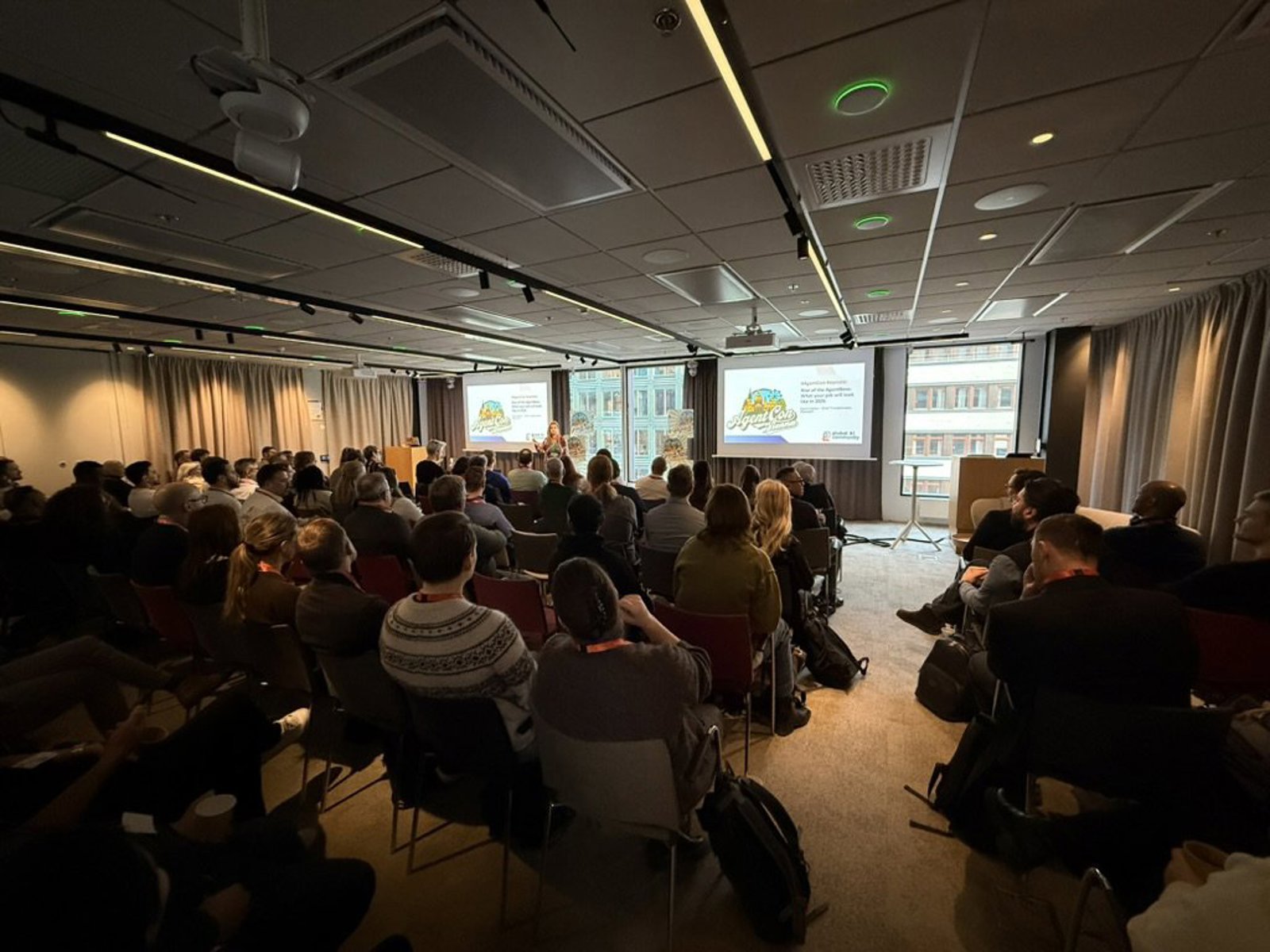
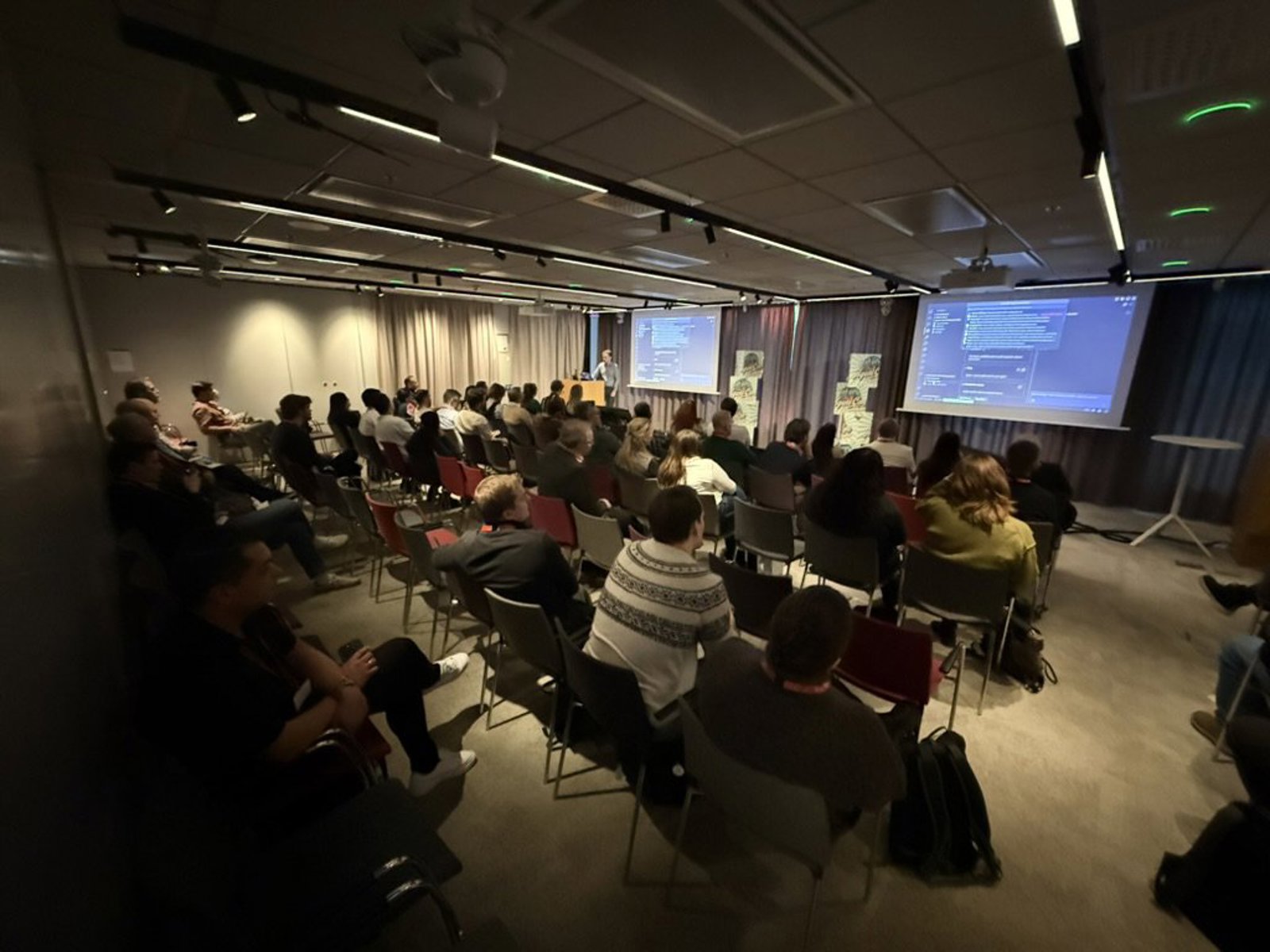
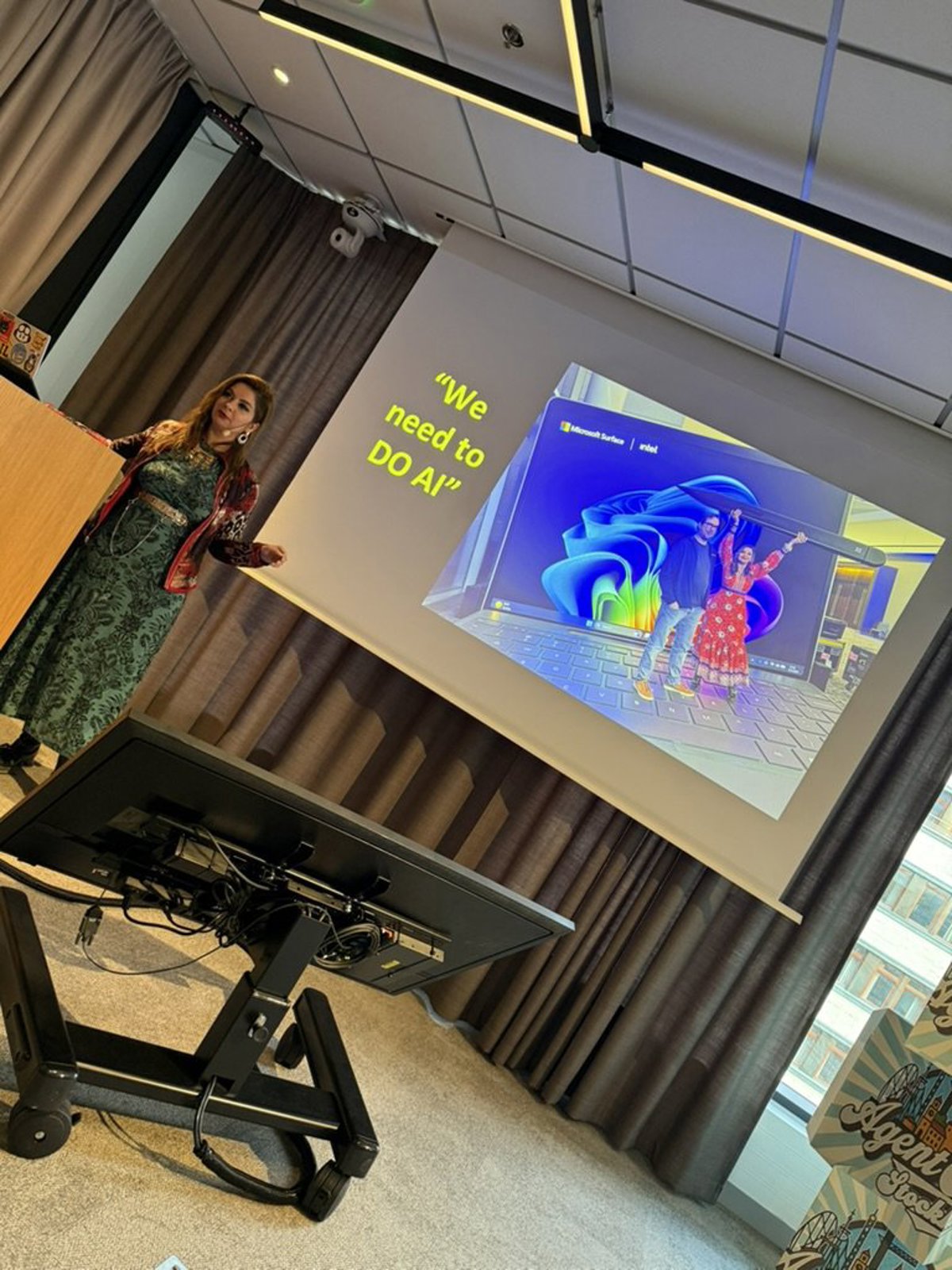
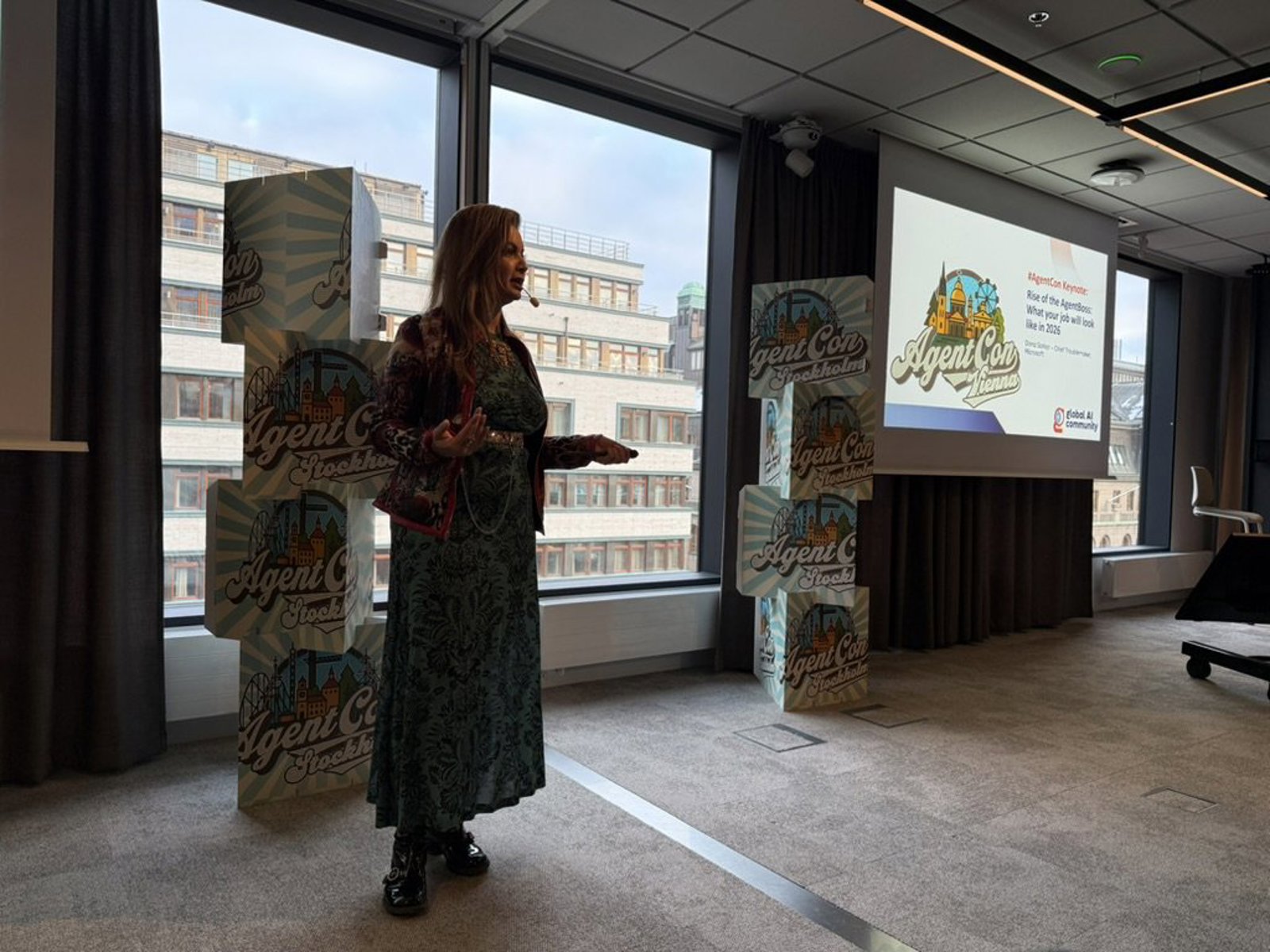
This is how it looked
Made possible by
Made possible by:




Explore AgentCon
AI Agents Developer Conference
AgentCon made possible by: