/Events /AgentCon - Panama City
AgentCon - Panama City
This event is part of AgentCon, organized by Global AI Panama City.
Schedule
About
Únete a nosotros en el AI Agents World Tour, una serie global de conferencias de un día diseñadas exclusivamente para desarrolladores que están construyendo el futuro con agentes de IA.
De San Francisco a Singapur, reuniremos a destacados ingenieros, investigadores y creadores para explorar lo más avanzado en diseño, implementación e integración de agentes de IA. Ya sea que estés construyendo asistentes inteligentes, sistemas autónomos o herramientas de desarrollo de próxima generación, este evento es tu vía rápida hacia conocimiento práctico, demostraciones en vivo y perspectivas reales. El evento se llevará a cabo en Español.
Qué esperar:
- Charlas en profundidad de pioneros de la IA y líderes de la industria
- Talleres técnicos sobre construcción, implementación y escalado de agentes
- Demostraciones en vivo de potentes frameworks y herramientas de código abierto
- Networking con una comunidad global de constructores e innovadores
Esto no es solo otro evento de IA: es donde los desarrolladores se reúnen para hablar de código real.
¿Listo para construir el futuro?
Organizadores del eventoWho's on stage

Ingeniero en Sistema y Computación, Organizador de la comunidad de Google Developers Groups en Panamá, ha tenido la oportunidad de participar en varios programas y comunidades de tecnología de la región como Speaker y Mentor impulsando el conocimiento en Ciencias de datos, DevOps, Ingeniería de Software y Cloud. Con experiencia en diseño y desarrollo de aplicaciones web, ingeniería, ciencia de datos y UX/UI. Actualmente ejerce como Ingeniero especialista en Prompts e IA y fiel creyente de "Aprende más el que comparte lo que sabe".

Paul DeCarlo is a Microsoft Cloud Advocate and Professor for the Bauer College of Business at the University of Houston. His current technology interests focus on Internet of Things, Cloud Applications, and Cross-Platform mobile app development. He keeps a steady supply of video games, provided by sixteen retro game consoles connected via A/V switch to a 29’ Sony Trinitron CRT television and has been known to perform as lead vocalist in Houston's Tool Tribute Band - Spiral Out. During time off, he enjoys taking care of his trees, riding mountain bikes, and taking care of his dog – Maverick and cat – Kitty.

https://www.linkedin.com/in/jfernandezmon/

Jim Santos is an IT Instructor at Centro ¡Supérate! Fundación Alberto Motta Colón in Panama, where he teaches programming, advanced Excel, and technology-driven problem solving to high school students. He specializes in designing practical, real-world learning systems that combine technical skills with structured thinking, working with students who often face challenges in comprehension, retention, and frustration tolerance. Beyond the classroom, Jim is a Cybersecurity student and actively explores how AI, automation, and agent-based systems can be applied to improve education, productivity, and decision-making. His work focuses on a critical question: how to use AI not as a shortcut, but as a tool to develop real skills. At AgentCon, he brings a unique perspective from the front lines of education — where AI is not theoretical, but actively shaping how people learn, think, and solve problems.

I was born in La Paz, Bolivia. I studied Computer Science and Sustainability in the United States and Denmark, with a minor in Psychology, building a foundation that bridges technical depth with an understanding of how people and systems interact. I began my professional career as an enterprise architecture consultant, specializing in Process Mining strategies and the optimization of mission-critical business systems. During this period, I worked with ERP platforms such as SAP and Oracle, as well as enterprise content management (ECM) systems like OnBase, helping organizations transform their operations through rigorous analysis of process data. I then pivoted to the airline industry, joining Copa Airlines as a Data Management Analyst within the Pricing and Revenue Management Intelligence team. My affinity for quantitative modeling soon led me to the Data Science team, where I served as a Senior Data Scientist working on forecasting, machine learning, MLOps, and advanced analytics algorithms. Two years later, I stepped into a Senior Software Engineering Architect role, overseeing commercial products and building out the company's capabilities in DevOps, Kubernetes, and event-driven architecture. After a year and a half in that role, I made the natural leap to the innovation frontier: I founded Copa Airlines' new Artificial Intelligence team, where I now lead the technical strategy and long-term vision. My trajectory reflects a consistent thread — a pursuit of elegant solutions at the intersection of deep engineering, data, and meaningful business impact.
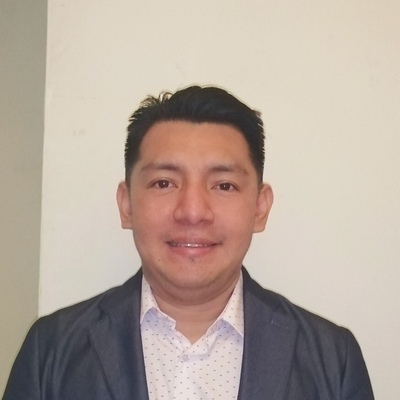
I lead cloud and AI projects across Central America and the Caribbean, helping organizations in financial services, logistics, and retail turn business challenges into secure, scalable architectures on AWS. My work spans the full journey — from understanding business requirements to designing infrastructure, security, and AI governance strategies that actually make it to production. I've spoken at Banking Summit Panama 2025, AWS Community Day Panama across multiple editions, and regional technology events in Dominican Republic, Costa Rica, Guatemala, Puerto Rico, and Trinidad & Tobago — always focused on how security, governance, and data strategy are the foundation that makes AI solutions production-ready, not just demo-ready. Building AI agents for regulated industries taught me that the hard part isn't making them smart — it's making them safe. That's the perspective I bring to this talk.
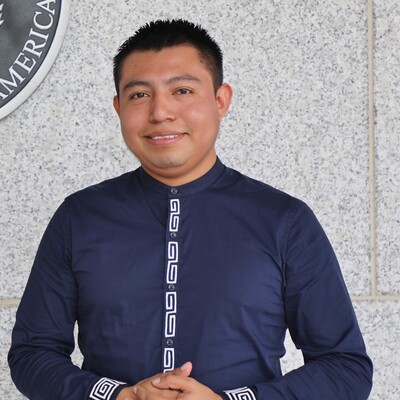
Kelvin Alvarado es Data & AI Governance Lead, enfocado en llevar agentes de IA a producción con gobernanza y escalabilidad en entornos empresariales.

Julio Espinosa is MDR Team Leader at Sofistic Latam, where he leads detection and response operations using SIEM, ▎ XDR, and threat intelligence. He spends his weekends turning security problems into AI experiments — including ▎ building a robot controlled by an LLM over WhatsApp and writing about agentic SOC workflows in Sofistic's 2026 ▎ Cybersecurity Trends Report. ▎ ▎ The CTF AI Defender project started after a conference talk ("Can a CTF fight back?") that he couldn't stop thinking ▎ about. He went home, rebuilt the concept from scratch, and kept going until it actually worked. ▎ ▎ He writes about the intersection of AI and Blue Team operations on LinkedIn, mixing real architecture diagrams with ▎ honest admissions about what didn't work the first time.

Danilo Dominguez, Ph.D. is a Senior Software Engineer with a profound background in building scalable, privacy-first software solutions. He earned his Ph.D. in Computer Science from Iowa State University, where his research focused on software engineering and static analysis for identifying vulnerabilities in mobile applications. Currently a Senior Mobile Engineer at Plan A Technologies, Danilo champions code quality and rigorous testing standards for shared modules. He has a proven track record of taking end-to-end ownership of complex projects. He combines his extensive software engineering background with modern AI paradigms, focusing on the architectural decisions required to build and integrate autonomous AI agents.

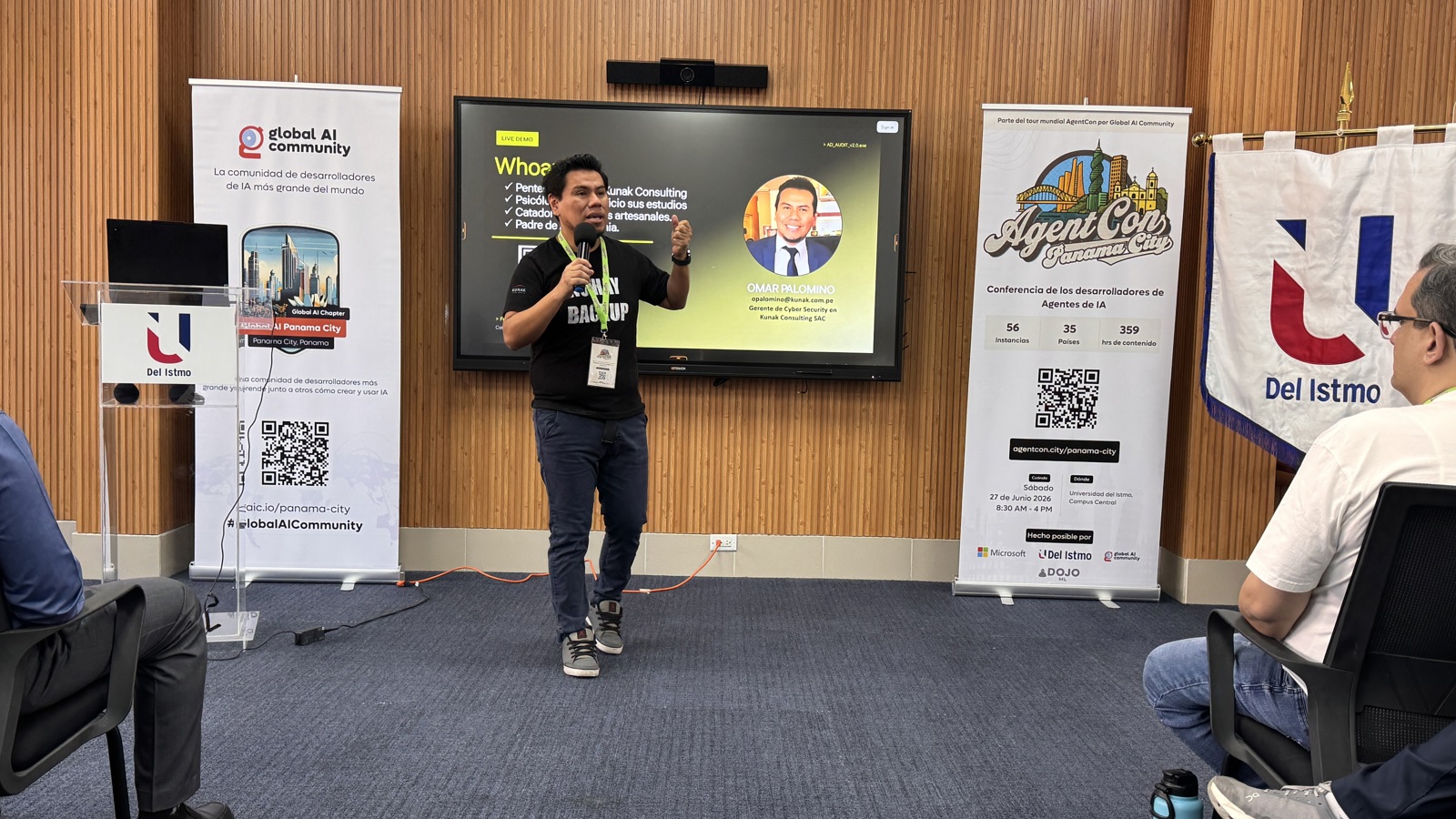
Omar Palomino es actualmente socio fundador de ciberseguridad para la empresa KUNAK Consulting SAC y es responsable de dirigir los proyectos de Red Team, Pentesting y Ethical Hacking para múltiples empresas en latinoamerica. Omar tambien es speaker e instructor para diversas instituciones y eventos en latinoamérica dentro los que resaltan: ISACA en múltiples paises, NoConName, EkoParty, entre otras instituciones.
Sessions & tracks
Killing BloodHound's Blind Spots: AI-Driven Continuous Auditing of Active Directory
¿Cuántos domain admins tiene tu organización en este momento? ¿Estás seguro? El Active Directory sigue siendo el objetivo número uno de los atacantes en entornos corporativos, y sin embargo, la mayoría de las organizaciones lo auditan de forma manual, esporádica y reactiva. Los ataques modernos no explotan una sola vulnerabilidad: encadenan permisos ACL aparentemente inocentes, cuentas olvidadas y delegaciones heredadas hasta construir una ruta silenciosa hacia el control total del dominio. En esta charla presentamos AD Under the Microscope, un framework de auditoría continua basado en Inteligencia Artificial capaz de:
Detectar en tiempo real la adición de usuarios a grupos privilegiados como Domain Admins, Enterprise Admins y grupos delegados. Analizar y correlacionar cadenas de ACL entre múltiples objetos del directorio, identificando rutas de escalada de privilegios que ninguna herramienta tradicional mapea de forma automática. Priorizar el riesgo clasificando configuraciones peligrosas según su potencial de explotación real, reduciendo el ruido y enfocando al equipo en lo que importa. Generar reportes accionables en lenguaje natural para equipos técnicos y ejecutivos.
Más allá de la demo técnica, discutiremos la hoja de ruta real para llevar esta solución a producción: desde el uso de LLMs en la nube hasta la viabilidad de entrenar modelos propios con datos de AD para entornos con restricciones de privacidad.
Omar Palomino es actualmente socio fundador de ciberseguridad para la empresa KUNAK Consulting SAC y es responsable de dirigir los proyectos de Red Team, Pentesting y Ethical Hacking para múltiples empresas en latinoamerica. Omar tambien es speaker e instructor para diversas instituciones y eventos en latinoamérica dentro los que resaltan: ISACA en múltiples paises, NoConName, EkoParty, entre otras instituciones.
AI Agents Won’t Make Students Smarter. Designing educational Systems That Force Real Thinking
Most AI agents today are designed to give answers. In education, that’s a problem. Students are completing tasks faster than ever — but with less understanding, more dependency, and minimal critical thinking. The result is “performance without learning.” This session explores a different approach: designing AI agents that don’t replace thinking, but actively enforce it. Instead of acting as answer engines, these agents behave as structured mentors — guiding, questioning, challenging, and evaluating students in real time. Drawing from real classroom experience teaching programming, Excel certification (MOS Expert), and project-based learning, this talk demonstrates how AI agents can be integrated into learning workflows to: Reduce over-reliance on AI-generated answers Increase problem-solving and reasoning skills Track real progress instead of superficial output Provide structured feedback without removing cognitive effort We’ll break down practical architectures using multi-agent systems (Planner, Tutor, Critic), show real examples of “bad vs good agents,” and explore how to evaluate whether an AI system is actually helping students learn — or just helping them finish faster. This session is for developers, educators, and builders who want to design AI systems that empower thinking, not replace it.
Jim Santos is an IT Instructor at Centro ¡Supérate! Fundación Alberto Motta Colón in Panama, where he teaches programming, advanced Excel, and technology-driven problem solving to high school students. He specializes in designing practical, real-world learning systems that combine technical skills with structured thinking, working with students who often face challenges in comprehension, retention, and frustration tolerance. Beyond the classroom, Jim is a Cybersecurity student and actively explores how AI, automation, and agent-based systems can be applied to improve education, productivity, and decision-making. His work focuses on a critical question: how to use AI not as a shortcut, but as a tool to develop real skills. At AgentCon, he brings a unique perspective from the front lines of education — where AI is not theoretical, but actively shaping how people learn, think, and solve problems.
Break
15 min
Designing Applications with AI Agents: Patterns, Prompts, and Architectural Decisions
A comprehensive technical walkthrough on structuring and building modern applications using AI agents. In this presentation, we will analyze the fundamental building blocks of an effective agent: from prompt orchestration to the design patterns that allow these agents to make decisions and execute actions. We will discuss the common architectural challenges developers face today and share practical solutions and live demonstrations to overcome them.
Danilo Dominguez, Ph.D. is a Senior Software Engineer with a profound background in building scalable, privacy-first software solutions. He earned his Ph.D. in Computer Science from Iowa State University, where his research focused on software engineering and static analysis for identifying vulnerabilities in mobile applications. Currently a Senior Mobile Engineer at Plan A Technologies, Danilo champions code quality and rigorous testing standards for shared modules. He has a proven track record of taking end-to-end ownership of complex projects. He combines his extensive software engineering background with modern AI paradigms, focusing on the architectural decisions required to build and integrate autonomous AI agents.
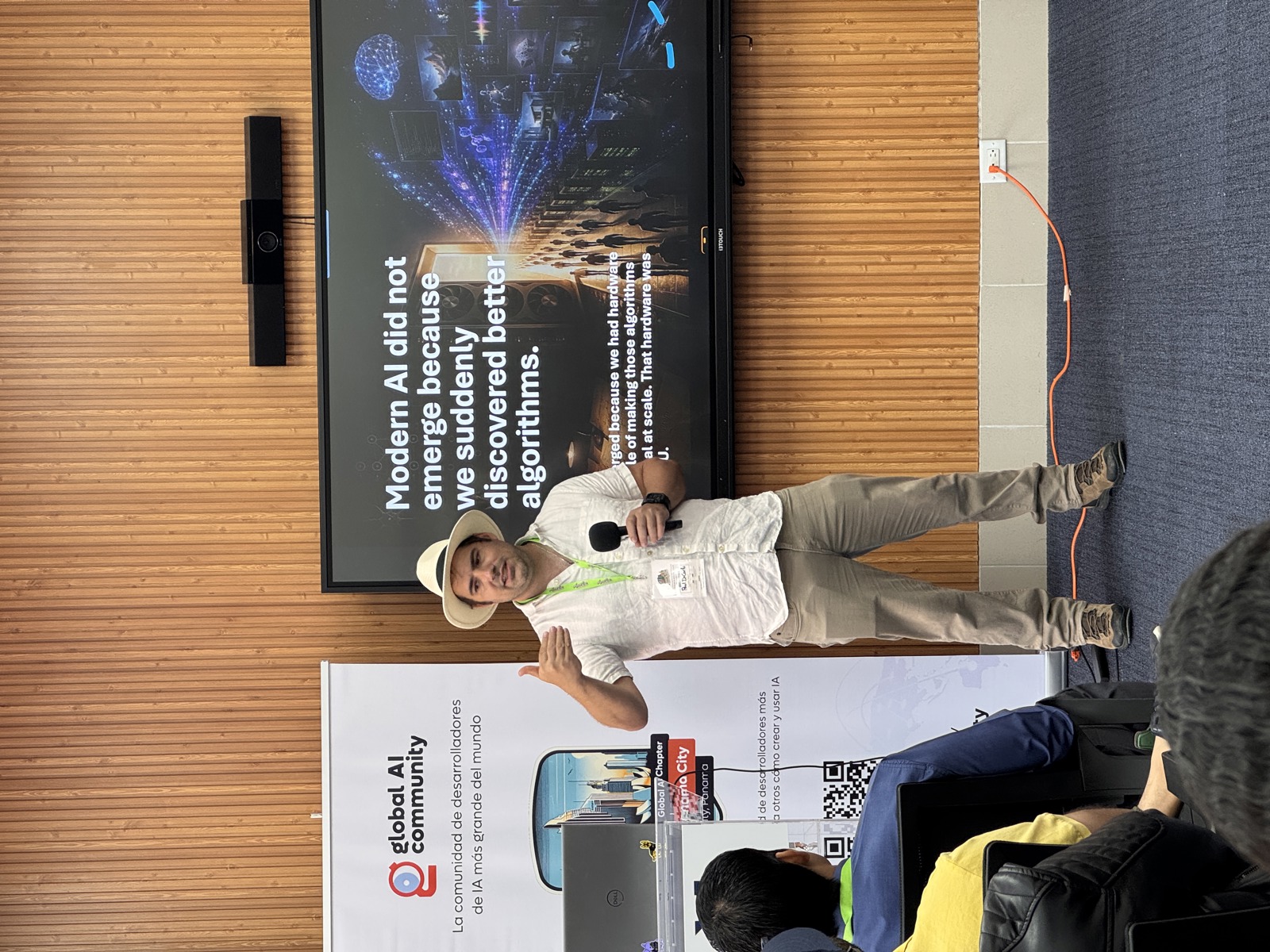
The Science and Art of Agentic Development
Everyone knows AI Agents can assist in software development, but were you aware of the extent of problems they can solve? We'll explore using agents to build applications for small form-factor GPU accelerated devices to take advantage of on-board acceleration to support applications that transcribe foreign language into usable subtitles and and AI music generation. Along the way, we'll show how agents can also assist in pushing OSS contributions back to project repos and even generate write-ups when releasing your creations to the world.
Paul DeCarlo is a Microsoft Cloud Advocate and Professor for the Bauer College of Business at the University of Houston. His current technology interests focus on Internet of Things, Cloud Applications, and Cross-Platform mobile app development. He keeps a steady supply of video games, provided by sixteen retro game consoles connected via A/V switch to a 29’ Sony Trinitron CRT television and has been known to perform as lead vocalist in Houston's Tool Tribute Band - Spiral Out. During time off, he enjoys taking care of his trees, riding mountain bikes, and taking care of his dog – Maverick and cat – Kitty.
Securing AI Agents in Production: Guardrails, Governance & Lessons Learned
Everyone is building AI agents. Few are shipping them safely.
AI agents can reason, call APIs, query databases, and take autonomous actions — but that same power makes them a liability if not properly secured. A single prompt injection can bypass your instructions. A poorly scoped tool can leak customer data. An unmonitored agent can go off-script with no one noticing.
In this session, I'll walk through a 5-layer security framework for AI agents, built on AWS for financial services use cases. You'll see two live demos:
A prompt injection attack blocked in real-time — Amazon Bedrock Guardrails stops it before it reaches the model. You'll see the trace and understand why it worked.
A secure agent workflow end-to-end — from PII masking at the Lambda level (so the model never sees sensitive data) to human-in-the-loop authorization for high-risk actions using Bedrock Agents' return-of-control capability.
You'll leave with a practical security checklist for taking AI agents from demo to production.
I lead cloud and AI projects across Central America and the Caribbean, helping organizations in financial services, logistics, and retail turn business challenges into secure, scalable architectures on AWS. My work spans the full journey — from understanding business requirements to designing infrastructure, security, and AI governance strategies that actually make it to production. I've spoken at Banking Summit Panama 2025, AWS Community Day Panama across multiple editions, and regional technology events in Dominican Republic, Costa Rica, Guatemala, Puerto Rico, and Trinidad & Tobago — always focused on how security, governance, and data strategy are the foundation that makes AI solutions production-ready, not just demo-ready. Building AI agents for regulated industries taught me that the hard part isn't making them smart — it's making them safe. That's the perspective I bring to this talk.
Lunch
A pretty solid hour to have light meal and connect with all the attendees and speakers
Beyond Cosine Similarity: Building Production-Grade Vector Databases for AI Agents
Most teams start with a vector DB by uploading embeddings and calling cosine similarity. That works for a demo... and breaks the moment you put it behind an AI agent at scale. More than 70% of failures in RAG and agentic systems don't come from the LLM, they come from retrieval. This technical session walks through what actually matters when you build for production:
- Indexing: HNSW vs IVF vs ScaNN — trade-offs between recall, latency, and memory
- Hybrid search: combining lexical (BM25) and semantic with Reciprocal Rank Fusion
- Hierarchical embeddings: RAPTOR and parent-child to solve the chunk-size dilemma
- Metadata indexing: pre-filter vs post-filter, and why your schema matters as much as your embeddings
- Proximity algorithms: how search actually works inside HNSW
- GPU acceleration: when it pays off and when it's over-engineering
- Graph + vector hybrid: integrating graph nodes for multi-hop reasoning in agents
- Scaling infrastructure: from prototype to production without skipping stages
Audience: developers, ML engineers, and architects who already know RAG and want to take it to production.
I was born in La Paz, Bolivia. I studied Computer Science and Sustainability in the United States and Denmark, with a minor in Psychology, building a foundation that bridges technical depth with an understanding of how people and systems interact. I began my professional career as an enterprise architecture consultant, specializing in Process Mining strategies and the optimization of mission-critical business systems. During this period, I worked with ERP platforms such as SAP and Oracle, as well as enterprise content management (ECM) systems like OnBase, helping organizations transform their operations through rigorous analysis of process data. I then pivoted to the airline industry, joining Copa Airlines as a Data Management Analyst within the Pricing and Revenue Management Intelligence team. My affinity for quantitative modeling soon led me to the Data Science team, where I served as a Senior Data Scientist working on forecasting, machine learning, MLOps, and advanced analytics algorithms. Two years later, I stepped into a Senior Software Engineering Architect role, overseeing commercial products and building out the company's capabilities in DevOps, Kubernetes, and event-driven architecture. After a year and a half in that role, I made the natural leap to the innovation frontier: I founded Copa Airlines' new Artificial Intelligence team, where I now lead the technical strategy and long-term vision. My trajectory reflects a consistent thread — a pursuit of elegant solutions at the intersection of deep engineering, data, and meaningful business impact.
Creando agentes con CX Agent Studio
En esta sesión observaremos como usar CX Agent Studio para ma creación de agentes automatizados y luego veremos cómo implementarlos en distintos ambientes.
Ingeniero en Sistema y Computación, Organizador de la comunidad de Google Developers Groups en Panamá, ha tenido la oportunidad de participar en varios programas y comunidades de tecnología de la región como Speaker y Mentor impulsando el conocimiento en Ciencias de datos, DevOps, Ingeniería de Software y Cloud. Con experiencia en diseño y desarrollo de aplicaciones web, ingeniería, ciencia de datos y UX/UI. Actualmente ejerce como Ingeniero especialista en Prompts e IA y fiel creyente de "Aprende más el que comparte lo que sabe".
Gobernanza para Agentes de IA: cómo escalar múltiples agentes y llevarlos a producción.
Muchas empresas están creando sus primeros agentes de IA, pero rápidamente enfrentan un problema: a medida que crecen, se vuelven difíciles de gestionar, controlar y escalar. En esta sesión compartiré, desde experiencia real, cómo construir una base de gobernanza que permita implementar y operar múltiples agentes de IA (10 o más) de forma organizada, segura y escalable. Veremos cómo un equipo puede escalar de uno a múltiples agentes sin generar caos, mantener control y gobernanza, coordinar cómo interactúan entre ellos, conectarlos con datos y procesos reales del negocio y llevarlos a producción sin perder agilidad.
Kelvin Alvarado es Data & AI Governance Lead, enfocado en llevar agentes de IA a producción con gobernanza y escalabilidad en entornos empresariales.
Attack Detected. Claude Responds. Autonomous Blue Team Agents with Wazuh + Claude
Most security tools detect threats. This one thinks about them.
In this session, I'll show how I built a Blue Team AI agent that connects Wazuh (SIEM/XDR) to Claude AI to create an autonomous incident responder — one that doesn’t just alert, but analyzes, decides, and acts.
When an attack hits a live target (SSH brute force, web exploitation, lateral movement), Wazuh fires a webhook. The agent receives it, sends the full event context to Claude, gets back a reasoned action plan, and executes it — killing sessions, rotating credentials, deploying honeypot responses — all in seconds, no human in the loop.
We’ll walk through:
The architecture: Wazuh → webhook → Python agent → Claude CLI → Docker
How to prompt an LLM for security decisions (not just summaries)
The live demo: a real attack, a real response, in real time
Where autonomous agents break down in security — and what to do about it
This is not a product pitch. It started as a weekend experiment after a CTF talk, grew into a working system, and has real lessons about building agentic loops that are fast, explainable, and don’t make things worse.
If you’re a developer curious about AI agents beyond chatbots, or a security engineer wondering whether LLMs can actually help in the SOC — this talk is for you.
Julio Espinosa is MDR Team Leader at Sofistic Latam, where he leads detection and response operations using SIEM, ▎ XDR, and threat intelligence. He spends his weekends turning security problems into AI experiments — including ▎ building a robot controlled by an LLM over WhatsApp and writing about agentic SOC workflows in Sofistic's 2026 ▎ Cybersecurity Trends Report. ▎ ▎ The CTF AI Defender project started after a conference talk ("Can a CTF fight back?") that he couldn't stop thinking ▎ about. He went home, rebuilt the concept from scratch, and kept going until it actually worked. ▎ ▎ He writes about the intersection of AI and Blue Team operations on LinkedIn, mixing real architecture diagrams with ▎ honest admissions about what didn't work the first time.
https://www.linkedin.com/in/jfernandezmon/
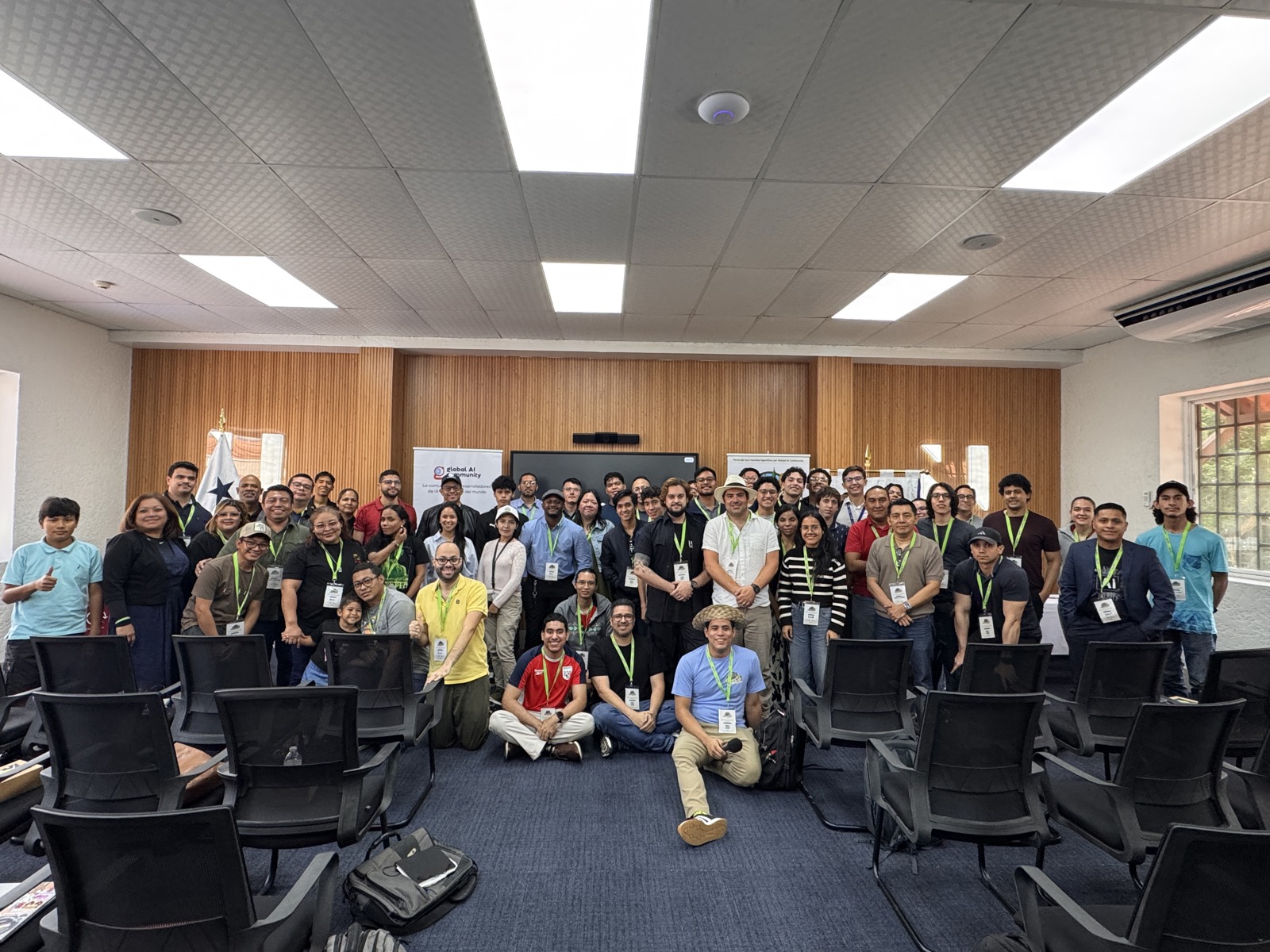
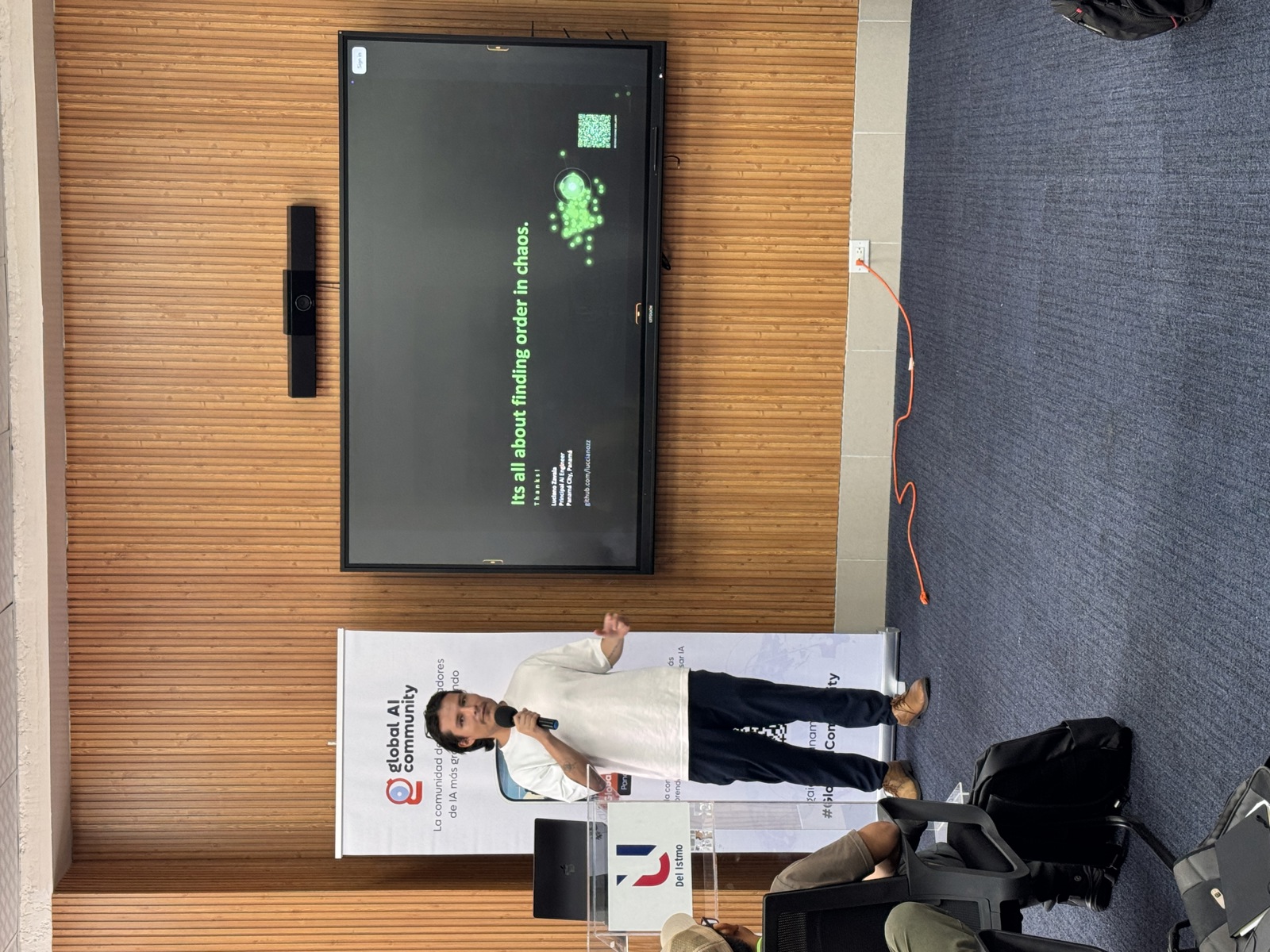
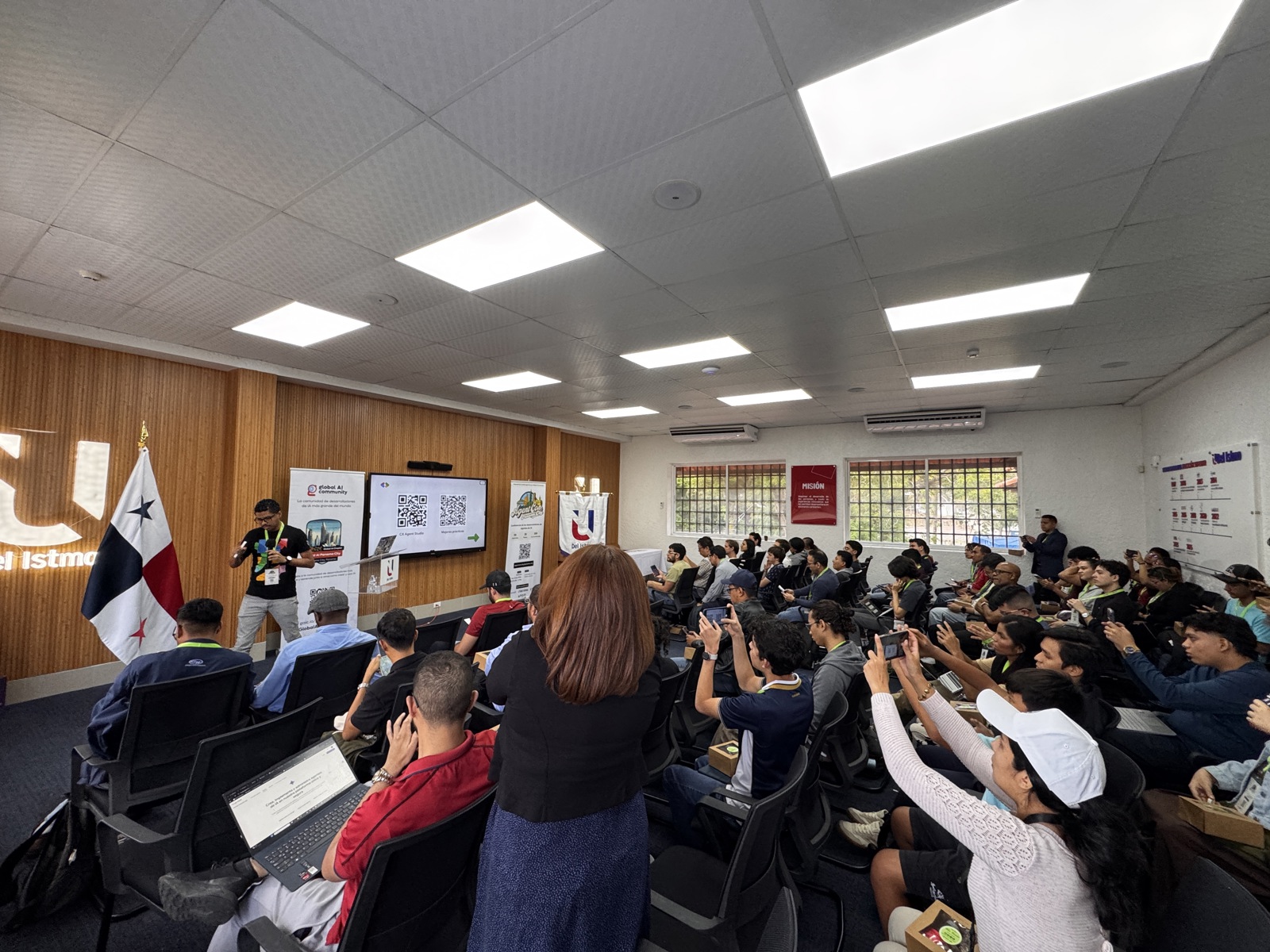
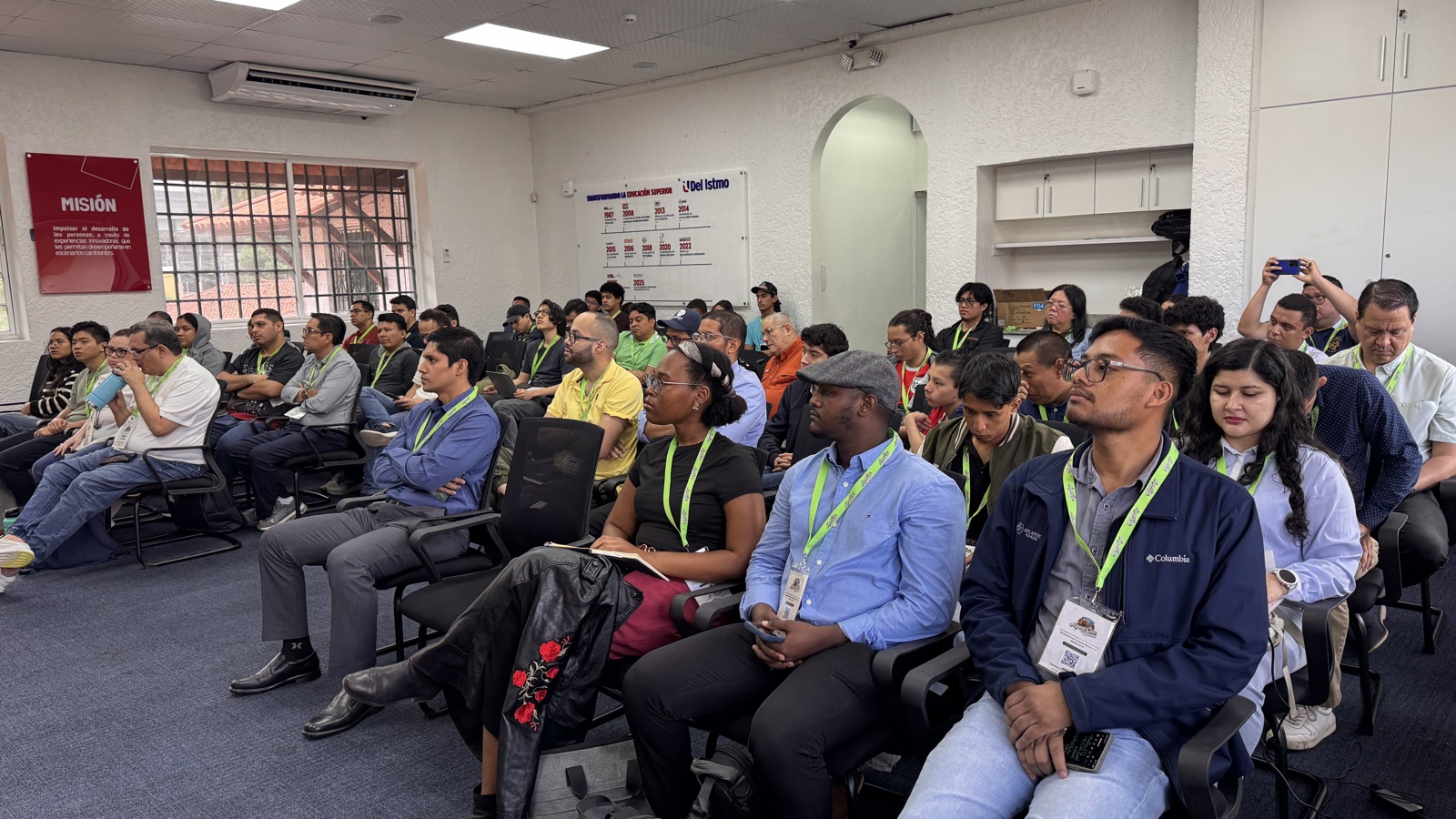
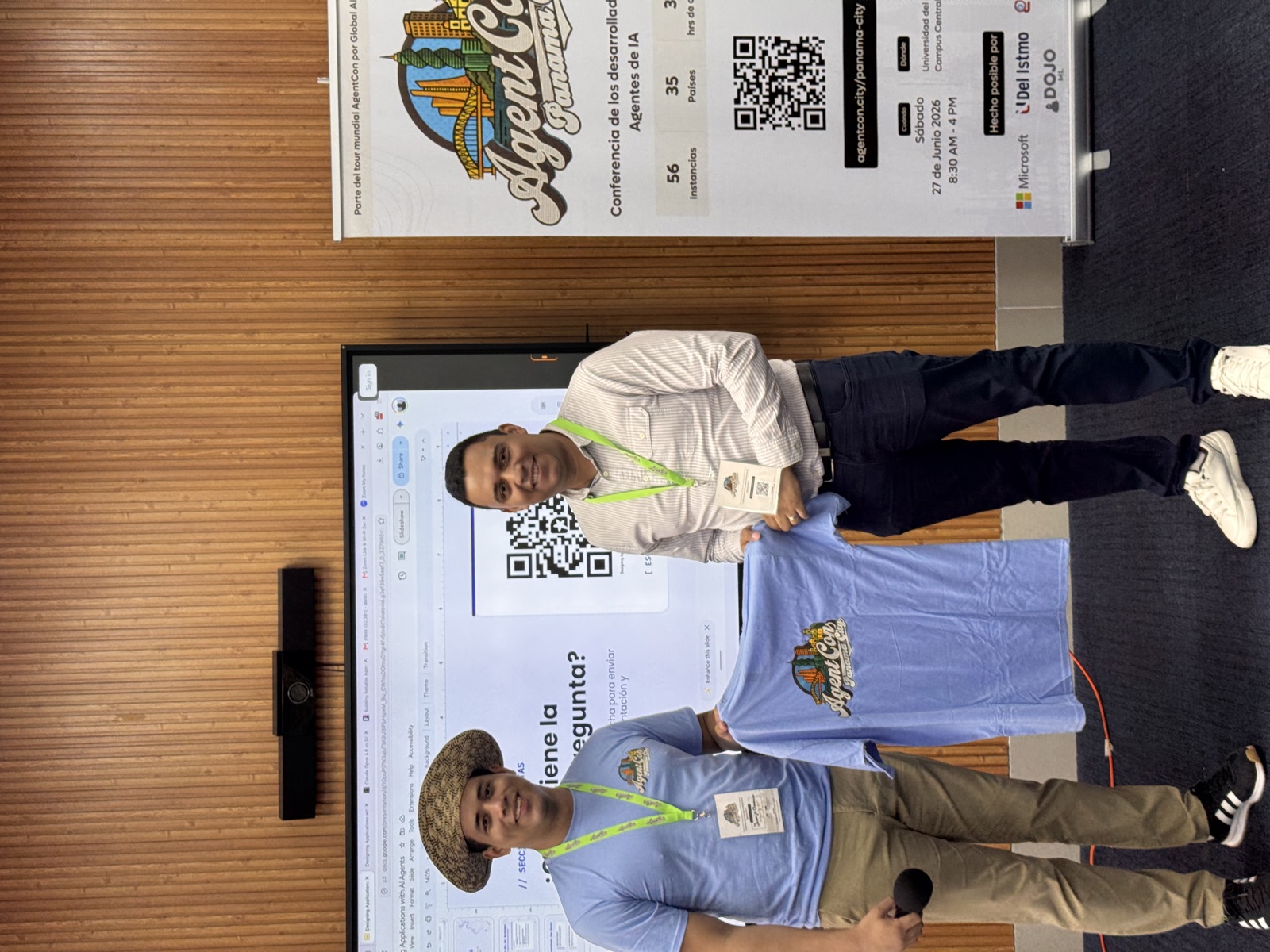
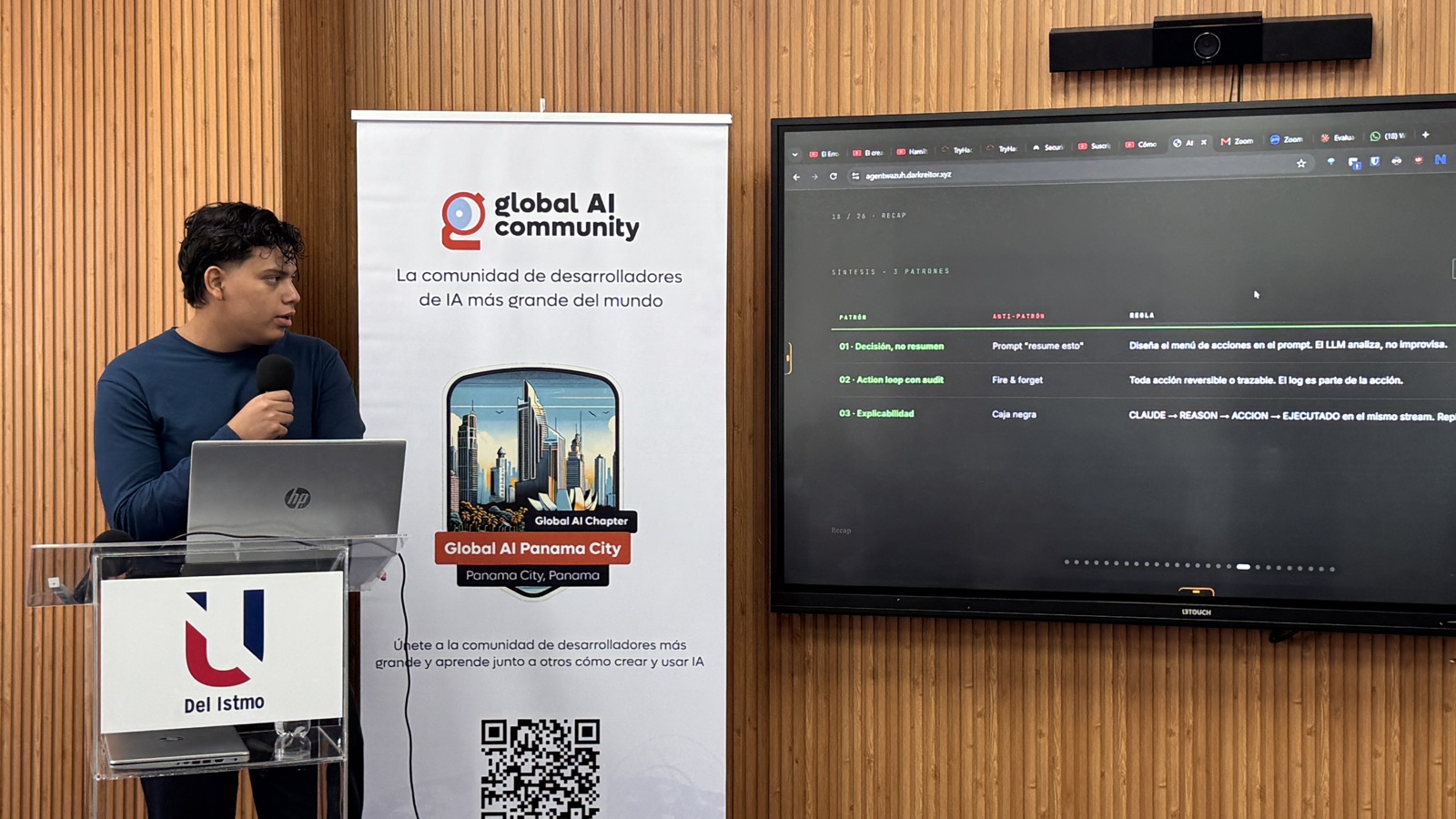
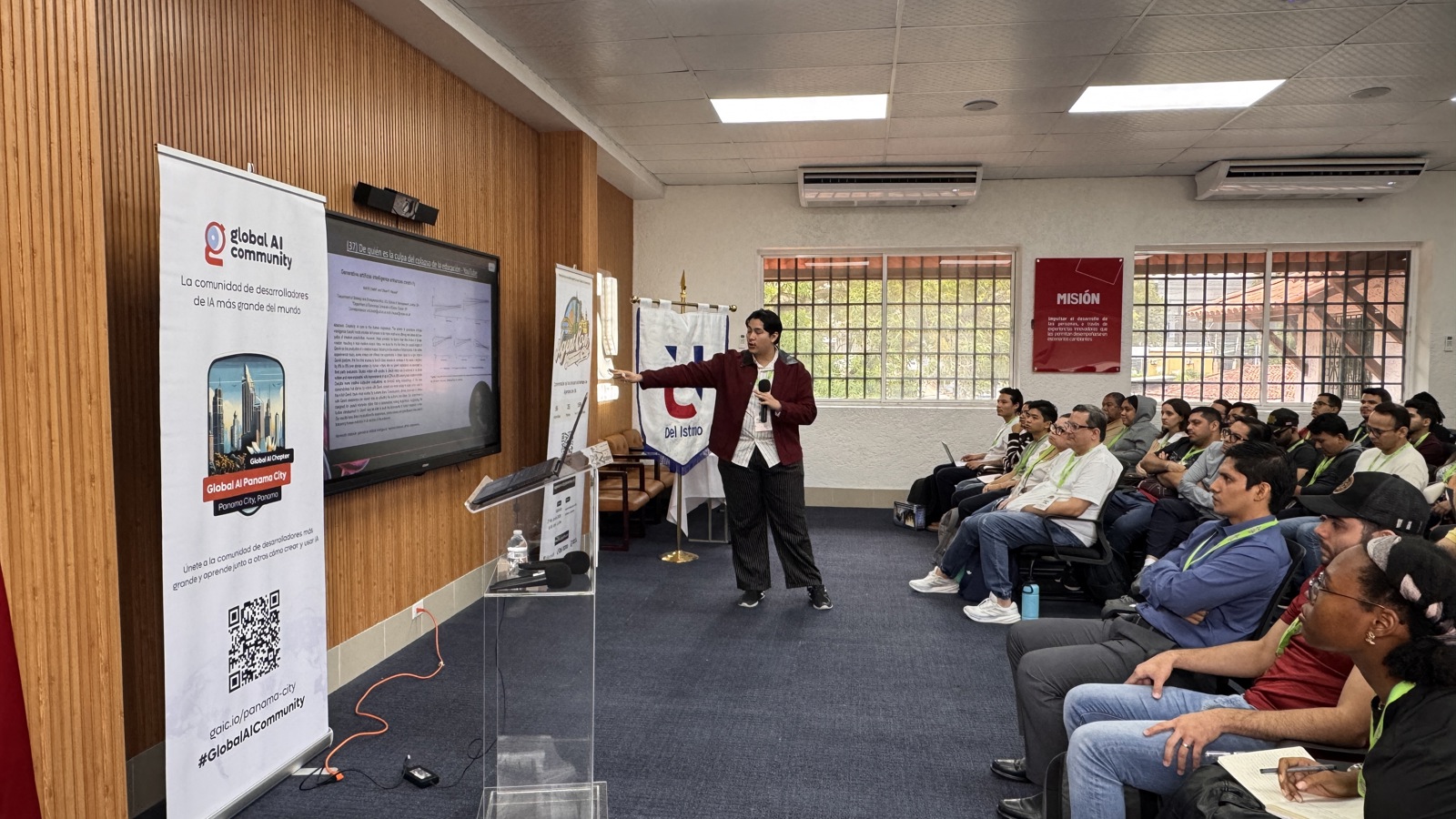
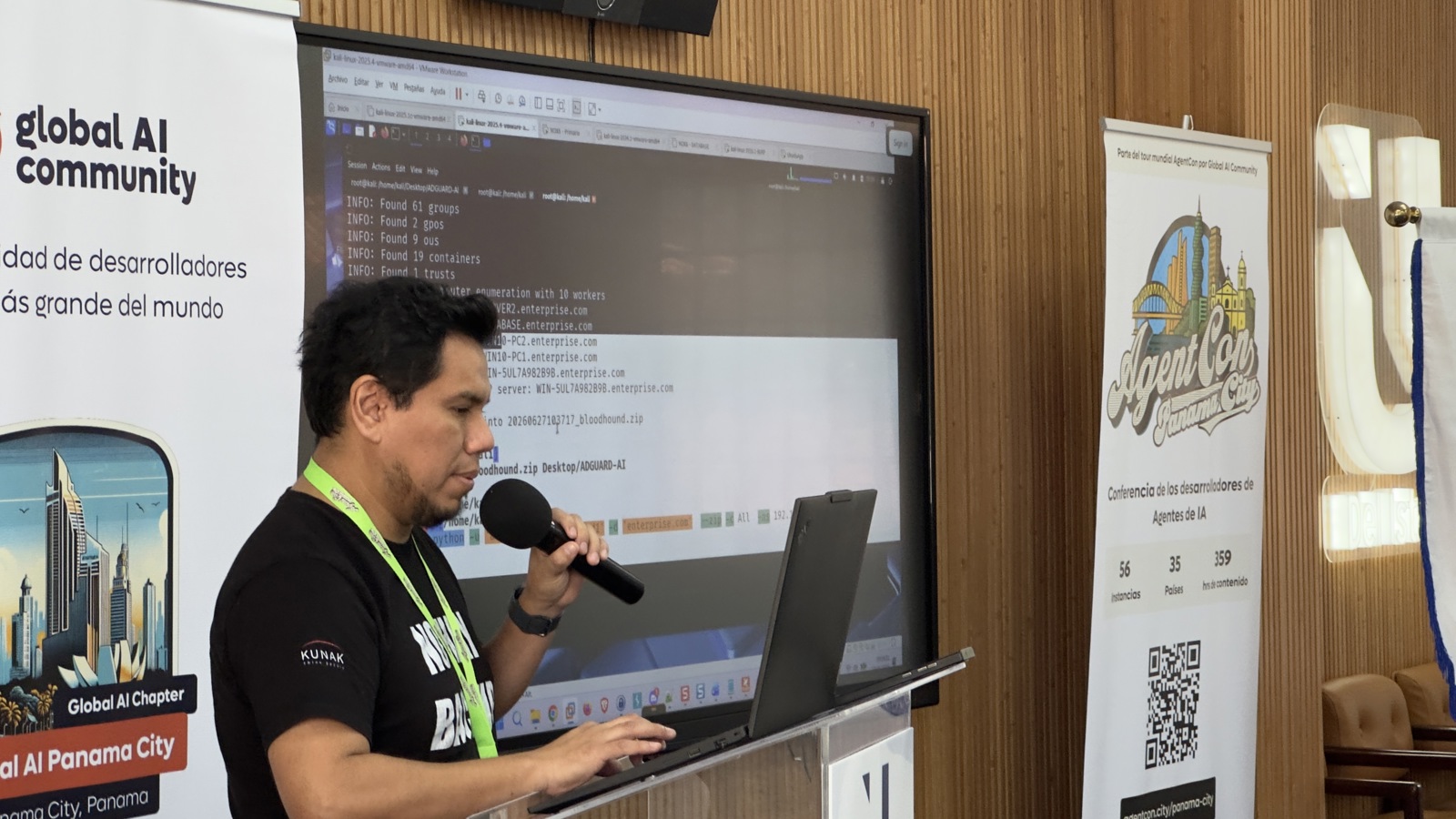
This is how it looked
Made possible by
Space Sponsor

Explore AgentCon
AI Agents Developer Conference
AgentCon made possible by: