/Events /AgentCon 2025 - Helsinki
AgentCon 2025 - Helsinki
This event is part of AgentCon, organized by Global AI Helsinki.
Schedule
About
Join us for the AI Agents World Tour — a global one-day conference for developers building the future with AI agents.
From San Francisco to Singapore, we’re bringing together top engineers, researchers, and creators to share practical knowledge, live demos, and real-world insights.
Doors open at 8.30. Full Schedule: https://agentcon-helsinki-2025.sessionize.com/
Status "Pending" means you are on the waitlist
Please be ready to show the QR code from your registration confirmation, as it will be scanned at the entrance.
Our host is kindly providing lunch and refreshments. To avoid food waste and since we have a long waitlist, please cancel your registration in time if you can’t make it.
Manage your registration (log in first): https://globalai.community/my/registrations
Who's on stage
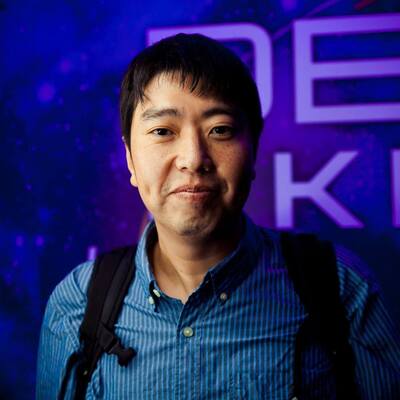
I’m a mobile application developer with over 20 years of experience, specializing in platforms such as Android, iOS, and cross-platform development for smartphones, tablets, and wearables. Alongside development, I actively contribute to the tech community through writing and speaking. I’ve given talks at 22 international conferences, including Droidcon, DevFest, and Devoxx, where I focus on topics such as UX design, Flutter development, and cross-cultural app strategies. I enjoy bridging technology with real-world user insights, and I’m passionate about helping developers build globally accessible, intuitive mobile experiences.
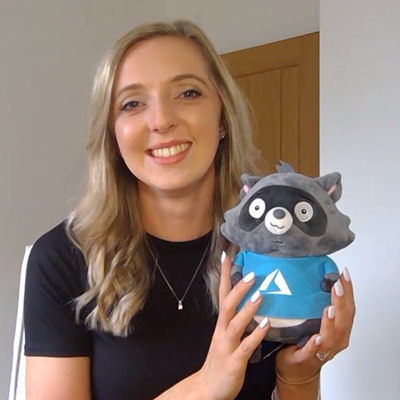
Amy Boyd is a Principal Cloud Advocate at Microsoft, with a background in Computer Science and a specialisation in Natural Language Processing and Machine Learning. She leads a team of advocates focused on Generative AI and Azure AI Foundry, driving global developer engagement. With deep experience working directly with customers; from startups to enterprise; Amy helps shape developer experience through real-world insights and community collaboration.

Vijay Kumar Kodam is a Principal Engineer at Nokia Finland. Over 20 years he has evolved from developing call processing features for 2G/3G to running 4G/5G network functions on Kubernetes and AWS. An AWS Community Builder (2025), Vijay focuses on Kubernetes, AWS, GenAI, AI Agents, MCP, Cloud Architectures and Systems Design for large-scale telco workloads.

Vaibhav is a Senior Consultant working for Sulava, a Microsoft Partner with enterprise clients all over the Gulf and Europe. Vaibhav brings a deep technical background in Artificial Intelligence and extensive experience working with different customers from a variety of industries such as Oil & Gas, Retail, Healthcare and Banking. Vaibhav leverages this experience to drive adoption, identify and architect usage of Microsoft's AI products such as M365 Copilot, Copilot Studio, Azure AI Services, Azure AI Foundry and much more in a scaleable, sustainable and ethical manner within organizations.

Karl-Johan has done 18 years projects with Microsoft technologies. Past six years he has been working with the Power Platform, particularly with Power Automate, Power Apps and Copilot Studio, and have extended its capabilities with Microsoft 365 and Dynamics 365 products as well as Azure resources. Karl-Johan has completed about 100 projects with various industries and organization sizes as role of Architect, Developer and Scrum Master. Karl-Johan has written four books about Community-Led Orientation and masters shared leadership theory and practice as well.

-

Pasi Huuhka is a Microsoft Azure MVP with a background spanning DevOps, full stack software development, architecture, and systems administration. Since 2013, he’s worked hands-on with a broad range of Azure’s platform-native, container-based and serverless offerings, helping over 150 customers - from startups to large enterprises - build and operate reliable, cloud-native solutions. Today, his focus is on SRE practices, DevOps, and modern application development on Azure, with a particular interest in AI-powered and agent-based systems. He's passionate about designing cloud architectures that not only work, but scale, self-heal, and evolve over time. He continues to learn by teaching others and actively contributing to the Azure community through Finland Azure User Group.
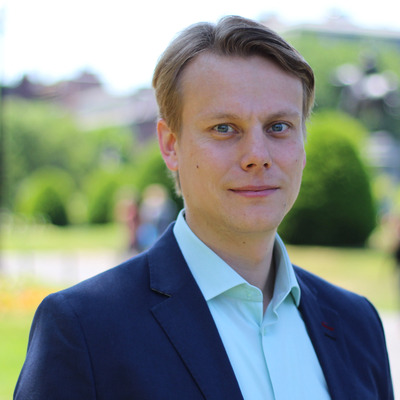
I am a Principal Consultant for Copilot and Power Platform at Sulava. My primary work involves Copilot Studio, Copilot Agents, Power Platform, SharePoint, and Office 365 solutions. I usually act as a system and solution architect or lead consultant in my projects and participate in customer offer processes. Leading technologies: Copilot Studio, Power Platform, Copilot Agents Power Apps, Power Automation, Dataverse, SharePoint, Teams Toolkit, Office365, Governance, PowerShell, and many web technologies (React, TypeScript, Node, Sitecore, Salesforce, .NET, MVC, HTML, CSS, and jQuery).

Mihail Mateev is an owner, Solution Architect, Senior Technical Evangelist at SoftProject, responsible for .Net, IoT and cloud solutions. Mihail currently works as a Senior Solution Architect at EPAM Systems. He also worked many years like a Technical evangelist in the Infragistics. Last years Mihail was focused on various areas related to technology Microsoft: Visual Studio , ASP.Net, Windows client apps, MS SQL Server and Microsoft Azure.

Sammy is a seasoned consultant with an extensive background in diverse industries and over a decade of experience. With a specialization in the Microsoft Stack, he has successfully undertaken and delivered numerous projects across sectors such as finance, healthcare, and beyond. In 2015, Sammy made a significant shift in his career by redirecting his focus towards Machine Learning and Artificial Intelligence (AI). Recognizing the transformative potential of these emerging technologies, he dedicated himself to mastering their applications and staying at the forefront of the field. His deep understanding of AI and its practical implications has allowed him to contribute significantly to the advancement of organizations he has been involved with. In 2017, Sammy played a pivotal role in the launch of a new company that specializes in leveraging Artificial Intelligence and Microsoft tools to maximize organizations' potential. His expertise and leadership were instrumental in establishing the company as a prominent player in the AI landscape. Through his strategic insights and hands-on involvement, Sammy has helped numerous businesses harness the power of AI to drive innovation, improve operational efficiency, and achieve sustainable growth. Beyond his professional endeavors, Sammy is a passionate advocate for AI education and community building. He serves as a board member of the global AI community, where he actively contributes to fostering collaboration, knowledge sharing, and networking opportunities among professionals in the field. As an esteemed international speaker, Sammy frequently shares his expertise and insights at industry conferences, seminars, and workshops, inspiring and educating audiences about the transformative potential of AI. Sammy's commitment to excellence and his contributions to the AI community have been recognized with the prestigious MVP (Most Valuable Professional) award in AI since 2021. This accolade further underscores his dedication, expertise, and impact in the field, cementing his position as a trusted advisor and thought leader in the intersection of AI and business. With his vast experience, deep knowledge, and unwavering passion for AI, Sammy continues to shape the future of organizations by unlocking their potential through cutting-edge technologies, and inspiring others to embark on their own AI journeys.
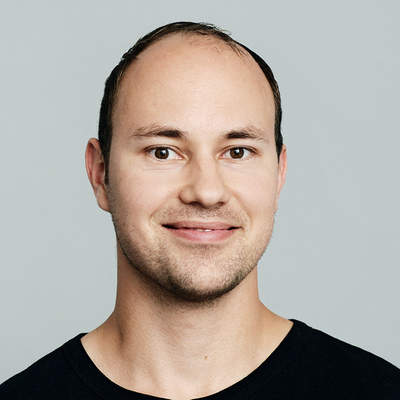
I'm a PhD-trained data scientist with a decade of experience using various machine learning, AI & statistical models. Over time, I have gotten increasingly interested in the holistic perspective to AI solutions, including aspects such as: good use case, clean (enough) data, scalable architecture, valid AI model and good MLOps tooling & processes. In my experience, all of these building blocks are necessary to make a lasting impact on any system.
Sessions & tracks
Opening
Main room ·Beyond the Prompt: From Simple Steps to Complex Systems
Agents are everywhere in today’s AI conversations—but what does that really mean? In this session, we’ll take a look at how things evolve: from simple, single-purpose agents to more structured workflows, and finally to multi-agent setups that can tackle bigger challenges, and how does context engineering play a part in the rapidly developing agent-space. We’ll talk about why this shift matters, what opportunities it opens up, and some of the questions it raises for builders. Expect ideas, inspiration, and a glimpse of what’s possible when agents start working together.
Amy Boyd is a Principal Cloud Advocate at Microsoft, with a background in Computer Science and a specialisation in Natural Language Processing and Machine Learning. She leads a team of advocates focused on Generative AI and Azure AI Foundry, driving global developer engagement. With deep experience working directly with customers; from startups to enterprise; Amy helps shape developer experience through real-world insights and community collaboration.
Smart Newsrooms: Agentic AI That Enhances Instead of Replaces Editorial Expertise
At Sanoma, we've proven that AI can be a journalist's ally rather than replacement by building agentic tools that solve specific, real-world editorial challenges. From searching massive article archives to transforming raw transcripts into compelling stories, our suite of agentic AI tools amplifies human editorial skills. However, getting agents to behave exactly as desired - such as create stylistically coherent content, or know when to seek guidance from the user - is not always an easy feat. In this talk, we share what we've learned about designing, building and testing AI agents in the journalistic context.
I'm a PhD-trained data scientist with a decade of experience using various machine learning, AI & statistical models. Over time, I have gotten increasingly interested in the holistic perspective to AI solutions, including aspects such as: good use case, clean (enough) data, scalable architecture, valid AI model and good MLOps tooling & processes. In my experience, all of these building blocks are necessary to make a lasting impact on any system.
-
Break 15 minutes
Main room ·AI Agents for Kubernetes Ops: Live incident recovery with MCP
AI agents are ready to do real work in Kubernetes operations. In this live demo, we will wire an agent built with the Strands Agents SDK from AWS to respond to a real incident on Amazon EKS (K8s cluster) using Model Context Protocol (MCP) servers. We will inject a controlled pod error, let Prometheus fire a rule to Alertmanager, have the agent debug the incident using EKS MCP server and generate a human-readable incident summary and send email to SRE using SNS MCP server, and then propose a fix using GitHub server and apply a patched Deployment using ArgoCD after a human-in-the-loop manual approval step. We will verify recovery of the pod. You will leave with an architecture and best practices for adding AI agents to Kubernetes incident response.
Vijay Kumar Kodam is a Principal Engineer at Nokia Finland. Over 20 years he has evolved from developing call processing features for 2G/3G to running 4G/5G network functions on Kubernetes and AWS. An AWS Community Builder (2025), Vijay focuses on Kubernetes, AWS, GenAI, AI Agents, MCP, Cloud Architectures and Systems Design for large-scale telco workloads.
Break
Main room ·From Assistant to Agent: How Developer Agents Reshape Mobile Workflows
What happens when AI stops waiting for prompts—and starts acting on context?
In this session, I’ll take a focused look at developer-oriented AI agents—tools like Claude Code and Cursor—that go beyond autocomplete. These agents can analyze, refactor, and fix code semi-autonomously, assisting developers in a context-aware, iterative workflow.
Based on real-world mobile development experience, I’ll share how I’ve used these tools to reduce repetitive edits, speed up iteration cycles, and catch issues earlier in the process. Unlike traditional chat-based models, agent-based tools actively support multi-step improvements across files and functions.
I’ll walk through:
- How I define and evaluate “AI agents” in the context of modern developer tools
- What I’ve observed in tools like Claude Code and Cursor—such as multi-step edits, refactor suggestions, and context-aware reasoning
- Real examples from mobile projects: layout fixes, logic repair, and automated test generation
- My personal approach to using agents safely—without over-relying on them or introducing hidden regressions
If you’re curious about how AI tools can evolve from passive assistants to collaborative engineering partners, this session offers practical insights from a developer using agents today.
I’m a mobile application developer with over 20 years of experience, specializing in platforms such as Android, iOS, and cross-platform development for smartphones, tablets, and wearables. Alongside development, I actively contribute to the tech community through writing and speaking. I’ve given talks at 22 international conferences, including Droidcon, DevFest, and Devoxx, where I focus on topics such as UX design, Flutter development, and cross-cultural app strategies. I enjoy bridging technology with real-world user insights, and I’m passionate about helping developers build globally accessible, intuitive mobile experiences.
Lunch
Main room ·Agent Architects: Building Smarter Brains, One Demo at a Time
Ever wonder how AI agents think? Let's build a few and find out! In this talk, we'll explore different agent designs, test them live, and see who solves problems best (spoiler: it’s not always that difficult). We'll keep things fun, hands-on, and full of “aha” moments — because learning AI should feel like an adventure, not a lecture.
Sammy is a seasoned consultant with an extensive background in diverse industries and over a decade of experience. With a specialization in the Microsoft Stack, he has successfully undertaken and delivered numerous projects across sectors such as finance, healthcare, and beyond. In 2015, Sammy made a significant shift in his career by redirecting his focus towards Machine Learning and Artificial Intelligence (AI). Recognizing the transformative potential of these emerging technologies, he dedicated himself to mastering their applications and staying at the forefront of the field. His deep understanding of AI and its practical implications has allowed him to contribute significantly to the advancement of organizations he has been involved with. In 2017, Sammy played a pivotal role in the launch of a new company that specializes in leveraging Artificial Intelligence and Microsoft tools to maximize organizations' potential. His expertise and leadership were instrumental in establishing the company as a prominent player in the AI landscape. Through his strategic insights and hands-on involvement, Sammy has helped numerous businesses harness the power of AI to drive innovation, improve operational efficiency, and achieve sustainable growth. Beyond his professional endeavors, Sammy is a passionate advocate for AI education and community building. He serves as a board member of the global AI community, where he actively contributes to fostering collaboration, knowledge sharing, and networking opportunities among professionals in the field. As an esteemed international speaker, Sammy frequently shares his expertise and insights at industry conferences, seminars, and workshops, inspiring and educating audiences about the transformative potential of AI. Sammy's commitment to excellence and his contributions to the AI community have been recognized with the prestigious MVP (Most Valuable Professional) award in AI since 2021. This accolade further underscores his dedication, expertise, and impact in the field, cementing his position as a trusted advisor and thought leader in the intersection of AI and business. With his vast experience, deep knowledge, and unwavering passion for AI, Sammy continues to shape the future of organizations by unlocking their potential through cutting-edge technologies, and inspiring others to embark on their own AI journeys.
Enhancing Multimodal RAG with Cosmos DB Vector Search and Azure AI Image Embeddings
This session explores how Cosmos DB Vector Search, combined with Azure AI-generated image embeddings, enhances multimodal retrieval-augmented generation (RAG) systems using GPT-4 Vision. It compares image embeddings generated via the Azure AI Model Inference API with the latest multimodal embeddings from Computer Vision v4.0. The presentation highlights how these new multimodal embeddings integrate image and text data to improve cross-modal retrieval. It also examines the role of Contrastive Language-Image Pre-training (CLIP) embeddings within the Azure ecosystem and their impact on accuracy and relevance in multimodal RAG applications. Through a comparative analysis, we demonstrate how Azure AI and Cosmos DB optimize image-centric AI workflows, unlocking new possibilities for advanced multimodal AI systems.
Mihail Mateev is an owner, Solution Architect, Senior Technical Evangelist at SoftProject, responsible for .Net, IoT and cloud solutions. Mihail currently works as a Senior Solution Architect at EPAM Systems. He also worked many years like a Technical evangelist in the Infragistics. Last years Mihail was focused on various areas related to technology Microsoft: Visual Studio , ASP.Net, Windows client apps, MS SQL Server and Microsoft Azure.
Break 20 minutes
Main room ·From Use Case to Impact: Building Retrieval Agents with Microsoft 365 Copilot
In this session, we’ll explore real-world use cases and key learnings from implementing retrieval-based agents using M365 Copilot, drawn from my hands-on experience with one of the largest Oil & Gas companies in the MEA region!
Through examples from departments such as HSE, Finance, IT, and Leadership, I’ll share practical insights and best practices that have helped business users automate tasks and boost productivity. These learnings are not only relevant to the Oil & Gas sector but also transferable across industries and geographies.
Whether you're a business leader, IT professional, or simply curious about how M365 Copilot Agent Builder can be applied to real-world scenarios, this session will equip you with actionable ideas, proven use cases, and implementation strategies—including both successes and setbacks.
What You’ll Gain
- A clear understanding of how retrieval-based agents work within M365 Copilot
- Use cases from multiple departments that demonstrate tangible business value
- Best practices for designing and deploying agents
- Lessons learned from real-world implementations
- Inspiration to apply these insights in your own organization or industry
Vaibhav is a Senior Consultant working for Sulava, a Microsoft Partner with enterprise clients all over the Gulf and Europe. Vaibhav brings a deep technical background in Artificial Intelligence and extensive experience working with different customers from a variety of industries such as Oil & Gas, Retail, Healthcare and Banking. Vaibhav leverages this experience to drive adoption, identify and architect usage of Microsoft's AI products such as M365 Copilot, Copilot Studio, Azure AI Services, Azure AI Foundry and much more in a scaleable, sustainable and ethical manner within organizations.
Multi-agent Orchestration patterns in Semantic Kernel
In this talk, we'll explore different orchestration pattern implementations provided by Semantic Kernel:
- Sequential
- Concurrent
- Group Chat
- Handoff
- MagenticOne
Participants will learn what these patterns can do, when they should be used and how to implement them in C# code.
To get the most out of the presentation, participants should have basic knowledge of Semantic Kernel.
Pasi Huuhka is a Microsoft Azure MVP with a background spanning DevOps, full stack software development, architecture, and systems administration. Since 2013, he’s worked hands-on with a broad range of Azure’s platform-native, container-based and serverless offerings, helping over 150 customers - from startups to large enterprises - build and operate reliable, cloud-native solutions. Today, his focus is on SRE practices, DevOps, and modern application development on Azure, with a particular interest in AI-powered and agent-based systems. He's passionate about designing cloud architectures that not only work, but scale, self-heal, and evolve over time. He continues to learn by teaching others and actively contributing to the Azure community through Finland Azure User Group.
Break 10 min
Main room ·Designing Smart Conversations with Copilot Studio and Generative Orchestration
Creating effective Copilot Agents is about more than just adding knowledge and building topics—it's about intentional conversation planning that delivers clear, relevant, and human-like interactions.
We'll begin by grounding ourselves in the essential building blocks of Copilot Studio. How to structure agents with intent, design static topic flows that align with user needs, and create conversations that feel natural and purposeful. These foundational skills ensure that your agent has clarity, consistency, and control over their work.
From there, we'll shift into the next evolution of conversational design: generative orchestration. With this feature, agents can move beyond predefined paths and start generating dynamic responses based on context, prompts, and curated knowledge.
• Define the purpose and structure of your Copilot Agent • Design clear, guided interactions using static topic planning • Transition from static flows to generative orchestration, where prompts, orchestration rules, and intelligent grounding come into play • Ground your agent's responses using curated content, actions, and plugins • Plan for fallback logic and ethical boundaries to ensure responsible AI behavior
Whether you're building internal tools or customer-facing experiences, this session will help you design intelligent, adaptable conversations that align with user expectations and business objectives.
Key Takeaways:
• Master the foundations of agent and conversation planning in Copilot Studio • Learn topic structuring strategies for static and guided conversations • Understand how to activate and use generative orchestration effectively • Apply prompt design and grounding techniques to shape generative responses • Discover best practices for testing, fine-tuning, and maintaining control of agent behavior • Explore responsible AI practices in open-ended, generative scenarios
I am a Principal Consultant for Copilot and Power Platform at Sulava. My primary work involves Copilot Studio, Copilot Agents, Power Platform, SharePoint, and Office 365 solutions. I usually act as a system and solution architect or lead consultant in my projects and participate in customer offer processes. Leading technologies: Copilot Studio, Power Platform, Copilot Agents Power Apps, Power Automation, Dataverse, SharePoint, Teams Toolkit, Office365, Governance, PowerShell, and many web technologies (React, TypeScript, Node, Sitecore, Salesforce, .NET, MVC, HTML, CSS, and jQuery).
Beyond Resumes: Developing Autonomous Agent for Efficient Job Application Automation
Job application processes often fall short of meeting the needs of both applicants and employers. This session will explore the development and implementation of autonomous agents designed to automate and enhance job application workflows, making the process more efficient and less stressful for everyone involved.
Imagine an agent that preps the applicant beforehand and provides feedback on their application. The autonomous agent could read the application description and instructions from the employer, offering feedback to the applicant before the application is even submitted. It would then rate the applications based on how well they meet the criteria. Additionally, the agent saves applications, CVs, and other materials into a repository, organizing them for the employer.
For job-related questions, a chatbot could read from a job position database. If there is no answer or the applicant is not satisfied with the response, the agent would ask the person responsible, add the answer to the database, and provide it to the applicant. This way, the person responsible only needs to answer certain questions once.
The solution leverages Copilot Studio, Autonomous Agents, Dataverse databases, Teams actions, email reading and replies, AI orchestration, and more. This solution can be adapted to any situation where a responsible person needs to manage many written applications meeting specific criteria and answer questions. Once built, it can be generalized to handle multiple topics and applications across various channels.
Key Takeaways:
- Building Autonomous Agents: Learn the steps to develop and implement autonomous agents.
- Database Integration: Understand how to read database data to identify application specifications that need attention.
- Effective Communication: Discover how to ask questions from all participants in the process and record their replies in the correct context.
- Multichannel Service: Explore how to offer multichannel services to trigger autonomous agents.
- Applicant Feedback: Learn how to provide valuable feedback to applicants, helping them fine-tune their applications to meet requirements.
Karl-Johan has done 18 years projects with Microsoft technologies. Past six years he has been working with the Power Platform, particularly with Power Automate, Power Apps and Copilot Studio, and have extended its capabilities with Microsoft 365 and Dynamics 365 products as well as Azure resources. Karl-Johan has completed about 100 projects with various industries and organization sizes as role of Architect, Developer and Scrum Master. Karl-Johan has written four books about Community-Led Orientation and masters shared leadership theory and practice as well.
Closing
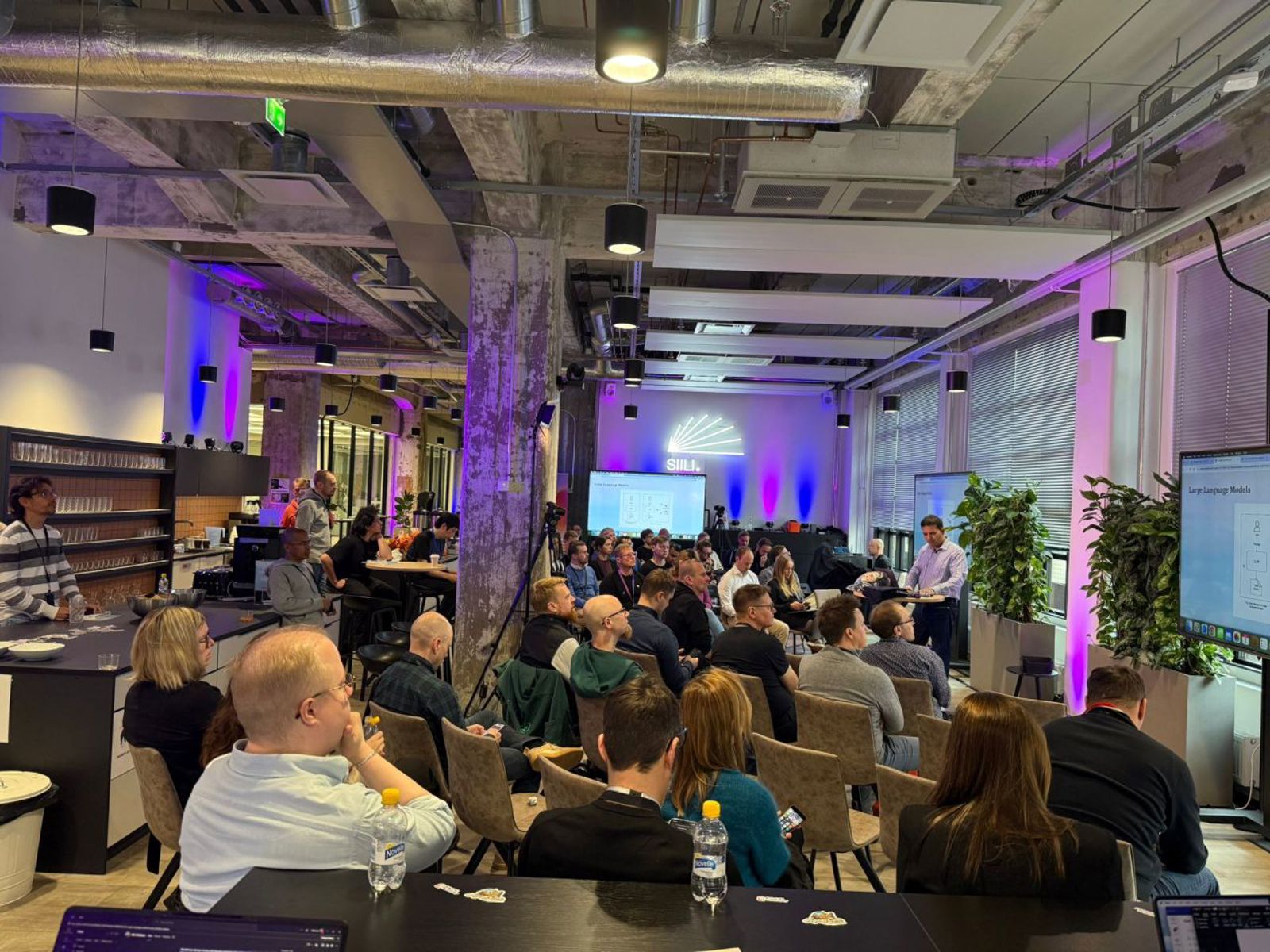
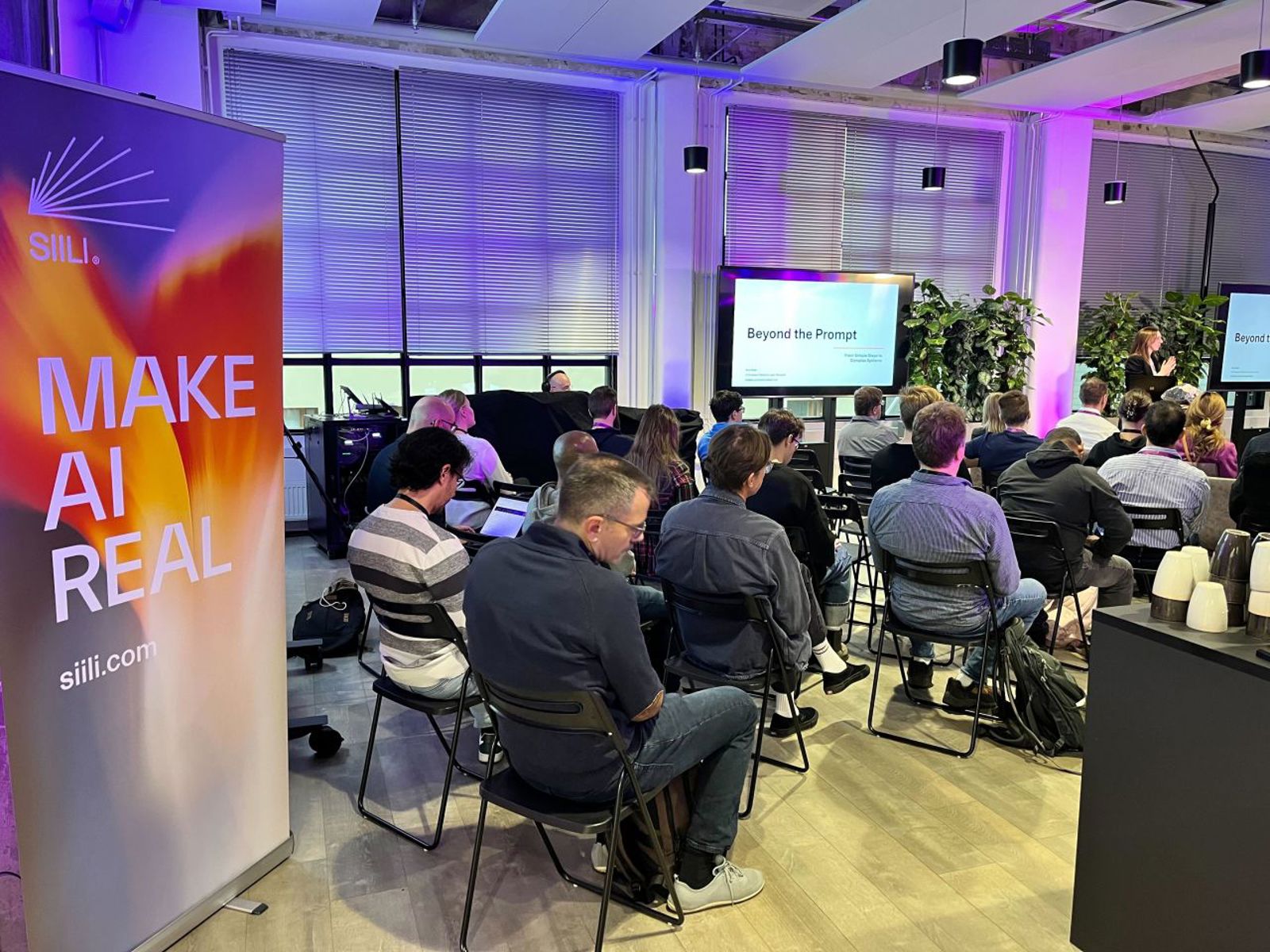
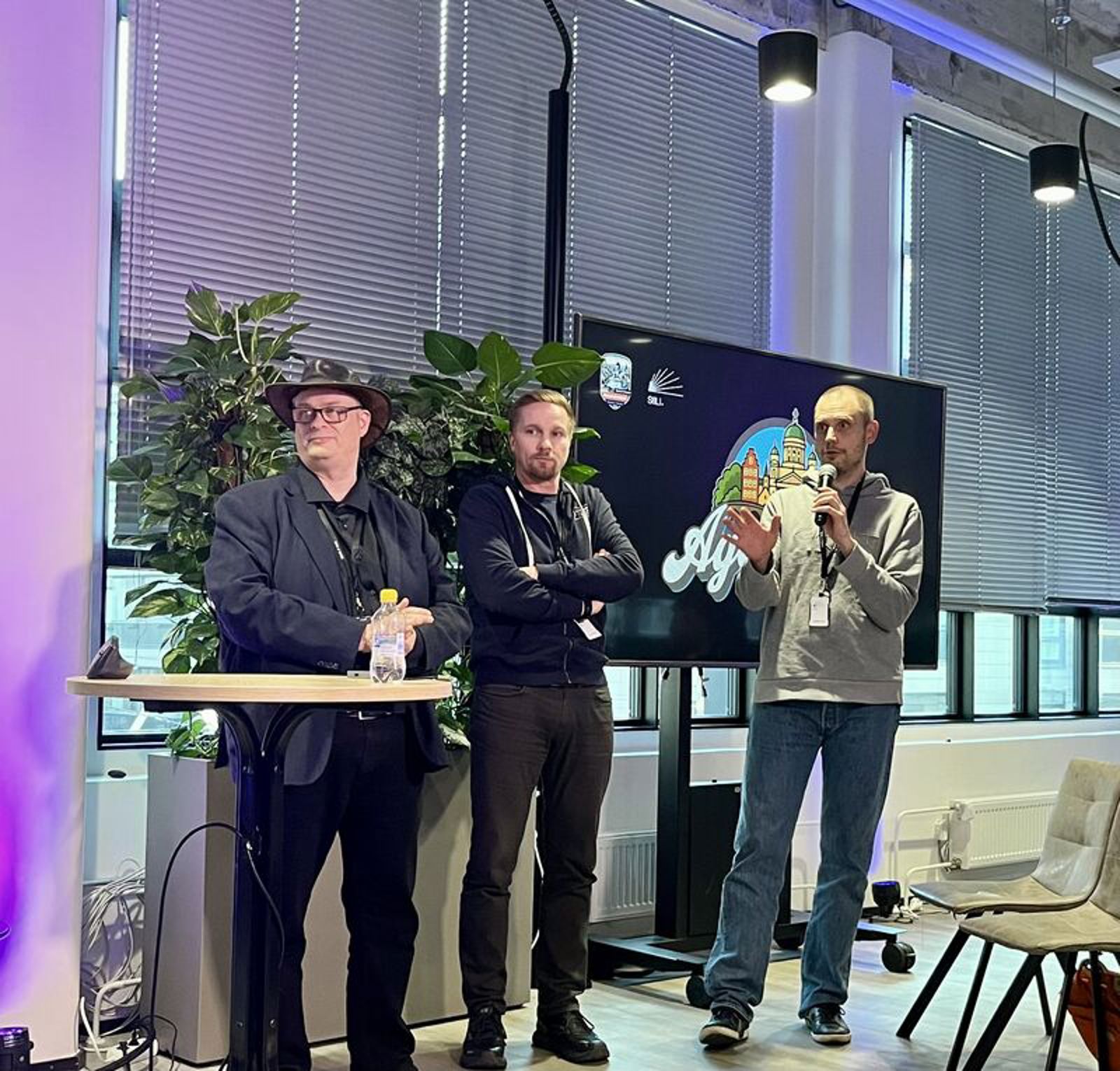
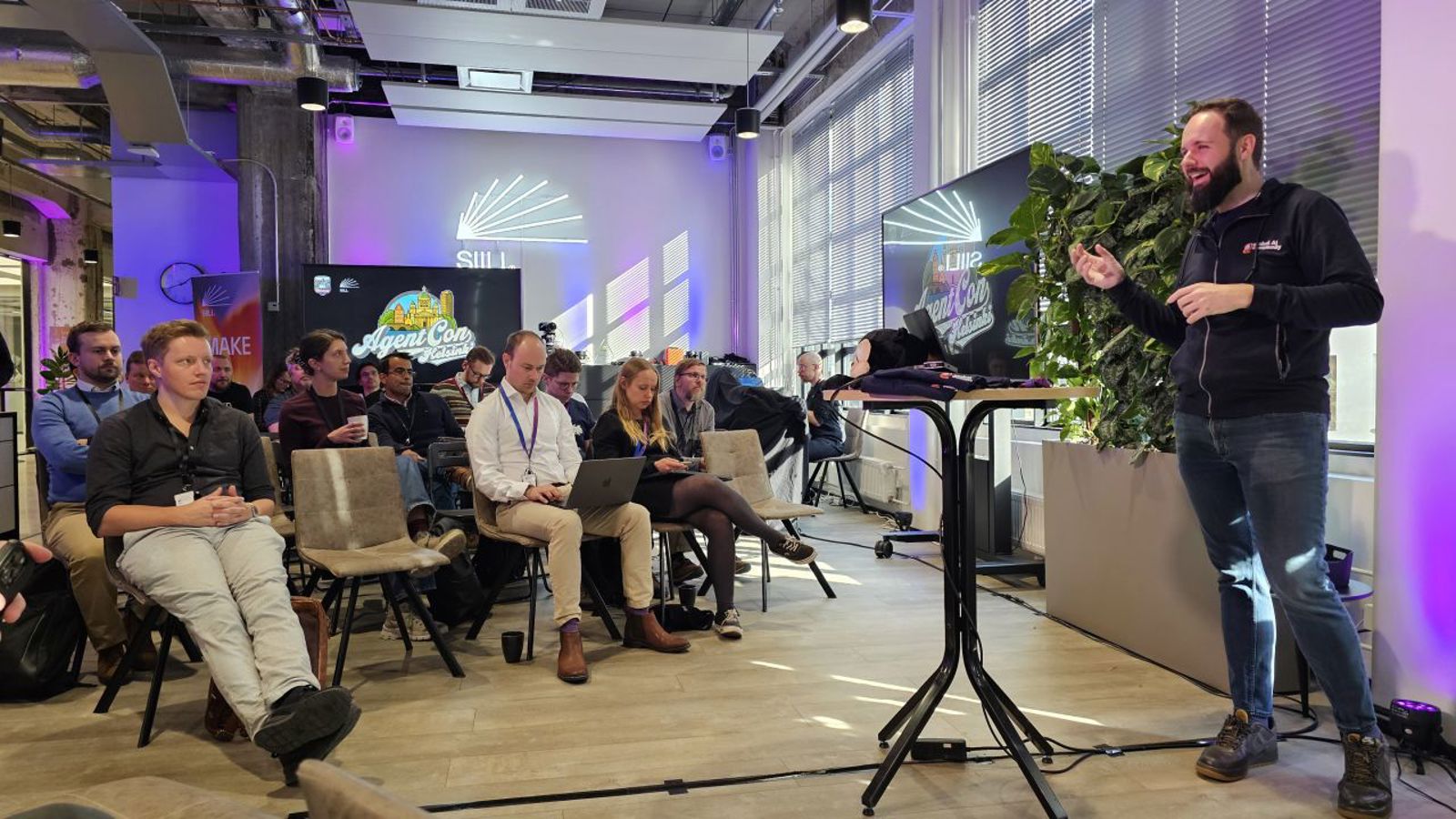
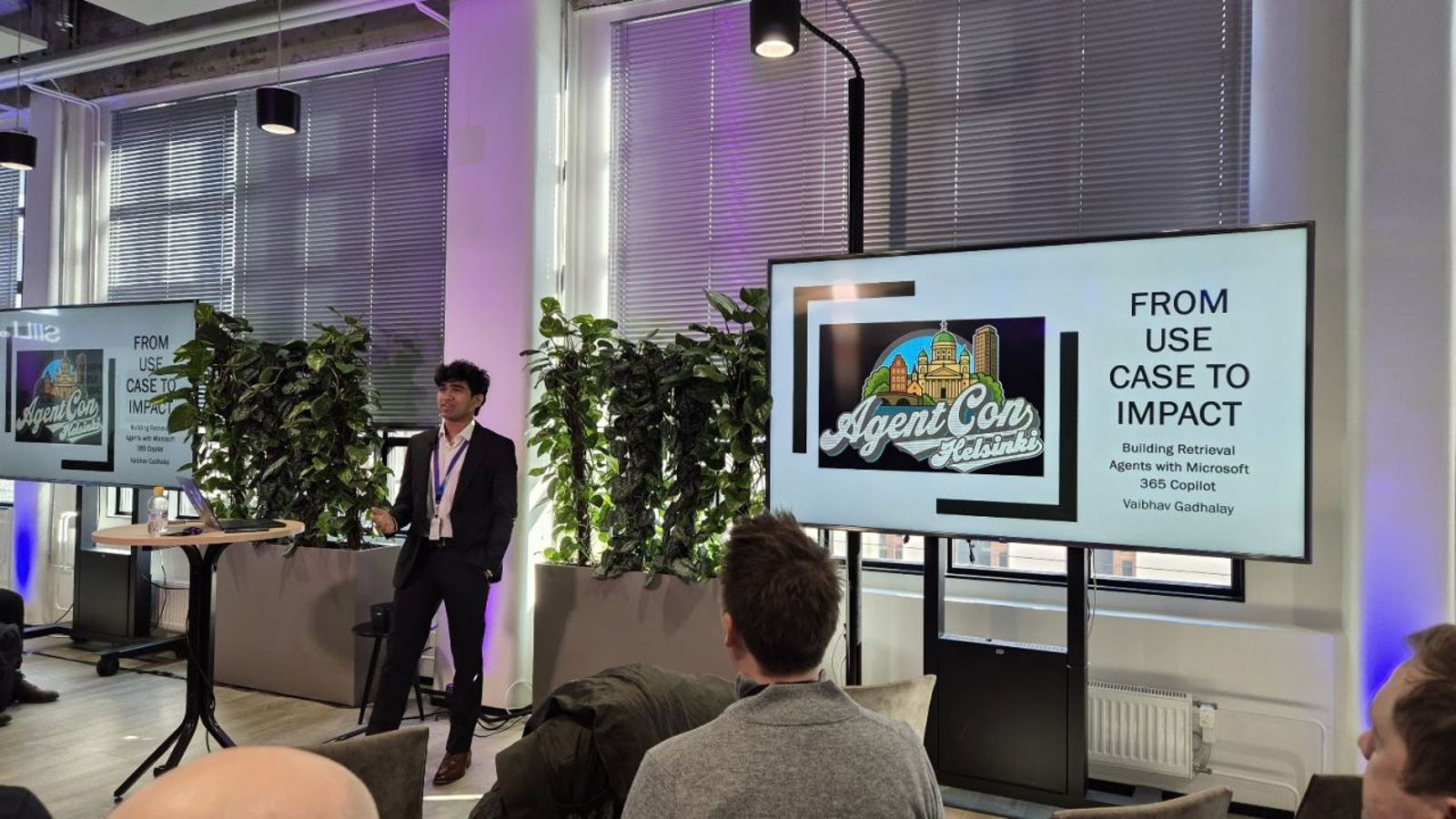
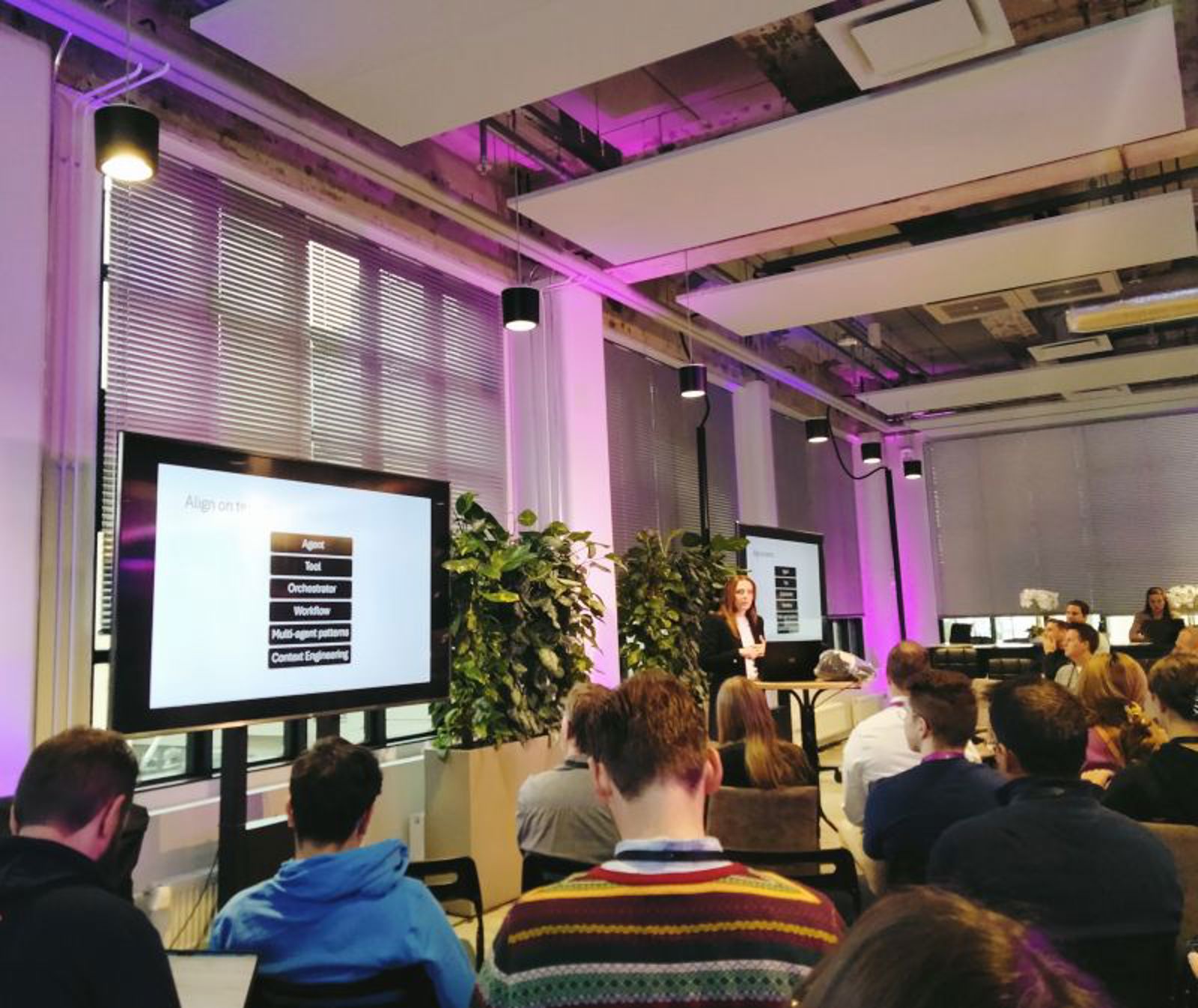
This is how it looked
Made possible by
Made possible by:


Explore AgentCon
AI Agents Developer Conference
AgentCon made possible by: